
An overview into some of the most impactful Telugu movies of the year irrespective of their box office results: also, the emergence of new actors who have made quite an impact with elements of caste and gender
The year of 2025 like 2024 has belonged to small and medium budget films. A very distinctive feature among the successful films are the star casts featuring new kind of leading actors without the baggage of stardom. This is particularly true in the case of Court, Little Hearts and Mirai.
Court backed by popular actor Nani is an important social movie talking about the misuse of POCSO and also the caste structure. Director Ram Jagadeesh effectively used the set-up of a teenage love story to explore these topics. What also makes Court special is that the film is Ram Jagadeesh’s directorial debut.

Little Hearts written and directed by Sai Marthand is also a debut feature like the above mentioned Court. This too features a teenage love story but with a different social set up. The heroine in this movie Kathyayini (Shivani Nagaram) isn’t just 3 years older to the hero: she is also a strong-willed protagonist. This clearly comes out in the way of Kathyayini taking charge of the relationship. The interval point with her slapping Mouli’s Akhil when he asks are you aunty is another solid example of her strong-willed nature. Little Hearts is a perfect mix of coming of age with some adorable rom com moments. Director Sai Marthand was thoroughly successful in entertaining the viewers. Not surprisingly the film turned out to be very profitable.

Kathyayini slapping Mouli’s Akhil as he asks whether she is aunty
Mirai directed by Kartik Gattameneni followed the template of Teja Sajja’s last Hanuman. Nevertheless, the movie was an engaging visual spectacle with strong back stories for the hero and the antagonist. Like Hanuman here too Teja Sajja pulled off the character’s transformation with ease. With Mirai Teja Sajja proved that he is here to stay. Manchu Manoj also shined in the negative role with a commanding voice.
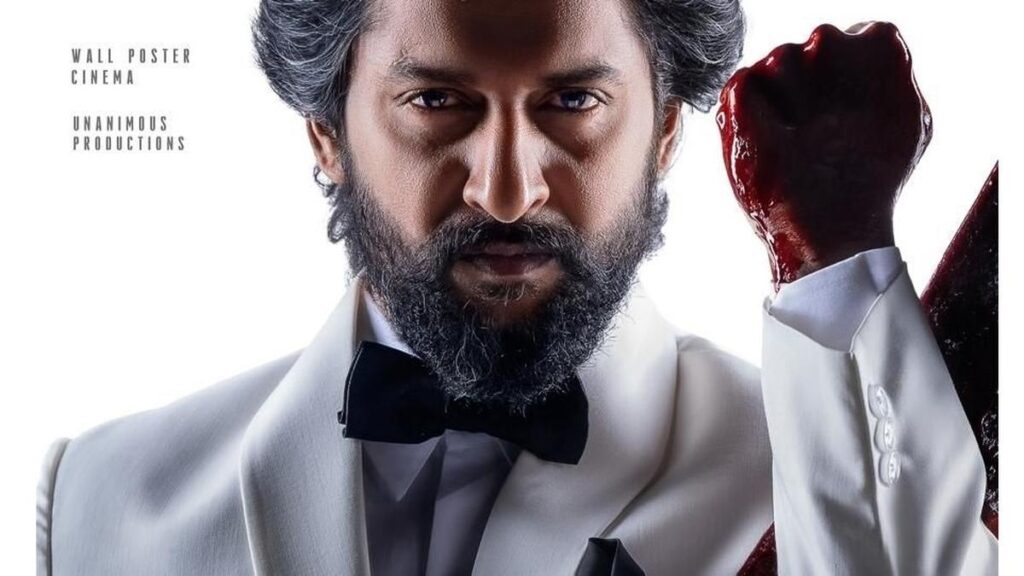
Among the popular actors Nani had a double dhamaka both as an actor and producer. As an actor Nani hit it out of the park with the violent crime thriller Hit 3. The movie presented Nani in his most ferocious avatar till date, and he nailed the nailed the different shades.
Senior performer Venkatesh made a good comeback after the underwhelming Saindhav in 2024. Anil Ravipudi delivered a perfect Sankranti entertainer with an in form Venkatesh. As a man caught between his wife and ex girlfriend while handling an important task at hand Venkatesh raised many chuckles with his expressions and a wonderful sense of comic timing. Both Aishwarya Rajesh and Meenakshi Choudhary also added to the fun with their respective acts. A special mention though must be made of the child actor Bheemla Revanth Pavan Sai Subhash. He was simply boisterous with the OTT inspired curses. The child actor shared a wonderful chemistry with Venkatesh.
Another senior actor Nagarjuna had a solid year as well with two contrasting roles in Kuberra and Coolie. In Kuberra Nagarjuna played a conflicted CBI officer with panache, he brought out the inner dilemmas in an excellent manner. Coolie on the other hand saw Nagarjuna as an out out villain. He clearly had a blast playing an unhinged antagonist.
Among the actresses both Anupama Parameswaran and Rashmika Mandanna had strong roles in Paradha and The Girlfriend respectively. Both these movies feature women protagonists of a certain type. How the thought process changes and the eventual transformation is a delight to watch. In case of Paradha its about questioning archaic traditions. The Girlfriend on the other hand had one of the best climaxes in 2025 with Rashmika’s Bhooma letting it all out and a Maa Durga symbolism.
Following are some of the most impactful Telugu movies of the year
Court: Ram Jagadeesh’s Court is an important social drama led by an excellent cast. The movie threw light on a sensitive issue like misuse of POCSO. In today’s age of increasing macho heroes it was refreshing to see a story of two underdogs. In a way the film follows the template of Jolly LLB universe nevertheless Court is an engaging movie. A very important aspect of Court is its subtle depiction of caste hierarchies without spelling it loud. This comes out in two instances primarily. One is the heroes’ mother ironing clothes as a profession and the second one is Harshvardhan’s character saying to Priyadarshi on why he wants to save the protagonist, after all he is just a watchman’s son. The teenage love story featuring Harsh Rohan and Sridevi Appala has also had its highs especially the sequences of Premalo song. The performances led by a terrific Sivaji are an icing on the cake. Sivaji absolutely embodied the caste fanaticism and the misogynistic attitude. Priyadarshi as the underdog lawyer was good too with some important dialogues on how the judicial system needs to follow certain discretion. Both the young leads Harsh and Sridevi Appala did a fine job as well, but the former stood out in portraying the pain of a young man caught in a complex scenario.

Kuberra: Sekhar Kammula and Chaitanya Pingali’s Kuberra is easily the director’s most socio-political movie till date. Movies about financial scams aren’t new by any means but what makes the difference here is the integration of beggar’s community. Dhanush’s Deva is an underdog hero transforming into an unlikely champion. Through an underdog hero played by Dhanush the movie gives a relevant message on what true wealth means. It talks about how true wealth should help in improving people’s lives and not just hoarding riches.
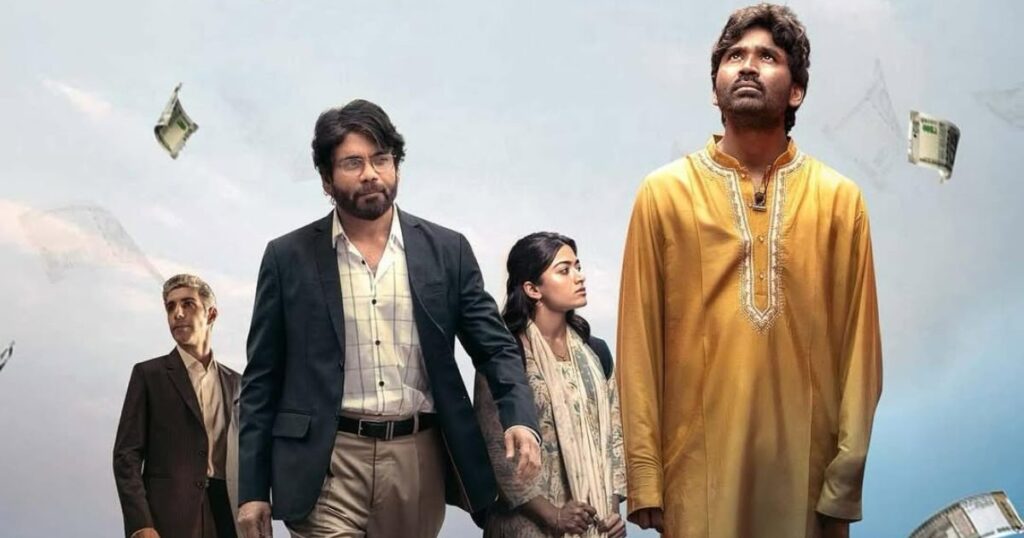
Apart from a terrific Dhanush and Nagarjuna the integration of Rashmika’s Sameera was also well done. As a young woman caught in a major tussle Rashmika did a fine job in portraying the inner strength. Jim Sarbh too perfectly embodied the power-hungry capitalistic attitude with his demeanour. The movie also featured some impactful dialogues. They were often laced with philosophical undertones especially the scene of Rashmika where she talks about all of them being beggars in some way or other. The dialogue goes like this “I begged freedom from my parents. I begged my boyfriend to not break up with me. I begged my friend to let me stay at her place for a few days and now I’m begging people to give me a job. So all of us are beggars in some way or others, they are also dialogues critiquing capitalism in an impactful manner. The production design by Thota Tharani also played a crucial role in building an authentic atmosphere.
The Girlfriend: Rahul Ravindran’s The Girlfriend is a strong slap on toxic masculinity endorsed by the likes of Arjun Reddy and Animal. The movie focuses on the transformation of a timid woman Bhooma (an outstanding Rashmika Mandanna). How she goes from scared to a more assertive individual is a delight to watch in spite of a slow burn approach.
A lot of Bhooma’s suffocation is shown through symbolism and magic realism like the impactful interval sequence. Both the writing and Rashmika’s performance makes the viewers empathize with Bhooma’s struggles of wanting to break out.
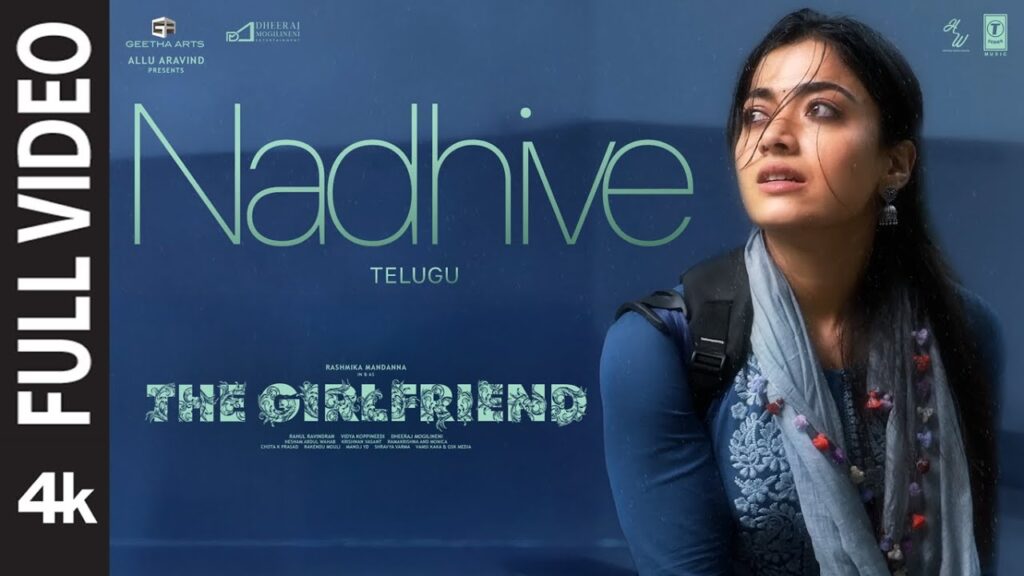
The Girlfriend also has strong scenes of sisterhood. The scenes between Anu Emanuel and Rashmika though not a lot in number are a treat to watch, as Durga Anu brings in the required warmth especially in the sequence where she warns Bhooma about Dheekshith Shetty’s Vikram not being the right guy. As the controlling boyfriend Dheekshith Shetty was in top form too.
Little Hearts: Little Hearts directed by Sai Marthand is a fun coming of age tale with some good rom com moments. The movie features two protagonists who aren’t exactly the brightest bulbs when it comes to studies. The plot follows their journey from meeting at long distance coaching to a journey together. Akhil played by a wonderful Mouli is nursing the wounds of an intermediate break up when he meets Shivani Nagaram’s Kathyayini. What seems to be a temporary recourse develops into something deeper. A strong aspect of Little Hearts is the different process of love for the two protagonists. Unlike Akhil who gets instantly smitten by Kathyayini’s Ishqzaade hairstyle. She takes her own time in trusting the protagonist. Kathyayini comes with a very clear thought process of marrying whom she loves. Throughout the second half she comes across as a binding factor being a teacher/girlfriend as per the situation. The way she brings the change in Akhil without getting into a screechy mode like the wonderful bus sequence is a delight to watch. There is a moment in the bus when Akhil is about to abuse, and Kathyayini gives a hard look. She doesn’t say anything but it’s enough for Akhil to change his tone to more respectful. This is followed by a smile on Kathyayini face. Even when the matter gets serious at her home Kathyayini defends Akhil by saying that she proposed to him first which isn’t actually true. No wonder Akhil says he cannot leave her no matter what. Mouli absolutely nailed this important monologue elevating the movie from just a comedy. An important aspect of the pre climax more than standing for Akhil is the female autonomy with Kathyayini being the steering wheel of where the relationship is headed, this also reflects in the career choice later on. All this combined make her a steel rod and Shivani Nagaram did a very good job in bringing alive these qualities. What also added to the movie was Jai Krishna’s comic timing. His constant doubts about Akhil and Kathyayini’s love being doomed only to be proven wrong was terrific. The Bahubali parallels also came out well adding to the entertainment quotient. Among the senior actors both Rajeev Kanakala and SS Kanchi made their presence amply felt.

Thandel: Chandoo Mondeti’s Thandel is inspired from a real life incident involving a group of fishermen caught in Pakistani waters. The jingoism aspect coupled with the sketchy Pakistani characters did pull the movie down still the movie had a heartfelt love story. The director did a fine job in exploring the lives of fishermen bringing out a strong sense of brotherhood among the community. Thandel also benefitted from a strong technical department coupled with Naga Chaitanya and Sai Pallavi’s strong acts. Devi Sri Prasad’s score boasted of melodious songs like “Bujji Thalli” and “Hilesso Hilessa”. As Raju and Satya Naga Chaitanya and Sai Pallavi did a very good fine job in portraying the emotional complexities. Before Raju and his group drift into the Pakistani waters a major conflict arises between the couple threatening to destroy their relationship. These conflict points were handled well with the audiences understanding the dilemmas of both. The character of Sai Pallavi’s Sathya becomes an important anchor for the fishing community when Raju is stuck in Pakistan Jail. The strong inner strength is palpable in the way she takes things head on. This gender aspect also adds an interesting layer.
Andhra King Taluka: Mahesh Babu Pachigolla’s Andhra King Taluka is an engaging love letter relatable for numerous fans. Unlike Maneesh Sharma’s movie Fan this one does a much better job in using the emotional bond between a devotee and his favourite actor. A big strength of Andhra King Taluka is the climatic portion featuring heartfelt conversations between Ram’s Sagar and Upendra’s Surya. The positive influence of Surya on Sagar in overcoming anxiety issues and tackling challenges head on moves the audiences.
Ram Pothineni has always been a capable actor but the choices have always been a problem: But Andhra King Taluka showed the actor’s potential in an excellent manner. Ram delivered a knock out act especially the interval block. It is an emotionally charged moment and Ram did an excellent job. Upendra too lent in gravity as Sagar’s idol. The vulnerabilities of a major star came out well through his role. Upendra especially shined in the pre climax when Surya bares his soul out. Andhra King Taluka makes for an engaging watch especially if you have been a diehard fan yourself.

Paradha &Subham: Praveen Kandregula’s Paradha and Subham are two very important women sensitive Telugu movies of the year. Paradha on one hand questioned the practice of archaic traditions through a fictional village. By using the veil as a symbolism Praveen Kandregula talked about the different kinds of obstacles faced by women. The movie also featured a strong sense of sisterhood among the three women protagonists in spite of the varied age gap and different social backgrounds. Anupama Parameswaran, Darshana and Sangeeta delivered powerful performances as well enhancing the narrative. Anupama was particularly good in bringing out the transformation from blind belief to becoming more liberated.
Subham on the other hand used the horror comedy format to question the stale nature of TV serials along with the concept of alpha male. A major highlight of Subham was the second husband played an excellent Gavireddy Srinivas. The actor generated a lot of humour as a proud alpha whose pride is massively hurt. The movie gave an important message on the necessity of communication in a marriage and understanding the women in your life rather than trying to be rough.
Anaganaga (ETV Win): Anaganga streaming on ETV Win has a simplistic core but an important message on the need to reinvent education system. The emotional drama featuring Sumanth and Viharsh as the son worked extremely well. How Viharsh’s character gradually gets over his stage fear and also academics gave some poignant moments.

The husband and wife arguments with Kajal Choudhary playing a strict principal were also well written. In spite of some major ideological differences between the two there are also understated romantic moments like Sumanth’s Vyas pacifying his wife. Later she too understands the husband’s point of view.
Director Sunny Sanjay also did a good job in showcasing the dark side of academic competition. You have a disturbing scene of class toppers awarded on the podium; on the other hand those who have failed are publically called out. The message regarding the need for empathy in education and how the race for top ranks is harmful in the long run came out in an impactful manner.
Uppu Kappurambu: Uppu Kappurambu on Amazon Prime is a whimsical social satire with an excellent Suhas. Director Ani. V Sasi flipped the popular Telugu poem on its head by saying that everyone is equally important.

The plot features a caste angle through what seems to be a bizarre fight over graveyard control. On the surface it may seem idiotic but the caste disparities with two influential families fighting it out is both funny and thought provoking. Keerthy Suresh as a woman sarpanch takes a while to get going but the national award-winning actress soon settled down giving a very fine performance. Suhas as the graveyard caretaker Chinna was simply superb getting into the skin of the character with ease. He especially stood out in the scene when talking to the dead as if they are long lost friends.


