Ustaad Bhagat Singh: Second half saves the day

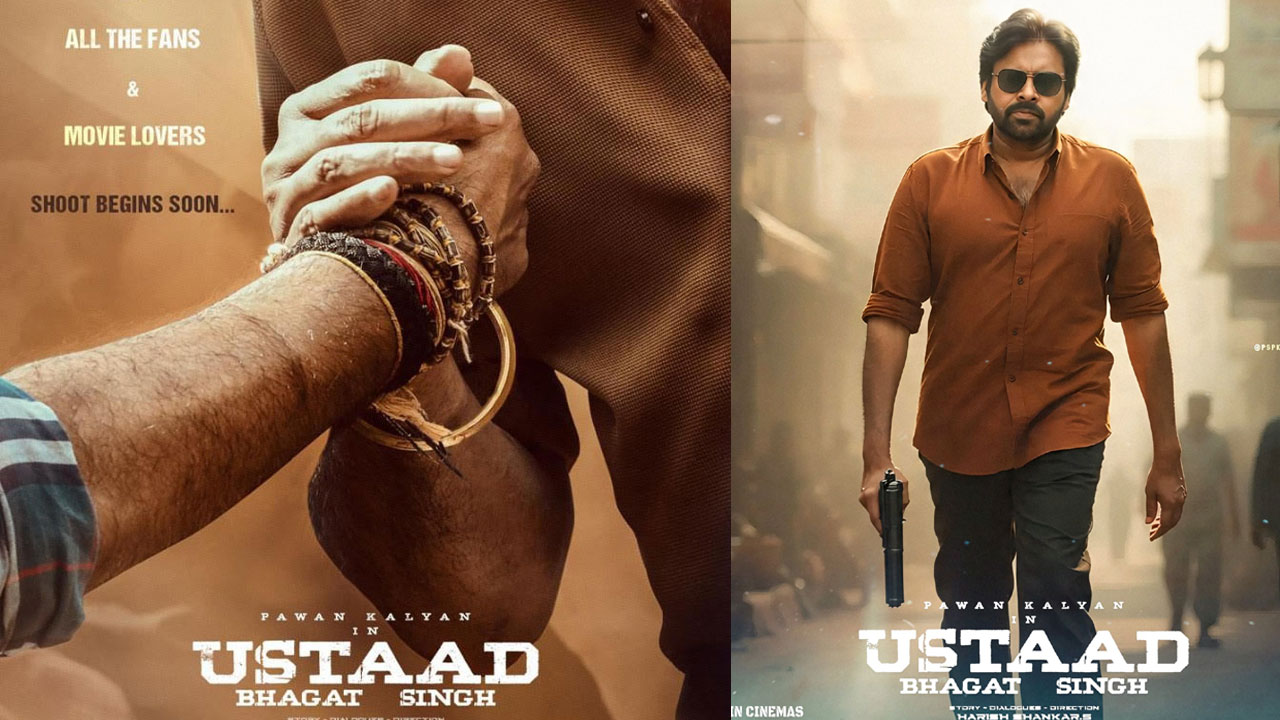
The reunion of Harish Shankar with Pawan Kalyan doesn’t have the entertainment value of Gabbar Singh. Nevertheless, the post interval portions save the film from being a sinking ship. The social issues dealt with are not new but at least there is a coherence with enjoyable fan moments. Sree Leela appears in mid second half delivering her best act in recent times. Pawan Kalyan plays to the gallery for a substantial part at the same time there are some solid moments of acting too.

Starcast: Pawan Kalyan, Partiban, K S Ravi Kumar, Sree Leela, Rashi Khanna and others

Genre: Action/drama

Direction and story: Harish Shankar

Screenplay: Dasardh and Ramesh Reddy

Music: Devi Sri Prasad

Cinematography: Ayananka Bose

Producers: Naveen Yerneni and Yalamanchili Ravi Shankar

Production Company: Mythri Movie Makers

Running time: 2 hours and 34 minutes

There has been a certain apprehension about Ustaad Bhagat Singh being a remake of Vijay Thalapathy’s Theri. A big reason for the fear is the director’s last Mr Bachchan based on the first Raid, an absolute mockery. The good news is that Ustaad Baghat Singh is an original story even though the beats harp back to numerous other cop dramas. The film tries to be a mix of fan appeasement with Pawan Kalyan’s political ideology. And the result is a mixed bag especially the first half.
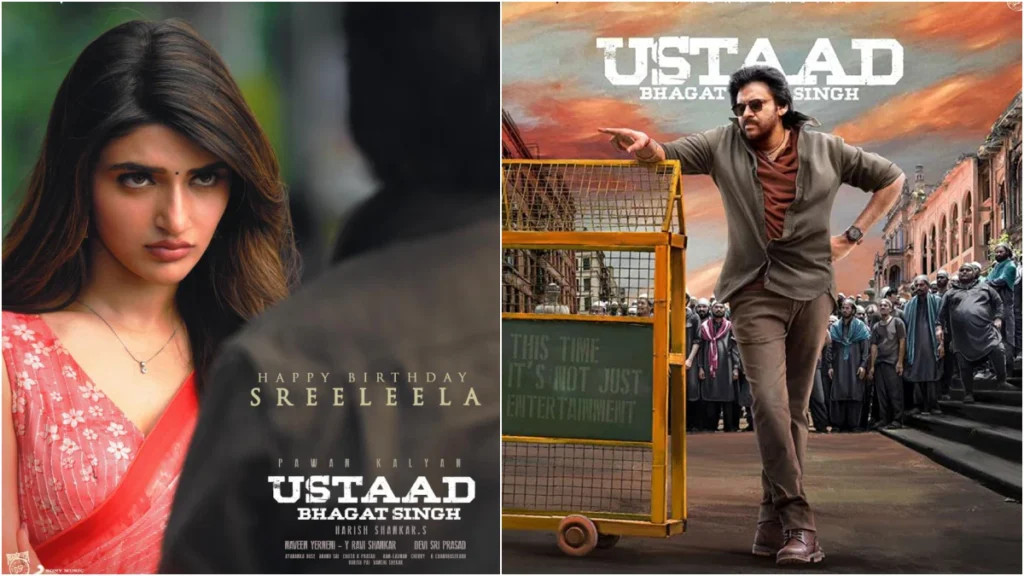
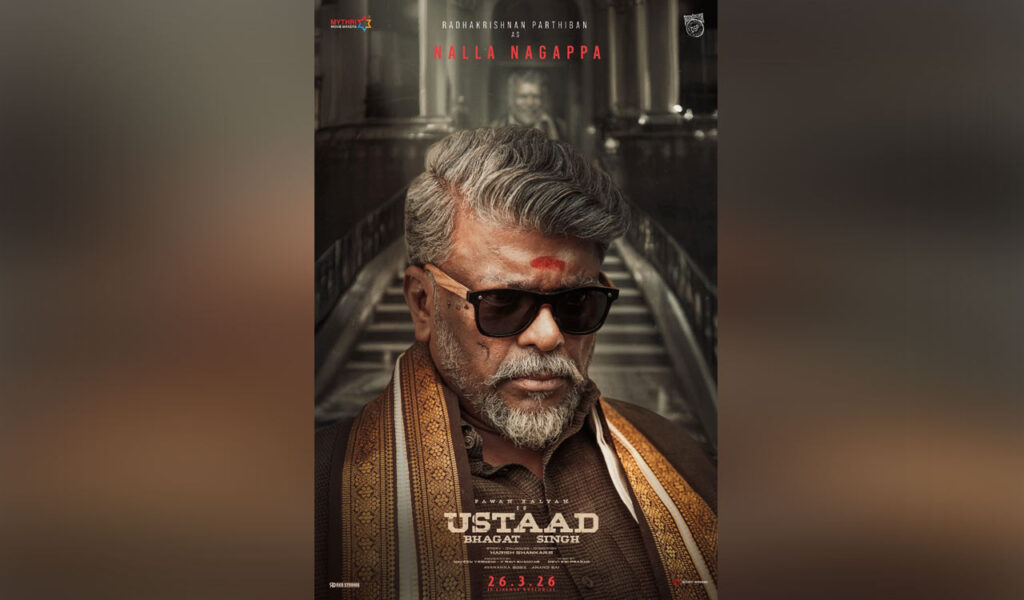
Ustaad Bhagat Singh begins with the childhood story of how Pawan Kalyan’s character grows up in an orphanage. How his thought process is influenced by books especially the one on revolutionary Bhagat Singh. Filmmaker and actor KV Ravikumar plays a father figure, and he is the one who names the younger version of the protagonist Ustaad Bhagat Singh. KV Ravikumar’s character soon enters politics but before leaving the village he takes a promise from Bhagat. Bhagat soon grows to be a daredevil cop but this daredevilness comes with a cost. And this is connected to a cunning politician Chandala Maari Nalla Nagappa (a suitably evil Partiban). How the paths of Bhagat and Nagappa cross along with the protagonists fight against different social evils forms the core of UBS. In between the masala there is Sree Leela’s radio jockey Leela.

It goes without saying UBS is largely dependent on Pawan Kalyan’s screen presence and his overall star power. To Pawan Kalyan’s credit the actor delivers a competent act playing to the gallery when required as well as the few emotional scenes. A special mention must be of the scene in a hospital involving a sexual assault victim. The scene does not have much novelty per say but Pawan Kalyan’s understated but thoroughly effective act elevates the moment. Similarly, there is another sequence when an attack happens and a person close to Bhagat dies. The aggression mixed with the moist eyes is also well done.

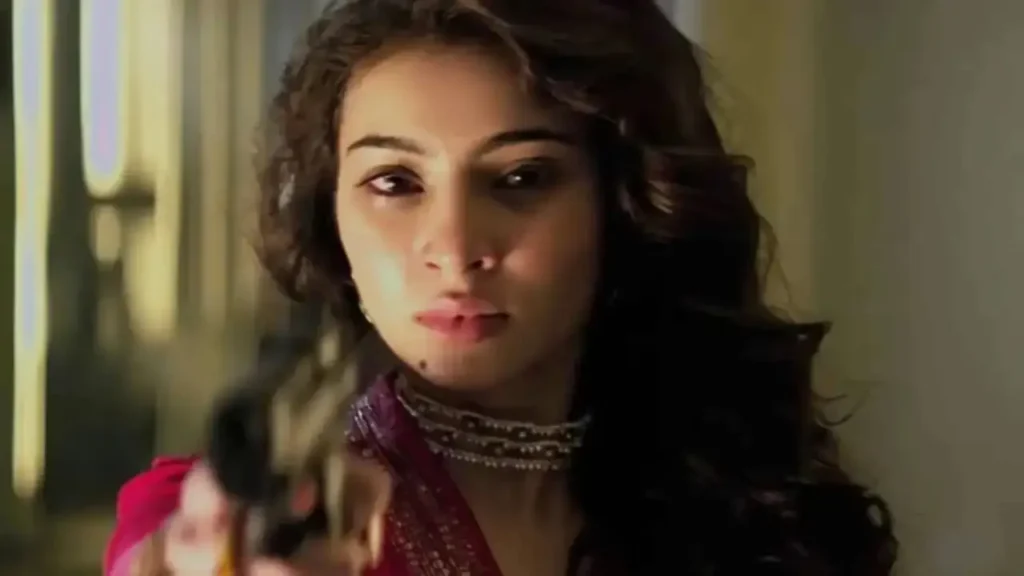
The movie in particular picks up pace in the second half. The love story mixed with Pawan Kalyan’s face off moments have a good dose of masala. Sree Leela as the hyperactive radio jockey makes Leela’s bubbly nature work. At the same time there are a couple of emotional too like a breakdown when the friend is found assaulted and the actress does an effective job. Also, the shock mixed with happens when Bhagat proposes is very nicely done.
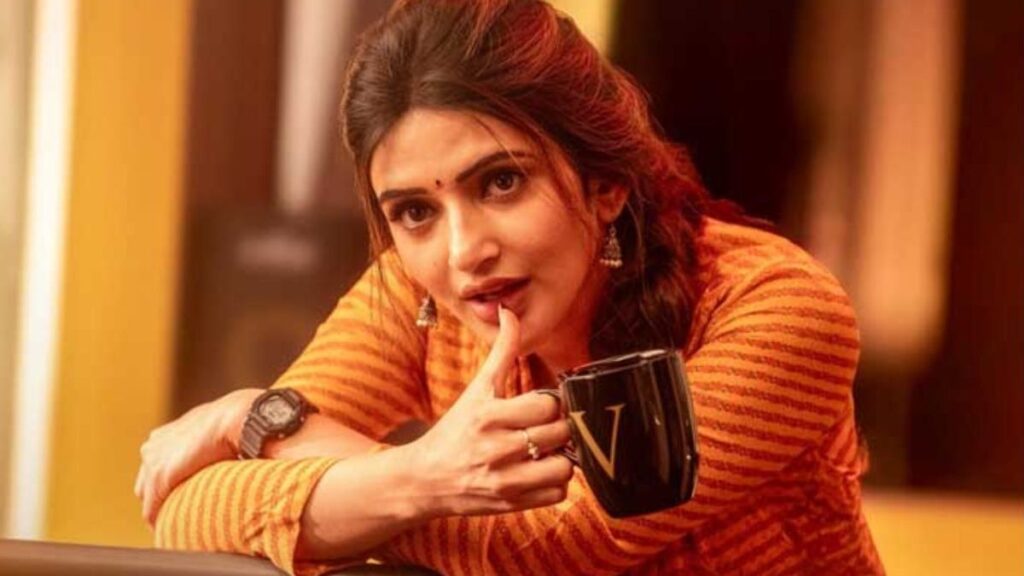
The use of the soulful duet ‘Nee Manesa’ from Tholi Prema with Leela bestowed by Bhagat Singh is nostalgia done right. Partibaran as already said is suitably evil especially in the scene where he challenges Bhagat when the latter is down and out. KV Ravikumar as the father figure lends in a certain warmth in the interactions with Pawan Kalyan.
A mention must also be made of some masala dialogues. A couple of them are as follows ‘Gandhi Garu Ante Gauravam. Bhagat Singh Ante Pranam’. ‘Aasthulu andaru pogesukuntarandi. Aasirvadalu matram kondare pogesukuntaru’.

A major problem with UBS is the uneven first half. Rashi Khanna’s Sloka does not bring any value and her interactions with Pawan Kalyan are in no way entertaining. Satyam Rajesh as the supposed psychiatrist comes across as more of a caricature than a professional. The entire angle of the so-called depression Sloka is going through is a perfect example of lazy writing.

An elongated gag involving Bhagat’s dancing skills also overstays its welcome. It does not add anything substantial to the story. In fact, the comedy of the first half involving Satyam Rajesh and also Prabhas Srinu as a sidekick of Bhagat produces more groans than laughs. There is also an unnecessary homosexual detour.

While the second half is definitely better the social issues handled have been seen in umpteen better masala films. The terrorism angle in particular with Pawan Kalyan’s dialogues has a major Hindutva hangover. The character of the terrorist head and his punchline leads to unintentional humor rather than the viewers hating him. A couple of so-called twists have a repetitive nature as well.

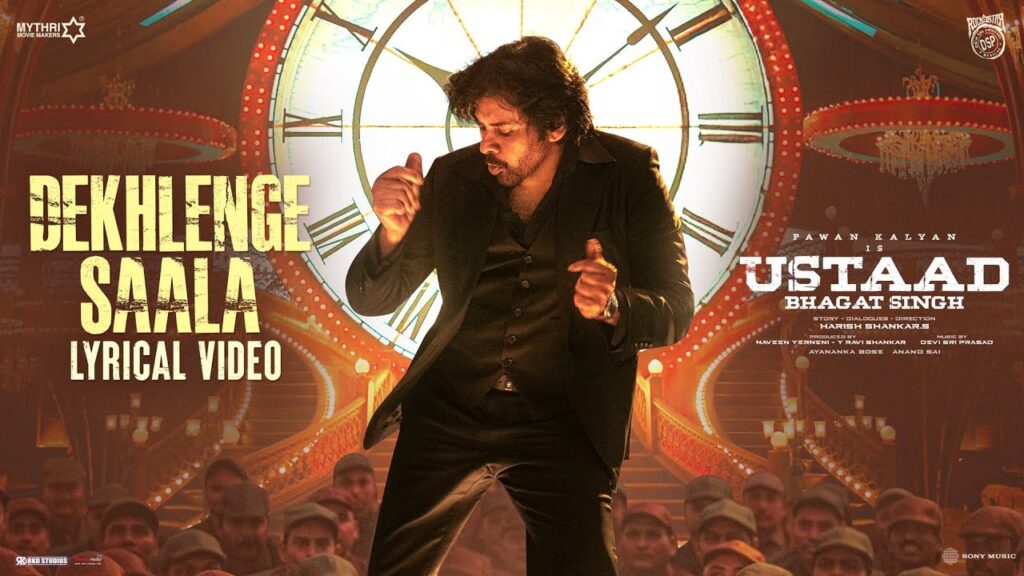
The music of Devi Sri Prasad is nowhere close to the previous collaborations with Pawan Kalyan. Having said that Dekhlenge Saala makes an impression thanks to the tune and Pawan Kalyan’s nimble dance steps. Thaman S background score is in tune with the celebration of Pawan Kalyan.
Final word: UBS is passable entertainment for diehard fans provided one can overlook the clumsy first half.
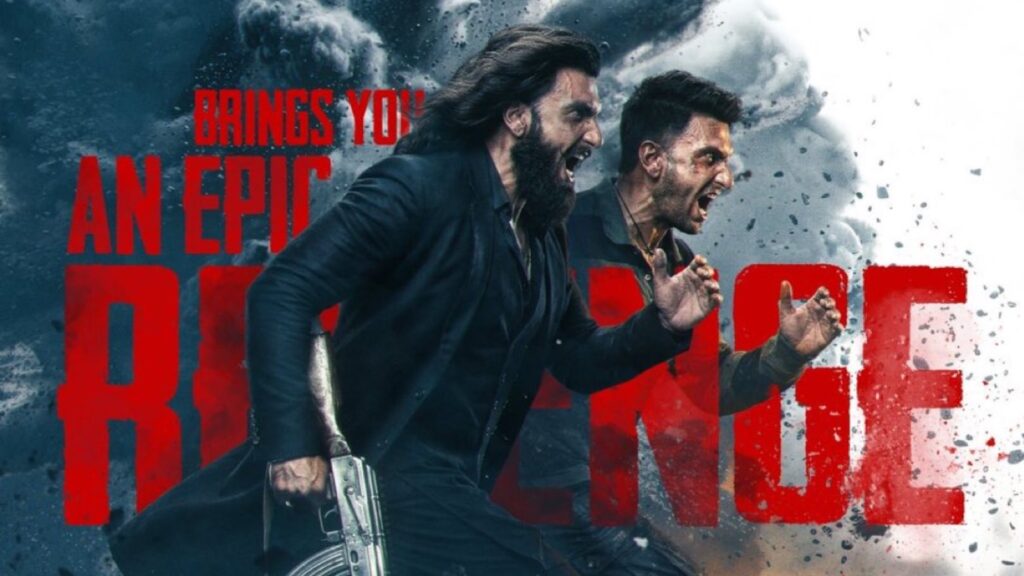
Dhurandhar 2 (The Revenge): Aditya Dhar’s Hindutva version of Gangs of Wasseypur

There is no denying Aditya Dhar’s technical prowess and his ability in staging a scene. However, it’s high time that the young director steps out of government mouthpiece image. Ranveer Singh as Jaskirat/Hamza Ali Makari gets a more of an author backed role here and the actor chews the scenery perfectly oscillating between understatedness and emotionally charged. Rakesh Bedi continues to entertain as the conniving politician with a solid twist towards the end

Starcast: Ranveer Singh, Rakesh Bedi, Arjun Rampal, Sanjay Dutt, Danish Pandor and others

Direction, story and production: Aditya Dhar

Additional screenplay: Ojas Gautam and Shivkumar V Panicker

Music: Shaswat Sachdev

Cinematography: Vikas Nokawala

Producers: Aditya Dhar, Jyoti Deshpande and Lokesh Dhar

Production Companies: Jio Studios and B62 Studios

Running time: 3 hours and 53 minutes

There are two major reasons for the mega success of Dhurandhar movies. One is the YRF spy template with increasing focus on style with the same aesthetics. This has led to a lag after an impressive start with EK Tha Tiger, Tiger Zinda Hai etc. The other big reason for Dhurandhar’s blockbuster success is the gritty texture. The spy here takes his own sweet to roar. The first part of Dhurandhar in spite of the polarizing views became a monstrous hit especially Akshaye Khanna as Rehman Dakiat. Dhurandhar (the revenge) comes with massive expectations and is most likely to go the way of its predecessor splitting up the viewers on Aditya Dhar’s craft versus the political propaganda.

For those who haven’t seen Dhurandhar one the plot focused on Ranveer Singh’s Hamza infiltrating into the gang of Rehman Dakiat on the orders of R Madhavan’s Arjun Sanyal. The first one hinted at a backstory of how Jaskrit turned into Hamza. The second part is both a continuation and a prequel. The viewers see Jaskrit transforming from a young man with big dreams to his life turning upside down. In the present timeline the journey of a spy continues with him taking down the nation’s enemies one by one in a methodical manner. There is also the reveal of Bade Saab with a Dawood Ibrahim inspired character, but the biggest twist comes in the pre climax with Rakesh Bedi. The details of which are better enjoyed on the screen.

A strong aspect of Dhurandhar (The Revenge) is the effective world building. Much like the first part there is a lived in a feel to the proceedings whether it’s the Baluchistan politics or the internal strife especially the rivalry of gangs. In one way the film can be easily termed as Aditya Dhar’s Gangs of Wasseypur. The sprawling world of Lyari is a good example of this.

Shaswat Sachdev’s music and the background score also uplifts many scenes. The Aari Aari song continues to be a pulsating number, the placement of this signifying the transformation of Jaskirat is extremely well done. Another number worth mentioning here is Jaan Se Guzarte Hain. The background score is another winner for the movie, especially in the portions of tension and Ranveer turning into a ferocious beast.

Vikas Nokawala’s cinematography is of an excellent order too. He captures the rugged atmospherics of Lyari in a first-rate manner. His work in the hardcore action sequences also deserves a mention. A special mention must be made of the brutal showdown involving Ranveer and Arjun Rampal.

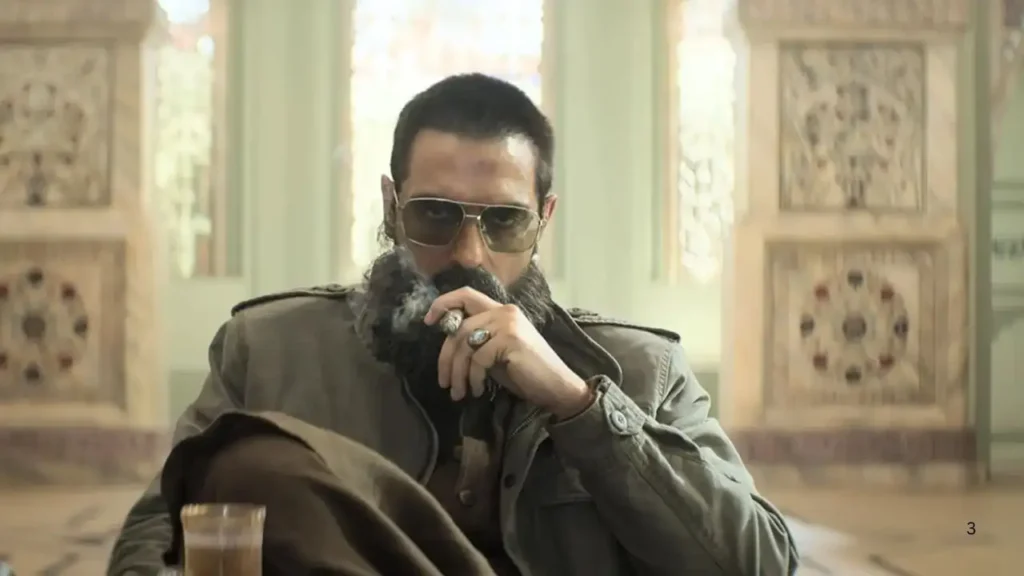
Talking about the villains the presence of Akshaye Khanna is definitely missed. There was a magnetic charm in the way Rehman Dakiat was written and performed. Arjun Rampal’s major Iqbal lacks that nevertheless the actor makes for a formidable antagonist especially in the scenes of Hamza’s real identity coming out. Aditya Dhar also gives a slight backstory into why Iqbal hates India and this gives a good psychological insight.

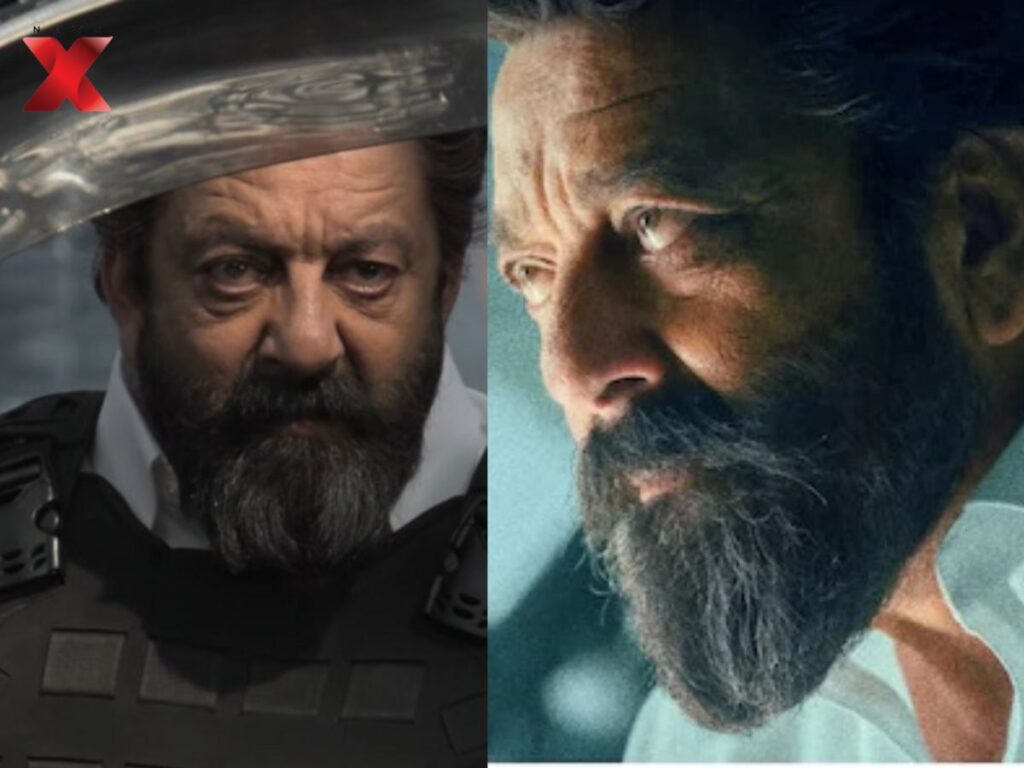
Sanjay Dutt as the semi villain is entertaining with his one liners like the humorous interaction with Rakesh Bedi amidst a shoot-out. He plays the grey shaded cop in a charismatic manner. However, Rakesh Bedi continues to be the strongest pillar. Much like the first part his character switches shades like a chameleon and the actor nails it. At the same time there is a surprising emotional touch in the pre climax conversation with Ranveer showcasing a different facet.

Ranveer Singh in the titular role gets more of a wholesome arc unlike the first one. The actor throws himself deeply coming up with a first-rate performance. The performance has the right mixture of emotional vulnerability and ferociousness. At the same time, he also plays the part with the required understatedness. Ranveer especially stands out in a post interval stretch when the cover is almost blown. R Madhavan also gets more screen time in comparison to the first one and the actor makes his presence amply felt as the strategist. Among the rest Danish Pandor as Rehman Dakiat’s younger brother starts off promisingly but is soon relegated to the background.

Blatant glorification of ruling party:

A major problem with Dhurandar (The revenge) is the extremely blatant glorification of the ruling party. Narendra Modi twice makes an appearance and there is an extended subplot of praising demonetization. His dialogues talk about how the entire operation created a big dent for terrorists and this is stretching enmity too far. The first part had its share of open propaganda, but this one makes the movie look like a film funded by BJP whether it is the demonetization angle or the slogans of Bharat Mata ki Jai. The surgical strikes also find a mention.

The women characters are also patchily written. Sara Arjun as the wife is relegated to the background for most part. Apart from being tensed in the post interval portions there is nothing more. There is a crucial emotional sequence with the character going through a heartbreak but as viewers you don’t feel anything because the romantic relationship was hardly developed in the first place. Even the powerhouse Yami Gautam is wasted in a cameo adding zero substance.

The violence is also more grating than the 2025 movie. Its more violence for the sake of effect than anything else in spite of Ranveer putting his heart and soul.

The Pakistani characters too are more of barbarians than fleshed out human beings. There is an attempt at nuance when Jaskirat talks about how Pakistan is equally suffering due to terrorism and that his war is not against the common man. But this feels like more of lip service than something concrete.

Final word: Dhurandar 2 (The Revenge) is best enjoyed for fans of patriotic action dramas or if you are a huge admirer of Ranveer Singh.