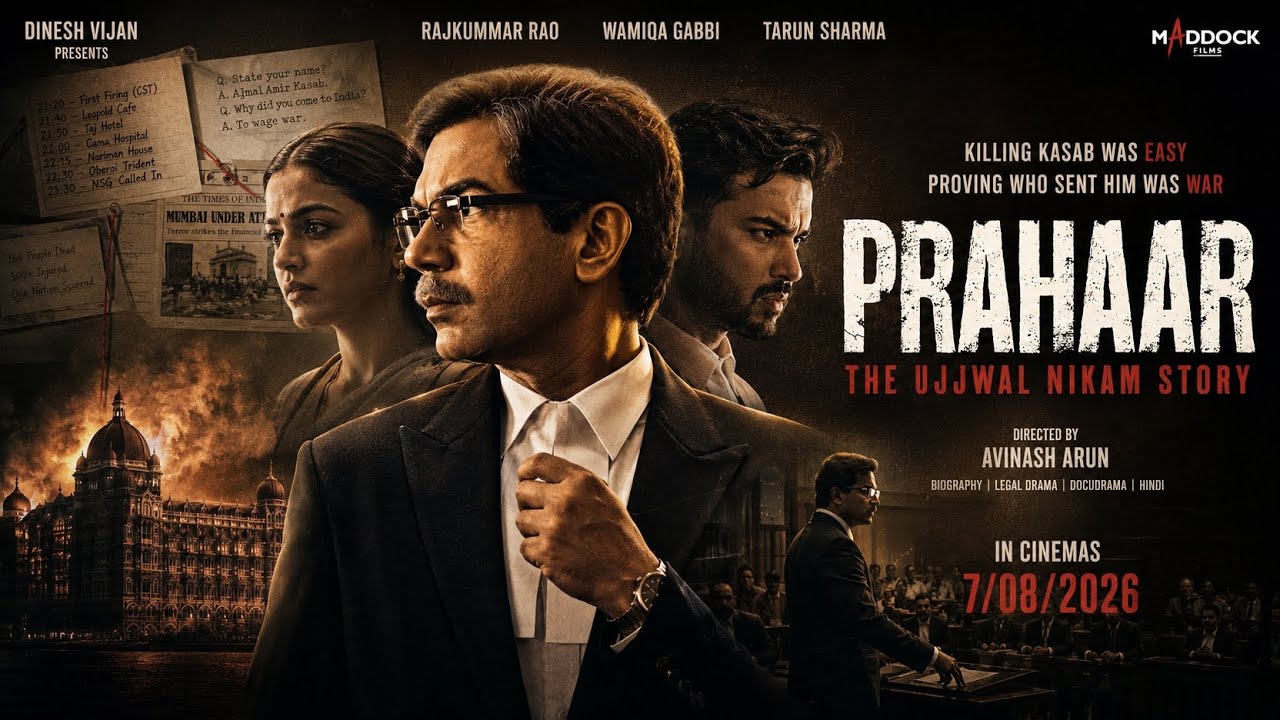
Director Avinash Arun Dhaware and writer Sumit Roy take a slightly different route from the usual stories centered around 26/11. The duo dwell into how men like Ajmal Kasab are lured with false promises and are trained to become ruthless. The mental deterioration of Kasab played by Lalit Prabhakar has been solidly written and enacted. The personal life of Ujjwal Nikam plays on predictable lines; Ujjwal has little time for the family and often comes across as more of a taskmaster than a father. However, the father and son dynamics especially Ujjwal’s apology scene deserves a special mention.
Cast: Rajkumar Rao, Lalit Prabhakar, Ritvik Sahore, Sikander Kher, Ashish Vidyarthi, Wamiqa Gabbi, Jaideep Ahlawat and others
Genre: Drama
Director and cinematographer: Avinash Arun Dhaware
Writer: Sumit Roy
Music: Vishal Mishra
Producer: Dinesh Vijyan
Production Company: Maddock Films
Running time: 2 hours and 20 minutes
Stories involving 26/11 have been explored numerous times in the format of movies as well as web show. Its one of those human tragedies that can never be forgotten much like the 1993 bomb blasts or even 9/11 of America. As a viewer you can easily guess how Prahaar is going to conclude but the difference lies in the route taken by Avinash Arun and Sumit Roy.
Yes, the movie succeeds in making your blood boil on how so many innocent people died; You feel like getting into the screen and killing Ajmal Kasab yourself. The arguments of Ujjwal played by the chameleon like actor Rajkummar Rao capture the anguish of a common man perfectly too; at the same time the film takes time in fleshing out Ajmal Kasab’s mentality. Instead of presenting him as a one note caricature, Ajmal comes across as a flesh and blood human being particularly in an important breakdown scene. The story of Prahaar is mainly about Ujjwal Nikam’s long fight in getting Ajmal Kasab punished for his heinous acts.
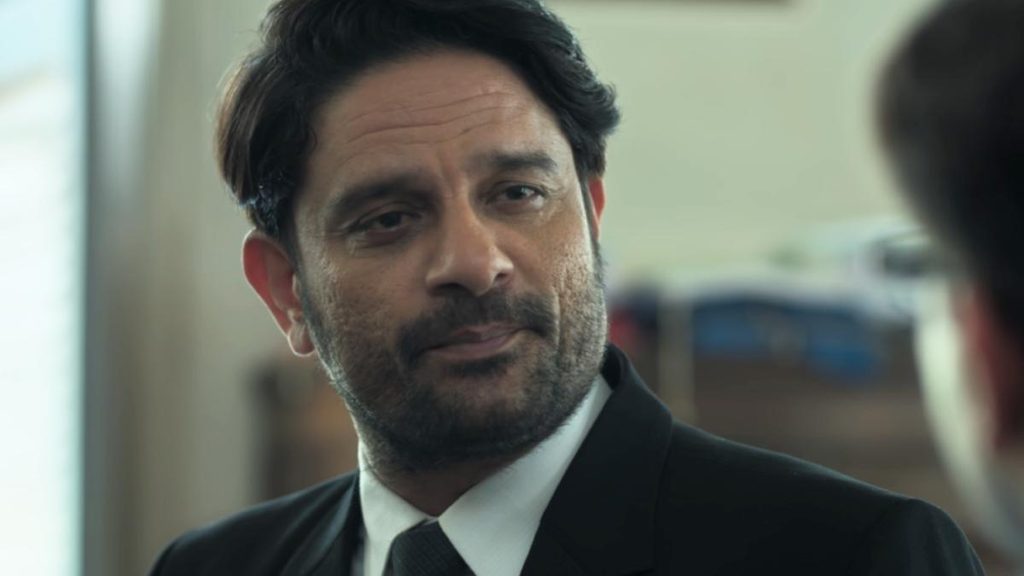
A strong aspect of Prahaar are the courtroom portions. The often-exhausting process of law and the emotional toll it takes especially in a case like this has been wonderfully captured; it isn’t just about Rajkummar Rao’s Ujjwal, you also have Jaideep Ahlawat’s Chaudhary Zulfiqar Ali. It’s a brief but impactful character, an unlikely friendship develops between the two. Their conversations explore a mutual exhaustion especially in not being able to give sufficient family time.
Zulfiqar also serves as a good narrative bridge providing a humanized perspective on Indo-Pak conflict. There is an important sequence too of Zulfiqar explaining the process of young men being brainwashed. Jaideep leaves his signature impact making you wish that there was more of him.
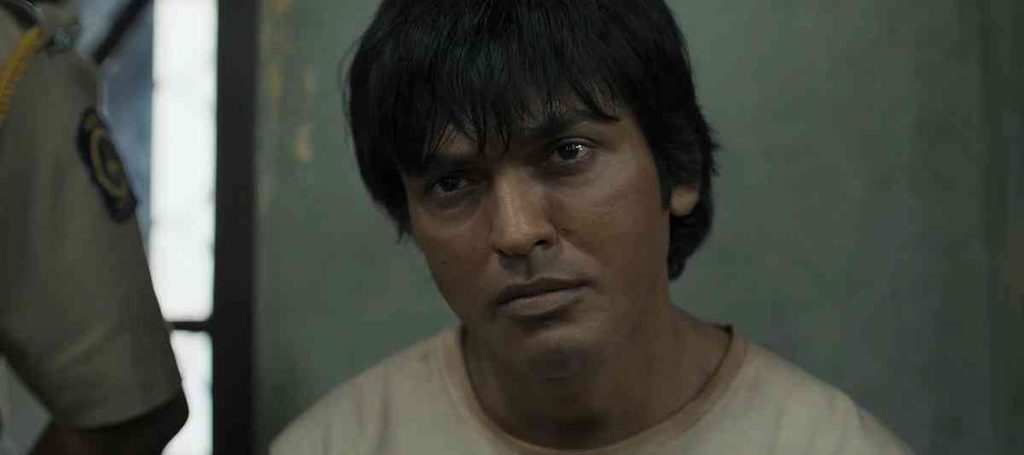
As already mentioned the film gives a psychological insight into Kasab’s hardened personality, it gradually unravels the man’s vulnerable side as he is haunted by the ones he killed. The duo of Avanish and Sumit Roy do a delicate juggling act here; it doesn’t hold back in exposing Kasab’s ruthlessness at the same time it somewhat humanizes him in a breakdown sequence.
Kasab gives details on how young men like him are manipulated with false promises and the entire training process of making them cold-blooded. This juggling act would have fallen flat in the hands of an incompetent team, but here it lands well.
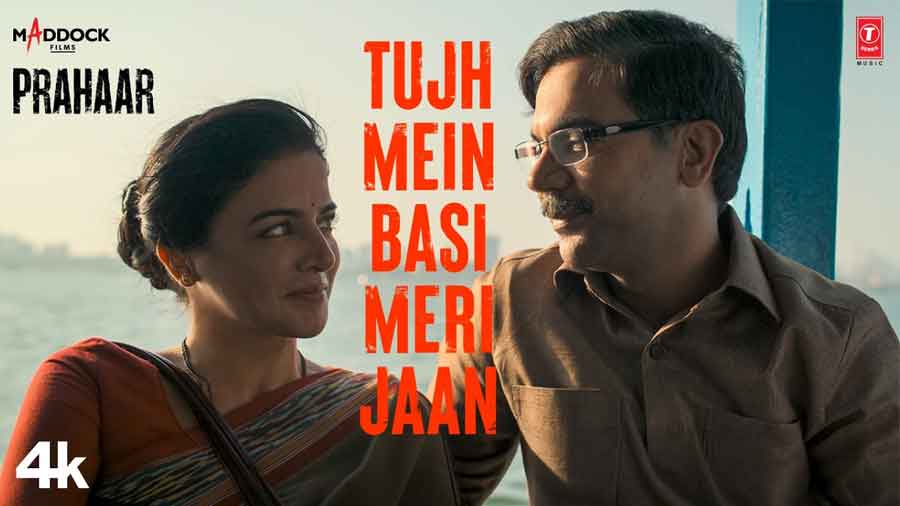
Among the family portions what works for the movie is the dynamics between Rajkummar Rao and Ritvik Sahore. Ritivik Sahore’s Aniket has complaints on his father and this stems from Ujjwal’s hardened exterior. He feels that his father has no love for mother. Ujjwal is also to blame for this with some of his actions; and this culminates in a heartfelt pre climax with Ujjwal explaining how he was brought up by his father and the impact of that upbringing on him. The apology sequence ends with Ujjwal asking Aniket to give him a chance to mend their father and son relationship.
It packs an emotional punch thanks to the dialogues as well as Rajkummar Rao and Ritvik Sahore’s performances. Wamiqa Gabbi playing the typical supportive wife with no complaints does a fine job within the character confines. She does share a wonderful chemistry with Rajkummar Rao too but is somewhat let down by the writing.
Among others Sikander Kher makes for a good foil to Ujjwal. His courtroom battle with Rajkummar Rao brings in the required tension. Ashish Vidyarthi as the judge is his usual dependable self-bringing in an understated authority.
Musically there isn’t much scope for songs here, but the soundtrack has its highs. The song Mere Rehte deserves a specific mention. It makes for a soulful patriotic ballad. The cinematography has been handled by director Avinash Arun Dhaware himself along with Eeshan Kaushal. The two do a fine job in capturing the intense courtroom proceedings with a documentary style framing.