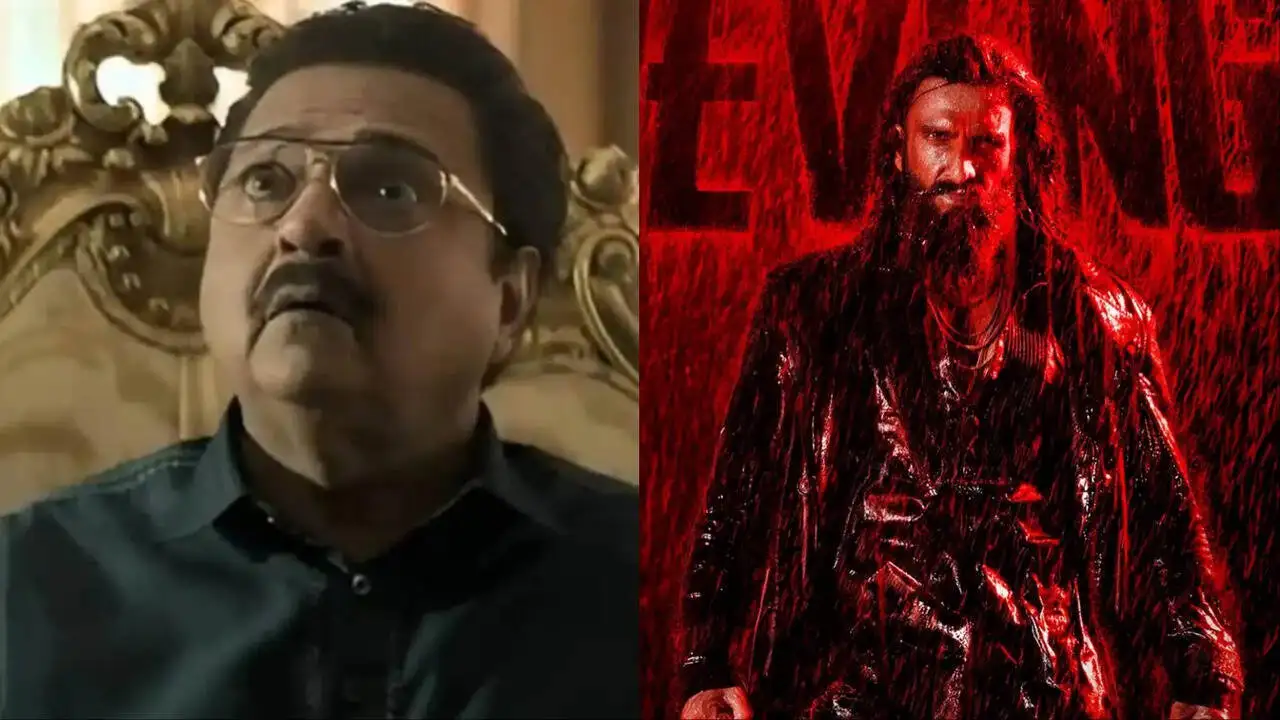
Dhurandhar 2 (The Revenge): Aditya Dhar’s Hindutva version of Gangs of Wasseypur

There is no denying Aditya Dhar’s technical prowess and his ability in staging a scene. However, it’s high time that the young director steps out of government mouthpiece image. Ranveer Singh as Jaskirat/Hamza Ali Makari gets a more of an author backed role here and the actor chews the scenery perfectly oscillating between understatedness and emotionally charged. Rakesh Bedi continues to entertain as the conniving politician with a solid twist towards the end

Starcast: Ranveer Singh, Rakesh Bedi, Arjun Rampal, Sanjay Dutt, Danish Pandor and others

Direction, story and production: Aditya Dhar

Additional screenplay: Ojas Gautam and Shivkumar V Panicker

Music: Shaswat Sachdev

Cinematography: Vikas Nokawala

Producers: Aditya Dhar, Jyoti Deshpande and Lokesh Dhar

Production Companies: Jio Studios and B62 Studios

Running time: 3 hours and 53 minutes

There are two major reasons for the mega success of Dhurandhar movies. One is the YRF spy template with increasing focus on style with the same aesthetics. This has led to a lag after an impressive start with EK Tha Tiger, Tiger Zinda Hai etc. The other big reason for Dhurandhar’s blockbuster success is the gritty texture. The spy here takes his own sweet to roar. The first part of Dhurandhar in spite of the polarizing views became a monstrous hit especially Akshaye Khanna as Rehman Dakiat. Dhurandhar (the revenge) comes with massive expectations and is most likely to go the way of its predecessor splitting up the viewers on Aditya Dhar’s craft versus the political propaganda.
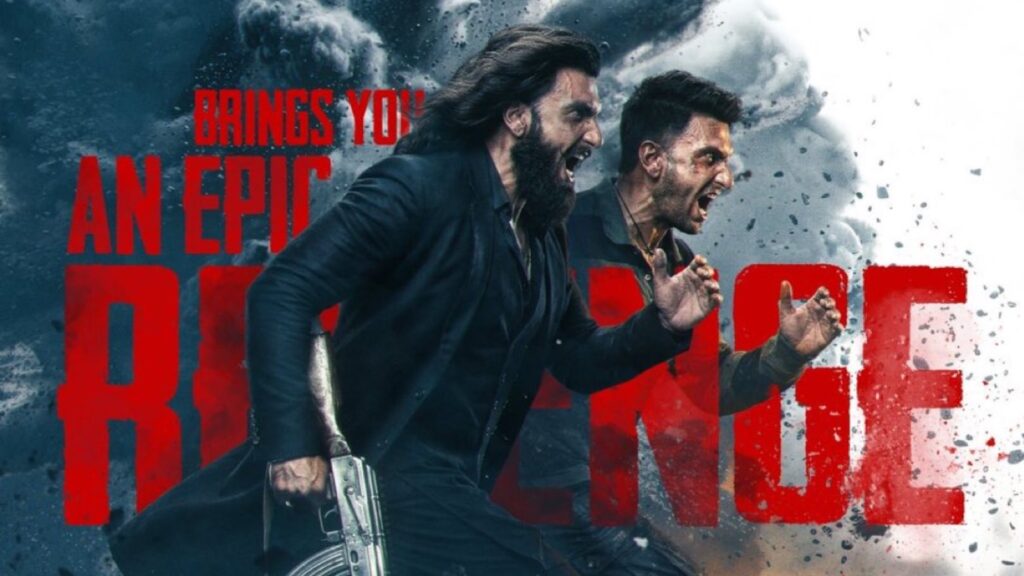
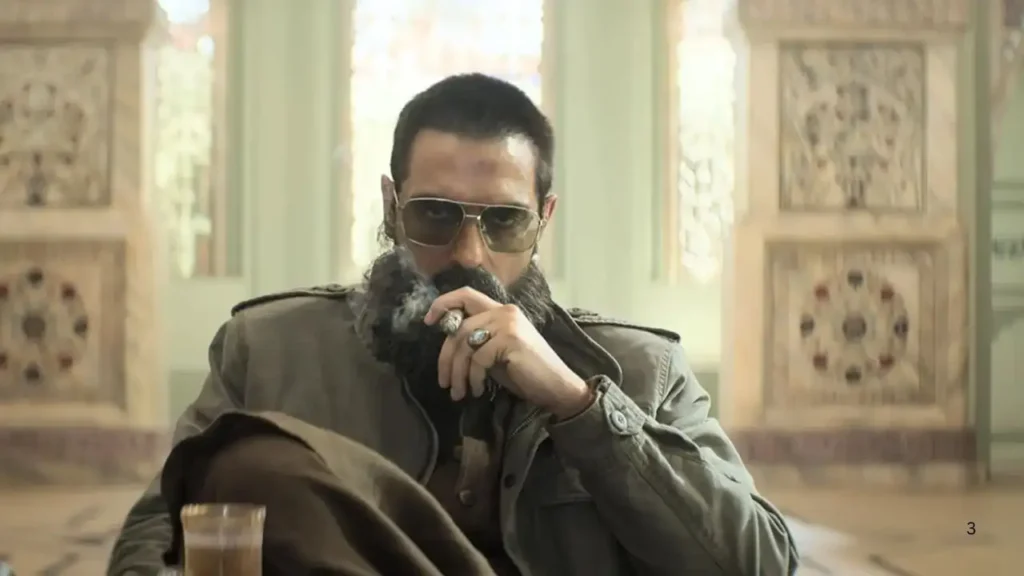
For those who haven’t seen Dhurandhar one the plot focused on Ranveer Singh’s Hamza infiltrating into the gang of Rehman Dakiat on the orders of R Madhavan’s Arjun Sanyal. The first one hinted at a backstory of how Jaskrit turned into Hamza. The second part is both a continuation and a prequel. The viewers see Jaskrit transforming from a young man with big dreams to his life turning upside down. In the present timeline the journey of a spy continues with him taking down the nation’s enemies one by one in a methodical manner. There is also the reveal of Bade Saab with a Dawood Ibrahim inspired character, but the biggest twist comes in the pre climax with Rakesh Bedi. The details of which are better enjoyed on the screen.

A strong aspect of Dhurandhar (The Revenge) is the effective world building. Much like the first part there is a lived in a feel to the proceedings whether it’s the Baluchistan politics or the internal strife especially the rivalry of gangs. In one way the film can be easily termed as Aditya Dhar’s Gangs of Wasseypur. The sprawling world of Lyari is a good example of this.

Shaswat Sachdev’s music and the background score also uplifts many scenes. The Aari Aari song continues to be a pulsating number, the placement of this signifying the transformation of Jaskirat is extremely well done. Another number worth mentioning here is Jaan Se Guzarte Hain. The background score is another winner for the movie, especially in the portions of tension and Ranveer turning into a ferocious beast.

Vikas Nokawala’s cinematography is of an excellent order too. He captures the rugged atmospherics of Lyari in a first-rate manner. His work in the hardcore action sequences also deserves a mention. A special mention must be made of the brutal showdown involving Ranveer and Arjun Rampal.

Talking about the villains the presence of Akshaye Khanna is definitely missed. There was a magnetic charm in the way Rehman Dakiat was written and performed. Arjun Rampal’s major Iqbal lacks that nevertheless the actor makes for a formidable antagonist especially in the scenes of Hamza’s real identity coming out. Aditya Dhar also gives a slight backstory into why Iqbal hates India and this gives a good psychological insight.

Sanjay Dutt as the semi villain is entertaining with his one liners like the humorous interaction with Rakesh Bedi amidst a shoot-out. He plays the grey shaded cop in a charismatic manner. However, Rakesh Bedi continues to be the strongest pillar. Much like the first part his character switches shades like a chameleon and the actor nails it. At the same time there is a surprising emotional touch in the pre climax conversation with Ranveer showcasing a different facet.
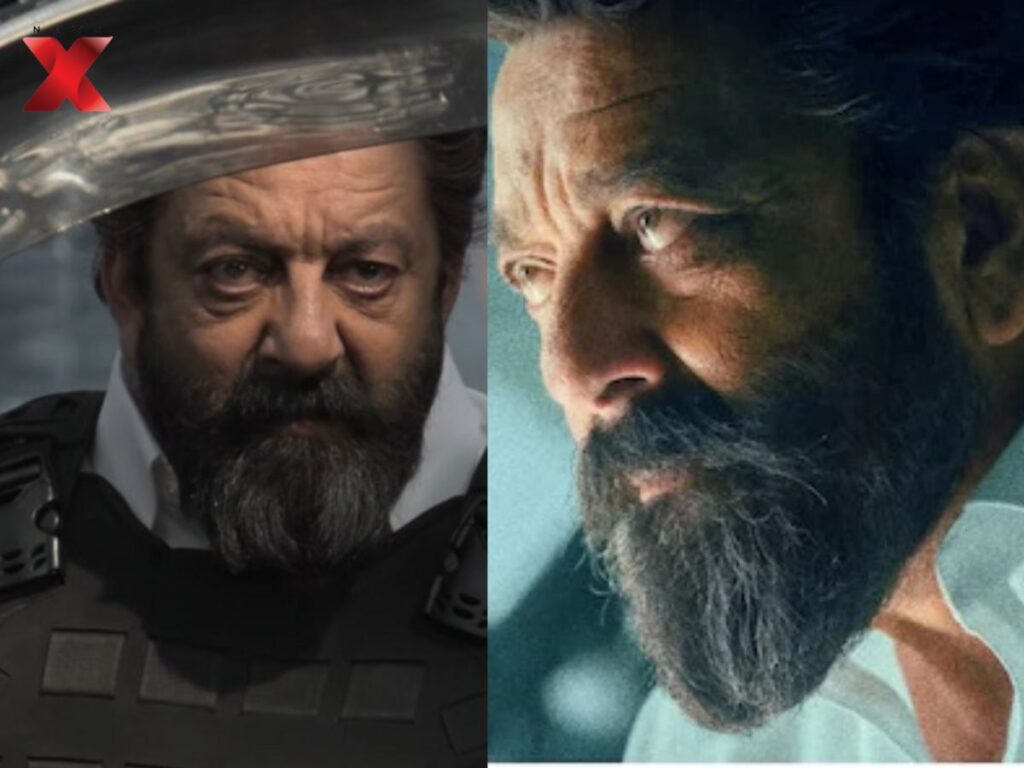
Ranveer Singh in the titular role gets more of a wholesome arc unlike the first one. The actor throws himself deeply coming up with a first-rate performance. The performance has the right mixture of emotional vulnerability and ferociousness. At the same time, he also plays the part with the required understatedness. Ranveer especially stands out in a post interval stretch when the cover is almost blown. R Madhavan also gets more screen time in comparison to the first one and the actor makes his presence amply felt as the strategist. Among the rest Danish Pandor as Rehman Dakiat’s younger brother starts off promisingly but is soon relegated to the background.

Blatant glorification of ruling party:

A major problem with Dhurandar (The revenge) is the extremely blatant glorification of the ruling party. Narendra Modi twice makes an appearance and there is an extended subplot of praising demonetization. His dialogues talk about how the entire operation created a big dent for terrorists and this is stretching enmity too far. The first part had its share of open propaganda, but this one makes the movie look like a film funded by BJP whether it is the demonetization angle or the slogans of Bharat Mata ki Jai. The surgical strikes also find a mention.

The women characters are also patchily written. Sara Arjun as the wife is relegated to the background for most part. Apart from being tensed in the post interval portions there is nothing more. There is a crucial emotional sequence with the character going through a heartbreak but as viewers you don’t feel anything because the romantic relationship was hardly developed in the first place. Even the powerhouse Yami Gautam is wasted in a cameo adding zero substance.
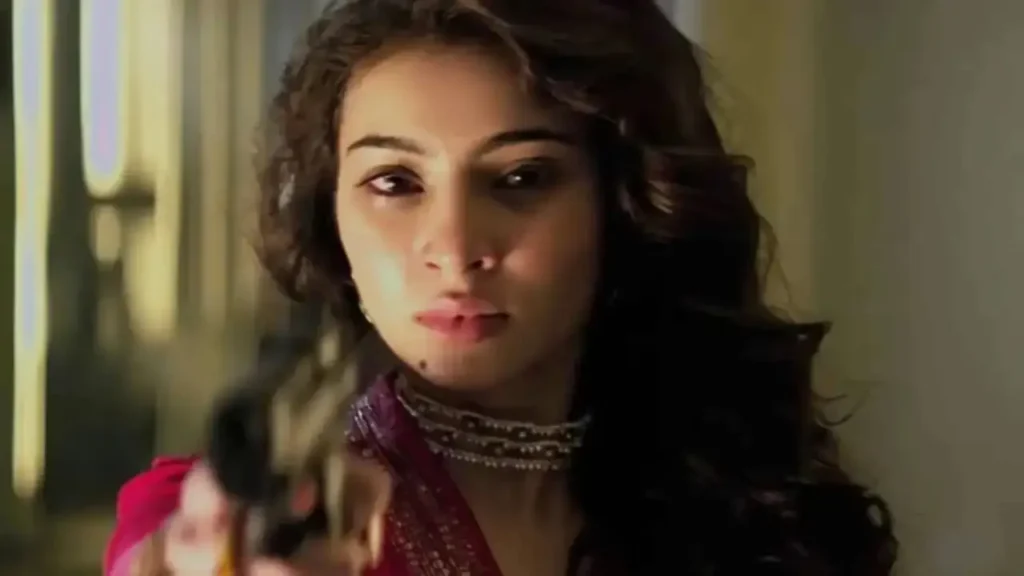
The violence is also more grating than the 2025 movie. Its more violence for the sake of effect than anything else in spite of Ranveer putting his heart and soul.

The Pakistani characters too are more of barbarians than fleshed out human beings. There is an attempt at nuance when Jaskirat talks about how Pakistan is equally suffering due to terrorism and that his war is not against the common man. But this feels like more of lip service than something concrete.

Final word: Dhurandar 2 (The Revenge) is best enjoyed for fans of patriotic action dramas or if you are a huge admirer of Ranveer Singh.

Dhurandhar: A gritty but overstretched spy saga

Aditya Dhar’s second directorial is high on style and solid word building but suffers due to an overblown narrative. The predictable beats of jingoism with Pakistan as the arch enemy gets tiring. Akshaye Khanna steals the show as the swashbuckling Rehman Dakait. He overshadows leading man Ranveer Singh on numerous occasions

Starcast: Ranveer Singh, Akshaye Khanna, R Madhavan, Arjun Rampal, Rakesh Bedi, Sanjay Dutt, Sara Arjun and others

Genre: Action/drama

Writer, director and producer: Aditya Dhar

Additional Producers: Lokesh Dhar and Jyoti Deshpande

Production Companies: Jio Studios and B62 Studios

Music: Shashwat Sachdev

Cinematography: Vikas Nowalakha

Running time: 3 hours and 32 minutes

Aditya Dhar has made a solid place for himself as a patriotic storyteller. Whether its Uri: The Surgical Strike or Article 370. The latter wasn’t directed by Aditya Dhar but he was one of the screenplay writers along with the story. These films are well mounted nationalistic movies making them even more dangerous. Dhurandhar belongs to the same terrain with high pitch nationalism and a solid technical department.

The storyline of Dhurandhar starts off with the 1999 Kandahar episode followed by the 2001 Parliament attacks. This leads to the formation of operation Dhurandhar. R Madhavan is Ajay Sanyal based on National security advisor Ajit Doval. Ranveer Singh is the undercover spy tasked with an enormous responsibility. He has to win the trust of an influential figure Rehman Dakait (a scene stealing Akshaye Khanna). Nothing more can be revealed as the plot is very dense with switching loyalties and backstories.

A strong aspect of Dhurandhar is the recreation of 200’s Pakistan. There is a gritty texture to the depiction of gang wars and Pakistan’s political atmosphere. A major credit for that goes to production designer Saini S Johary. The settings have an authentic tone successfully transporting the viewers. The audiences feel that they are travelling alongside these characters. The cinematography of Vikas Nowalaka is of a good order as well. The way he captures the tension filled atmosphere with a particular lighting as well as the sweeping landscapes is first rate. Shashwat Sachdev’s background score is also rousing. The songs are more experimental than of the popular type, but it goes with the movie’s narrative.

The action chorography is deliberately gruesome: at the same time the way it has been shot especially hand to hand combats is praiseworthy. The climatic faceoff between Sanjay Dutt and Akshaye Khanna particularly stands out. The physical agility of both the actors is commendable.

The performances of the vast ensemble also help this sprawling saga. The ones who stands out are Akshaye Khanna and Rakesh Bedi. Akshaye Khanna has always been a chameleon and here too the actor is first rate. As the Karachi inspired crime lord Akshaye chews the scenery with his effortless acting. There is a magnetic charm about the man in spite of the brutality. In spite of the brutal nature there is also an emotional side: this comes out in an impactful manner during the portions of son’s death, and the actor simply nails the different shades. When Akshaye is there on the screen it’s hard to take your off him. The combination scenes between Ranveer and him is a solid example of this. Rakesh Bedi as the cunning politician also makes a strong impact. His character switches colors like a chameleon and Rakesh Bedi does complete justice to it. The scenes featuring Rakesh Bedi gives Dhurandhar some of its best moments.

R Madhavan as the fictional Ajit Doval brings in an understated gravity. Sanjay Dutt as the Pakistani cop desperate to settle scores with Rehman Dakiat also makes his presence amply felt. Arjun Rampal as the volatile ISI agent is also good with his sinister villainy. Ranveer Singh gets somewhat lost in this huge cast. His character is more internalized and Ranveer does well: however, the killer impact is missing. The actor only comes alive only in the pre climax where he lets it all out.

Sara Arjun as the love interest though sticks out like a sore thumb. More than the glaring age gap what sticks out is how fast her character falls in love with the hero. It happens over an escape from a police raid. The way Ranveer flirts with Sara Arjun’s Yalina is more chessy than romantic. Other than being a moral support for the hero Yalina has nothing more to do. For a nineteen-year-old Yalina has zero interest in doing anything with her life. Infact the movie has no prominent female characters. Another major problem with Dhurandhar is its exhausting length coupled with the familiar anti Pakistan position. The depiction of Pakistan as the hub of all terrorist activities is a done to death trope. It doesn’t evoke much reactions especially for the neutrals who aren’t into Pakistan bashing. The movie also features dialogues which are a throwback to Uri: The Surgical Strike. They come across as cliched rather than rousing.

The second half also meanders with some superficial arcs. Some of the subplots are merely touched as a founding stone for the second part. This results in a certain fatigue making the viewers wish that the film concludes soon.

Final word: Dhurandhar is best enjoyed for those who like gritty action dramas with ample doses of patriotism and let’s hate our neighbor.

Article 370: An Unabashed Glorification Of Governments Policies

In simple terms, ‘Article 370’ is about how Zooni and Rajeshwari play a big role in bringing the government’s efforts to fruit.
  • Main Cast: Yami Gautam, Priya Mani, Arun Govil, Iravati Harshe, Raj Zutshi, and Divya Seth Shah
  • Director: Aditya Suhas Jambhale
  • Producer: Jyoti Deshpande, Aditya Dhar, and Lokesh Dhar
  • Music Director: Shashwat Sachdev
  • Cinematography: Siddharth Deena Vasani
  • Genre: Political, Drama
  • Run Time: 2 Hours 40 Minutes
  • Rating: 2.5
  • Published in: Southfirst

In the last few years, there has been a disturbing trend of movies pandering to the ruling party — whether it is Vivek Ranjan Agnihotri’s The Kashmir Files (2022) or Sudipto Sen’s Kerala Story (2023).

The latest, Aditya Suhas Jambhale’s Article 370, perfectly fits into this category.

The film is divided into six chapters and moves between the timeline of 2015 and 2019.

Synopsis

Article 370 primarily follows the journey of two women. One is a Kashmiri intelligence officer Zooni Haksar (Yami Gautam).

She has a firebrand personality. Zooni doesn’t believe in following orders and goes more by instinct, much like the leading men do in these kinds of films.

She manages to capture and kill Burhan Wani. But this only leads her to be transferred to Delhi.

On the other end of the spectrum lies bureaucrat Rajeshwari (Priya Mani).

Rajeshwari is the exact opposite of Zooni in terms of temperament. Rajeshwari is as cool as a cucumber. She is a representative of the government’s efforts to revoke Article 370.

In simple terms, the story focuses on how Zooni and Rajeshwari play a role in bringing the government’s efforts to fruit.

A slow start

‘Article 370’ is a political drama. (X)

The first half of Article 370 is more about setting up the plot. Nothing much happens, and as viewers, you feel a certain amount of restlessness. But thankfully, the film does pick up speed around the interval point.

There are many thrilling moments in the second half where the audiences feel an adrenaline rush. A particular mention must be made of a battle sequence that takes place during a critical juncture. The action choreography here is top-notch, just like Uri: The Surgical Strike (2019).

Another USP of Article 370 is its two leading women. It is refreshing to see two female actors being the driving force of a story.

Yami Gautam delivers an intense performance. She nails the part of a hot-headed person who is also vulnerable.

Priya Mani’s performance, on the other hand, works as a perfect foil to the intensity of Yami. The actor underplays her role but still stands out.

The other supporting characters are fine, in their respective parts, with particular mention of Arun Govil as PM Narendra Modi.

The background score by Shashwat Sachdev also helps significantly make the second half more effective.

Politics of the film

A major problem with Article 370 is its depiction of the Kashmir politicians. They come across as more cartoonish villains rather than proper political personalities.

Throughout the movie, they are shown as greedy people who do nothing apart from scheming and creating paid stone pelters.

In contrast to this, Modi & Co are shown to be the only ones concerned about the welfare of the Kashmir state and its people.

Also, the voices of an ordinary Kashmiri are barely heard, except for one old man who is only seen lamenting against the existing leadership in the valley.

Verdict

Article 370 works perfectly if you are a devotee of Narendra Modi. But for the rest, it is a tough pill to swallow.