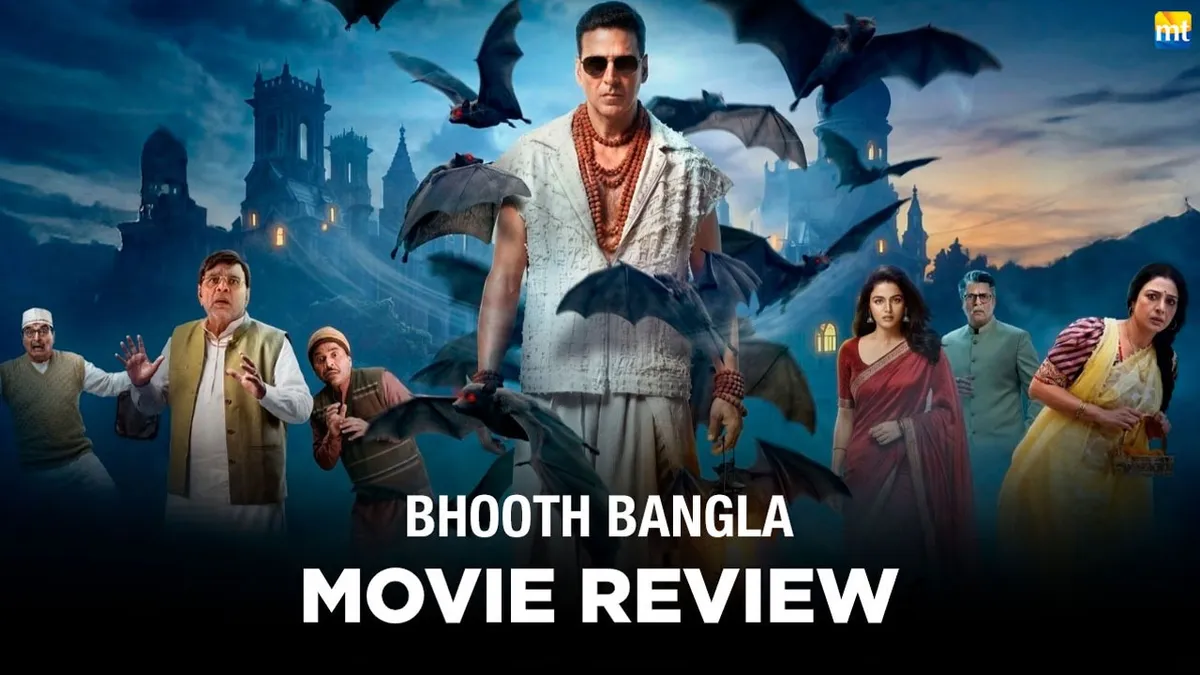
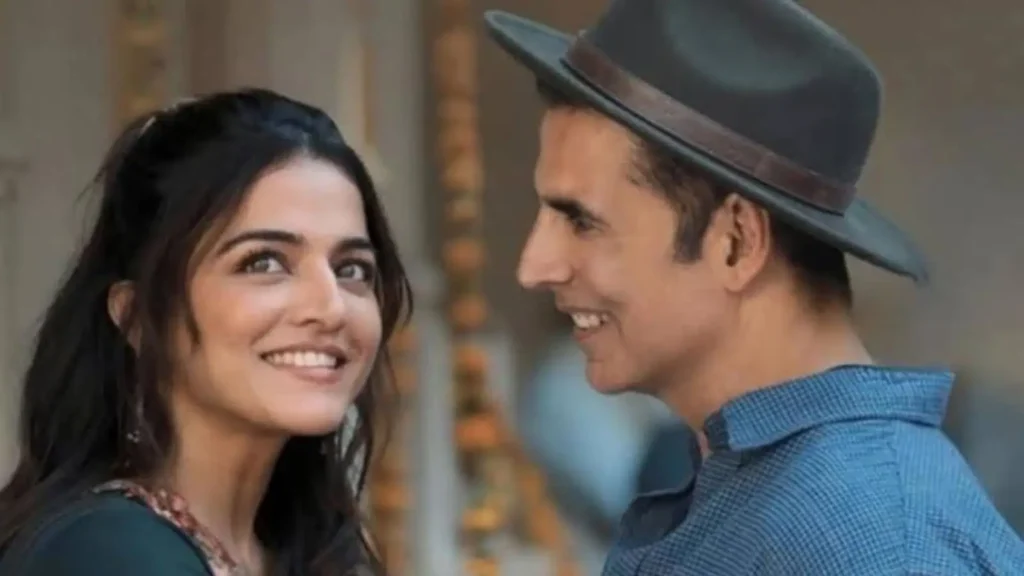
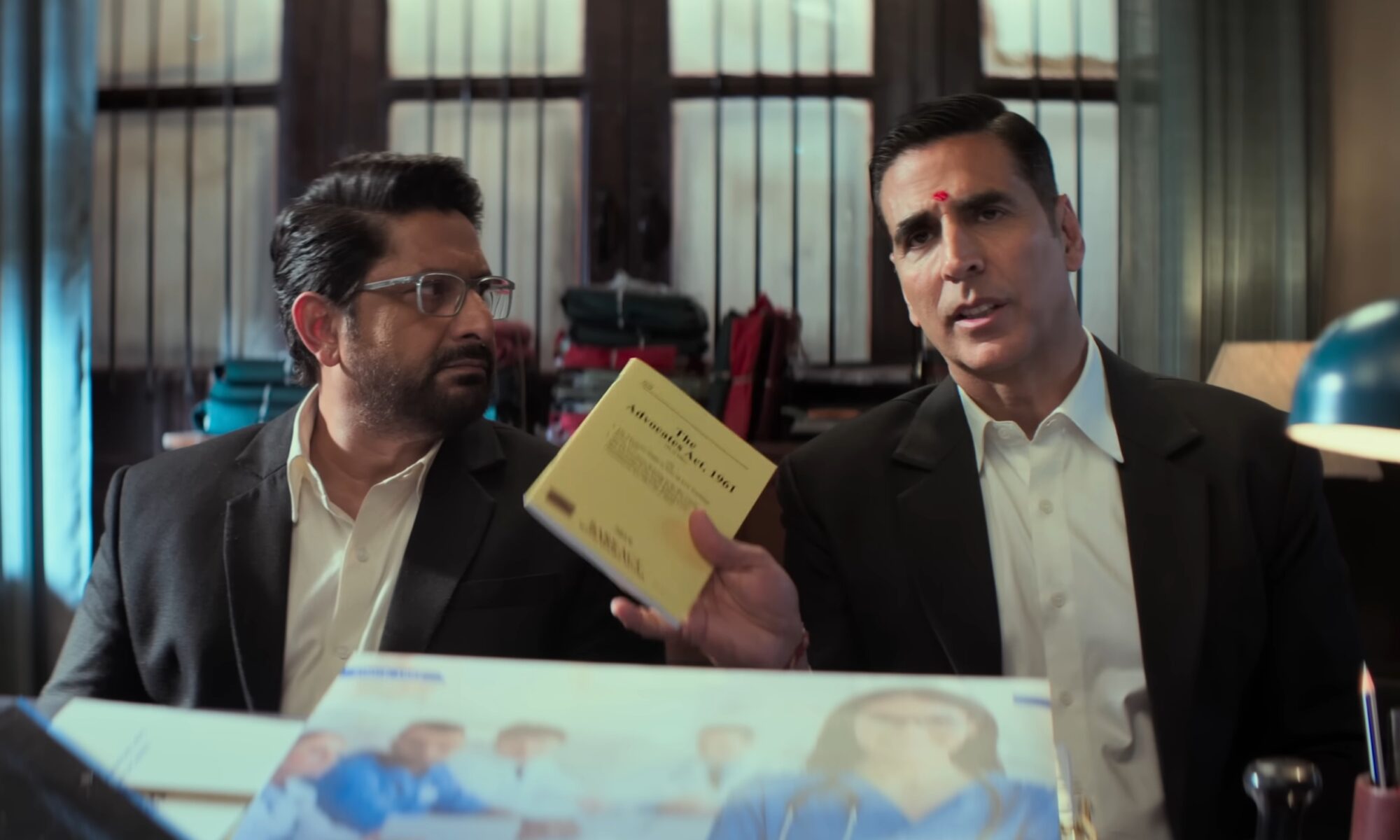
Priyadarshan’s latest Hindi venture feels like a mixed thali of the director’s own Bhool Bhulaiyaa 1 and Aamir Kaushik’s Stree movies. The physical humor is not for all, but a committed ensemble cast especially the veterans make it somewhat work. Akshay Kumar has a dual role one of a wastrel son and the other grey shaded character simmering with anger. Akshay makes a bigger impact in the second role. Among the three ladies Wamiqa Gabbi makes her presence felt in a mysterious character
Additional screenplay: Rohan Shankar and Abhilash Nair
Story: Aakash Kaushik
Dialogues: Rohan Shankar
Music: Pritam
Cinematography: Divakar Mani
Producers: Ekta Kapoor, Shoba Kapoor and Akshay Kumar
Production Companies: Balaji Motion Pictures, and Cape of Good Films
Running time: 2 hours and 45 minutes
In the last few years Horror comedies have emerged as a major recipe for success especially in Hindi Cinema. Whether its the Maddock horror universe Stree movies, Bhediya, Munjiya and Thamma. Or the Bhool Bhulaiyaa films. The combination of horror with laughs have been largely successful in entertaining the audience. At the same time an overkill has happened too with the largely familiar structure. Priyadarshan’s Bhoot Bangla feels like a spiritual sequel to his own movie Bhool Bhulaiyaa 1. The building up to the legend of Vadhasur and the progression of events have a major resemblance. Having said that Bhooth Bangla does a fair job in mixing slapstick humor with a well written origin story. An important flashback in mid second half has a good emotional touch.
Bhooth Bangla’s story in brief revolves around Akshay Kumar’s Arjun Maurya. He travels to an eerie place called Mangalpur, Arjun has ancestral palace. Mangalpur has a scary legend of a monster called Vadhasur. The marriage of Arjun Maurya’s sister played by Mithila Parkar is supposed to happen in these haunted surroundings. Arjun Maurya is casually dismissive of Vadhasur calling it as a cock and bull story. But he gradually realizes that Vadhasur is no myth. Unfortunately, the sister’s wedding has to happen here only, it has been destined by the high priest of the groom’s family. The rest of the story focuses on how Arjun Maurya saves the day with some help. Running parallel to this is Wamiqa Gabbi’s Priya in search of her loved one.
A strong aspect of Bhooth Bangla is Vadhasur’s origin story. The use of mythology here as the man born out of a union between an asura and deva has been well staged. The CGI effects are of a good order coupled with the cinematography of Divakar Mani. Mention must also be made of Akshay’s second role in a key flashback. His simmering anger and a feeling of being betrayed his own father has been brought out wonderfully by the actor. In one way this track is reminiscent of Christopher Marlowe’s novel Dr Faustus. How in a heated moment of insecurity the character Madhav sells his soul to Vadhasur for getting the woman he loves has been well written and enacted.
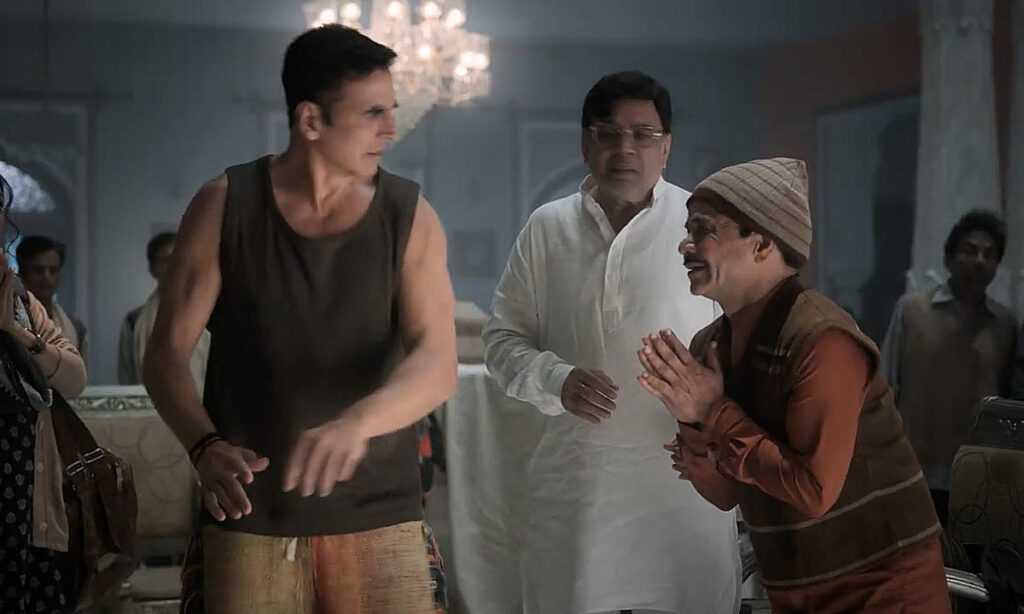
The first half is mostly devoted to scenes of slapstick comedy with major focus on physical humor. The portions of Rajpal Yadav as an electrician often border on farcical humor, he is slapped on more than one occasion by Akshay Kumar. Similarly, Paresh Rawal as the wedding organizer has a running joke on his bum being attacked. These scenes are deliberately low brow in nature, but Priyadarshan’s usual quartet of actors embrace these portions whole heartedly and are successful in raising some chuckles. Late Asrani has a substantial role too. More so in the first half. His scenes with Akshay have a fun tonality as well making the viewers chuckle.
The track between Akshay Kumar and Wamiqa Gabbi also has some interesting touches. Wamiqa lights up the screen the screen whenever she is there and the twist of a twin comes in the right time. Jisshu Sengupta as Akshay Kumar’s father may seem like an odd casting choice, but Jisshu does a fine job especially in the second half. Rajesh Sharma has an important role too. His act of desperate father comes with negative/grey shades much like Akshay’s Madhav and the actor does a very fine job.
Tabu comes in mid second half lending grace to an underwritten part. She looks like a dream though in the dance sequence. Mithila Parkar as the love-struck sister is good in the limited screen time.
A major problem with Bhooth Bangla is a significant hangover of the above-mentioned movies. The viewers get a major deja vu especially for the ones who have seen Bhool Bhulaiyaa and Stree, a more original approach was needed. Pritam’s songs also leave something to be desired. They are not bad per se but given the general track record of Pritam the tunes could have been much better.
Another problem is the scene of toilet humor; it reeks of very bad taste leaving a bitter after taste. Lastly the second half needed some trimming to make the film crisper.
Final word: Bhooth Bangla is a nostalgic horror comedy best watched with moderate expectations.
An overview into some of the best Hindi movies this year with a brief insight of gender and caste concerning Dhadak 2, Homebound and Phule
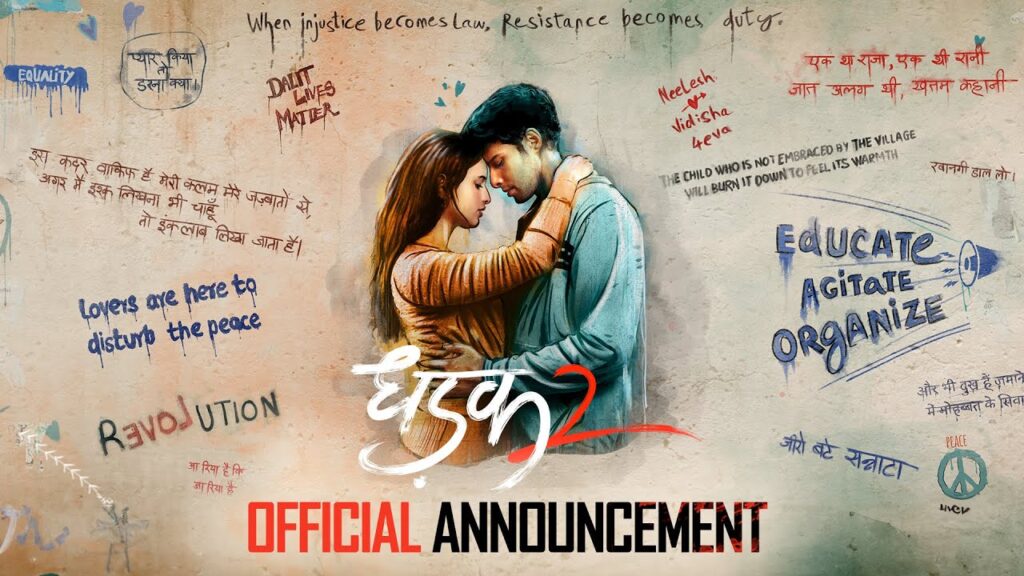
2025 like 2024 has also seen a handful of successful films. These movies are Chhaava, Saiyaara, Raid 2 and Aditya Dhar’s monstrous hit Dhurandhar. An interesting feature of 2025 though has been some solid films dwelling into the themes of gender and caste. Topping this list is Shazia Iqbal’s Dhadak 2 based on the hit Tamil movie Pariyerum Permul. Thankfully the movie improved on the original significantly with its depiction of the female protagonist. Unlike the original Dhadak 2 is set in a city but this change doesn’t lessen the caste horrors in any way. Apart from a much-improved gender angle Dhadak 2 also had dialogues related to the reservation taunts faced by the lower caste. There is an important portion in the movie where Priyank Tiwari’s Shekhar talks about the origin of reservation. The dialogue goes like this reservation came because of casteism and not the other way around.
The gender angle came out strongly with a fantastic Tripti Dimri. Vidhi is someone with a mind of her own asking uncomfortable questions however she stays in a privileged bubble with little awareness about the struggles faced by the lower caste. But all that changes when she falls in love with Siddanth Chaturvedi’s Neelesh a timid Dalit youth with big dreams. There is a very poignant conversation between the two when Neelesh opens up about his bitter experiences in the context of a college professor constantly taunting him for his reservation seat. This opens up a new world for Vidhi and the movie progresses the character becomes fiercer. Even when Neelesh keeps a certain distance due to her father Vidhi doesn’t give up on the relationship standing by her love. Apart from standing up for her love Vidhi also questions the patriarchal attitude of her cousin brother played a terrific Saad Bilgrami. Vidhi questions the concept of honour being solely attached to women’s actions. Tripti did an excellent job in bringing out the different shades of Vidhi. Siddanth Chaturvedi was first rate as well making the viewers feel the angst and cheering for the character when Neelesh decides that enough is enough especially the pre climax outburst.
2025 has also been a mini comeback for senior actor Akshay Kumar both in terms of box office and acting performances. A special mention must be made of Kesari Chapter 2 and Jolly LLB 3. In Kesari Chapter 2 Akshay played the role of C Shankaran Nair a real life lawyer who fought against the crown. The movie directed by Karan Singh Tyagi is based on a book The Case That Shook The Empire. As Shankar Nair Akshay did a very fine job in conveying the emotional turmoil along with the fighting spirit. Kesari Chapter 2 also featured a strong woman character in the form of Ananya Pandey’s Dilreet Gill. Dilreet breaks numerous social conventions of that period. Yes, this character doesn’t exist in the book nevertheless this role makes the movie more interesting. A specific mention must be made of an important cross examination portion where Ananya goes from being nervous to takings things head on. Similarly, there is also a scene of Dilreet confronting Shankaran Nair on how he shouldn’t run away, instead he should fight against the crown and bring the truth out. Ananya did an excellent job in both the above-mentioned scenes.
In Jolly LLB 3 Akshay played he played a crooked lawyer developing a social conscious with practiced ease. Akshay particularly shined in the fiery courtroom arguments. There is a palpable intensity in the way Akshay talks about farmer subsidies being dismissed as Khairat (charity). The actor makes you feel the transformation.
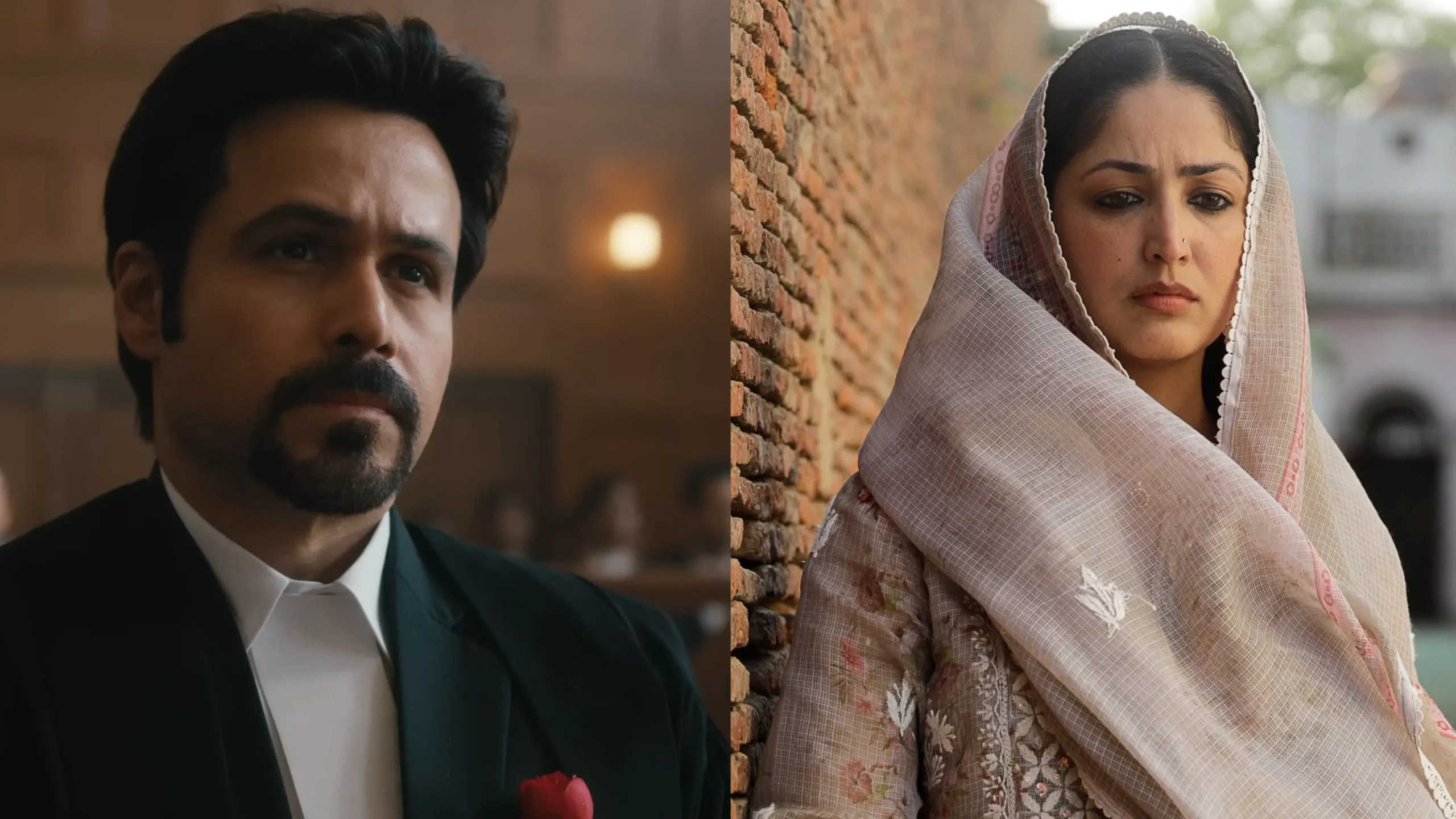
Emraan Hashmi too made a solid comeback with a layered role in Suparn Verma’s Haq. Yes, Yami Gautam is the center, but Emraan too has a significant role in making the movie more interesting with his nuanced performance of an entitled husband. True to its the title the movie is an important social drama on women’s rights and respect being equally important to love. The very underrated Akshaye Khanna knocked it out of the park with two solid negative roles. One Chhaava and another Dhurandhar. In Dhurandhar especially he stole the limelight with a swashbuckling act often overshadowing Ranveer.
Following are some of the best Hindi movies in 2025
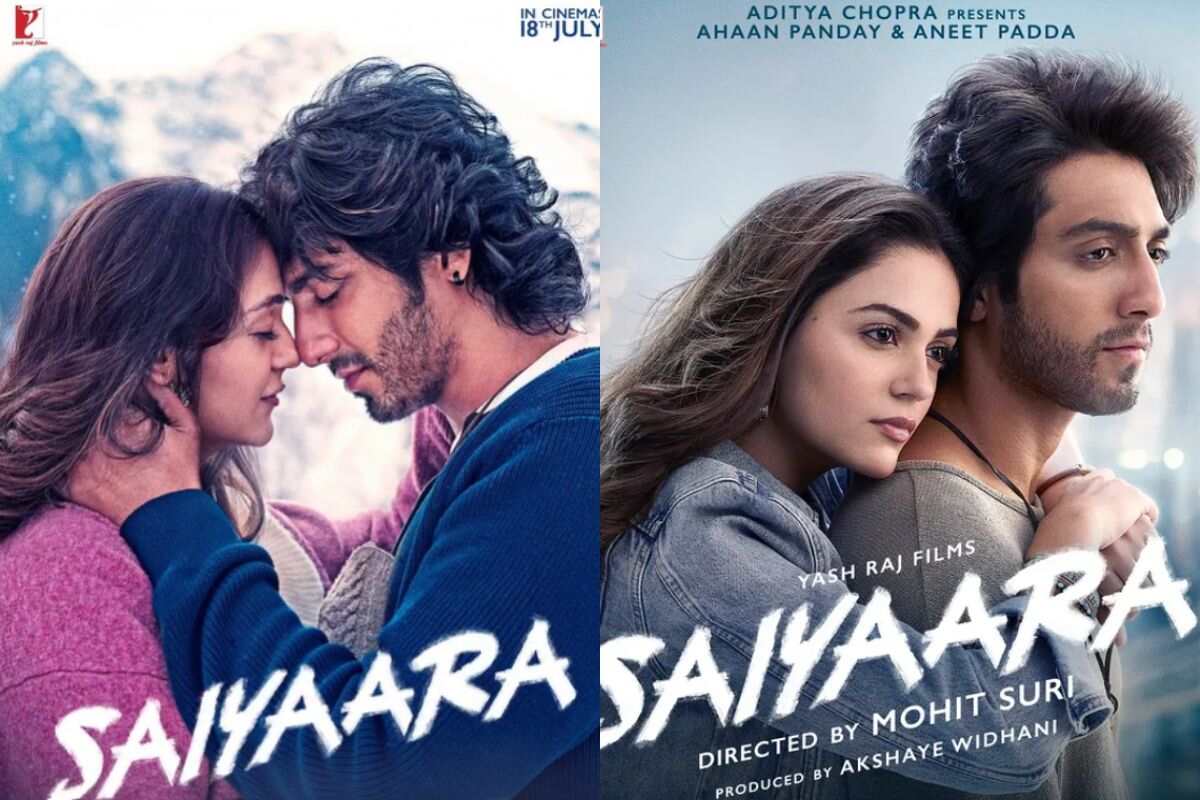
Saiyaara: Mohit Suri’s Saiyaara is an intense romantic drama done right. Unlike Mohit Suri’s mostly doomed romances Saiyaara has a more contemporary touch. This particularly comes out in the second half when Ahaan Pandey’s Krish Kapoor goes from a hot headed rockstar to a devoted boyfriend. The way Krish takes care of Aneet Padda’s Vani gives relationship goals. He puts his love above the need for fame. At the same time there is no clichéd trope of sacrificing music altogether. Krish’s deep love for Vaani isn’t a weakness. Instead, it adds to his music. This comes out in a thunderous manner during the title song. Through the role of Krish Mohit gave a refreshingly different protagonist, a young man striking the perfect balance between ambition and love. Saiyaara also benefitted from two brilliant leads. Both Ahaan and Aneet Padda were terrific in their respective parts. Rajesh Kumar and Geeta Agarwal as Vani’s parents were also good. Special mention must be made of Alam Khan as KV. KV doesn’t understand Krish’s intense love for Vani, but this doesn’t stop him from standing by his friend.
Music has always been Mohit Suri’s biggest strength and Saiyaara is no different. Tracks like Humsafar and the super title song with fantastic vocals coupled with Ahaan’s acting adds to the movie’s emotional quotient.
Chhaava: Laxman Utekar’s Chhaava treads along the familiar path of Hindu nationalism with Muslims being portrayed as merciless invaders. The movie doesn’t break any new grounds in its treatment of Swarajya and Muslim rulers. Nevertheless, the movie is a worthy big screen experience mainly for the technical department along with a brilliant Vicky Kaushal and Akshay Khanna.
Thankfully Akshay Khanna’s Aurangzeb doesn’t become another version of Ranveer Singh’s Khilji. Akshay evokes terror with just his piercing gaze and overall demeanor. A special mention must be made of the scene where Aurangzeb expresses disappointment on hearing the news of Shivaji’s death. The admiration for Shivaji’s bravery is palpable.
As Sambhaji Vicky Kaushal did an excellent job in nailing both the physicality and emotional side. Keeping aside the historical controversies on the kind of man Sambhaji actually was Vicky was first rate. The action sequences were also a treat to watch especially the portions of Marathas outsmarting the Mughals using guerrilla tactics.
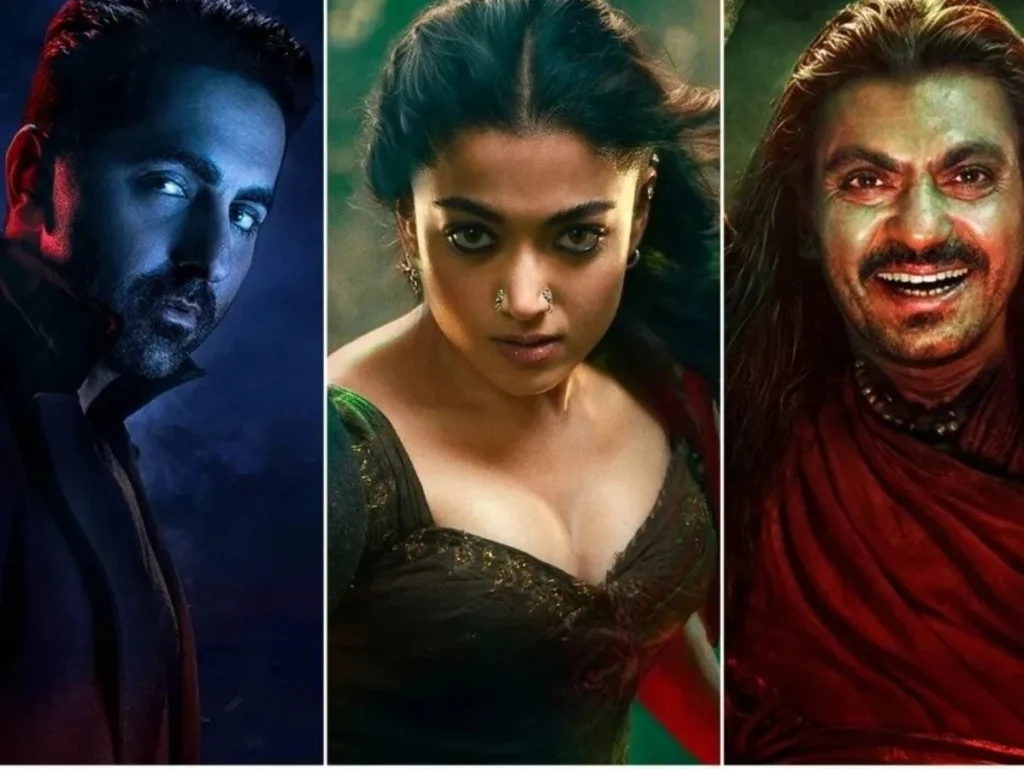
Thamma: Aditya Sarpotdar Thamma is a major gender bender reversing the usual Knight in shining armor trope. Rashmika Mandanna as Taraka/Tarika had a fantastic role with the right of ferociousness and also tender moment: Rashmika was simply in portraying the different shades. Ayushmann Khurrana as a small time reporter Alok also did well especially in the transformation portions. Whether it’s the initial shock of turning into a Betaal himself or adjusting to the new identity Ayushmann brought his usual finesse.
The love story is the core of Thamma. This aspect does take a while to gather momentum but as the plot progresses the viewers become engrossed on where the romance is heading. In the supporting cast veteran actor Paresh Rawal made his presence amply felt. He brought in some chuckles as well bringing gravity in a few emotional sequences. Nawazuddin Siddiqui as the comic villain suffered somewhat on the account of weak writing: nevertheless, Nawazuddin was wonderfully eccentric embracing the whacky tone with flair.
Haq: Suparn Verma’s Haq is a gripping tale of perseverance and fighting for one’s rights. The movie is based on the landmark Supreme Court judgement in the case of Sha Bano. Though set in the 1980’s the battle for dignity holds relevance even today. The movie at no point demonises the Muslim community. The focus is on men twisting laws as per their convenience and using religion as a façade to justify male entitlement irrespective of faith.
Director Suparn Verma along with writer Reshu Nath take their own sweet time in unravelling the different layers. Emraan Hashmi’s Abbas isn’t presented as a chauvinistic villain from the beginning itself. There is a genuine romantic side. As a result of this gradual process the eventual transformation doesn’t come across as jerky. Haq also benefits from solid confrontation scenes with very good acting from both Yami and Emraan. The need for a respect in a relationship and how that’s equally important to love is one of the main themes in Haq. An important conversation between Yami Gautam and the second wife played by Vartika Singh perfectly reflects this, as Shazia Yami nailed both the vulnerable and ferocious side not afraid to voice her opinion in front of so called wise people.
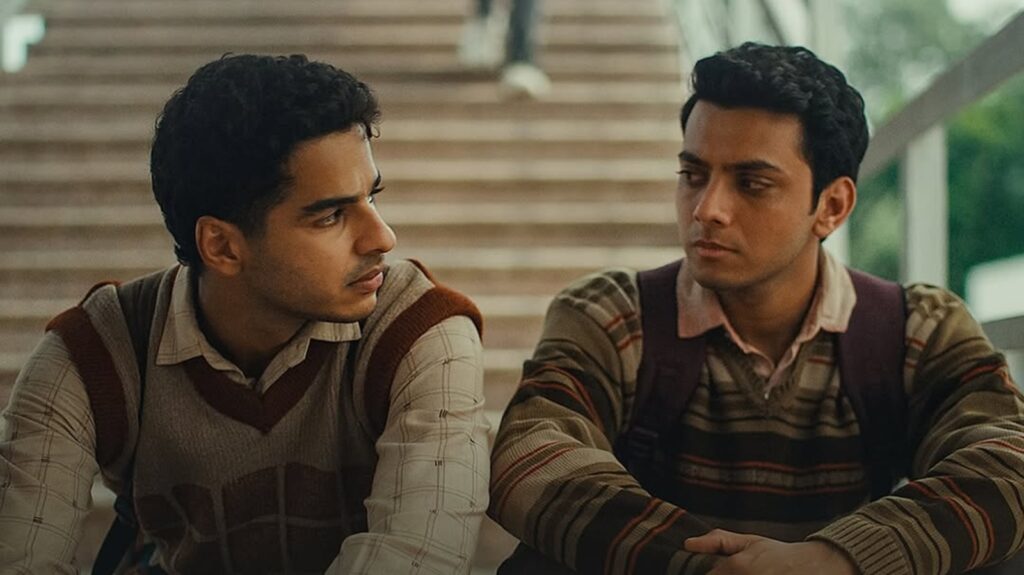
Homebound: Neeraj Ghaywan’s return back to the big screen was very much worth the wait. Unlike his debut feature Masaan the politics of Homebound is more in your face but the effect is equally solid. Through the tale of two friends the director did an excellent job in capturing the struggles of marginalized. In this case it’s both caste and religion. Homebound also struck a chord for its heartfelt depiction of migrant worker’s plight.
The movie doesn’t directly critique the government but for those who can read between the lines the administrative failure is very much palpable. The movie is based on an article written by the noted writer Basharat Peer. In the second half his touch is very visible. Mention must also be made of the love story between Vishal Jethwa’s Chandan and Janhvi Kapoor’s Sudha. Both come from the Dalit community but the dynamics are different with Sudha being the more empowered one. Janhvi has a crucial monologue about educate, organize and agitate. She played the role with the required confidence bringing in a much needed lightness to the otherwise grim proceedings. As Chandan and Shoaib both Vishal and Ishaan got into the skin of their respective characters. They did a wonderful job in bringing the friendship alive. Ishaan especially shined in the sequence where he desperately wants to save his friend by egging him on. It’s so emotionally moving.
Metro In Dino: Anurag Basu’s Metro In Dino is a solid spiritual sequel exploring the complexities of love and marriage. He did an excellent job in reflecting the contemporary society like the fast lifestyles and sometimes fickle nature of marriages. Among the numerous parallel stories the one which stood out the most was the track involving Pankaj Tripati and Konkana Sen Sharma as Monty and Kajol respectively. The marriage is going through a midlife crisis, the relationship has lost its spark and Monty takes the aid of a dating app. This only complicates the matters with Monty chatting with Kajal unknowingly. Kajol also plays along go to see how far her husband would go leading to a chaotic situation. Both Pankaj and Konkana were excellent feeding off each other. Kajol comes across as someone with spine not forgiving her husband easily. Kajol is also not afraid to give back to her mother played by Neena Gupta. Kajol questions the mother about the passive acceptance of her husband’s infidelity and how she doesn’t want to end up like that.
Among the other parallel stories Neena Geena playing an older woman finding liberation in twilight years was also a treat to watch. The transformation of Neena Gupta’s Shivani from a doormat to becoming more independent was wonderful to watch.
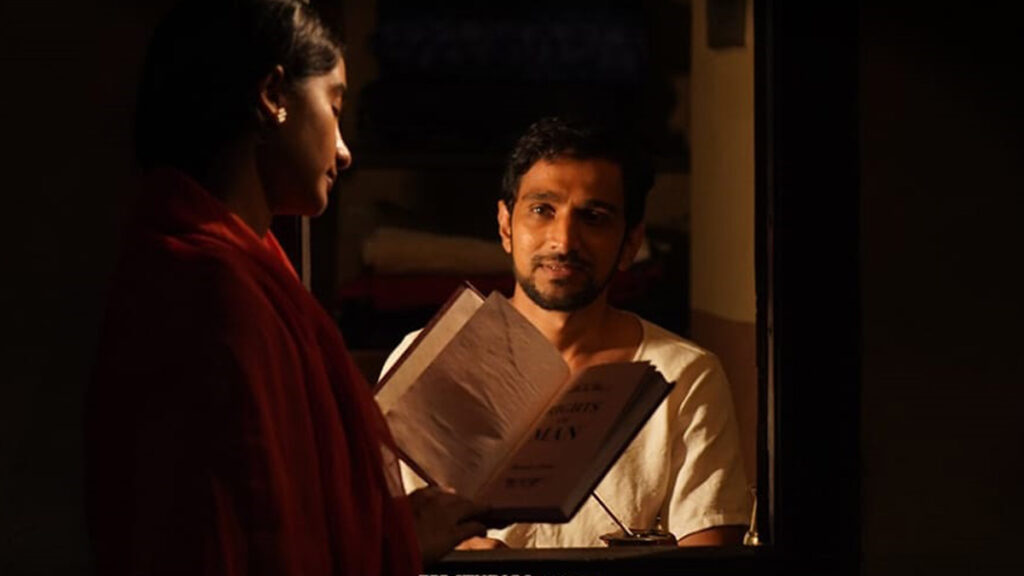
Phule: Ananth Narayan Mahadeven’s autobiographical drama Phule is a hard-hitting tale of revolution and solid companionship. The movie tackles issues which are relevant to today’s times. In spite of facing CBFC brunt like Dhadak 2 Phule still came out as an unsparing movie. This is majorly due to the power packed dialogues. There is crispiness to the arguments made by Pratik Gandhi. For example, there is a brilliant portion in which the male protagonist questions an upper caste man for avoiding a barber by doing his own shaving.
Apart from tackling social issues director Ananth Narayan Mahadevan also did an excellent job in showcasing the mutual love and respect Jyothiba and Savitri Bhai Phule had for each other. Jyothiba truly comes across as a feminist in the way he treats Savitri. He acknowledges her contribution numerous times. Jyothiba also stands up for Savitri in an importance scene when the father suggests a second marriage. The love and affection that the two had for each other is difficult to find in any married couple whether it’s of past or present.
Phule also benefitted from solid acting. Both Pratik Gandhi and Patralekha imbibed the strong nature of their respective characters. Pratik brought a quiet intensity expressing a lot with his eyes. Whether its showcasing pain, determination or the tender moments. Patralekha too disappeared into the part capturing the feministic spirit with ease. A special mention must be made of the scene where Savitri Bhai Phule is threatened by an upper caste man. Instead of retreating she holds her ground with a solid response.
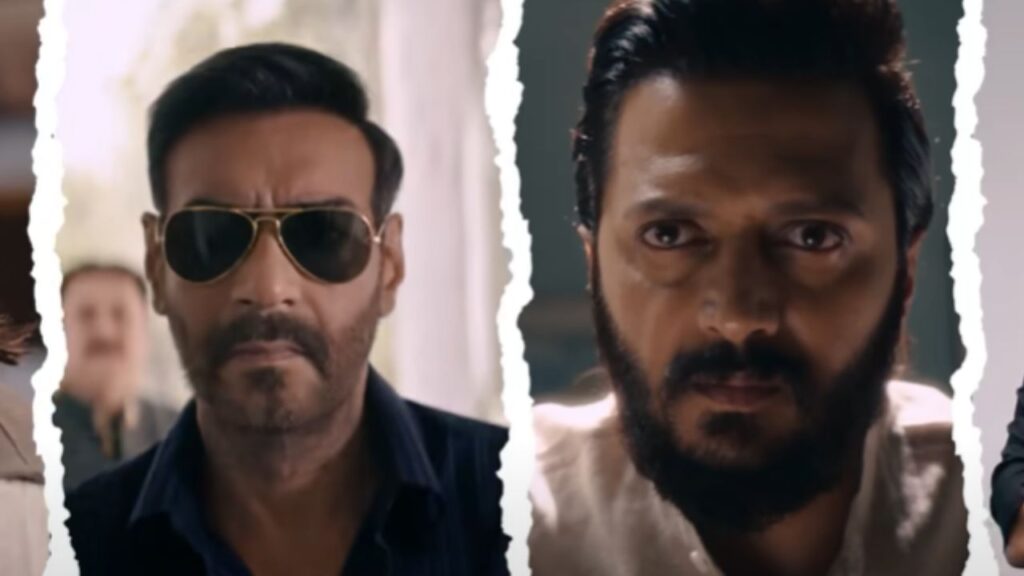
Raid 2: Rajkumar Gupta’s follow up to the 2018 Raid works as a utopian tale delivering justice, the beats are familiar nevertheless Raid 2 is engaging especially the antagonist role played by a wonderful Ritesh Deshmukh.
Unlike Saurabh Shukla’s rustic character from the first part Ritesh Deshmukh’s Dada Bai is more of a sophisticated politician. This worked as an interesting contrast to the first part. Ritesh did a very good job in capturing the different shades. He was particularly good in conveying menace with just his eyes. Saurabh Shukla in an extended was also a hoot. He made the movie more entertaining with his punch lines especially in the portions of taking pleasure in Dada Bai’s downfall.
Mrs (Zee 5): Mrs directed by Aarti Kadav is a very good take on internalized patriarchy. Like the original movie The Great Indian Kitchen Mrs also does a fine job in giving a voice to those women relegated to the household. Aarti Kadav brought in small but significant changes enhancing the story. A big change from the original is the profession of the protagonist coupled with the urbane location.
The appliances and the kitchen structure in Mrs are glossier: but the drudgery of a housewife remains the same. The dripping of water is also familiar coupled with numerous cooking shots of same nature.
In this movie Nishant Dahiya plays a gynaecologist. This element adds an interesting layer as man is able to understand other women’s bodies but when it comes to his own wife there is a very mechanical process. He doesn’t give a care on whether she also wants to participate in that moment. Sanya Malhotra as Richa did an excellent job in showcasing the different shades making the viewers root for her.
Stolen (Amazon Prime): Karan Tejpal’s Stolen is a taut social thriller/drama; The atmospherics are similar to Navadeep Singh’s NH10 but Stolen has its own identity. The distinctiveness comes from the plot centred on two brothers. One of the brothers played by Shubham Vardan is the more considerate one. Abhishek Benarjee on the other hand is a typical corporate guy trying his level best to dissuade the other one from helping a poor woman.
This sibling dynamics with an emotional undercurrent gives the movie some of its best moments. The cinematography of Ishaan Ghosh also played a significant role. The visuals had a lived in feel. A major divide between the privileged and underprivileged came out in a solid manner as well.
Abhishek Benarjee in one of his best characters till date did an excellent job. The way Abhishek showcased the eventual transformation was fantastic to watch. Shubham Vardan also provided solid support. Mia Maezler as a desperate woman in search of her missing child was good too bringing in a raw intensity.
Director and writer Subhash Kapoor takes a familiar route particularly in how the protagonists evolve. The third part lacks the freshness of the last two, still it remains a compelling watch for the issues explored and the performances of the core cast. Akshay Kumar and Arshad Warsi as the bumbling Jolly’s undergoing a change do a fine job: But Saurabh Shukla is the show stealer raising laughs as well as lending gravity in the serious moments.
Production Companies: Star studio 18 and Kangara Talkies
Running time: 2 hours and 37 minutes
The Jolly LLB series is one of its kind franchise. Generally, movies related to comedy and action are developed into a series of films. But Jolly LLB movies are an exception as the stories dwell into the different types of problems effecting a common man. The heroes in these films aren’t the usual idealistic ones. They are grey shaded characters undergoing a gradual change.
Jolly LLB 3 pretty much sticks to this formula. This time around its corporates usurping farmers land in the name of globalization. Arshad Warsi and Akshay reprising their roles from the previous movies are at constant loggerheads. Both of them suffer from lack of substantial clients. This results in constant tussle with each trying to outwit one another in search of fame. However, things take a major dramatic turn with the entry of Seema Biswa’s Janaki. Saurabh Shukla continues to be the adorable judge often exasperated with the two central lawyers but at the same time being considerate too.
A strong aspect of Jolly LLB 3 are the courtroom portions. The series of dramatic exchanges between Akshay Kumar and Ram Kapoor who represents the industrialist Haribai (Gajraj Rao) have the right amount of spark. They are often intense making the viewers ponder on the pitiable condition of farmers. At times the movie slips into a melodramatic space with the district magistrate having a change of heart: this particular portion is wobbly. But the core relevance helps it tide over.
Saurabh Shukla as the Judge Sundar Lal Tripathi continues to be a major highlight. The veteran actor raises ample chuckles specially in a conversation with the two Jolly’s. He tells them in detail about the high stress caused by the two. The third part also gives a peek into the romantic side of Sundar Lal and Saurabh Shukla aces it.
Apart from the chuckles he also lends in a certain seriousness whenever required. For example, there is a scene involving constitutional values and respecting its spirit. In simple terms Saurabh Shukla is the major ace of this franchise.
Seema Biswas as the widow Janaki rallying for justice is the only female character with some weight. As expected, Seema Biswas nails the role with her piercing gaze. She communicates a lot with her eyes. Gajraj Rao as the typical industrialist also makes for a suitably despicable villain. The character graph isn’t the most innovative, but he brings in an understated menace. Ram Kapoor also makes his presence amply felt as a rich advocate fighting for a wealthy industrialist.
As the two Jolly’s Arshad Warsi and Akshay Kumar play their parts with practiced ease. Akshay gets the bigger arc though with some fiery arguments. The scene where he talks about farmers subsidies being dismissed as Khairat (charity) deserves a particular mention. Arshad Warsi comes alive in the final monologue where he talks about farmers always being the scapegoats in the name of economic progress. An expectation that they should give their lands without any complaints.
Amrita Rao and Huma Quereshi as the respective wives have a lovely presence but in the larger scheme of things they don’t have much to do. The personal lives of both Jolly has zero noticeable moments. The music is another sore point specially an emotional song meant to stir the viewers. Some scenes like the two heroes coming on a camel disturbing a racing competition is also clumsily staged.
Final word: Jolly LLB 3 is a worthy addition to this growing franchise in spite of some lags.
Manchu Vishnu donning multiple hats of an actor and writer takes a while to find his footing, however he comes into his own in the moving post interval portions specifically the climax. For Shiva devotees Kannappa will be a delight. Akshay Kumar as Shiva lends in the right amount of serenity and Prabhas as Rudra makes his presence amply felt in an extended special appearance.
Production Companies: AVA Entertainment and24 Frames Factory
Music: Stephen Devassay
Cinematography: Sheldon Chau
The story of a tribal hunter turned shiva devotee Kannappa is an important part of Indian mythology. The tale of Kannappa is closely connected with Srikalahasteeswara temple in Andhra Pradesh. The story of Kannappa was brought to life by the moving Bhakta Kannappa played by an excellent Krishnam Raju. The movie was a major commercial success and is remembered fondly to even this day.
Vishnu Manchu’s Kannappa is an modern adaptation of Bhakta Kannappa with added commercial elements. The destination is the same, but the packaging varies. For those who haven’t seen Bhakta Kannappa the plot of this one revolves around Thinnadu (an earnest Manchu Vishnu). He is a fierce hunter rejecting anything connected to god and divinity. He is far removed from the world of faith. R Sarathkumar as Nathanathudu plays the village head of a particular tribe. Nathanathudu is the complete opposite of his son Thinnadu, in spite of not liking his son’s views towards god Nathanathudu never forces his religious beliefs on him. The story essentially looks at the transformation of Thinnadu when he stumbles upon an Shiva Lingam changing his entire outlook towards religion and the existence of god. This is the story in brief.
Before getting deeper into the movie its necessary to get the comparisons out of the way. Manchu Vishnu is no Krishnam Raju and that is very visible in the initial portions. His warrior like presence has a certain stiffness, at times he seems to be aping Prabhas in the action and romantic portions. However Manchu Vishnu slowly starts to grow on the viewers getting the soul of Kannappa right. As earlier mentioned the post interval portions are far more engaging a big reason for this is Manchu Vishnu’s act, his portrayal of Shiv bhakt embracing a trance like state is excellent. In the climax where he removes his eyes has a wonderful intensity moving the viewers. Mention must also be made of Manchu Vishnu’s act in the fiery dialogues where he questions the act of human sacrifice in the name of rituals.
Prabhas as Rudra also plays a major role in making the second half better. The screen time of Prabhas is short but the interactions with both Mohan Babu and Manchu Vishnu are a perfect blend of humor and philosophical wisdom. He adds significant depth to Kannappa’s spiritual journey.
Prabhas as Rudra
The father and son dynamics between Thinnadu and Nathanadu also has some nice touches. An emotional conversation featuring the ghost of R Sarathkumar and Manchu Vishnu touches the viewers heart in particular. R Sarathkumar lends a certain dignity to his part.
Coming to others senior actor Mohan Babu as Mahadev Shasthri has a commanding presence, he nails the arrogant nature as expected while also shining in the sequence showcasing remorse. Mohanlal in a completely new look brings his signature gravitas. His pre interval sequence with Vishnu setting the base for the second half is nicely done.
The devotional songs of the second half also lift the movie. The song Shiv Shiv Shankar in particular is well tuned, it makes for a good watch and listen. Sheldon Chau’s cinematography is of a good order too. He does a fine job in capturing both the vast landscape and also the mythical moments through his lens.
A major problem with Kannappa is the attempt to make the story more pan India. The love portions featuring the two leads feels completely out of place, they feel more situated for a modern love story rather than the story of a non-believer turned devotee. Preity Mukhandan has a fiery presence starting off with promise but soon she just turns into a regular commercial heroine. The overdose of skin show leaves a bitter after taste occupying more space than necessary. Even the romantic songs featuring the two also lengthen the running time rather than aiding the narrative. The war sequences feel straight out of Bahubali and Hollywood movies. The clumsy CGI in some places don’t help matters either.
The likes of Bramhanadam and Saptagiri also feel out of place. The first half needed a much tighter edit, the village conflicts and the battle to protect a sacred lingam needed to be shortened since the main crux of Kannappa is the transformation story.
Final word: Kannappa is a delight for Shiv bhakts specifically the intense climax, its a sincere effort to bring alive the tale of a non believer turned devotee for the modern generation.
An aspect which makes Kesari Chapter 2 stand out is the characterization of Ananya Pandey’s Dilreet Gill an idealistic young woman breaking conventions. Director and writer Karan Singh Tyagi is successful in pushing all the right buttons making the viewers emotional and evoking feelings of disgust towards the British.
Starcast: Akshay Kumar, R Madhavan, Ananya Pandey, Simon Paisley Day, Reginna Cassandra and others
Genre: Drama
Director and writer: Karan Singh Tyagi
Dialogues: Sumit Saxena
Cinematography: Debojeet Ray
Based on: The Case That Shook The Empire By Raghu Palat And Pushpa Jalat
Producers: Karan Johar, Adar Poonawala etc
Production Companies: Leo Media Collective and Dharma Productions
Music: Shaswat Sachadev, Kavita Seth and Kanishk Seth
Running time: 2hours and 14 minutes
The subject of Jallinwala Bagh massacre has a huge emotional resonance irrespective of how many times filmmakers explore the topic. The beats of Kesari Chapter 2 has a certain resemblance to the Ram Madhvani web series The Waking of a Nation in terms of the courtroom proceedings and how the narrative unfolds the events leading up to the mass genocide however Kesari Chapter 2 is very much its own beast, the movie is based on the novel written by Raghu Palat and Pushpa Jalat focusing on the fight of Shankaran Nair. It’s hard to say how much has been fictionalized particularly the characterization of Ananya Pandey however the movie is successful in immersing the viewers in spite of familiar troupes particularly the courtroom proceedings. Subtlety and logic isn’t Kesari Chapter 2’s biggest strength but nevertheless the movie is successful in evoking patriotic feelings.
Ananya Pandey as the young lawyer Dilreet Gill
Kesari Chapter 2 doesn’t waste any time in setting up the proceedings. The first ten to fifteen minutes are devoted to the massive bloodbath led by Simon Paisely Day’s General Dyer. The presentation is very graphic in nature unlike Ram Madhvani’s The Waking of a Nation however it does work. The piles of blood soaked bodies coupled with cinematography department makes the audiences blood boil. We see the massacre from the perspective of a young boy Pargat Singh (played by an excellent Krish Rao). From here we move to Akshay Kumar’s Sir C Shankaran Nair. Shankaran Nair is a hot shot lawyer working for the British. He also receives the honor of Knighthood from the British government the same day when the Jallianwala Bagh massacre happens. Shankaran Nair is known for his excellent arguments and the way he manipulates the proceedings. This is established early on in a case involving Pargat Singh’s father. However things take a huge turn after the set up of a so called commission meant to enquire the events leading up to that harrowing day. Shankaran Nair’s belief in the British justice system takes a massive hit as Shankaran starts digging deep. What also shakes his conscience is a meeting with Pargat Singh. However in spite of the misgivings Shankaran Nair decides to not dwell further but that changes with the entry of the fiery Dilreet Gill (an excellent Ananya Pandey). This is the story in a nutshell.
A strong aspect of Kesari Chapter 2 is how Karan Singh Tyagi has designed the character of Akshay Kumar. Yes the transformation of Shankaran Nair and his deep faith in the British justice system could have done with little more nuances still the way the director has presented the various dilemmas faced by the man keeps the viewers engrossed. A particular mention must be made of the emotional turmoil which Shankaran Nair goes through at various stages. His fighting spirit in spite of the numerous hurdles coupled with Akshay’s act makes the viewers root for Shankaran Nair. Of course an argument can be made on why not have R Madhavan play the titular role given his South Indian background, still Akshay’s fiery performance particularly in the scenes where Shankaran Nair confronts General Dyer about his racist behavior makes the casting work.
As already mentioned Ananya Pandey’s Dilreet Gill plays a young woman breaking numerous conventions particularly given the period the movie is set in. Of course how much of the characterization is similar to the truth and book is a question mark still Ananya Pandey plays a very crucial role in making the movie more interesting. A scene which specifically needs to be mentioned here is Dilreet Gill’s response to the press who are surprised with Shankaran Nair having a female counsel. She responds by saying what is so surprising doesn’t the British have a queen. On the surface it may appear as a simple moment but the sarcasm behind it questioning a certain type of attitude makes it a brilliant scene. The character of Dilreet Gill has various shades and Ananya does complete justice more than holding own opposite Akshay Kumar. The scene in the railway station where she confronts Shankaran Nair on how he shouldn’t run away and instead should fight back against the crown is a significant reminder of how far the young actress has come. Another portion worth mentioning is the cross examination scene involving an important character Martha Stevan’s. From the initial nervousness to taking things head on Ananya does a marvelous job.
R Madhavan plays Advocate Neville McKinley. He enters the movie at a crucial moment just before the interval. Nevile McKinley is an eccentric counsel with a certain misguided grudge towards Shankaran Nair. The back story of Nevile McKinley has some interesting touches which could have been explored more however to the actor’s credit R Madhavan adds a lot of spice to the courtroom proceedings even though the writing trudges along a familiar path. Of late R Madhavan has been playing more of grey/negative roles whether it is Vikas Bahl’s Shaitaan or this years Test. Once again R Madhavan does a very fine job proving to be a worthy opponent for Akshay. The way he portrays the different shades of the role is a treat to watch.
R Madhavan and Akshay Kumar face off
Simon Paisley Day in spite of the heavily accented Hindi like his collogues is very successful in making the viewers detest him. The backstory of Dyer involving scenes of being bullied give a psychological insight into the man’s behavior. Among the other actors Amit Sial impresses with his understated villainy. Reginna Cassandra as Akshay’s wife adds an emotional depth in spite of the limited screen time and a not so great characterization.
Simon Paisley Day as General Dyer
An another interesting aspect of Kesari Chapter 2 is how it portrays the issue of press being controlled either through manipulation or being shut down. Looks like nothing much has changed from them.
The technical department led by cinematographer Debojeet Ray is very effective in creating the right atmospherics. There is an authenticity to the way the period has been recreated whether it is the blood stained grounds of Jallianwala Bagh, the colonial courts or the even the place of viceroy which has numerous shots of lavish parties. The soundtrack by nature isn’t of the popular variety still the few songs make for a wonderful listen and watch. The recreated version of Teri Mitti with Nair visiting the massacre sight of course takes the top spot. At the same time “Oh Shera and “Kithe Gaya Tu Saaiyan” also tug at the viewers heartstrings.
Talking about the flaws the heavily accented Hindi of the Foreign actors leave a bitter after taste. Even Akshay Kumar’s attempt at speaking Malayalam in one scene comes across as very jarring to say the least. Also the way Dilreet and Shankaran Nair find evidences against the British make it look like an piece of cake. The courtroom proceedings follow a set template, this adds to a certain fatigue during some moments.
Final word: Keeping aside the flaws Kesari Chapter 2 makes for a solid rousing tale with good performances. Ananya Pandey as Dillret Gill stands out with a towering performance.
‘Sky Force’ directed by Sandeep Kelwani and Abhishek Anil Kapur is set during the tumulus war of 1965. The movie follows India’s daring and successful airstrike on Pakistani’s heavily protected Sargodha airbase.
Main Cast: Akshay Kumar, Veer Pahariya, Sharad Kelkar, Sara Ali Khan, and Nimrat Kaur
Director: Sandeep Kelwani and Abhishek Anil Kapur
Producer: Dinesh Vijan, Jyothi Desphande
Music Director: Tanishk Bagchi
Cinematography: Santhana Krishnan Ravichandran
Rating: 3/5
Subjects involving our beloved neighbour Pakistan have been one of Bollywood’s pet themes over many years, whether it is the likes of Kabir Khan’s Bajrangi Bhaijaan (2015) or Aditya Dhar’s Uri (2019).
The love and hate-relationship between India and Pakistan has been the emotional fodder for numerous movies. When it comes to war movies portraying Pakistan there has been an increasing trend of playing to the gallery with zero nuances, of course, exceptions are also there like the Meghana Gulzar-directed Raazi (2018), a movie which looked at the human cost of war.
Synopsis
Sky Force directed by Sandeep Kelwani and Abhishek Anil Kapur is set during the tumulus war of 1965. The movie follows India’s daring and successful airstrike on Pakistani’s heavily protected Sargodha airbase.
In this very successful mission, the rebellious squadron leader TK Tabby (a promising Veer Pahariya) goes missing. He has a major disregard for protocols, which leads to him flying solo into the enemy territory during a sky-force mission.
TK Tabby goes missing and the higher authorities in the military have zero interest in knowing his whereabouts given his rebellious nature. It is left to Akshay Kumar’s KO Tiger Ahuja to uncover the mystery.
KO Ahuja is both a wing commander and also a fatherly figure to Tabby. The movie follows KO Ahuja’s relentless quest.
Sharad Kelkar in an extended special appearance plays Pakistani squadron leader Ahmed Hussain. He turns out to be a major link for Tiger Ahuja in unravelling the mystery.
What works and what doesn’t
There is no denying that Sky Force has a bumpy start. The initial sequences of camaraderie and the air training portions have a distinct hangover from Siddarth Anand’s Fighter a movie which also featured many air combat sequences.
But the movie soon settles down as the intensity of the 1965 War takes centre stage.
The movie also taps into the bureaucratic frustrations and political red tape. These issues are briefly touched upon effectively. The pre-interval sequence leading to the successful airstrike and then the subsequent disappearance of Tabby is wonderfully staged thoroughly involving the viewers.
The second half focuses on KO Ahuja’s relentless quest and from here on the movie engages the viewers emotionally.
How KO Ahuja finds the first lead thanks to Ahmed Hussain and his determination to uncover bringing closure and also justice to Sarah Ali Khan’s Geeta Vijaya —Tabby’s wife packs in an emotional punch.
The ultimate revelation and how Tabby gets his much-deserved due for his bravery has both been wonderfully written and enacted.
Dynamics between the leads
A major plus for the movie apart from the strong emotional resonance, are the dynamics between Tabby and KO Ahuja.
The on-screen camaraderie between the two characters has been wonderfully established. KO Ahuja sees his lost son in Tabby— there is visible warmth in the light-hearted scenes.
KO Ahuja is a father-like figure to Tabby, someone he respects deeply. Ahuja treats Tabby with warmth but maintains an authoritative stance. In one scene, Tabby is kept on standby and not allowed to take part in any action. When Tabby asks for an explanation, saying he has always looked up to Ahuja as a father, Ahuja responds firmly, “I don’t owe you any explanations.”
Sky Force is also refreshing in the sense that there are no in-your-face celebrations after India defeats Pakistan, no over-the-top dialogues looking down at Pakistan.
The animosity between the two nations isn’t going to last forever. There is a mutual sense of respect for men in uniform in both India and Pakistan. The scenes featuring Sharad Kelker as the Pakistani squadron leader is a very good example of this.
Technical aspects and performances
The action sequences designed by Parvez Shaikh and Craig MacRae are a delight to watch particularly for fans of air combat sequences.
Santhana Krishnan Ravichandrana’s cinematography is also stunning. He perfectly captures the intense action like an action-packed sequence between Veer Pahariya and Sharad Kelkar.
Tanishk Bagchi’s music is of a good standard barring one rather unnecessary party number. Among his compositions, the standout number not surprisingly goes to B Praak’s “O Maaye Teri Mitti Bulaye”. The composition along with B Praak’s soulful voice will move the audiences.
Talking about the main leads Akshay Kumar as KO Ahuja plays a senior officer and a concerned mentor with absolute finesse. He brings in a lot of gravitas making the viewers root for his character.
Veer Pahariya makes a confident debut; he plays the determined soldier with conviction effortlessly embodying a rebellious nature. Sharad Kelkar also leaves a significant impact in his brief role with a restraint act.
Nimrat Kaur and Sara Ali Khan play the typical army men-wife characters. They are good in their limited portions but the characterizations of both leave a lot to be desired.
Final take
To sum it up Sky Force is worth boarding on despite a familiar territory.
(Views expressed here are personal, edited by Sumavarsha)
Director Mudassar Aziz successfully dwells into the themes of how much we really know our friends and partners. The game of surrendering phones leads to a major chaos, unexpected secrets tumble out leading to major conflicts
Producers: Ashwin Varde, Bhushan Kumar, Vipul D. Shah and others
Music: Tanishk Bagchi, Rochak Kohli, Guru Randhawa and Raj Ranjodh
Cinematography: Manoj Kumar Khatoi
Production house: T- Series Films and Wakaoo Films and White World Productions
Running time: 2 hours and 21 minutes
Streaming site: Netflix
Mudassar Aziz’s Khel Khel Mein based on the Italian movie Perfetti Sconoscuit (Perfect Strangers) has been remade in several languages including the Malayalam movie 12th Man. 12th Man was directed by Jeethu Joseph reuniting him with Mohanlal. What makes the subject of Perfect Strangers so relatable is the exploration of how smartphones create havoc in a what appears to be a perfect marriage. Jeetu Joseph’s 12th Man was more of a mystery/thriller with his signature touches. Khel Khel Mein on the other hand is more of a matrimonial comedy. Every time the movie switches into a tense mode a comic scene follows soon.
The Italian movie Perfect Strangers has been remade into several languages including the Malayalam movie 12th Man
The plot of Khel Khel Mein is set against the backdrop of a big Indian wedding. You have three couples along with a bachelor friend. The night before the wedding Vani Kapoor’s Vartika suggests a game of surrendering their mobiles. Everyone has the license to read or listen to whatever message or video call that will come. What starts off as fun soon goes into a very murky territory. This is the story in brief.
A strong aspect of Khel Khel Mein is Mudassar Aziz’s portrayal of sensitive issues without getting preachy. The movie dwells on teenage sex, infertility and homosexuality among others. All this is backed with strong humor particularly from Akshay Kumar.
Akshay Kumar plays Dr Rishabh. He is an expert at telling white lies. It is refreshing to see Akshay back in the humor zone, a genre which he has aced previously. The actor generates many chuckles with his perfect comic timing. Apart from the humor scenes Akshay also shines in the portion where he gives advice to the teenage daughter about taking things to the next level with her boyfriend. The scene is treated with a lot of maturity giving the movie some depth. Another scene that needs to be mentioned here is the one where Akshay gives a speech on how marriage is not an ownership but a partnership. It is very poignant.
Akshay Kumar as Dr Rishabh. He generates many chuckles with his perfect comic timing
Apart from marital problems the movie also briefly touches upon homosexuality through the character of Fardeen Khan’s Kabir. Initially the actor doesn’t seem to have much to do but he makes a striking impact in the scene where Kabir opens up on his sexual preferences and being removed as a cricket coach in an all-boys school. The management had feared that a gay coach is not good for the students.
Fardeen Khan makes a striking impact in the scene where Kabir opens up on his sexual preferencesTaapsee Pannu shines the best among the female leads
Taapsee Pannu shines the best among the female leads. The Punjabi twang is reminiscent of what the viewers have already seen in last year’s Dunki but still the actress shines bright as a homemaker desperate to have babies. Without her husband’s knowledge she is looking to have children through an infertility clinic. A particular mention must be made of the scene when she lambasts her husband on hiding an important report. Ammy Vik as a hotheaded Sardar also makes a strong impact. He is especially good in the scene where he reminisces about a past love and an inability to keep people happy.
Among the rest Aditya Seal and Pragya Jaiswal also get their moments to shine. Just like the characters of Taapsee and Ammy’s these two also have some dark secrets, Vani Kapoor as the writer though suffers from a sketchy characterization. Her track is half-baked. Her idea of the phone game comes across as scheming than fun, as a result the taunt of Akshay Kumar at one point makes the viewers side with him. Also, the scene where she tries to be a cool mom to Akshay Kumar’s daughter doesn’t have the desired impact.
Another slight issue with Khel Khel Mein is the gag involving an attempted suicide. The punch lines are hilarious, and the absurdity of the situation does make the viewers laugh but in the overall scheme of things the makers could have done away with this.
Keeping aside these small niggles Khel Khel Mein is easily one of the most enjoyable Akshay Kumar movie of the recent past. The film would have fared much better with a solo release date instead of getting sandwiched with Stree 2.
A rundown on how Akshay Kumar went from being a bankable star with numerous hit films to an actor struggling to get good openings.
Starting from the year 1991, Akshay Kumar aka “Khiladi Kumar” acted in over 100 films.
At the beginning of his career, Akshay was primarily known as an “Action Star” because of his physicality and fitness levels. The “Khiladi” tag was the result of the action sequences and this image has stayed with the actor to date.
However, thanks to acclaimed South Indian director Priyadarshan, the actor’s image took a huge turn with the film Hera Pheri (2000). In Hera Pheri, Akshay Kumar played a street-smart guy called Raju.
The film gave him ample scope to display his comic skills. The movie also had a couple of emotional scenes which he pulled off with ease.
Hera Pheri opened new doors for Akshay Kumar. The film did not get a good opening but emerged as a box-office success gradually.
It is considered to be one of the best comic films made in Hindi cinema. It was a remake of the Malayalam movie Ramji Rao Speaking (1989).
The combo of Akshay Kumar and Priyadarshan entertained the audiences further in the likes of Garam Masala (2006) and Bhagam Bhag (2005) — also a remake of the Malayalam classic Manichitrathazhu (1993).
In these films, Akshay Kumar raised many chuckles with his comic timing.
A special mention must be made of the scenes in Garam Masala, where his character juggles multiple girlfriends.
However, it wouldn’t be fair to categorise Akshay as just a comic actor.
More than a comedy actor
Akshay Kumar and Amitabh Bachchan in ‘Waqt: The Race Against Time’. (X)
There are the likes of Aankhen (2002) and Waqt: The Race Against Time (2005), among others, where Akshay Kumar proved himself as a versatile actor.
In Aankhen, he played one of the blind men whom Amitabh Bachchan uses as a pawn to take revenge against the bank where he was working and humiliated.
The Bollywood actor got the nuances of the role spot on and was very impressive, particularly in the face-off with Bachchan.
In Waqt: The Race Against Time, the actor played a spoilt son who undergoes a metamorphosis the hard way. He was both goofy and also intense in equal portions.
Akshay Kumar as a social commentator
Akshay Kumar in ‘Padman’. (X)
There was also a period when Akshay Kumar found success with films dealing with social issues but with commercial ingredients. Case in point being Toilet: EK Prem Katha (2017), and Padman (2018).
What made Akshay’s performance in Toilet: Ek Prem Katha commendable is how he transforms himself from a son, who is scared of his orthodox father, to bringing a change in the mindset of an entire village. There is a visible effort in getting into the skin of the role.
Another movie worth mentioning in this category is R Balki’s Padman. It was about an entrepreneur Arunachalam Muruganatham who made low-cost sanitary pads for women in rural areas.
The actor did a wonderful job of conveying the determination of a man who is mocked constantly and considered a madman by the people around him.
There are scenes in Padman that not many leading stars would have attempted. A case in point is the portion where Akshay’s character tests a sanitary pad on himself with disastrous results.
You also have a speech in the pre-climax at the United Nations, which is very moving.
An impressive Airlift
Akshay Kumar in ‘Airlift’. (X)
Apart from the above-mentioned ones, Akshay Kumar was also hugely impressive in the thriller drama Airlift (2016).
He was seen as a businessman who helped in the evacuation of Indians in Kuwait during the invasion of that country by Iraq’s supremo Saddam Hussain. This invasion is the beginning of the Gulf War.
Akshay’s character Ranjit Katyal starts as an arrogant businessman for whom profit is the only thing that matters. But soon, we see him vulnerable and helpful.
There are occasions where Ranjit is down and out but he still keeps going. Airlift is easily one of Akshay’s best performances.
Before the COVID-19 pandemic, Akshay Kumar was having a mostly dream run with hits upon hits.
In fact, the actor’s box office figures were much superior to Shah Rukh Khan who was going through a lean patch at that time. But all that changed drastically post-pandemic.
Malfunction of formula
Akshay Kumar in ‘Samrat Prithviraj’. (X)
The formula that worked so well for Akshay all those years has now come crashing down.
It is a well-known fact that the actor hops from one film set to another in a stipulated time. He likes having many releases in a year and method acting has never been his forte.
Akshay’s co-stars have often joked about it openly during movie promotions. Sure this strategy paid big dividends in the past, but now, it backfired with the actor becoming the butt of many jokes.
Certain jadedness came both in terms of script selection and also the actor’s attitude.
A good example of this is the movie Samrat Prithviraj (2022). It was clear while watching the film that the actor looked upon the project as just another film instead of getting into the skin of a very important historical character.
What he ought to have done was something like Hrithik Roshan in Jodha Akbar (2008).
The rumour has it that producer Aditya Chopra asked Akshay to grow a real moustache but Akshay refused to do it.
Even if you look at the movie Mission Raniganj(2023), there is no effort in getting into the headspace of Jaswanth Singh Gill — an engineer who risks his life getting the trapped miners out.
Even the Punjabi accent is more put on than anything else.
Latest failure
Akshay Kumar in ‘Bade Miyan Chote Miyan’. (X)
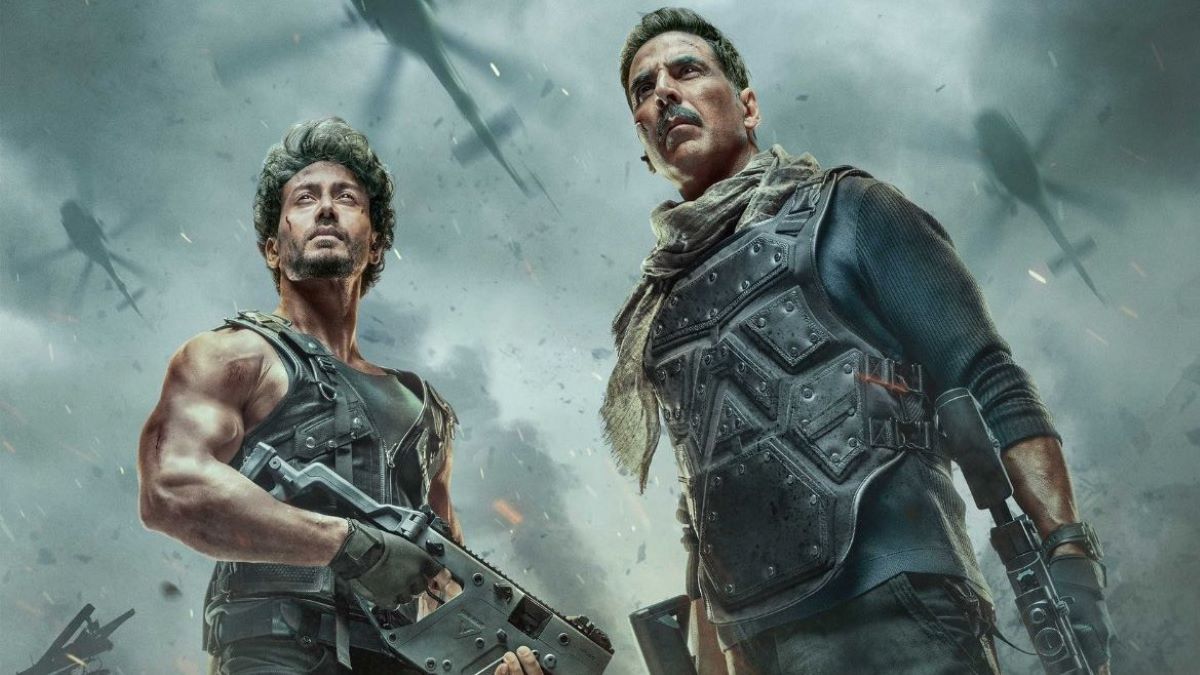
But the most shocking of all is the recent Ali Abbas Zafar’s Bade Miyan Chote Miyan(2024). In fact, the genre of Bade Miyan Chote Miyan fits perfectly on the radar of Akshay Kumar — a combination of action and comedy.
However, the Bollywood actor appears as a pale version of his Khiladi avatar.
In fact, Tiger Shroff was in much better form with some genuinely funny one-liners. At least he appeared to be enjoying himself, unlike Akshay, who was literally sleepwalking through the role.
This is a sad scenario because Akshay is a capable actor who has shown that he can deliver good performances.
It is high time that Akshay Kumar does some serious introspection both about the kind of films he is choosing and also his working pattern.
Main Cast: Akshay Kumar, Tiger Shroff, Prithviraj Sukumaran, Ronit Roy, Alaya F, Manushi Chillar, and Sonakshi Sinha
Director: Ali Abbas Zafar
Producer: Vaau Bhagnani, Jacky Bhagnani, and Himanshu Kishan Mehra
Music Director: Vishal Mishra
Cinematography: Marcin Laskawiec
Rating: 2.5/5
Published in: Southfirst
Action-based movies with patriotism are one of the favourite themes of mainstream Indian directors.
The storylines are simple, there is a deadly enemy who wants to cause harm to the nation and brave-hearted soldiers have to tackle him with lots of action-packed sequences.
Director Ali Abbas Zafar’s Bade Miyan Chote Miyan follows this formula to the hilt. the first half has some minor suspense regarding Prithviraj Sukumaran’s Kabir. But the rest of it is utterly formulaic.
Synopsis
A poster of ‘Bade Miyan Chote Miyan’. (X)
Both Akshay Kumar and Tiger Shroff haven’t had the best time since the pandemic and the movie isn’t likely to change that although Tiger comes off much better here than his last two ventures.
Bade Miyan Chote Miyan focuses on two ex-soldiers — Rakesh aka Rocky (Akshay Kumar) and Firoz aka Freddy (Tiger Shroff). They are court-martialed for not following orders. However, they have the reputation of being the bravest officers.
Eight years later, Rocky and Firoz get back to tackle an enemy who wants to cause mayhem in the country with the help of AL.
This tech-savvy villain aims to create a situation where India will find itself in a war-like situation with its volatile neighbours. This is the story in brief.
Analysis
The first half of Bade Miyan Chote Miyan keeps you guessing about the antagonist’s motivations and why Kabir has so much anger towards Rakesh and Firoz. It also helps that the pace in this half is frantic with a lot of action thrown in.
Marcin Laskawiec’s cinematography goes well with the scale of the movie and the cinematographer deserves distinction marks for capturing the scale of a war-like situation.
The action sequences are also of a good standard, particularly for those who enjoy hand-to-hand combats and cars and choppers crashing in Rohit Shetty style.
The banter between Akshay Kumar and Tiger Shroff does have some funny moments, thanks to the one-liners of Tiger. For instance, Tiger gets the most fun repartees like the scene where he says, “Yeh aadmi hai ya dandruff, jaata hi nahi!”
The back story of Prithviraj Sukumaran’s Kabir and the reason behind his angst has been well-written and enacted.
After playing a victim who undergoes a lot of suffering in Aadujeevitham (The Goat Life), the actor has a ball playing to the gallery in this one.
A major problem with Bade Miyan Chote Miyan is the portions after the flashback of Kabir, a certain monotonousness creeps in.
The complex geo-political situation of India with Pakistan and China is merely used as a background with oversimplified solutions.
The film also suffers from a lack of strong female characters. The absence of an unnecessary romantic track is welcome but the female characters in Sultan (2016) and Tiger Zinda Hai (2017) were far better written.
Performances
Prithviraj Sukumaran plays the antagonist in ‘Bade Miyan Chota Miyan’. (X)
Tiger does a good job of portraying the suave and charming nature of Firoz.
Akshay Kumar, on the other hand, is mostly wasted except for the action bits.
Prithviraj Sukumaran makes for a delightful psychopath who has ambitious dreams.
Rakesh’s serious nature feels like an extension of Neeraj Pandey’s Baby (2015).
Manushi Chhillar lands lethal blows on her enemies, but beyond action, there isn’t much.
Alaya F irritates the audience with her comic timing.
Sonakshi Sinha repeats her “damsel in distress” act with a one-tone expression.
Verdict
Bade Miyan Chote Miyan is strictly for those who like seeing larger-than-life stunts with a predictable storyline.
Amit Rai’s directorial is another noteworthy addition to the list of mainstream movies that discuss taboo subjects.
A good follow-up!
OMG 2 (Hindi)
Cast: Akshay Kumar, Pankaj Tripathi, Yami Gautam, and Pavan Malhotra
Writer-Director: Amit Rai
Producer: Vipul D Shah, and Ashwin Varde
Music: Sandesh Shandilya and Vikram Montrose
Runtime: 2 hours 36 minutes
Director Amit Rai’s OMG 2 is not only a good follow-up to the first part but also works as a standalone film.
In OMG-Oh My God (2012), writer-director Umesh Shukla took several digs at the so-called religious men who feed upon the fears of common folk across religions. There was a sharp commentary on all types of religious hypocrisies.
OMG 2 features a different protagonist this time — a Shiv Bhakt. But what remains the same is how it touches upon an important social topic.
Nevertheless, the sequel is a step ahead in many ways.
Synopsis
Kanti Sharan Mudgal (Pankaj Tripathi) runs a pooja shop near a temple. he is a diehard devotee of Lord Shiva and enjoys respect in his area.
His life turns upside down when his son Vivek (Aarush Sharma) gets admitted to the hospital due to exhaustion caused by excessive masturbation (the word used here is a “selfie”).
Things get more problematic when Vivek’s fellow students secretly shoot a video of him doing the act in the toilet and the video gets circulated. This results in a lot of humiliation for both Vivek and the family.
So, Kanti Sharan decides to flee with his family. It is at this point that Akshay Kumar enters as God’s messenger in human form.
Much like the first film, here too, Akshay guides his protagonist. This time, it is about fighting for his son and not running away from problems.
Kanti Sharan realises that his son has been a victim of misinformation and misguidance. He drags the school authorities and a chemist among others to the court. Here he is pitted against a high-profile lawyer Kamini (Yami Gautam).
Pavan Malhotra plays the judge.
The rest of the story is about how Kanti Sharan brings out the importance of sex education through his arguments and whether Vivek becomes his normal self again.
Highlights sex education
The best part about OMG 2 is how Amit Rai normalises the importance of sex education without making it come across as awkward.
For example, there are scenes where Tripathi shows how the body parts of males and females should be taught in school. He uses the words penis and vagina as normal words. All this comes across as natural.
The film also does a good job of normalising discussions about physical intimacy. There is a progressive outlook that can be felt throughout.
Further, it smartly integrates ancient Indian texts which have references to homosexuality.
There is also a reference to the Kamasutra which Kanti Sharan uses at an important juncture to remind us how progressive the Hindu religion was in the past.
However, the bashing of Macaulay towards the end could have been avoided. It comes as too simplistic.
Commendable performances
What also works for the film are the scenes between Akshay Kumar and Pankaj Tripathi.
The scenes where Akshay imparts wisdom to Pankaj Tripathi bring a smile to your face.
Akshay Kumar plays his part with the right amount of divinity. He also does a Shiv Tandav with admirable ease.
Pankaj Tripathi as Kanti Sharan does complete justice to the arc of the protagonist. His character has several shades from a distraught father to becoming a revolutionary and the actor pulls it off with the finesse that you expect from him.
Yami Gautam as the menacing opponent is also in fine form. She brings in the required aggressiveness and holds her ground.
Pavan Malhotra as the judge has his moments, particularly in his reaction shots.
Verdict
In all, OMG 2 is another noteworthy addition to the list of mainstream movies that discuss taboo subjects.