
Vignesh Raja’s Kara is two films rolled into one. One a social thriller tackling the issue of financial exploitation and rural debts. The impact of Gulf war set in 1991 forms an important subplot. At the same time the films feature a father and son emotional thread. The latter is melodramatic, but the first one engages the viewers more so in the post interval portions. The grey areas of both Dhanush and Suraj Venjaramoodu is well written and enacted.
Starcast: Dhanush, Suraj Venjaramoodu, Jayaram, Mamita Buiji, K S Ravikumar and others
Genre: Crime/drama
Director and writer: Vignesh Raja
Additional writer: Alfred Prakash
Music: G V Prakash
Cinematography: Theni Eshwar
Producer: Ishari K Ganesh
Production Companies: Vels Film international and Think Studios
Running time: 2 hours and 41 minutes
The proceedings in Vignesh Raja’s Kara has a certain contemporariness though the plot is set in the 90’s. The current fuel crisis because of a global war is a well-known thing. Kara’s timeline features an important subplot along the lines of current war. Here the focus is on the bank exploiting the vulnerable farmers. The movie begins with Dhanush’s Kaarsami along with an associate robbing a house. For Kaarasami it’s his supposed last theft but things go awry after a successful robbery. The protagonist though manages to get away from police clutches. Flash forward he is now a family man with Mamitha Buiji playing the wife Selli. Without revealing much a situation comes when Kaarasami is in desperate need of money for setting up his own food mess. However, that’s easier said than done. Nothing more can be revealed given the different layers
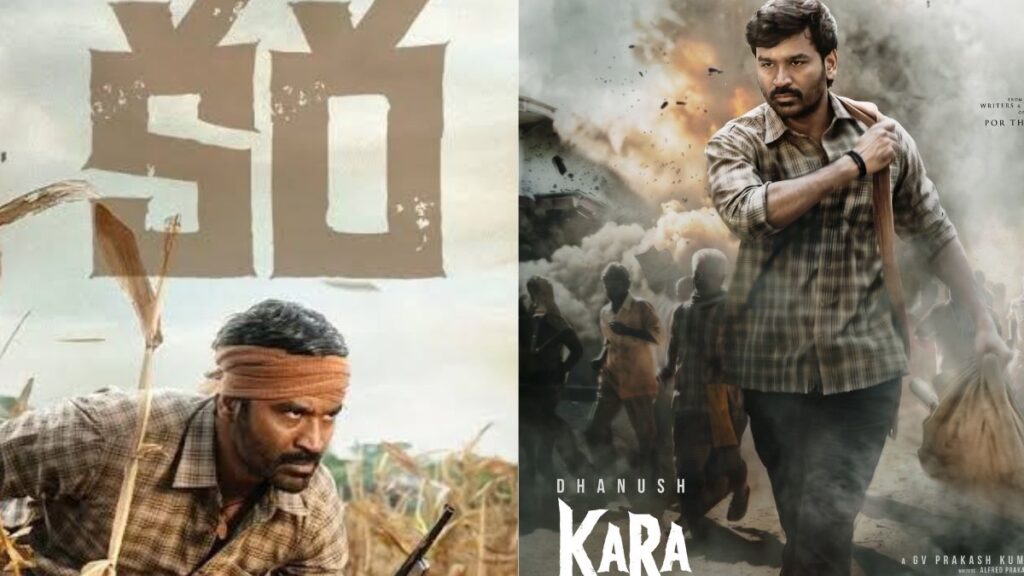
A strong aspect of Kara are the thriller portions. Midway through the first half a scenario comes when Kaarasami also called Kara has to rob a bank going back to his former self. Kaarasami makes two attempts with his associates. One of them is Karunas as an elderly figure. The first attempt turns out to be a disaster though they don’t get caught. The second time around Dhanush and co decide to rob in morning at a particular time. These sequences have a super combination of thrills coupled with humor. There is a scene of Dhanush pretending to be a bank employee and Karunas doing the pretension of filling a form. This is wonderfully written and enacted.
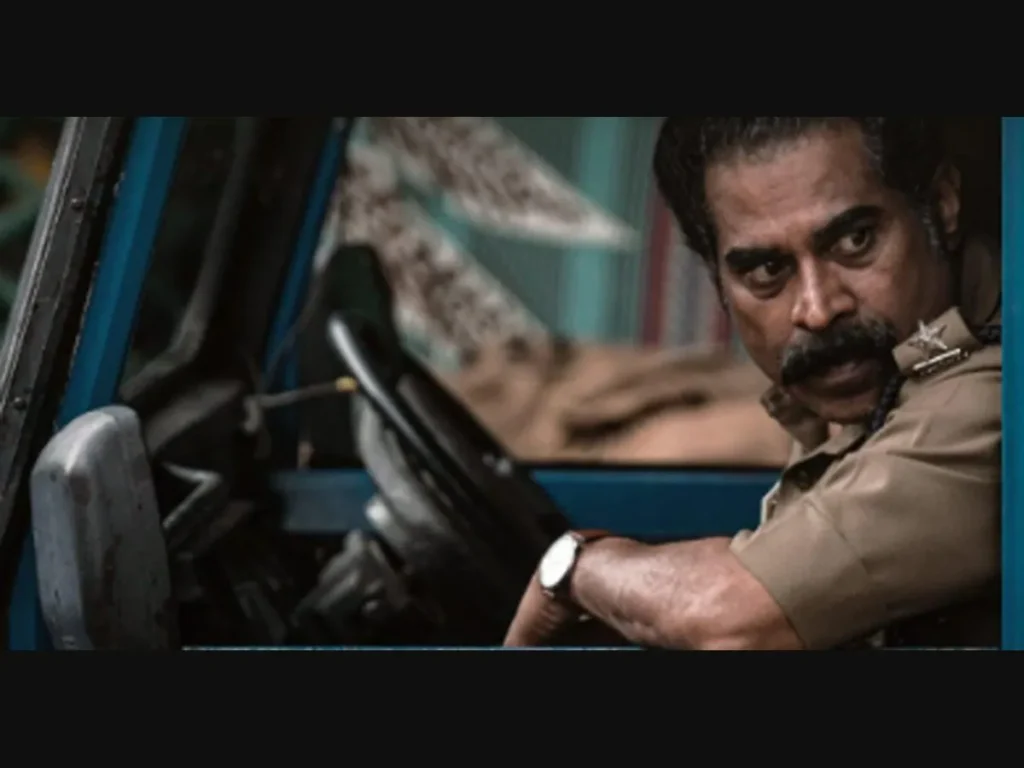
The second half turns into a cat and mouse with the reentry of Suraj Venjaramoodu’s DSP Bharatan. He has a past connected with Kara. Bharatan much like the protagonist comes with his own grey areas. The biggest motivation for Bharatan to catch the thief is having his name splashed in the newspaper. Early on in the movie there is a scene of Bharatan trying to attach his name to an already open and shut case. However, he doesn’t succeed with Kara escaping. Suraj Venjaramoodu’s act of a determined cop and his portions with the sinister bank head (a wonderful Jayaram) gives the movie its best moments.
Dhanush as Kaarasami is expectedly solid. Kaarasami is a layered character coming across as not so likeable in some portions. Dhanush particularly shines in the emotionally vulnerable moments like a heartfelt scene with Mamita Buiji. The subplot of gulf war and its impact on the downtrodden is a character in itself. It gives Kara a contemporary feel moving the viewers emotionally.
A major roadblock of Kara is the underdeveloped love story between Dhanush and Mamita. Mamita as Selli gets a couple of intense moments and the young actress does hold her own. But the writing needed to be much better. Also, the portions featuring KS Ravikumar as Dhanush’s father could have done with less melodrama. The background score does more heavy lifting here than the writing. Finally, Dhanush’s justification of multiple robberies may not work for all.
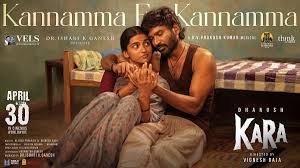
Technically speaking Theni Eshwar does a fine job in capturing the rural atmospherics through his lens. The production design is on point too; the action sequences have also been well designed. GV Prakash Kumar’s music has its moments. The song Kanamma has a melodious feel making for a soothing listen and watch. The background score on the other amplifies the tense moments successfully.
Final word: Kara is worth watching for the cat and mouse game as well as the social themes it addresses. But tighter writing would have made it a more wholesome experience.


