One Film Can Change Everything: The Great Comebacks of 2026

There’ a saying in showbiz on how one release can change everything. An out of form actor can make a smashing comeback; similarly an in form artiste can struggle to deliver if the content doesn’t appeal. There are numerous examples justifying this adage. 2026 has seen some strong comebacks for the likes of Samantha, Akhil, Ravi Teja, Chiranjeevi, etc. They have found scripts resurrecting their careers after being written off.

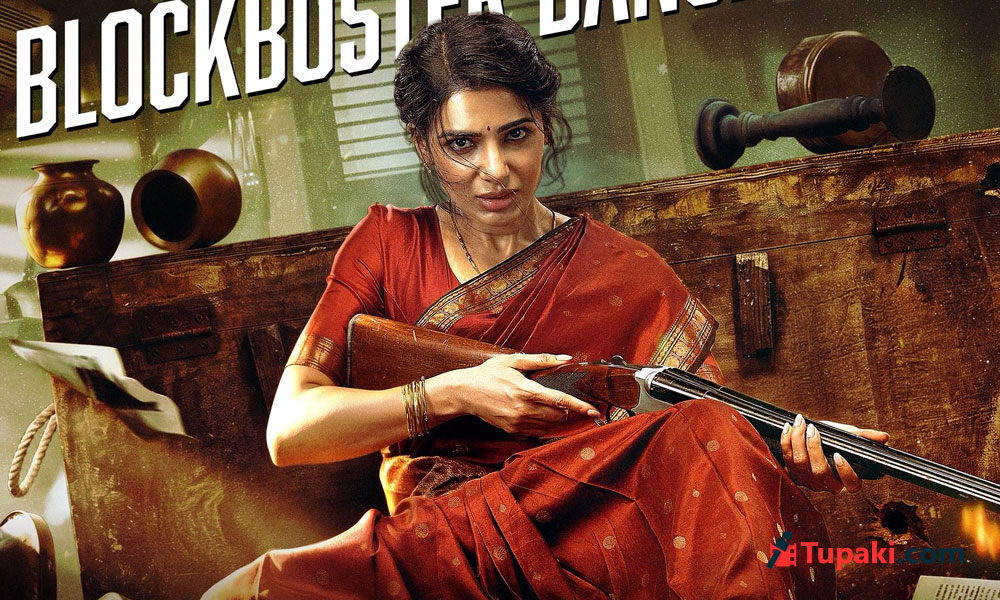
First up in this list is Samantha Ruth Prabhu. Irrespective of her box office outcomes Samantha has always enjoyed a strong fan following, but a strong commercial success was eluding the actress for some time. Nandini B Reddy’s Maa Inti Bangaram gave Sam a much-needed hit. However, Maa Inti Bangram’s triumph isn’t confined to just Sam scoring a hit, it also about the film being the biggest women centric grosser in Telugu. Yes, the film isn’t flawless by any means, but Samantha’s all-around act coupled with the novelty of a saree clad action heroine drew the audiences in a big way.

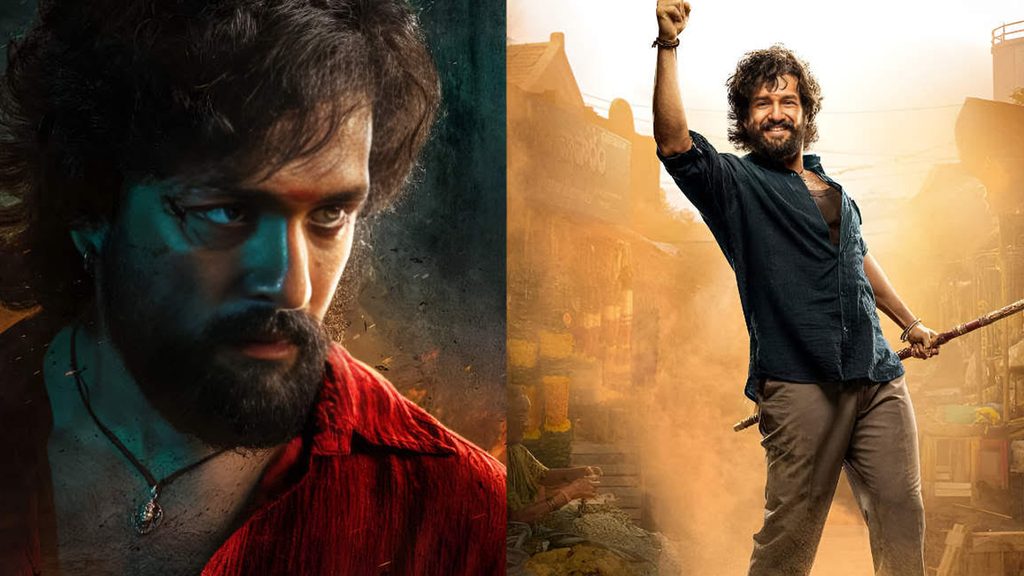
Akhil’s career journey before Lenin is a good example of how being a star kid doesn’t guarantee instant success. The journey started on a disastrous note and till Lenin Akhil went through a very uneven patch. Most Eligible Bachelor was a mild relief in between but the devastating results of Agent pushed back Akhil’s career significantly. Lenin scoring at the box was very important for Akhil, thankfully the young actor more than rose to the occasion with a solid act. The movie proved to be a good platform for Akhil to establish himself as a potential star and a much improved actor, on both counts the film was a success.
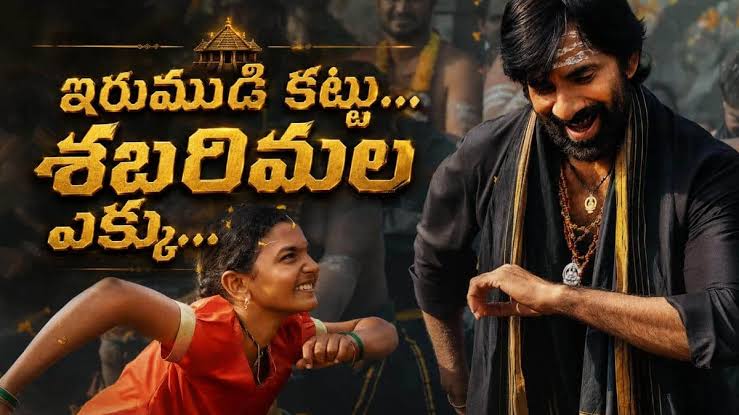
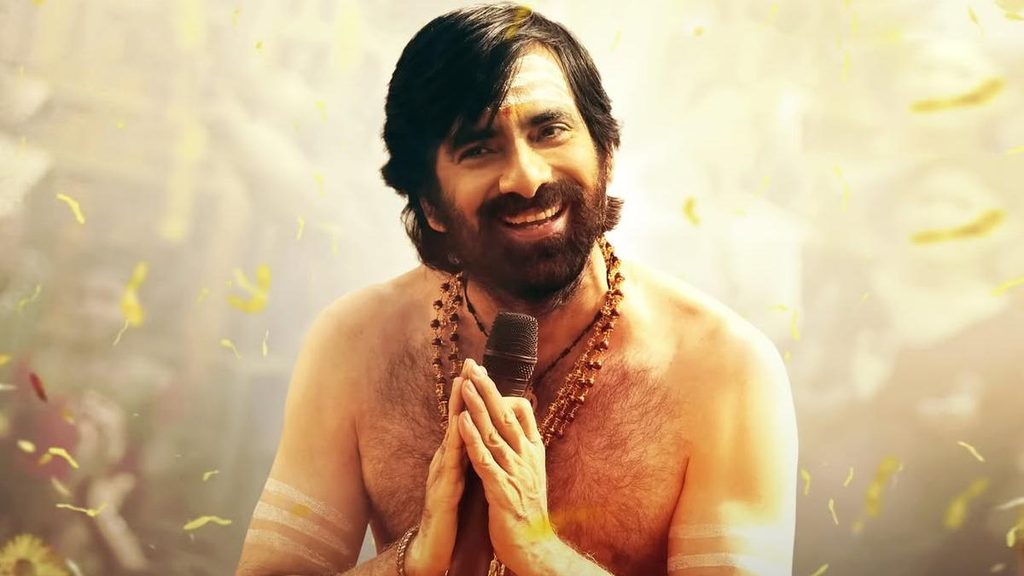
Ravi Teja has had a long career starting off with supporting roles and grey shaded characters. As a leading man Ravi Teja’s career took off much later, director Puri Jagnath has played a key role in building the current mass Maharaja image of Ravi Teja. Vikramarkudu directed by SS Rajamouli is another substantial movie in Ravi Teja’s career. The dual shades endeared the actor to masses and classes equally. But the last few years has seen an extreme mixed bag, whether its debutant/upcoming directors or even established ones like Harish Shankar. Irumudi came at a crucial time with reinvention being of utmost importance. After a long time, Ravi Teja played a layered role with vulnerabilities, the film has been smashing box office numbers and deservedly so.
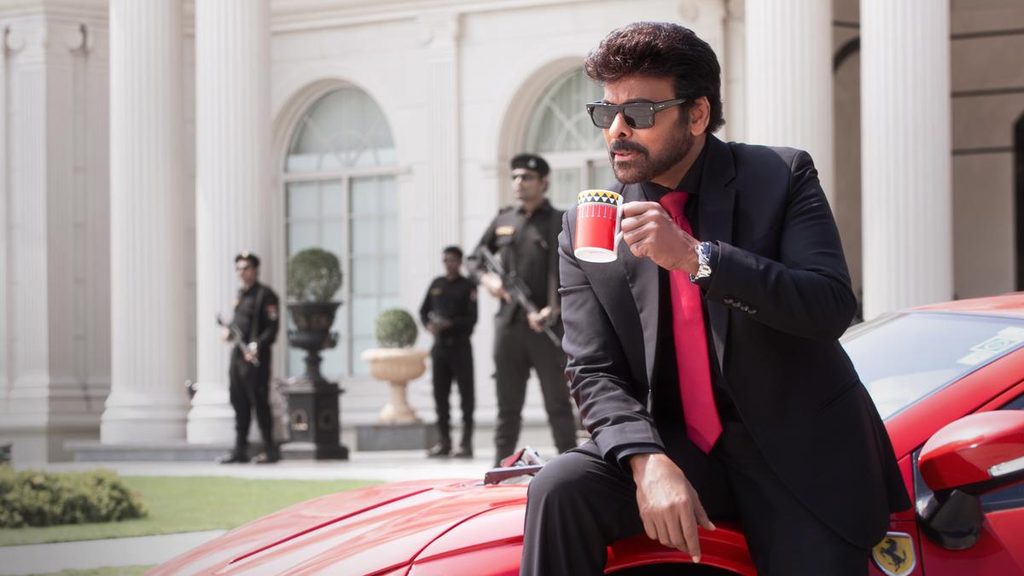
Anil Ravipudi’s Mana Shankara Vara Prasad presented megastar Chiranjeevi in his vintage commercial avatar, something which the fans have been waiting for a long time. In Anil Ravipudi’s typical style the story was wafer thin, its an amalgamation of Chiranjeevi’s Daddy as well Nayanathara’s Viswasam. But what worked for the film was Chiranjeevi’s all round act.

The usual self depreciation associated with Anil Ravipudi’s heroes was on full display here too, the best part of MSVP was Chiranjeevi’s act of self depreciation with his signature comic timing. A special mention must be made of his scenes with Harshvardan, Abhinav Gomatam and Catherine Teresa as Vara Prasad’s teammates. 
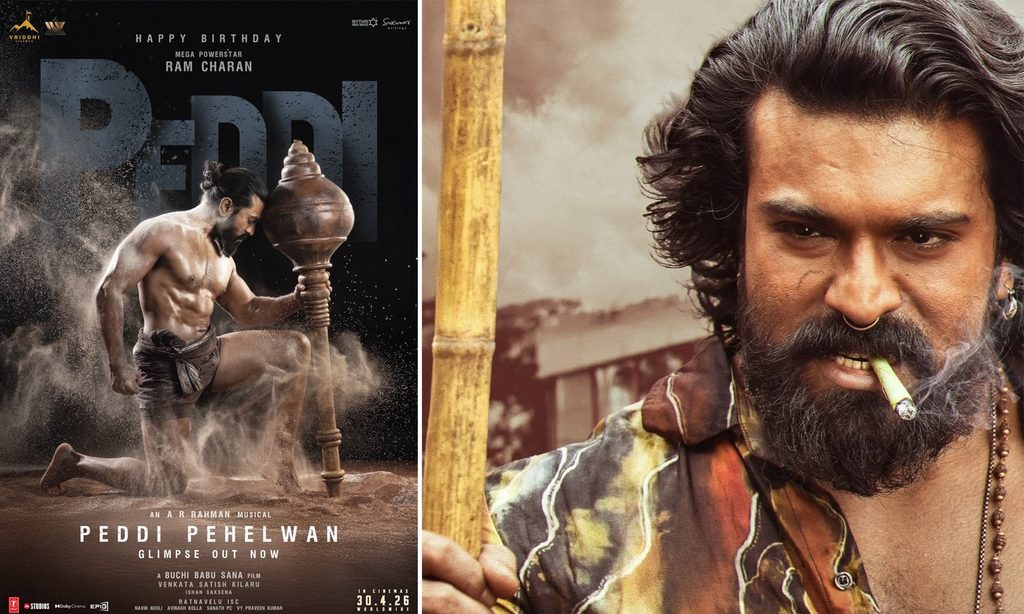
RRR star Ramcharan also made a mini comeback this year with Peddi. Yes the box office numbers aren’t on the level off RRR and the film had its share of criticism over Janhvi Kapoor’s character. Having said Peddi was still a substantial comeback in terms of fair box office numbers. On the performance front Ramcharan delivered easily one of the best performances in 2026 along with Satyadev.
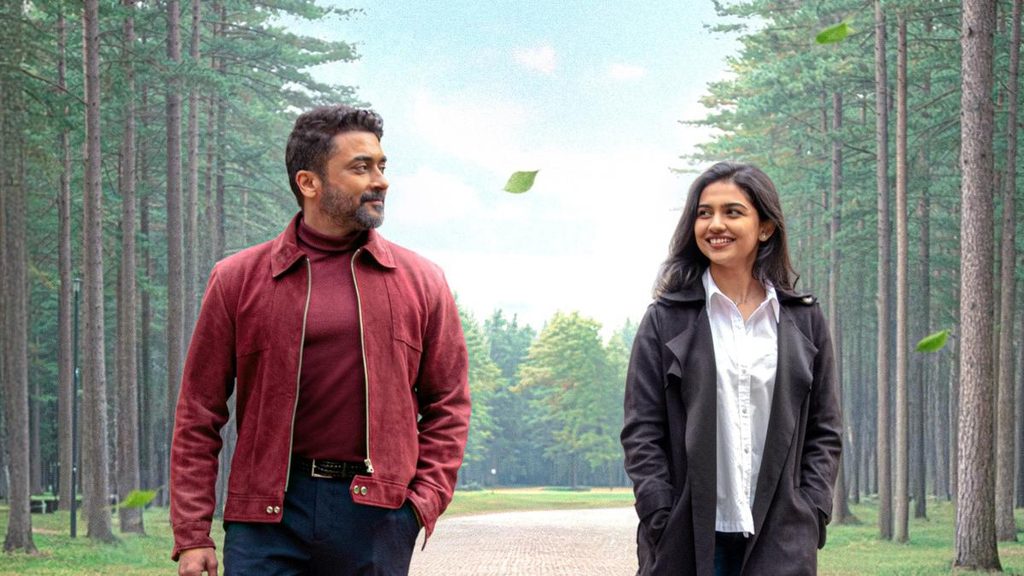
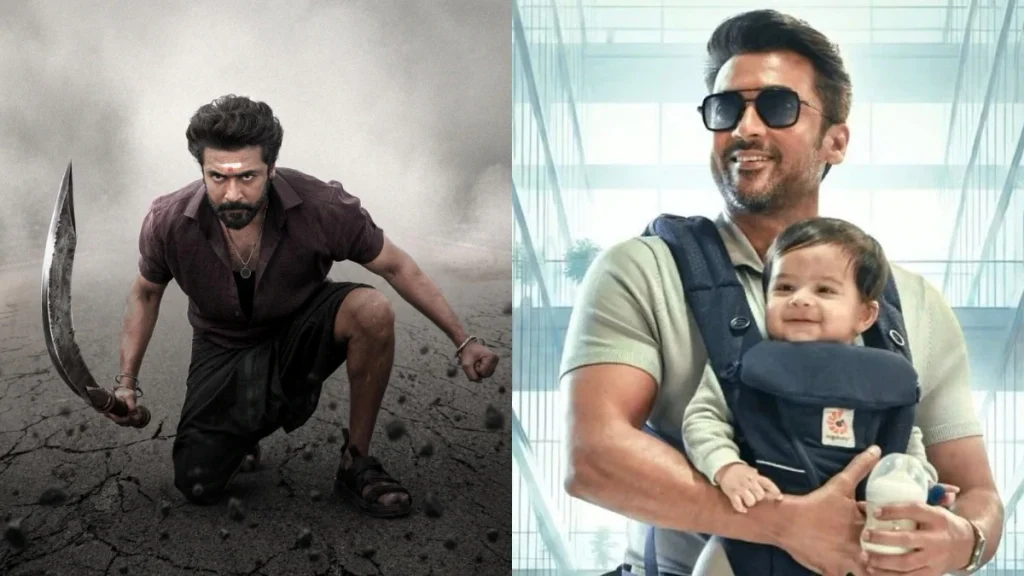
Tamil actor Suriya has immense fan following in Telugu too. In Radhika Sarathkumar’s words he is Telugu cinema’s adopted son. There was a period when Suriya struck a perfect balance between mass and class; this however took a nose dive with the Singham sequels and Kanguva. Yes Jai Bhim and Soorai Potru were acclaimed hits (both OTT releases) but the big screen comeback was missing for the Ghajini star. But with Karuppu and Vishwanth &Sons the actor has made a grand return.

Karuppu on one hand is an unabashed massy entertainer in a courtroom set up. The actor was seen in the role of Karuppu Swamy, god coming in human form as lawyer Sarvanan. Suriya brought in his trademark intensity to the fiery episodes, at the same time there a few vulnerable bits too with Sarvanan struggling to deliver justice. Here too Suriya aced it. Vishwanath &Sons was 360 degrees turn from Karuppu. The character of Vishwanath is more internalized, and the actor did a fantastic job here as well. He particularly shined in the portion of Vishwanath revealing his feelings about Mamitha Baiju’s Maddy.
Final word: From the above overview a strong conclusion can be made on how one film can change an actor’s trajectory. A common thread binding the success of Samantha, Suriya, Ravi Teja etc is a solid script and role. The beauty of an actor’s career lies in how careers are rarely linear and sometimes all it takes is just one release to turn things around.
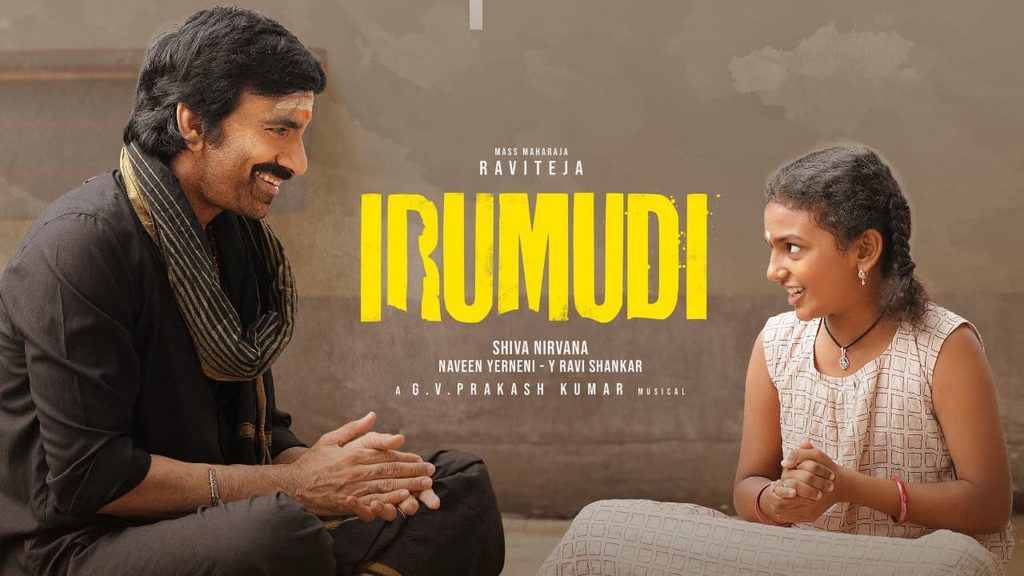
Irumudi: A solid comeback vehicle for Ravi Teja

Irumudi presents Ravi Teja in a different avatar within the commercial parameters. The broad structure of Irumudi can be divided into four parts, for more than two thirds Shiva Nirvana keeps the viewers engaged. The final act though is a mixed bag, the significant hangover of Rangasthalam plays a major spoilsport. But in the final tally Irumudi is the best Ravi Teja film in years. The father and daughter bond largely steers the proceedings even when the writing stagnates. The film has an important message too on how females should confront their abusers instead of suppressing themselves

Starcast: Ravi Teja, Baby Nakshatra, Priya Bhavani Shankar, Sai Kumar and others

Story, screenplay, direction and dialogues: Shiva Nirvana

Genre: Family drama/action thriller

Music: GV Prakash kumar

Cinematography: Vishnu Sharma

Producers: Naveen Yerneni and Y Ravi Shankar

Production Company: Mythri Movie Makers

Running time: 2 hours and 25 minutes

2026 has seen some solid comebacks in the form of Samantha in Maa Inti Bangaram, Akhil in Lenin, Suriya with Karuppu and Vishwanth &Sons among others. Ravi Teja much like the others mentioned has seen a very lean patch. The films have had a major deterioration even with the commercial parameters. Shiva Nirvana’s last two movies Khushi and Tuck Jagadish didn’t have a great response either. This makes Irumudi an extremely important venture for both its director and leading man. Thankfully Ravi Teja and Shiva Nirvana deliver a competent film even with its flaws.

As already mentioned the broad structure of Irumudi can be divided into four parts. On one level its about two distinct styles of parenting. Sai Kumar’s Gopal Raju raises his daughter to not raise her voice, for him its the best way to shield her from conflicts however Gopal Raju doesn’t understand that he is suppressing his daughter’s voice. Ravi Teja’s Trinath on the other hand has brought up his daughter to be fearless. Trinath has an extreme weakness for alcohol, but he is inherently a good man with a deep paternal feeling. This paternal feeling just doesn’t extend to his own child (a wonderful Nakshatra) but to other teenage girls as well. The second part of the story is the lord Ayyappa angle giving it a strong cultural and emotional setting. The third part is the mystery associated with certain murders and finally challenging a certain social conditioning. This is a heavy cocktail to manage, and the film does keep you invested in three areas barring the culmination of the murder mysteries.

The strong aspect of Irumudi is the contrasting parenting styles of Ravi Teja and Sai Kumar’s characters. Shiva Nirvana gives some strong dialogues to both the actors making sure that the ideological clash doesn’t become one sided. As viewers you understand Gopal Raju’s concerns on standing up against abusers, but at the same time Trinath’s viewpoint also holds relevance. A crucial sequence between the two when an important mystery is cracked has been brilliantly written and enacted. Sai Kumar as the vulnerable father does a very good job, he particularly excels in a scene of moral condroum.

The father and daughter chemistry between Ravi Teja and Nakshatra is another ace of Irumudi. Trinath Rao is presented as an extremely doting father who encourages the daughter to share everyday happenings, the warmth is palpable in the way Ravi Teja portrays the paternal love. A crucial mention must be of the interval point; Trinath Rao decides to give up alcohol forever. The dialogues coupled with the acting is one of the film’s biggest highlights.

The Ayyapa Swamy background with the annual 41-day Deeksha has also been presented well, it becomes a major character in itself rather than a mere side plot. GV Prakash Kumar songs and background score help significantly too. An action sequence of Trinath dodging villains in the Ayyapa Swamy dress has been excellently choreographed with some first-rate cinematography. Vishnu Sharma as the cinematographer deserves appreciation for a job very well done.

Ravi Teja as Trinath Rao delivers his best performance in a long time. Yes, you have the usual larger than fights with the character operating as a savior. Still Ravi Teja is excellent in portraying the different shades. Whether it’s the alcohol weakness or the vulnerable moments the actor is in excellent form. Baby Nakshatra compliments Ravi Teja at every step, she brings in innocence, vulnerability and strong inner strength in equal measure.

Priya Bhavani Shankar as the often-exasperated wife is good too. A few scenes between her and Ravi Teja have some nice moments of understated romance. The rest are fine in their respective parts, but certain actors suffer on the account of half-baked characterization. This particularly holds true for Swasika as a disgrace to teaching community.

One of Irumudi’s major issues is a Rangasthalam like structure in the concluding portions. The reveal of the primary antagonist has a significant hangover of Rangasthalam’s third act. As a result, the shock value is less when the revelation is finally out. Also, the film more or less plays to the template of a male savior in spite of Trinath Rao’s ideology on females confronting their abusers. Having said that one sequence of teenage girls attacking the antagonist makes for a good sight.