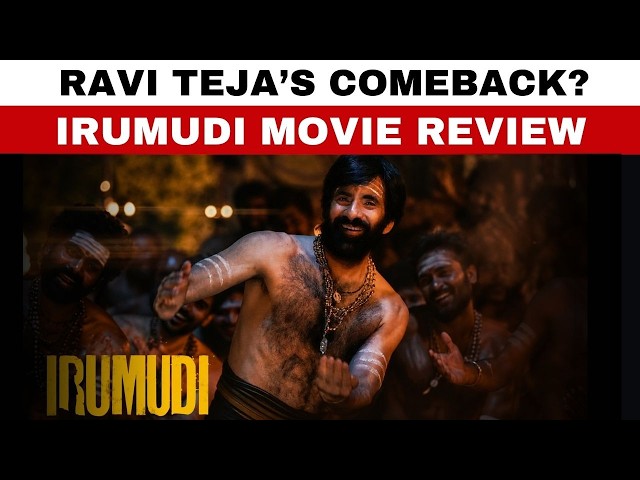
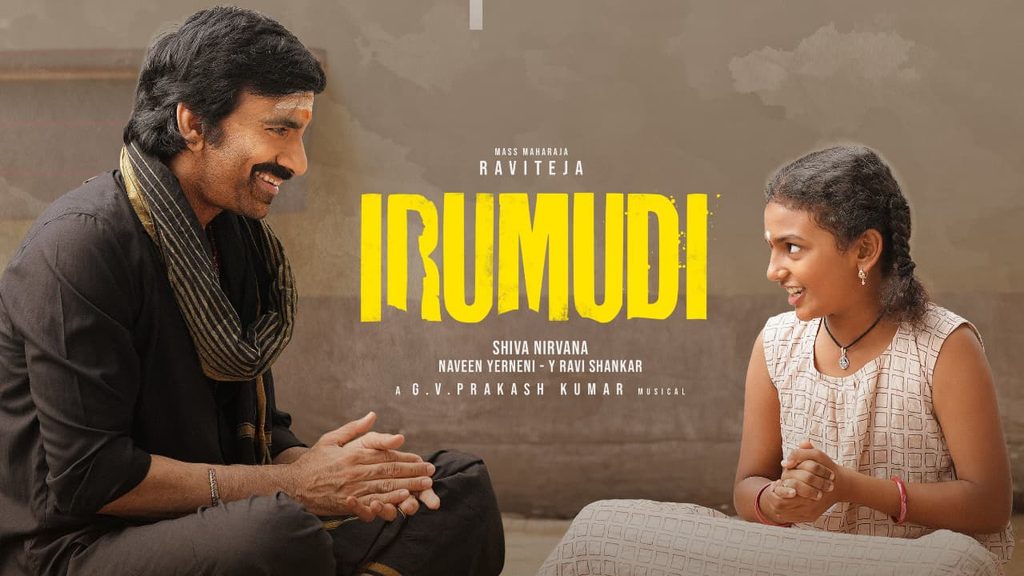
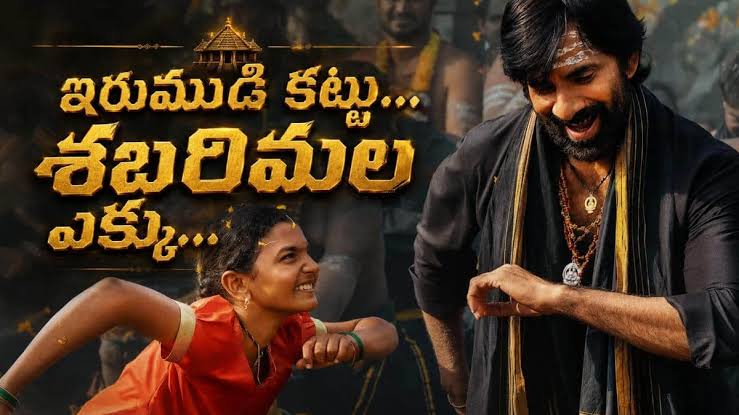
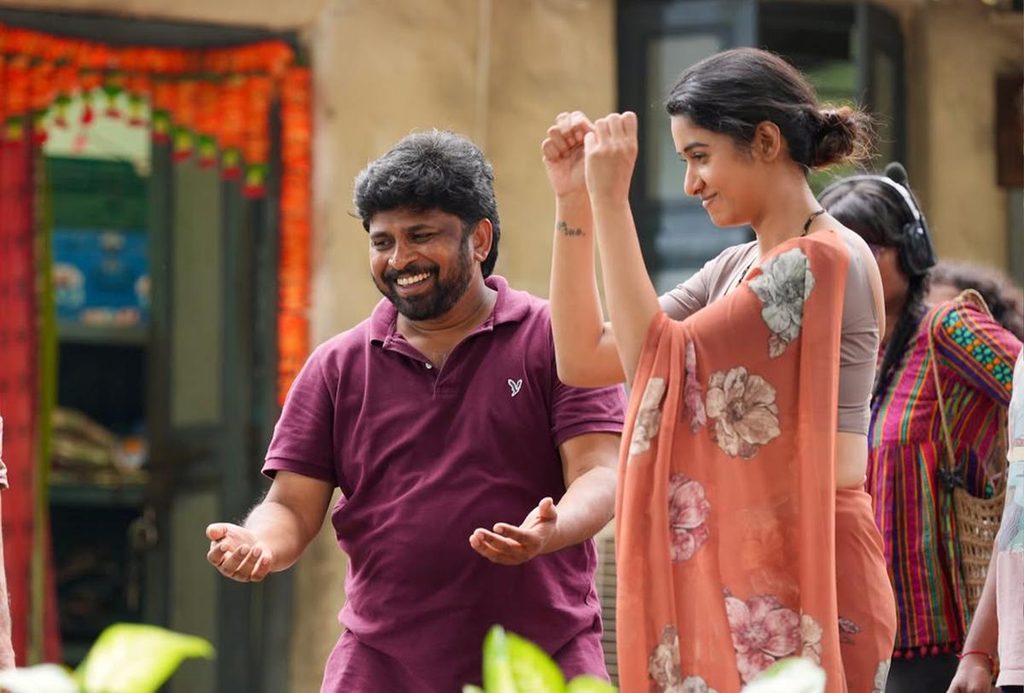
Irumudi presents Ravi Teja in a different avatar within the commercial parameters. The broad structure of Irumudi can be divided into four parts, for more than two thirds Shiva Nirvana keeps the viewers engaged. The final act though is a mixed bag, the significant hangover of Rangasthalam plays a major spoilsport. But in the final tally Irumudi is the best Ravi Teja film in years. The father and daughter bond largely steers the proceedings even when the writing stagnates. The film has an important message too on how females should confront their abusers instead of suppressing themselves
Starcast: Ravi Teja, Baby Nakshatra, Priya Bhavani Shankar, Sai Kumar and others
Story, screenplay, direction and dialogues: Shiva Nirvana
Genre: Family drama/action thriller
Music: GV Prakash kumar
Cinematography: Vishnu Sharma
Producers: Naveen Yerneni and Y Ravi Shankar
Production Company: Mythri Movie Makers
Running time: 2 hours and 25 minutes
2026 has seen some solid comebacks in the form of Samantha in Maa Inti Bangaram, Akhil in Lenin, Suriya with Karuppu and Vishwanth &Sons among others. Ravi Teja much like the others mentioned has seen a very lean patch. The films have had a major deterioration even with the commercial parameters. Shiva Nirvana’s last two movies Khushi and Tuck Jagadish didn’t have a great response either. This makes Irumudi an extremely important venture for both its director and leading man. Thankfully Ravi Teja and Shiva Nirvana deliver a competent film even with its flaws.
As already mentioned the broad structure of Irumudi can be divided into four parts. On one level its about two distinct styles of parenting. Sai Kumar’s Gopal Raju raises his daughter to not raise her voice, for him its the best way to shield her from conflicts however Gopal Raju doesn’t understand that he is suppressing his daughter’s voice. Ravi Teja’s Trinath on the other hand has brought up his daughter to be fearless. Trinath has an extreme weakness for alcohol, but he is inherently a good man with a deep paternal feeling. This paternal feeling just doesn’t extend to his own child (a wonderful Nakshatra) but to other teenage girls as well. The second part of the story is the lord Ayyappa angle giving it a strong cultural and emotional setting. The third part is the mystery associated with certain murders and finally challenging a certain social conditioning. This is a heavy cocktail to manage, and the film does keep you invested in three areas barring the culmination of the murder mysteries.
The strong aspect of Irumudi is the contrasting parenting styles of Ravi Teja and Sai Kumar’s characters. Shiva Nirvana gives some strong dialogues to both the actors making sure that the ideological clash doesn’t become one sided. As viewers you understand Gopal Raju’s concerns on standing up against abusers, but at the same time Trinath’s viewpoint also holds relevance. A crucial sequence between the two when an important mystery is cracked has been brilliantly written and enacted. Sai Kumar as the vulnerable father does a very good job, he particularly excels in a scene of moral condroum.
The father and daughter chemistry between Ravi Teja and Nakshatra is another ace of Irumudi. Trinath Rao is presented as an extremely doting father who encourages the daughter to share everyday happenings, the warmth is palpable in the way Ravi Teja portrays the paternal love. A crucial mention must be of the interval point; Trinath Rao decides to give up alcohol forever. The dialogues coupled with the acting is one of the film’s biggest highlights.
The Ayyapa Swamy background with the annual 41-day Deeksha has also been presented well, it becomes a major character in itself rather than a mere side plot. GV Prakash Kumar songs and background score help significantly too. An action sequence of Trinath dodging villains in the Ayyapa Swamy dress has been excellently choreographed with some first-rate cinematography. Vishnu Sharma as the cinematographer deserves appreciation for a job very well done.
Ravi Teja as Trinath Rao delivers his best performance in a long time. Yes, you have the usual larger than fights with the character operating as a savior. Still Ravi Teja is excellent in portraying the different shades. Whether it’s the alcohol weakness or the vulnerable moments the actor is in excellent form. Baby Nakshatra compliments Ravi Teja at every step, she brings in innocence, vulnerability and strong inner strength in equal measure.
Priya Bhavani Shankar as the often-exasperated wife is good too. A few scenes between her and Ravi Teja have some nice moments of understated romance. The rest are fine in their respective parts, but certain actors suffer on the account of half-baked characterization. This particularly holds true for Swasika as a disgrace to teaching community.
One of Irumudi’s major issues is a Rangasthalam like structure in the concluding portions. The reveal of the primary antagonist has a significant hangover of Rangasthalam’s third act. As a result, the shock value is less when the revelation is finally out. Also, the film more or less plays to the template of a male savior in spite of Trinath Rao’s ideology on females confronting their abusers. Having said that one sequence of teenage girls attacking the antagonist makes for a good sight.
An overview into some of the best web series from Hindu and Telugu with different storylines
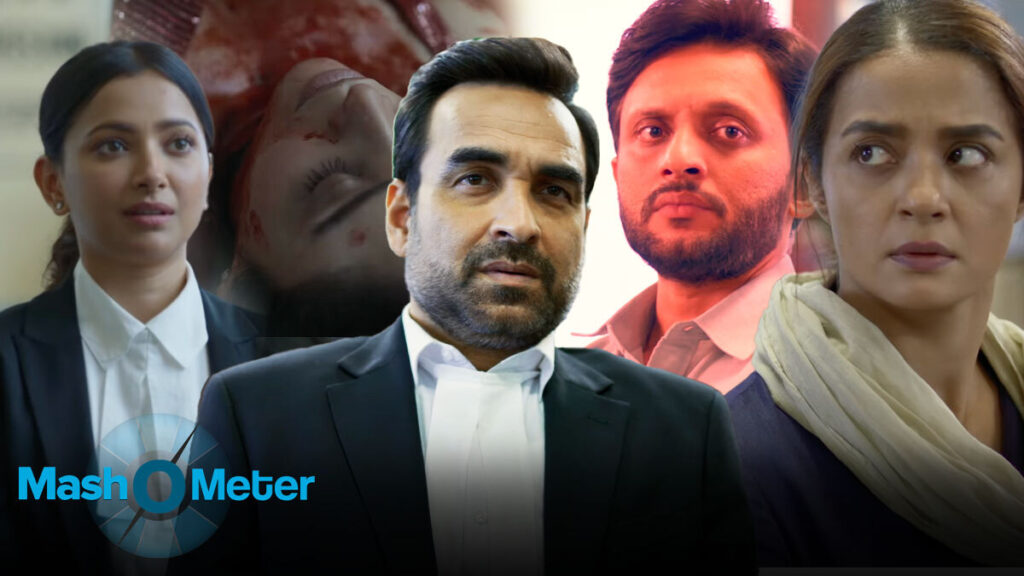
2025 can be easily categorized as the year of Applause Entertainment whose CEO is Sameer Nair. The year started with the fabulous Black Warrant based on a book of the same name. The web series was directed by numerous people including the fantastic Vikramaditya Motwane. The show presented a very gritty picture of the deeply horrifying situations in a jail making reforms difficult. Next came Criminal Justice Season 4. Directed by Rohan Sippy Criminal Justice Season 4 did an excellent job in exploring issues like mental health and grey areas in marriage: Pankaj Tripathi returning back as Madhav Mishra did an excellent job as always combining humor with empathy.
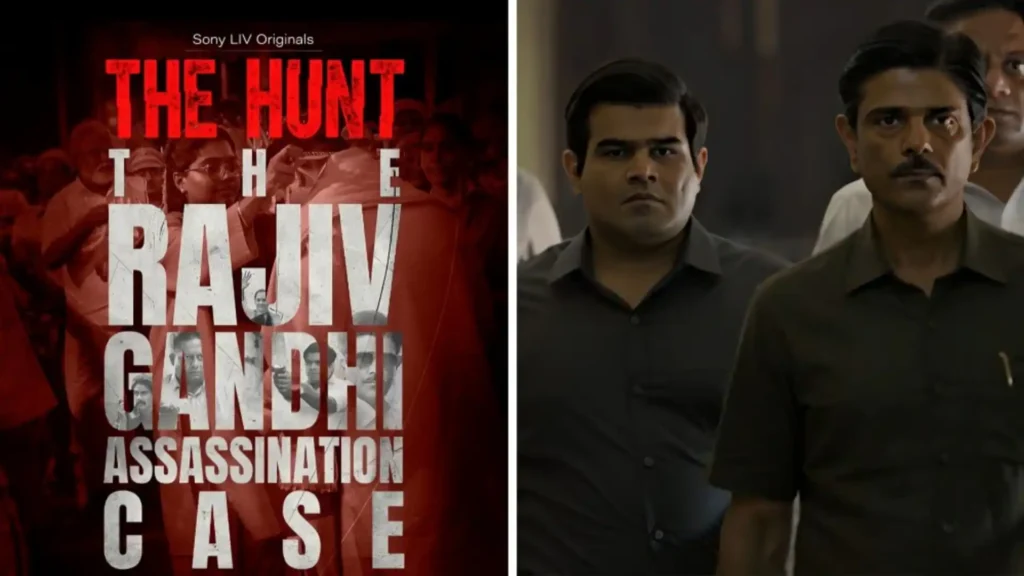
Last but not the least Nagesh Kukunoor’s The Hunt “The Rajiv Gandhi Assassination Case) also won many hearts. The series was a gripping manhunt with multiple perspectives. The famous quote of “One Man’s terrorist is another man’s freedom fighter”, was explored well. Apart from the above-mentioned web series the other noteworthy ones include Paatal Lok Season 2, Khauf, Kankhajura, Waking of a Nation, Aashram season 3 part 2 and lastly Aryan Khan’s stunning directorial debut The Ba***ds of Bollywood.
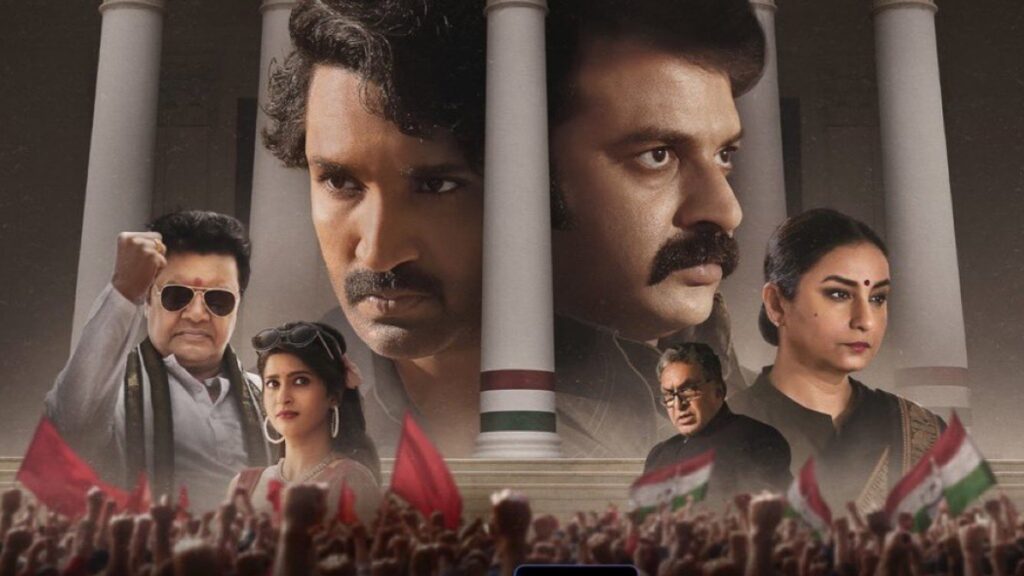
As far as Telugu web series is concerned the year was pretty dull with just a handful of impactful shows. Deva Katta’s Mayasabha easily tops the list. Mayasabha was a welcome return to form for the director. The series doesn’t shy away from wearing its politics on sleeves especially the dialogues related to caste disparities. The talented Aadi Pinishetty got a solid role. He was seen as the fictional Chandra babu Naidu and the actor absolutely nailed it. Among others Devika &Danny had a good message of women empowerment through a friendly ghost. Lastly Arabic Kadali though a rehash of Thandel had its highs too. Director VV Surya Kumar did a fine job in dealing with the socio-political aspects. Also, the Pakistani characters had more depth in comparison to Thandel.
Following is an overview into the best web series of 2025 Hindi and Telugu
Black Warrant: Black Warrant directed by Vikramaditya Motwane, Satyanshu Singh and others presents a very gritty picture of jail life. How bringing reforms is extremely difficult was presented well. This web series is based on the book of the same name. The show focuses on the notorious functioning of the Tihar jail set in the 80’s. The base is Tihar jailer Sunil Gupta. Sunil Gupta was known for doing some great work. One of his major achievements is starting Tihar’s first legal aid cell. In spite of getting a secure railway job Suni Gupta pursued his dream of wearing a khaki uniform. Young actor Zahaan Kapoor successfully entered into the shoes of Sunil Gupta.
The web series did an excellent job in capturing the soul of the novel especially the intricate power structure and the various hierarchies based on both caste and religion. The characterization of Zahaan as Sunil Gupta was also well done starting off as a vulnerable young man to becoming more confident. Apart from Zahaan’s performance the supporting characters were also written with nuance especially Rahul Bhatt. Rahul Bhatt’s character is mostly selfish with moments of genuine empathy for his fellow men. The actor did an excellent job in portraying the different shades. Sidhant Gupta as Charles Sobharaj also shined bright. The women characters though needed better writing. Only Rajshri Deshpande made some impact as a firebrand reporter. Nevertheless, Black Warrant is a gripping watch.
Paatal Lok Season 2: Avinash Arun Dhaware’s Paatal Lok Season 2 is a fantastic dive into Nagaland’s socio political landscape. Along with creator Sudip Sharma he made a web series notches above the first one. A strong aspect of Paatal Lok Season 2 was the depiction of Nagaland politics. The contrast between the beautiful landscapes and the immense turmoil of the local population was wonderfully captured. One of the major themes in Paatal Lok Season 2 is the insider versus outsider topic. A section of people coming from outside pay a certain amount of money to a local group in hope of ensuring their safety.
But that isn’t enough on some occasions. This especially comes out in a super conversation between Jaideep Ahlawat’s Hathiram and a businessman. Talking about Jaideep Ahlawat the actor was superlative once again. The way he portrays the strong determination while battling professional and personal issues was a delight to watch: mention must also be made of Tilotama Shome playing SP Meghana Baura. As a local police officer and the solo woman, the character brings in an interesting female perspective into what is generally considered a male bastion. Ishwak Singh too made his presence amply felt as once upon a time junior and now Hathiram’s boss. There is a palpable thread of friendship amidst the awkward scenarios.
Aashram season three part 2: Prakash Jha’s Aashram season 3 part 2 was a satisfying conclusion. In spite of some elongated stretches the series makes the viewers ponder about the power held by these fake babas.
The strong determination of Aaditi Pohankar’s Pammi in bringing down the empire of Bobby Deol’s Niral Baba was a treat to watch. A major part of this plan is turning Niral Baba and Chandan Roy Sanyal’s Bhopa against each other. Pammi’s game of seduction though slow paced gave the show some of its best moments. Aaditi Pohankar did an excellent job in capturing the transformation from a victim to an avenger.
The web series also has some fantastic dialogues on aspects related to power and faith. In a very explicit manner Prakash Jha shows devotion being a double-edged sword. How playing with someone’s faith through numerous lies can take you down came out in an excellent manner. Bobby Deol as Nirala Baba was first rate especially in the scenes where the tables are turned against him. There is an important dramatic breakdown featuring the actor and Bobby did an excellent job. Chandan Roy Sanyal had a bigger canvas to play around with compared to the last seasons and the actor did a terrific job too.
Khauf: Khauf directed by Pankaj Kumar and Surya Balakrishnan is a slow burn horror thriller with real word issues. A strong aspect of Khauf is the technical department headed by a fantastic Pankaj Kumar himself. The hostel in which most of the story takes place became a major character in itself: A sense of claustrophobia is palpable creating the right amount of tension. The setting of Delhi is also a masterstroke given the shameful scares associated beyond the gruesome Nirbaya case.
The different issues faced by modern female came out in an impactful manner especially with the main protagonist. Monika Pawar as Madhuri was absolutely fantastic in showcasing the varied emotions. A special mention must be made of the portions where the protagonist becomes more confident after being possessed by a certain thing. Rajat Kapoor in a terrifying negative role was first rate as well. He brought in the right amount of creepiness instilling fear in audiences minds.
Geetanjali Kulkarni in a grey shaded role was wonderful too. The way she oscillates between a worried mother and a tough police woman gave the show some of its best moments. The subplots connected to Madhuri’s hostel mates was also done well with each representing different kinds of issues faced by everyday women in society. One big problem with Khauf is the clichéd use of trauma as a way to give agency to a woman. Also, the show suffered from some abrupt tonal shifts. Nevertheless, Khauf was an excellent show for most part.
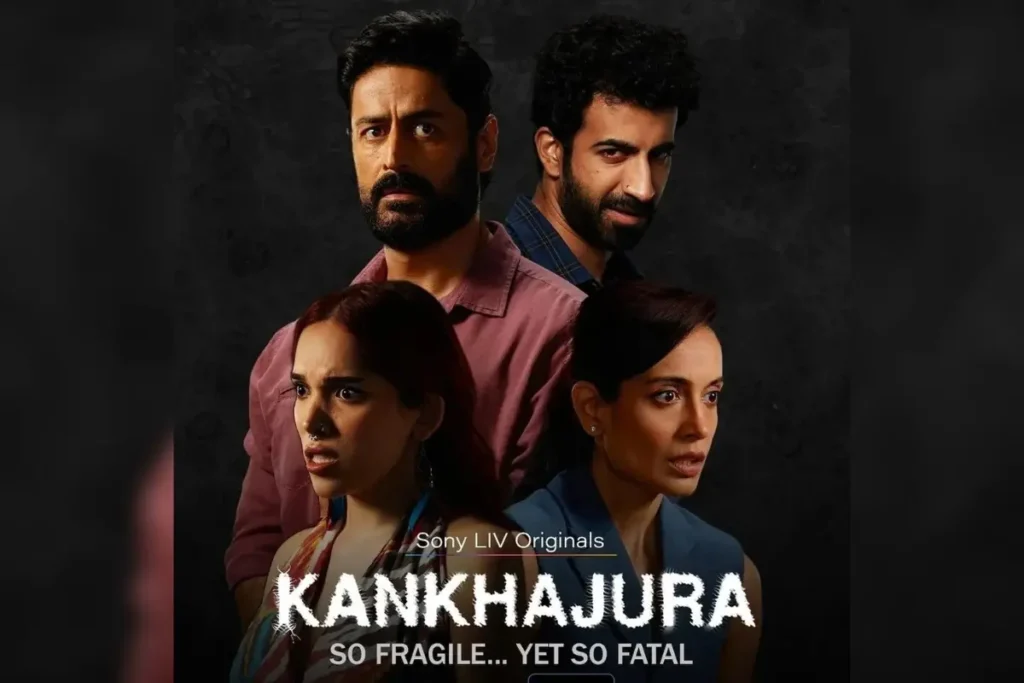
Kankhajura: Kankhajura is a gripping psychological drama about flawed humans. Director and writer Chandan Arora did a fine job in exploring the impact of childhood traumas specially bullying and how need for validification leads to manipulative behaviour. This show is based on a series called Magpie from Israel. A strong aspect of Kankhajura is the gradual building of tension. The aspects of past traumas, sibling rivalry and unresolved guilt were integrated well. The cinematography of Rajeev Rai and Vinod Illampally also added to the thrills. Though shot in Goa the web series presents the place in a very different way unlike the usual mainstream route.
Mention must also be made of how the women characters came out. Though a Roshan Mathew and Mohit Raina show reel the female protagonists have an important role too. Sarah Jane Dias and Trinetra Halder had a strong individuality especially the former. There are numerous portions in the series where Sarah Jane Dias is seen giving back to Mohit Raina’s Max about his unlimited greed. This strongness is maintained throughout and as a result the viewers cheer for her when she walks out of marriage. Trinetra Halder as a transgender also played her part with lots of grace successfully bringing out the inner strength.
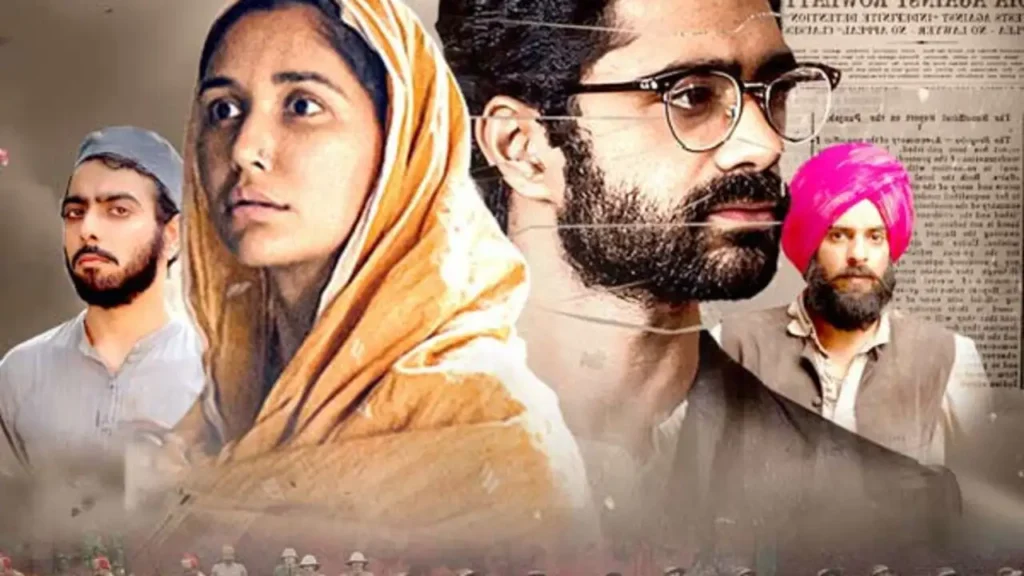
Waking of a Nation: Ram Madhavani’s Waking of a Nation is a patience tester with the constant back and forth: nevertheless for history buffs especially the series is worth watching. This web series focuses on the events leading up to the horrific Jallianwala Bagh massacre through the eyes of a young lawyer Kantilal Saahani (a fantastic Taaruk Raina).
Kantilal Saahani is a beneficiary of western education making him an outsider amongst his group of friends. This character is apparently based on Sri Chamanlal Harilal Setalvad a man known for cross examining General Dyer.
A strong aspect of this Ram Madhvani directorial is the depiction of the political events leading up to the massacre. Ram Madhavani along his writers were especially good in shedding light on the controversial Rowlett act. The depiction of the massacre with just sound design and panic stricken reactions of the people gives a haunting experience too.
An important subplot in Waking of a Nation is the themes related to racial discrimination not just by the British; it’s also about the discrimination followed by fellow Indian on the basis of caste and religion. The underlying message is about the need to stay united irrespective of caste and religion. This is an important message keeping in mind today’s divisive political environment.
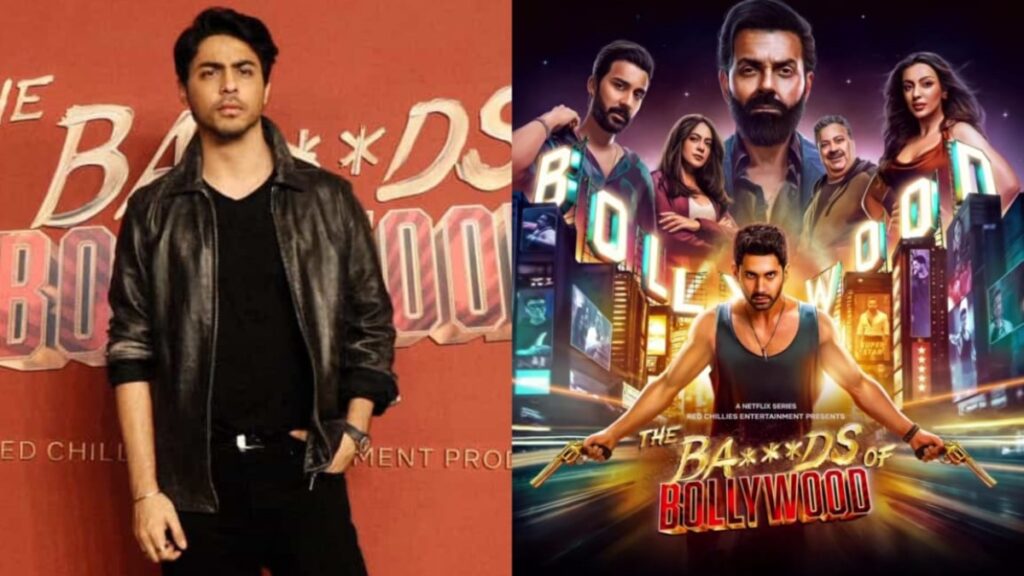
Ba***ds of Bollywood: Aryan Khan could have easily chosen to be a leading man with his background of badshah Shah Rukh’s Khan son. Instead, Aryan chose to be a director showcasing his uniqueness. Ba***ds of Bollywood is a wonderful whimsical ride with strong satire. Much like Zoya Akhtar’s Luck By Chance the Ba***ds of Bollywood too is a percipient take on the starry world of movies. But this one goes a step ahead in dealing with the insider and outsider debate along with exploitative producers coupled with the uncertain nature of fame etc.
Lakshya Lalwani’s Aasman is an outsider going through a roller coaster ride of different emotions. The series features a number of cameos from Ranveer Singh, Karan Johar and Emraan Hashmi among others. Emraan Hashmi as an intimacy coach works the best among the extended cameos. Raghav Juyal’s reaction on seeing Emraan is priceless. The character goes into a complete fan mode singing Emraan Hashmi’s famous songs. Emraan’s absolute bewilderment on how to deal with the fan boy moment coupled with Raghav Juyal’s acting is simply fantastic. Apart from the glossy packing the show also has some strong emotional moments. A specific mention must be made of Anya Singh in the role of Aasman’s manager. She lends in certain gravity as a trusted ally making the viewers wish that they also had a loyal manager like her. Mona Singh and Vijyant Kohli in the role of parents were wonderful too like the sequence where the father gives an important advice on never backing down. The friendship between Lakshya and Raghav also gave the show some of its best moments. It was wonderful to see the different dynamics after last year’s Kill.
Lakshya as Aasman showed that Kill was no fluke coming up with a solid act. He brought alive the determination of Aasman as well as a certain cheeky nature. Bobby Deol as one of the primary villains continued his golden form bringing in both a starry aura as well as solid acting chops. Overall Aryan established himself as a promising masala director especially the climatic twist. He definitely made his father proud.
Best Telugu web series (2025)
Mayasabha: Mayasabha directed by Deva Katta is an excellent socio-political drama. The web series as earlier said doesn’t shy away from wearing politics on its sleeves especially the dialogues related to caste prejudices. In simple terms the story is based on Chandra Babu Naidu and late Rajasekhar Reddy. The fictional names are Karakala Krishnama Naidu and Dr MS Rami Reddy. Aadi Pinishetty and Chaitanya Rao did an excellent job in their respective parts.
The dynamics between the two principal actors was one of the shows biggest strengths. How they start as idealists with a common aim of transcending social divisions and their differing responses to societal pressures were written with nuance. The portions of two disagreeing offers a fresh take on political rivalries by never getting venomous. Maysabha also deserves credit for the way it gives voice to the marginalized. There are disturbing scenes of people caught in a major crossfire due to power hungry politicians. The character of Ravindra Vijay wanting to shield his family from violence is a perfect representation of this theme.
The supporting cast were also excellent especially Divya Dutta and Sai Kumar. Divya Dutta playing the role of Indira Gandhi had a commanding presence. The track of emergency has a contemporary touch especially in the dialogue “You will give birth to a line of dictators who will use your method, impose emergency and not even call it one.” Sai Kumar as the legendary NT Rama Rao shined with his strong voice modulation and a powerful presence.
Devika &Danny: B Kishore Devika &Danny is an interesting mix of supernatural elements and a young woman breaking out of self-imposed shackles. The web series has simple but effective storytelling. The show starts off as an anthesis to one of Ritu Varma’s hit movie Pelli Choopulu. Devika lacks a certain agency unlike Chitra from that movie at least in the initial portions. This is established in a very effective manner setting the tone for the subsequent transformation. How a ghost played by Surya Vashishta becomes a medium for this gives the show some of its best moments. There’s nothing unpredictable here but the small nuances make a big difference.
B Kishore also did a good job in addressing generational through the roles of Gopuraja Ramana as Devika’s prospective father in law. Subbaraju played the role of Devika’s fiancée. Both the actors did justice to their parts especially Subbaraju with his serious expressions and a certain exasperation.
In the role of Devika Ritu Varma delivered an assured performance with the right mixture of vulnerability and inner strength. Surya Vashishta as the friendly ghost was charming too making the viewers wish that the two had met in different circumstances.
Arabic Kadali: Arabic Kadali directed by VV Surya Kumar had a major hangover of Thandel with its themes. Nevertheless the show is worth watching for its handling of socio-political aspects. A special mention must be of the Pakistani characters who are presented in a much more layered manner. A good example of this is the scene where a judge is seen defending Indian fishermen in front of Pakistani officials. Even Amit Tiwari as the evil warden gets a credible redemption arc too.
Lastly Poonam Bajwa playing Dr Fatima isn’t afraid to express her opinions. The actress played the role with the right amount of warmth and authority. Arabic Kadali though doesn’t just confine itself to Indian Prisoners languishing in Pakistani jails; it also talks about the Pakistani ones in a similar situation. The underlining message is the need for humanity across borders.
Satyadev in the role of Badri makes sure that the character’s saint like nature never comes across as irritating. The actor is especially impressive in the scenes of emotional vulnerability. Anandhi as Ganga also did a good job in portraying the inner strength. Much like Sai Pallavi in Thandel she too is a woman of steel not letting cynicism get to her. Yes the love story could have done with more intensity still the viewers root for Badri and Ganga to get together.
Aadi Pinishetty and Chaitanya Rao in roles inspired from Chandrababu Naidu and late YS Rajasekhara Reddy
Prasthanam director Deva Katta does a good job in engrossing the viewers, he successfully recreates the socio-political fabric with authenticity. The web series doesn’t shy away from wearing its politics on sleeves. The dialogues carry a lot of punch specifically those related to caste disparities
Starcast: Aadi Pinishetty, Chaitanya Rao, Divya Dutt, Sai Kumar, Srikanth Iyengar and others
Genre: Political drama
Creator: Deva Katta
Screenplay and direction: Deva Katta and Kiran Jay Kumar
Producers: Vijay Krishna Lingamaneni and Sree Harsha
Production Companies: Hitmen&Proodos, Productions LLP
Cinematography: Suresh Ragutu and Gnana Shekar V. S
Music: Shaktikanth Karthick
No of episodes: 9
Streaming site: SonyLIV
Pulling off a political drama and that too on real life personalities isn’t an easy task given how easily people can get offended. However, Deva Katta does an excellent job in not just capturing the political atmosphere but he along with Kiran Jay Kumar also pack in some strong social commentary. The web series doesn’t shy away from dwelling into thorny topics like caste, the longer format of a web show also helps Mayasabha given the journey of the primary characters. Mayasabha begins with the usual disclaimer: any resemblance to real people is purely coincidental, however it doesn’t take long for the viewers to understand from whom the primary and also the secondary characters have been inspired.
In simple terms the plot of Mayasabha focuses on Karakala Krishnam Naidu (Aadi Pinisetty) and Dr MS Rami Reddy (Chaitanya Rao). How the paths of these two intertwine from former friends to political rivals forms the basic premise of Mayasabha.
A strong aspect of Mayasabha is undoubtedly the dynamics between the two principal characters. The journey of the two leads are intermingled with both of them starting off as idealists. They want to transcend the social divisions and create a new kind of society however its easier said than done. The inequalities in social systems coupled with faction violence prove to be a major deterrent.
Their differing responses to societal pressures have been written and enacted with nuance. Mention must also be made of how Deva Katta and Kiran Jay Kumar have depicted the ideological disagreements between the two. It never borders on being venomous offering a fresh take on political rivalaries.
The two directors also deserve huge credit for bringing the voice of marginalized. People often caught in a major crossfire to power hungry politicians. Ravindra Vijay as the man wanting to shield his family from violence does an excellent job in representing this.
The emergency period through the characters of Divya Dutta and others also comes out in an impactful manner. Divya Dutta has a commanding presence perfectly embodying the attitude of the role. There is an important line by an official regarding the emergency, it goes like this. “You will give birth to a line of dictators who will use your methods, impose emergency and not even call it one”. This sentence offers a scathing critique of how the present dictators have taken inspiration from this.
Sai Kumar has a late entry playing a role moddled on the legendary NT Rama Rao. The veteran actor as expected shines with his voice modulation and strong presence. Srikant Iyengar too as the power hungry and insecure politician also does a fine job delivering an entertaining performance.
Ultimately Mayasabha belongs to its two leads. Aadi Pinishetty and Chaitanya Rao get into the skin of their respective roles passing with flying colors. The talented Aadi Pinishetty finally gets a part to showcase his acting range, and he doesn’t disappoint. He does a first-rate job in portraying the different facets whether it’s the stammering part or the later stages he doesn’t miss a beat. Chaitanya Rao also provides good support in convincingly portraying the ideological shifts.
The cinematography of Suresh Ragutu and Gnana Shekhar V. S is extremely commendable. They successfully bring alive the period of 1970’s and 1990’s transporting the viewers back to those times. The musical score of Shaktikanth Karthick is also of a good order, the tunes uplift the scenes without proving to be a distraction.
Coming to the flaws the romantic portions and the college days needed better writing and also a tighter edit.
Final word: Keeping aside the minor flaws Mayasabha is a must watch for political buffs.
The set up of ‘Court- State VS A Nobody has certain elements from the Jolly LLB movies. Much like Arshad Warsi and Akshay Kumar Priyadarshi also plays an underdog lawyer waiting to prove his mettle. The movie does suffer from logical drawbacks particularly in the second half still the performances coupled with the emotional core make it sail through
Starcast: Priyadarshi, Harsh Rohan, Sridevi Appala, Sivaji, Saikumar and others
Director and writer: Ram Jagadeesh
Genre: Legal drama
Additional writers: Karthikeya Srinivas and Vamsidhar Srigiri
Music: Shravan Bhardwaj
Producer: Prashanti Tripirneni
Banner: Wall Poster Cinema
Running time: 2 hours and 29 minutes
Before dissecting ‘Court- State Vs A Nobody it is necessary to applaud Nani for backing a social issue like this through his production house Wall Poster Cinema. While it is debatable on why back a movie showcasing the negative side of POCSO instead of a positive one at the same time though a subject showcasing the misuse of POCSO is also necessary to make people more aware about the law. In the age of pan India cinema where there is an increase of macho heroes stories of underdogs standing up for the marginalized sections is very important.
Nani should be applauded for backing a social issue like the misuse of POSCO in the age of Pan India cinema
The core plot of ‘Court- State VS A Nobody revolves around the false imprisonment of a 19 year old boy Chandrasekhar (Harsh Rohan). Chandrasekhar hails from a poor family, he isn’t into studies much, instead he juggles between multiple part time jobs. On the other hand you have Jabilli (Sridevi Appala). Jabilli come from a rich family. Mangapathi (a terrifying Sivaji) plays the powerful uncle. Mangapathi is a despicable bigot with regressive views. Jabilli and Chandrsekhar slowly fall in love, the situation takes a very dark turn for Chandrasekhar when Mangapathi with his influence and connections falsely implicates Chandrasekhar under the POCSO which is actually meant to punish sexual preparators. The rest of the story focuses on how Priyadarshi’s Surya Tej gets involved with Chandrasekhar eventually delivering justice.
The first half alternates between a budding love story and Surya Teja’s attempts to establish himself as a solid lawyer. Both these segments have their high points at the same time a certain repetitiveness also creeps in the portrayal of teenage love. The initial conversations between Chandrasekhar and Jabilli on the phone feel like a series of verbal abuses but things start getting better when they actually fall in love. The tender moments between them in particular leave a strong mark. The audiences feel very sorry for Chandrasekhar when he is falsely accused and root for him to come out safe.
The complexities involved in a legal case like this and how this makes the situation very difficult for Chandrasekhar has come out well in both the writing and direction. The director also does a very good job in exploring the psyche of Mangapathi. The way he behaves likes a self appointed custodian is representative of the numerous bigot male family members that we do read and also come across in real life. By its very nature Mangapathi character is loud, Sivaji delivers a terrific performance fully embodying the class and caste fanaticism of Mangapathi. The senior actor is truly having a fantastic second innings. First the role of a strict yet lovable father in the web series ’90’s a middle class biopic and now this.
The characterization of Surya Tej coupled with Priyadarshi solid act is another plus for the movie. Surya Tej is an underdog with major ambitions of making it as big an independent lawyer. There is a crucial point in the movie where Surya Tej feels cheated due to an important CCTV footage. There is a palpable pain in the way Surya Tej expresses his anger to Chandrasekhar’s friends.
Through the character of Surya Tej the focal point of the movie which is the misuse of POCSO has come out very well. There are important dialogues where Surya Tej talks about the judicial system needing to follow a certain discretion by understanding the difference between an act of rape and a supposed sexual act. He also breaks the societal stereotypes by talking about how a boy and a girl being in one room doesn’t always mean sexual intimacy. In the same scene valid points are also made on making the citizens more aware about the laws of our country. This aspect comes out in the dialogue where Surya Tej talks about the one mistake which Chandrasekhar did by going into the room with Jabilli.
Talking about the courtroom drama some parts in the screenplay suffer on discrepancies. For example allegations on Chandrasekhar are accepted without any medical examination along with the fact that it takes so long for Jabilli to make an appearance in the court.
Given the nature of the movie there isn’t much scope for the cinematography department still the courtroom setting has an authentic feel. There is only one song in the movie which is a love ballad called Premalo. It’s quite a tuneful number capturing the teenage love perfectly.
Premalo song perfectly captures the teenage romance
As far as the young leads go both Harsh Rohan and Sridevi Appaalla do a very fine job in making the viewers emphasize with the characters. Harsh Rohan though has the tougher role given the background of Chandrasekhar. He gets the more emotionally demanding scenes and the young actor makes full use of it. Mention must also be made of Sai Kumar as a top lawyer and the boss of Surya Tej. There’s a very crucial scene where his character gives an advice to Surya on the importance of bouncing back and how a lawyer should properly perceive the case scenarios before coming to the conclusion of who is right and who is wrong. Rohini as Jabilli’s mother lends a quiet strength in the scenes where she finally understands her daughter and gives it back to Mangapathi. Harshvardhan as the cunning lawyer does a fairly impressive job although his character arc could have been better designed.
‘Court- State VS A Nobody is an admirable attempt at portraying an important social issue. In spite of the logical lapses the movie benefits from a strong emotional core.
Director Vivek Athreya talks about channeling anger in the right direction and not using it for futile reasons. The director brings his trademark quirks to a regular plot of good versus evil
Starcast: Nani, SJ Suryah, Sai Kumar, Priyanka Mohan, Aditi Balan, Abhirami and others
Director and writer: Vivek Athreya
Music and background score: Jakes Bejoy
Producer: D VV Dannaya
Production house: DVV Entertainment
Running time: 2 hours and 46 minutes
Vivek Athreya’s last Ante Sundaraniki was a simple rom peppered with a lot of situational humor, through the jokes he did a fine job in addressing our religious biases. In spite of a long winding screenplay the film has built a solid fan base over the years. Saripodhaa Sanivaaram is less indulgent, but the trademark Vivek Athreya’s touches are aplenty. On the surface Saripodhaa Sanivaaram is a regular vigilante story with a nod to Salim Javed’s angry young man. What makes the difference here though is the world building, a solid base for the hero villain conflict. The film also has interesting touches particularly the characterization of Sai Kumar, Sai Kumar’s character of an angry cop in police story doesn’t need a particular introduction, in a refreshing reversal Sai Kumar is seen as a peace-loving father constantly worrying about the consequences of his son’s anger. He is also seen cooking and cleaning, but Vivek Athreya doesn’t reduce him to a whimp giving the senior actor his own mass moment.
Building a solid base for the hero villain conflict
The broad storyline of Saripodhaa Sanivaaram is about an insurance agent Surya (Nani). Surya leads an ordinary life from Monday to Friday but on Saturday he unleashes his anger. The reason for the Saturday fixation is connected to the mother played by Abhirami, she was also aggressive in nature. The beginning portions establish how Surya’s sense of social justice comes from his mother. Even the sister played by Aditi Balan has her own temper and isn’t someone who cows down easily. On certain occasions Sai Kumar’s Sankaram feels like an odd one out trying to maintain balance. S. J Suryah ironically named Dayanand Daya also has anger issues, he shares a thorny relationship with the brother Kurmanand (a hilarious Murali Sharma). Since Kurmanand is an MLA Dayanand channels his frustration on the locality of Sokulapalem this colony is inspired from the famous Stuartpuram, their ancestors were thieves, and the present Sokulapalem people are the victims of a certain stigma. Whenever Dayanand wants to vent his anger, he comes to that place and inflicts torture on whomever he wants. It is just a matter of time before the worlds of Surya and Dayanand collide, this happens due to Priyanka Mohan’s Charulatha a newly appointed constable. The movie is divided into various chapters like the prologue, turn and knot among others.
A strong aspect of Saripodhaa Sanivaaram is the strong characterizations that Vivek Athreya gives to both the hero and villain. Both of them come across as two powerful entities. The director has also designed some interesting character traits. For example, S J Suryah’s character comes with shades of sarcastic humor, there are times where he goes from serious to jovial within a flash of second. These nuances add a lot to the role and the actor simply chews the scenery. His scenes with Nani though few in number are power packed. On certain occasions he even overshadows Nani with his powerful presence.
Nani’s Surya on the other hand is someone who suppresses his anger until Saturday and takes it out only when he feels the frustration is justified. For the father he is a tickling time bomb, and this leads to numerous laugh out loud moments. A certain warmth can also be seen at a crucial juncture when the father gives him an important advice. Nani as always does a fine job both in portraying both the boy next door and also the angry young man.
A certain warmth is also there
The romantic scenes with Priyanka Mohan are also filled with some fun moments. Particularly the meta references to Eega. Their love has been treated in a dignified matter. Priyanka Mohan’s Charulatha is someone who doesn’t like violence and stays away from confrontation. This trait comes across as an ode to Mani Ratnam’s classic movie Thalapathy.
The romance has been treated in a dignified manner
Mention must also be the portions involving S J Suryah and Murali Sharma. Their scenes again have undertones of humor, at the same time the viewers understand the origin of Dayanand’s skewed personality.Saripodhaa Sanivaaram also comes with a mythological reference to Krishna and Satyabhama ending Narakasura’s terror. There is an important message on how one shouldn’t rely on divine intervention, instead people must stand up for themselves. This has come out beautifully. The movie tries its best to not showcase Nani as the ultimate savior even though the climatic battle prominently features Nani and S J Suryah’s face off. At the same time, it has to be said that the people of Sokulapalem could have done with more fleshed out characters. At certain points they resemble a cliched helpless lot waiting for someone to change their lives. Similarly, no higher authorities keeping a check on Dayanand’s activities is hard to digest.
Jakes Bejoy’s background score elevates the drama on numerous occasions particularly the tense moments. Saripodhaa Sanivaaram is a good attempt a bringing some freshness within the good versus evil genre in spite of a few setbacks.