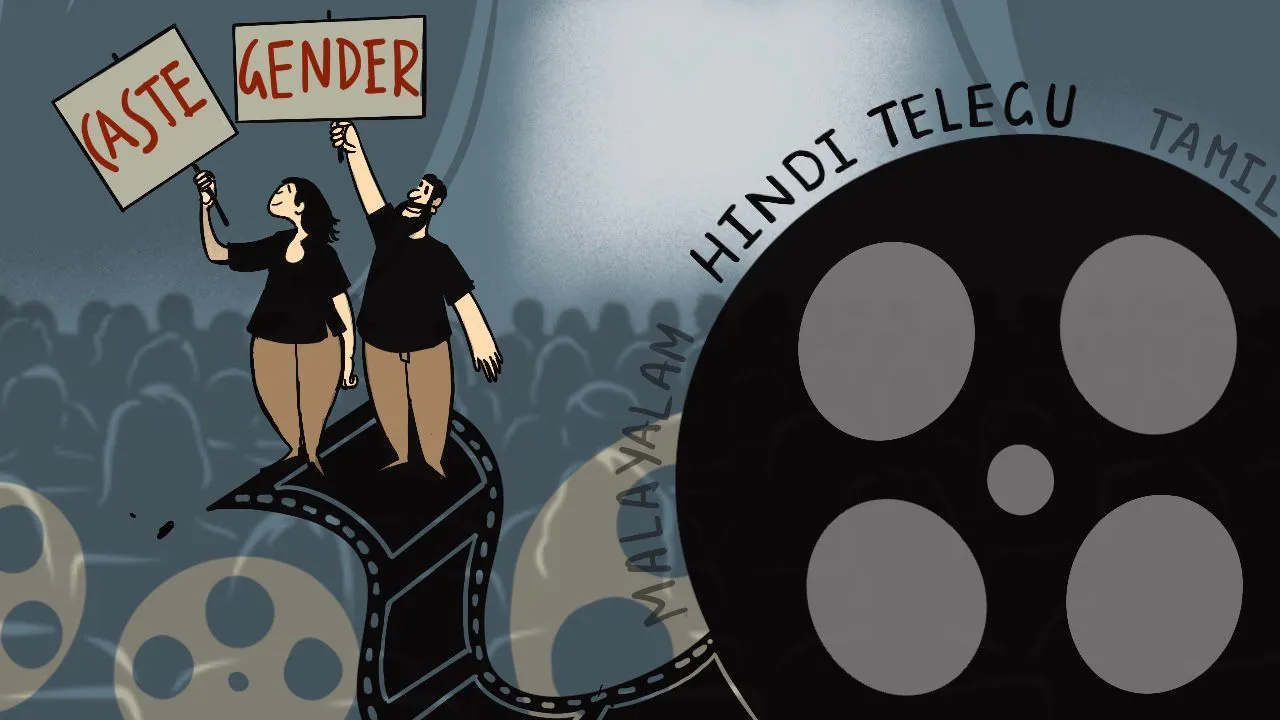
An overview into some of the best Hindi movies this year with a brief insight of gender and caste concerning Dhadak 2, Homebound and Phule
2025 like 2024 has also seen a handful of successful films. These movies are Chhaava, Saiyaara, Raid 2 and Aditya Dhar’s monstrous hit Dhurandhar. An interesting feature of 2025 though has been some solid films dwelling into the themes of gender and caste. Topping this list is Shazia Iqbal’s Dhadak 2 based on the hit Tamil movie Pariyerum Permul. Thankfully the movie improved on the original significantly with its depiction of the female protagonist. Unlike the original Dhadak 2 is set in a city but this change doesn’t lessen the caste horrors in any way. Apart from a much-improved gender angle Dhadak 2 also had dialogues related to the reservation taunts faced by the lower caste. There is an important portion in the movie where Priyank Tiwari’s Shekhar talks about the origin of reservation. The dialogue goes like this reservation came because of casteism and not the other way around.
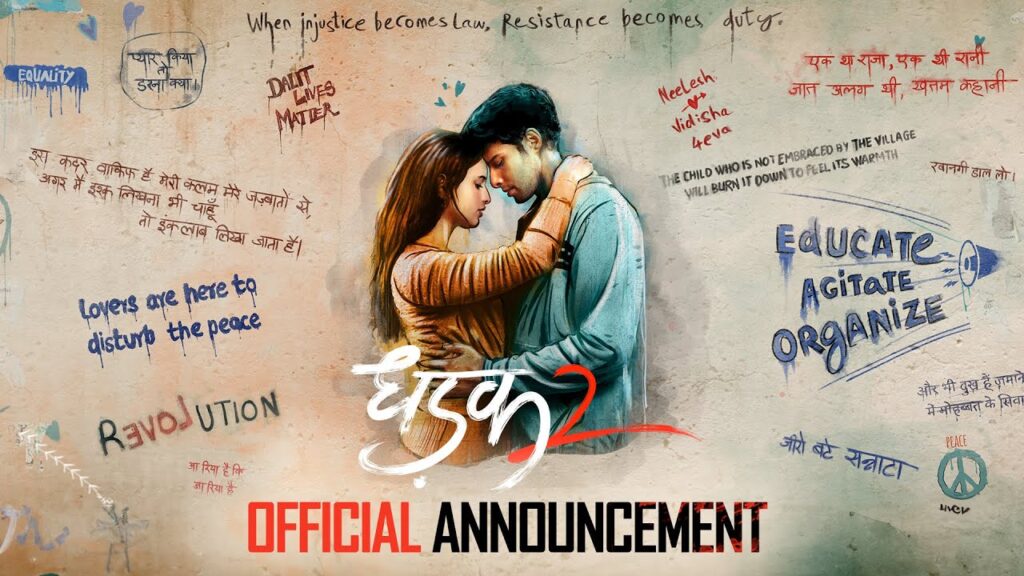
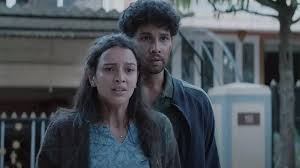
The gender angle came out strongly with a fantastic Tripti Dimri. Vidhi is someone with a mind of her own asking uncomfortable questions however she stays in a privileged bubble with little awareness about the struggles faced by the lower caste. But all that changes when she falls in love with Siddanth Chaturvedi’s Neelesh a timid Dalit youth with big dreams. There is a very poignant conversation between the two when Neelesh opens up about his bitter experiences in the context of a college professor constantly taunting him for his reservation seat. This opens up a new world for Vidhi and the movie progresses the character becomes fiercer. Even when Neelesh keeps a certain distance due to her father Vidhi doesn’t give up on the relationship standing by her love. Apart from standing up for her love Vidhi also questions the patriarchal attitude of her cousin brother played a terrific Saad Bilgrami. Vidhi questions the concept of honour being solely attached to women’s actions. Tripti did an excellent job in bringing out the different shades of Vidhi. Siddanth Chaturvedi was first rate as well making the viewers feel the angst and cheering for the character when Neelesh decides that enough is enough especially the pre climax outburst.

2025 has also been a mini comeback for senior actor Akshay Kumar both in terms of box office and acting performances. A special mention must be made of Kesari Chapter 2 and Jolly LLB 3. In Kesari Chapter 2 Akshay played the role of C Shankaran Nair a real life lawyer who fought against the crown. The movie directed by Karan Singh Tyagi is based on a book The Case That Shook The Empire. As Shankar Nair Akshay did a very fine job in conveying the emotional turmoil along with the fighting spirit. Kesari Chapter 2 also featured a strong woman character in the form of Ananya Pandey’s Dilreet Gill. Dilreet breaks numerous social conventions of that period. Yes, this character doesn’t exist in the book nevertheless this role makes the movie more interesting. A specific mention must be made of an important cross examination portion where Ananya goes from being nervous to takings things head on. Similarly, there is also a scene of Dilreet confronting Shankaran Nair on how he shouldn’t run away, instead he should fight against the crown and bring the truth out. Ananya did an excellent job in both the above-mentioned scenes.

In Jolly LLB 3 Akshay played he played a crooked lawyer developing a social conscious with practiced ease. Akshay particularly shined in the fiery courtroom arguments. There is a palpable intensity in the way Akshay talks about farmer subsidies being dismissed as Khairat (charity). The actor makes you feel the transformation.
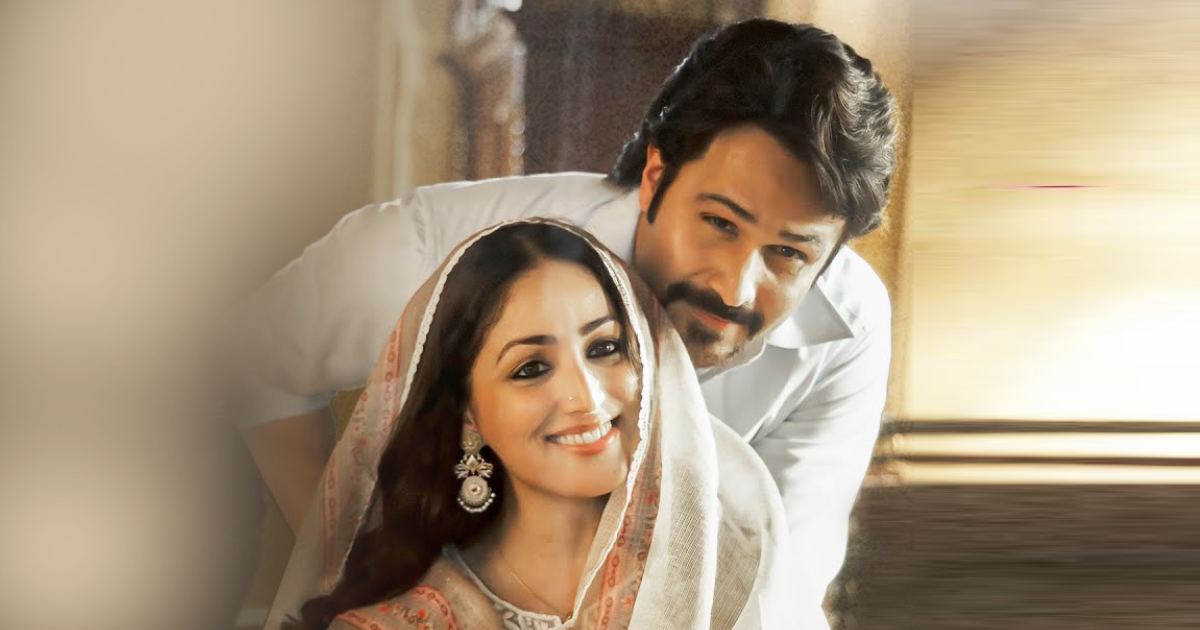
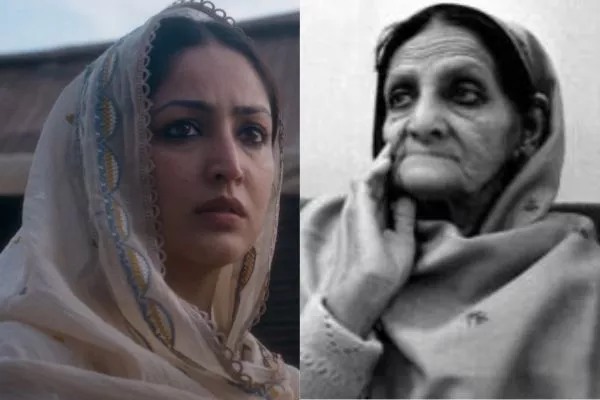
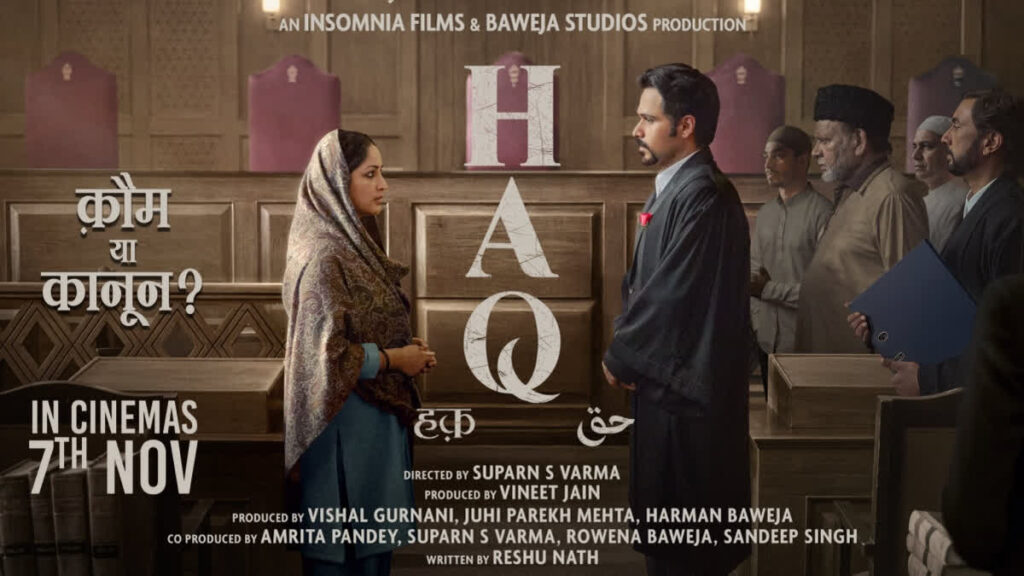
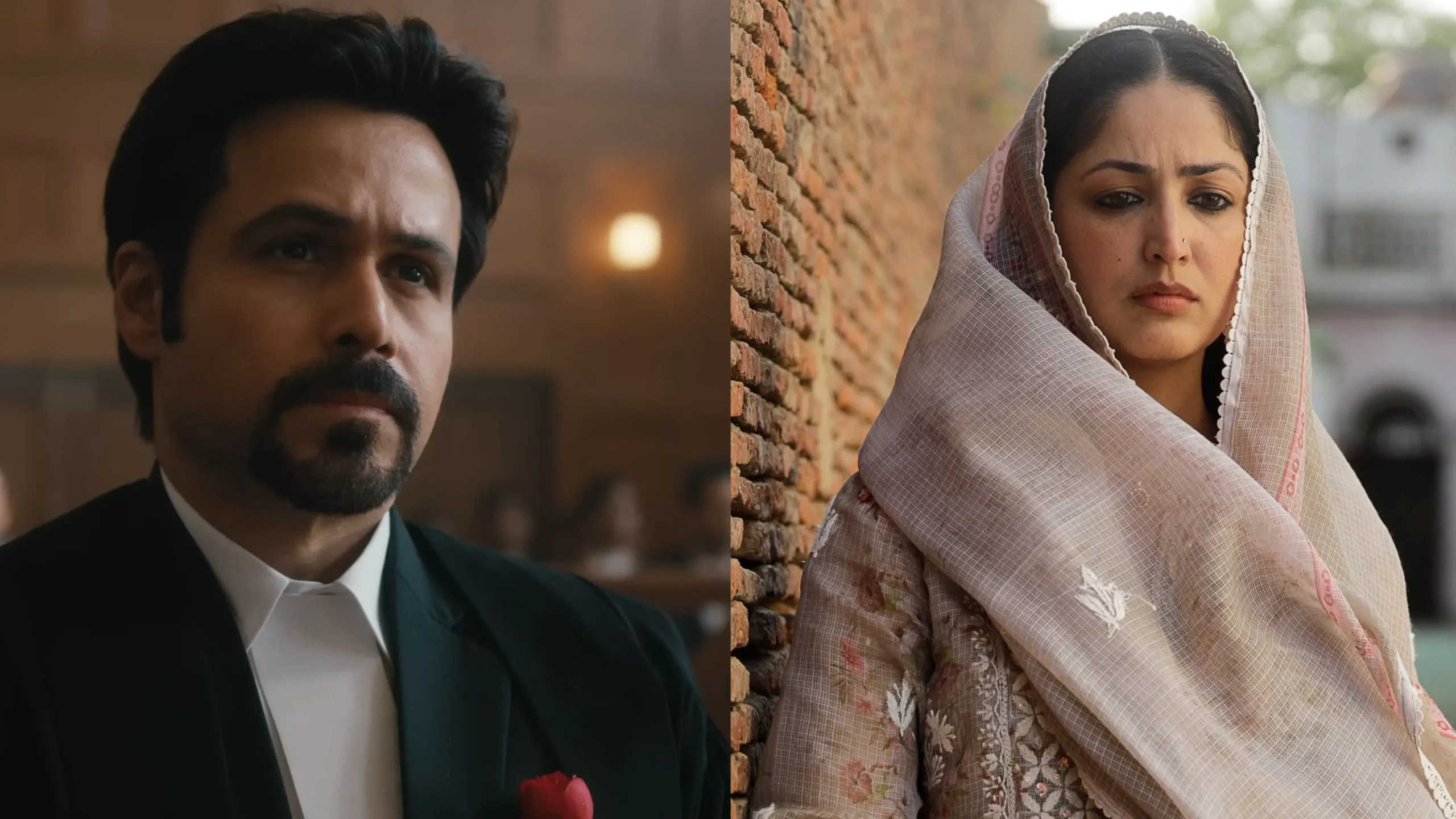
Emraan Hashmi too made a solid comeback with a layered role in Suparn Verma’s Haq. Yes, Yami Gautam is the center, but Emraan too has a significant role in making the movie more interesting with his nuanced performance of an entitled husband. True to its the title the movie is an important social drama on women’s rights and respect being equally important to love. The very underrated Akshaye Khanna knocked it out of the park with two solid negative roles. One Chhaava and another Dhurandhar. In Dhurandhar especially he stole the limelight with a swashbuckling act often overshadowing Ranveer.
Following are some of the best Hindi movies in 2025
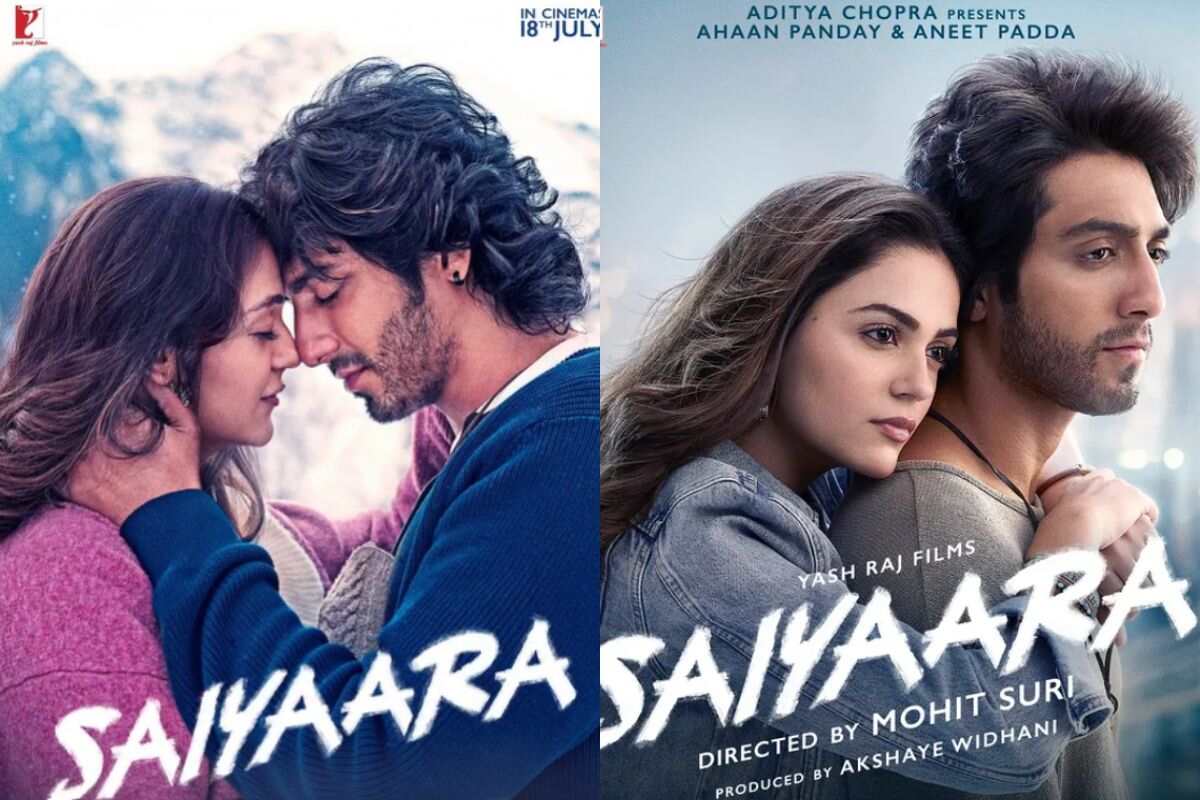
Saiyaara: Mohit Suri’s Saiyaara is an intense romantic drama done right. Unlike Mohit Suri’s mostly doomed romances Saiyaara has a more contemporary touch. This particularly comes out in the second half when Ahaan Pandey’s Krish Kapoor goes from a hot headed rockstar to a devoted boyfriend. The way Krish takes care of Aneet Padda’s Vani gives relationship goals. He puts his love above the need for fame. At the same time there is no clichéd trope of sacrificing music altogether. Krish’s deep love for Vaani isn’t a weakness. Instead, it adds to his music. This comes out in a thunderous manner during the title song. Through the role of Krish Mohit gave a refreshingly different protagonist, a young man striking the perfect balance between ambition and love. Saiyaara also benefitted from two brilliant leads. Both Ahaan and Aneet Padda were terrific in their respective parts. Rajesh Kumar and Geeta Agarwal as Vani’s parents were also good. Special mention must be made of Alam Khan as KV. KV doesn’t understand Krish’s intense love for Vani, but this doesn’t stop him from standing by his friend.
Music has always been Mohit Suri’s biggest strength and Saiyaara is no different. Tracks like Humsafar and the super title song with fantastic vocals coupled with Ahaan’s acting adds to the movie’s emotional quotient.
Chhaava: Laxman Utekar’s Chhaava treads along the familiar path of Hindu nationalism with Muslims being portrayed as merciless invaders. The movie doesn’t break any new grounds in its treatment of Swarajya and Muslim rulers. Nevertheless, the movie is a worthy big screen experience mainly for the technical department along with a brilliant Vicky Kaushal and Akshay Khanna.
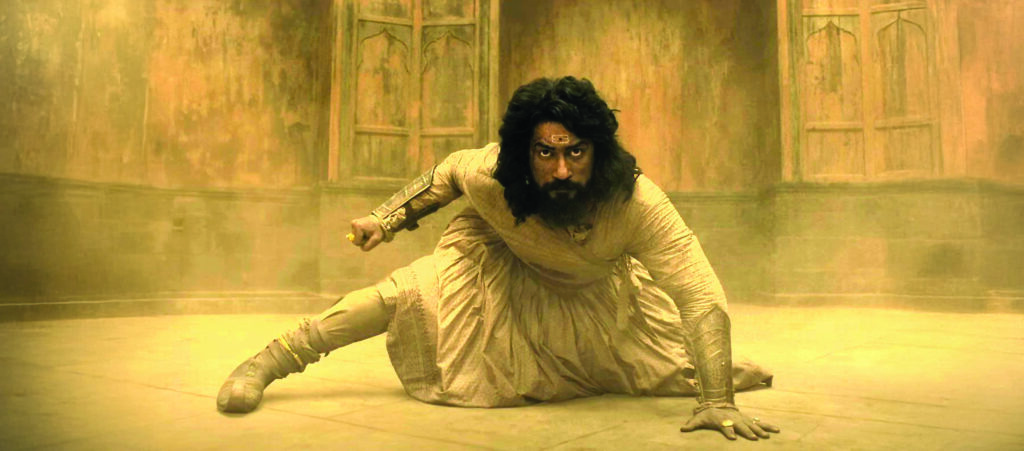
Thankfully Akshay Khanna’s Aurangzeb doesn’t become another version of Ranveer Singh’s Khilji. Akshay evokes terror with just his piercing gaze and overall demeanor. A special mention must be made of the scene where Aurangzeb expresses disappointment on hearing the news of Shivaji’s death. The admiration for Shivaji’s bravery is palpable.

As Sambhaji Vicky Kaushal did an excellent job in nailing both the physicality and emotional side. Keeping aside the historical controversies on the kind of man Sambhaji actually was Vicky was first rate. The action sequences were also a treat to watch especially the portions of Marathas outsmarting the Mughals using guerrilla tactics.
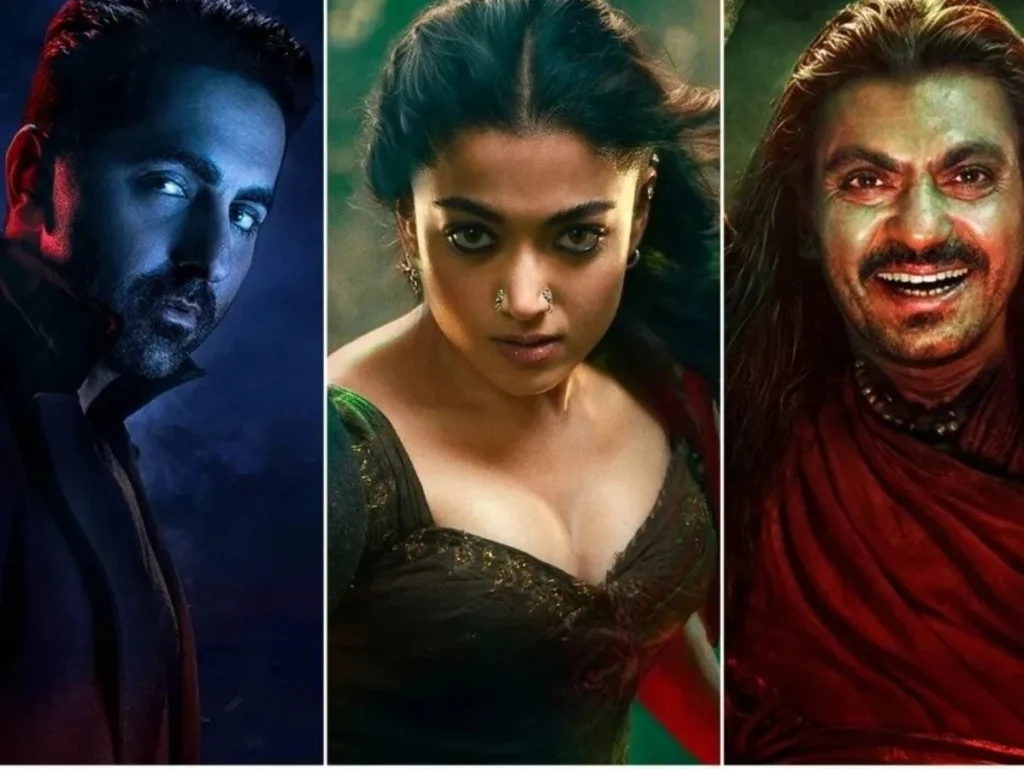
Thamma: Aditya Sarpotdar Thamma is a major gender bender reversing the usual Knight in shining armor trope. Rashmika Mandanna as Taraka/Tarika had a fantastic role with the right of ferociousness and also tender moment: Rashmika was simply in portraying the different shades. Ayushmann Khurrana as a small time reporter Alok also did well especially in the transformation portions. Whether it’s the initial shock of turning into a Betaal himself or adjusting to the new identity Ayushmann brought his usual finesse.
The love story is the core of Thamma. This aspect does take a while to gather momentum but as the plot progresses the viewers become engrossed on where the romance is heading. In the supporting cast veteran actor Paresh Rawal made his presence amply felt. He brought in some chuckles as well bringing gravity in a few emotional sequences. Nawazuddin Siddiqui as the comic villain suffered somewhat on the account of weak writing: nevertheless, Nawazuddin was wonderfully eccentric embracing the whacky tone with flair.
Haq: Suparn Verma’s Haq is a gripping tale of perseverance and fighting for one’s rights. The movie is based on the landmark Supreme Court judgement in the case of Sha Bano. Though set in the 1980’s the battle for dignity holds relevance even today. The movie at no point demonises the Muslim community. The focus is on men twisting laws as per their convenience and using religion as a façade to justify male entitlement irrespective of faith.
Director Suparn Verma along with writer Reshu Nath take their own sweet time in unravelling the different layers. Emraan Hashmi’s Abbas isn’t presented as a chauvinistic villain from the beginning itself. There is a genuine romantic side. As a result of this gradual process the eventual transformation doesn’t come across as jerky. Haq also benefits from solid confrontation scenes with very good acting from both Yami and Emraan. The need for a respect in a relationship and how that’s equally important to love is one of the main themes in Haq. An important conversation between Yami Gautam and the second wife played by Vartika Singh perfectly reflects this, as Shazia Yami nailed both the vulnerable and ferocious side not afraid to voice her opinion in front of so called wise people.
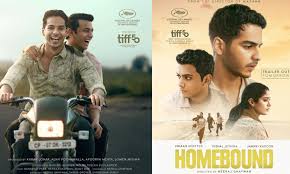
Homebound: Neeraj Ghaywan’s return back to the big screen was very much worth the wait. Unlike his debut feature Masaan the politics of Homebound is more in your face but the effect is equally solid. Through the tale of two friends the director did an excellent job in capturing the struggles of marginalized. In this case it’s both caste and religion. Homebound also struck a chord for its heartfelt depiction of migrant worker’s plight.
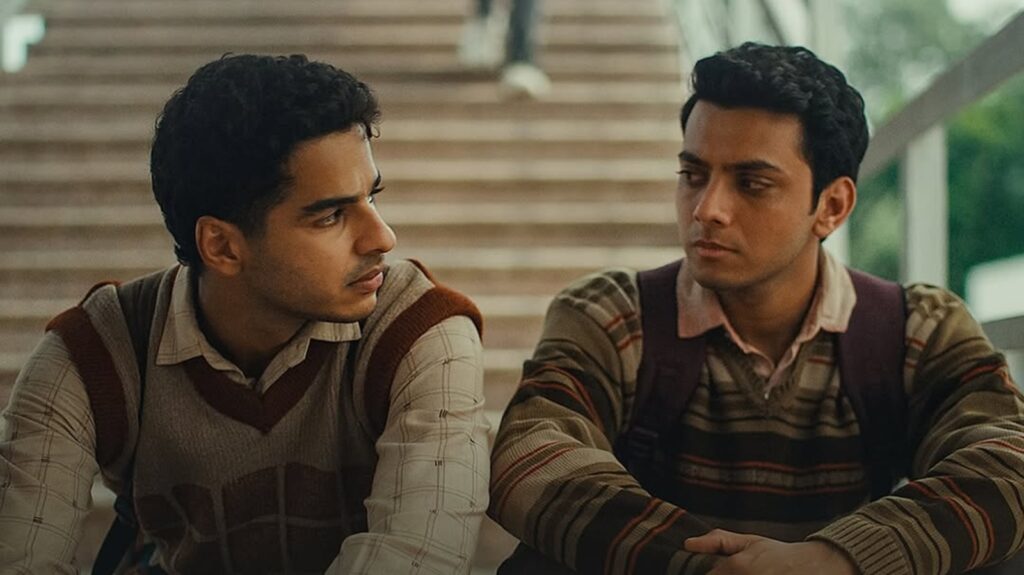
The movie doesn’t directly critique the government but for those who can read between the lines the administrative failure is very much palpable. The movie is based on an article written by the noted writer Basharat Peer. In the second half his touch is very visible. Mention must also be made of the love story between Vishal Jethwa’s Chandan and Janhvi Kapoor’s Sudha. Both come from the Dalit community but the dynamics are different with Sudha being the more empowered one. Janhvi has a crucial monologue about educate, organize and agitate. She played the role with the required confidence bringing in a much needed lightness to the otherwise grim proceedings. As Chandan and Shoaib both Vishal and Ishaan got into the skin of their respective characters. They did a wonderful job in bringing the friendship alive. Ishaan especially shined in the sequence where he desperately wants to save his friend by egging him on. It’s so emotionally moving.
Metro In Dino: Anurag Basu’s Metro In Dino is a solid spiritual sequel exploring the complexities of love and marriage. He did an excellent job in reflecting the contemporary society like the fast lifestyles and sometimes fickle nature of marriages. Among the numerous parallel stories the one which stood out the most was the track involving Pankaj Tripati and Konkana Sen Sharma as Monty and Kajol respectively. The marriage is going through a midlife crisis, the relationship has lost its spark and Monty takes the aid of a dating app. This only complicates the matters with Monty chatting with Kajal unknowingly. Kajol also plays along go to see how far her husband would go leading to a chaotic situation. Both Pankaj and Konkana were excellent feeding off each other. Kajol comes across as someone with spine not forgiving her husband easily. Kajol is also not afraid to give back to her mother played by Neena Gupta. Kajol questions the mother about the passive acceptance of her husband’s infidelity and how she doesn’t want to end up like that.
Among the other parallel stories Neena Geena playing an older woman finding liberation in twilight years was also a treat to watch. The transformation of Neena Gupta’s Shivani from a doormat to becoming more independent was wonderful to watch.
Phule: Ananth Narayan Mahadeven’s autobiographical drama Phule is a hard-hitting tale of revolution and solid companionship. The movie tackles issues which are relevant to today’s times. In spite of facing CBFC brunt like Dhadak 2 Phule still came out as an unsparing movie. This is majorly due to the power packed dialogues. There is crispiness to the arguments made by Pratik Gandhi. For example, there is a brilliant portion in which the male protagonist questions an upper caste man for avoiding a barber by doing his own shaving.
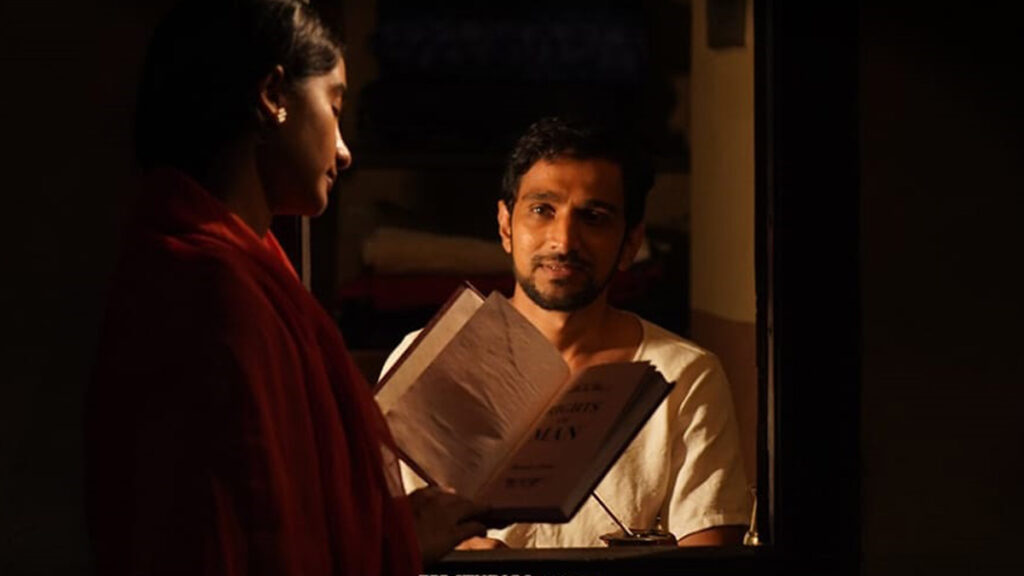
Apart from tackling social issues director Ananth Narayan Mahadevan also did an excellent job in showcasing the mutual love and respect Jyothiba and Savitri Bhai Phule had for each other. Jyothiba truly comes across as a feminist in the way he treats Savitri. He acknowledges her contribution numerous times. Jyothiba also stands up for Savitri in an importance scene when the father suggests a second marriage. The love and affection that the two had for each other is difficult to find in any married couple whether it’s of past or present.
Phule also benefitted from solid acting. Both Pratik Gandhi and Patralekha imbibed the strong nature of their respective characters. Pratik brought a quiet intensity expressing a lot with his eyes. Whether its showcasing pain, determination or the tender moments. Patralekha too disappeared into the part capturing the feministic spirit with ease. A special mention must be made of the scene where Savitri Bhai Phule is threatened by an upper caste man. Instead of retreating she holds her ground with a solid response.
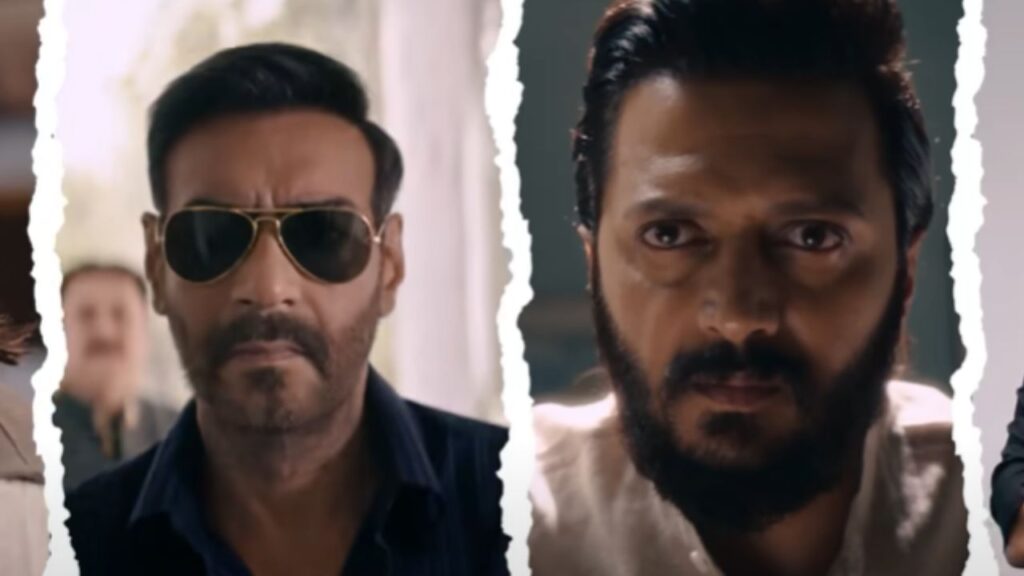
Raid 2: Rajkumar Gupta’s follow up to the 2018 Raid works as a utopian tale delivering justice, the beats are familiar nevertheless Raid 2 is engaging especially the antagonist role played by a wonderful Ritesh Deshmukh.
Unlike Saurabh Shukla’s rustic character from the first part Ritesh Deshmukh’s Dada Bai is more of a sophisticated politician. This worked as an interesting contrast to the first part. Ritesh did a very good job in capturing the different shades. He was particularly good in conveying menace with just his eyes. Saurabh Shukla in an extended was also a hoot. He made the movie more entertaining with his punch lines especially in the portions of taking pleasure in Dada Bai’s downfall.
Mrs (Zee 5): Mrs directed by Aarti Kadav is a very good take on internalized patriarchy. Like the original movie The Great Indian Kitchen Mrs also does a fine job in giving a voice to those women relegated to the household. Aarti Kadav brought in small but significant changes enhancing the story. A big change from the original is the profession of the protagonist coupled with the urbane location.
The appliances and the kitchen structure in Mrs are glossier: but the drudgery of a housewife remains the same. The dripping of water is also familiar coupled with numerous cooking shots of same nature.
In this movie Nishant Dahiya plays a gynaecologist. This element adds an interesting layer as man is able to understand other women’s bodies but when it comes to his own wife there is a very mechanical process. He doesn’t give a care on whether she also wants to participate in that moment. Sanya Malhotra as Richa did an excellent job in showcasing the different shades making the viewers root for her.
Stolen (Amazon Prime): Karan Tejpal’s Stolen is a taut social thriller/drama; The atmospherics are similar to Navadeep Singh’s NH10 but Stolen has its own identity. The distinctiveness comes from the plot centred on two brothers. One of the brothers played by Shubham Vardan is the more considerate one. Abhishek Benarjee on the other hand is a typical corporate guy trying his level best to dissuade the other one from helping a poor woman.
This sibling dynamics with an emotional undercurrent gives the movie some of its best moments. The cinematography of Ishaan Ghosh also played a significant role. The visuals had a lived in feel. A major divide between the privileged and underprivileged came out in a solid manner as well.
Abhishek Benarjee in one of his best characters till date did an excellent job. The way Abhishek showcased the eventual transformation was fantastic to watch. Shubham Vardan also provided solid support. Mia Maezler as a desperate woman in search of her missing child was good too bringing in a raw intensity.