Thaai Kizhavi: A spirited tale of feminism with a massy touch

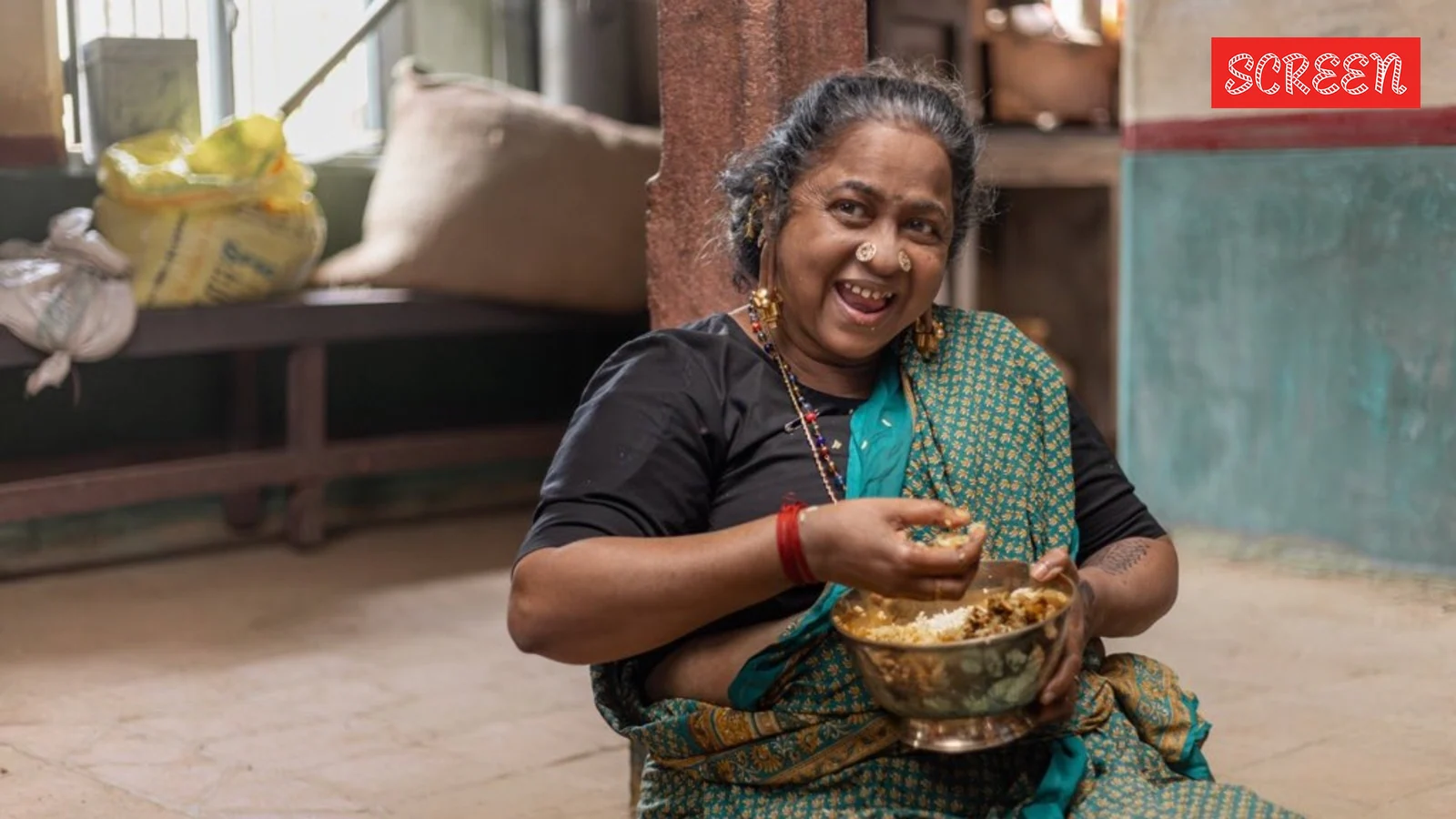
Sivakumar Murugasen’s story has shades of both Balagam and Ram Prasad Ki Tervi. The unraveling of family secrets as well as the greedy acts of family members have a distinct familiarity. Having said that Thaai Kizhavi is an entertaining movie with a relevant message on a woman’s financial independence. Radhika Sarathkumar as the matriarch/godmother figure has an absolute blast embracing the character’s whacky nature with gay abandon. Her presence can be amply felt even in the scenes which don’t feature her.

Director and writer: Sivakumar Murugasen

Starcast: Radhika Sarathkumar, Bala Sarvanan, Munishkanth etc

Genre: Comedy/drama

Producers: Sivakartikeyan, Kalai Arasu, and Sudhan Sundaram

Production houses: Passion Studios and Sivakartikeyan Productions

Music: Nivas K Prasanna

Cinematography: Vivek Vijaykumar ‘

Streaming site: Hotstar

Running time: 2 hours and 24 minutes

Thaai Kizhavi with Sivakartikeyan as one of the producers has made solid profits at the box office along with positive critical reception. Radhika Sarathkumar has been rightly hailed for her killer act in spite of not having a lot of screen time. There is no denying that Thaai Kizhavi gives a major deva ju of some old films. The angle of selfish sons is a done to death trope. At the same time the movie has a freshness too and this essentially comes from the theme of a woman having her own autonomy. The rural atmospherics makes the main difference.
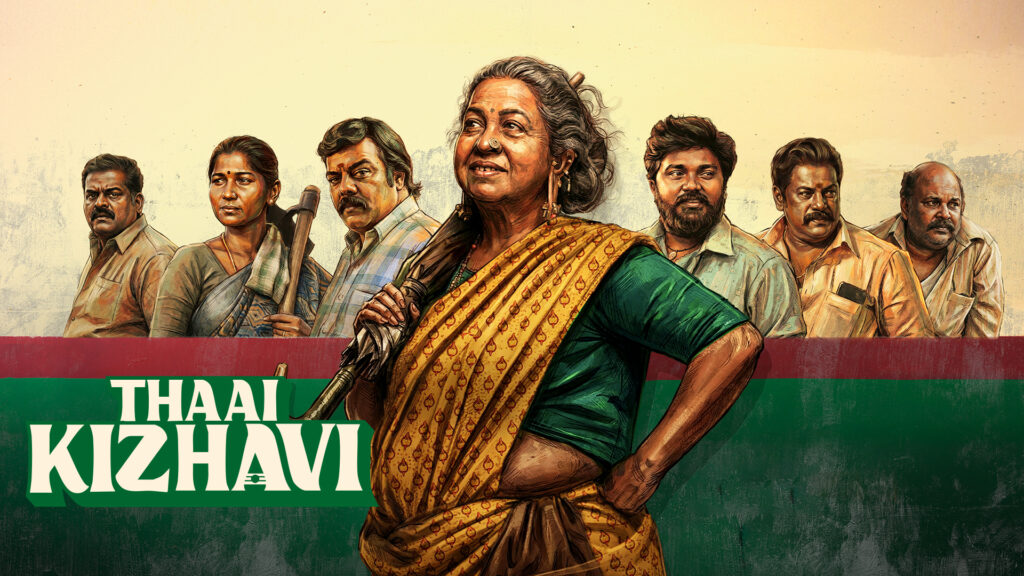
Thaai Kizhavi’s story in brief is about Radhika’s Pavunuthaayi. Pavunuthaayi is a strong matriarch living life on her own terms. The villagers are very scared with some wishing for her death too. Things take a dramatic turn with Pavunuthaayi getting bedridden. Celebrations start with many enjoying. This includes her own family members praying for her death. But the revelation of the mother stashing gold somewhere changes everything. This is the plot in a nutshell.

A strong aspect of Thaai Kizhavi is the characterization of Radhika coupled with the veteran actress performance. The badass nature of Pavunuthaayi has come out in a solid manner. Its deliberately massy and not for all but Radhika’s conviction makes it hugely enjoyable. Though Radhika is mostly bedridden after a point her presence is still amply felt. A major credit for that goes to writer and director Sivakumar Murugasen.
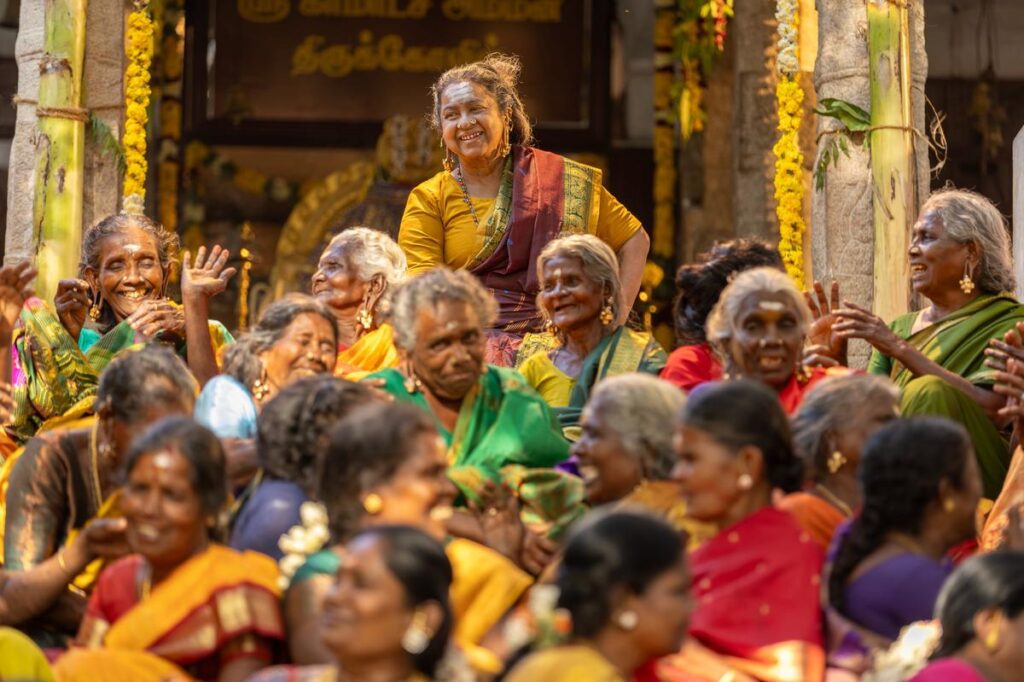
The odd ball characters with the rural quirks take a while to sink in but once the plot settles down, they are hugely enjoyable too. A special mention must be made of a drunkard villager who threatens his deity Karuppan on becoming a Sai devotee if his prayers aren’t answered. His scenes have chuckle worthy moments. A mention must also be made of Munishkanth’s Pennycuick a forty-year-old desperate for marriage. His reasons for wanting a partner and how he eventually finds someone gives the movie some of its best moments too.

The legendary Kamal Hassan is an omnipresent figure in the way his songs has been used. It spans across different eras, and this includes the one from Vishwaroopam too. The interval block with Vishwaroopam’s title song and the frantic manner in which the mother is taken to the hospital is an absolute hoot.

From mid second half the movie turns into a story of curated change. This can be seen in the way one of the sons has a change of heart. All it takes is one scene inside an ambulance. This transformation feels more manufactured than organic. Having said that Bala Sarvanan sells this moment, an emotional number by Nivas K Prasanna also helps. The second half also has a shift in terms of how the viewers see Pavunuthaayi. In the beginning we are given an impression of her being a desi Shylock. She threatens about disrobing a woman if she doesn’t pay. But the second half presents a different facet. Especially a woman character talking about how the matriarch encouraged her to be financially independent.
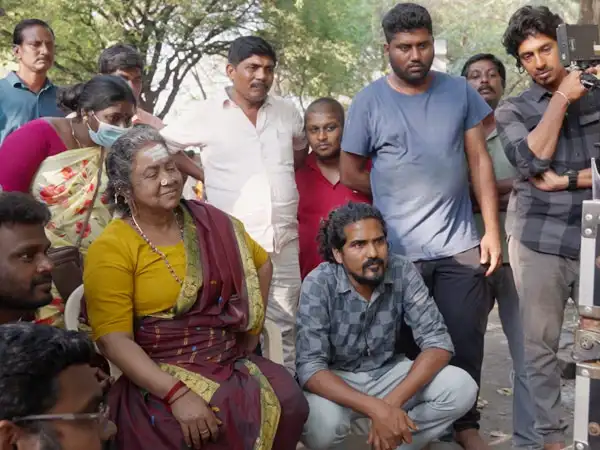
The climatic speech of Radhika Sarathkumar serves as a perfect conclusion to the movie’s core feminist theme. The dialogues related to financial independence have a solid punch. The movie also does a good job in normalizing re marriage particularly in the rural context. This has come out well through the montage of Pavunuthaayai encouraging her daughter to start life afresh after a difficult first marriage.
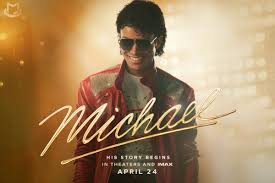
Michael: A visually stunning highlights package

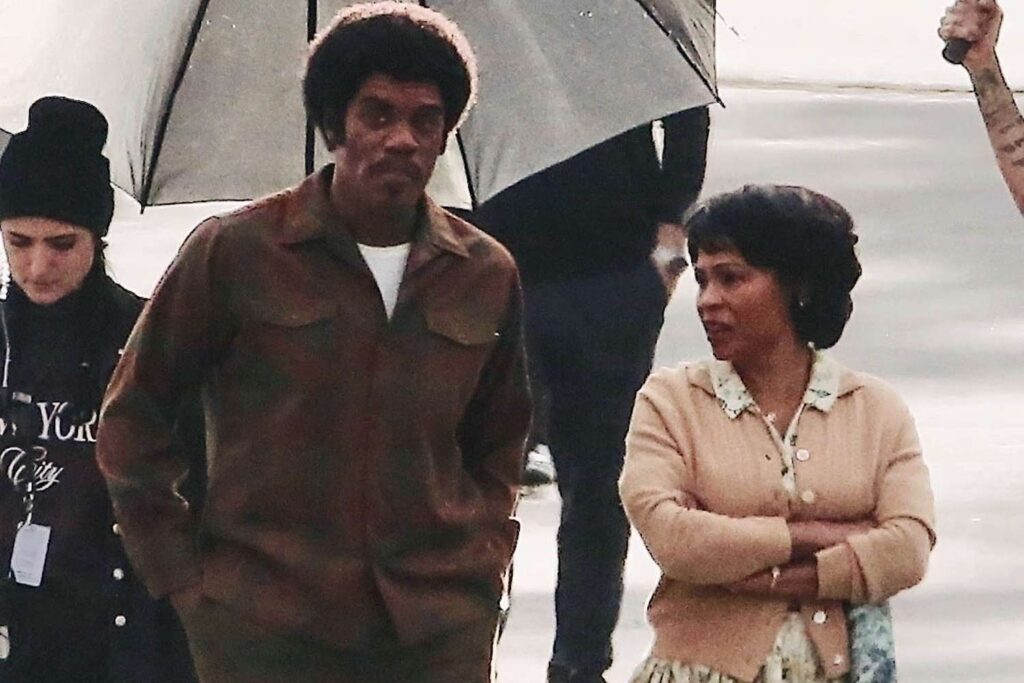
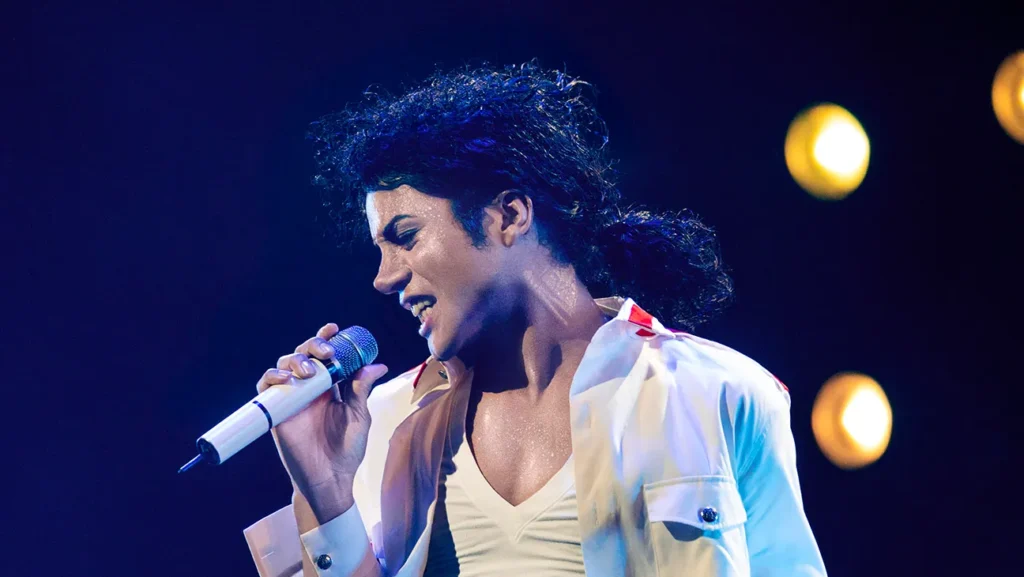
Like many biopics Michael too has a curated feel with the cherry-picking of major incidents. Part one of Michael is centered around the rise of the legendary popstar and a significant cultural figure. Director Antoine Fuqua is successful in recreating the aura of Michael Jackson. The dance choreography in particular is enthralling. Jaafar Jackson does an excellent job in portraying the different shades. He is a big reason for the viewers to stay invested.

Director: Antoine Fuqua

Starcast: Jaafar Jackson, Colmon Domingo, Nia Long, Juliano Krue Valdi and others

Genre: Biography

Writer: John Logon

Music: Lion Rosner

Cinematography: Dion Bebee

Producers: Graham King, John Branca and John Mc Clain

Production Companies: Liongate Films, GK Films and Optimum Productions

Running time: 2 hours and 7 minutes

Biopics in general follow a certain template. The dark areas are either sanitized or completely avoided. The likes of Sanju and Azhar are solid examples of this. They mostly play out as a highlights package focusing primarily on the protagonist wins. Michael based on the legendary Michael Jackson is no different at least part one of this saga. The critical reviews of Michael particularly from the west have been rather scathing. The harsh critical reviews are somewhat understandable having said that Michael is definitely a big screen watch. Whether you are a fan or not Michael does give an adrenaline rush. His famous dance steps have been wonderfully recreated. Also, the family dynamics especially the undertones of tension has a distinct desi touch.

In brief the plot begins from the early life of Michael Jackson and how he turned into a visionary artist. Parrel to this is the father and son subplot. Colmon Domingo as Joseph Jackson is authoritative father living off on his son’s success. Joseph is also the manager of Michael. Michael is vexed with his father’s authoritarian ways wanting to create his own path independent of the family’s brand. At one point he even sends a firing letter to his own father. This is the story in a nutshell.

The biggest strength of Michael is the technical department. The portions of Jaafar Jackson’s dance performances in particular deserves a special mention. The famous moonwalk in particular will drive the diehard fans into a frenzy. The way it has been choreographed coupled with the dance of Jaafar Jackson alone makes for a big screen viewing. Cinematographer Dion Rebbe does an excellent job in capturing Michael Jackson’s larger than life aura as well as the 80’s setting. The production design is also solid successfully transporting the viewers to that era.

The music of Lion Rosner is also bang on. The tunes especially the portions of stage performance makes for a fantastic viewing and also a good listen. Apart from the technical department the father and son subplot also deserves a special mention. The bossy and patriarchal attitude of Joseph Jackson is shown in an unfiltered manner. This is one area where the film doesn’t gloss over.

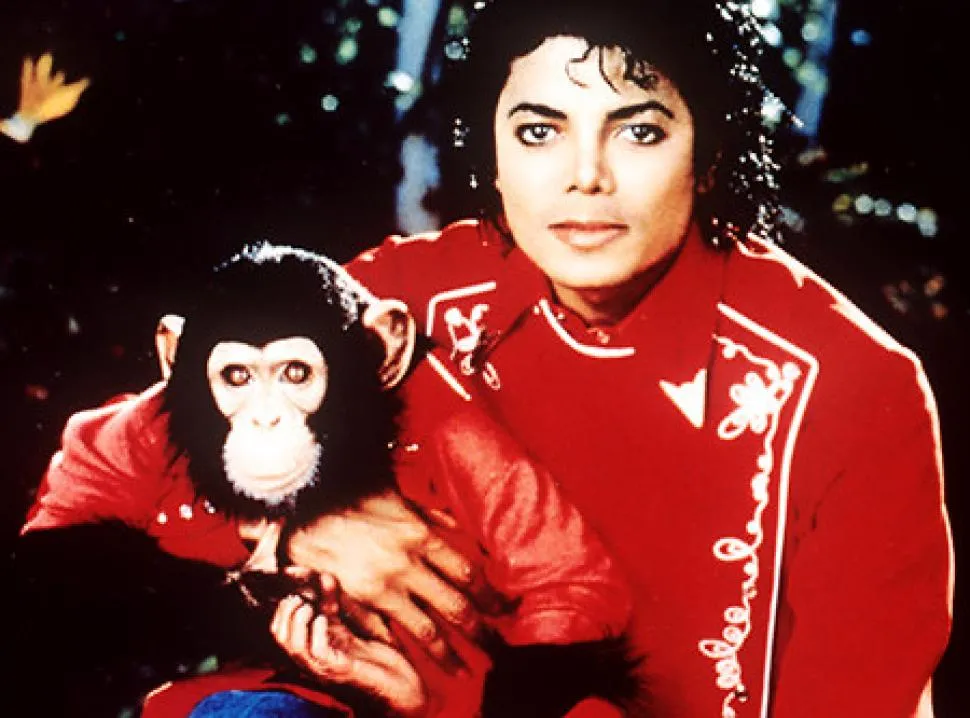
Michael quest for creative freedom while staying connected to the family has a distinct desi touch. Most Indian families will definitely relate to the protagonist inner dilemmas. Colmon Domingo plays the authoritative father in a strong manner. Mention must also be made of Nia Long as the helpless mother eventually finding spine. A special mention must be made of her act in the portion when she finally gives it back to the husband. The brothers and sisters though get a raw deal. Michael’s equation with the siblings is touched upon in a superficial manner. In fact, Michael’s sequences with a pet chimpanzee Bubbles is much better written.

Also, the movie doesn’t give an explanation on how Michael turned out to be special. Whether he had any influences or it was just a case of him being a natural is never dealt with. You just get the simplistic explanation of him being differently created.

In the titular role Jaffar Jackson does an excellent job in capturing the different nuances. He imbibes the spirit of his late uncle in a wonderful manner. The swag is spot on but more importantly he is also very effective in the vulnerable moments.

Final word: Michael is a treat for Michael Jackson diehard fans. As a movie though it could have been more effective with a less sanitized approach. Here’s hoping that the second part deals with Michael’s dark chapters in a more honest manner.