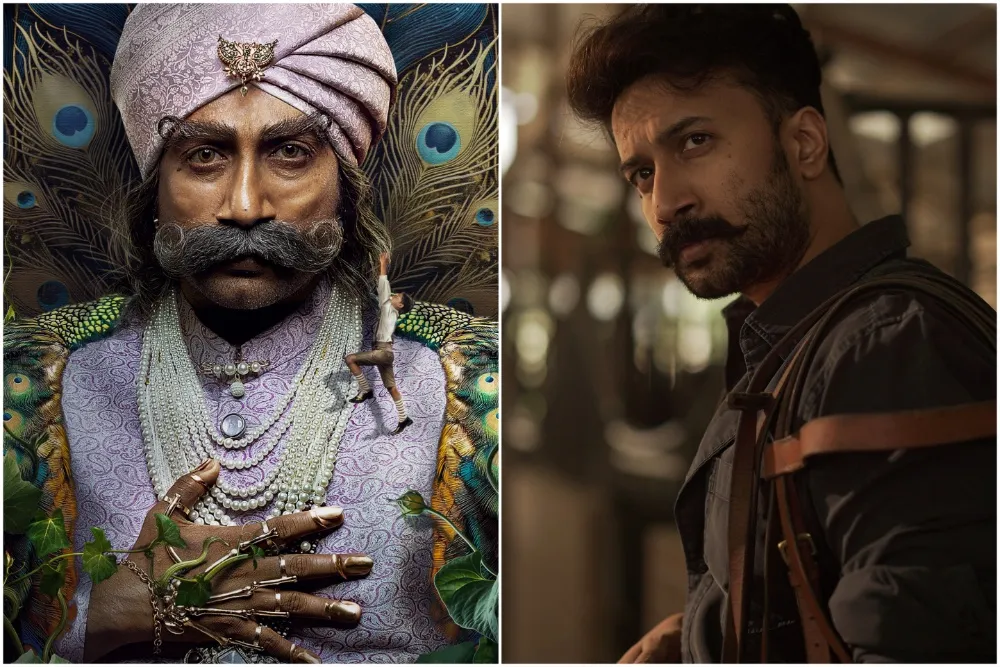
The world of Rao Bahadur takes a while getting used to, but the movie slowly draws you in and after a point the viewers become completely engrossed. Venkatesh Maha continues to show why he is a distinctive storyteller. Through a tale of aristocracy, the director does a fantastic job in critiquing casteism, colorism and a certain obsession with lineage among others. Satyadev in the titular role throws himself fully delivering one of the best performances in 2026. Kudos to Mahesh Babu for turning a presenter to this unique experiment
Starcast: Satyadev, Vikas Muppala, Deepa Thomas, Bala Parasar etc
Genre: Psychological drama
Director and writer: Venkatesh Maha
Producers: Anurag Reddy, Sharath Chandra etc
Production Companies: A+S Films, Sricharkas Entertainments, Mahayana Motion Pictures etc
Music: Smaran Sai
Cinematography: Kartik Parmar
Running time: 2 hours and 50 minutes
Venkatesh Maha’s debut movie C/o Kancharapalem is one of the finest experimental movies in Telugu. Through an anthology format Venkatesh Maha explored the social issues of caste, class barrier and religion. The movie won a lot of acclaim and rightly so. He followed C/o Kancharapalem with another engaging movie Uma Maheswara Ugra Roopasya with a brilliant Satyadev. Though a remake of a Malayalam movie the movie was still a compelling tale for the original movie fans too. After a significant gap Venkatesh Maha is back with another distinctive film, the scale of Rao Bahadur is of course bigger than Venkatesh Maha’s previous ones, but the director’s social vision is visible in numerous sequences.
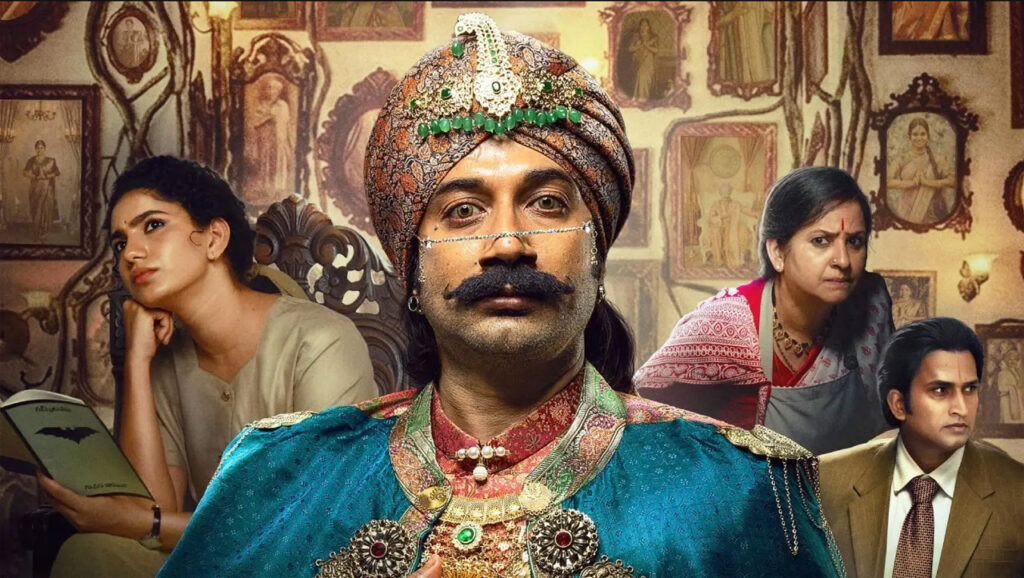
The story of Rao Bahadur without much spoilers focuses on an aging aristocrat. Satyadev is Bhuvanam Ramappa Rao Bahadur. He is a royal figure stuck in the past. As the plot progresses the viewers are introduced to a haunting family history. What is this family mystery and why Rao Bahadur is the way he is forms an important core of this ambitious experiment.
As already mentioned Rao Bahadur takes a while getting used to. The fractured mental state of the titular character needs some patience to grasp. For some Rao Bahadur’s theatrics will feel silly but as the plot progresses with the back and forths it slowly starts to grip the viewers. The flashback portions of the younger Rao Bahadur give a solid psychological insight into how he goes from a reluctant royal heir to getting deeply stuck. Some important twists at the end come across as a genuine shocker, along with shock value these mirror the movie’s themes perfectly too.
A strong aspect of Rao Bahadur apart from Satyadev are its hard-hitting dialogues reflecting different societal aspects. These are a mix of subtle satire, dark humor and in some cases philosophical undertones. Following are a couple of important ones.
“Okkapudu na prapancham kooda chala vishalaanga anipinchedandi manam peddayye koddi adi chinnadai pothundi shariraka edugudhala valla anukuntam kani manasikanga edagapovadam valla ani teluskondantaru.” The English translation of this is (“The world once seemed vast to me as we grow older it gets smaller. We think it’s because of physical growth, but everyone should realize its due to the lack of mental growth.”). Through this dialogue Venkatesh Maha talks about shrinking mindsets fueling discrimination.
Another important dialogue this time reflecting a royal heir’s psychological toll goes like this. “Rao ante Prince and Bahadur ante brave. Rao Bahadur ante dhairyam gala yuvaraju ani ardham, Bhayalu, bramalu, oohalatho vila vila ladi pothu unthadu ayana. The English translation of this is Rao means Prince and Bahadur means Brave. Rao Bahadur means a brave prince, and he is plagued by fears, delusions and hallucinations. This dialogue perfectly showcases the intense vulnerability and insecurity due to a certain social conditioning.
The technical department is another major strength of Rao Bahadur. The production design perfectly reflects the fading grandeur of Rao Bahadur’s world. The concept of magic realism plays a key role in reflecting Rao Bahadur’s inner turmoil; this is further enhanced by both the production design and cinematographer Kartik Parmar. The images create an immersive experience as much as the dialogues.
However, Rao Bahadur wouldn’t be what it is without Satyadev’s bravo performance. His portrayal of confusion, vulnerability and the psychological trauma is simply first class. Satyadev once again shows why he is one of the best actors that we have. The actor deserves all the accolades for a job extremely well done.
The supporting cast also pitch in some wonderful performances. Vikas Muppla as a doctor cum friend gives solid support to Satyadev. Whether it’s patiently trying to understand his friend’s eccentric behavior or getting frustrated. Deepa Thomas as Renuka also shines whether it’s the scenes of warmth in the early flashback to a simmering anger at Rao Bahadur’s changing behavior. Bala Praasar playing the house help Acchamma raises chuckles with her comic timing. Venkatesh Maha also has a fun extended special appearance and the director cum actor nails the quirks.
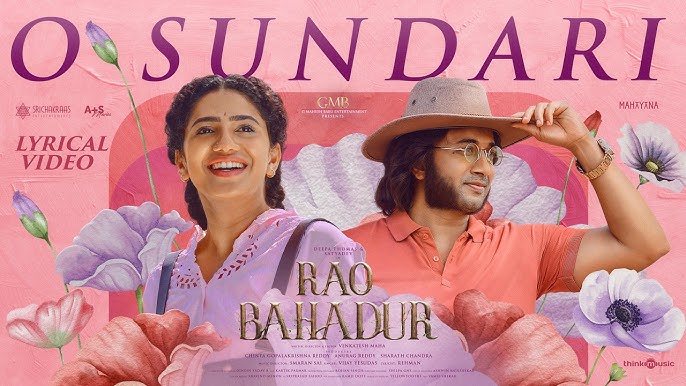
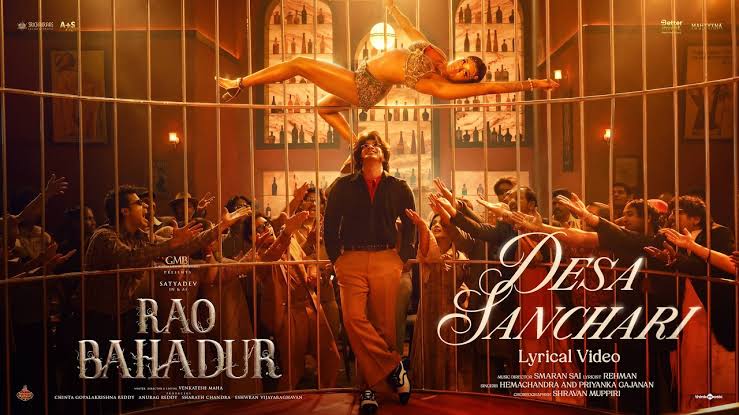
The songs by Smran Sai are of a fine order too. It enhances the emotional undercurrents as well as the whimsical nature of the proceedings.
Final word: Rao Bahadur is more of a puzzle gradually decoded rather than a mainstream thriller. For fans of psychological dramas and Satyadev Rao Bahadur this is very much a ride worth embarking on.