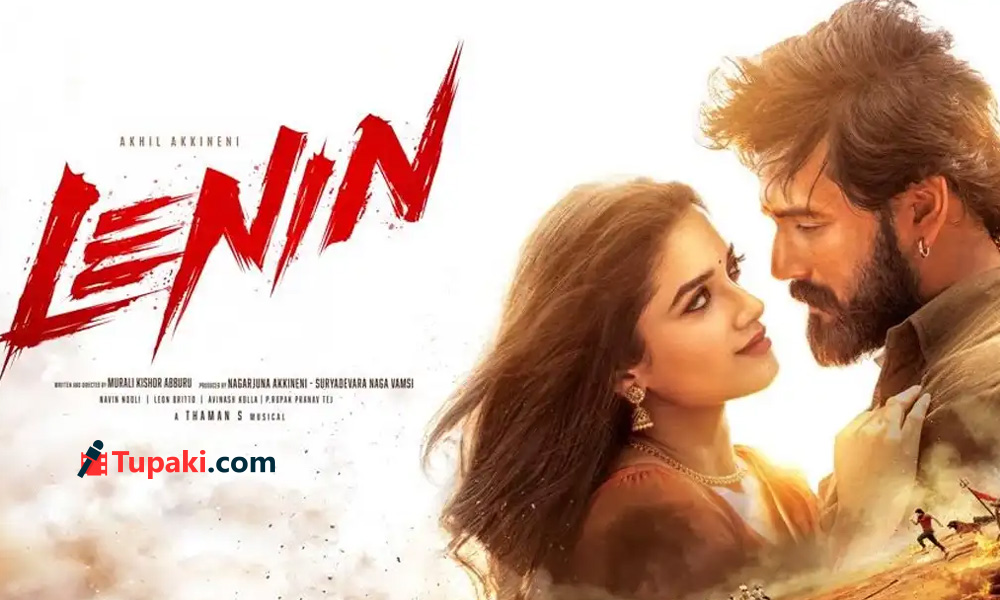
At its core Lenin is a regular revenge drama but the nonlinear screenplay especially the second half makes it an engaging watch. The grey shaded characters have been built well particularly that of Sivaji, Easwari Rao and Pramod Panju. Bhagyashri Borse as a spirited Bharati is a delight to watch with her effervescence. The actress particularly stands out in a portion of confronting her father related to the topic of consent. Having said that Lenin doesn’t offer anything particular new in the sea of rural dramas.
Starcast: Akhil Akkineni, Bhagyashri Borse, Sivaji, Eashwari Rao, Pramod Panju, Bramhaji and others
Genre: Action drama/romance
Director and writer: Murali Kishor Abburu
Music: Thaman
Cinematographer: Leon Britoo
Producers: Akkeneni Nagarjuna and Suryadevara Naga Vamsi
Production house: Manam Enterprises and Sithara Entertainments
Running time: 2 hours and 38 minutes
The influence of Ramayana and Mahabharata can be seen in numerous Indian movies especially Telugu cinema. Whether its shades of mythological characters or direct references. Lenin written and directed by Murali Kishor Abburu is very explicit in its references of Mahabharata. Some of the most important developments like Eashwari Rao referencing to herself as Gandhari or the character turn of Sivaji feel like a homage to one of our beloved epics. These mythological layers play a key role in lifting what is an otherwise standard revenge drama. Akhil Akkeneni made his debut as a leading man in 2015 but has been struggling to create a solid impact. His last film Agent had a whacky characterization, but the movie was a major let down. Lenin can be definitely called as Akhil’s redemption as an actor irrespective of the box office numbers

The story of Lenin in brief is set in the backdrop of the Drapaudi Jatara festival. Without giving much spoilers the film is about an orphan rising from humble beginnings to fighting against injustice. The film focuses on village politics, deceit with betrayal from one’s own among others.
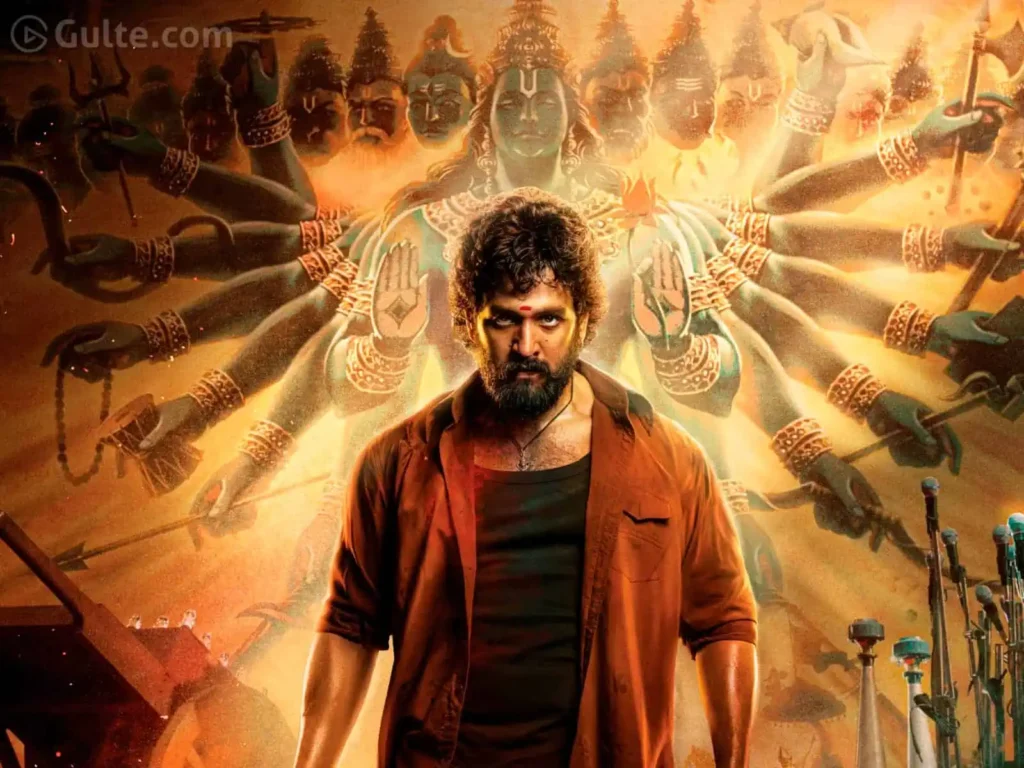
The tone of Lenin is set from the beginning itself with Akhil’s character released from Jail. A lot of time is spent on introducing the cultural significance of Drapaudi Jatara festival, village politics and the budding love story among others. This approach does take a while getting used to. Also, the cute meet moments between Akhil and Bhagyashri needed better depth. It follows a pretty formulaic route, having said that Bhagyashri with her effervescence tides over the sketchy writing, she shares a nice chemistry with Akhil too. One of the worthy scenes is Bharati taking on Bramhaji’s character in a game of cards and her subsequent punch dialogues.
The movie actually gets going around the interval point when Bharati’s marriage is fixed in haste with Pramod Panju’s Vasanth. Vasanth and Lenin share a strong bond of friendship with Easwari Rao being a mother figure to Lenin. Lenin doesn’t reveal about his love to either Vasanth or Easwari Rao. Just when the viewers think Bharati will marry someone else she springs a surprise openly talking about how she loves Lenin and vice versa, Bharati further questions the father about not bothering to ask about her consent. Bhagyashri aces these scenes in particular.
The interval point enters on banger, the details of which are better seen on screen. From here the movie switches gears gradually unraveling the dark layers. The various revelations at the crucial junctures has been wonderfully written and enacted. Among the revelations the twist related to Pramod Panju is the most impressive of the lot.
Until then the viewers have a certain impression of him, but all this changes with a crucial exposition. The timing of this exposition has been excellently done and as a viewer you feel for Lenin when he goes through a major personal shock. Akhil as an actor particularly shines in the portions leading up to the big climax. There is a scene of Lenin pleading with the antagonist, there is no hyper background score to amplify the emotion. It purely relies on Akhil and the actor more than rises to the occasion.
Mention must also be made of how Sivaji’s role has been written. He plays the role of Yathiraju a man constantly treated as an outsider, this eventual frustration reaches to a boiling point and certain situations led him to betray Lenin. Sivaji does an excellent job as always. Easwari Rao as a Gandhari like figure is good too particularly in a crucial climatic stretch.
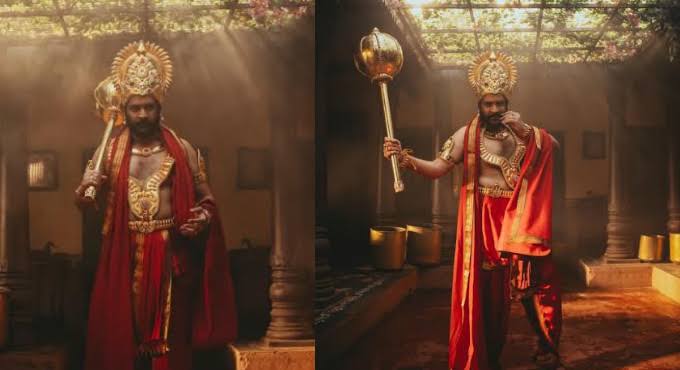
Pramod Panju as Vasanth is also first rate. Much details cannot be given but the subtle character switch has been wonderfully portrayed by the actor. Last but not the least Bramhaji as a Shakuni-like figure also impresses with his mannerisms.
Murali Kishor Abburu does a fair job in examining how shattered pride can cause severe harm damaging personal relationships. There are some solid dialogues related to this as well as the so called social hierarchies.
Thaman S music while groovy especially Yetta Yetta suffers from a placement problem. There is an abruptness to the song’s integration making the viewers impatient. The background score though is more effective in elevating the twists.
One major problem with Lenin is the eventual core which is the revenge aspect. The last few years has seen a barrage of rural stories with different social contexts, as a result Lenin feels like just another rustic story cashing on the success of Rangasthalam and Pushpa among others. The closing stretches also has a hangover of Peddi with a physical impediment. This again feels like more of a shock value rather than something really needed.
Final word: Lenin is a winner for Akhil the actor. Watch it if you are in the mood for a rural drama with mythological undertones.