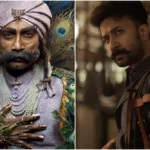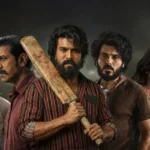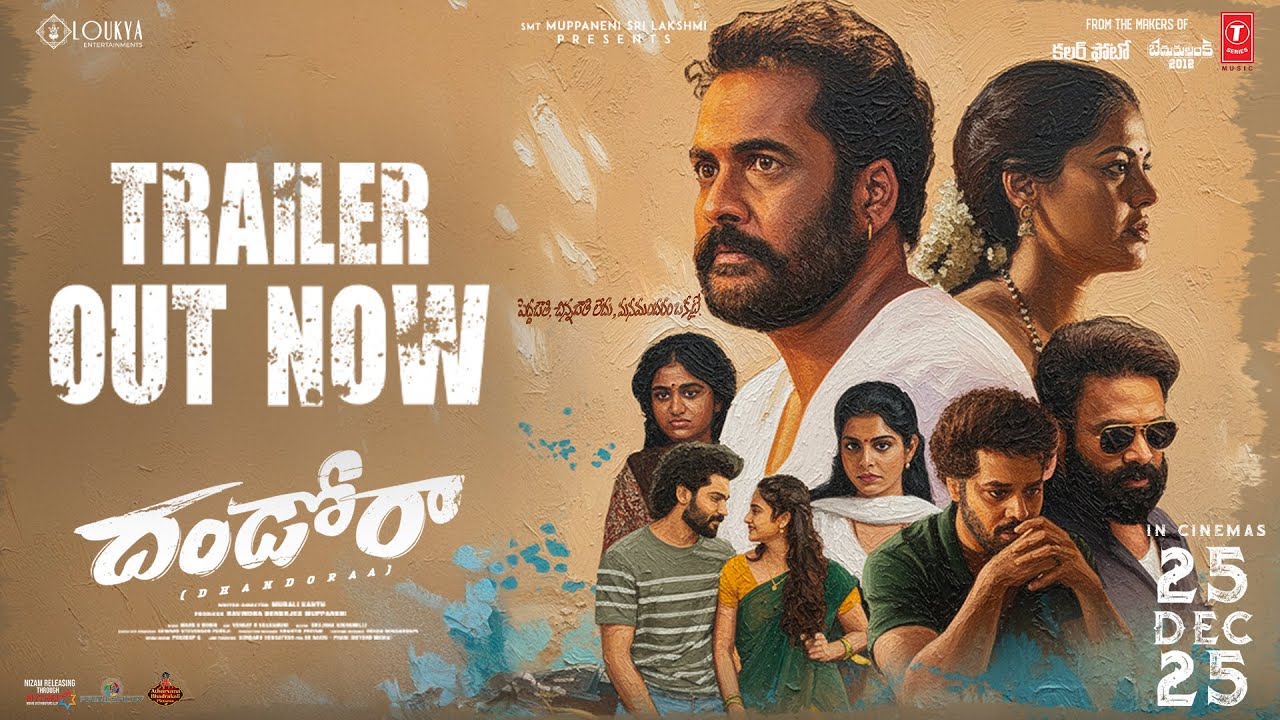
Director Muralikanth Devasoth takes a while to find his footing. The constant back and forth with abrupt tonal shifts makes it a little jarring: nevertheless, the movie is eventually successful in engrossing the viewers. The character graph of Sivaji is the biggest strength of Dhandoraa. From a caste bigot to undergoing social consciousness
Starcast: Sivaji, Nandu, Navadeep, Bindu Madhavi, Muralidhar Goud, Ravi Krishna and others
Genre: Social drama
Director and writer: Muralikanth Devasoth
Music: Mark R Robin
Cinematographer: Venkat Shakumari
Producer: Ravindra Benarjee Muppaneni
Running time: 2 hours and 15 minutes
Telugu Cinema has seen a major surge in terms of anti-caste and women centric narratives. This year itself you have had Court and Iravai Moodu. Two strong movies exploring different social hierarchies from the angle of caste in an effective manner. Dhandoraa directed by Muralikanth Devasoth belongs to a similar space but with a different thread. The movie explores the guilt of the anti-hero and how he eventually finds redemption.
The storyline of Dhandoraa in simple terms focuses on an upper caste farmer deeply obsessed with caste pride. How his regressive thought process affects the lives of the children and how the protagonist/antagonist learns from his huge mistakes forms the core of Dhandoraa
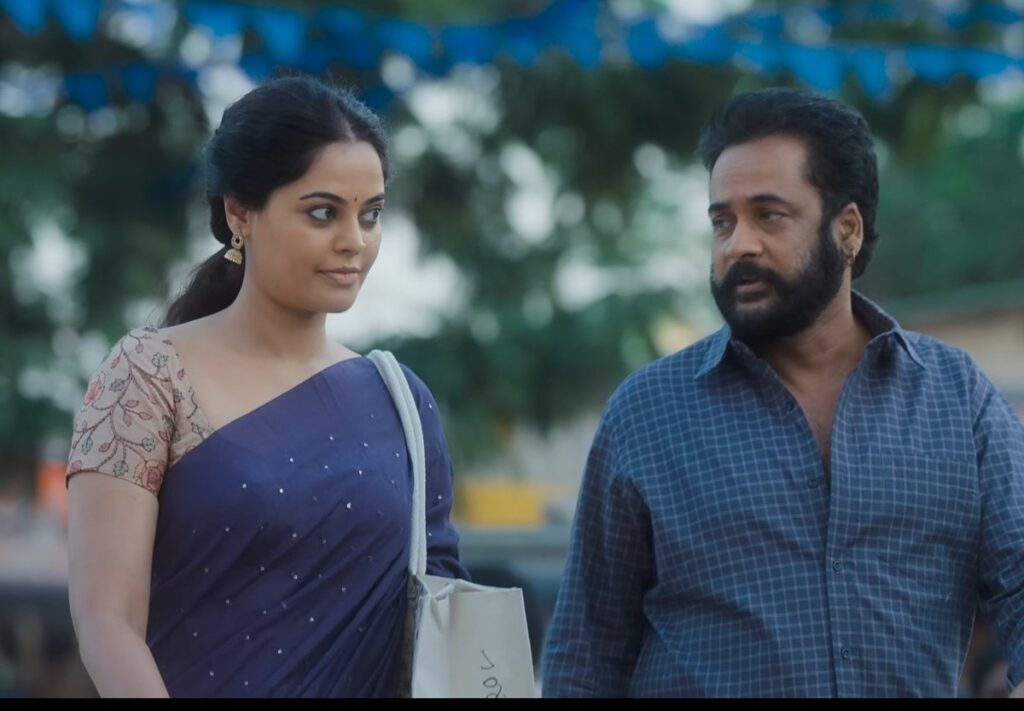
As already mentioned the biggest strength of Dhandorra is the solid graph of Sivaji. In the first half Sivaji’s act feels similar to the hit movie Court. The caste arrogance with an attitude of a dictator is very reminiscent of that one. However, in the second half the viewers see a different side. The scenes with Bindu Madhavi playing a prostitute showcase a humane nature. A man who is struggling to find inner peace with the daughter’s death and the son drifting far away. Though Bindu Madhavi plays a prostitute Muralikanth Devasoth treats her with dignity, never making the interactions crass.
Sivaji’s character cares deeply about her and that comes across in numerous scenes. For example, there is a portion where the friend uses a slur word and Sivaji immediately reprimands him. The two share some heartfelt conversations especially the scene leading to the character transformation. In spite of a wobblily dialect Bindu Madhavi does a very good job particularly in the scene where the character opens up about her dark past and also makes Sivaji introspect about his deep obsession with caste pride.
Sivaji continues his golden run of form with a very good act. Both the writing and Sivaji make sure that the role doesn’t become a caricature. The scene where he opens up about his wrong doings incurring the wrath of his fellow community is a solid example of the fine actor Sivaji is.
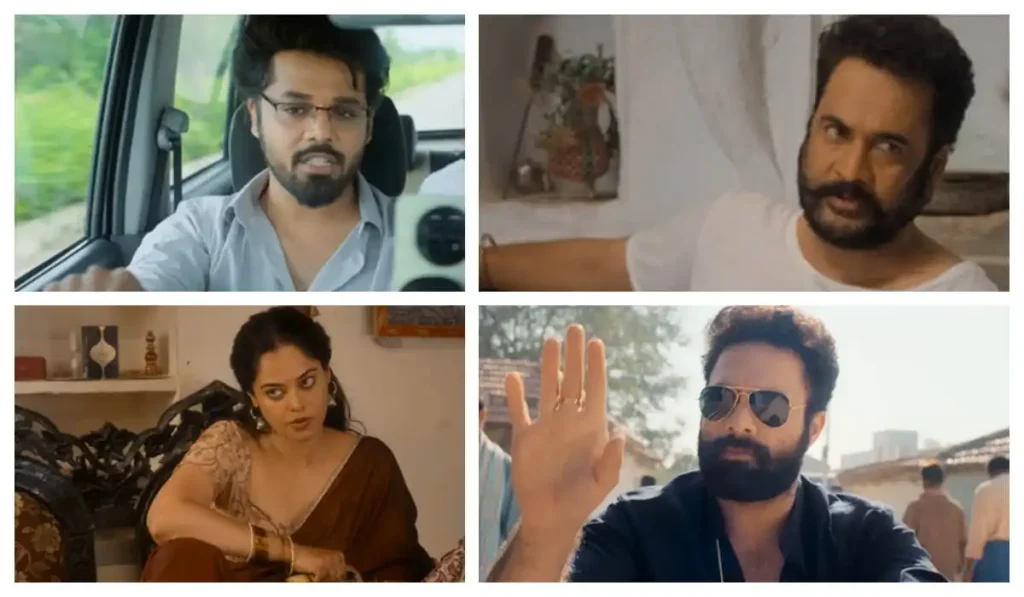
Nandu as the estranged son with different ideology is also good. There is a deep angst in the man which Nandu pulls off successfully. His character Vishnu isn’t perfect by any means: he has his own faults in his attitude towards the daughter character of Bindu Madhavi. A lack of sensitivity can be seen and Nandu nails all these shades. Navadeep plays a frustrated sarpanch with panache. His interactions with the oddball characters amidst the background of a funeral raises ample chuckles though it does take a while getting used to the screwball humor.
At the same time Navadeep’s role has an emotional pay off in the pre- climax. There is an important connection between the movie’s opening scene and the background from which he has become a sarpanch. This leads to an emotionally poignant moment which Navadeep pulls off well. Among the rest Ravi Krishna as one of the doomed lovers is entertaining while also delivering a strong act in a crucial scene of questioning Sivaji’s regressive attitude.
One of Dhandoraa’s flaws is the lack of sufficient build up for the love story. Better writing was needed to make the track more heartfelt. Also, abrupt shift of mood from tragic to screwball humor especially the first half doesn’t always land.
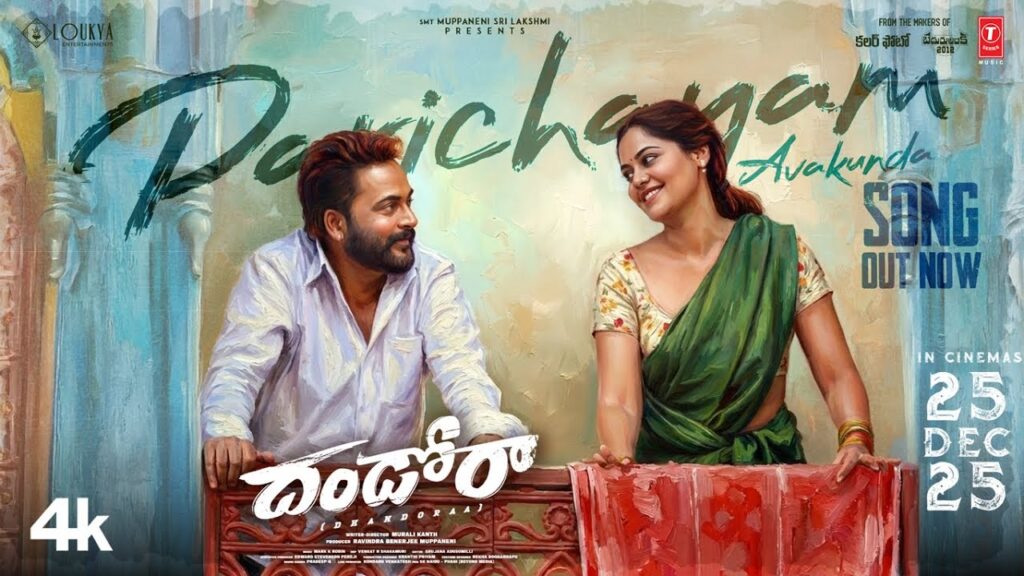
Music by Mark R Robin goes well with the mood of the movie. The song Pilla in particular makes for a good listen and watch. There is also a sad version of the same coming in at a crucial juncture. Venkat Shakumari’s cinematography is suitably rustic giving a lived in experience.
Final word: Dhandoraa is a fine addition to the list of anti-caste narratives. This is a worthy big screen watch especially for the performances and thought-provoking dialogues