O Romeo: An intense concoction of revenge and love with a strong female protagonist

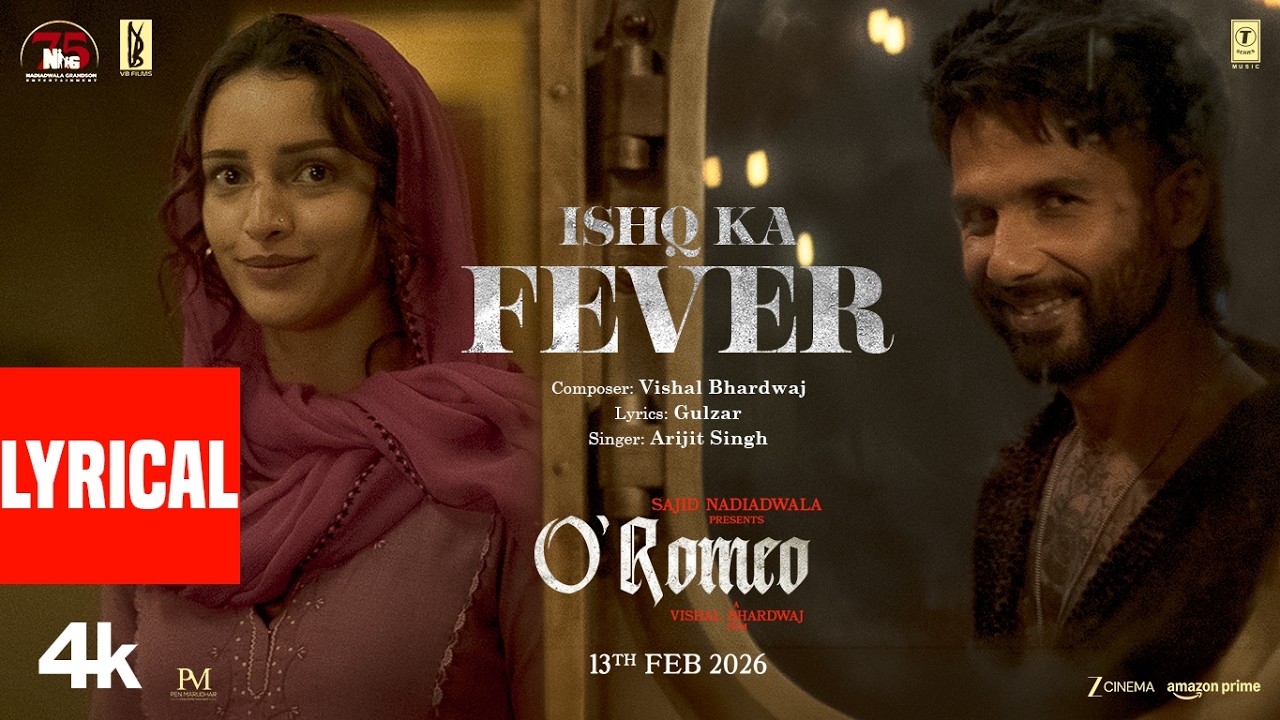
Director Vishal Bhardwaj delivers his most massiest film to date. The best part of O Romeo is the transformation of Tripti Dimri’s Afshan. Her character arc from fragile to driven by vengeance drives O Romeo. Tripti also gets some good action blocks including one where she saves Shahid’s Ustara and she makes complete use of it. The overdose of blood and cuss words though isn’t everyone’s cup of tea

Starcast: Shahid Kapoor, Tripti Dimri, Avinash Tiwary, Farida Jalal, Nana Patekar, Hussain Dalal and others

Genre: Action drama/romance

Based on: Mafia Queens of Mumbai Hussain Zaidi

Story: Hussain Zaidi

Direction, screenplay, music dialogues: Vishal Bhardwaj

Additional screenplay: Rohan Narula

Producer: Sajid Nadiadwala

Production Companies: VB Films and Naidadwala Grandson

Cinematography: Ben Bernhard

Running time: 2 hours and 58 minutes

The works of noted crime and investigative journalist Hussain Zaidi has often been adapted by Bollywood filmmakers. These include chapters from the novel Black Friday and Mafia Queens of Mumbai. Vishal Bhardwaj’s latest is also inspired from the latter’s source material focusing on Hussain Ustara and Sapna Didi. Of course, O Romeo has its fictional elements, but the characters are loosely inspired from a chapter in Hussain Zaidi’s book.

The storyline of O Romeo briefly focuses on contact killer Ustara (a swashbuckling Shahid Kapoor) and a woman hell bent on revenge Afsha (a terrific Tripti Dimri). How romance develops between the two amidst Afsha’s quest for revenge and how this in turn flips Ustara’s life upside down forms a major part of O Romeo. Avinash Tiwary plays the primary antagonist Jalal.

A strong aspect of O Romeo is the world building of Vishal Bhardwaj. The director takes his own sweet time in establishing the world of both Ustara as well as Afsha. How their paths interconnect has been nicely done. Yes, Ustara is a merciless hit man and a womanizer at the same time though he isn’t a one tone character. Both Vishal and Shahid imbibe him with different shades like the scenes of concern towards Afsha or even the portions of vulnerability. The little nuances make him come across as a flesh and blood human being rather than a caricature.

How Ustara gradually falls in love with Afsha has been well written and enacted. The viewers feel the intense love of Ustara when Afsha goes missing for a while. In the case of Afsha too how her back story shapes up the present personality is top notch. Vikrant Massey as the dead husband has a brief but important role. The scenes between Vikrant and Tripti are few, still they play a key role in the audiences connecting to her current emotional scars.

The transformation of Tripti into entering the crime world never comes across as jerky. It has been written and enacted in a layered manner. Tripti is absolutely solid in portraying Afshana’s different shades whether its oscillating between revenge and falling in love again or fighting against the baddies like pre interval action block. Afshana starts off as fragile but finds agency in the world of crime. This aspect in particular makes her an interesting character and Tripti doesn’t miss a single beat.

Shahid as Utsara is purposefully over the top delivering a deliciously unhinged act. He brings in both style and emotional depth as per the requirements. The actor especially shines in the intense scenes with Tripti. Nana Patekar as Utsara’s boss also makes his presence amply felt. The scenes between him and Shahid are filled with dark humor making the viewers chuckle. Farida Jalal as the grandmother has a striking presence especially in the scene of giving an important advice.

Tamannaah Batia as the wife of Avinash Tiwary brings a quiet strength. Avinash Tiwary as the Spanish based don proves to be more than a worthy adversary with his strong personality coupled with the quirky nature. Last but not the least Hussain Dalal is entertaining too as Shahid’s friend/sidekick.

Vishal Bhardwaj’s music with his longtime collaborator Gulzar has an interesting mix. On the one hand there is Ishq Ka Fever and Hum To Tere Hi Liye. Then there are the likes of Aashiqon Ki Colony. This mix makes the soundtrack diverse, and the songs look good on the screen.

Coming to the flaws the second half feels quite stretched with some of the twists. A few revelations like the one involving Tamannah’s character need not have been withheld for so long. Also, the movie tends to become self-indulgent with the overdose of blood and cusswords. The track of Disha Patani too doesn’t add much value to the movie apart from her sensuous moves with Shahid.

Apart from the soundtrack Ben Bernhard’s cinematography also deserves a mention in the technical department. How he captures the notorious world of crime as well as the larger than nature is noteworthy.

Final word: O Romeo is a definite big screen watch in spite of the somewhat overindulgent nature.
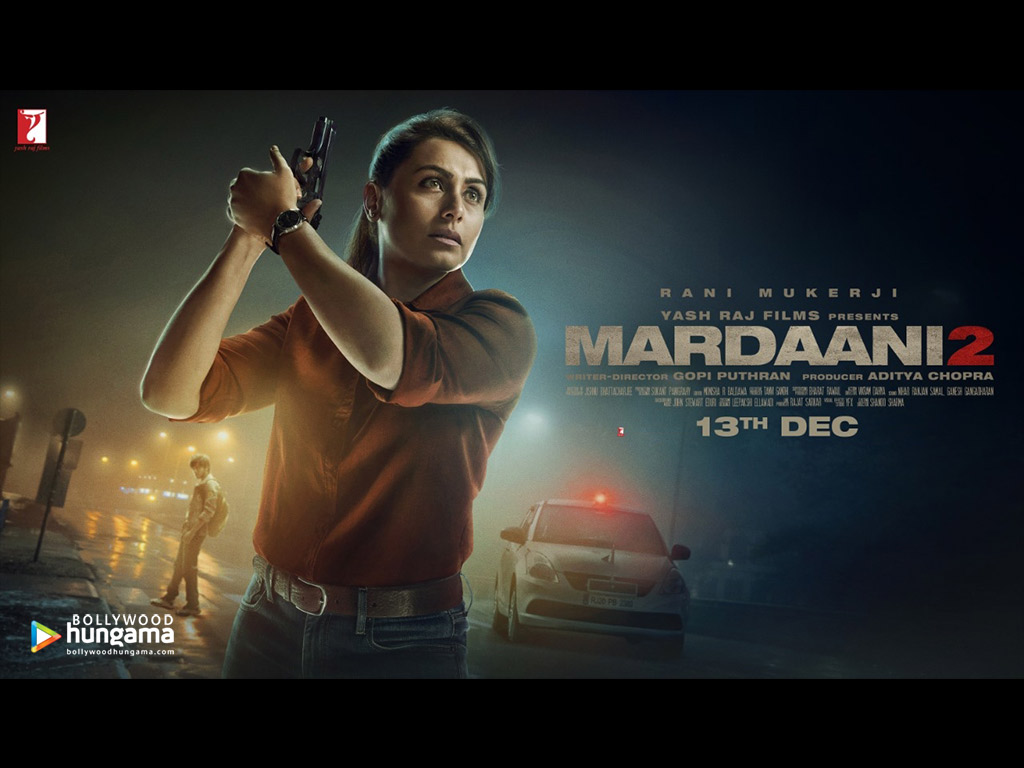
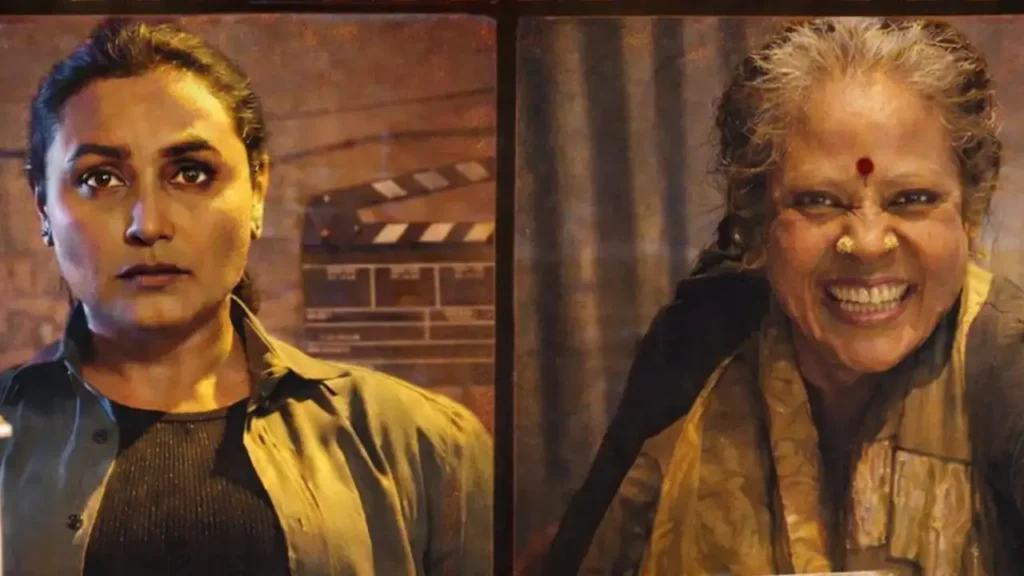
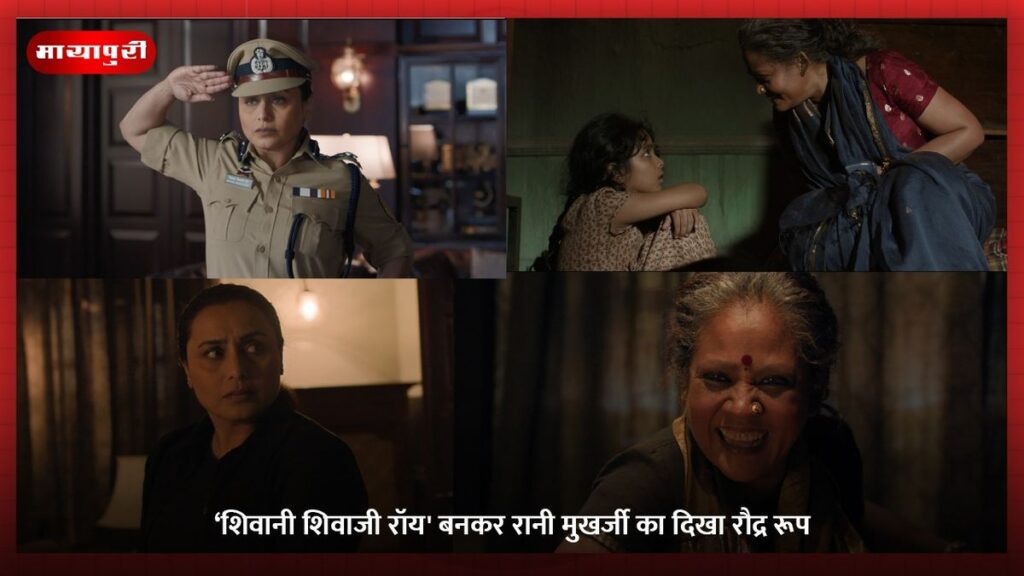
Mardaani 3: Rani Mukherjee roars again

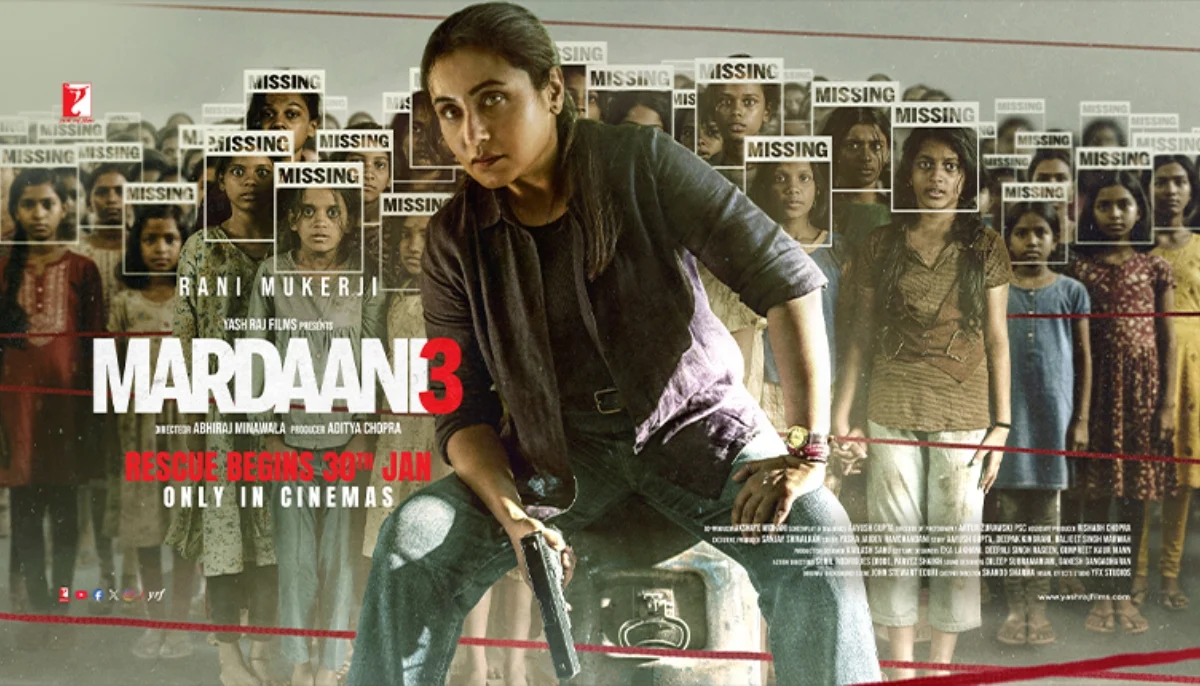
Director Abhiraj Minawala along with the writers bring new dimensions to the general template. The character of Janaki Bodiwala as a determined woman constable gives a fresh angle. The investigation scenes featuring her and Rani Mukherjee gives the movie some of its best moments.

Starcast: Rani Mukherjee, Janaki Bodiwala, Malika Prasad, Prajesh Kashyap, Jishu Sengupta, etc

Genre: Thriller/drama

Director: Abhiraj Minawala

Writers: Aayush Gupta, Deepak Kingrani, and Balijeet Singh Marwah

Cinematography: Artur Zurawski

Producer: Aditya Chopra

Production house: Yash Raj banners

Running time: 2 hours and 10 minutes

The Mardaani movies is a special franchise for how it places a female cop at its center. Yes, the format is more or less the same with psychotic villains and an action-packed showdown with Rani Mukherjee taking on the bad guys. There is also a strong ma Durga symbolism in the climatic moments. Still the three Mardaani films are refreshing in terms of how it balances the protagonists strong fighting spirit with moments of emotional vulnerability.

The third part of Mardaani ticks all the familiar boxes, at the same time there are some fresh aspects too. Apart from Janaki Bodiwala’s character the director has given good psychological insight into the mindset of the villains. How their actions are molded by the corrupt system rewarding human apathy adds an interesting layer to the movie. Mardaani 3 in brief focuses on the major network of human trafficking, in this case underage girls belonging to the lower strata of society. Things are going very smooth for Malika Prasad’s Amma but one kidnapping changes her life upside down. This is connected to the daughter of an influential man. Like the previous girls the men think that she belongs to a poor family, but this one misstep leads to a cat and mouse game between Amma and Rani Mukherjee’s Shivani Shivaji Roy. However, Amma isn’t alone in this there is one more hugely evil person aiding her. How Shivani Shivaji Roy exposes human trafficking network forms the basic premise of Mardaani 3.

A major strength of Mardaani 3 is the crisp narrative structure. This is especially true of the first half. Abhiraj Minawala doesn’t waste any time in setting up the plot. Weather it’s the daredevil nature of Shivani Shivaji Roy or Amma’s dastardly nature. The viewers are immediately hooked on what will happen next. The social commentary underneath the investigative has some powerful moments too. The attitude of the influential father in not caring about the other kidnapped girl gives a clear insight into social inequalities. Even the attitude of senior officers is reminiscent of societal apathy towards the not so privileged.

The meeting of Amma and Shivani Shivaji Roy in the latter’s house is striking too. The backstory gives good psychological insight into how she has become this hardened soul. Apart from Malika Prasad’s intimidating portrayal Prajesh Kashyap’s Ramanujan also leaves a lasting impact. His character comes with multiple shades. Not much details can be revealed but the interval twist springs a major surprise.

Janaki Bodiwala’s Fatima is another interesting aspect of Mardaani 3. She starts off a not so confident young woman restricted to just supplying tea, but Shivani sees a capable person in Fatima. As the film progresses the viewers see Fatima punching above her weight and facing near death situations. Janaki does complete justice to the part showing that her Bollywood debut Shaitaan was no fluke.

Ultimately though Mardaani 3 belongs to the ever-reliable Rani Mukherjee. She has made the character her own and this time too its no different. Rani Mukherjee is absolute fire in both the high intense moments as well the few dramatic scenes. Mention must be made of how Shivani feels emotionally knocked out when unable to save one of the kidnapped girls. The climatic fight has a big ma Durga hangover and Rani imbibes the fiery nature in a first-rate manner.

Jishu Sengupta another regular feature of Mardaani movies has an extended special appearance. He doesn’t have much screen time, but Jishu lends in a lot of warmth especially in an important conversation with Rani. Thankfully the movie doesn’t present all men as monsters. The team of Shivani has compassionate men too.

The second half somewhat suffers to a deja vu of Delhi Crime web show mainly because of women being the antagonists there and here as well. Also, a subplot of Fatima supposedly switching sides isn’t convincing enough. Nevertheless Mardaani 3 has a lot going for it

Coming to the technical departments the cinematography of Artur Zurawski fits the gritty tone. The atmospherics have the required tension especially the dark underbelly of human trafficking and beggar mafia. There is no scope for songs in this one and thankfully there is none. The background music of John Stewart Eduri enhances the action sequences like the pre interval twist and climatic showdown.

Final word: Maardani 3 is a worthy follow up especially for those who like gritty thrillers with impactful social commentary.

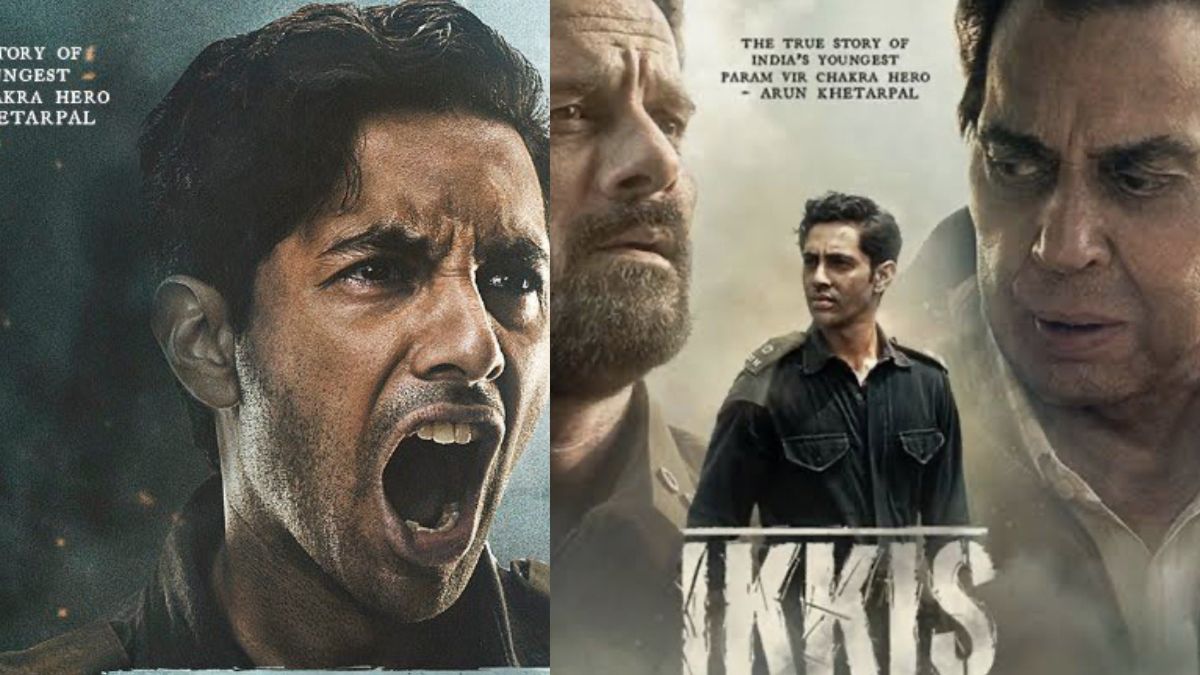
Ikkis: An introspective war drama and a far cry from Dhurandhar’s hyper nationalism

Director Sriram Raghavan successfully charts into a new territory with Ikkis. The film is successful in not just honoring the bravery of Arjun Khetarpal (a Param Vir Chakra hero): but it also explores the aftermath and the human cost of war. Above all though Ikkis is a perfect swan song for the late Dharmendra. The veteran actor brings in an emotional resonance especially in his monologue about the endless cycle of violence. His scenes with the ever-reliable Jaideep Ahlawat gives Ikkis its best moments

Starcast: Agastya Nanda, Dharmendra, Jaideep Ahlawat, Vivan Shah, Sikander Kher, Rahul Dev and others

Genre: Drama

Director and writer: Sriram Raghavan

Additional writers: Arjit Biswas and Pooja Ladha Surti

Producer: Dinesh Vijayan

Production Company: Maddock

Cinematography: Anil Mehta

Music: Sachin Jigar

Running time: 2 hours and 24 minutes

In today’s age of hyper nationalism, the term patriotism is often confused with demeaning our neighbor Pakistan or presenting Muslims in a certain way. Aditya Dhar’s films starting with Uri to Dhurandhar are a perfect example of making movies to please a certain political party. Nuanced depiction of war is hard to fine but Sriram Raghavan achieves a unique feat with his latest Ikkis. The broad story has the familiar tropes of sacrifice and a young man fighting against all odds in the direst of circumstances.

However, within this familiar palate Sriram Raghavan brings in something new. The newness comes from the characterization of Jaideep Ahlawat’s Brigadier Nissar. Nissar is a far cry from the stereotypical Pakistani commanders. There’s a humanness to him and this comes out wonderfully on numerous occasions. The storyline of Ikkis juggles with three different timelines. One timeline is about Agastya Nanda’s Arjun Khetarpal fighting in the war, two the romantic track and lastly the scenes between Brigadier Nissar and late Dharmendra’s M. L Khetarpal. Brigadier Nissar hosts M.L Khetarpal taking him to different places in Pakistan. There is a specific reason for Nissar doing it and this is something to be explored on screen rather than me saying.

The strongest aspect of Ikkis is undoubtedly the scenes between Dharmendra and Jaideep. The movie’s core themes is explored through them. Both these men have fought numerous wars for their respective nations, so they perfectly understand the emotional baggage that comes with it. The scars of a war are always there and this has been wonderfully explored in their conversations. The approach is refreshingly restrained without making it us versus them. M.L Khetarpal like the many partition refugees has his origins in Pakistan but eventually settles in India.

A major reason for Khetarpal’s Pakistan visit is seeing his ancestral home apart from a reunion party with former army mates. For a man who has seen a lot of emotional turmoil he has an upbeat nature brilliantly portrayed by Dharmendra. A special mention must be made of how Khetarpal reacts to Nissar’s confession. There is a remarkable restraint followed by an important monologue on the futility of war and the cycle of violence with its tragic aftermath. The beautiful bond shared between these characters in a short span of time is a delight to watch. In more ways than one Ikkis feels like a Sriram Raghavan’s version of Bajarangi Bhaijaan. Ikkis has a much-needed message of humanity, and this is very important especially in today’s politically divisive environment.

Apart from the late Dharmendra Jaideep Ahlawat is another strong pillar for Ikkis. The fantastic actor never overplays the guilt of Nissar. There is a grace to his overall demeanor and Jaideep nails the different shades especially when he has an important breakdown. Jaideep is truly one of the best actors that we have today, someone who is extremely versatile.

Agastya Nanda as Arjun Khetarpal turns out to be a good choice for the titular protagonist. The rough edges are still there in the scenes of drama nevertheless the young actor makes a good impression: its a performance which is far ahead of the OTT debut Archies. He brings in the right amount of enthusiasm and the required daredevil nature. The romantic scenes though act as a major speed breaker. They have been loosely written, and it doesn’t help that Simar Bhatia is rather flat with her expressions. The songs too by Sachin Jigar belong to a different movie and not this.

In the supporting cast Vivan Shah, Sikander Kher and Rahul are competent especially Vivan playing Arjun Khetarpal’s captain. Agastya and Vivan share a good camaraderie especially in the scene where Vivan advises Arjun on how firing alone doesn’t make someone a man.

Vivan Shah from Ikkis

In the technical department Anil Mehta’s work deserves a special mention. How he has captured the nature of war tanks with a gritty texture is praiseworthy. The action sequences have a different feel to them as you don’t have the usual template of action seen in war dramas.

Final word: Ikkis is a much-needed tale of patriotism without demeaning Pakistan. The thread of emotional baggage across borders makes Ikkis a poignant war drama.

Dhurandhar: A gritty but overstretched spy saga

Aditya Dhar’s second directorial is high on style and solid word building but suffers due to an overblown narrative. The predictable beats of jingoism with Pakistan as the arch enemy gets tiring. Akshaye Khanna steals the show as the swashbuckling Rehman Dakait. He overshadows leading man Ranveer Singh on numerous occasions

Starcast: Ranveer Singh, Akshaye Khanna, R Madhavan, Arjun Rampal, Rakesh Bedi, Sanjay Dutt, Sara Arjun and others

Genre: Action/drama

Writer, director and producer: Aditya Dhar

Additional Producers: Lokesh Dhar and Jyoti Deshpande

Production Companies: Jio Studios and B62 Studios

Music: Shashwat Sachdev

Cinematography: Vikas Nowalakha

Running time: 3 hours and 32 minutes

Aditya Dhar has made a solid place for himself as a patriotic storyteller. Whether its Uri: The Surgical Strike or Article 370. The latter wasn’t directed by Aditya Dhar but he was one of the screenplay writers along with the story. These films are well mounted nationalistic movies making them even more dangerous. Dhurandhar belongs to the same terrain with high pitch nationalism and a solid technical department.

The storyline of Dhurandhar starts off with the 1999 Kandahar episode followed by the 2001 Parliament attacks. This leads to the formation of operation Dhurandhar. R Madhavan is Ajay Sanyal based on National security advisor Ajit Doval. Ranveer Singh is the undercover spy tasked with an enormous responsibility. He has to win the trust of an influential figure Rehman Dakait (a scene stealing Akshaye Khanna). Nothing more can be revealed as the plot is very dense with switching loyalties and backstories.

A strong aspect of Dhurandhar is the recreation of 200’s Pakistan. There is a gritty texture to the depiction of gang wars and Pakistan’s political atmosphere. A major credit for that goes to production designer Saini S Johary. The settings have an authentic tone successfully transporting the viewers. The audiences feel that they are travelling alongside these characters. The cinematography of Vikas Nowalaka is of a good order as well. The way he captures the tension filled atmosphere with a particular lighting as well as the sweeping landscapes is first rate. Shashwat Sachdev’s background score is also rousing. The songs are more experimental than of the popular type, but it goes with the movie’s narrative.

The action chorography is deliberately gruesome: at the same time the way it has been shot especially hand to hand combats is praiseworthy. The climatic faceoff between Sanjay Dutt and Akshaye Khanna particularly stands out. The physical agility of both the actors is commendable.

The performances of the vast ensemble also help this sprawling saga. The ones who stands out are Akshaye Khanna and Rakesh Bedi. Akshaye Khanna has always been a chameleon and here too the actor is first rate. As the Karachi inspired crime lord Akshaye chews the scenery with his effortless acting. There is a magnetic charm about the man in spite of the brutality. In spite of the brutal nature there is also an emotional side: this comes out in an impactful manner during the portions of son’s death, and the actor simply nails the different shades. When Akshaye is there on the screen it’s hard to take your off him. The combination scenes between Ranveer and him is a solid example of this. Rakesh Bedi as the cunning politician also makes a strong impact. His character switches colors like a chameleon and Rakesh Bedi does complete justice to it. The scenes featuring Rakesh Bedi gives Dhurandhar some of its best moments.

R Madhavan as the fictional Ajit Doval brings in an understated gravity. Sanjay Dutt as the Pakistani cop desperate to settle scores with Rehman Dakiat also makes his presence amply felt. Arjun Rampal as the volatile ISI agent is also good with his sinister villainy. Ranveer Singh gets somewhat lost in this huge cast. His character is more internalized and Ranveer does well: however, the killer impact is missing. The actor only comes alive only in the pre climax where he lets it all out.

Sara Arjun as the love interest though sticks out like a sore thumb. More than the glaring age gap what sticks out is how fast her character falls in love with the hero. It happens over an escape from a police raid. The way Ranveer flirts with Sara Arjun’s Yalina is more chessy than romantic. Other than being a moral support for the hero Yalina has nothing more to do. For a nineteen-year-old Yalina has zero interest in doing anything with her life. Infact the movie has no prominent female characters. Another major problem with Dhurandhar is its exhausting length coupled with the familiar anti Pakistan position. The depiction of Pakistan as the hub of all terrorist activities is a done to death trope. It doesn’t evoke much reactions especially for the neutrals who aren’t into Pakistan bashing. The movie also features dialogues which are a throwback to Uri: The Surgical Strike. They come across as cliched rather than rousing.

The second half also meanders with some superficial arcs. Some of the subplots are merely touched as a founding stone for the second part. This results in a certain fatigue making the viewers wish that the film concludes soon.

Final word: Dhurandhar is best enjoyed for those who like gritty action dramas with ample doses of patriotism and let’s hate our neighbor.

Tere Ishq Mein: A headache in the name of intense love

Tere Ishq Mein often feels like a friendship meet between Kabir Singh, Animal and fighter. Aanand L Rai and his longtime collaborator Himanshu Sharma pick elements from various movies: the end result is let’s hate a woman for rejecting the hero, how dare she marry someone else. The problematic representation of mental health also adds to the agony. The cliched use of trauma as a justification for protagonist’s violence is the final nail

Starcast: Dhanush, Kriti Sanon, Prakash Raj, Tota Roy Chowdhury and others

Genre: Romantic drama

Director: Aanand L Rai

Writers: Himanshu Sharma and Neeraj Yadav

Producers: Aanand L Rai, Himanshu Sharma, Bhushan Kumar etc

Production Companies: Color Yellow Productions and T Series Films

Music: A R Rahman

Cinematography: Tushar Kranti Roy

Running time: 2 hours and 49 minutes

There is a very thin line separating intense love and celebrating problematic characters under the disguise of romance. Mohit Suri’s Saiyaara was an intense romantic drama done right. Yes, Ahaan Pandey’s Krish Kapoor starts off as a hot-headed young man with temper issues: however, the second half sees a major change with the hero becoming a devoted boyfriend putting his love above the need for fame. By the end the hero strikes the perfect balance between ambition and standing for his love. Tere Ishq Mein on the other hand has very harmful gender politics. The hot-headed nature of Dhanush’s Shankar is often passed as heroism and deep love.

The storyline of this convoluted mess begins with a scene firmly establishing the hero’s aggressive nature. Shankar (an intense Dhanush) is a fighter pilot facing disciplinary action. Shankar needs a mental health certificate clearance stating that he is fit to participate in an ongoing war. Kriti Sanon plays a supposed psychologist Mukti which is more unintentionally funny. Mukti has a complicated past with Shankar: this is revealed gradually with numerous flashbacks.

Looking for positives in a train wreck like this is similar to searching for a needle in Haystack. Still to give credit where its due Prakash Raj as Shankar’s concerned father strikes an emotional chord. The veteran actor especially shines in the sequence of pleading with Mukti’s father (a suitably arrogant Tota Roy Chowdhury). There is also a very poignant father and son moment explaining why Shankar becomes a fighter pilot instead of pursuing UPSC. Tota Roy Chowdhury as the upper-class aristocrat has a strong presence. His attitude towards Shankar has a condescending nature but as a father it’s understandable why he wouldn’t want a guy like Shankar to be his son- in- law. It also doesn’t help that Shankar continues to be a proud alpha.

Dhanush as Shankar brings his trademark earnestness. The south Indian accent along with the character’s nature stops the viewers from being completely invested. But Dhanush’s efforts as a performer cannot be faulted. He is especially good in a heartbreak sequence involving Kriti. The questions that he asks about Mukti using him as a guinea pig for her psychological study of violence is genuinely good.

As far as the flaws are concerned the basic premise is the biggest problem. Mukti’s obsession with getting her thesis done and a certain overconfidence on her ability’s reeks of stupidity. She is very much aware of Shankar’s temper and how dangerous he can be: In spite of being aware Mukti invites self-trouble. As a professor rightly says Mukti could have chosen another subject area for PHD thesis rather than I will go out of my way to reform a violent man. This in itself becomes a major obstacle for sympathizing with Mukti. Also, the character graph from a confident young woman to walloping in self-destruction has many tonal problems.

For a supposed psychologist Mukti has zero control over her emotional turmoil. There are numerous sequences of her drinking and vomiting. This happens even when she is pregnant. As a viewer you really feel for the on-screen husband who in spite of knowing her complicated past and an inability to get over stands with her.

Shankar for all his temper issues at least becomes a fighter pilot which is a huge improvement from Raanjhanaa. The entire arc of Mukti in simple terms is spinless. This is in a very sharp contrast to a movie like The Girlfriend where Rashmika’s Bhooma goes from timid to assertive. Even Shivani Nagaram’s Khathyayani in Little Hearts does a much better job in handling pressure and exercising her choice. Kriti tries her best but there isn’t much she can do with a self-defeating woman like Mukti.

There is also a forced link with Raanjhanaa with an extended special appearance of Mohammed Zeeshan Ayub. His attempts at philosophical puns on Shiva and Mukti is completely out of place. It irritates the viewer’s big time. Both the writing and the dialogues don’t help. The portions of Dhanush pursuing UPSC is also very shabbily done. It will make the fans of 12th fail movie squirm in their seats.

Finally, Tere Ishq Mein’s attempt at handling different threads like class differences, Emotional trauma due to a loss of parent etc. is simply surface level. Most of it is used for convenient dramatic moments.

AR Rahman’s music works in parts. The theme song coupled with a Sufi track Deewana Deewana is striking. Tushar Kranti Ray’s cinematography is effective in capturing the different moods of the movie.

Final word: Watch Tere Ishq Mein only if you are in the mood for heartbreak and are fans of doomed love stories.

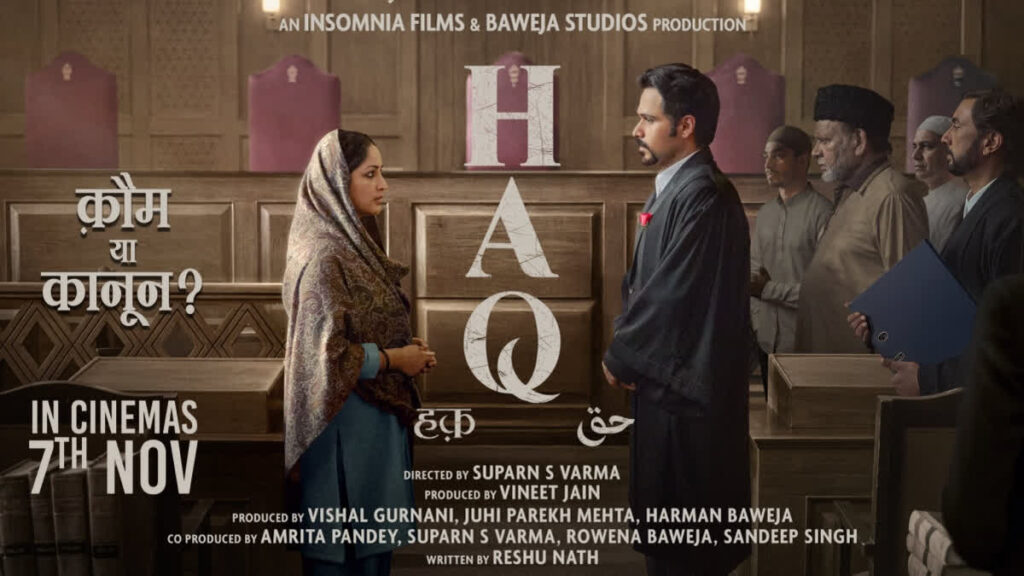
Haq: A gripping tale of perseverance and fighting for one’s rights

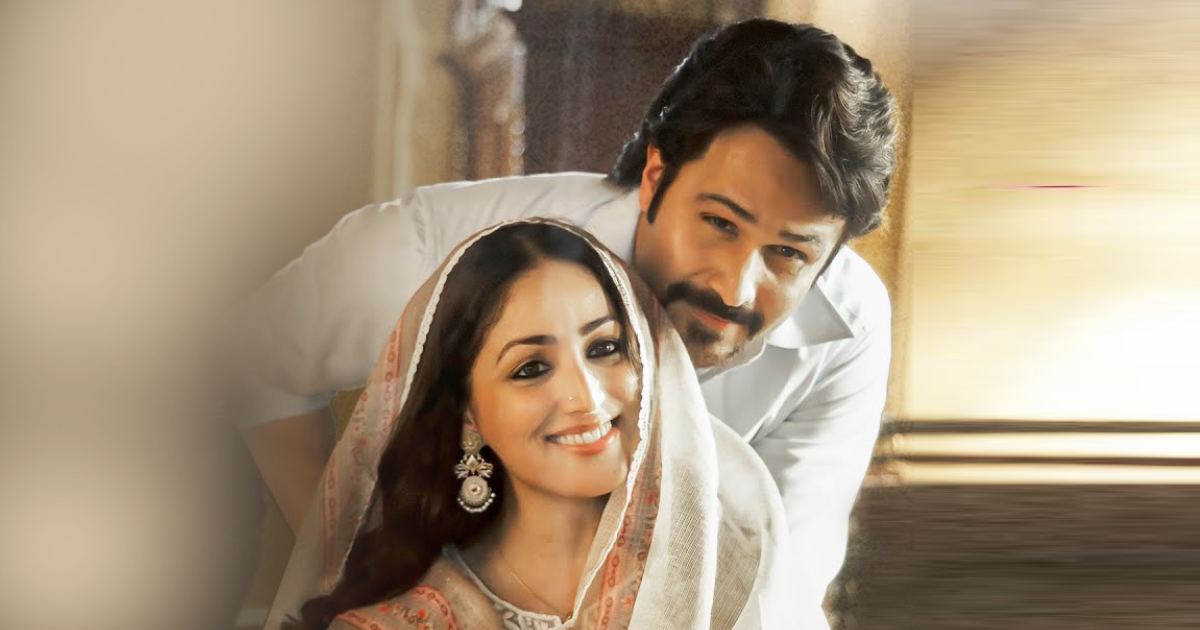
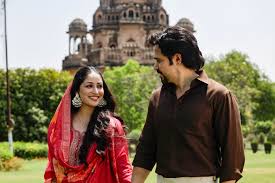
Director Suparn Verma does an excellent job in making sure that the movie doesn’t end up demonizing the Muslim community. It’s more about men twisting laws and using religion as an excuse to have their way irrespective of the faith. Yami Gautam as Shazia Bano is excellent as is Emraan Hashmi who has the trickier part. Both the writing and Emraan make sure that the husband doesn’t slip into a caricature

Starcast: Yami Gautam, Emraan Hashmi, Danish Hussain, Sheeba Chadda, Vartika Singh and others

Genre: Drama

Director: Suparn Verma

Writer: Reshu Nath

Based on: Bharat Ki Beti novel Jigna Vora

Producers: Harman Baweja, Vishal Gurnani and Juhi Parekh Mehta

Production Companies: Baweja Studios, Insomnia Films and Junglee Pictures

Cinematography: Pratham Mehta

Music: Vishal Mishra

Running time: 2 hours and 16 minutes

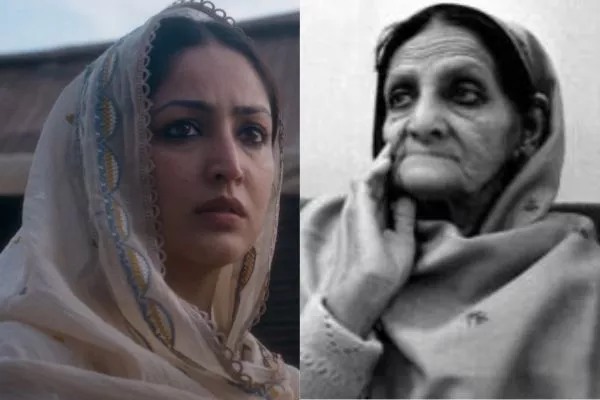
The landmark Supreme court judgement of Sha Bano upholding her rights of maintenance is a very significant one even today. Of course, the entire scenario took a political turn as well making it a matter of national debate; but beyond that it become a milestone case for women’s rights in this case an Indian Muslim. It raised questions about gender equality and protecting women’s rights. Haq directed by Suparn Verma and written by Reshu Nath successfully brings alive the long and arduous battle of Sha Bano with Yami Gautam playing Shazia. Emraan Hashmi is Shazia’s husband turned adversary Abbas.

The story of Haq in simple terms focuses on the emotional turmoil faced by Shazia (an excellent Yami Gautam). Everything seems perfect with a loving husband and children, but her life goes upside down with Abbas (Emraan Hashmi) doing second marriage. Shazia as expected is very angry with her husband’s actions. She tries to make peace with the situation but that becomes difficult as Abbas gives little to no attention for Shazia. She takes the decision of going back to parent’s house. The situation takes a major dramatic turn when Abbas cuts of all ties starting with the children. He stops giving the maintenance money and then comes the divorce with just the three words Talaq. This is the story in brief.

A strong aspect of Haq is the gradual revealing of different layers. Suparn Verma first establishes the happy moments of their married life. Abbas isn’t painted as a complete jerk. There is a visible romantic side in the initial scenes like the portion involving Shazia’s wish of wanting a rose garden. Gradually though things start to change after two children. He spends more time in the office giving not much time for her and children. Even when Shazia calls to talk about important matters Abbas asks her to not disturb and handle things on her own. The seeds of a scarred marriage start from there and take a full shape with the arrival of Vartika Singh’s Saira.

As a result of this layered writing the transformation of Abbas doesn’t come as jerky. The battle of Shazia has also been depicted well both in the terms of direction and Yami’s solid act. The role has the perfect mixture of vulnerability and a mother’s fighting spirit. A specific mention must be made of the emotional scenes where Shazia questions her husband. The dialogues are power packed, and the performances of both the actors make it even better.

Emraan Hashmi though has a trickier role as already mentioned. Abbas could have easily slipped into an over-the-top villain but Suparn Verma along with Reshu Nath give a psychologist insight into a man trapped in a sense of entitlement. Someone who refuses to see his wrong doings. There is also a sense of tragedy to Abba’s downfall. This is wonderfully captured in the moment where the one of sons doesn’t even make eye contact with the father. There is a palpable pain in the way Abbas talks about this to Shazia before the landmark Judgement. Emraan does an excellent job in capturing the little nuances.

The biggest victory of Haq though is that it never demonizes the Muslim community. The battle of Shazia Bano has a universal touch not restricted to a particular religion. Its more about men reinterpreting laws as per their convenience and using religion as a tool to hide behind their regressive thought process.

The dialogues are also power packed. The best of the lot involves a conversation between Shazia and Abba’s second wife. Shazia gives an important message on the need for respect in a relationship and how that is sometimes equally important. Vartika Singh as the second wife has a dignified presence and thankfully the movie doesn’t turn into two women fighting over one man. There is a wonderful moment involving the two when Saria places a basket of vegetables for cooking. This happens after Shazia starts facing social ostracization. Similarly in another moment she strongly says to Abbas about Shazia being right which obviously doesn’t go down well with the husband.

Danish Hussain as the supportive father is also wonderful to watch. The way he boosts Shazia’ ‘s spirit when the chips are absolutely down is a treat to watch. Through him the movie gives a progressive Muslim man. Sheeba Chadda as Shazia’s lawyer is excellent too in the courtroom scenes. Assem Hattangady as Faraz Sayeed is fine as well. The way he stands with Sheeba Chadda’s Bela Jain in spite of certain misgivings is nice to watch.

There isn’t much place for music in a movie like Haq but an important romantic number between Emraan and Yami has been smartly integrated. The song Qubool has a lovely melody establishing how happy they were. Pratham Mehta’s cinematography is successful in taking back the viewers to those times. The atmospherics have a lived-in feel.

As for the flaws the final courtroom arguments have a rushed feel. Also, the heavy use of Urdu in some sequences can be hugely distracting.

Final word: Haq is a very relevant tale with the issues being the same even today. On a side note, its great to see two women centric narratives the Girlfriend and Haq in the same week.

Thamma: Rashmika Mandanna steals the show in this gender bender

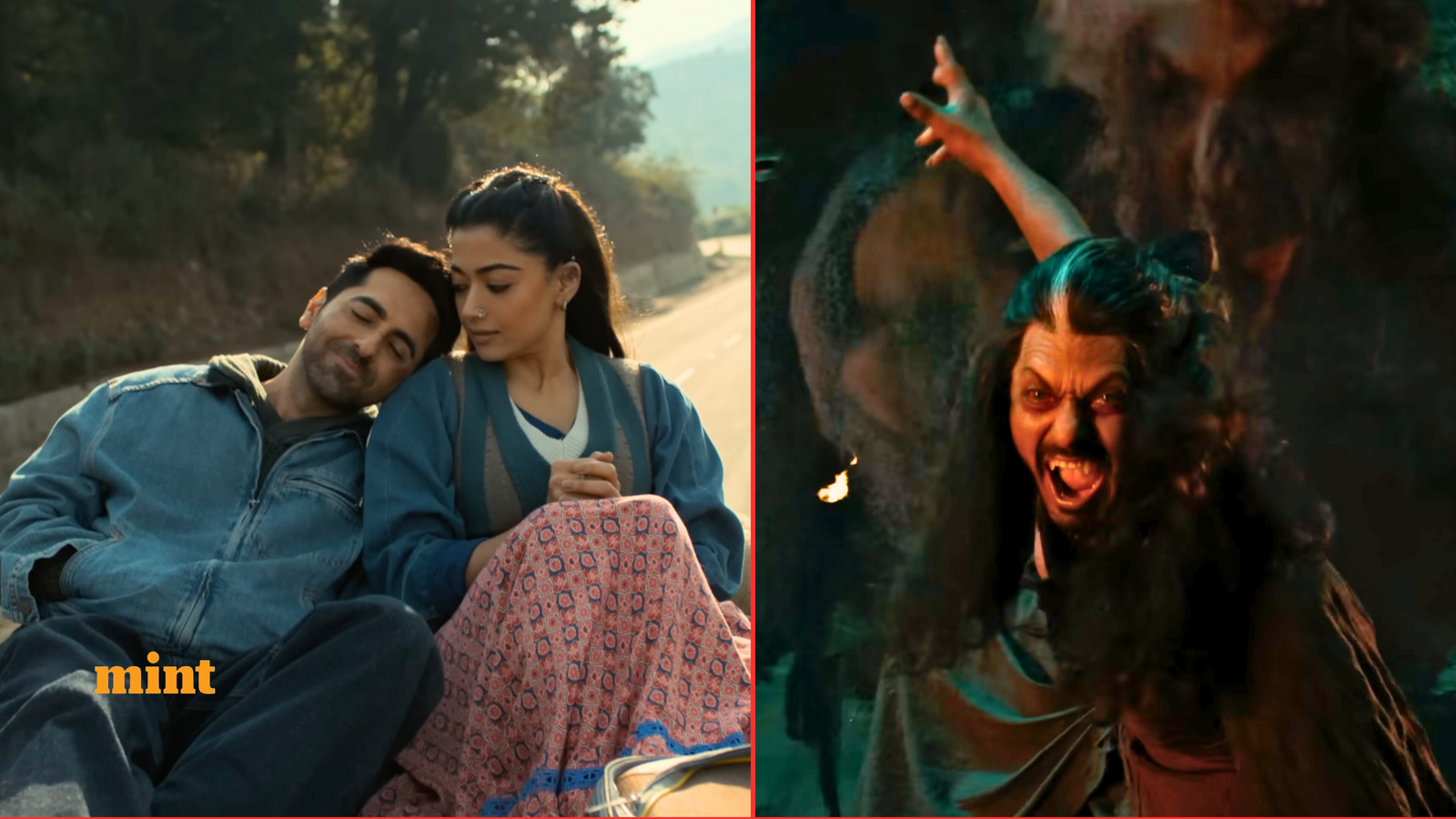
Director Aditya Sarpotdar for most part reverses the knight in shining armor trope with Rashmika’s character of Taraka/Tarika. The role has the perfect mix of vulnerability and fierceness in equal measure. Thamma is a welcome change from the usual Maddock horror comedy even though the concoction of scares and laughs doesn’t hit the high notes of the Stree movies. Ayushmann Khurrana also brings his usual finesse especially in the second half when his character is caught between two worlds

Starcast: Rashmika Mandanna, Ayushmann Khurrana, Paresh Rawal, Nawazuddin Siddiqui, Faisal Malik and others

Director: Aditya Sarpotdar

Writers: Niren Bhatt, Suresh Mathew and Arun Fulara

Producers: Dinesh Vijan and Aamir Kaushik

Production Company: Maddock Films

Cinematography: Saurabh Goswami

Music: Sachin Jigar

Running time: 2 hours and 29 minutes

Genre: Romance/horror

The horror comedy universe for Maddock has been its most successful business venture. The two Stree films along with Munjya have done fantastic numbers at the box office. Even Bhediya did fair business at the box office. This universe is expanding further with newer actors and fresh storylines. Thamma is the latest addition with crossovers from the movies mentioned above. Thamma varies from the previous films of this space as the beating heart is the love story between two people belonging to vastly different worlds. At the same time there is also a set formula in its treatment of horror with laugh out moments. This two way approach doesn’t always work nevertheless Thamma makes for an interesting watch.

Thamma is essentially the journey of two lovers having to battle many odds. Ayushmann Khurrana is a small-time reporter Alok Goyal. While roaming in the forest Alok is confronted with an animal. A scared Alok runs away and his path crosses with Rashmika Mandanna’s Taraka/Tarika. Taraka is a mysterious woman belonging to a mythical world. A situation comes when Alok is offered as a sacrifice to Nawazuddin Siddqui’s Yakshashan. Yakshashan was once upon a time a leader of the demi humans. Now he is a chained prisoner. Taraka breaks the rules of the tribe by following her heart. She saves Alok and runs away with him. This sets the clash between two opposing worlds.

A strong aspect of Thamma is the love story between Alok and Taraka. It does take a little to warm up but soon the romance gathers momentum. The sweet nature of Alok and how he falls in love with Taraka has been both well written and enacted. The revelation of who Taraka actually is and the origin story comes in at the right juncture. There is a reference to the horrific partition when Taraka talks about a group called betaals. This tribe follows a strict rule which is never kill humans and drink their blood. The reason is they consider the human blood to be poisonous. This happens after they come across a charade of dead bodies with people slaughtering each other in the mayhem of partition.
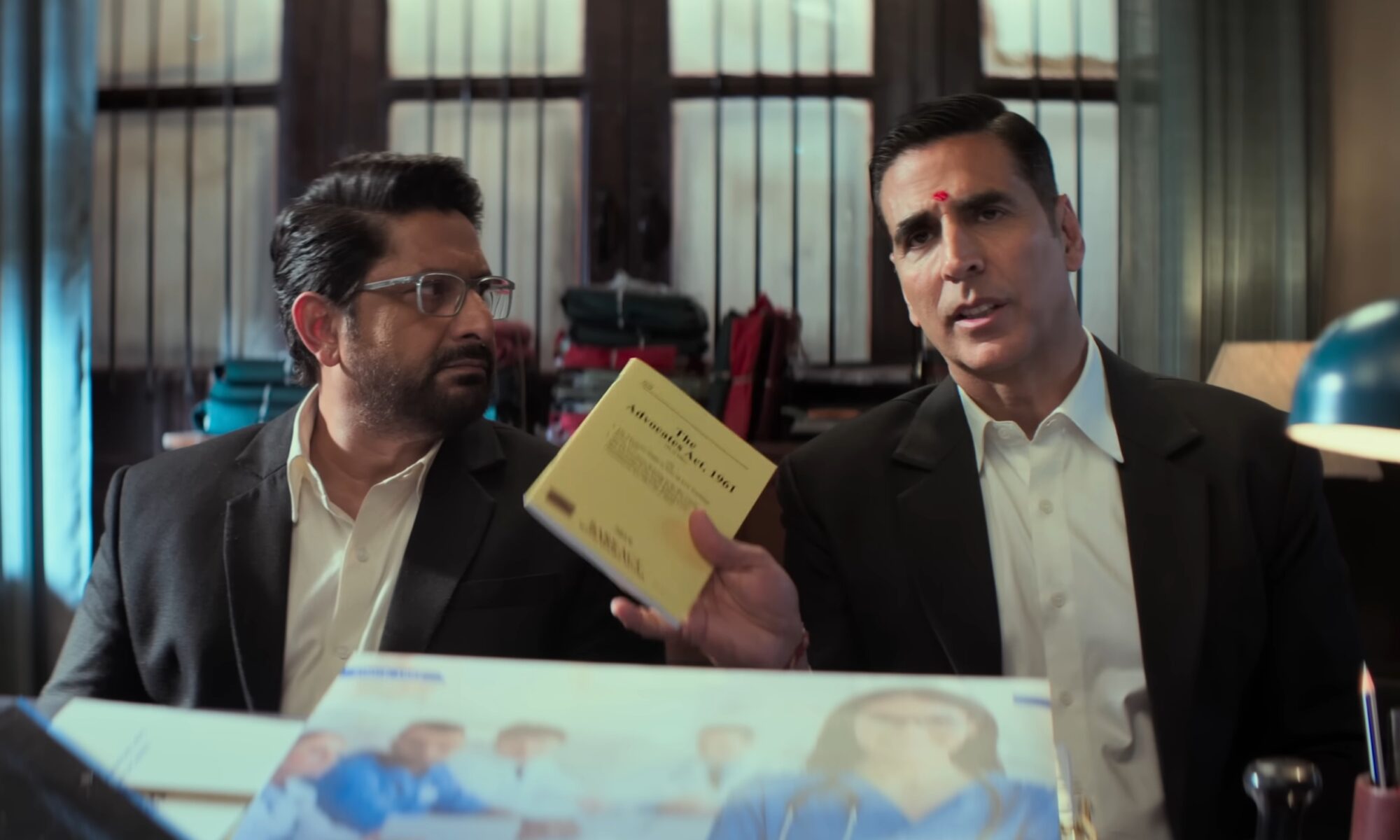
The biggest strength of Thamma though is the character design of Rashmika Mandanna’s Taraka coupled with her performance. Unlike the Stree movies Rashmika Mandanna here is much more than just a mysterious woman. For a large part of the film Rashmika is the protector of Alok fighting tooth and nail for her love. The character is both ferocious and also tender as the situation demands and Rashmika nails both these shades. The actress also gets to do some action like the sequence with a group of boys chasing Alok and her after a party. In spite of a slightly drunken state Taraka gives a sound beating to the guys.

Ayushmann too comes into his own when Alok turns into a Betaal himself. The actor does a wonderful job in conveying both the initial shock and also accepting the new identity. Paresh Rawal as the scared father raises some chuckles. At the same time the veteran actor also shines in the few emotional sequences. A special mention must be made of the sequence where he encourages Alok to not give up saying that he has accepted Taraka as his daughter in law. However, the reference to late Amrish Puri’s dialogue in DDLJ and an Ayushmann bava feels forced. Nawazuddin Siddqui’s character as the comic villain needed more depth in writing nevertheless Nawazuddin chews the scenery coming up with a wonderfully eccentric act. Faisal Malik as a betaal turned cop is also good.

The crossover characters have also been smartly integrated. Whether its Abhishek Benarjee from the Stree and the Bhediya movies or Satyraaj in Munjya. These roles aren’t confined to filers. They play an important role in connecting the dots. Varun Dhawan as Bhediya gets a roaring entry too. His fight sequence with Ayushmann has been wonderfully choreographed. Saurabh Goswami’s cinematography is of a very good order whether it’s the haunting wilderness or the more tender moments.

Sachin Jigar’s music falls significantly short of Stree 2. The special dance numbers stick out like a sore thumb. But the duo do redeem themselves with Tum Mere Na Hue and Rahien Na Rahien hum.

Final word: Thamma is an interesting addition to the growing Maddock horror universe. Inspite of some bumps the movie makes for an engaging watch.

Homebound: A searing tale of friendship and politics

Returning back to the big screen after a huge gap Neeraj Ghaywan once again shows his ability in delivering socially relevant tales. Homebound is notches above Masaan in more ways than one: the angst is more, and the politics more in your face but highly effective. Homebound benefits immensely from the solid on screen friendship. The viewers feel the everyday marginalization felt by Vishal Jethwa’s Chandan and Ishaan Khattar’s Shoaib. The heart of Homebound though lies in the second half when it tackles the plight of migrant workers

Starcast: Vishal Jethwa, Ishaan Khattar, Janhvi Kapoor, Harshika Parmar, Shalini Vasta and others

Genre: Social drama

Story: Basharat Peer, Neeraj Ghaywan and Sumit Roy

Direction, screenplay and dialogues: Neeraj Ghaywan

Additional dialogues: Varun Grover

Based on: A friendship, a pandemic and the death beside the Highway article by Basharat Peer

Cinematography: Pratik Shah

Music: Benedict Taylor, Amit Trivedi and Naren Chandavarkar

Producers: Karan Johar, Somen Mishra, Adar Poonawala etc

Production Company: Dharma Productions

Running time: 2 hours and 2 minutes

In the last few years Dharma has seen a massive shift in terms of the diverse stories and filmmakers who come with strong voices. This is very apparent with films like 2024’s Kill and this year’s Dhadak 2 along with Homebound. All these movies have a social voice especially in the case of last two. In both Dhadak 2 and Homebound the plight of the marginalized form the central core: both these movies aren’t afraid to wear their politics on sleeves dealing with thorny issues which don’t find much representation in mainstream pan masala cinema.

Homebound is inspired from a devasting real life incident. A tragic story of two friends who like the numerous migrant workers had to walk long distance during the harrowing COVID pandemic. Out of the two only one makes it. An article about this was written by the noted writer Basharat Peer. Taking this as a base director Neeraj Ghaywan along with Sumit Roy and Basharat himself add different social dimensions.

In simple terms the story of Homebound primarily focuses on two childhood friends played by the excellent Vishal Jethwa and Ishaan Khattar. Both of them go after a police constable job promising them dignity which has been long denied due to their social backgrounds. Ishaan Khattar plays a young Muslim man facing religious taunts. Vishal Jethwa on the other hand is Chandan a Dalit boy afraid of embracing his true identity. Janhvi Kapoor plays Sudha Bharati. Much like Chandan she is also a Dalit but with a better economic background. Sudha is a strong believer in the Ambedkar philosophy: she constantly eggs Chandan to complete his studies so that he will be in a stronger position. This is the story in brief.

The best part of Homebound is the strong on-screen friendship. There is a lived in feel to the scenes featuring Vishal and Ishaan. Their moments together whether it’s the light ones or the more intense portions when Shoiab doesn’t make it has been brilliantly written and enacted.

Through the two friends the film delivers a hard-hitting tale on the everyday discrimination faced by the marginalized. For example, there is a scene where Chandan goes to check about his exam results. An official asks Chandan which category he applied. To this Chandan replies general category hiding his true identity. This is followed by the official going on a rant about reservation in a tone reminiscent of the numerous upper-class people who feel that reservation is a regressive thing.

Similarly in the case of Shoaib he too faces the brunt of being a Muslim. There is a scene of Shoaib going for an office party. A cricket match between India and Pakistan is going on. Like the other people in party Shoaib is also happy about India winning however his seniors chide him with the term Lahore implying that he is sad about Pakistan losing. All this hits the viewers hard especially those who are into serious cinema.

The love story between Chandan and Sudha also has interesting dynamics. As already mentioned, Sudha is financially better off than Chandan and this shows in her confident persona. Through Janhvi Neeraj shows a more empowered Dalit with a strong voice. Janhvi doesn’t have much heavy lifting to do but she plays the part with the required confidence. Her scenes with Vishal bring a much-needed lightness to the otherwise grim proceedings.

In the second half the plot goes from caste to the plight of migrant workers. The movie makes the viewers ponder on how lucky we were safe in our homes. The visuals of the sudden lockdown imposed and migrant workers desperate attempts to get away will definitely stir a strong emotion. In these segments the touch of Basharat Peer is very apparent.

The movie doesn’t directly critique the government but for those who read between the lines the administrative failure is very palpable. The moments leading up to Chandan’s death has also been brilliantly staged. There is an important conversation just before he gets sick. He talks about his future aspirations which include completing his studies among other things. This adds to the tragedy later on. The pre climax scene with Shoaib desperately wanting to save his friend by egging him on is so emotionally riveting. Ishaan Khattar as Shoaib especially shines in this sequence making you wish that the real-life scenario had played out differently. With his portrayal of Shoaib Ishaan once again shows why he is such a fine talent. Vishal Jethwa is also equally good in portraying the angst and anguish of a lower caste man who is afraid to embrace his true caste identity. Mention must also be made of Harshika Parmar as Chandan’s sister. She brings in a quiet strength in the sequence where her character reminds Chandan about how she never had the opportunity of going to college unlike her brother. Shalini Vatsa as the mother is equally good in spite of the brief screen time.

Pratik Shah’s cinematography is solid too. He does a very fine job in capturing the lived in atmospherics. The costumes and production design are also in perfect sync making Homebound a technically solid product as well.

Final word: Its no surprise that the movie received a 9-minute standing ovation at the Cannes Festival.

Jolly LLB 3: A plea for saving farmers and the journey of social consciousness

Director and writer Subhash Kapoor takes a familiar route particularly in how the protagonists evolve. The third part lacks the freshness of the last two, still it remains a compelling watch for the issues explored and the performances of the core cast. Akshay Kumar and Arshad Warsi as the bumbling Jolly’s undergoing a change do a fine job: But Saurabh Shukla is the show stealer raising laughs as well as lending gravity in the serious moments.

Starcast: Akshay Kumar, Arshad Warsi, Saurabh Shukla, Seema Biswas, Gajaraj Rao, Seema Biswas and others

Genre: Comedy/drama

Director and writer: Subhash Kapoor

Producers: Alok Jain and Ajith Andhare

Music: Anurag Saikia, Vikram Montrose etc

Cinematography: Rajarajan Ramabadran

Production Companies: Star studio 18 and Kangara Talkies

Running time: 2 hours and 37 minutes

The Jolly LLB series is one of its kind franchise. Generally, movies related to comedy and action are developed into a series of films. But Jolly LLB movies are an exception as the stories dwell into the different types of problems effecting a common man. The heroes in these films aren’t the usual idealistic ones. They are grey shaded characters undergoing a gradual change.

Jolly LLB 3 pretty much sticks to this formula. This time around its corporates usurping farmers land in the name of globalization. Arshad Warsi and Akshay reprising their roles from the previous movies are at constant loggerheads. Both of them suffer from lack of substantial clients. This results in constant tussle with each trying to outwit one another in search of fame. However, things take a major dramatic turn with the entry of Seema Biswa’s Janaki. Saurabh Shukla continues to be the adorable judge often exasperated with the two central lawyers but at the same time being considerate too.

A strong aspect of Jolly LLB 3 are the courtroom portions. The series of dramatic exchanges between Akshay Kumar and Ram Kapoor who represents the industrialist Haribai (Gajraj Rao) have the right amount of spark. They are often intense making the viewers ponder on the pitiable condition of farmers. At times the movie slips into a melodramatic space with the district magistrate having a change of heart: this particular portion is wobbly. But the core relevance helps it tide over.

Saurabh Shukla as the Judge Sundar Lal Tripathi continues to be a major highlight. The veteran actor raises ample chuckles specially in a conversation with the two Jolly’s. He tells them in detail about the high stress caused by the two. The third part also gives a peek into the romantic side of Sundar Lal and Saurabh Shukla aces it.

Apart from the chuckles he also lends in a certain seriousness whenever required. For example, there is a scene involving constitutional values and respecting its spirit. In simple terms Saurabh Shukla is the major ace of this franchise.

Seema Biswas as the widow Janaki rallying for justice is the only female character with some weight. As expected, Seema Biswas nails the role with her piercing gaze. She communicates a lot with her eyes. Gajraj Rao as the typical industrialist also makes for a suitably despicable villain. The character graph isn’t the most innovative, but he brings in an understated menace. Ram Kapoor also makes his presence amply felt as a rich advocate fighting for a wealthy industrialist.

As the two Jolly’s Arshad Warsi and Akshay Kumar play their parts with practiced ease. Akshay gets the bigger arc though with some fiery arguments. The scene where he talks about farmers subsidies being dismissed as Khairat (charity) deserves a particular mention. Arshad Warsi comes alive in the final monologue where he talks about farmers always being the scapegoats in the name of economic progress. An expectation that they should give their lands without any complaints.

Amrita Rao and Huma Quereshi as the respective wives have a lovely presence but in the larger scheme of things they don’t have much to do. The personal lives of both Jolly has zero noticeable moments. The music is another sore point specially an emotional song meant to stir the viewers. Some scenes like the two heroes coming on a camel disturbing a racing competition is also clumsily staged.

Final word: Jolly LLB 3 is a worthy addition to this growing franchise in spite of some lags.

War 2: Watchable but doesn’t quite justify the tag of a popcorn entertainer

Hrithik Roshan and Junior NTR from War 2. The two stars lift the movie above the bumoy screenplay with their screen presence and performances

Ayan Mukherj’s War 2 is a significant improvement over the last spy installment Tiger 3 but the film relies heavily on gloss over substance. The absence of our neighbor and go to nation Pakistan is welcome but there is no escaping patriotism with the repletion of lines India first. Ayan’s direction shines best in the portions of high voltage clash between the two stars and also a poignant flashback in the second half

Starcast: Hrithik Roshan, Junior NTR, Kiara Advani, Anil Kapoor and others special appearance (Bobby Deol)

Genre: Action/thriller

Direction: Ayan Mukherji

Screenplay: Shridhar Raghavan

Story and Production: Aditya Chopra

Dialogues: Abbas Tyrewala

Cinematography: Benjamin Jasper

Music: Pritam

Production House: Yash Raj Films

Running time: 2 hours and 50 minutes

When EK Tha Tiger released in 2012 the movie was one of its kind, a love story between an Indian and Pakistani spy and how they have a happily ever after by crossing the various hurdles of both raw and ISI. There was a certain groundedness to the character of Salman while keeping the larger than life image intact. As the spy movies have increased with addition of new actors and larger set pieces the charm is somewhat reducing and the latest installment is a perfect example of this.

War 2’s director Ayan Mukherjee started his career with rom coms but Bramhastra Part 1 marked a significant shift with a larger than life scale and an ambitious plot. In spite of the striking visuals Ayan’s inability to handle a scale of that nature was very visible. In War 2 the director is more in control specifically in his handling of the two stars, but in terms of delivering a perfect popcorn movie Ayan still has miles to go.

The plot of War 2 focuses on Kabir (Hrithik Roshan) coming into contact with a deadly cartel called Kali. This syndicate consists of numerous individuals, they want to cause severe harm to the nation. In a shocking turn of events Kabir kills his father like figure and RAW chief Luthra (Ashutosh Rana). The assassination of Luthra leads to the introduction of Junior NTR’s Vikram. Vikram along with some more are assigned to bring Kabir down. This is the story in brief without giving away much of the twists and turns.

A strong aspect of War 2 are the twists and turns related to the characters of both Kabir and Vikram. In the beginning portions the audience have the feeling that Kabir has really gone rouge, an important dialogue featuring Ashutosh Rana and him spiting on Hrithik’s face saying that I had brought you up as a son and you turned into a betrayer raises the curiosity of the audiences.

Even in case of Junior NTR’s Vikram the role comes with different shades. He is shown to be a brave and a honest agent till the interval, at one point Kabir and Vikram team up as partners too after Kabir makes an important closure about why he is doing what he is doing.

The interval bang with a surprising reveal ends the first half on a high. The beginning portions of the second half featuring a key flashback has a strong emotional weight. This flashback establishes how Kabir and Vikram then known as Raghu came into contact developing a friendship bond. The two do stealing for a living, however one major incident in a remand home changes everything. The personalities of the two and how in the present they are up against each other has been well connected.

The film also benefits from the strong performances of both Hrithik and Junior NTR. As Kabir Hrithik combines his hunk like presence with emotional vulnerability. The actor specifically shines in the scenes of showcasing Kabir’s moral dilemmas and a certain loneliness from operating in the shadows. Junior NTR as Vikram/Raghu also does a fine job in his Bollywood Debut. He pulls off the grey shades convincingly, the actor clearly has a ball with the one liners chewing the scenery along with Hrithik. The high intense moments between the actors with the cat and mouse game leads to some engaging sequences.

A major problem with War 2 apart from the usual patriotism is the criminal underutilization of the supporting cast. Anil Kapoor replacing Girish Karnad from the Tiger movies has a strong beginning with just the right amount of mystery on whether he is good or bad, however as the movie progresses the character gets lost. The same applies to its leading Lady Kiara Advani. Kiara has shown her potential in a film like Satyaprem Ki Katha but here she is largely wasted except for the action sequences. She carries the required attitude of a tough woman but the role is too thinly written and the patchily written love story also doesn’t help matters.

Pritam’s music is another sore point for the movie, whether its the love ballad featuring Hrithik and Kiara or the dance face off between Hrithik and Junior NTR. The songs come across as major spreedbreakers. The VFX is also a mixed bag, it comes across as too shoddy for a film of this scale, sometimes the shoddy VFX becomes a major deterrent in enjoying the action set pieces too. The stunts of Bea Arreugui does provide some thrills more so in the climatic face off. Benjamin Jasper’s cinematography is also efficient. He does a fine job in capturing the large scale through his lens making it a good theatrical experience specially for the die hard fans of Hrithik and Junior NTR.

War 2 ends with an introduction to the world of Alpha through a deadly Bobby Deol. Here’s hoping the female centric spy movie later this year becomes a much needed game changer.

Final word: War 2 is a major mixed bag and personally quite a bummer after the mega success of YRF last production Saiyaara. Watch it if you are in the mood for some large scale action or want to see how Junior NTR fares in his Hindi debut.