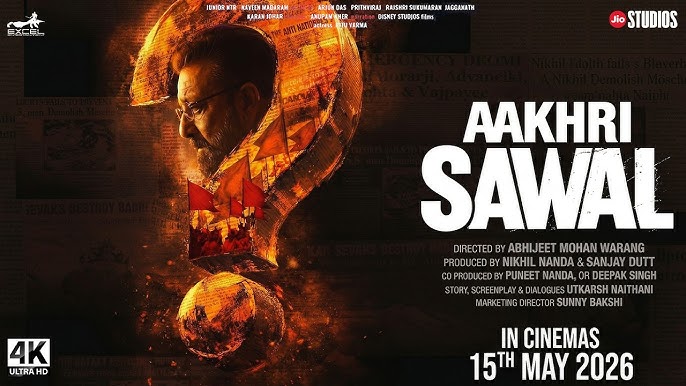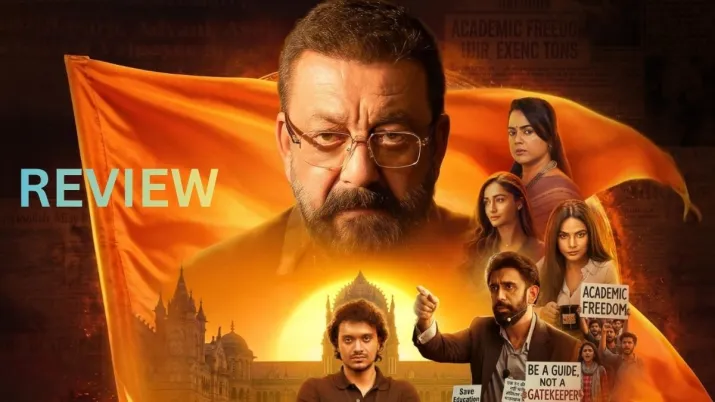
Aakhri Sawal: Emotionally volatile but another propaganda

The intense clash between Sanjay Dutt and Namashi Chakraborty has its high points especially the newsroom debate. The back-and-forth arguments have some good dramatic moments. The two male leads are in solid form, but the film eventually becomes a showreel for RSS being a misunderstood organization. For supporters of RSS and Sangh Parivar in general Aakhri Sawal will be a treat to watch.

Starcast: Sanjay Dutt, Namashi Chakraborty, Amit Sadh, Sameera Reddy, Mrinal Kulkarni etc

Genre: Drama

Director: Abhijeet Mohan Warang

Writer: Utkarsh Naithani

Cinematography: Stanley Mudda

Producers: Sanjay Dutt and Nikhil Nanda

Production Companies: Neem Tree Entertainment and Nikhil Nanda Motion Pictures

Running time: 1 hour and 57 minutes

There is a crucial moment in Aakhri Sawal’s second half when Namashi Chakraborty’s Vicky Hedge questions his guru Gopal Nandakarni (Sanjay Dutt in a refreshingly non negative role). It’s about the heated topic of Babri Masjid demolition. Gopal Nandakarni does make a confession on how the then RSS members did some mistakes and how he doesn’t support their actions. At the same Gopal Nandakarni says that RSS didn’t entirely demolish Babari Masjid. He further talks about the encroached land on which the mosque was being built. There is a long-winded explanation giving an insight into the events leading up to that day. After Gopal Nandakarni finishes his talk Vicky hedge says are you justifying their actions with this big speech. This moment amply sums up Abhijeet Mohan Warang’s Aakhri Sawal. The movie wants to explore high intense topics; at the same time, it also wants to play safe. This two-way process eventually makes it just another propaganda rather than an insightful socio-political drama.

The story of Aakhri Sawal begins with the brutal massacre of an RSS worker in Kerala. From here the plot flash forwards to a confrontation between a student and a professor. The student played by an intense Namashi Chakraborty is very upset on his professor rejecting the PHD thesis. The thesis is about RSS controversial history. Sanjay Dutt’s Gopal Nandakarni rejects Vicky’s thesis as he feels it is factually incorrect with a one-sided approach. Things heat up with Gopal Nandakarni slapping his student in a fit of anger. The confrontation and the slap is recorded live by the fellow students. What starts off as a campus debate snowballs into something much bigger. Eventually it becomes a newsroom debate with the student taking on his teacher. Amit Sadh as Aditya Rao is a former student of Gopal Nanakarni and now a journalist. He becomes the moderator for the intense discussion.

A strong aspect of Aakhri Sawal are the impactful performances of the two leads. As already mentioned it’s refreshing to see Sanjay Dutt in a non negative role. The actor does an extremely fine job in capturing the strong fighting of Gopal as well as a certain anguish on how his student has become an opponent. Sanjay Dutt particularly shines in the vulnerable moments with Namashi. Namashi Chakraborty on the other hand also springs a surprise more than holding his own opposite Sanjay Dutt. The final twist with the character does reduce the impact somewhat, having said Namashi is excellent in portraying Vicky’s determination. The confidence with which Namashi takes on Sanjay Dutt gives Aakhri Sawal some of its best moments. The cockiness mixed with a little sarcasm is a delight to watch.

Mention must also be made of how the film doesn’t entirely sidestep RSS controversial history. Whether it’s the death of Mahatma Gandhi shot by a former RSS member Godse, the leaders of RSS writing letters of despair to Indira Gandhi from the jail and of course the Babri Masjid chapter. All these have been explored fairly well with Sanjay Dutt’s role representing RSS Point of view. Yes, the explanations end up in the favor of Sangh Parivar, having said that Abhijeet Mohan Warang and Utkarsh Naithani do deserve credit for not shying away from these burning topics.

The movie also does a fair job in discussing the hypocrisy of media. This particularly comes out in a conversation between Amit Sadh and a colleague played by Neetu Chandra. This is before Gopal Nandakarni is invited for the television debate. Aditya Rao questions the hypocrisy of his colleague by saying you had previously not allowed Nandakarni to come on the show because of his political leanings to RSS, but now you want the same man on your show debating. Amit Sadh delivers a restrained but impactful act; he particularly stands out in the portion of egging his former professor to present his point of view. In the same portion he talks about their different thought processes. Amit Sadh makes a solid impact in these scenes.

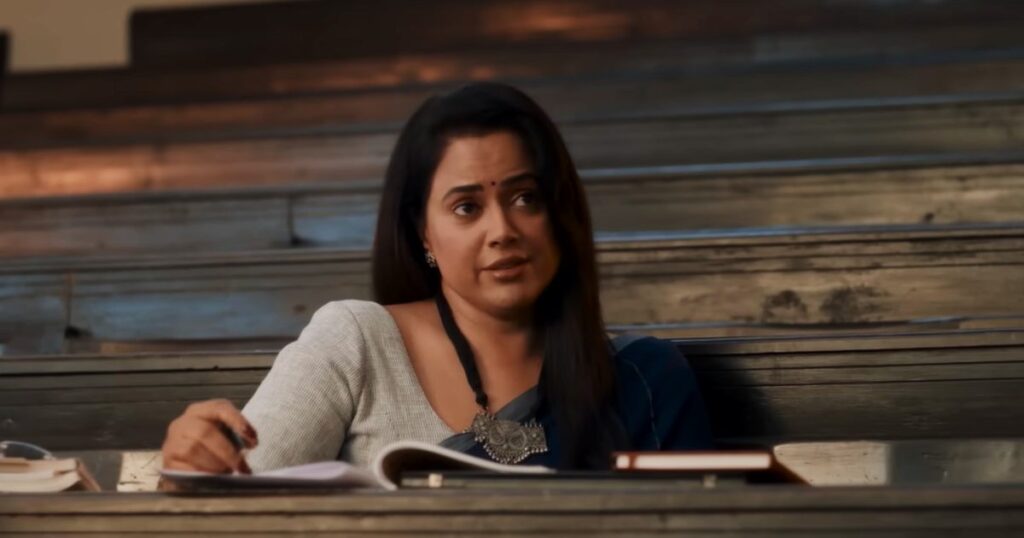
A major issue with Aakhri Sawal is the treatment of Sameera Reddy representing the left ideology. The character begins off promisingly but eventually ends being a caricature. In fact the roles written for the non-Sangh Parivar leave something to be desired. More than the eventual propaganda this becomes a major issue.

The film also suffers from thinly written women characters. Sameera Reddy who could have been a formidable opposition is reduced to a rather vampish figure. Similarly, Tridha Choudhary as Vicky’s girlfriend mostly stays on the fridges. Other than being worried for Vicky she has little to do. Mrinal Kulkarni as Nandakarni’s wife is the only female who makes some impact in spite of the role not offering much.

Technically there isn’t much there to praise. The background score as well as the songs function as speed breakers particularly the former with its melodramatic pitch.

Pati Patni Aur Woh Do: A madcap comedy with a misleading title

The one liners coupled with a committed cast especially Ayushmann Khurrana and the stunning Wamiqa Gabbi keep the movie afloat. An interesting aspect of PPAWD is the angle of casteism. Actor and filmmaker Tigmanshu Dhulia plays a regressive politician with certain notions of so-called social boundaries. His role sets the base for the ensuing chaos spilling out of hand.

Starcast: Ayushmann Khurrana, Wamiqa Gabbi, Rakul Preet Singh, Sara Ali Khan, Tigmanshu Dhulia, Ayesha Raza, Vijay Raaz and others

Genre: Comedy

Direction, writing and screenplay: Mudassar Aziz

Additional screenplay: Ravi Kumar

Music: Rochak Kohli, Taniskh Bagchi etc

Cinematography: Jishnu Bhattachatterjee

Producers: Krishan Kumar, Ravi Chopra etc

Production Companies: T- Series Films and BR studios

Running time: 2 hours and 2 minutes

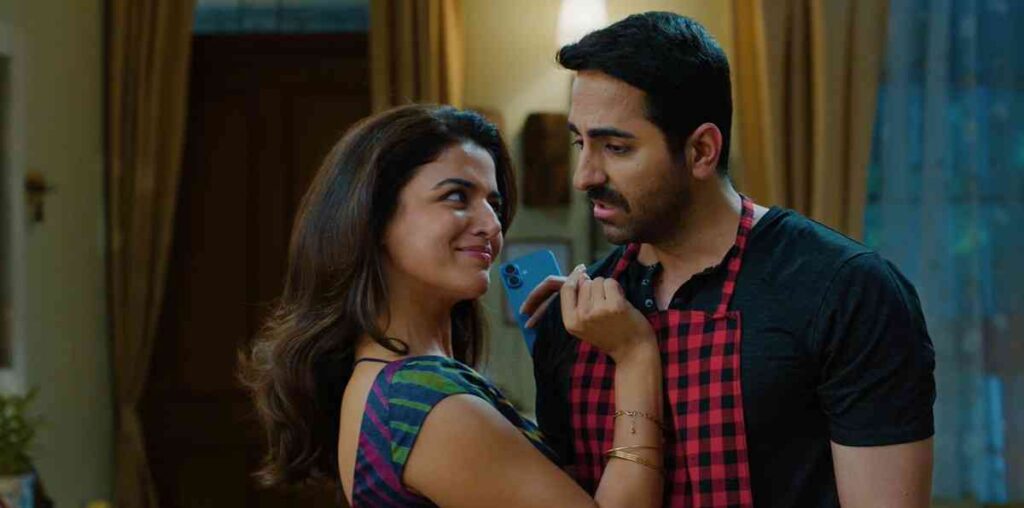
Before dissecting PPAWD it’s necessary to get an important matter out of the way. The film is not about Ayushmann Khurrana’s Prajapati Pandey having an extra marital affair behind the wife’s back. Mudazar Azis steers clear of that angle even though the scenarios are tailor made for a film like Masti franchise. Prajapati Pandey is a green flag husband and a solid friend. In the process of helping Sara Ali Khan’s Chanchal Prajapati’s life turns upside down. The root cause of the chaos is Tigmanshu Dhulia’s Gajraj Tiwari. Gajraj has strict boundaries of what he thinks is acceptable, Chanchal and Gajraj’s son Sunny are in deep love, however things take a dramatic turn thanks to a leaked photo of Sunny with a burqa clad woman. Of course, the one under the burqa is Chanchal and this pic reaches Gajraj. This photo is clicked by no other than Prajapati’s wife Aparna (Wamiqa Gabbi looking absolutely stunning as well as delivering a solid act). Aparna is a journalist with an ambition of opening her own news channel. What follows is a major comedy of chaos with a pile of misunderstandings and a frantic climax.

A strong aspect of PPAWD are the tricky scenarios in which our protagonist finds himself in. There is a scene in the cafe where Prajapati decides to act like Chanchal’s boyfriend to keep her safe from Gajraj and his men. He promises to help Chanchal until her boyfriend makes arrangements for the two to get away. Initially Prajapati plans to take Aparna too in confidence however a crucial revelation lands our protagonist in a messy situation. Still Prajapati goes ahead as Chanchal’s life is in danger. There are portions of Chanchal play acting like a girlfriend and Prajapati feeling hapless but playing along. This leads to numerous entertaining moments.

What elevates these screwball situations is Ayushmann Khurrana’s performance. Ayushmann’s facial expressions itself generate humor. The actor is in solid form playing to the gallery in an uninhibited manner. Apart from the comic situations Ayushmann also does a fine job in the vulnerable moments. An example of the vulnerable portion is Prajapati feeling anxious on hurting Aparna. The scenes of the protagonist’s frustration with his married life spilling out of control has been excellently portrayed by the actor.

A mention must also be made of the caste subplot. Yes, it doesn’t go too deep but the threat of Gajraj Tiwari can be definitely felt especially in an early scene of Chanchal describing her prospective father-in-law. There is an explicit emphasis from Chanchal on her coming from a lower caste and how this a major hurdle. This lifts PPAWD beyond the comedy of errors. There is also a monologue on rumors being perceived as truth when repeated often

Mudassar Aziz also deserves credit for the strong woman characters he has written. Wamiqa Gabbi’s Aparna has the least comical role among the three, but the actress brings in an emotional depth. Whether it’s her journalistic ambitions or the hurt of her husband supposed cheating Wamiqa is very good besides looking breadth takingly beautiful. Rakul Preet Singh plays Aparna and Prajapati’s best friend Nilofer Khan. Rakul is suitably feisty especially in the scene where she warns Prajapati on not hurting her best friend. Her scenes with Ayushmann especially in the one where she mocks him have nice comic touches. The two share a good camaraderie, lastly Sara Ali Khan as Chanchal does a fine job too in bringing out the character’s desperation.

The supporting cast led by Tigmanshu Dhulia and Ayesha Razia also lift the movie. Tigmanshu Dhulia plays the casteist politician with the right amount of authority, Ayesha Raza on the other hand is absolutely hilarious as Chanchal’s Buaji. The way she speaks with the speed of a Rajdhani express with a poker face leads to some chuckles. Vijay Raaz as a corrupt policeman is also competent with his dead pan humor.

Coming to the flaws Pati Patni Aur Woh do does suffer from scenes of excess. The second half in particular feels stretched in spite of the crisp running time. The pile of misunderstandings goes out of control. Also, a dream song featuring Ayushmann and Rakul doesn’t add much value to the proceedings. The songs in itself are a mixed bag with Roop Di Rani being the best of the lot. There is also a rather unnecessary character of an effeminate office boy speaking in a highly theatrical zone.

Final word: Pati Patni Aur Woh Do makes for an engaging screwball comedy especially if you are in the mood for some lighthearted fun.

Godari Gattupaina: A social rom com with the message of inclusivity

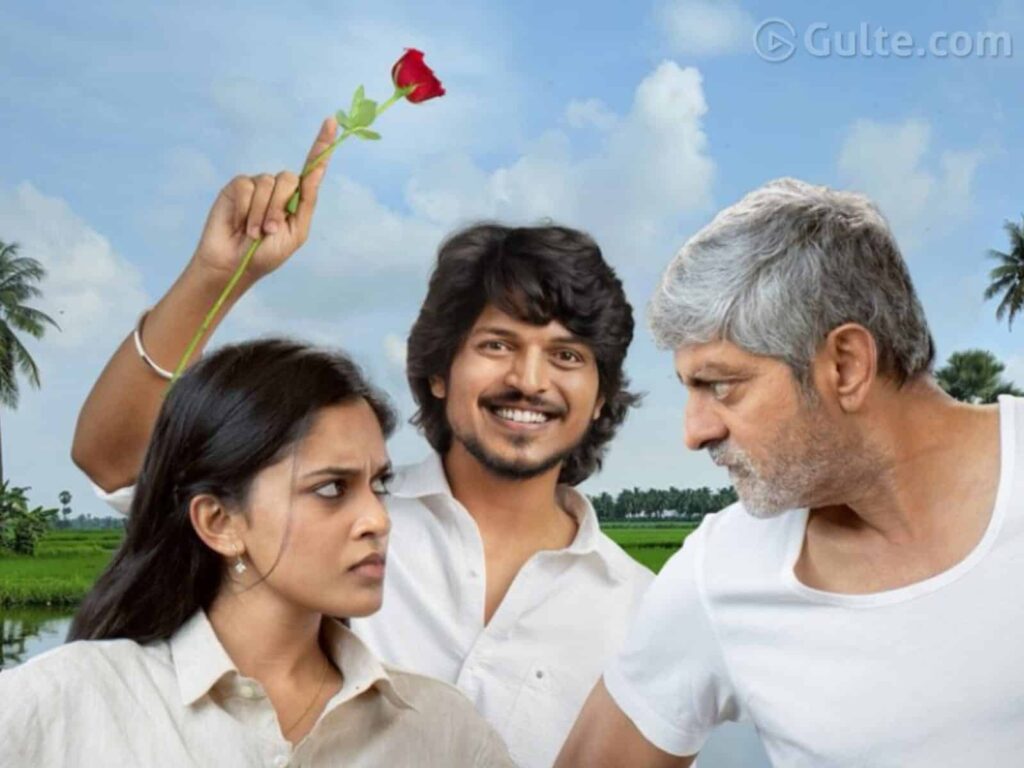
The story of Subhash Chandra is as old as hills. Different variations of the plot has already been explored umpteen times. Having said that the setting of Godari with a particular slang makes for a nice viewing. The characterization of Sumanth Prabhas as an honest auto driver without the mass elevations deserves appreciation. A mention must also be made of Jagapathi Babu as the conflicted father.

Starcast: Sumanth Prabhas, Nidhi Pradeep, Jagapathi Babu, Sudharshan, Rajkumar Kasi Reddy, Rajeev Kanakala and others

Genre: Romance

Director and writer: Subhash Chandra

Cinematography: Saai Santhosh

Music: Naga Vamshi

Producer: Abhinav Rao

Production Company: Red Puppet Productions

Running time: 2 hours and 28 minutes

The love story genre is one of the most overused ones across industries. From lighthearted to intense numerous directors have explored love in different ways. All conflict points whether its parental opposition, caste and religion based, internal issues or age gap like in the case of Sai Marthand’s Little Hearts have already been explored. Having said that a lighthearted rom com is always a welcome especially in today’s age of overblown pan India cinema. Godari Gattupaina perfectly fits the category of the above mentioned one. For the most part the tone is breezy aided by the scenic atmospherics. At the same time the movie also touches upon a few societal aspects without getting too preachy.

The story of GGP in simple terms focuses on an auto driver Raju (Sumanth Prabhas) and an engineering student Maya (Nidhi Pradeep). Jagapathi Babu is Sam Babu. Sam is a security guard wanting to give a good life to his daughter. He wants a groom who comes from a better social status. Things take a dramatic turn with Raju falling in love with Maya and the latter reciprocating. The incident of her falling for him is quite problematic, but coming back to the plot Maya’s choice of love creates tension for Sam. How Raju and Maya eventually have a happy ending forms the core essence of GTP.

A strong aspect of GGP is the chosen rural background. The village atmosphere with a particular slang is entertaining to watch. Cinematographer Saai Santhosh does a fine job in capturing the scenic atmospherics through his lens making the film a visual delight. A specific mention must be made of a night sequence post Maya’s dance performance. The scene of the leads having an intimate moment with the twinkling stars is nice to watch. The dramatic moment following that sets a solid base for the second half.

As already mentioned the film comes with the message of social inclusivity. This point has been seamlessly integrated rather than a series of dramatic dialogues. The friendship scenes with Sudharshan playing a Muslim and Rajkumar Kasi Reddy a Christian are solid examples of the inclusivity theme. There is an important passage when Maya is confused on how to go about things. She confesses her inner dilemmas to Raju’s mother. The mother says that belonging to a different religion shouldn’t be a barrier talking about how she is a Muslim while Raju’s dad is a Hindu. She further elaborates on how they have coexisted with neither imposing their individual relief beliefs on each other.

Of course, Sam Babu’s objection regarding Raju isn’t about religion, having said that the conversation between Maya and Raju’s mother has good social undertones. There is another poignant moment when Raju says the following ‘Manchi neeru…uppu neeru… rendu veru veru swabhavalu vunnavi aina… Godavari Sangamam lo entha baga kalisipoyayo kada… alane bhinna swabhavalu vunna manushulu kuda kalisi jivisthw entha baguntundo kada,’

Subhash Chandra also deserves appreciation for his crafting of Jagapathi Babu’s character. Sam Babu is a conflicted dad who alternates between fatherly love mixed with fear. His conversation with Sumanth Prabhas post the daughter’s revelation has been written with nuance. Sam is not a caste or religious bigot; his worry isn’t about what the society will think. Its more about giving his daughter a better social status than the one she has been born into. At no point Sam comes across as a caricatured villain. The dual shades is superbly reflected in the following dialogue ‘ ‘Na kuthuruki jeevithantham morha premani matrame chupinchali anukunna… ne valla naa kopam chupinchela cheyaddu

Jagapathi Babu does an extremely fine job in showcasing the myriad emotions. His scene with the ever-reliable Rajeev Kankala with Sam’s acceptance of Raju is both well written and enacted. Sumanth Prabhas as Raju acts with good ease. Whether it’s the dialect or the different emotions of heartbreak and love the young actor is very good. Nidhi Pradeep also holds her own with a confident act. Yes, the particular incident in which she falls for Raju is rather problematic, also there are times where the character suffers from a few tonal inconstancies. Having said that Nidhi does an extremely fine job.

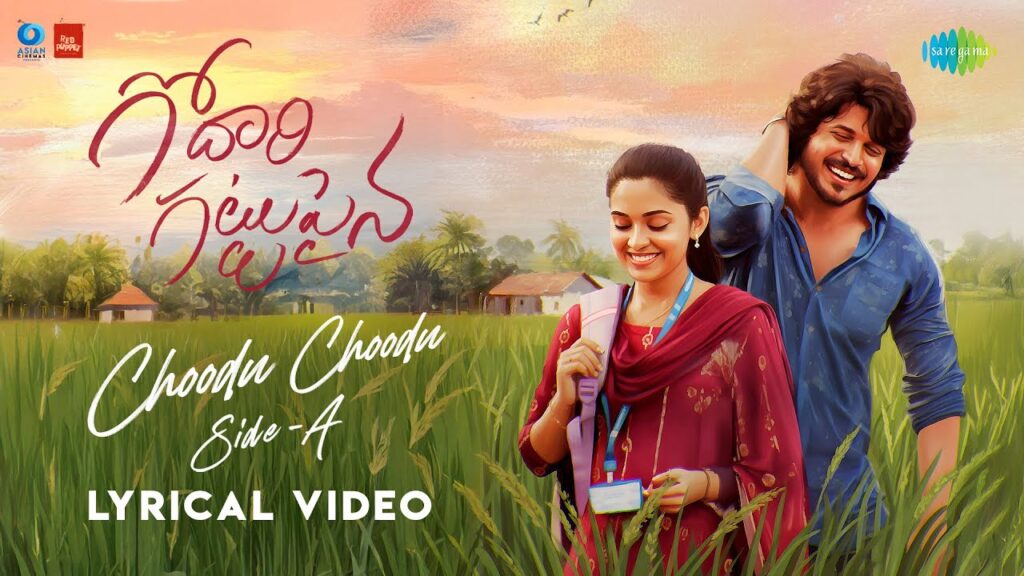
Among the friends Sudharshan and Rajkumar Kasi Reddy give good support. The camaraderie has come across well. The music of Naga Vamshi barring one number in mid second half makes for a good listen and watch. Among the tunes Choodu Choodu and Nenu Na Palleturu impress the most.

Coming to the flaws the character of Laila playing Nidhi’s on-screen mother doesn’t add anything substantial. Yes, she does get one important dialogue towards the end indirectly supporting her daughter’s choice, but beyond that she is there more for filing the frame. Also, some of the developments in the second half like Raju going through a false accusation of sexual assault or the scene where the hero puts a deliberate act of insulting Sam only stretches the inevitable ending.

Final word: Godari Gattupaina makes for a perfect viewing for fans of breezy romantic movies. The societal undertones add more flavor elevating the proceedings.

Patriot: A refreshingly different kind of espionage dealing with a contemporary social issue

Patriot written and directed by Mahesh Narayanan is a good example of how to use star power while narrating an important story. Patriot has a dystopian feel especially the works of George Orwell. By nature, the film has a fair amount of technical jargon. Also, it’s not an out an out-star vehicle. But Mahesh Narayan deserves absolute credit for bringing up the importance of questioning the government policies rather than blind patriotism

Starcast: Mammootty, Fahad Fasil, Kunchako Boban, Mohanlal, Revathy, Nayanathara and others

Genre: Action thriller/drama

Director and writer: Mahesh Narayanan

Music: Sushin Shyam

Cinematography: Manush Nandan

Producers: Antono Joseph and KG Anil Kumar

Production Companies: Anto Joseph Film companies, Blue Tigers London etc.

Running time: 3 hours

Ever since its release on May 1 Patriot has seen a diverse range of opinions especially the central subject of surveillance. The different tangents within the main storyline hasn’t worked for everyone. But Patriot is definitely a big screen watch both for the scale and the contemporariness of the issue it handles.

Without giving much away Patriot follows the journey of Dr Daniel James (Mammootty in great form as always). He exposes a mass surveillance conspiracy leading to an exile from India. He flees to London running a popular YouTube channel Vimathan. Through the YouTube channel he continues to question the government policies. However, a situation comes when Daniel gets out of exile leading to multiple developments. Mohanlal in an extended cameo is colonel Rahim Naik. Rahim is Daniel’s best friend. Other important cast members include Fahad Fassil as an ex-army officer and the owner of Shakti corporation, there is also Kunchako Boban in multi shaded role. He starts off as Fahid Fassil’s colleague/partner in crime and then turns into an important subordinate/helper for Daniel James and Rahim Naik.

A strong aspect of Patriot is the central subject of a spy software called Periscope. This reminds us of the current developments with a strong resemblance to Pegasus. This is further enhanced by scenes in the movie talking about the misuse of an individual’s private data. Mass surveillance as a topic isn’t particularly new but what makes the difference is the dystopian touch given by writer and director Mahesh Narayanan. There is a line in the movie with Mammootty talking about the human farm concept. A comparison is drawn with George Orwell’s works to explore a world controlled by algorisms and a certain lack of data autonomy.

The movie also questions citizens attitude in supporting government’s method of surveillance, the character of Mammooty has been excellently used as a voice of dissent raising relevant questions.

What also works for Patriot is the layered plot underneath the topic of mass surveillance. The character dynamics with the past histories also makes the film engaging. A specific mention must be made of a crucial pre climax reveal, it gives a psychological insight into the character of Fahad Fassil.

Mention must also be made of how the women characters have been integrated. Yes, the likes of Revathy, Nayanathara and Darshana have minimal screen time but their integration at different points deserves praise. More importantly they come across as strong women for example Revathy in the first half as the chief minister. An early exchange between her and a politician is a solid example of understated authority, there is no significant raise in the voice, but the formidable nature is palpable. Revathy scenes with Mammooty are very limited but it’s a treat to watch the two veterans together.

Nayanathara appears from mid second half as Daniel’s ex-wife Lathika. Much like Daniel she is also fighting a battle against Fahad Fassil’s Shakti Sundaram. The daredevil nature of the role has come out wonderfully both in the writing as well as acting.

Coming to the reunion of two legends Mammooty and Mohanlal, the timing of the latter’s entry makes for a fantastic scene. This is further added by Fahad Fassil’s dialogue mirroring the legendary status of the veterans. The friendship scenes between Daniel and Rahim has come out in an organic manner with some wonderful punch dialogues. Especially those delivered by Mohanlal. Mohanlal also gets a solid action block in a hospital setting. Its a treat to watch the legendary actor kick some ass even at this age.

Kunchako Boban as already mentioned has a multi shaded role. His relationship dynamics with the effervescent Darshana and how a certain incident leads to shift in equation with Shakti is solidly written and enacted.

Fahad Fassil as the manic villain with daddy issues is deliberately hammy but it works in the context of the movie. Mammooty has the most screen time in Patriot and the actor chews the scenery in his usual style. The fighting spirit of Daniel has been excellently brought out by him.

On the technical front the large scale has been well captured through the lens of Manush Nandan. A specific mention must be made of an intense chase scene amidst Daniel needing urgent treatment. An action sequence in a moving private jet also deserves praise. Sushin Shyam’s music is nicely understated jelling perfectly with the movie’s tonality.

Devil Wears Prada 2: An entertaining take on Journalism’s changing trends

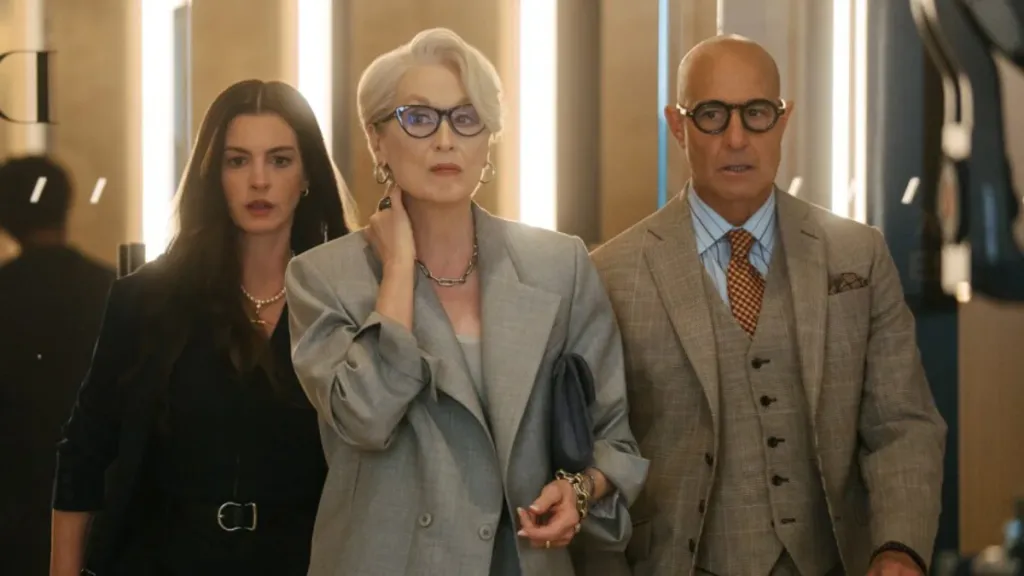
David Frankel does a fine job in exploring the different threads like economic pressures, artistic creativity versus Ai. The treatment may across as hurried given the multiple tangents nevertheless the movie is successful in capturing the current digital spectrum. The movie also raises ample chuckles especially for the ones attuned to journalistic trends. Both Meryl Streep and Annie Hathway successfully take off from the previous installment playing their parts with panache

Starcast: Meryl Streep, Anne Hathway, Emily Blunt, Stanley Tucci etc

Genre: Comedy/drama

Director: David Frankel

Writer: Alline Brosh Mc Kenna

Producer: Wendy Finerman

Production Company: Wendy Finerman production

Running time: 1 hour and 59 minutes

For those who haven’t seen Devil Wears Prada 1 the plot followed the journey of an aspiring journalist Andy Sachs (Anne Hathway). Andy takes up the job of a junior assistant to the hardened taskmaster Miranda priestly (Meryl Streep). Miranda is the chief of runway fashion magazine. Andy has a tough time in adjusting to the professional demands but soon she gets a makeover. Andy becomes successful in career, but it comes with a certain cost in the personal space. The ethical compromises eventually become too much leading Andy to quit. She not only reconciles with the friends but also secures a job in another newspaper. Some of the major themes in Devil Wears Prada 1 are the transformation of identity under an extreme workplace pressure, the conflict of personal values while dealing with professional demands among other things. Now you have part 2 after a huge gap of 20 years. Devil Wears Prada 2 is just as glossy and at the same time more relevant than part one

The second part primarily focuses on Andy Sach’s return back to Runway in a very different position. Andy is given the role of a features editor cum writer. Her major task is restoring Runway’s credibility after a politically incorrect article. Miranda on the other hand is struggling to get a hang of modern digital media and is forced to embrace the culture of online clickbait. Adding to this mix is Emilly Charton (played by Emily Blunt). Emily Charton was Miranda’s former assistant and is now a senior executive of Dior. The dynamics between Miranda and Charton are laced with undertones of tension and a mutual ambition.

A strong aspect of Devil Wears Prada 2 is how both the director and writer have captured the evolution of journalism in the current digital landscape. This is reflected in numerous portions whether its stories shaped by sponsorships or the data indicators playing a major part in editorial decisions. All this feels very relevant especially in today’s clickbait era. The movie also explores Ai and its algorisms both as a threat and necessary adaption to the modern landscape of journalism. A lot of this is conveyed through some sharp humor making the topic an entertaining ride rather than a lecture mode.
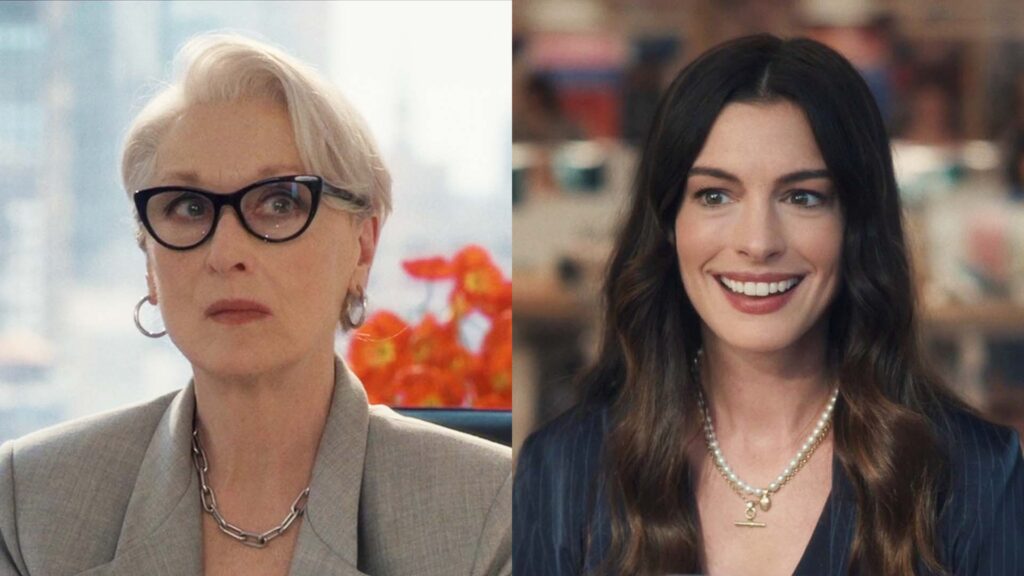
Devil Wears Prada 2 also benefits from the dynamics between Meryl Streep and Anne Hathway. Initially Miranda looks at Andy as a more of a chairman’s latest whim who wouldn’t last for long. A certain tone of indifference to Andy’s presence is perfectly reflective of this. Having said that a time comes when the two have to navigate the tricky scenarios together in order to save Runway magazine.

A subtle sisterhood forms between the two. This particularly comes out in the pre climax scene, both Miranda and Andy discuss about how work gives them a sense of purpose. The vulnerable areas of Miranda have also come out well. For example, there is a portion where Miranda worries about her time of a journalist and an editorial head coming to an end. The scene is brilliantly written and also of course wonderfully enacted too by Meryl Streep.

Mention must also be made of how Anne Hathway’s character has evolved. Anne Hathway plays the self-assured journalist with a quiet conviction. The fighting spirit of Andy even things stagnate comes out in a solid manner through the writing as well as Anne Hathway’s performance. Stanley Tucci as Andy’s mentor figure lends in a lot of warmth making the viewers wish that they too had a person like him.

Among the rest Emily Blunt also makes her presence amply felt in a different characterization. The rivalry of Emily Charlton and Miranda has the right bite thoroughly engaging the viewers.

Final word: Devil Wears Prada 2 is an engaging watch for fans of the lead actresses as well as those who are fascinated with the world of modern journalism.

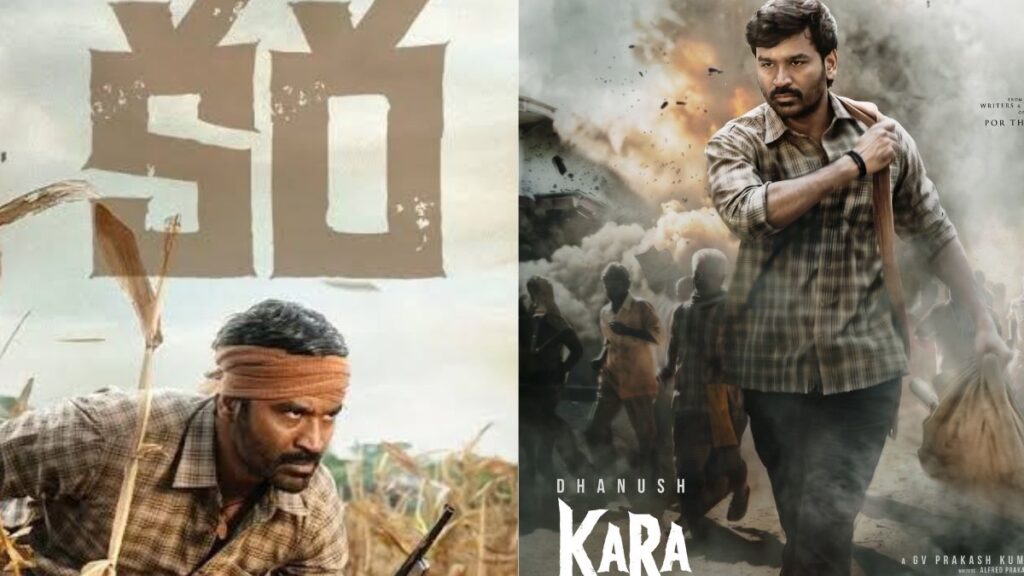
Kara: Familiar tropes but a well staged cat and mouse game

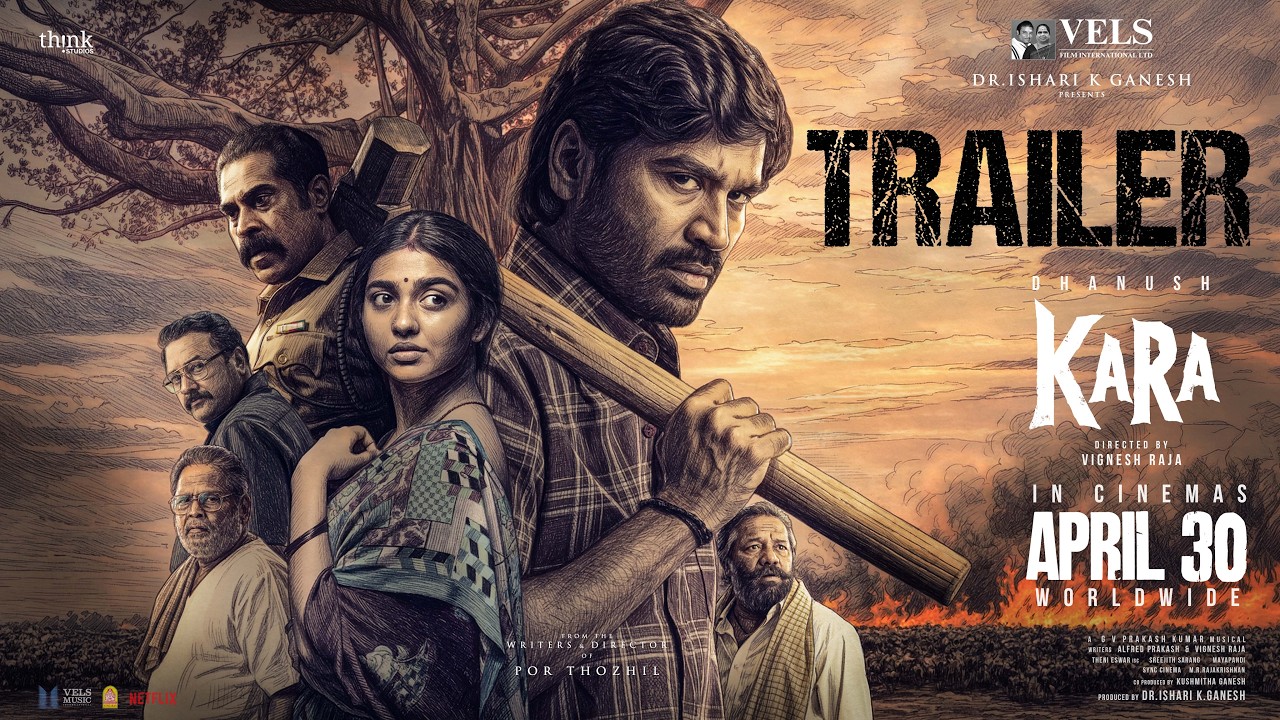
Vignesh Raja’s Kara is two films rolled into one. One a social thriller tackling the issue of financial exploitation and rural debts. The impact of Gulf war set in 1991 forms an important subplot. At the same time the films feature a father and son emotional thread. The latter is melodramatic, but the first one engages the viewers more so in the post interval portions. The grey areas of both Dhanush and Suraj Venjaramoodu is well written and enacted.

Starcast: Dhanush, Suraj Venjaramoodu, Jayaram, Mamita Buiji, K S Ravikumar and others

Genre: Crime/drama

Director and writer: Vignesh Raja

Additional writer: Alfred Prakash

Music: G V Prakash

Cinematography: Theni Eshwar

Producer: Ishari K Ganesh

Production Companies: Vels Film international and Think Studios

Running time: 2 hours and 41 minutes

The proceedings in Vignesh Raja’s Kara has a certain contemporariness though the plot is set in the 90’s. The current fuel crisis because of a global war is a well-known thing. Kara’s timeline features an important subplot along the lines of current war. Here the focus is on the bank exploiting the vulnerable farmers. The movie begins with Dhanush’s Kaarsami along with an associate robbing a house. For Kaarasami it’s his supposed last theft but things go awry after a successful robbery. The protagonist though manages to get away from police clutches. Flash forward he is now a family man with Mamitha Buiji playing the wife Selli. Without revealing much a situation comes when Kaarasami is in desperate need of money for setting up his own food mess. However, that’s easier said than done. Nothing more can be revealed given the different layers

A strong aspect of Kara are the thriller portions. Midway through the first half a scenario comes when Kaarasami also called Kara has to rob a bank going back to his former self. Kaarasami makes two attempts with his associates. One of them is Karunas as an elderly figure. The first attempt turns out to be a disaster though they don’t get caught. The second time around Dhanush and co decide to rob in morning at a particular time. These sequences have a super combination of thrills coupled with humor. There is a scene of Dhanush pretending to be a bank employee and Karunas doing the pretension of filling a form. This is wonderfully written and enacted.

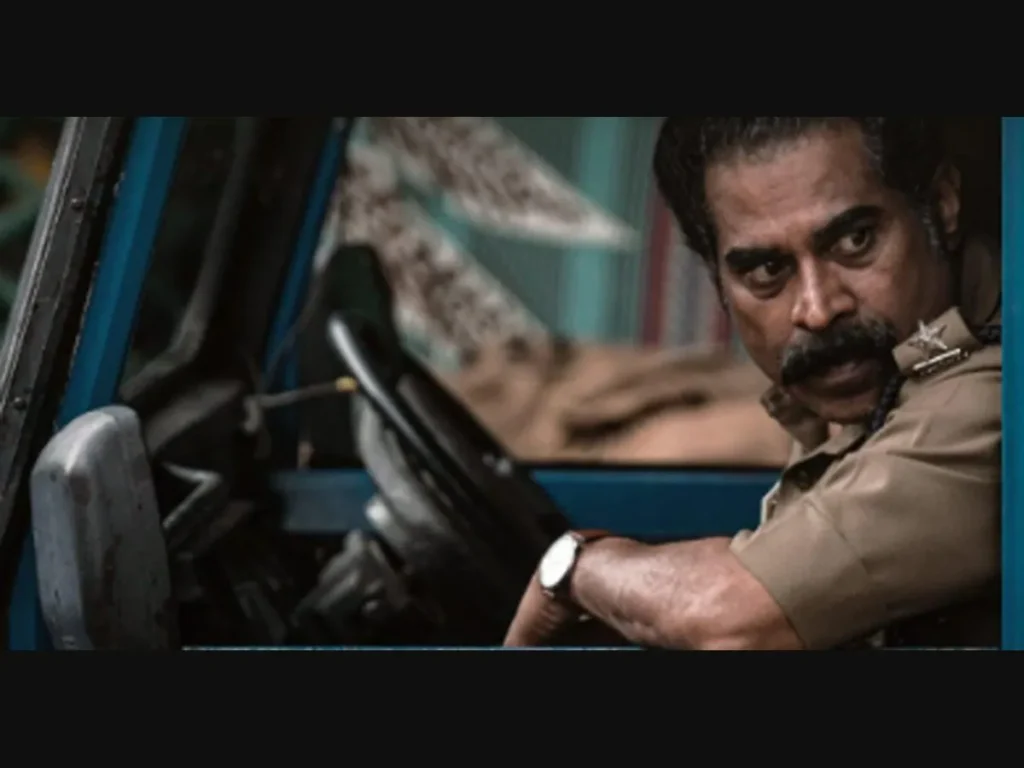
The second half turns into a cat and mouse with the reentry of Suraj Venjaramoodu’s DSP Bharatan. He has a past connected with Kara. Bharatan much like the protagonist comes with his own grey areas. The biggest motivation for Bharatan to catch the thief is having his name splashed in the newspaper. Early on in the movie there is a scene of Bharatan trying to attach his name to an already open and shut case. However, he doesn’t succeed with Kara escaping. Suraj Venjaramoodu’s act of a determined cop and his portions with the sinister bank head (a wonderful Jayaram) gives the movie its best moments.

Dhanush as Kaarasami is expectedly solid. Kaarasami is a layered character coming across as not so likeable in some portions. Dhanush particularly shines in the emotionally vulnerable moments like a heartfelt scene with Mamita Buiji. The subplot of gulf war and its impact on the downtrodden is a character in itself. It gives Kara a contemporary feel moving the viewers emotionally.

A major roadblock of Kara is the underdeveloped love story between Dhanush and Mamita. Mamita as Selli gets a couple of intense moments and the young actress does hold her own. But the writing needed to be much better. Also, the portions featuring KS Ravikumar as Dhanush’s father could have done with less melodrama. The background score does more heavy lifting here than the writing. Finally, Dhanush’s justification of multiple robberies may not work for all.

Technically speaking Theni Eshwar does a fine job in capturing the rural atmospherics through his lens. The production design is on point too; the action sequences have also been well designed. GV Prakash Kumar’s music has its moments. The song Kanamma has a melodious feel making for a soothing listen and watch. The background score on the other amplifies the tense moments successfully.

Final word: Kara is worth watching for the cat and mouse game as well as the social themes it addresses. But tighter writing would have made it a more wholesome experience.

Michael: A visually stunning highlights package

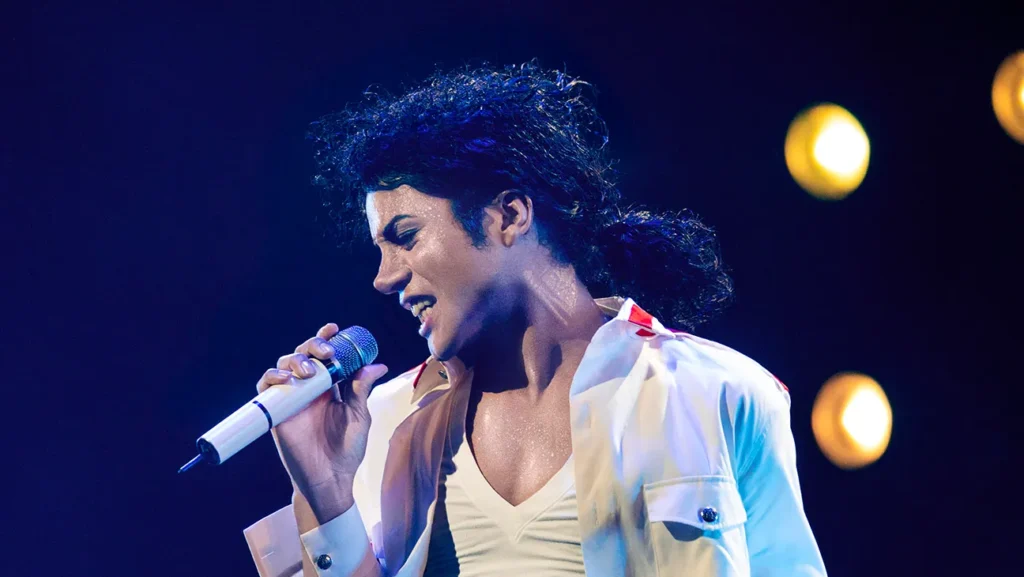
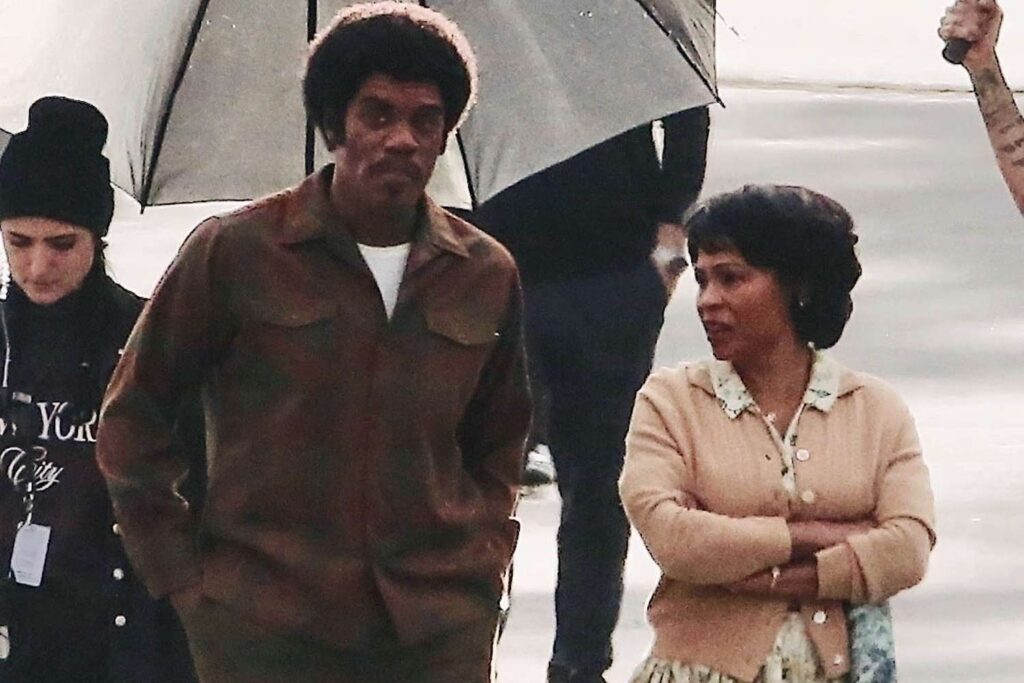
Like many biopics Michael too has a curated feel with the cherry-picking of major incidents. Part one of Michael is centered around the rise of the legendary popstar and a significant cultural figure. Director Antoine Fuqua is successful in recreating the aura of Michael Jackson. The dance choreography in particular is enthralling. Jaafar Jackson does an excellent job in portraying the different shades. He is a big reason for the viewers to stay invested.

Director: Antoine Fuqua

Starcast: Jaafar Jackson, Colmon Domingo, Nia Long, Juliano Krue Valdi and others

Genre: Biography

Writer: John Logon

Music: Lion Rosner

Cinematography: Dion Bebee

Producers: Graham King, John Branca and John Mc Clain

Production Companies: Liongate Films, GK Films and Optimum Productions

Running time: 2 hours and 7 minutes

Biopics in general follow a certain template. The dark areas are either sanitized or completely avoided. The likes of Sanju and Azhar are solid examples of this. They mostly play out as a highlights package focusing primarily on the protagonist wins. Michael based on the legendary Michael Jackson is no different at least part one of this saga. The critical reviews of Michael particularly from the west have been rather scathing. The harsh critical reviews are somewhat understandable having said that Michael is definitely a big screen watch. Whether you are a fan or not Michael does give an adrenaline rush. His famous dance steps have been wonderfully recreated. Also, the family dynamics especially the undertones of tension has a distinct desi touch.

In brief the plot begins from the early life of Michael Jackson and how he turned into a visionary artist. Parrel to this is the father and son subplot. Colmon Domingo as Joseph Jackson is authoritative father living off on his son’s success. Joseph is also the manager of Michael. Michael is vexed with his father’s authoritarian ways wanting to create his own path independent of the family’s brand. At one point he even sends a firing letter to his own father. This is the story in a nutshell.

The biggest strength of Michael is the technical department. The portions of Jaafar Jackson’s dance performances in particular deserves a special mention. The famous moonwalk in particular will drive the diehard fans into a frenzy. The way it has been choreographed coupled with the dance of Jaafar Jackson alone makes for a big screen viewing. Cinematographer Dion Rebbe does an excellent job in capturing Michael Jackson’s larger than life aura as well as the 80’s setting. The production design is also solid successfully transporting the viewers to that era.

The music of Lion Rosner is also bang on. The tunes especially the portions of stage performance makes for a fantastic viewing and also a good listen. Apart from the technical department the father and son subplot also deserves a special mention. The bossy and patriarchal attitude of Joseph Jackson is shown in an unfiltered manner. This is one area where the film doesn’t gloss over.

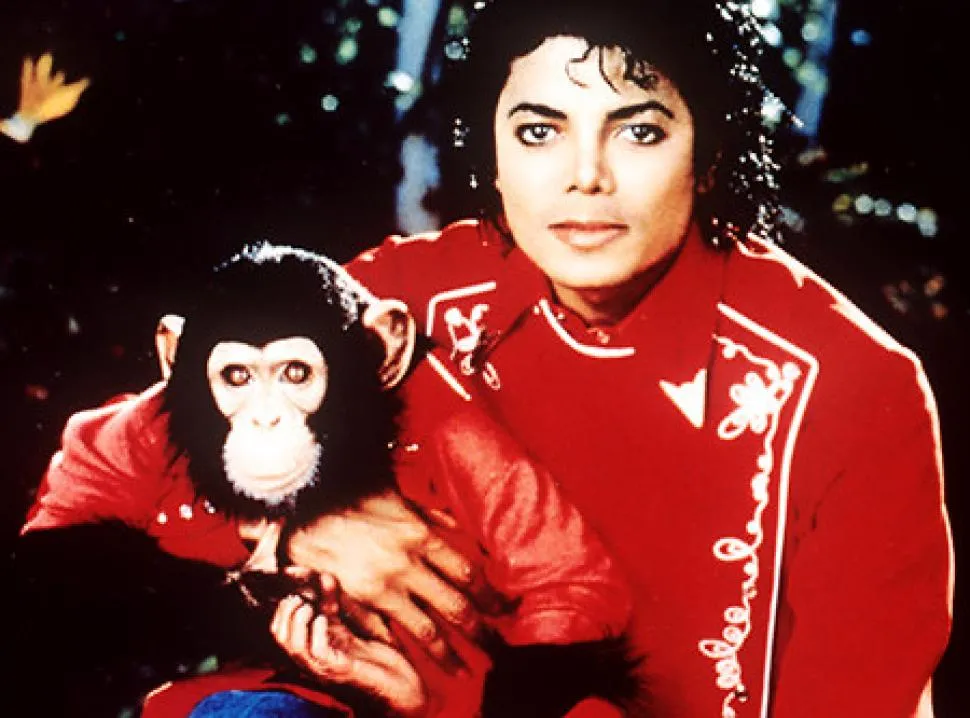
Michael quest for creative freedom while staying connected to the family has a distinct desi touch. Most Indian families will definitely relate to the protagonist inner dilemmas. Colmon Domingo plays the authoritative father in a strong manner. Mention must also be made of Nia Long as the helpless mother eventually finding spine. A special mention must be made of her act in the portion when she finally gives it back to the husband. The brothers and sisters though get a raw deal. Michael’s equation with the siblings is touched upon in a superficial manner. In fact, Michael’s sequences with a pet chimpanzee Bubbles is much better written.

Also, the movie doesn’t give an explanation on how Michael turned out to be special. Whether he had any influences or it was just a case of him being a natural is never dealt with. You just get the simplistic explanation of him being differently created.

In the titular role Jaffar Jackson does an excellent job in capturing the different nuances. He imbibes the spirit of his late uncle in a wonderful manner. The swag is spot on but more importantly he is also very effective in the vulnerable moments.

Final word: Michael is a treat for Michael Jackson diehard fans. As a movie though it could have been more effective with a less sanitized approach. Here’s hoping that the second part deals with Michael’s dark chapters in a more honest manner.

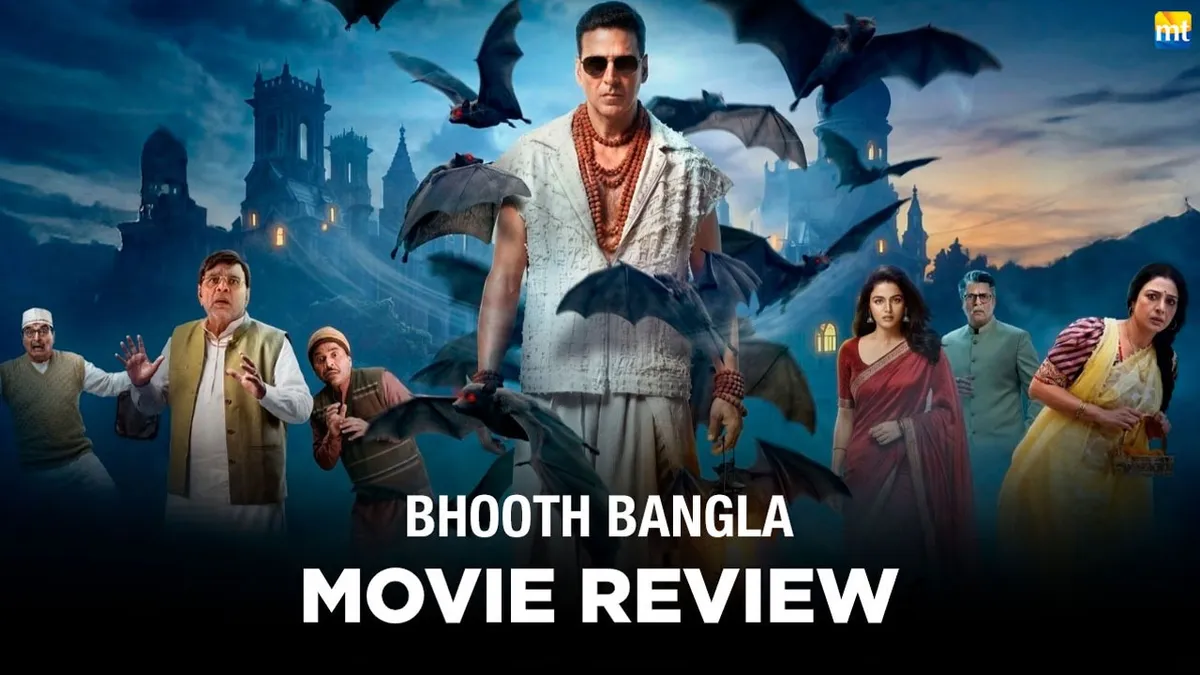
Bhooth Bangla: A competent cocktail of physical humor with scares

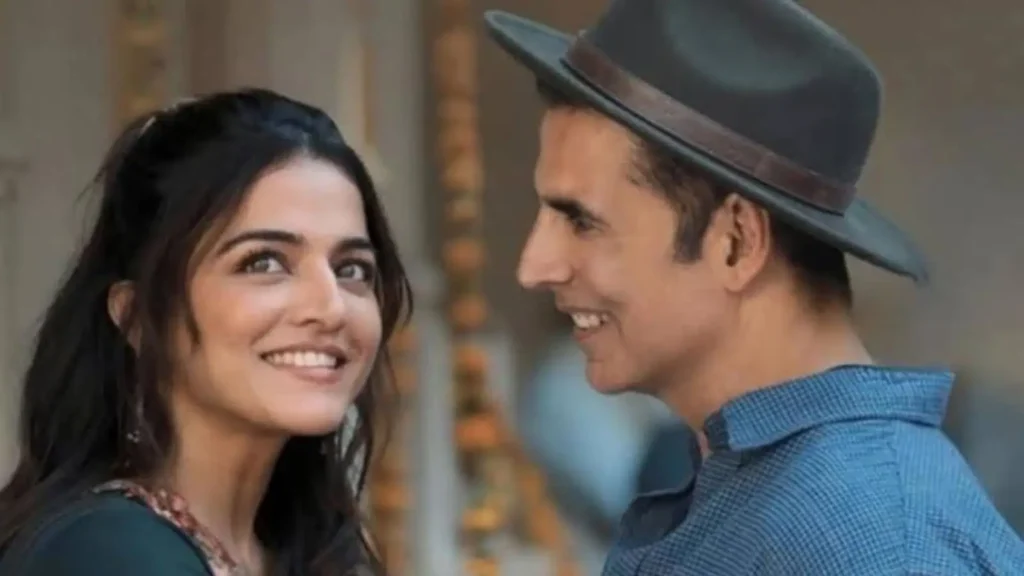
Priyadarshan’s latest Hindi venture feels like a mixed thali of the director’s own Bhool Bhulaiyaa 1 and Aamir Kaushik’s Stree movies. The physical humor is not for all, but a committed ensemble cast especially the veterans make it somewhat work. Akshay Kumar has a dual role one of a wastrel son and the other grey shaded character simmering with anger. Akshay makes a bigger impact in the second role. Among the three ladies Wamiqa Gabbi makes her presence felt in a mysterious character

Starcast: Akshay Kumar, Asrani, Paresh Rawal, Rajpal Yadav, Jisshu Sengupta, Rajesh Sharma, Wamiqa Gabbi, Mithila Parkar, Tabu and others

Genre: Horror/comedy

Direction and screenplay: Priyadarshan

Additional screenplay: Rohan Shankar and Abhilash Nair

Story: Aakash Kaushik

Dialogues: Rohan Shankar

Music: Pritam

Cinematography: Divakar Mani

Producers: Ekta Kapoor, Shoba Kapoor and Akshay Kumar

Production Companies: Balaji Motion Pictures, and Cape of Good Films

Running time: 2 hours and 45 minutes

In the last few years Horror comedies have emerged as a major recipe for success especially in Hindi Cinema. Whether its the Maddock horror universe Stree movies, Bhediya, Munjiya and Thamma. Or the Bhool Bhulaiyaa films. The combination of horror with laughs have been largely successful in entertaining the audience. At the same time an overkill has happened too with the largely familiar structure. Priyadarshan’s Bhoot Bangla feels like a spiritual sequel to his own movie Bhool Bhulaiyaa 1. The building up to the legend of Vadhasur and the progression of events have a major resemblance. Having said that Bhooth Bangla does a fair job in mixing slapstick humor with a well written origin story. An important flashback in mid second half has a good emotional touch.

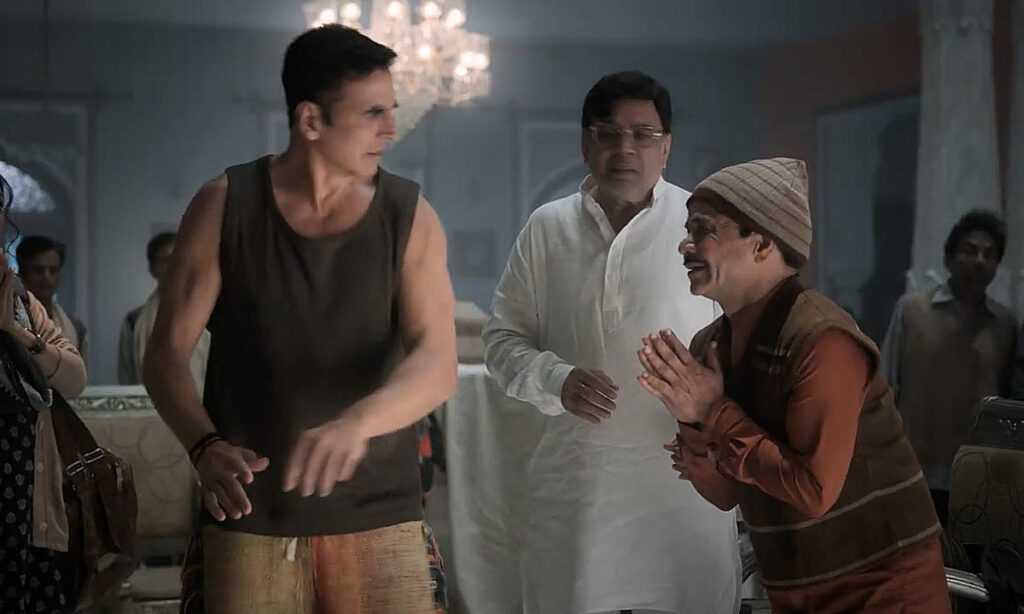
Bhooth Bangla’s story in brief revolves around Akshay Kumar’s Arjun Maurya. He travels to an eerie place called Mangalpur, Arjun has ancestral palace. Mangalpur has a scary legend of a monster called Vadhasur. The marriage of Arjun Maurya’s sister played by Mithila Parkar is supposed to happen in these haunted surroundings. Arjun Maurya is casually dismissive of Vadhasur calling it as a cock and bull story. But he gradually realizes that Vadhasur is no myth. Unfortunately, the sister’s wedding has to happen here only, it has been destined by the high priest of the groom’s family. The rest of the story focuses on how Arjun Maurya saves the day with some help. Running parallel to this is Wamiqa Gabbi’s Priya in search of her loved one.

A strong aspect of Bhooth Bangla is Vadhasur’s origin story. The use of mythology here as the man born out of a union between an asura and deva has been well staged. The CGI effects are of a good order coupled with the cinematography of Divakar Mani. Mention must also be made of Akshay’s second role in a key flashback. His simmering anger and a feeling of being betrayed his own father has been brought out wonderfully by the actor. In one way this track is reminiscent of Christopher Marlowe’s novel Dr Faustus. How in a heated moment of insecurity the character Madhav sells his soul to Vadhasur for getting the woman he loves has been well written and enacted.

The first half is mostly devoted to scenes of slapstick comedy with major focus on physical humor. The portions of Rajpal Yadav as an electrician often border on farcical humor, he is slapped on more than one occasion by Akshay Kumar. Similarly, Paresh Rawal as the wedding organizer has a running joke on his bum being attacked. These scenes are deliberately low brow in nature, but Priyadarshan’s usual quartet of actors embrace these portions whole heartedly and are successful in raising some chuckles. Late Asrani has a substantial role too. More so in the first half. His scenes with Akshay have a fun tonality as well making the viewers chuckle.

The track between Akshay Kumar and Wamiqa Gabbi also has some interesting touches. Wamiqa lights up the screen the screen whenever she is there and the twist of a twin comes in the right time. Jisshu Sengupta as Akshay Kumar’s father may seem like an odd casting choice, but Jisshu does a fine job especially in the second half. Rajesh Sharma has an important role too. His act of desperate father comes with negative/grey shades much like Akshay’s Madhav and the actor does a very fine job.

Tabu comes in mid second half lending grace to an underwritten part. She looks like a dream though in the dance sequence. Mithila Parkar as the love-struck sister is good in the limited screen time.

A major problem with Bhooth Bangla is a significant hangover of the above-mentioned movies. The viewers get a major deja vu especially for the ones who have seen Bhool Bhulaiyaa and Stree, a more original approach was needed. Pritam’s songs also leave something to be desired. They are not bad per se but given the general track record of Pritam the tunes could have been much better.

Another problem is the scene of toilet humor; it reeks of very bad taste leaving a bitter after taste. Lastly the second half needed some trimming to make the film crisper.

Final word: Bhooth Bangla is a nostalgic horror comedy best watched with moderate expectations.

Love Insurance Kompany: An audacious mix of science fiction and romance

This Vignesh Shivan directorial needed better writing especially the trope of love at first sight. Having said that the film is solidly staged and the latter half has good conflict points. The movie also benefits from SJ Suryah act of a comic villain. His face offs with Pradeep Ranganathan lead to some entertaining moments. Among the two leads Krithi Shetty makes a stronger impact

Starcast: Pradeep Ranganathan, Krithi Shetty, S J Suryah and others

Genre: Science fiction/romance

Director and writer: Vignesh Shivan

Music: Anirudh Ravinchander

Cinematography: Ravi Varman

Producer: Nayanathara

Production Companies: Rowdy pictures and Seven screen studios

Running time: 2 hours and 30 minutes

Narratives of social medium algorithms and how they are influencing people have been explored numerous times on the big screen. Whether its the Hollywood movie Social Network or the Bollywood one CTRL starring the excellent Ananya Pandey. But Vignesh Shivan’s Love Insurance Kompany goes notches above in terms of imagination. The director sets his plot in the year 2040 where there is a clear divide between those obsessed with apps and others growing up in an ashram type. The two leads played by Pradeep Ranganathan and Krithi Shetty differ significantly in terms of their lifestyle. The story in brief focuses on how Pradeep Ranganathan’s Vaibhav Vasudevan falls for Krithi Shetty’s Dheema. Their love story forms the core with a message on human connection being more important. S J Suryah is the owner of the dating app Love Insurance Kompany. How he becomes a thorn in the needle for Vaibhav’s love forms an important subplot.

A major strength of LIK is the production design coupled with Ravi Varman’s cinematography. The stark difference between the environments of Dheema and Vaibhav has come out well. The portions of 2040 especially feel like we are really watching a futuristic world where this can really happen. Ravi Varman captures the different color pallets wonderfully through this camera.

The movie also benefits from solid conflict points especially Kriti Shetty’s Dheema. Her backstory on she becomes an influencer more on less than on the phone creating video’s, also the impact of her mother’s failed marriage has come out well. Kriti does a very fine job in capturing the characters over the top nature as well as emotional vulnerability.

Pradeep Ranganathan as Vaibhav is competent both in the scenes of being love struck and the desperation of making his love story a success. However, the writing doesn’t completely support the actor. For example, the typical love at first sight with Vaibhav landing in a hospital feels overtly dramatic. It becomes somewhat difficult to buy Vaibhav’s intense love for Dheema so much so that he starts using LIK.

Having said that Pradeep Ranganathan does a fine job with his natural acting. His face off with S J Suryah are laced with effective humor contributing immensely to a more enjoyable second half. S J Suryah as Suryan is solid too with his eccentric humor. He particularly shines in the scenes of tug of war. Suryan’s desperate attempts in trying to win gives the movie some of its best moments. Having said that the backstory of Suryan on why he set up LIK needed much better writing. Also, the film could have done with a more balanced approach regarding social media addiction. The dangers of an app like LIK are convincingly portrayed, at the same time the positives of social media could have been equally highlighted.

Anirudh Ravichander’s music has its high points. The song Dheema in particularly has a soothing tune and has been picturized well. The backdrop score is fairly fine especially in the confrontation scenes of Pradeep Ranganathan and SJ Suryah.

Final word: Love Insurance Kompany is worth watching for the solid world building and the audacious ideas. Having said that some fine tuning would have made the film more gripping.

Dacoit (a love story): A gritty cocktail of love and crime

Shaniel Deo who has co-written the story with Adavi Sesh makes a promising debut especially the second half. The post interval portions have some solid thrills with trademark Adavi Sesh twists. The track of hospital mafia with the backdrop of COVID has been smartly integrated. However, the films biggest strength is Mrunal Thakur as Juilet/Sarswati. She stands shoulder to shoulder with Adavi Sesh coming with a brilliant act

Starcast: Adavi Sesh, Mrunal Thakur, Anurag Kashyap, Sunil, etc

Genre: Action drama/romance

Director and writer: Shaniel Deo

Additional writer: Adavi Sesh

Dialogues: Abburi Ravi

Producer: Supriya Yarlagadda

Production Companies: SS Creations and Sunil Narg productions

Music: Bheems Cecriroleo

Cinematographer: Danush Bhaskar

Running time: 2 hours and 32 minutes

Actor, writer and director Adavi Sesh has created a string niche for himself with stories of action and thrillers. There is a credibility attached to his name. Adavi Sesh’s latest Dacoit has some of his trademark elements like the gritty action combined with twists. At the same time the movie also presents a different facet of Adavi Sesh, a rustic role with a specific dialect. Right throughout the movie’s promotions Adavi Sesh has insisted on how Daciot is a two-hero movie and this indeed turns out true. But more on that later.
The story of Dacoit in brief is about two star crossed lovers. Advasi Sesh’s Hari comes from the downtrodden section. Mrunal Thakur’s Sarswati on the hand belongs to a more affluent household. The situation takes a dramatic turn with Hari going to jail and Sarswati marrying someone else. Hari is in deep hurt with plans of revenge. How their paths once again intertwine forms the core of Daciot.

A strong aspect of Dacoit are the dynamics between Hari and Sarswati. The love-hate relationship with Hari’s simmering anger gives the movie some of its best moments. The action sequences amidst the two dodging the police have been solidly staged. There is a sense of them racing against time. The vulnerabilities of the two leads as they are fighting with their own inner demons makes these scenes more interesting. Mention must also be made of the technical department especially the production design and cinematography. Much like last week’s Biker this movie also benefits from the use of real-life locations.

The rugged landscape with the different moods becomes a major character in itself. Danush Bhaskar’s cinematography is first rate, his work in the chase sequences especially stands out.

Bheems Cecrileo’s songs particularly Rubaroo makes an impact. The background score of Gyaani is of a good order too especially in the action sequences.

Coming to the social commentary the movie is successful in taking the viewers back to the harrowing pre-COVID area. The exploitation of corporate hospitals with mounting hospital bills have an authentic feel. Yes, Prakash Raj as a corporate hospital head is underutilized still the subplot works. The dialogues of Abburi Ravi significantly help too in both the halves.

A special mention must be made of the ones questioning caste. The social undercurrents makes Dacoit more than just an action drama with a love story. For an intense film like this it’s important that both the leads deliver, Adavi Sesh and Mrunal Thakur don’t miss a single beat. As Hari Adavi Sesh gets the angst spot on pulling off the grey shades with finesse. He also raises chuckles in scenes of understated humor. A perfect example of humor is the portion of Hari escaping and a punchline with the popular song ‘Kannepettarao from Hello Brother playing in the background. Mrunal Thakur too matches step to step in a multi shaded role. The emotional vulnerability and resilience of Saraswati has been excellently brought out by the actress. A specific mention must be made of the climactic portion when she gives it back to the husband showing that she is no docile wife. The dubbing has been done by Chinmayi Sripada, and this elevates the performance further. It’s great to see Mrunal getting some solid roles in Telugu and she making complete use of it.

Among the rest Anurag Kashyap as the cop on hunt make his presence amply felt too. He brings in the required authority as well as a humanness. The second one can be especially seen in films final stages. Sunil in a grey shaded role is solid as well. But Atul Kulkarni much like Prakash Raj is underutilized.

Coming to the flaws the first half of Dacoit could have been much crisper. An item song especially sticks out like a sore thumb. Also, the love Dovey scenes could have done with better writing.

Final word: Dacoit is a solid addition to Adavi Sesh’s filmography, and definitely worth watching for fans of gritty action dramas as well as Mrunal admirers.