Matka: Karuna Kumar’s gamble is a weak game marred by predictable scenarios and flat storytelling

‘Matka’ is technically proficient with special mention to the cinematography department but suffers from the regular clichés of a gangster movie. Varun Tej does his level best managing to rise above the ordinary material but it isn’t enough to salvage the movie.
Matka (Telugu), 13-11-2024, Action, Period, Thriller, 2 hours 39 minutes, U/A, Theatre
  • Main Cast: Varun Tej, Meenakshi Chaudhary, Nora Fatehi, and Naveen Chandra
  • Director: Karuna Kumar
  • Producer: Vijender Reddy Teegala and Rajani Talluri
  • Music Director: GV Prakash Kumar
  • Cinematography: Kishor Kumar
  • Rating: 2/5

Four films old, director Karuna Kumar has created a niche with Palasa 1978 (2020) and Sridevi Soda Centre (2021). Both dealt with the themes of caste and class in a hard-hitting manner.

With Matka, the director has moved out of his usual space making a gangster movie based on a real-life Matka gambler Ratan Khetri.

The attempt to get mainstream acceptance is clearly visible. However, the movie feels like a stale leftover of other films in the same space.

Synopsis

The slight freshness in Matka only comes from the gambling background and the huge dent it left on the Indian economy. However, this aspect isn’t enough to save the film as the movie lacks the major highs needed for this genre.

In simple terms, the story of Matka is set in the background of Visakhapatnam between 1958 and 1962. It traces the journey of Varun Tej’s Vasu, coming to the city as a refugee and how the tough circumstances shaped his journey as a gambler and gangster.

One of the very few positive aspects of Matka is the recreation of the bygone era. Cinematographer A Kishore Kumar does a wonderful job of capturing both the retro vibe and also the various timelines through his lens. Special mention must be made of the scenes in the market yard.

Analysis

Matka is written and directed by Karuna Kumar
‘Matka’ is written and directed by Karuna Kumar. (Instagram)

The first half is mostly a slog given the predictable scenarios and not much effort being made in showcasing the graph of the protagonist. It is just a series of moments to establish Vasu’s heroism. At regular intervals, slides flash indicating a change in the passage of time but this technique comes across as superficial trying to hide the lack of depth.

The movie only gets interesting when it showcases the network of Matka gambling. How much money was made out of this and the consequences of this dangerous game engage the audiences for a while. The addiction of people towards gambling though set in 60’s feels contemporary.

The CBI investigation headed by an earnest Naveen Chandra has its moments too. But this also doesn’t last for long as the movie gets back to being a formulaic fare.

The love story between Varun Tej’s Vasu and Meenakshi Chaudhary’s Sujatha should have been the emotional backbone of the movie; unfortunately, the drab writing plays a spoilsport. There is no proper build-up to how both of them fall for each other.

As a result of this, the distance in their marriage because of Vasu’s greed doesn’t register strongly.

Performances

Varun Tej in Matka
Varun Tej in ‘Matka’. (X)

Meenakshi Chaudhary suffers on account of a sketchy characterization after her wonderful performance in Lucky Baskhar (2024).

Varun Tej in the title role has given it his all; he does a fine job of portraying Vasu’s transition from a normal young man to a Matka king.

The role of Vasu gives Varun space to explore grey areas and he does go full throttle. But on some occasions, his gangster act feels repetitive lacking the nuances to bring out some variation.

The supporting cast comprising of Naveen Chandra, Kishore, and Satyam Rajesh are competent but none of them stand out.

GV Prakash’s music isn’t great but two songs “Le Le Raja” and “Tassadiya” are visually fine. The background music also leaves a lot to be desired.

Final take

To sum it up Matka is strictly for those who enjoy conventional gangster films.

(Views expressed here are personal, edited by Sumavarsha Kandula)

Lucky Bashkar: A well-made financial thriller/drama with a terrific Dulquer Salmaan

Director Venky Atluri is successful in transporting the viewers into the world of bank scams and how people made huge fortunes on stock markets by exploiting the banking system. What also makes the movie work is the characterization of Baskhar, a normal middle class bank employee wanting to change the family fortunes through whatever it takes

  • Starcast: Dulquer Salmaan, Meenakshi Chaudhary, Rithvik P. Sai Kumar, Ramki, Tinnu Anand and others
  • Director and writer: Venky Atluri
  • Producers: Suryadevara Naga Vamsi and Sai Soujanya
  • Production Companies: Sithara Entertainments and Fortune Four Cinemas
  • Music: G. V Prakash Kumar
  • Running time: 2 hours and 30 minutes
  • Cinematography: Nimish Ravi

Before the Tamil Film Vaathi starring Dhanush the filmography of Venky Atluri was dominated by romantic movies. Vaathi showcased a different side to Venky Atluri, though far from perfect the director did a fair job in exploring right to education and also some institutions which treat education as business. With his latest Lucky Baskhar the director has once again stepped out of his comfort zone dealing with a subject involving the banking system and the stock market. He pulls it off for most part.

Venky Atluri has once again stepped out of his comfort zone dealing with a subject involving the banking system and the stock market

The story of Lucky Baskhar is set in the period of the early 90’s. Dulquer Salmaan is the main protagonist. Baskhar is a middle-class employee working in Magadh Bank. Meenakshi Chaudhary of Hit 2 and Guntur Kaaram fame is the wife Sumathi, Rithivik plays the son. Baskhar’s salary is mere nine thousand rupees, given the large family consisting of brother, sister and father this money is nowhere sufficient to support them. Additionally, debts are also there. Also adding to Bashkar’s woes are the in laws who don’t shy away from expressing their dissatisfaction with his financial condition. The final nail in the coffin happens when Baskhar doesn’t get the promotion he was expecting. Frustrated with the circumstances Baskhar treads a very dangerous path starting with a small scam. Baskhar’s new path changes his entire personality causing friction with those closest to him. This is the story in brief.

The theme of financial crime set against the backdrop of a bank is a new genre for Telugu Cinema. Thankfully director Venky Atluri doesn’t make it overtly complicated. The banking system and the functioning of stock markets are presented in such a way even a lay men can understand.

Lucky Baskhar also works due to the effective world building of a bygone era. Venky Atluri along with the cinematographer Nimish Ravi do a wonderful job in transporting the viewers into the Bombay of 1989 and 1990 giving the viewers a lived-in feel.

The portrayal of the middle-class life in terms of the conversations and the overall texture is a big plus for the movie. This particularly reflects in the ups and downs of Baskhar and Sumati’s relationship. The dialogues often have a philosophical tone, but they never get verbose. A Trivikram flavor can be found in the dialogues related to the concepts of success, failure and greed.

The financial struggles of Baskhar are presented in a crisp yet very impactful manner. The humiliations and the financial hardships which he undergoes makes the viewers empathize with him even when he takes a route which isn’t ethically right.

What also enhances the films are the constant twists and turns. Every venture of Baskhar feels like a mini adventure where the viewers are constantly guessing on how Baskhar will come out triumphs.

Baskhar’s huge rise and the subsequent crash has a lot of emotional depth. Baskhar’s regret over his actions has come out wonderfully too.

The biggest ace of Lucky Bashkar though is its leading man. Dulquer has always experimented with a range of characters making them his own. Here too he does a swell job in portraying the various nuances. He is simply terrific both as a struggling middle class man and also showcasing the subsequent arrogance of Bashkar as he loses the way. The actor is particularly impressive in the emotional scene like the portion where he vents out his frustration on not being promoted in spite of slogging hard for 3 years and winning the best employee award consecutively.

Dulquer Salmaan does a swell job in portraying the various nuances of Bashkar

Meenakshi Chaudhary gets a far better role in this one compared to the tiny part in Guntur Kaaram. She makes full use of it delivering a strong act particularly the portions where Sumati expresses her rage at the change in Bashkar.

Meenakshi Chaudary as Sumathi also delivers a strong act

G V Prakash’s songs flow seamlessly into the narrative. Particular mention must be of the Srimathi Garu song. It is a soothing romantic number enhanced by the chemistry of Dulquer and Meenakshi. His background score also deserves distinction marks. It adds to the thrill quotient significantly.

Dulquer and Meenakshi in Srimathi Garu song

The ending of Lucky Baskhar is also interesting. The director completely leaves it to the viewers to judge the actions of Baskhar.

While mostly engaging Lucky Baskhar has a couple of loose ends. One of them is a sequence involving Raghu Babu and a cop. It feels dragged, also the movie needed a stronger opposition to Baskhar given how he always comes out unscathed in spite of how tough the situations are like the pre- climax and climax.

Leaving aside these small niggles Lucky Baskhar is an entertaining thriller/drama particularly for die hard Dulquer fans.

Satyam Sundaram (Meiyazhagan in Tamil): A heartwarming emotional drama about self-discovery and moving on

Much like C Prem Kumar’s last Jaanu a remake of his own movie 96 this movie also explores the theme of nostalgia in a different setting. The core plot of Satyam Sundaram is about a character’s inability to remember the name of the other. This results in numerous laugh loud out moments and also a hugely poignant moment towards the end

  • Starcast: Aravind Swamy, Karthi, Devadarshini, Jayaprakash, Rajkiran, Saran Shakthi and others
  • Writer and director: C Premkumar
  • Music: Govind Vasantha
  • Cinematography: Mahendiran Jayaraju
  • Producers: Jyothika and Suriya
  • Production banner: 2d Entertainment
  • Running time: 2 hours and 57 minutes

C Premkumar’s Satyam Sundaram is a definite breadth of fresh air from the larger than life pan India movies that the Indian viewers have been subjected to. This isn’t a film for those wanting elaborate action sequences, or romantic scenes with the heroines. The main plotline of Satyam Sundaram is paper thin but what makes it work is the depiction of human emotions. It also helps that both Aravind Swamy and Karthi are in perfect sync with each other. Both the actors are a delight to watch sharing a wonderful camaraderie.

Both Aravind Swamy and Karthi are in perfect sync with each other

Satyam Sundaram begins in the year 1996. A young Satyam is forced to leave both his house and hometown due to a family dispute. The first five to ten minutes establish Satyam’s deep attachment with the house. Fast forward to many years later Satyam has a settled life in Vizag. He has zero intentions of revisiting the past due to the painful nostalgia. But a situation comes when Satyam has to attend an important family wedding, with a lot of reluctance he returns to the native village of Uddandarayunipalem set in Guntur. His plan is to give the gift and quickly get away from there, but things don’t go according to plan. Satyam bumps into Karthi’s Sundaram. Satyam doesn’t recognize who Sundaram is but puts up an act of remembering him. Sundaram treats Satyam with a lot of affection further adding to Satyam’s predicament. That night Satyam misses the bus to Vizag, but his life undergoes a drastic change.

As already mentioned, the core plot of Satyam Sundaram is the protagonist inability to remember the other person’s name. Aravind Swamy’s Satyam recognizes Karthi’s character’s name and how they are related only in the pre- climax. This could have turned out very silly in the hands of an inefficient director, but C Premkumar makes these scenarios believable. The first ten to fifteen minutes have a very sobor tone, but the movie picks up huge momentum with the entry of Karthi.

Karthi’s Sundaram has shades of what he has already done in Vamshi Paidipally’s Oopiri. Just like that film here too he is the catalyst. Still Karthi shines big time with his vibrant presence. The dubbing done for Karthi does take a while getting used to, but the actor raises many chuckles with his witty dialogues and situational humor. He perfectly embodies the idealistic and selfless nature of Sundaram. Apart from the humorous scenes Karthi also makes a striking impact in the emotional scenes too.

Aravind Swamy’s Satyam is more of an introvert with a brooding nature and this works as a perfect contrast to Karthi’s energetic persona. Aravind Swamy does a splendid job in portraying Satyam’s trauma making the viewers feel the pain. He particularly shines in the scenes of Satyam trying to remember why Sundaram is being so affectionate towards him.

Their on-screen chemistry is what drives the movie majorly. The supporting cast comprising of Devadarshini as Satyam’s wife and Rajkiran as Sathyam’s uncle have brief yet memorable characters. Rajkiran in particular is extremely affective, he would remind the viewers a lot of their own uncles.

Rajkiran as Sathyam’s uncle would remind the viewers a lot of their own uncles

The film’s music by Govind Vasantha is striking too. The translation of the Tamil lyrics doesn’t feel jarring. The song Pothoo Nee Pothoo is especially memorable. Mahendiran Jayaraju’s cinematography is also of the highest order. The atmospherics of a rural life has been skillfully captured through his lens.

Satyam Sundaram doesn’t dwell much into the characters of greedy relatives. They are strictly cardboard cutouts meant to make the viewers empathize with Satyam. However, through this subplot the director does seem to be giving a message about forgiving people and in the process overcoming bitterness leading to a happier life.

Satyam Sundaram is a must watch for those like emotionally driven narratives.

Devara Part 1: Junior NTR and the action on high seas make it just about watchable

Koratala Siva’s pan India debut has majestic visuals and thrilling action set pieces but suffers on the account of an overstretched plot with no attention-grabbing twists. The ending has a Baahubali like twist but lacks the required impact

  • Starcast: Junior NTR, Saif Ali Khan, Janhvi Kapoor, Prakash Raj, Srikanth, Murali Sharma, Ajay, Tom Shine Chasko and others
  • Director and writer: Koratala Siva
  • Music and background score: Anirudh Ravichander
  • Producers: Nandamuri Kalyan Ram, Kosaraju Harikrishna and Sudhakar Mikkilineni
  • Production companies: NTR Arts and Yuvasudha Arts
  • Cinematography: R Rathnavelu
  • Running time: 2 hours and 57 minutes

The storyline of Koratala Siva’s Devara Part 1 focuses primarily on heads of two villages turning against one another. The story takes place on the border of Andhra and Telangana in an area called of Ratnagiri, also called as Erra Samudram (Red Sea), notorious for pirate operations targeting cargo ships. Junior NTR plays double role of both Devara and his son Vara. Saif Ali Khan on the other hand is the antagonist Bhaira. The ancestors of Devara and Bhaira had fought together against the British but now the situation is very different. Things take a drastic turn when Devara realizes that they have been smuggling dangerous weapons. These weapons are used by powerful people to wreak havoc. Devara takes it upon himself to put an end to these illicit operations going against his longtime ally Bhaira. He suggests an alternate method to earn income. Obviously, this doesn’t go well with Bhaira leading to a major rift. Most of the story is told from the perspective of Prakash Raj’s Singappa. After KGF 2 the senior actor once again plays the narrator.

Saif Ali Khan as Bhaira, nemesis of Devara

It goes without saying that Devara Part 1 relies heavily on the star power and the acting chops of Junior NTR. To the actor’s credit he pulls off both Devara and Vara in his charismatic style. As Devara he exudes both humility and destructive nature in equal measure. The character of Vara has a certain innocence and timidity unlike the father. Junior NTR showcases the variations in a wonderful manner. In the numerous interviews leading up to the movie Koratala Siva has emphasized on how Devara’s core is the concept of fear, and the negative things people are capable of doing in absence of fear. It has to be said that he has done justice to this.

Junior NTR in double role

Apart from Junior NTR what makes the film somewhat engaging is the vastly different moral compass of Devara and Bhaira. For example, there are scenes where Devara tries to make the people around him understand and differentiate between the courage required to live an honest life as opposed to the brute courage that can kill. The gradual rift between Devara and Bhaira has been brought out well.

Saif Ali Khan also delivers a powerful performance as the man who cannot see beyond greed. Yes, the characterization doesn’t have the hammer strong impact of Omkara but still the actor once again proves his capability in portraying negative roles.

The coastal setting has also been done well. Among the technicians R. Rathnavelu’s work deserves a specific mention. His cinematography is visually striking enhancing the movie’s large scale. Through his lens he does an effective job in capturing the various moods and emotions that both Devara and Vara go through.

Anirudh Ravichander’s background music elevates the action sequences particularly those of the father. The music except for Chuttamalle song comes across as major speed bump.

Coming to the flaws the big problem with Devara Part 1 is its overstretched plot. Since the mega success of SS Rajamouli’s Baahubali movies numerous directors have taken the path of splitting their movies into two parts. The first part being more of a buildup to the sequel. Devara Part 1 also suffers on account of this. Dividing the storyline into two parts feels very unnecessary as there isn’t that much meat in the story. The introduction of Devara itself takes 15 to 20 minutes after the movie starts by which time we lose patience. Those 15 minutes are taken up by Prakash raj and Ajay having a laborious conversation.

The plot is simplistic, tiring the audiences particularly towards the end. As viewers you know that Vara is not going to remain timid till the end and has his own hidden agendas. As a result, Singappa’s big reveal produces more yawns than claps. Like most pan India movies these days the movie is filled with many known supporting actors but there is little for them to do.

Janhvi Kapoor’s Tollywood debut is very disappointing to say the least. Her character Thangam is only seen fawning over Junior NTR’s Vara and pining for a strong husband. Thangam comes with a certain chirpiness that is meant to be a contrast to the film’s otherwise dark tone. But neither the characterization nor the performance lands. Janhvi Kapoor’s sensuous dance moves in Chuttamalle is the only noteworthy aspect of her rather insipid debut.

Janhvi Kapoor’s sensuous dance moves in Chuttamalle song

Devara part 1 is definitely a better outing for Koratala Siva in comparison to Acharya and chances are that die hard Junior NTR fans would definitely enjoy it. But in totality the film doesn’t come across as a memorable big event movie.

35 Chinna Katha Kaadu: A small film with a big heart

Notwithstanding the slow pace and the predictable nature writer and director Nanda Kishore Emani makes some important points on parents and educators explaining concepts in an interesting manner rather than dismissing a child’s curiosity

  • Starcast: Nivetha Thomas, Vishwadev Rachakonda, Priyadarshi Pulikonda, Arun Dev, Gautami, K Bhagyaraja and others
  • Writer and director: Nanda Kishore Emani
  • Producers: Srujan Yarabolu and Siddharth Rallapalli
  • Presenter: Rana Dagubbati
  • Production Companies: Suresh Productions, S Originals and Waltair Productions
  • Music: Vivek Sagar
  • Running time: 2 hours and 30 minutes

35 Chinna Katha Kaadu focuses on a conventional Brahmin family residing in Tirupathi. Prasad (Vishwadev Rachakonda) is a bus conductor. Nivetha Thomas in a breakthrough role plays a traditional housewife. Her life entirely revolves around the spouse and children. Her character ironically called as Sarswati is a 10th fail. She has given up on studies a long time back. Arun Dev as Arun is a curious student who exasperates everyone with his constant questioning. Like many school children Maths is Arun’s least favorite subject, not surprisingly his marks in that subject are atrocious. Frustrated about Arun’s lack of interest in Mathematics and the appalling marks Prasad decides to enroll Arun in the Tirumula Tirupati Devastam Vedic school. This leads to a major upheaval at home, a certain distance comes between Prasad and Sarswati. Priyadarshi plays a teacher who remembers students only by their marks and not names. He constantly keeps calling Arun a zero. Things take a huge turn when Sarswati takes it upon herself to generate some interest in Arun towards Mathematics along with making sure that he at least gets passing marks

Nivetha Thomas in a breakthrough role

It has been a long time since you have had a mainstream movie with the backdrop of school. A major chunk of the film plays out in the classrooms of fifth and sixth class. Director Nandi Kishore Emani does a very fine job in creating an authentic atmosphere. Scenes of how a class monitor behaves and how some students don’t include their fellow classmate in their inner circle will definitely resonate with the school going population. Even the pranks that the children play particularly the ones of Arun on Priyadarshi’s Chanakya doesn’t feel out of place.

The ups and downs in Sarswati and Prasad’s marriage have also been depicted realistically. At one point their marriage reaches a dead end because of their different viewpoints about what to do with Arun. Many married couples would relate to it. Prasad at no point is portrayed as a villain even when Sarswati gets little help from her husband in teaching Arun.

The ups and downs in Prasad and Sarswati’s marriage have also been depicted realistically

Priyadarshi’s Chanakya represents a typical snobbish teacher, a complete anthesis to Aamir Khan’s Ram Shankar Nikumbh in Taare Zameen Par. Priyadarshi does a fine job in making the viewers hate Chanakya. He is so perfect that the viewers side with the children even when Chanakya becomes the victim of Pranks

Priyadarshi’s Chanakya represents a typical snobbish teacher

The second half of 35 Chinna Katha Kaadu is definitely more gripping than the first half. The portions of Sarswati fighting her inner demons and eventually emerging victorious has many heartwarming moments. The on-screen bond between Arun Dev and Nivetha Thomas has come out very well. Senior actress Gautami plays Sarswati’s mentor. Gautami has a pleasing presence; she lends a lot of warmth, but the role feels underdeveloped. The same applies to Bhagyaraj. Both the characters could have done with more meat.

Vivek Sagar’s music and background score also uplifts the movie at many junctures. My favorite song in the album is Neeli Meghamulalo. The production design also goes perfectly with the atmospherics. A lot of care has been taken on creating an authentic atmosphere.

Performances wise Nivetha Thomas and Arun Dev are the major backbone of the movie. Nivetha delivers an award-winning performance as a typical housewife who has to rise above the odds. She portrays the inner strength of Sarswati in a beautiful manner. Her dialect is also praiseworthy. Arun Dev as Arun also does a fine job in portraying the different emotions. Some of his expressions bear a slight resemblance to Darsheel Safary in Taare Zameen Par but there is no denying that he is a promising talent. Vishwadev Rachakonda also excels as the concerned father. His chemistry with Nivetha is top notch.

35 Chinna Katha Kaadu is a must watch for those who like slice of life films. But for those who prefer mass cinema certain patience is a must.

Saripodhaa Sanivaaram: A whacky tale of hot-headed men in a commercial format

Director Vivek Athreya talks about channeling anger in the right direction and not using it for futile reasons. The director brings his trademark quirks to a regular plot of good versus evil

  • Starcast: Nani, SJ Suryah, Sai Kumar, Priyanka Mohan, Aditi Balan, Abhirami and others
  • Director and writer: Vivek Athreya
  • Music and background score: Jakes Bejoy
  • Producer: D VV Dannaya
  • Production house: DVV Entertainment
  • Running time: 2 hours and 46 minutes

Vivek Athreya’s last Ante Sundaraniki was a simple rom peppered with a lot of situational humor, through the jokes he did a fine job in addressing our religious biases. In spite of a long winding screenplay the film has built a solid fan base over the years. Saripodhaa Sanivaaram is less indulgent, but the trademark Vivek Athreya’s touches are aplenty. On the surface Saripodhaa Sanivaaram is a regular vigilante story with a nod to Salim Javed’s angry young man. What makes the difference here though is the world building, a solid base for the hero villain conflict. The film also has interesting touches particularly the characterization of Sai Kumar, Sai Kumar’s character of an angry cop in police story doesn’t need a particular introduction, in a refreshing reversal Sai Kumar is seen as a peace-loving father constantly worrying about the consequences of his son’s anger. He is also seen cooking and cleaning, but Vivek Athreya doesn’t reduce him to a whimp giving the senior actor his own mass moment.

Building a solid base for the hero villain conflict

The broad storyline of Saripodhaa Sanivaaram is about an insurance agent Surya (Nani). Surya leads an ordinary life from Monday to Friday but on Saturday he unleashes his anger. The reason for the Saturday fixation is connected to the mother played by Abhirami, she was also aggressive in nature. The beginning portions establish how Surya’s sense of social justice comes from his mother. Even the sister played by Aditi Balan has her own temper and isn’t someone who cows down easily. On certain occasions Sai Kumar’s Sankaram feels like an odd one out trying to maintain balance. S. J Suryah ironically named Dayanand Daya also has anger issues, he shares a thorny relationship with the brother Kurmanand (a hilarious Murali Sharma). Since Kurmanand is an MLA Dayanand channels his frustration on the locality of Sokulapalem this colony is inspired from the famous Stuartpuram, their ancestors were thieves, and the present Sokulapalem people are the victims of a certain stigma. Whenever Dayanand wants to vent his anger, he comes to that place and inflicts torture on whomever he wants. It is just a matter of time before the worlds of Surya and Dayanand collide, this happens due to Priyanka Mohan’s Charulatha a newly appointed constable. The movie is divided into various chapters like the prologue, turn and knot among others.

A strong aspect of Saripodhaa Sanivaaram is the strong characterizations that Vivek Athreya gives to both the hero and villain. Both of them come across as two powerful entities. The director has also designed some interesting character traits. For example, S J Suryah’s character comes with shades of sarcastic humor, there are times where he goes from serious to jovial within a flash of second. These nuances add a lot to the role and the actor simply chews the scenery. His scenes with Nani though few in number are power packed. On certain occasions he even overshadows Nani with his powerful presence.

Nani’s Surya on the other hand is someone who suppresses his anger until Saturday and takes it out only when he feels the frustration is justified. For the father he is a tickling time bomb, and this leads to numerous laugh out loud moments. A certain warmth can also be seen at a crucial juncture when the father gives him an important advice. Nani as always does a fine job both in portraying both the boy next door and also the angry young man.

A certain warmth is also there

The romantic scenes with Priyanka Mohan are also filled with some fun moments. Particularly the meta references to Eega. Their love has been treated in a dignified matter. Priyanka Mohan’s Charulatha is someone who doesn’t like violence and stays away from confrontation. This trait comes across as an ode to Mani Ratnam’s classic movie Thalapathy.

The romance has been treated in a dignified manner

Mention must also be the portions involving S J Suryah and Murali Sharma. Their scenes again have undertones of humor, at the same time the viewers understand the origin of Dayanand’s skewed personality.Saripodhaa Sanivaaram also comes with a mythological reference to Krishna and Satyabhama ending Narakasura’s terror. There is an important message on how one shouldn’t rely on divine intervention, instead people must stand up for themselves. This has come out beautifully. The movie tries its best to not showcase Nani as the ultimate savior even though the climatic battle prominently features Nani and S J Suryah’s face off. At the same time, it has to be said that the people of Sokulapalem could have done with more fleshed out characters. At certain points they resemble a cliched helpless lot waiting for someone to change their lives. Similarly, no higher authorities keeping a check on Dayanand’s activities is hard to digest.

Jakes Bejoy’s background score elevates the drama on numerous occasions particularly the tense moments. Saripodhaa Sanivaaram is a good attempt a bringing some freshness within the good versus evil genre in spite of a few setbacks.

Mr. Bachchan: A Masala Treat For Ravi Teja Fans

Harish Shankar does a fine job in molding the central character, but a palpable sense of danger is missing

  • Starcast: Ravi Teja, Bhagyashri Borse, Jagapathi Babu and others special appearance (Siddhu Jonnalagadda)
  • Director and writer: Harish Shankar
  • Original story: Ritesh Shah
  • Based on: Hindi movie Raid (2018)
  • Producer: T. G Vishwa Prasad
  • Production house: People Media Factory Banner
  • Music: Mickey J. Meyer
  • Cinematography: Ayananka Bose
  • Running time: 2 hours and 35 minutes

Harish Shankar is one of those few directors with a good track record in making successful remakes. Gabbar Singh the remake of Dabbang gave a much-needed commercial hit for Pawan Kalyan. A major reason for Gabbar Singh success was how he integrated the trademark Pawan Kalyan quirks and eccentrics. Similarly, Jigarthanda was remade as Gaddalakonda Ganesh. For Varun Tej Gaddalakonda Ganesh was a breakthrough movie. On the other hand, Harish Shankar hasn’t found much success while directing original stories. After a hiatus the director is back with the Hindi remake of Raid Mr. Bachchan. Raid was an intense thriller taken from a real-life income tax raid. It was the longest ever raid to have happened. Director Raj Kumar Gupta made sure that the proceedings were taunt with no unnecessary commercial elements. Sure, the film had a few romantic numbers and also some romance between Ileana D’Cruz and Ajay Devgan but that didn’t hamper the film’s flow. Mr. Bachchan on the other hand is more commercial in sync with Ravi Teja’s mass image. This remake has ample doses of action sequences, mass numbers where Ravi Teja shakes a leg with a much younger heroine etc.

Mr Bachchan and Raid

Mr Bachchan begins off with establishing the honesty of Indukuri Anand who is also called as Mr. Bachchan. He has done many raids earning a good reputation. However, a particular raid leads to his suspension. Indukuri Anand comes back to his hometown. There is a specific reason behind Indukuri also being called Bachchan. The father played by Tanikella Bharani is a huge fan of Shahenshah Amitabh Bachchan, it goes without saying that Ravi Teja too is a big fan of Amitabh Bachchan in real life. Coming back, the father decides to keep the name of Bachchan as a nickname for his son. There is an entire sequence where Ravi Teja enacts scenes from Deewar and Shahenshah among others. In his hometown Bachchan falls in love with Jikki (Bhagyashri Borse). While the love story is going on Mr. Bachchan path crosses with that of a powerful politician Mutyam Jaggaya (Jagapati Babu). Later on, Anand’s suspension is revoked, as part of duty Indukuri lands in Mutyam Jaggaya’s house to unearth all the black money and gold. How his personal and professional life gets entwined with Mutyam Jaggaya is the core of Mr. Bachchan.

Ravi Teja enacting scenes from Deewar and Shahenshah among others
Ravi Teja and Bhagyashri Borse

Not surprisingly the soul of Mr. Bachchan is Ravi Teja’s energetic performance. He does well as a determined IT officer and is also charming in the romantic scenes. The confrontation scenes with Jagapathi Babu have some nice punches particularly the dialogues about honesty and how he will shower the power of an honest Income tax officer.

The romance between Ravi Teja and Bhagyashri Bose is developed through old songs and her visits to the place of cassette recording. These portions have a certain oldworld charm. Bhagyashri Borse lends the necessary glam quotient and is also fairly effective in the intense scenes.

Bhagyashri Borse adds to the glam quotient

Jagapathi Babu seems to have stepped straight out of Aravinda Samatha sets. The senior actor doesn’t match up to Saurabh Shukla’s towering act, nevertheless Jagapati Babu does make for a formidable adversary and does a fine job in showcasing Mutyam Jaggaya’s frustration. However, in terms of characterization Saurabh Shukla’s Tauji was more layered. The actor coupled with the writing brought a certain humanity. There are scenes in Raid where there is a palpable anguish in Tauji’s eyes about his own family’s incompetence. This is absolutely missing in the remake.

Jagapathi Babu makes for a formidable adversary

Another problem with Mr Bachchan is the characterizations of the team members. Amit Sial in Raid had a very important role. He goes from being Tauji’s mole to developing a conscious. Here they have been written in extreme broad strokes. Coming to Siddhu Jonnalagadda’s cameo the young actor impresses with his charismatic style and trademark dialogue delivery.

Micky. J Myers music is suitably massy with some energetic dancing from Ravi Teja and Bhagyashri Borse. Ayananka Bose’s cinematography is lavish,

Mr. Bachchan is best watched without comparisons to Raid. For hard core Ravi Teja fans there is enough to enjoy.

Bharateeyudu 2: A bloated sequel which doesn’t have the emotional complexities of the 1996 blockbuster

Director S. Shankar does a better job in the second half when he touches upon the consequences of cleaning corruption in your home. The ostracization that Siddarth’s Chitra Aravindan faces does touch the viewer’s heart, but the movie doesn’t come across as a whole

  • Starcast: Kamal Haasan, Siddarth, Samuthirakani, Kalidas Jayaram, Bobby Simha, Rakul Preet Singh and others
  • Direction, dialogues, story and screenplay: S Shankar
  • Producers: Subaskaran Allirajah and Udhayanidhi Stalin
  • Production Companies: Lyca Productions and Red Giant movies
  • Running time: 3 hours
  • Music director: Anirudh Ravichander
  • Cinematography: Ravi Varman

The genre of vigilante movies owes a lot to Shankar. Many of his movies have tackled corruption and featured crusaders of different natures. For example, in Gentleman and Aparichitudu (Anniyan) in Tamil, the protagonists took extreme measures to wipe out the rot in the system. On the other hand, there was Mudhalvan, where a television presenter ended up becoming a Chief Minister. In Mudhalvan, it was about repairing the system while staying within it.

Coming to the 1996 movie Bharateeyudu, it was one of its kind for those times. Apart from Shankar’s typical vigilante tropes, the movie also had some solid emotional drama with the vastly different viewpoints between Senapathy and his son Chandru, both played by Kamal Haasan. The writing and direction had shades of nuance, with Chandru not being painted as an all-out villain.

After a long gap of 28 years, the sequel is here, and the typical elements of Shankar, like long-drawn speeches and rants on corruption, have clearly worn out. It is high time that he finds a new cinematic language while talking about the same issues.

Indian 1 and 2. Shankar needs to change his cinematic language while talking about the same issues.

Indian 2 begins with the introduction of Siddarth’s Chitra Aravindan and his three friends. They run a YouTube channel called ‘Barking Dogs’. This channel makes political satires using the comic strips of R.K. Laxman. They can be called digital media activists. The channel receives a lot of views, but there isn’t much of a ground impact. In this situation, Aravindan believes that only Senapathy, aka Indian Thatha, can clean the rotten system. They start a campaign with the name ‘Come Back Indian’. Aravindan firmly believes that Senapathy is alive even after all these years, and his hunch turns out to be true. In a Facebook Live video, Senapathy tells all the youngsters to focus on exposing the corrupt individuals within their families while he would wipe out corruption through extrajudicial methods. However, this two-way route comes with its own dire consequences that severely affect both Senapathy and Siddarth and his friends. Running parallel to this is the track of Bobby Simha, a CBI officer hot on the trail of Senapathy. He is the son of the inspector Krishnaswamy from the 1996 film, played by the late Nedumudi Venu.

Siddarth runs a YouTube channel Barking Dogs

The first half of Bharateeyudu 2 is a slog in more ways than one. The typical elements of Shankar are dialed up 100 notches. There are excessive dialogues on corruption, and the way Senapathy comes back to India appears very convoluted. The tweets of Come Back Indian trending so fast feel comical, to say the least. The rich businessmen that Senapathy kills seem to be an amalgamation of Vijay Mallya and Nirav Modi. All of them are North Indians with a big appetite for wearing bling clothes. Senapathy uses different martial art techniques.

All of them come across as irritating caricatures rather than flesh-and-blood characters. The conversations of Kamal Haasan with these men play out way longer than needed and border on utter ridiculousness. For instance, a rich man gallops like a horse for a long distance after Senapathy strikes him. As audiences, you are completely unmoved because of the flat writing and staging.

However, Shankar does redeem himself in the second half, particularly in the scenes that showcase the aftereffects of Senapathy’s advice. Chitra Aravindan exposes his own father, resulting in severe discord with his mother, who eventually ends up committing suicide. Chitra Aravindan isn’t even allowed to perform the last rites, facing severe ostracization. Siddarth’s showdown with Kamal Haasan has some powerful dialogues where the character questions Senapathy on how his advice of first cleaning up corruption in your own house may look like a great idea but in reality has dire consequences. He further adds that what is the point of having a corrupt-free society when you don’t have a happy home. From being loved by youngsters, Senapathy goes to being the most hated. Senapathy also briefly faces public ire; they throw stones at him. This portion comes late in the second half but saves the movie from being a complete washout.

Siddarth’s showdown with Kamal Haasan

Mention must also be made of the few scenes between Siddarth and Samuthirakani. The emotional scene where Samuthirakani’s character asks his son why he did this, and the subsequent dialogues make a powerful impact. Siddarth scores as an actor, particularly in these scenes.

As Senapathy, Kamal Haasan makes the viewers believe in the superhero qualities of his role. Yes, the role doesn’t pack the same emotional resonance as it did in 1996, but to Kamal Haasan’s credit, he does sell the big speeches.

The music of Bharateeyudu 2 is nowhere close to the first one; however, the background score by Anirudh Ravichander is impactful in a few scenes. The action sequences are way too prolonged and quickly become tedious. Shankar’s eye for grandeur does make the movie a visual feast, but the storyteller Shankar is absent for the most part.

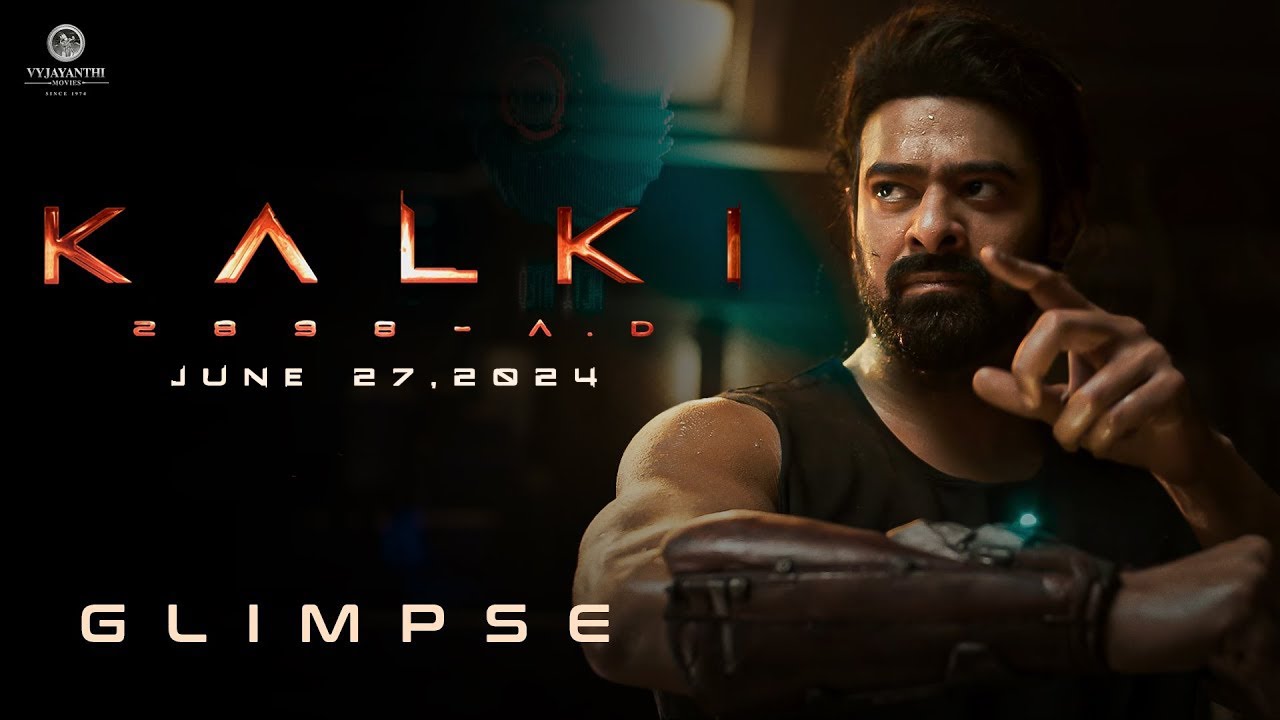
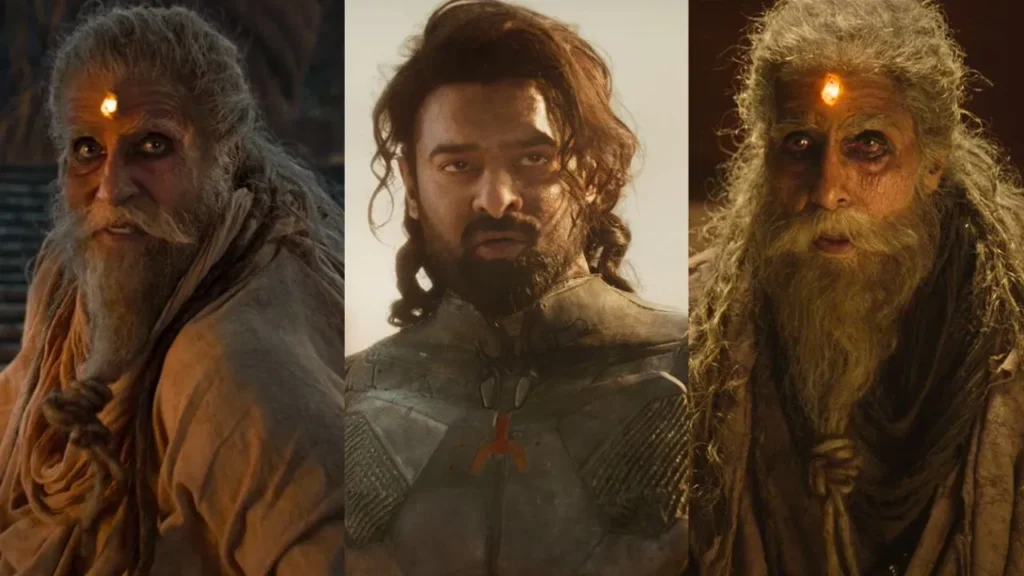
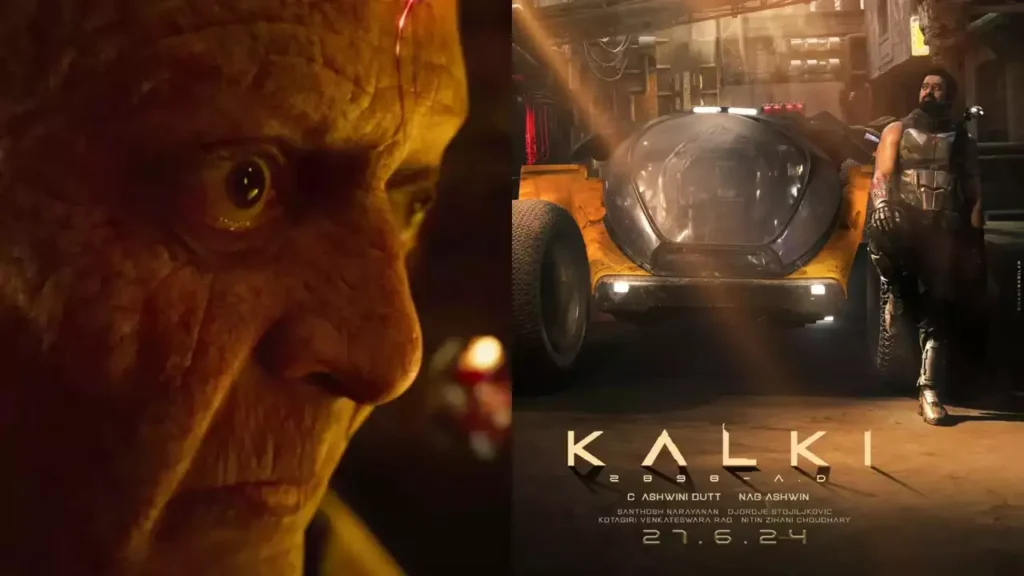
Kalki 2898 AD: A gutsy attempt at mixing dystopian world with Mahabharata

Nag Ashwin proves his capability as a versatile director, the movie works best when it focuses on Prabhas and Amitabh Bachchan

  • Starcast: Prabhas, Amitabh Bachchan, Kamal Haasan, Deepika Padukone, Saswata Chatterjee, Pashupathy, Anna Ben and others
  • Special appearances: Mrunal Thakur, Dulquer Salman, S.S Rajamouli, Vijay Devarakonda, Ramgopal Varma etc.
  • Story, direction, screenplay and dialogues: Nag Ashwin
  • Additional screenplay: Rutham Samar
  • Additional dialogues: Sai Madhav Burra and B.S Saewagna Kumar
  • Producer: C. Ashwini Dutt
  • Production Company: Vijayanthi movies
  • Cinematography: Djordge Stojilijkovic
  • Music: Santhosh Narayan
  • Genre: Science fiction
  • Running time: 3 hours and 1 minute

The track record of Indian cinema with science fiction/futuristic worlds is pretty abysmal. A major reason for it is the necessity of masala elements where the hero has to do romance, comedy and action while saving the world. Rakesh Roshan’s Krrish movies though not seamless did a good job in mixing Hollywood tropes with Indian Masala. Ayan Mukherjee’s Bramhastra was high on visuals, but a weakly written love story coupled with erratic characterizations made the movie just about an average watch. Last year Vikas Bahl made an attempt at directing a movie set in a futuristic world where the society is divided into two and poverty is at an extremely high level. Ganapath ended up being more about Tiger Shroff’s somersaults and was roundly rejected by the audiences.

Now you have Nag Ashwin’s Kalki 2898 AD also set in a futuristic world. The two-film old director has already created a niche for himself with Yevade Subramanyam and the biopic Mahanati on the legendary actress Savitri. Mahanati in particular is a challenging movie given that it is based on a very beloved actress who is admired by many, but he did complete justice to her life. With Kalki 2898 AD the director has pushed himself even more and let his imagination fly high. For example, he makes you believe that there would be a future where women would have zero autonomy over their bodies and the need for capitalistic gains will wipe out cities. In spite of obvious similarities to Dune and the Mad Max films Nag Ashwin delivers an impressive concoction of sci fi elements with mythology. But the women characters are a major weak spot, and the random love story of Prabhas with Disha Patani is a major speed breaker.

Kalki 2898 AD moves along multiple timelines starting from the Kurukshetra war. Amitabh Bachchan is Ashwatthama who is cursed with immortality by lord Krishna. On the other hand, there is the dystopian landscape of Kashi, the world’s last city. However, it is in complete shambles. The mighty Ganges is in a parched state and food is naturally scarce. There is a towering structure called Complex governed by Yaskin played by Kamal Haasan. He rules the place with an iron fist. Inside the Complex there are many fertile women who have been put on an experiment. Deepika Padukone’s SUM-80 alias Sumathi is an employee who is supposed to make sure that these fertile women get sufficient food and medicine. But there is a twist here; Sumathi who has been considered infertile for ages is now five months pregnant. Then you have Shambala a place for refugees from different faiths and cultures. They are putting their lives at stake for a better future.

Bhairava (Prabhas) wants to escape from the dreariness of Kashi and get into the Complex. He has AL car Bujji (with a fun voiceover by Keerty Suresh). There is a constant banter between them which gradually develops into a strong bond. Bhairava is a selfish man who is unaware of his destiny. As the story progresses Bhairava’s life gets intermingled with Ashwatthama, Sumathi and the people of Shambala.

For a movie like this a seamless blend of special effects and cinematography is very necessary and Kalki 2898 AD scores full marks in this department. The high-octane action sequences between Amitabh Bachchan and Prabhas in particular is a major highlight. Thankfully Nag Ashwin doesn’t show Bhairava as invincible, on more than one occasion we see him getting hurt. These scenes are also sprinkled with humour that bring a smile. Nitin Zihani Choudary’s production design also deserves a particular mention in how he creates an imaginary landscape that immerses the audiences.

Director Nag Ashwin also deserves distinction marks for how he integrates the Kurukshetra episode in the film. The emotional turmoil of Ashwatthama and his quest for repentance strikes a chord. Amitabh Bachchan delivers a stellar act overshadowing Prabhas on occasions.

Prabhas as Bhairava has a role that comes with different shades. There is humor, and he also comes across as not so likeable. Prabhas does complete justice to both. His interactions with Keerty Suresh’s Bujji add a lot to the movie.

Kamal Haasan as the evil Yaskin has a brief role but he sends down a chill with his intimidating act.

Santhosh Narayanan’s music lacks good songs but he more than compensates it with a powerful background score.

Kalki 2898 AD has many cameos from actors and directors. Out of these Ramgopal Varma and S.S Rajamouli are fun to watch. There is a Baahubali reference where Prabhas jokingly says about how he gave 5 years to that project, it definitely raises a chuckle. Among others Mrunal Thakur is impressive in her brief role.

A big flaw of Kalki 2898 AD are the two female leads. Disha Patani is only used for glamour and one completely out of place song. Deepika Padukone on the other hand plays a pregnant woman mirroring her real life. She is mostly required to look petrified, and the expressions irritate after a point.

The movie’s runtime could have been crisper with lesser cameos. For example, Dulquer Salman and Avasarala Srinivas don’t add anything significant with their presence.

A caution: Too many good directors going into the dystopian landscape is something that the industry should be careful about.

Family Star: This reunion of Geeta Govindam team leaves the viewers with a bitter aftertaste

The subject matter of celebrating a middle class hero is laudable but Parashuram Petla’s execution leaves a lot to be desired. Vijay Devarakonda brings his usual earnestness but that is not enough to salvage the film
  • Family Star
  • Rating: 2
  • Starcast: Vijay Devarakonda, Mrunal Thakur, Vasuki, Rohini Hatangade, Jagapati Babu, Vennela Kishore etc
  • Director and writer: Parasuram Petla
  • Producers: Dil Raju and Sirish
  • Production Company: Sri Venketeswara Productions
  • Music: Gopi Sunder
  • Runtime: 2 hours and 45 minutes
  • Genre: Romantic comedy/drama

Out of the eight films that Parashuram has directed Geeta Govindam remains his best. Sure in hindsight it does look like a project to alter the image of Vijay Devarakonda post the hugely polarized Arjun Reddy. Having said that Geeta Govindam was a charming romantic comedy with many enjoyable moments, in spite of Vijay Devarakonda’s recent box office failures there were certain expectations from Family Star given how Geeta Govindam had fared. The music director of that film Gopi Sundar is the composer of this one too. Leading lady Mrunal Thakur has had a terrific start to her career in Telugu with two back to back successes in author backed parts. Unfortunately Family Star is a slog for most part in spite of having a subject that can make for an entertaining commercial movie.

Vijay Devarakonda plays Govardhan who comes from a middle class background. He is single handedly keeping the joint family afloat. Govardhan is also quite a miser. For example there is an amusing scene where he makes very thin dosas of different shapes to ensure that the dough lasts longer. Ravi Prakash often seen in Krish Jagarlamudi’s films is an elder brother nursing past wounds. He is a regular drinker entangled in the web of alcohol. Vasuki is the long suffering wife who puts up with her husband’s drunkenness. Govardhan feels that his words are the reason behind the elder brother turning into an alcoholic. So he just puts up with his brother’s behavior before the dam finally bursts. Another brother is struggling to establish his own business.

At this time you have the arrival of a postgraduate student Indu (Mrunal Thakur). She integrates herself slowly into the family and soon love blossoms between her and Govardhan. However there is a twist in a tale just before the interval, a secret about Indu is revealed that severs their relationship. Govardhan feels cheated and decides to keep himself away from her. The rest of the story is about how the reconciliation happens when Govardhan is forced to work with her by circumstances.

Vijay Devarakonda and Rohini Hattangadi

The positives in Family Star can be counted on fingers and Vijay Devarakonda’s performance is one of them. In spite of the exaggerated middle class quirks Vijay pulls of a wonderful act. Vijay conveys a range of emotions from aggression, simplicity and stinginess in an admirable manner. He stands out particularly in the emotional scenes.

Vijay’s scenes with Mrunal are quite charming in the first half. Particularly the portions where Indu calls Govardhan ‘yevandi’, something flutters in Govardhan’s heart whenever she calls him that.  Mrunal Thakur’s Indu has two shades. In the first half she is a girl next door, in the later half we see Indu as a CEO who has a tough exterior with a compassionate nature. Mrunal does a good job in portraying both the shades.

Among the sprawling supporting cast veteran actress Rohini Hattangadi as the grandma is the only one who makes an impression. Her scenes with Vijay have been well written and are adorable to watch.

A major problem with Family Star is the superfluous writing. This comes out in a very glaring manner in the way the family members have been written except for Rohini Hattangadi. The discord between Vijay and Ravi Prakash’s character and why the elder brother is so neck deep in alcoholism is way too patchy and does not make any sense. What makes this scenario even more baffling is Govardhan’s self guilt about how he considers himself responsible for the elder brother’s downfall.

The redemption of Ravi Prakash’s character and the eventual reconciliation feels like more of an afterthought with extreme superficiality. The other brother played by Raja Chembolu has even less to do. His aspirations of opening own business feels like an unnecessary add on to increase the burden of Govardhan.

Family Star reminds the viewers of Geeta Govindham in more ways than one but not in a pleasant manner. For example here it is the hero who mistakes the girl’s intention and considers her to be a bad woman. There is a lot of ego tussle however unlike that film this movie has no soul. Often times Family Star feels like a lifeless imitation of that movie.

The US part in particular test the viewer’s patience. For example there is a scene where Vijay’s Govardhan is mistaken for a male prostitute. Cringe worthy would be an understatement to describe the entire scenario.

Vijay Devaraakonda calls his father Devarakonda Govarhana Rao his ‘Family Star.’

Another example of the extreme bad writing can be seen in the portions involving Ravi Babu as a loan shark who misbehaves with Vasuki’s character and asks her to sleep with him if the debt is not cleared; this happens in the first half. As excepted there is a mass sequence where Govardhan brings the entire family to Ravi Babu’s place in an auto. He breaks heads and beats men to pulp. The children look traumatized but Govardhan insists them to watch and learn from him on how to deal with bullies. What makes this sequence even worse is the final punch that Govardhan delivers to the bad guy. He threatens the villain with a rape threat involving the women of antagonist’s household.

Gopi Sundar’s music while not as good as Geeta Govindam does have its moments. A couple of songs do work “Nandanandana” and “Kalyani Vacha Vachaa”,

The idea of raising a toast to the star of every middle class family is admirable but the execution makes it yawn inducing.