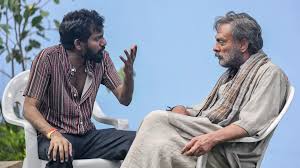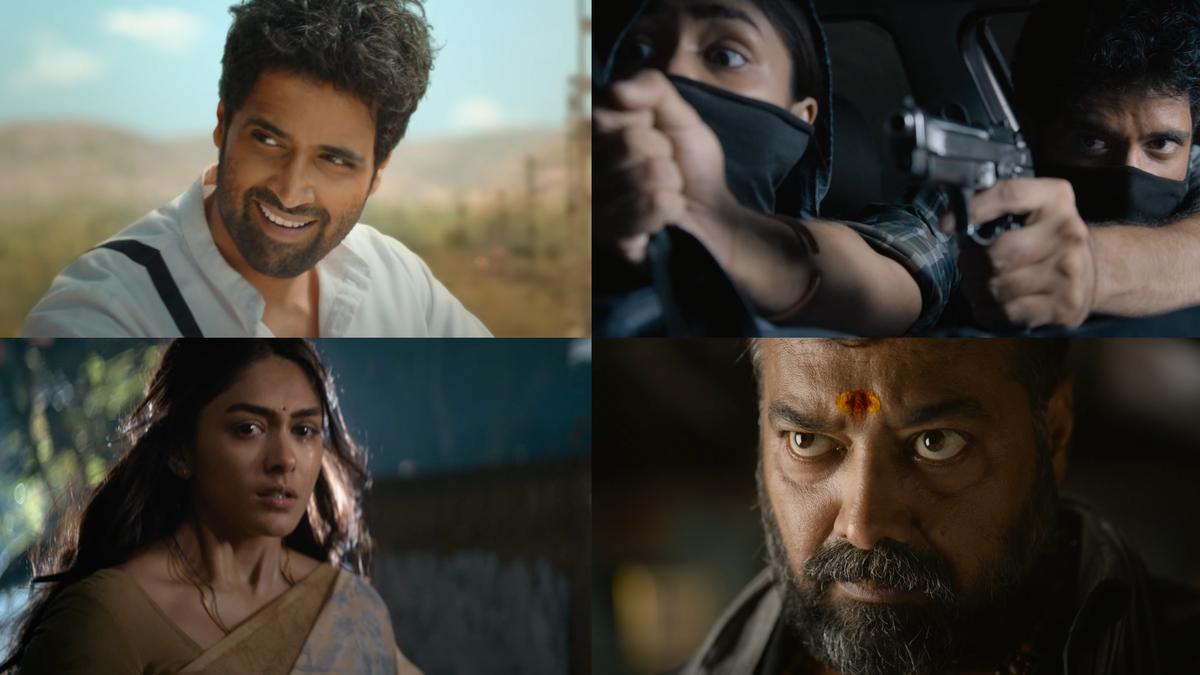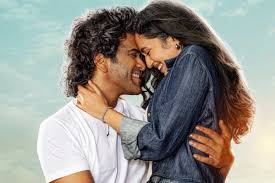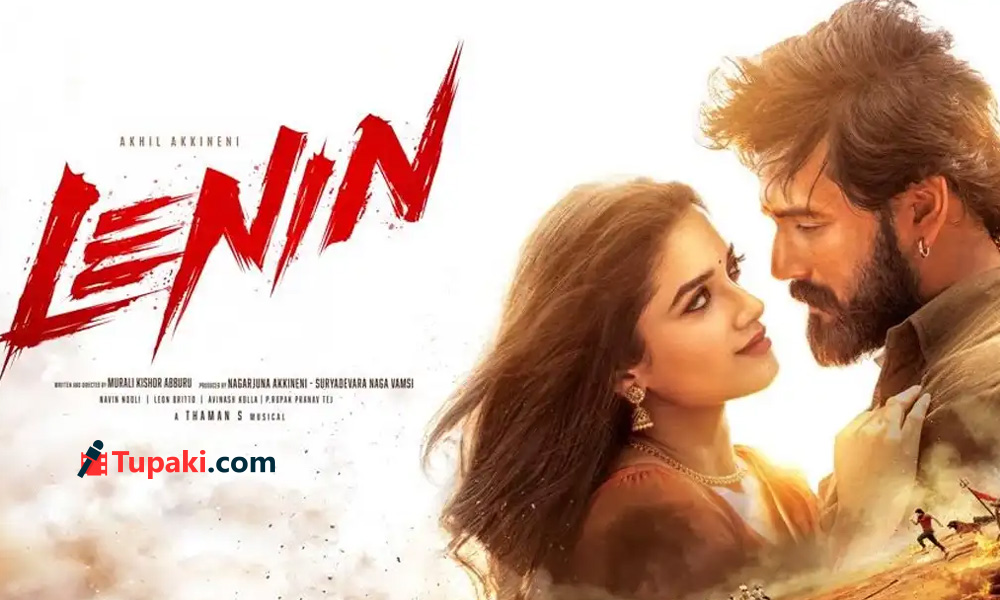
Lenin: A committed Akhil Akkineni and the mythological undertones save the day

At its core Lenin is a regular revenge drama but the nonlinear screenplay especially the second half makes it an engaging watch. The grey shaded characters have been built well particularly that of Sivaji, Easwari Rao and Pramod Panju. Bhagyashri Borse as a spirited Bharati is a delight to watch with her effervescence. The actress particularly stands out in a portion of confronting her father related to the topic of consent. Having said that Lenin doesn’t offer anything particular new in the sea of rural dramas.

Starcast: Akhil Akkineni, Bhagyashri Borse, Sivaji, Eashwari Rao, Pramod Panju, Bramhaji and others

Genre: Action drama/romance

Director and writer: Murali Kishor Abburu

Music: Thaman

Cinematographer: Leon Britoo

Producers: Akkeneni Nagarjuna and Suryadevara Naga Vamsi

Production house: Manam Enterprises and Sithara Entertainments

Running time: 2 hours and 38 minutes

The influence of Ramayana and Mahabharata can be seen in numerous Indian movies especially Telugu cinema. Whether its shades of mythological characters or direct references. Lenin written and directed by Murali Kishor Abburu is very explicit in its references of Mahabharata. Some of the most important developments like Eashwari Rao referencing to herself as Gandhari or the character turn of Sivaji feel like a homage to one of our beloved epics. These mythological layers play a key role in lifting what is an otherwise standard revenge drama. Akhil Akkeneni made his debut as a leading man in 2015 but has been struggling to create a solid impact. His last film Agent had a whacky characterization, but the movie was a major let down. Lenin can be definitely called as Akhil’s redemption as an actor irrespective of the box office numbers

The story of Lenin in brief is set in the backdrop of the Drapaudi Jatara festival. Without giving much spoilers the film is about an orphan rising from humble beginnings to fighting against injustice. The film focuses on village politics, deceit with betrayal from one’s own among others.
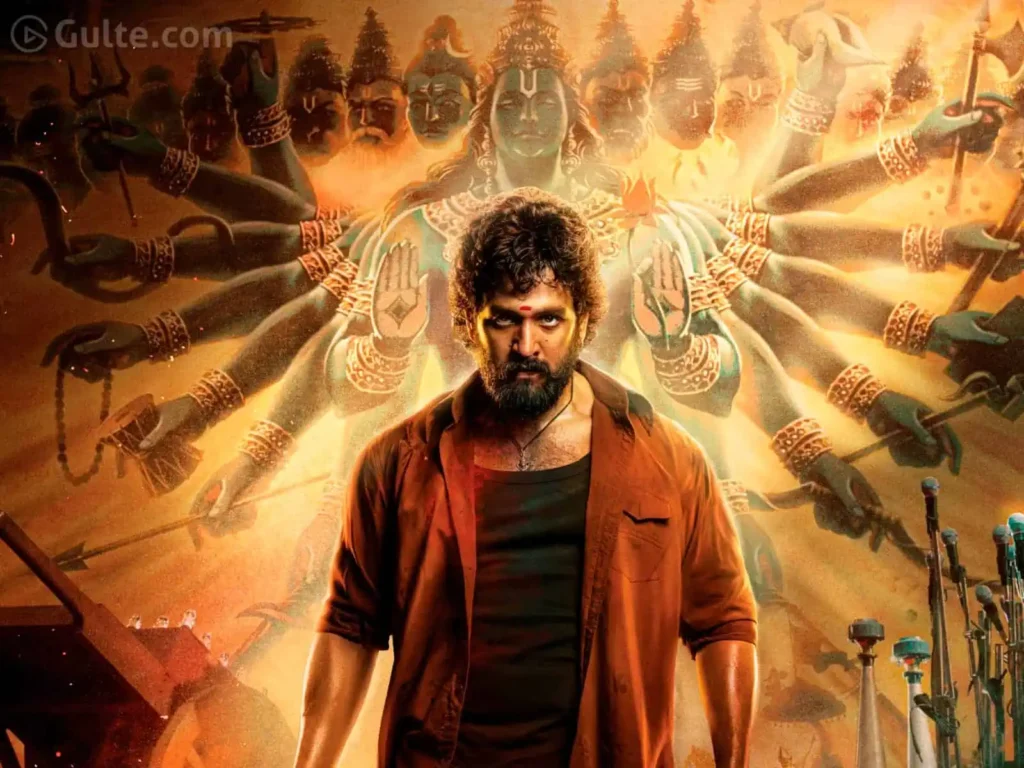
The tone of Lenin is set from the beginning itself with Akhil’s character released from Jail. A lot of time is spent on introducing the cultural significance of Drapaudi Jatara festival, village politics and the budding love story among others. This approach does take a while getting used to. Also, the cute meet moments between Akhil and Bhagyashri needed better depth. It follows a pretty formulaic route, having said that Bhagyashri with her effervescence tides over the sketchy writing, she shares a nice chemistry with Akhil too. One of the worthy scenes is Bharati taking on Bramhaji’s character in a game of cards and her subsequent punch dialogues.
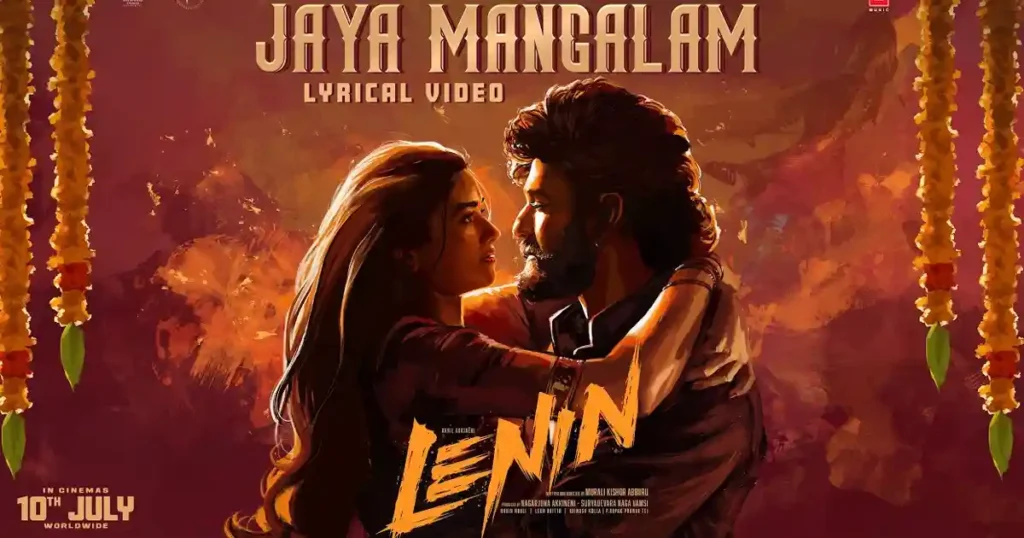
The movie actually gets going around the interval point when Bharati’s marriage is fixed in haste with Pramod Panju’s Vasanth. Vasanth and Lenin share a strong bond of friendship with Easwari Rao being a mother figure to Lenin. Lenin doesn’t reveal about his love to either Vasanth or Easwari Rao. Just when the viewers think Bharati will marry someone else she springs a surprise openly talking about how she loves Lenin and vice versa, Bharati further questions the father about not bothering to ask about her consent. Bhagyashri aces these scenes in particular.

The interval point enters on banger, the details of which are better seen on screen. From here the movie switches gears gradually unraveling the dark layers. The various revelations at the crucial junctures has been wonderfully written and enacted. Among the revelations the twist related to Pramod Panju is the most impressive of the lot.

Until then the viewers have a certain impression of him, but all this changes with a crucial exposition. The timing of this exposition has been excellently done and as a viewer you feel for Lenin when he goes through a major personal shock. Akhil as an actor particularly shines in the portions leading up to the big climax. There is a scene of Lenin pleading with the antagonist, there is no hyper background score to amplify the emotion. It purely relies on Akhil and the actor more than rises to the occasion.

Mention must also be made of how Sivaji’s role has been written. He plays the role of Yathiraju a man constantly treated as an outsider, this eventual frustration reaches to a boiling point and certain situations led him to betray Lenin. Sivaji does an excellent job as always. Easwari Rao as a Gandhari like figure is good too particularly in a crucial climatic stretch.
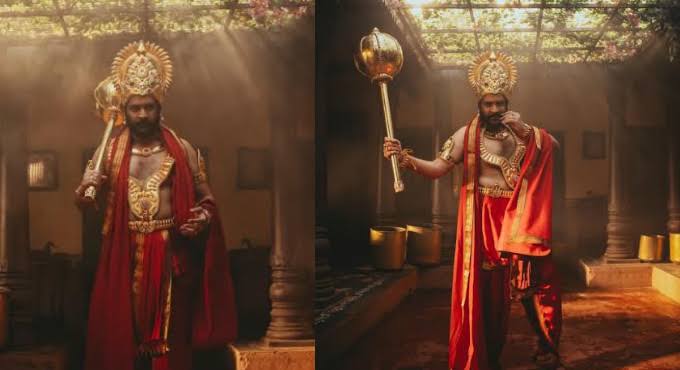
Pramod Panju as Vasanth is also first rate. Much details cannot be given but the subtle character switch has been wonderfully portrayed by the actor. Last but not the least Bramhaji as a Shakuni-like figure also impresses with his mannerisms.

Murali Kishor Abburu does a fair job in examining how shattered pride can cause severe harm damaging personal relationships. There are some solid dialogues related to this as well as the so called social hierarchies.

Thaman S music while groovy especially Yetta Yetta suffers from a placement problem. There is an abruptness to the song’s integration making the viewers impatient. The background score though is more effective in elevating the twists.

One major problem with Lenin is the eventual core which is the revenge aspect. The last few years has seen a barrage of rural stories with different social contexts, as a result Lenin feels like just another rustic story cashing on the success of Rangasthalam and Pushpa among others. The closing stretches also has a hangover of Peddi with a physical impediment. This again feels like more of a shock value rather than something really needed.

Final word: Lenin is a winner for Akhil the actor. Watch it if you are in the mood for a rural drama with mythological undertones.
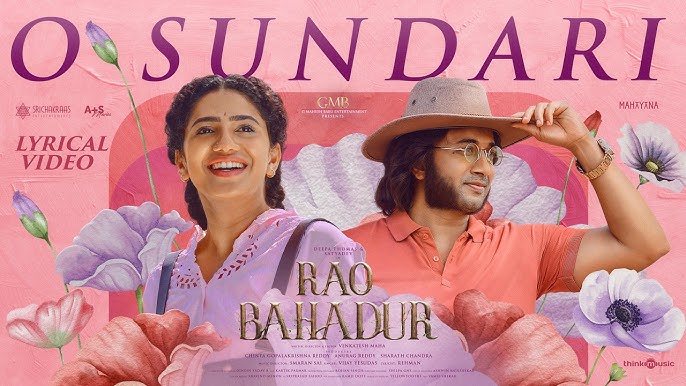
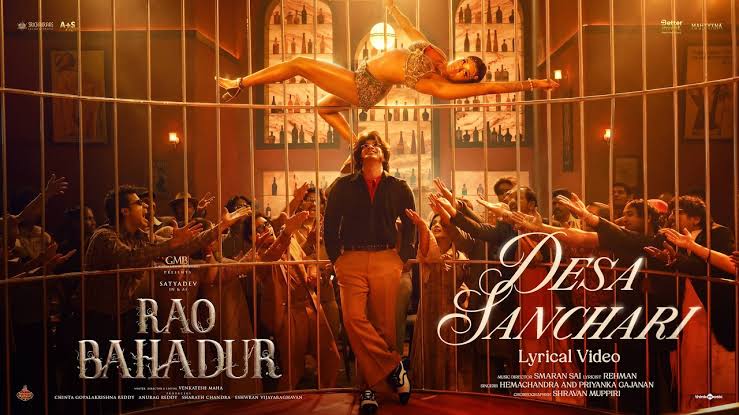
Rao Bahadur: Complex but an engaging psychological drama

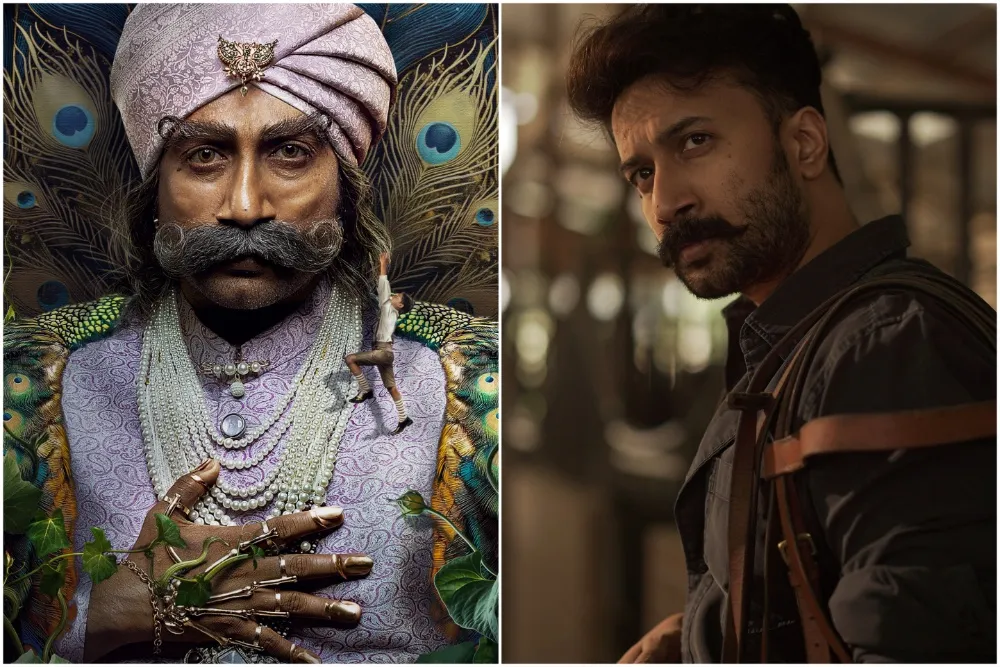
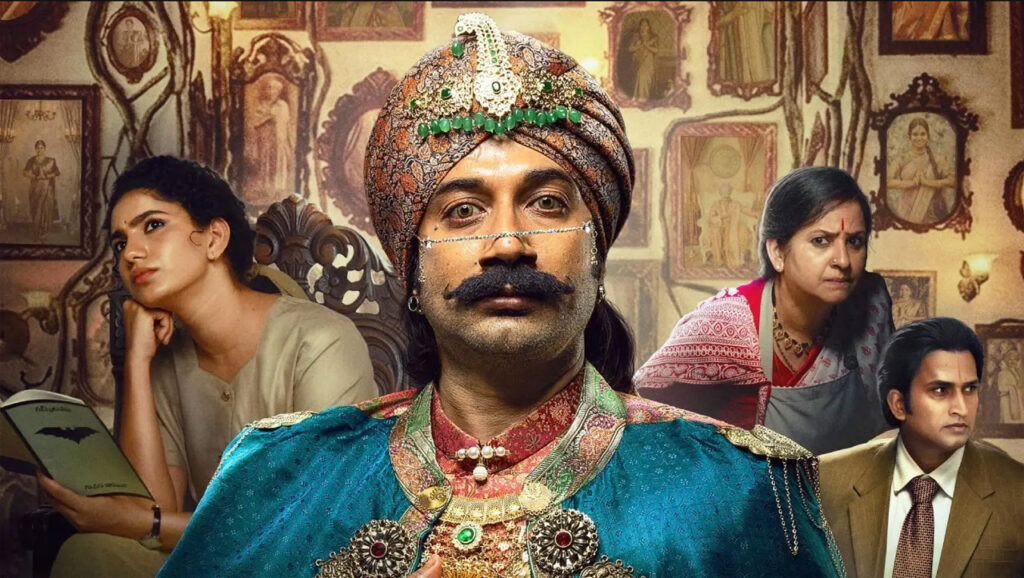
The world of Rao Bahadur takes a while getting used to, but the movie slowly draws you in and after a point the viewers become completely engrossed. Venkatesh Maha continues to show why he is a distinctive storyteller. Through a tale of aristocracy, the director does a fantastic job in critiquing casteism, colorism and a certain obsession with lineage among others. Satyadev in the titular role throws himself fully delivering one of the best performances in 2026. Kudos to Mahesh Babu for turning a presenter to this unique experiment

Starcast: Satyadev, Vikas Muppala, Deepa Thomas, Bala Parasar etc

Genre: Psychological drama

Director and writer: Venkatesh Maha

Producers: Anurag Reddy, Sharath Chandra etc

Production Companies: A+S Films, Sricharkas Entertainments, Mahayana Motion Pictures etc

Music: Smaran Sai

Cinematography: Kartik Parmar

Running time: 2 hours and 50 minutes

Venkatesh Maha’s debut movie C/o Kancharapalem is one of the finest experimental movies in Telugu. Through an anthology format Venkatesh Maha explored the social issues of caste, class barrier and religion. The movie won a lot of acclaim and rightly so. He followed C/o Kancharapalem with another engaging movie Uma Maheswara Ugra Roopasya with a brilliant Satyadev. Though a remake of a Malayalam movie the movie was still a compelling tale for the original movie fans too. After a significant gap Venkatesh Maha is back with another distinctive film, the scale of Rao Bahadur is of course bigger than Venkatesh Maha’s previous ones, but the director’s social vision is visible in numerous sequences.

The story of Rao Bahadur without much spoilers focuses on an aging aristocrat. Satyadev is Bhuvanam Ramappa Rao Bahadur. He is a royal figure stuck in the past. As the plot progresses the viewers are introduced to a haunting family history. What is this family mystery and why Rao Bahadur is the way he is forms an important core of this ambitious experiment.

As already mentioned Rao Bahadur takes a while getting used to. The fractured mental state of the titular character needs some patience to grasp. For some Rao Bahadur’s theatrics will feel silly but as the plot progresses with the back and forths it slowly starts to grip the viewers. The flashback portions of the younger Rao Bahadur give a solid psychological insight into how he goes from a reluctant royal heir to getting deeply stuck. Some important twists at the end come across as a genuine shocker, along with shock value these mirror the movie’s themes perfectly too.

A strong aspect of Rao Bahadur apart from Satyadev are its hard-hitting dialogues reflecting different societal aspects. These are a mix of subtle satire, dark humor and in some cases philosophical undertones. Following are a couple of important ones.
“Okkapudu na prapancham kooda chala vishalaanga anipinchedandi manam peddayye koddi adi chinnadai pothundi shariraka edugudhala valla anukuntam kani manasikanga edagapovadam valla ani teluskondantaru.” The English translation of this is (“The world once seemed vast to me as we grow older it gets smaller. We think it’s because of physical growth, but everyone should realize its due to the lack of mental growth.”). Through this dialogue Venkatesh Maha talks about shrinking mindsets fueling discrimination.

Another important dialogue this time reflecting a royal heir’s psychological toll goes like this. “Rao ante Prince and Bahadur ante brave. Rao Bahadur ante dhairyam gala yuvaraju ani ardham, Bhayalu, bramalu, oohalatho vila vila ladi pothu unthadu ayana. The English translation of this is Rao means Prince and Bahadur means Brave. Rao Bahadur means a brave prince, and he is plagued by fears, delusions and hallucinations. This dialogue perfectly showcases the intense vulnerability and insecurity due to a certain social conditioning.

The technical department is another major strength of Rao Bahadur. The production design perfectly reflects the fading grandeur of Rao Bahadur’s world. The concept of magic realism plays a key role in reflecting Rao Bahadur’s inner turmoil; this is further enhanced by both the production design and cinematographer Kartik Parmar. The images create an immersive experience as much as the dialogues.

However, Rao Bahadur wouldn’t be what it is without Satyadev’s bravo performance. His portrayal of confusion, vulnerability and the psychological trauma is simply first class. Satyadev once again shows why he is one of the best actors that we have. The actor deserves all the accolades for a job extremely well done.

The supporting cast also pitch in some wonderful performances. Vikas Muppla as a doctor cum friend gives solid support to Satyadev. Whether it’s patiently trying to understand his friend’s eccentric behavior or getting frustrated. Deepa Thomas as Renuka also shines whether it’s the scenes of warmth in the early flashback to a simmering anger at Rao Bahadur’s changing behavior. Bala Praasar playing the house help Acchamma raises chuckles with her comic timing. Venkatesh Maha also has a fun extended special appearance and the director cum actor nails the quirks.

The songs by Smran Sai are of a fine order too. It enhances the emotional undercurrents as well as the whimsical nature of the proceedings.

Final word: Rao Bahadur is more of a puzzle gradually decoded rather than a mainstream thriller. For fans of psychological dramas and Satyadev Rao Bahadur this is very much a ride worth embarking on.

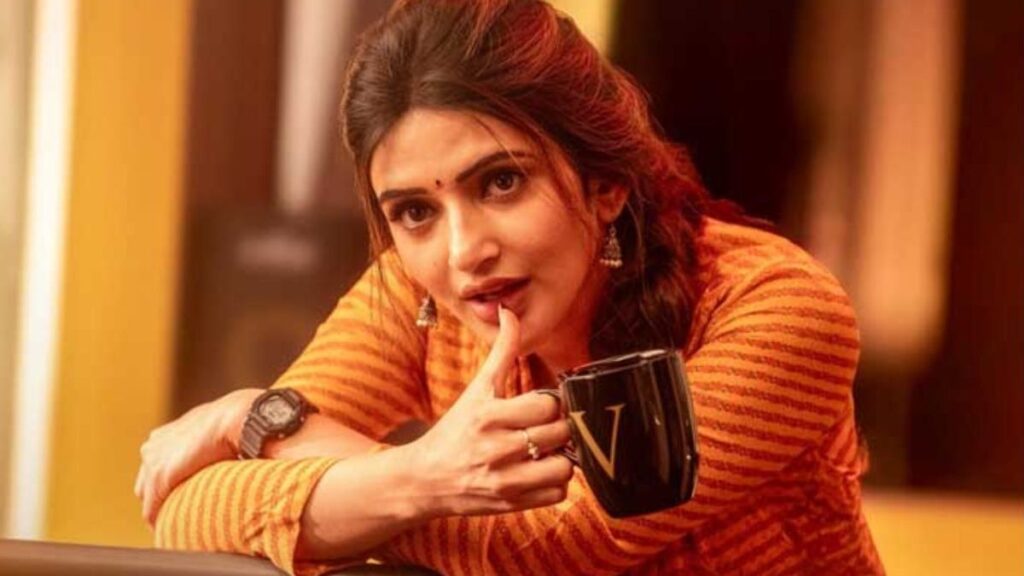
Maa Inti Bangaram: Woman power with a ‘Baasha’ spin

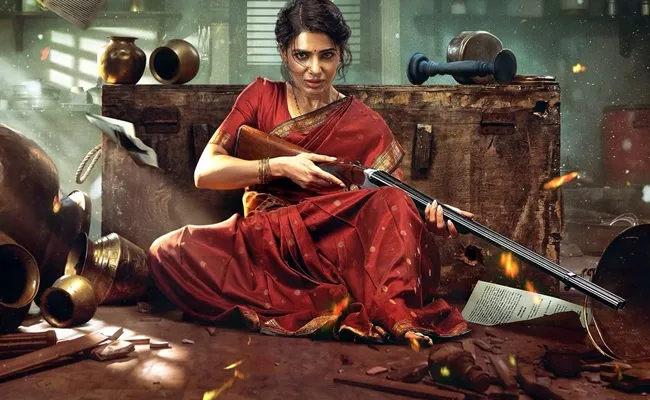
MIB largely rides on Samantha’s all round show and Gulshan Devaih’s sinister villainy. The writing though falls significantly short in two key stretches. One the husband-and-wife relationship, and second a rather hurried origin story with the angle of naxalism. Keeping the shortcomings aside MIB makes for a fun popcorn entertainer especially for those who have liked Samantha’s action avatar. Nandini Reddy and Raj Nidimoru tackle some interesting gender themes in a typical joint family set up

Starcast: Samantha, Gulshan Devaih, Manjusha Mukkavalli, Sreemukhi and others

Genre: Action/drama

Director: BV Nandini Reddy

Writers: Raj Nidimoru and Vasanth Maringanti

Music: Santhosh Narayanan

Cinematographer: Om Praksh

Producers: Samantha, Raj Nidimoru and Himank Reddy Duvvuru

Production Company: Tralala Moving Pictures

Running time: 2 hours and 34 minutes

The Baasha template of a man with violent past is one of the most overused tropes in Indian cinema. Numerous male stars have attempted this with a fair amount of success. Rajinikanth himself has had many reiterations of the same especially the 2023 smash hit Jailer. BV Nandini Reddy along with the writers take the core of Baasha and add a tadka of Family Man Season 2. The origin story with the angle of naxalisam bears a striking resemblance to the LTTE angle in that web show. In one way the movie feels like what if Samantha’s Raji had left the movement and found a loving husband. Keeping aside the comparisons Maa Inti Bangaram is a treat for Samantha fans even though the storytelling doesn’t fully soar.

The story of MIB focuses on Samantha’s Swarna/Jhansi. Swarna is a far cry from the typical daughter-in laws of a joint family. Dignath Manchale plays Swarna’s husband Anirudh, he had gone against his family and married Swarna. How they fell in love is hardly touched upon and this is something which I will get to later. Coming back to the story Anirudh and Swarna come for a family wedding amidst a somewhat hostile atmosphere. How Swarna wins over her in laws while tackling an extremist leader/angsty ex-lover is the main story of Maa Inti Bangaram.

It goes without saying that MIB largely relies on Samanth’s star power and the actress doesn’t disappoint one bit. Whether its kicking goons, the emotional vulnerability or the comic portions she doesn’t miss a single beat. Samanth’s prowess in action is something that we have already seen, still its a delight to watch Samantha take on the bad guys with absolute conviction. A special mention must be made of the climactic fight filled with gun shots and hand to hand combats. At the same time, Samantha does a fantastic job in the emotional sequences too like the one where Swarna reveals important details about her past, in the same scene she also questions the typical matrimonial ads describing the qualities so-called perfect daughter- in-law.

The comic sequences too are a riot. Her scenes with Manjusha Mukkavalli raises ample chuckles like the portion of emotional manipulation. In a couple of sequences there is also a perfect mix of humor with tension. For example, there is a portion of Swarna and Manjusha’s character desperately trying to put away a dead body. Manjusha makes her presence amply felt in spite of sharing screen space with Samantha.

Sreemukhi as the orthodox daughter in law typically seen in numerous joint families also makes a striking impact. In scenes of jealousy, she particularly stands out. Gulshan Devaih as the hurt lover Karuna makes for a striking villain. His dynamics with Swarna has been fleshed out much better in comparison to the husband-and-wife relationship. A portion worthy of mentioning is Karuna taking jibe at Swarna’s domestic avatar saying that did he train her for this and how she is wasting herself. On a side note, it would be good to see Swarna playing an active part in her father in laws political activities if a sequel is made, while carrying on the duties of a wife/daughter-in law. Among the rest veterans Gautami and Sri Lakshmi do a fair job within the confines of their roles.

A major flaw with Maa Inti Bangaram is the haphazard integration of the Naxalite angle. The socio-political complexities of a then important movement is reduced to a mere side note. The nuance is absolutely lacking in how Nandini Reddy along with the writers have presented the social scenarios leading to naxalism.

Another big issue is the lack of meat in the husband-and-wife relationship. The process of Anirudh and Swarna falling in love is never shown, we just get a couple of mentions in Swarna’s words, but more depth was required. This aspect sticks out even more glaringly given that Anirudh had gone against his parents to be with Swarna, so a much better exploration of how they fell in love was needed.

Maa Inti Bangaram features only one song which is the energetic Thaasadiya. The upbeat tune coupled with Samanth’s free flowing dance moves makes for a nice watch visually. Om Prakash’s cinematography stands out in the climatic fight.

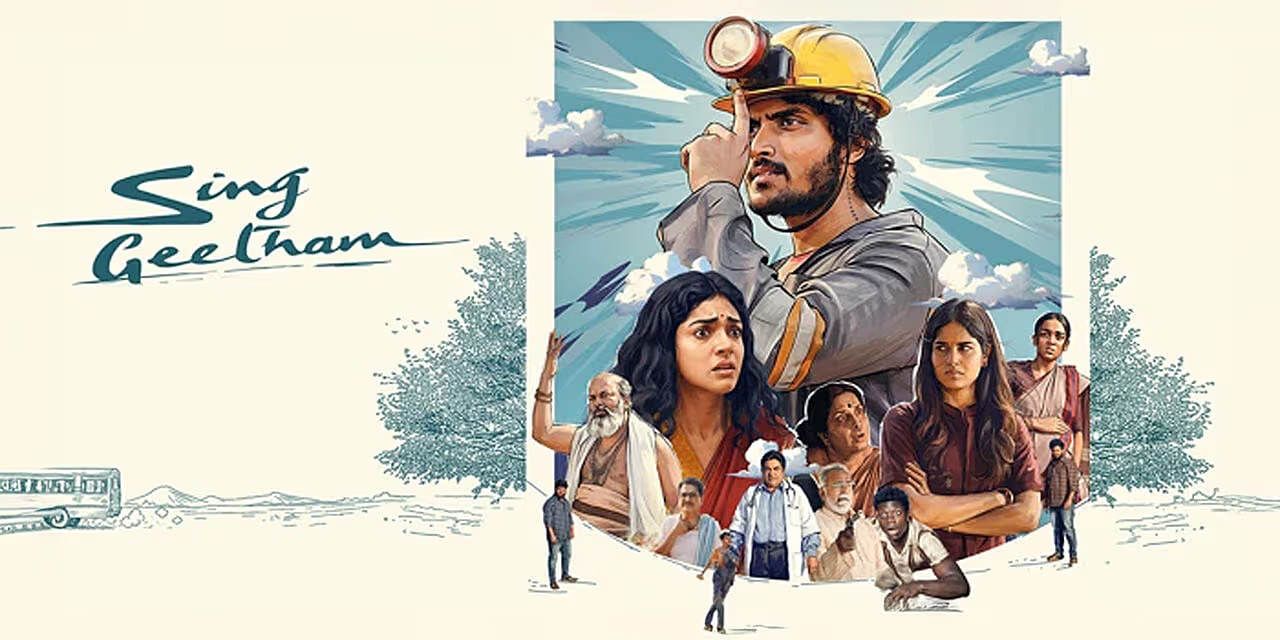
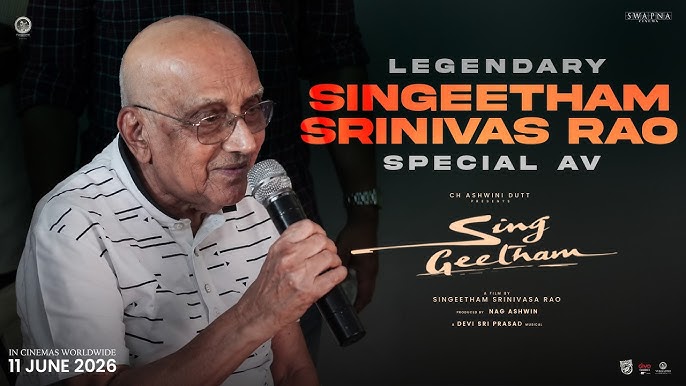
Sing Geetham: A gripping ecological fable soaked in allegory

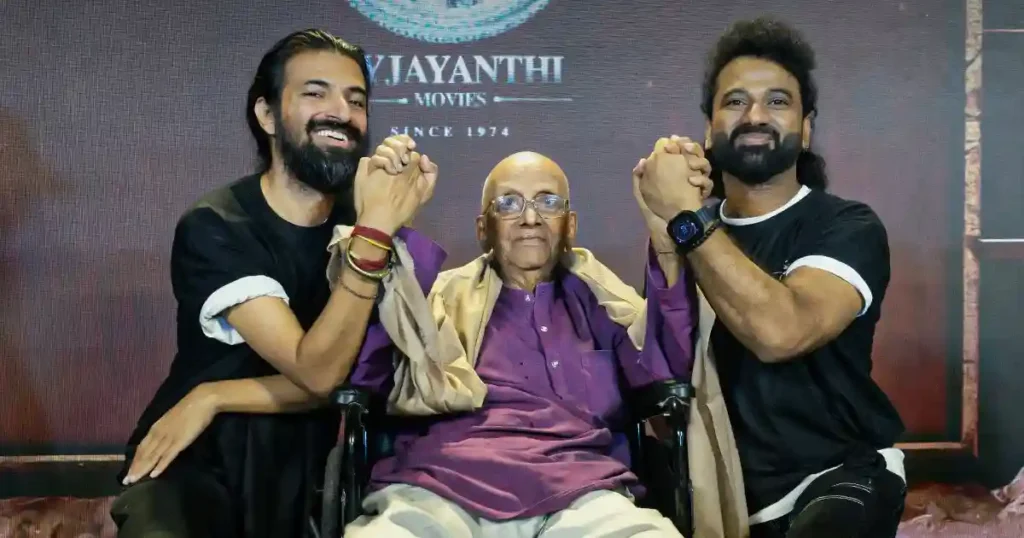
Acclaimed director Singeetham Srinivas Rao once again employees his trademark whimsical style while exploring the themes of human greed, capitalism and environmental destruction. Kudos to the director for coming up with a story like this at the age of 94 and showing why he is one of his kind. Nag Ashwin and Vijayanthi movies also deserve appreciation for bringing alive his vision. Devi Sri Prasad delivers one of his best soundtracks whether it’s the initial bewilderment or the anguish in the pre climax. A committed ensemble especially Ahilya and Shalini Kondepudi stand out among the performers

Starcast: Ayaan, Ahilya Bamraoo, Shalini Kondepudi, Tulasi, Banerjee, Nivetha Pethuraj, Rahul Ravindran and others

Genre: Fantasy/supernatural

Director and writer: Singeetham Srinivas Rao

Additional writers: Nanda Kishore Emani, Gautami Challagulla etc

Music: Devi Sri Prasad

Cinematographer: Ankur C

Producer: Nag Ashwin

Production houses: Vyjayanti Movies and Swapna Cinema

Running time: 2 hours and 17 minutes

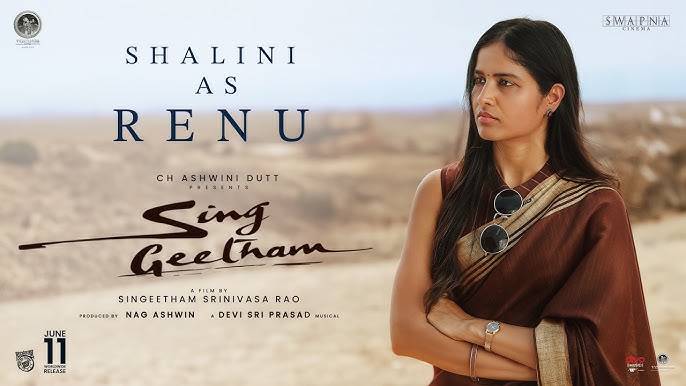
Before dissecting Sing Geetham its necessary to appreciate the spirit of Singeetham Srinivas Rao. The story of Sing Geetham is an old one, it has been with Singeetham Srinivas Rao for a long time. Through the story has been written long time back the plot is still so contemporary. The themes of environmental destruction and Mining don’t need a special introduction. We see it all around us but to explore these topics in the age of big scale Pan India takes courage both for the director and the producers. So firstly, a big round of applause for the entire team. Coming to the film Sing Geetham in set in the village of Kuberapuram. A young man Prathap (Ayaan) returns to his native village for claiming inheritance. He wants to make some quick buck by signing a deal with a businesswomen Renu (Shalini Kondepudi). Ahilya Bamaroo plays Gauri a feisty young woman deeply attached to the village’s last surviving tree. Things take a major turn with the tree being razed to the ground and the village getting cursed. A big reason for the curse is Gauri’s rant on that particular night. The backstory of Prathap involving Nivetha Pethuraj and Rahul Ravindran and how the curse of communicating only through songs is broken forms an important core of Sing Geetham.

A strong aspect of Sing Geetham is the world building. Singeetham Srinivas Rao along with the writers get to the heart of the story without wasting much time. Whether its Pratap’s release from jail, his entry into Kuberapuram and the mining business of Renu and her father, the latter played by a suitably evil Banerjee. Gauri’s attachment with the tree and her ideological differences with the father also set a solid base.

The portion of village’s last tree razed to the ground and Gauri’s desperate plea is emotionally poignant. Yes, the scene does across as melodramatic but there is an important reason behind Gauri’s attachment. This comes in the latter half with solid acting from both Nivetha Peturaj and Rahul Ravindran as Prathap’s parents.

For some viewers the environmental destruction explored will remind them of tress being cut down in real life. The most recent one is KBR. The mining portions are again reminiscent of numerous stories we have read in newspapers or come across online. To make a film like this with a strong political voice and then to be backed up by names like Nag Ashwin and Vyjayanthi alone makes for a big reason to watch.

Having said that the subject takes a while to warm up. The format of communicating every feeling through songs will appear outlandish for the mass belt, also the title Sing Geetham doesn’t appear in sync with the story’s nature. Still there is a lot to savor for those who like experimental cinema especially Singeetham Srinivas Rao fans.

Devi Sri Prasad’s music and background score is the soul of Sing Geetham apart from direction and writing. The songs are of a completely different flavor something we don’t usually associate with DSP. It is a huge challenge to compose tunes for a film like this but Devi Sri Prasad more than rises up to the challenge. Among the songs the one which stands out is the emotional plea to the god Kubera when a lot of people turn into gold statues. The tune, lyrics and the actor’s performances combined stirrers the viewers. On the other hand, a song situation with everyone speaking their mind without any filter makes for a fun watch. Sing Geetham is easily Devi Sri Prasad’s best work to date.

The allegorical touch especially the story of King Midas and its integration in the pre climax has also been well done. The pre climax also gives an important message on humanity and the need for harmony. There is a powerful portion of villagers setting aside their greed and protecting a newborn baby. Some of them become gold statues and this is preceded by an emotional plea to God.

The movie ends with the people of Kuberapuram living together in harmony with nature. Vijay Devarakonda briefly appears as a potential threat to Kuberapuram ; the part itself doesn’t have much significance nevertheless it makes for a fun special appearance especially with Vijay struggling to hold himself together because of the involuntary dancing curse.

The cast of Sing Geetham is an interesting mix of newcomers and established actors, and this works for the movie. Among the younger lot Ahilya and Shalini stand out. Ahilya portrays the feistiness of Gauri in a solid manner. Shalini Kondepudi as a calculative businesswoman with her own insecurities also makes a striking impact. Her character Renu is someone who is driven by the need to prove herself and this adds an interest psychological layer to the character. On a side note, it’s good to see the emergence of new actresses coming through Youtube like Shalani and Shivani Nagaram.

Peddi: A moving tale of undying spirit

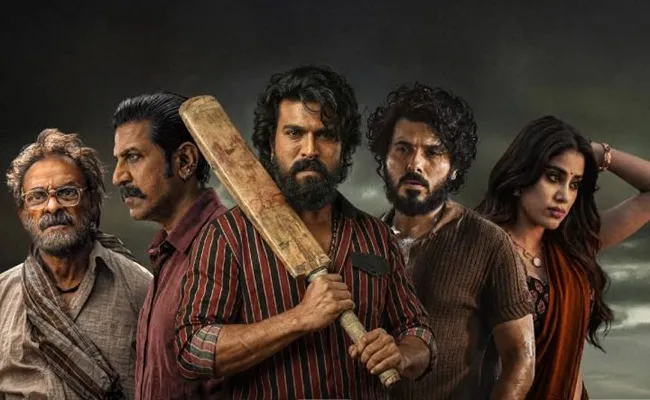
Uppena director Buchi Babu Sana gives his own touch to a Rangasthalam like set up. The film works best when it focuses on the social milieu of caste and the incredible fighting spirit of Peddi. Ramcharan in the titular role goes all out both physically and emotionally. Whatever the fate of Peddi financially the film will be a milestone for Ramcharan the actor. Janhvi Kapoor in her second Tollywood outing doesn’t fare any better whether its the accent or the overall performance. The overt sexualization doesn’t help either

Starcast: Ramcharan, Jagapathi Babu, Shiva Rajkumar, Divyendu, Janhvi Kapoor and others

Genre: Sports/drama

Direction and story: Buchi Babu Sana

Screenplay: Nagendra Kasi, Vara Prasad Toleti, Sri Raman CH etc

Music: AR Rahman

Cinematography: R Rathnavelu

Producers: Naveen Yerneni, Venkata Satish Kilaru, Sukumar etc

Production Companies: Mythri Movie Makers, Sukumar Writings etc

Running time: 3 hours plus

Sukumar’s Rangasthlam and the Pushpa movies aren’t just box office blockbusters; they opened a new grammar of filmmaking especially the return of rural stories in a commercial set up. His assistants Srikant Odela and Buchi Babu Sana have been successful in carving their own niche while paying tribute to their mentor/guru. Buchi Babu Sana’s first film Uppena started off as a story of star-crossed lovers, but what made the film unique was a pivotal pre climax twist. It was daring especially keeping in mind the star launch of Vaishav Tej. With his latest Peddi the director once again takes a very wild swing with the characterization of Ramcharan. The details cannot be revealed here but Ramcharan deserves major appreciation for submitting to the vision of the filmmaker and not letting his pan India image come in the way

The one-line story of Pedda is about a labor/athlete. How Ramcharan’s Peddi uses his multiple sporting skills to lift a deprived community with the village getting united forms the spine of the film. The story of Peddi is narrated to Boman Irani’s Kiran Singh. Kiran Singh is a senior official from Indian Olympics and is used as a typical framing device for the audiences to discover the legendary journey of Peddi. The plot is supposedly inspired from a daily wage laborer called Peddi Babu.

A strong aspect of Peddi are its social beats. An overarching theme is the struggle for basic identity and recognition. Peddi becoming a cross over athlete is less about personal fame and more about his village lacking infrastructure and a name. This has come out solidly in the monologues of both Ramcharan as well as Jagapathi Babu playing Peddi’s father.

Buchi Baba also does a solid job in presenting the struggles of bonded laborers. How the rural working class is repeatedly shamed for belonging to a marginalized caste has some powerful moments. The prejudices of the government in not helping them makes the viewers root even more for Peddi to win.

The caste politics in everyday life even in something like sports meant to be a unifier has its share of poignant moments. A special mention must be made of Shiva Rajkumar’s Gournaidu. His character has some powerful moments like the scene where he chooses Peddi over his upper caste student/disciple. The scenes between Gournaidu and Peddi though familiar gives the movie some of its best moments. Shiva Rajkumar brings in emotional depth as well as the required authority.

Bollywood actor Divyendu plays a mini antagonist. The character Rambujji is sketchy written, but Divyendu plays the part with the required attitude. A particular mention must be made of the scene where Divyendu questions Peddi’s worth after a deliberately lost cricket match. It sets a solid base for Peddi venturing into wrestling. Buchi Babu does succeed in humanizing Rambujji though. The climatic portion of Peddi’s village people seeing the match in his house has some nice touches. The message of how sports can be a great unifier in getting people together irrespective of caste, class etc has been solidly written and enacted.

However, the major spine of Peddi without a doubt is Ramcharan. Ramcharan is the glue holding the proceedings together. The physical transformation is of course fantastic particularly the wrestling part. But the actor majorly scores in the emotional scenes. A crucial portion set in the hospital will move the viewers. A long monologue towards the end also deserves a special mention, it hits the right buttons thanks to the writing as well as Ramcharan’s stupendous act. Lastly Jagapathi Babu is also striking in the role of Applasoori. Yes, for some the part may across as melodramatic but Jagapathi Babu nails the desperation of Appalasoori.

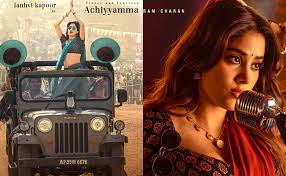
A major problem with Peddi is Janhvi Kapoor as Achiyamma. The romantic track just doesn’t work whether its the lines or how Achiyamma falls in love. For a movie talking about dignity and identity Achiyamma is mostly written from a voyeuristic gaze. Even some of Peddi’s lines about Achiyamma reek of casual sexism and this is something Buchi Babu should have avoided. In fact the female characters leave a lot to be desired especially keeping in mind how Uppena had a solid female character. The confrontation of Krithi Shetty with Vijay Sethupathi was Uppena’s biggest highlight. Unfortunately, Peddi lacks severely in this department.

Also Boman Irani as a framing device feels convoluted beyond a point. A more original approach was needed. Apart from being a patient listener and being bewildered on Peddi’s multi-faceted personality the actor has nothing more to do.

AR Rahman’s music and background score is solid for most part. The already popular Chikiri works both for its upbeat tune and Ramcharan’s swag. The Masaa Massa on the other hand makes for a good montage training song. The background score too especially the Delhi scenes work well. But a special number featuring Sruthi Hasan along with Janhvi feels like an unnecessary add on. Apart from ample skin show for front benchers there is nothing more.

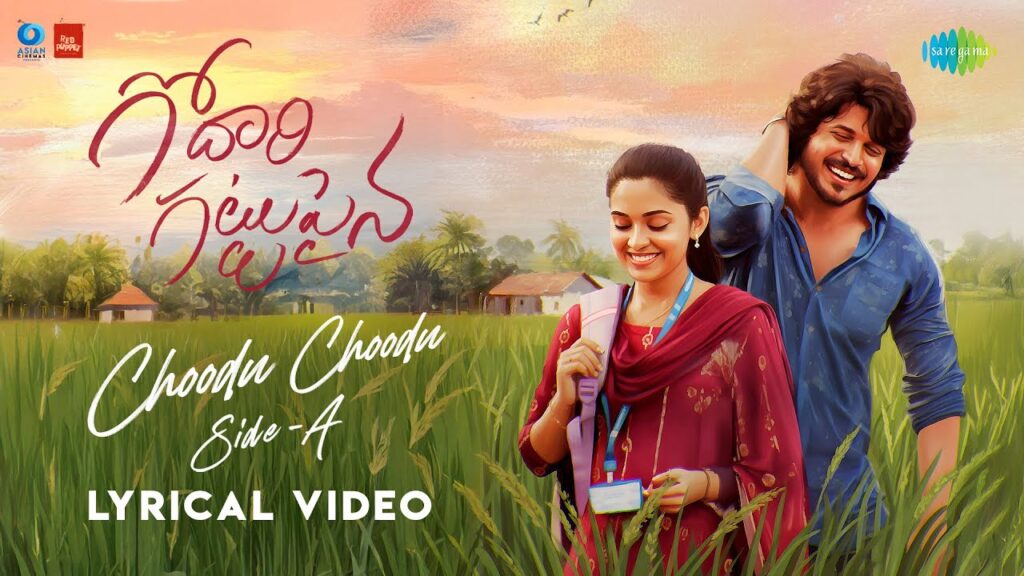
Godari Gattupaina: A social rom com with the message of inclusivity

The story of Subhash Chandra is as old as hills. Different variations of the plot has already been explored umpteen times. Having said that the setting of Godari with a particular slang makes for a nice viewing. The characterization of Sumanth Prabhas as an honest auto driver without the mass elevations deserves appreciation. A mention must also be made of Jagapathi Babu as the conflicted father.

Starcast: Sumanth Prabhas, Nidhi Pradeep, Jagapathi Babu, Sudharshan, Rajkumar Kasi Reddy, Rajeev Kanakala and others

Genre: Romance

Director and writer: Subhash Chandra

Cinematography: Saai Santhosh

Music: Naga Vamshi

Producer: Abhinav Rao

Production Company: Red Puppet Productions

Running time: 2 hours and 28 minutes

The love story genre is one of the most overused ones across industries. From lighthearted to intense numerous directors have explored love in different ways. All conflict points whether its parental opposition, caste and religion based, internal issues or age gap like in the case of Sai Marthand’s Little Hearts have already been explored. Having said that a lighthearted rom com is always a welcome especially in today’s age of overblown pan India cinema. Godari Gattupaina perfectly fits the category of the above mentioned one. For the most part the tone is breezy aided by the scenic atmospherics. At the same time the movie also touches upon a few societal aspects without getting too preachy.

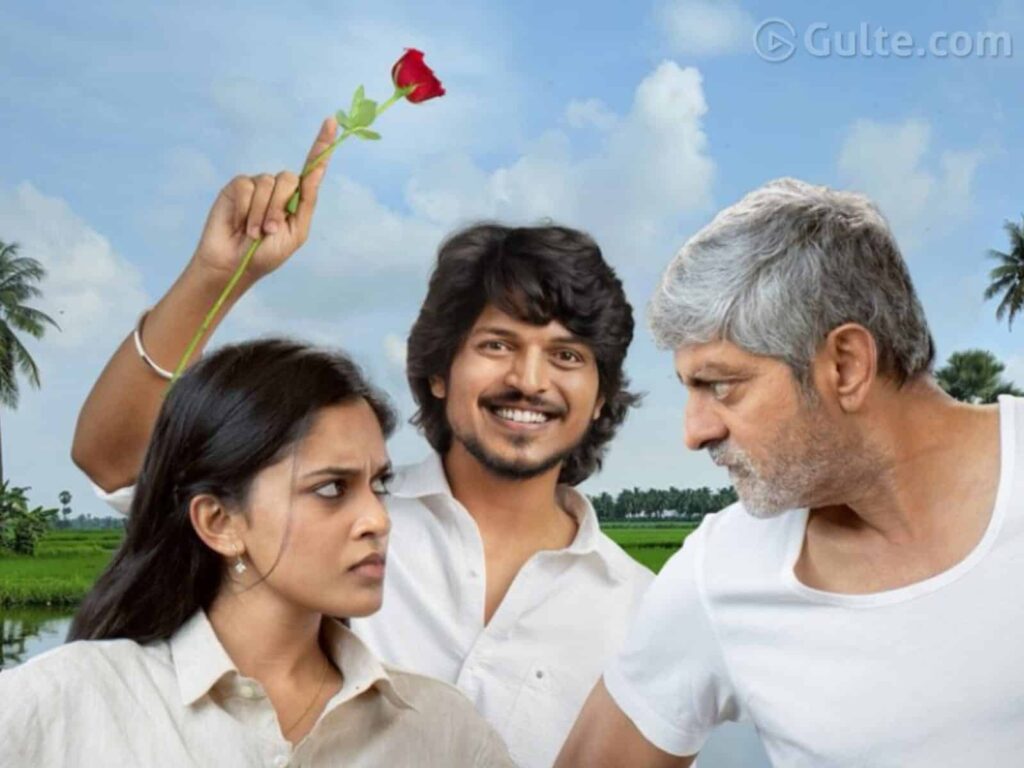
The story of GGP in simple terms focuses on an auto driver Raju (Sumanth Prabhas) and an engineering student Maya (Nidhi Pradeep). Jagapathi Babu is Sam Babu. Sam is a security guard wanting to give a good life to his daughter. He wants a groom who comes from a better social status. Things take a dramatic turn with Raju falling in love with Maya and the latter reciprocating. The incident of her falling for him is quite problematic, but coming back to the plot Maya’s choice of love creates tension for Sam. How Raju and Maya eventually have a happy ending forms the core essence of GTP.

A strong aspect of GGP is the chosen rural background. The village atmosphere with a particular slang is entertaining to watch. Cinematographer Saai Santhosh does a fine job in capturing the scenic atmospherics through his lens making the film a visual delight. A specific mention must be made of a night sequence post Maya’s dance performance. The scene of the leads having an intimate moment with the twinkling stars is nice to watch. The dramatic moment following that sets a solid base for the second half.

As already mentioned the film comes with the message of social inclusivity. This point has been seamlessly integrated rather than a series of dramatic dialogues. The friendship scenes with Sudharshan playing a Muslim and Rajkumar Kasi Reddy a Christian are solid examples of the inclusivity theme. There is an important passage when Maya is confused on how to go about things. She confesses her inner dilemmas to Raju’s mother. The mother says that belonging to a different religion shouldn’t be a barrier talking about how she is a Muslim while Raju’s dad is a Hindu. She further elaborates on how they have coexisted with neither imposing their individual relief beliefs on each other.

Of course, Sam Babu’s objection regarding Raju isn’t about religion, having said that the conversation between Maya and Raju’s mother has good social undertones. There is another poignant moment when Raju says the following ‘Manchi neeru…uppu neeru… rendu veru veru swabhavalu vunnavi aina… Godavari Sangamam lo entha baga kalisipoyayo kada… alane bhinna swabhavalu vunna manushulu kuda kalisi jivisthw entha baguntundo kada,’

Subhash Chandra also deserves appreciation for his crafting of Jagapathi Babu’s character. Sam Babu is a conflicted dad who alternates between fatherly love mixed with fear. His conversation with Sumanth Prabhas post the daughter’s revelation has been written with nuance. Sam is not a caste or religious bigot; his worry isn’t about what the society will think. Its more about giving his daughter a better social status than the one she has been born into. At no point Sam comes across as a caricatured villain. The dual shades is superbly reflected in the following dialogue ‘ ‘Na kuthuruki jeevithantham morha premani matrame chupinchali anukunna… ne valla naa kopam chupinchela cheyaddu’

Jagapathi Babu does an extremely fine job in showcasing the myriad emotions. His scene with the ever-reliable Rajeev Kankala with Sam’s acceptance of Raju is both well written and enacted. Sumanth Prabhas as Raju acts with good ease. Whether it’s the dialect or the different emotions of heartbreak and love the young actor is very good. Nidhi Pradeep also holds her own with a confident act. Yes, the particular incident in which she falls for Raju is rather problematic, also there are times where the character suffers from a few tonal inconstancies. Having said that Nidhi does an extremely fine job.

Among the friends Sudharshan and Rajkumar Kasi Reddy give good support. The camaraderie has come across well. The music of Naga Vamshi barring one number in mid second half makes for a good listen and watch. Among the tunes Choodu Choodu and Nenu Na Palleturu impress the most.

Coming to the flaws the character of Laila playing Nidhi’s on-screen mother doesn’t add anything substantial. Yes, she does get one important dialogue towards the end indirectly supporting her daughter’s choice, but beyond that she is there more for filing the frame. Also, some of the developments in the second half like Raju going through a false accusation of sexual assault or the scene where the hero puts a deliberate act of insulting Sam only stretches the inevitable ending.

Final word: Godari Gattupaina makes for a perfect viewing for fans of breezy romantic movies. The societal undertones add more flavor elevating the proceedings.

Dacoit (a love story): A gritty cocktail of love and crime

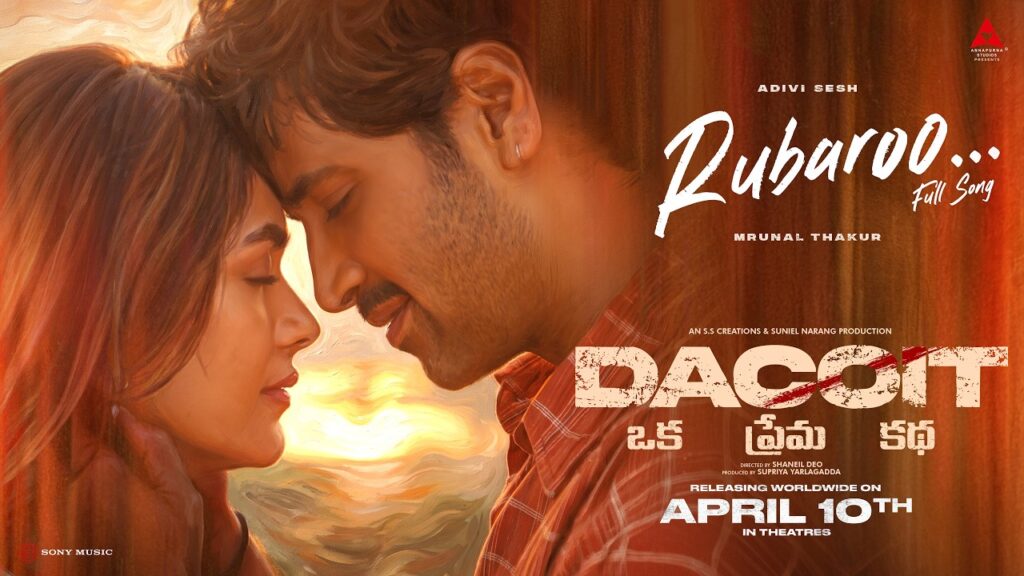
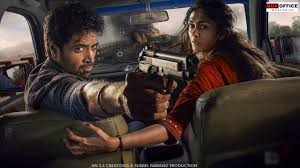
Shaniel Deo who has co-written the story with Adavi Sesh makes a promising debut especially the second half. The post interval portions have some solid thrills with trademark Adavi Sesh twists. The track of hospital mafia with the backdrop of COVID has been smartly integrated. However, the films biggest strength is Mrunal Thakur as Juilet/Sarswati. She stands shoulder to shoulder with Adavi Sesh coming with a brilliant act

Starcast: Adavi Sesh, Mrunal Thakur, Anurag Kashyap, Sunil, etc

Genre: Action drama/romance

Director and writer: Shaniel Deo

Additional writer: Adavi Sesh

Dialogues: Abburi Ravi

Producer: Supriya Yarlagadda

Production Companies: SS Creations and Sunil Narg productions

Music: Bheems Cecriroleo

Cinematographer: Danush Bhaskar

Running time: 2 hours and 32 minutes

Actor, writer and director Adavi Sesh has created a string niche for himself with stories of action and thrillers. There is a credibility attached to his name. Adavi Sesh’s latest Dacoit has some of his trademark elements like the gritty action combined with twists. At the same time the movie also presents a different facet of Adavi Sesh, a rustic role with a specific dialect. Right throughout the movie’s promotions Adavi Sesh has insisted on how Daciot is a two-hero movie and this indeed turns out true. But more on that later.

The story of Dacoit in brief is about two star crossed lovers. Advasi Sesh’s Hari comes from the downtrodden section. Mrunal Thakur’s Sarswati on the hand belongs to a more affluent household. The situation takes a dramatic turn with Hari going to jail and Sarswati marrying someone else. Hari is in deep hurt with plans of revenge. How their paths once again intertwine forms the core of Daciot.

A strong aspect of Dacoit are the dynamics between Hari and Sarswati. The love-hate relationship with Hari’s simmering anger gives the movie some of its best moments. The action sequences amidst the two dodging the police have been solidly staged. There is a sense of them racing against time. The vulnerabilities of the two leads as they are fighting with their own inner demons makes these scenes more interesting. Mention must also be made of the technical department especially the production design and cinematography. Much like last week’s Biker this movie also benefits from the use of real-life locations.

The rugged landscape with the different moods becomes a major character in itself. Danush Bhaskar’s cinematography is first rate, his work in the chase sequences especially stands out.

Bheems Cecrileo’s songs particularly Rubaroo makes an impact. The background score of Gyaani is of a good order too especially in the action sequences.

Coming to the social commentary the movie is successful in taking the viewers back to the harrowing pre-COVID area. The exploitation of corporate hospitals with mounting hospital bills have an authentic feel. Yes, Prakash Raj as a corporate hospital head is underutilized still the subplot works. The dialogues of Abburi Ravi significantly help too in both the halves.

A special mention must be made of the ones questioning caste. The social undercurrents makes Dacoit more than just an action drama with a love story. For an intense film like this it’s important that both the leads deliver, Adavi Sesh and Mrunal Thakur don’t miss a single beat. As Hari Adavi Sesh gets the angst spot on pulling off the grey shades with finesse. He also raises chuckles in scenes of understated humor. A perfect example of humor is the portion of Hari escaping and a punchline with the popular song ‘Kannepettarao from Hello Brother playing in the background. Mrunal Thakur too matches step to step in a multi shaded role. The emotional vulnerability and resilience of Saraswati has been excellently brought out by the actress. A specific mention must be made of the climactic portion when she gives it back to the husband showing that she is no docile wife. The dubbing has been done by Chinmayi Sripada, and this elevates the performance further. It’s great to see Mrunal getting some solid roles in Telugu and she making complete use of it.

Among the rest Anurag Kashyap as the cop on hunt make his presence amply felt too. He brings in the required authority as well as a humanness. The second one can be especially seen in films final stages. Sunil in a grey shaded role is solid as well. But Atul Kulkarni much like Prakash Raj is underutilized.

Coming to the flaws the first half of Dacoit could have been much crisper. An item song especially sticks out like a sore thumb. Also, the love Dovey scenes could have done with better writing.

Final word: Dacoit is a solid addition to Adavi Sesh’s filmography, and definitely worth watching for fans of gritty action dramas as well as Mrunal admirers.

Biker: Sharwanand’s Jersey moment

The broad arc of Biker follows a familiar sports template. But the difference lies in packaging. The father and son dynamics with different ideologies gives a fresh layer. Sharwanand delivers a performance high on physicality as well emotional depth. Dr Rajeskhar lends gravitas as a father operating more like a coach. He gets a nice arc from the mid second half and the climactic moment with him hugging Sharwanand is sure to move the viewers. Malavika Nair too has a prominent role not reduced to just a cheerleader

Starcast: Sharwanand, Dr Rajeshekar, Malavika Nair, Atul Kulkarni, Bramhaji and others

Genre: Sports drama

Director and writer: Abhilash Reddy Kankara

Additional writers: Sharvan Madala and MVS Bhardwaj

Cinematography: J Yuvraj

Music: Ghibran Vaibodha

Producers: V Vamsi Krishna Reddy and Pramod Uppalapati

Production house: UV Creations

Running time: 2 hours and 42 minutes

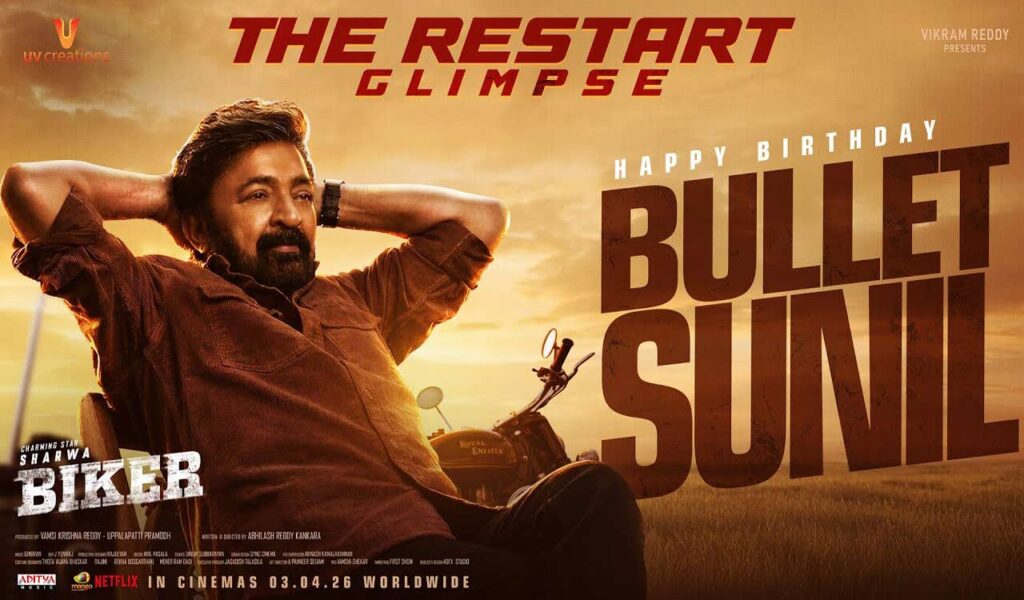
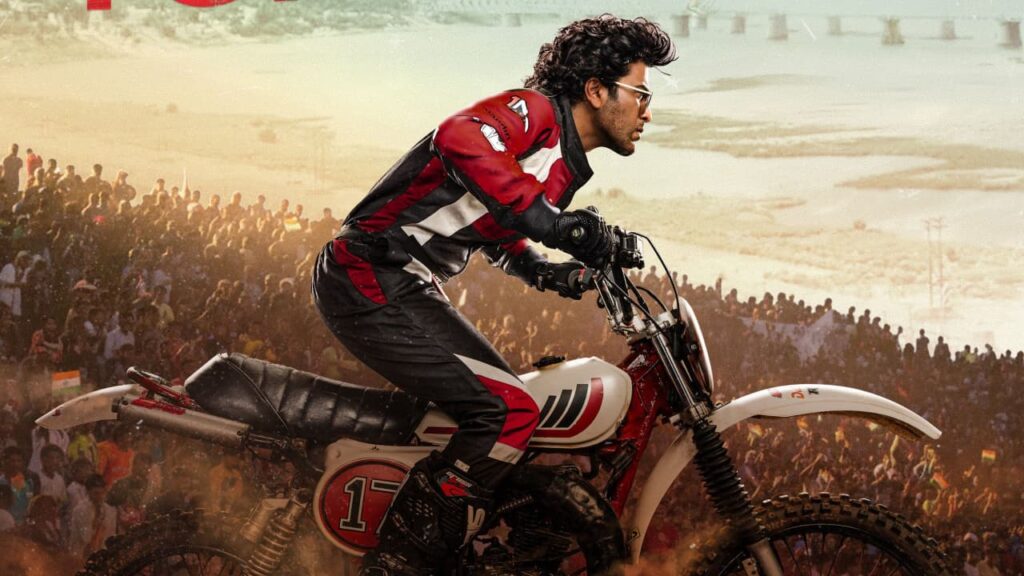
Sports films in general come with certain ticked boxes whatever the language. The protagonist would be a champion player quitting midway for different reasons. After a significant gap he or she rises back eventually regains glory with a dramatic finale. Abhilash Reddy Kankara’s Biker belongs to the same terrain. However, the setting of motor cross gives a different dimension. There is enough adrenaline rush in the way these portions have been filmed but more on that later. The brief story of Biker follows Sharwanand’s Vikas Narayan quitting the racetrack leading to an estranged relationship with coach/father Sunil Narayan (Rajeshekar). The storyline alternates between the past and present concluding with Vikas regaining his past glory. Malavika Nair is Ananya Vikas’s love interest in the past and in the present wife cum mother. She had taken a promise from Vikas on how he would never resume racing. But Vikas’s decision of comeback leads to a strain in their marriage.

For a movie like Biker the technical department is of utmost importance, thankfully the movie delivers right from the choreography, background score and the overall presentation. There is a lived-in atmosphere to these parts. A special mention must be of a pre interval and the final blocks. Both these sequences have the right thrills. For example, there is a scene where Vikas Narayan’s prominent opponent catches fire, but he still drives on. Vikas Narayan saves his life by pushing the bike into water. Vika’s bike on the other hand isn’t functioning properly either due to a malfunction still he finishes third. In the climax Vikas falls hard due to a deliberate collision. For a while it appears that everything is over, but Vikas gets back on his feet racing like a fierce beast out there to prove a point.

Biker also scores on the emotional front. As already mentioned Rajasekar’s character comes across as more of a tough coach than a father. There is a sequence of Sharwanand and the uncle played by Bramhaji going to a movie theatre. However, it turns out to be short lived as Rajeshekar makes an entry. He scolds Sharwanand’s Vikas saying these pleasures are not for him. At one-point Malavika Nair talks on how Sunil Narayan views his son as a champion than an offspring. For two thirds of the movie this feels right having said that different layers of Sunil Narayan are gradually revealed.

A special mention must be made of the scenes involving child actor Shourya and Rajeshekar. The grandson has zero inhibitions talking to his grandfather without fear. The scenes between the two show a different side of Sunil. They end up watching a movie together as well. The eventual change in how Sunil looks at relationships has been both well written and enacted. After the final race we see Rajeshekar’s Sunil letting his guard down and hugging his son with great affection. Rajeshekar absolutely owns this part delivering his best act in recent times. The movie also pays homage to Rajeskhar’s angry cop roles through a dialogue by Sharwanand.

Mention must also be made of Malavika Nair. Her character comes with dual shades. In one timeline she is seen as a supportive girlfriend, but all this changes due to an unplanned pregnancy. Tulasi plays the mother of Malavika, thankfully there is no overt melodrama with Tulasi getting hysterical. The character treats it in a matter-of-fact way. Coming back to the past Ananya gives birth to a baby boy who turns out all right after an initial scare. Ananya wants Vikas to give up racing as she cannot handle the anxiety.

The scene is both solidly written and enacted. When Vikas decides to make a reentry, the marriage undergoes tension. Ananya is visibly upset and as viewers you can understand her point of view. Eventually Ananya gets over her anxiousness with the help of Sunil Narayan. There is a poignant conversation where Sunil takes about Vikas needing her and his changing viewpoint on relationships not being a hurdle for success. Malavika does a very fine job in portraying Ananya’s quiet strength.

However, the major ace of Biker is Sharwanand who gives it his all both physically and emotionally. The actor especially shines in the scenes of vulnerability dealing with inner demons. The fighting spirit of a former champion overcoming different hurdles has been excellently portrayed by the actor. Clearly 2026 has turned out to be a solid year first Nari Nari Naduma Murari and now this.

A major problem with Biker are the predictable tropes particularly in the scenes featuring Atul Kulkarni. He plays a typical corporate bigwig. There is nothing wrong with Atul’s performance per say he plays the part with panache, but the scenes needed much better writing. Even the side characters accompanying Atul Kulkarni come across as caricatures. A song and dance featuring Sharwanand and Malavika also appears out of sync coming across as a speed breaker.

Final word: Biker is worth watching for fans of sport movies especially for those into racing. The visuals alone are worth the price.

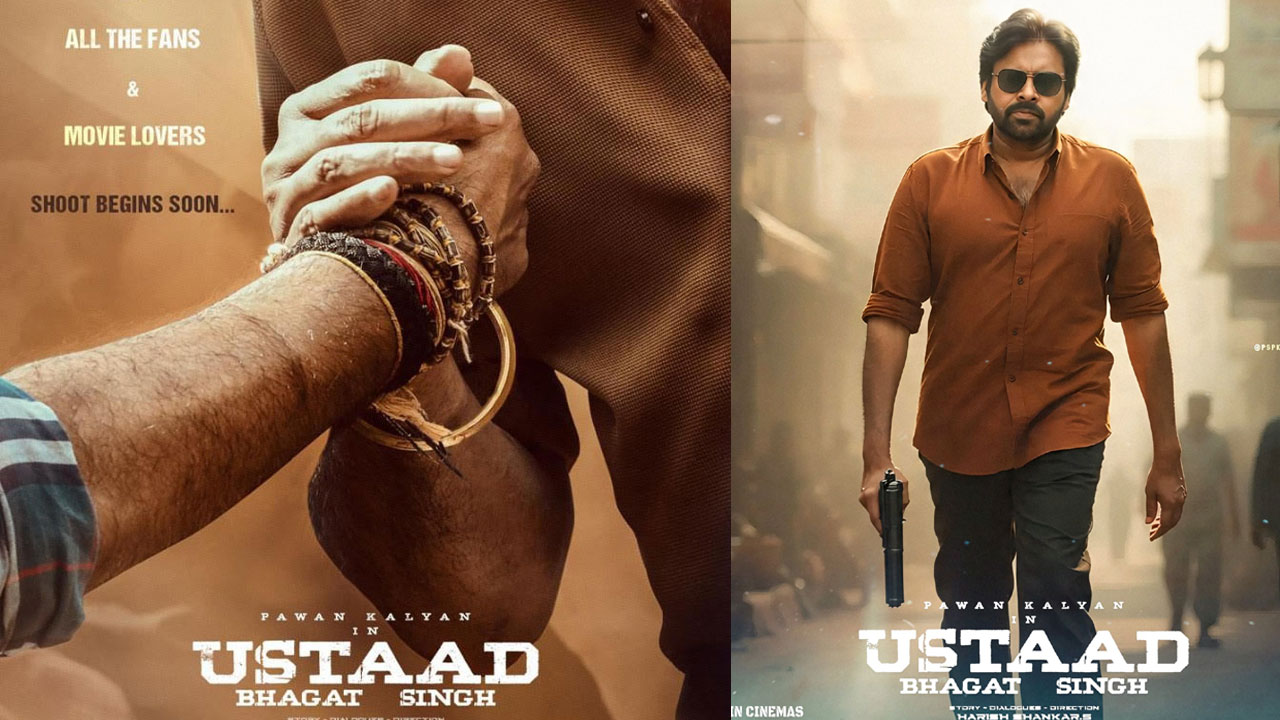
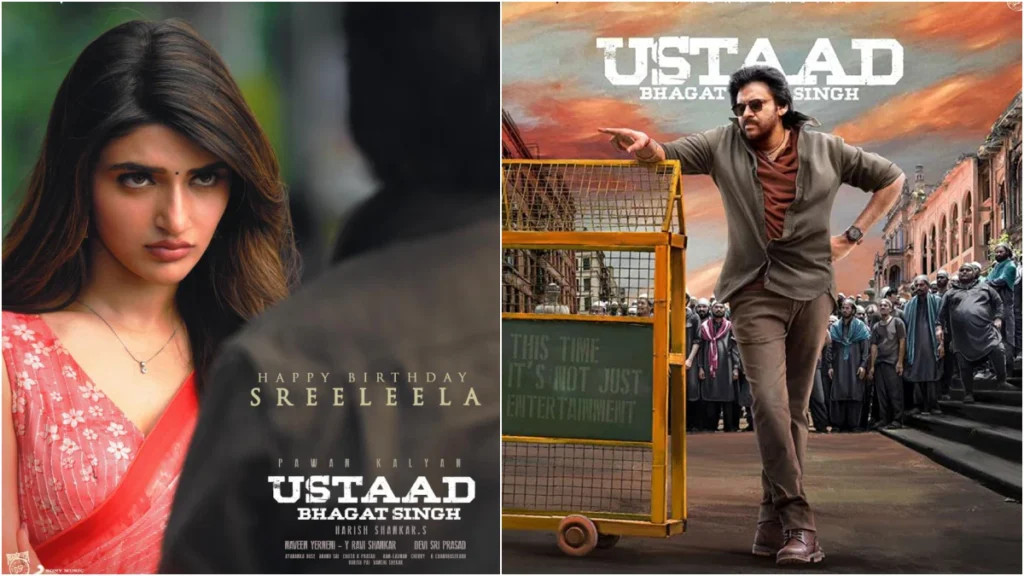
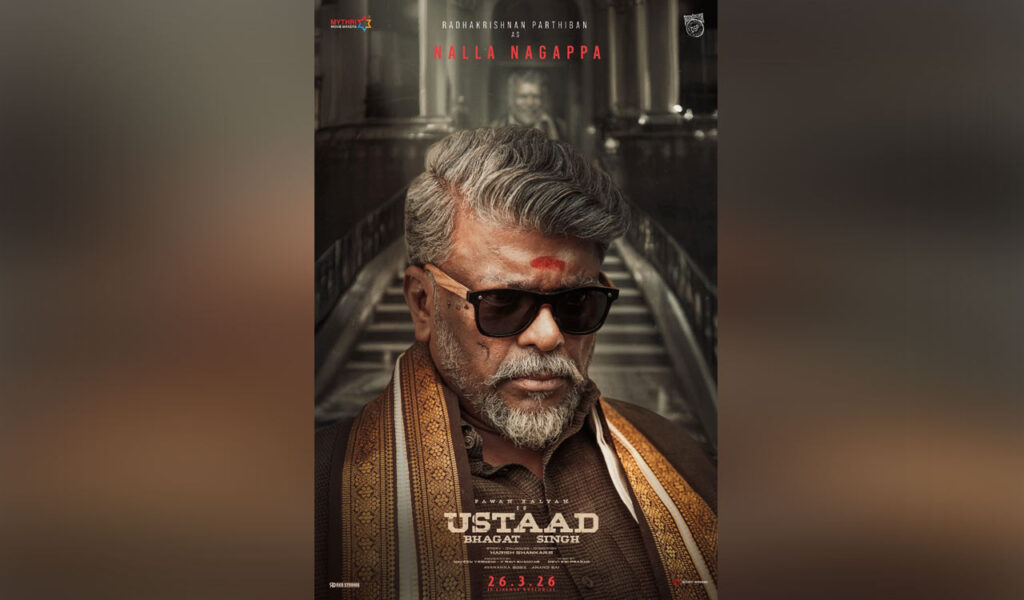
Ustaad Bhagat Singh: Second half saves the day

The reunion of Harish Shankar with Pawan Kalyan doesn’t have the entertainment value of Gabbar Singh. Nevertheless, the post interval portions save the film from being a sinking ship. The social issues dealt with are not new but at least there is a coherence with enjoyable fan moments. Sree Leela appears in mid second half delivering her best act in recent times. Pawan Kalyan plays to the gallery for a substantial part at the same time there are some solid moments of acting too.

Starcast: Pawan Kalyan, Partiban, K S Ravi Kumar, Sree Leela, Rashi Khanna and others

Genre: Action/drama

Direction and story: Harish Shankar

Screenplay: Dasardh and Ramesh Reddy

Music: Devi Sri Prasad

Cinematography: Ayananka Bose

Producers: Naveen Yerneni and Yalamanchili Ravi Shankar

Production Company: Mythri Movie Makers

Running time: 2 hours and 34 minutes

There has been a certain apprehension about Ustaad Bhagat Singh being a remake of Vijay Thalapathy’s Theri. A big reason for the fear is the director’s last Mr Bachchan based on the first Raid, an absolute mockery. The good news is that Ustaad Baghat Singh is an original story even though the beats harp back to numerous other cop dramas. The film tries to be a mix of fan appeasement with Pawan Kalyan’s political ideology. And the result is a mixed bag especially the first half.

Ustaad Bhagat Singh begins with the childhood story of how Pawan Kalyan’s character grows up in an orphanage. How his thought process is influenced by books especially the one on revolutionary Bhagat Singh. Filmmaker and actor KV Ravikumar plays a father figure, and he is the one who names the younger version of the protagonist Ustaad Bhagat Singh. KV Ravikumar’s character soon enters politics but before leaving the village he takes a promise from Bhagat. Bhagat soon grows to be a daredevil cop but this daredevilness comes with a cost. And this is connected to a cunning politician Chandala Maari Nalla Nagappa (a suitably evil Partiban). How the paths of Bhagat and Nagappa cross along with the protagonists fight against different social evils forms the core of UBS. In between the masala there is Sree Leela’s radio jockey Leela.

It goes without saying UBS is largely dependent on Pawan Kalyan’s screen presence and his overall star power. To Pawan Kalyan’s credit the actor delivers a competent act playing to the gallery when required as well as the few emotional scenes. A special mention must be of the scene in a hospital involving a sexual assault victim. The scene does not have much novelty per say but Pawan Kalyan’s understated but thoroughly effective act elevates the moment. Similarly, there is another sequence when an attack happens and a person close to Bhagat dies. The aggression mixed with the moist eyes is also well done.

The movie in particular picks up pace in the second half. The love story mixed with Pawan Kalyan’s face off moments have a good dose of masala. Sree Leela as the hyperactive radio jockey makes Leela’s bubbly nature work. At the same time there are a couple of emotional too like a breakdown when the friend is found assaulted and the actress does an effective job. Also, the shock mixed with happens when Bhagat proposes is very nicely done.

The use of the soulful duet ‘Nee Manesa’ from Tholi Prema with Leela bestowed by Bhagat Singh is nostalgia done right. Partibaran as already said is suitably evil especially in the scene where he challenges Bhagat when the latter is down and out. KV Ravikumar as the father figure lends in a certain warmth in the interactions with Pawan Kalyan.

A mention must also be made of some masala dialogues. A couple of them are as follows ‘Gandhi Garu Ante Gauravam. Bhagat Singh Ante Pranam’. ‘Aasthulu andaru pogesukuntarandi. Aasirvadalu matram kondare pogesukuntaru’.

A major problem with UBS is the uneven first half. Rashi Khanna’s Sloka does not bring any value and her interactions with Pawan Kalyan are in no way entertaining. Satyam Rajesh as the supposed psychiatrist comes across as more of a caricature than a professional. The entire angle of the so-called depression Sloka is going through is a perfect example of lazy writing.

An elongated gag involving Bhagat’s dancing skills also overstays its welcome. It does not add anything substantial to the story. In fact, the comedy of the first half involving Satyam Rajesh and also Prabhas Srinu as a sidekick of Bhagat produces more groans than laughs. There is also an unnecessary homosexual detour.

While the second half is definitely better the social issues handled have been seen in umpteen better masala films. The terrorism angle in particular with Pawan Kalyan’s dialogues has a major Hindutva hangover. The character of the terrorist head and his punchline leads to unintentional humor rather than the viewers hating him. A couple of so-called twists have a repetitive nature as well.

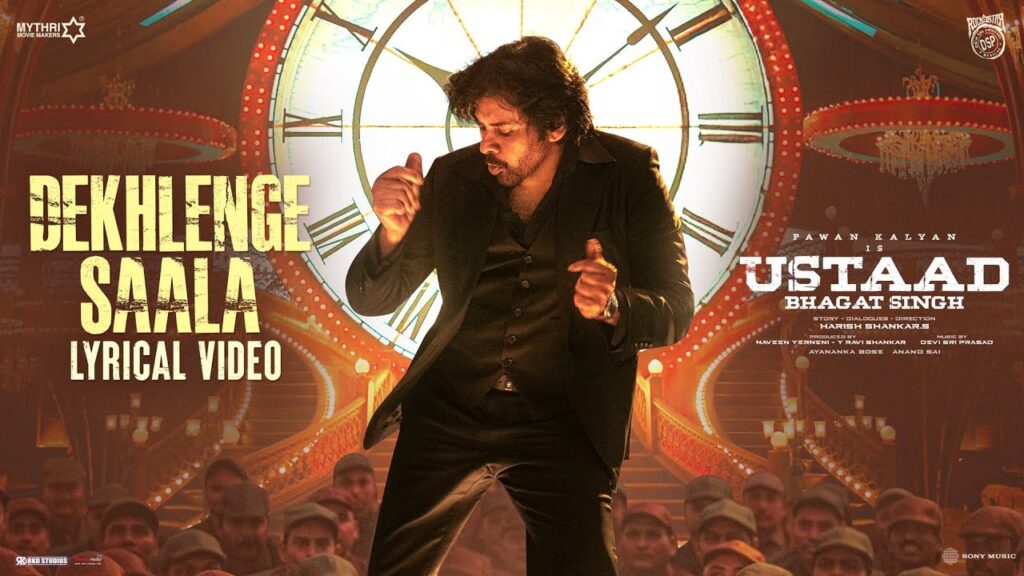
The music of Devi Sri Prasad is nowhere close to the previous collaborations with Pawan Kalyan. Having said that Dekhlenge Saala makes an impression thanks to the tune and Pawan Kalyan’s nimble dance steps. Thaman S background score is in tune with the celebration of Pawan Kalyan.

Final word: UBS is passable entertainment for diehard fans provided one can overlook the clumsy first half.

Mrityunjay: A focused crime thriller/drama

Some of the early portions could have done with a tighter edit. But the film gets into top gear when the cat and mouse game begins. It also helps that director and writer Hussain Sha Kiran creates a formidable antagonist who cannot be easily defeated. The absence of romance and songs also makes the film tight.

Starcast: Sree Vishnu, Veer Aaryan, Reba Monica, Baby Uha, Sudharshan and others

Genre: Thriller/drama

Writer and director: Hussain Sha Kiran

Producers: Sandeep Gunnam and Vinay Chilakapati

Cinematography: Vidya Sagar Chinta

Music: Kaala Bhairava

Running time: 2 hours

Production companies: Light Box Media and Picture-Perfect Entertainment

Sree Vishnu’s latest Mrityunjay bears a striking resemblance to Trivikram Srinivas’s Julayi. Much like that movie here too the hero and villain trying to outsmart each other plays a crucial role. For a film of this nature, it’s necessary that the viewers feel the tension on how the antagonist will be defeated. Hussain Sha Kiran aces this aspect with powerful mind games. Yes, the writing needed to be tighter in some places but there is no denying that Mrityunjay grips the viewers. After a series of lighthearted films Sree Vishnu showcases a refreshingly different facet of him this is something which I will get to later.

The early portions of Mrityunjay establishes the work of Sree Vishnu’s Jay. Jay’s job is securing obituary ads for a newspaper however his ambition is something else. But this is not happening due to some reasons. However, things take a dramatic turn when Jay notices something unusual on his routine of getting an obituary ad. How this leads to a clash with the mysterious killer (a formidable Veer Aaryan) forms the core of Mrityunjay.

A strong aspect of the movie are the characterizations of both Sree Vishnu and Veer Aaryan. Sree Vishnu in particular surprises the viewers with a solid act. He portrays the vulnerability and determination of Jay in an excellent manner. A good example of Jay being vulnerable is the scene where everything appears lost. A sense of frustration is palpable when Sree Vishnu says that he is fighting a villain who operates from the shadows and is not visible. There is also a good emotional thread connected to Baby Usha. Jay’s reason for getting into an investigative mode is majorly connected to this. Sree Vishu aces this part as well. Overall, it’s refreshing to see the actor explore a different side of him.

Veer Aaryan does not have many dialogues, but he brings in an understated villainy. He plays the role with the right amount of menace and a mysterious air. The actor especially shines in the climatic portion.

Reba Monica as the police officer also makes her presence felt. She pulls off the no nonsense nature well, also she looks stylish in a mini action sequence firing gun. Having said that her character could have been a more active participant. Among the rest Sudharshan as one of Jay’s friends plays his part with practiced ease.

Kaala Bhairava’s background score also adds to the thrills. The BGM is especially striking in the tense sequences like the portion involving a market yard. The cinematography of Vidya Sagar Chinta is first rate too. His finesse is very visible in the interval and climax. The eerie atmospherics in these sequences enhance the proceedings.

Coming to the flaws the writing could have been more logical given the genre of Mrityunjay. The way Jay finds out clues on some occasions comes across as too implausible. Also, the police characters become more of bystanders depending wholly on Jay.

Final word: Mrityunjay is a good watch for fans of crime thrillers in spite of some implausibility’s.