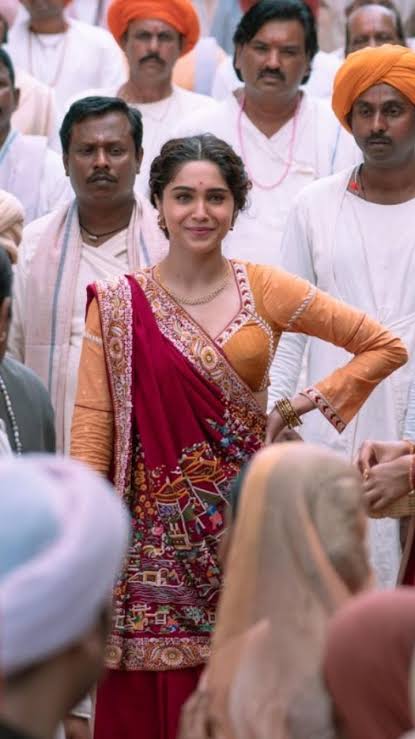
Bhojraj Singh Sisodia is best known for being the husband of a reputed poet saint Meerabai, not much information is there about him other than being Meerabai’s husband. Kiran Nagarkar’s cuckhold is a biography of this man set against the backdrop of India in 1600’s.
It is hard to say how much of Kiran Nagarkar’s writing is fiction and how much reality is there. Keeping aside this aspect there is no denying that the writer has given a wholesome perspective of the ruler. The readers come to know about the different qualities of Bhojraj Singh Sisodia. For example, a courageous warrior and also someone who came up with distinctive schemes.
Kiran Nagarkar is successful in transporting the viewers to those times. The description of the war strategies and the ways of gathering information about the enemies’ position is very engaging. What also adds to the book are the numerous philosophical talks which represent the king’s thought process.
The internal battles of Bhojraj and his feeling of bewilderment with lord Krishna being his rival has also been written well. The readers can feel the various emotions that he goes through. Cuckhold is a long book, over 600 pages but for those who like elongated historical fiction it is a must read.
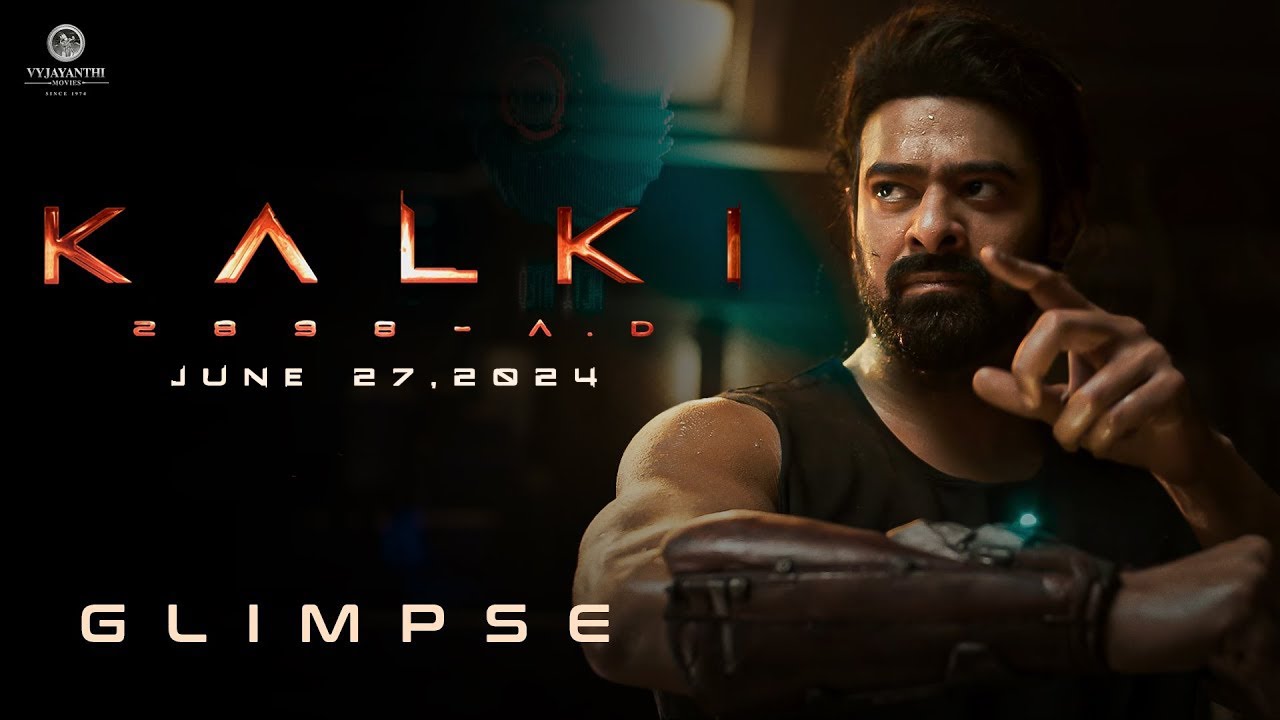
Nag Ashwin proves his capability as a versatile director, the movie works best when it focuses on Prabhas and Amitabh Bachchan
Starcast: Prabhas, Amitabh Bachchan, Kamal Haasan, Deepika Padukone, Saswata Chatterjee, Pashupathy, Anna Ben and others
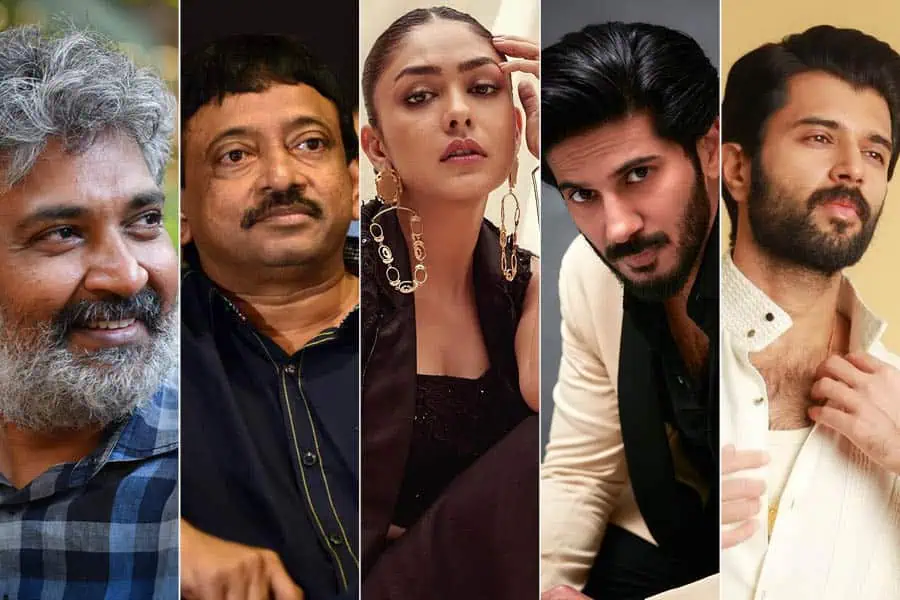
Special appearances: Mrunal Thakur, Dulquer Salman, S.S Rajamouli, Vijay Devarakonda, Ramgopal Varma etc.
Story, direction, screenplay and dialogues: Nag Ashwin
Additional screenplay: Rutham Samar
Additional dialogues: Sai Madhav Burra and B.S Saewagna Kumar
Producer: C. Ashwini Dutt
Production Company: Vijayanthi movies
Cinematography: Djordge Stojilijkovic
Music: Santhosh Narayan
Genre: Science fiction
Running time: 3 hours and 1 minute
The track record of Indian cinema with science fiction/futuristic worlds is pretty abysmal. A major reason for it is the necessity of masala elements where the hero has to do romance, comedy and action while saving the world. Rakesh Roshan’s Krrish movies though not seamless did a good job in mixing Hollywood tropes with Indian Masala. Ayan Mukherjee’s Bramhastra was high on visuals, but a weakly written love story coupled with erratic characterizations made the movie just about an average watch. Last year Vikas Bahl made an attempt at directing a movie set in a futuristic world where the society is divided into two and poverty is at an extremely high level. Ganapath ended up being more about Tiger Shroff’s somersaults and was roundly rejected by the audiences.
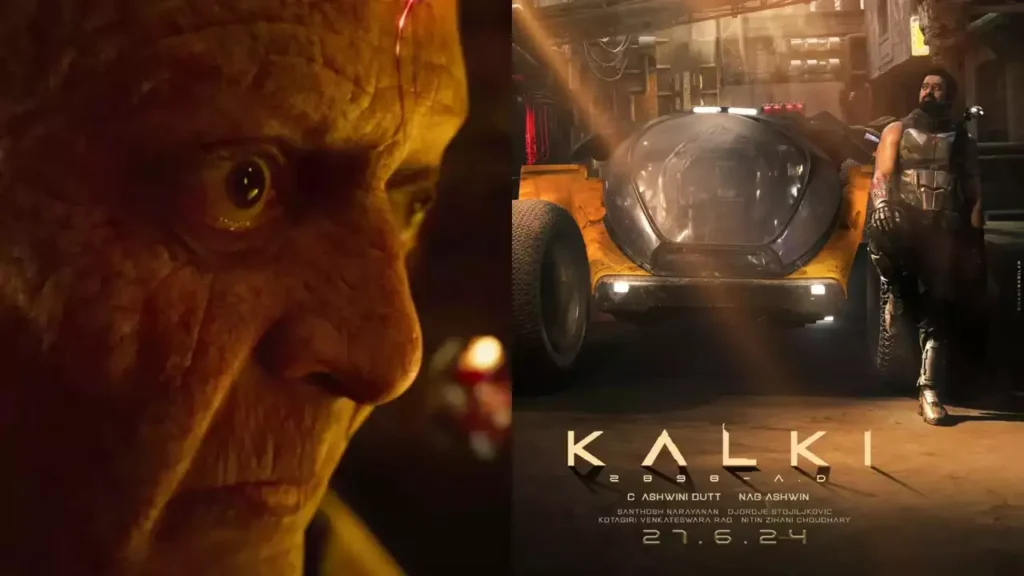
Now you have Nag Ashwin’s Kalki 2898 AD also set in a futuristic world. The two-film old director has already created a niche for himself with Yevade Subramanyam and the biopic Mahanati on the legendary actress Savitri. Mahanati in particular is a challenging movie given that it is based on a very beloved actress who is admired by many, but he did complete justice to her life. With Kalki 2898 AD the director has pushed himself even more and let his imagination fly high. For example, he makes you believe that there would be a future where women would have zero autonomy over their bodies and the need for capitalistic gains will wipe out cities. In spite of obvious similarities to Dune and the Mad Max films Nag Ashwin delivers an impressive concoction of sci fi elements with mythology. But the women characters are a major weak spot, and the random love story of Prabhas with Disha Patani is a major speed breaker.
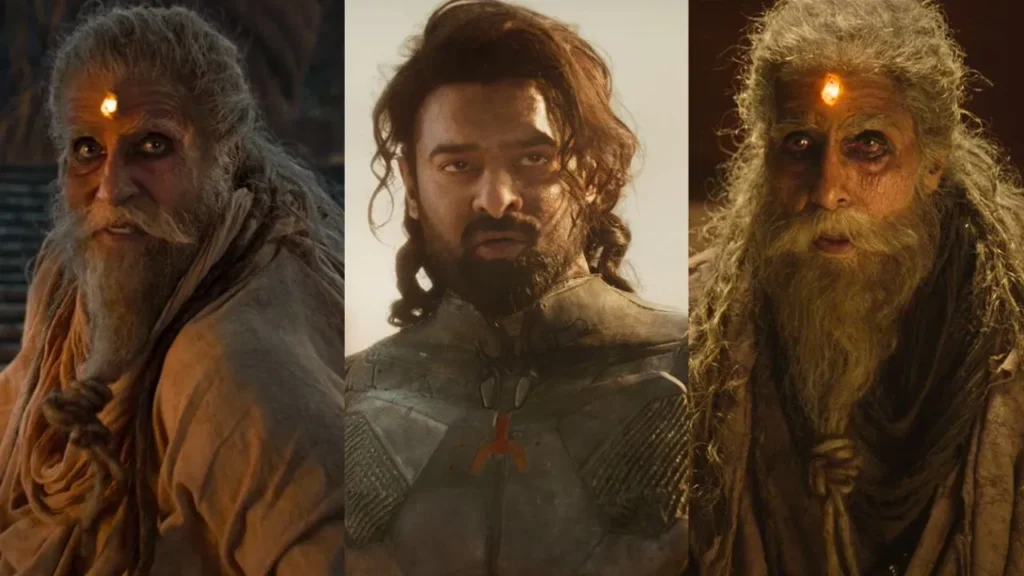
Kalki 2898 AD moves along multiple timelines starting from the Kurukshetra war. Amitabh Bachchan is Ashwatthama who is cursed with immortality by lord Krishna. On the other hand, there is the dystopian landscape of Kashi, the world’s last city. However, it is in complete shambles. The mighty Ganges is in a parched state and food is naturally scarce. There is a towering structure called Complex governed by Yaskin played by Kamal Haasan. He rules the place with an iron fist. Inside the Complex there are many fertile women who have been put on an experiment. Deepika Padukone’s SUM-80 alias Sumathi is an employee who is supposed to make sure that these fertile women get sufficient food and medicine. But there is a twist here; Sumathi who has been considered infertile for ages is now five months pregnant. Then you have Shambala a place for refugees from different faiths and cultures. They are putting their lives at stake for a better future.
Bhairava (Prabhas) wants to escape from the dreariness of Kashi and get into the Complex. He has AL car Bujji (with a fun voiceover by Keerty Suresh). There is a constant banter between them which gradually develops into a strong bond. Bhairava is a selfish man who is unaware of his destiny. As the story progresses Bhairava’s life gets intermingled with Ashwatthama, Sumathi and the people of Shambala.
For a movie like this a seamless blend of special effects and cinematography is very necessary and Kalki 2898 AD scores full marks in this department. The high-octane action sequences between Amitabh Bachchan and Prabhas in particular is a major highlight. Thankfully Nag Ashwin doesn’t show Bhairava as invincible, on more than one occasion we see him getting hurt. These scenes are also sprinkled with humour that bring a smile. Nitin Zihani Choudary’s production design also deserves a particular mention in how he creates an imaginary landscape that immerses the audiences.
Director Nag Ashwin also deserves distinction marks for how he integrates the Kurukshetra episode in the film. The emotional turmoil of Ashwatthama and his quest for repentance strikes a chord. Amitabh Bachchan delivers a stellar act overshadowing Prabhas on occasions.
Prabhas as Bhairava has a role that comes with different shades. There is humor, and he also comes across as not so likeable. Prabhas does complete justice to both. His interactions with Keerty Suresh’s Bujji add a lot to the movie.
Kamal Haasan as the evil Yaskin has a brief role but he sends down a chill with his intimidating act.
Santhosh Narayanan’s music lacks good songs but he more than compensates it with a powerful background score.
Kalki 2898 AD has many cameos from actors and directors. Out of these Ramgopal Varma and S.S Rajamouli are fun to watch. There is a Baahubali reference where Prabhas jokingly says about how he gave 5 years to that project, it definitely raises a chuckle. Among others Mrunal Thakur is impressive in her brief role.
A big flaw of Kalki 2898 AD are the two female leads. Disha Patani is only used for glamour and one completely out of place song. Deepika Padukone on the other hand plays a pregnant woman mirroring her real life. She is mostly required to look petrified, and the expressions irritate after a point.
The movie’s runtime could have been crisper with lesser cameos. For example, Dulquer Salman and Avasarala Srinivas don’t add anything significant with their presence.
A caution: Too many good directors going into the dystopian landscape is something that the industry should be careful about.
Junaid Khan deserves kudos for choosing an issue-based story for his debut feature. Although the story is set in pre- independence times the plot holds a huge relevance even today. Self-appointed godmen exploiting female devotees in the name of religion is a rampant thing even after so many centuries.
Starcast: Junaid Khan, Jaideep Ahlawat, Shalini Pandey, Sharvari Wagh and others
Director: Siddarth P Malhotra
Writers: Sneha Desai, Vipul Mehta and Kausir Munir
Based on: The book Maharaj by Saurabh Shah
Cinematography: Rajeev Ravi
Music: Sohail Sen
Producer: Aditya Chopra
Production house: Yash Raj Banners
Streaming site: Netflix
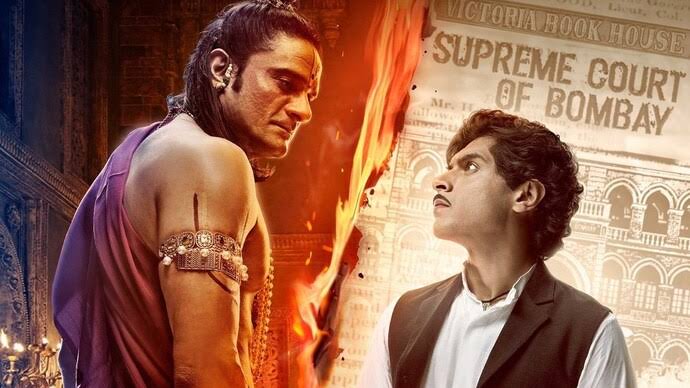
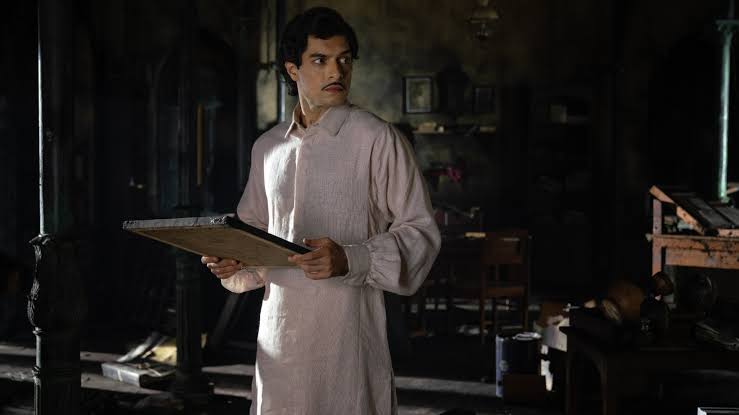
Godmen have a magnetic power over their female devotees, in spite of the fact that several of them have been accused of sexual offences whether it is Gurmit Ram Rahim or Asaram Bapu. Maharaj directed by Siddarth P Malhotra of Hichki fame focuses on one such godman. Junaid Khan playing Karsandas Muji is a social worker and a journalist. From a young age itself he starts questioning certain social customs of those times.
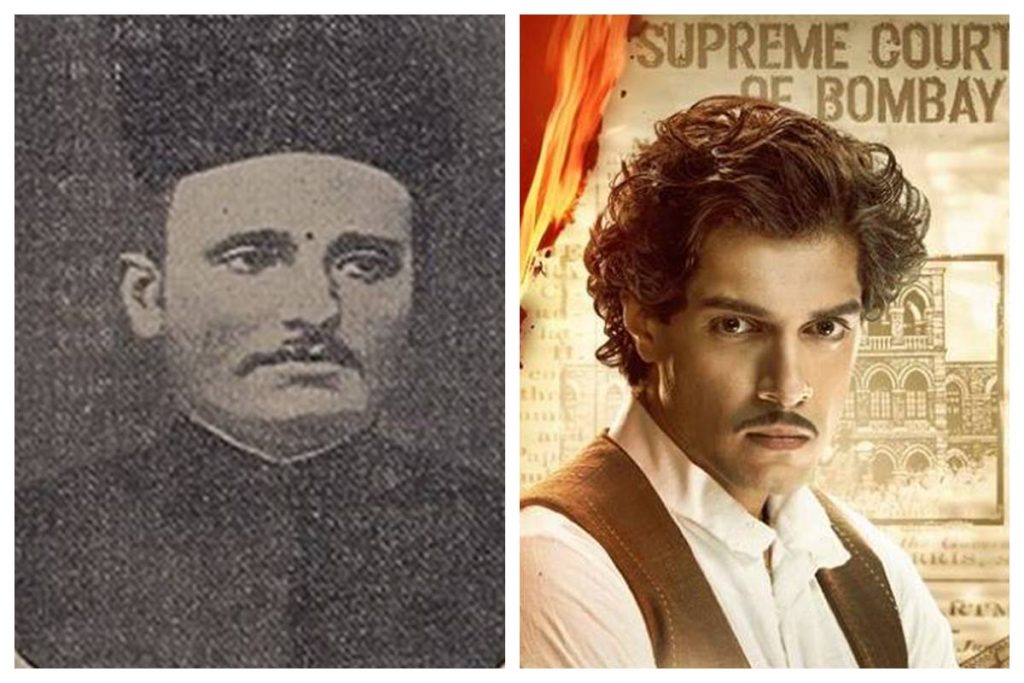
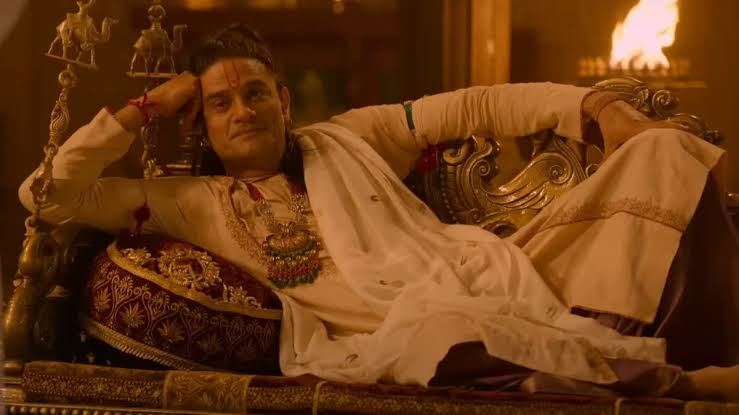
Jaideep Ahlawat is Jadunath ji short form JJ. Jadunath is a high priest of a major sect of Vaishnavites called Pushtimarg. The words of JJ are considered divine. Many women are enchanted by him and want to become his special devotees through charan seva. Shalini Pandey who plays Karsandas Muji’s fiancée Kishori who is in huge awe of JJ. Kishori willingly falls into the trap of Jadunath leading to a huge argument and a breakup with Karsandas. Later she comes to know about the reality of the self-styled godman, but it is too late as the relationship is beyond repair. In simple terms the story of Maharaj focuses on how Karsan exposes JJ by writing about his sexual escapades and the subsequent court case that was fought in the supreme court of Bombay (1862).
The first half of Maharaj is definitely uneven. There are elaborately choreographed dance sequences, and the styling does come across as too modern. The music of Sohail Sen doesn’t help the matters either. But the movie finds its ground as soon it moves into the confrontational zone. There are some powerful dialogues that question the wrongful religious practices and the blind faith. This comes out strongly in a commanding monologue delivered by Junaid.
There is also an important voiceover by Sharad Kelkar on how we do not need a third person to have a connection with God. The underlying message of the voiceover is that a person doesn’t become God because of dharma, dharma is just a way to become a good human being.
Siddarth P Malhotra has also touched upon the freedom of press and how a young man refuses to bow down in spite of many hurdles. These scenes hold a mirror to today’s society as today’s journalists also face many restrictions.
Junaid Khan as Karsandas, just like the movie takes a while in finding ground but the actor becomes better as the movie progresses. He manages to hold his own opposite the supremely versatile Jaideep Ahlawat. Jaideep Ahlawat as JJ conveys a lot with just his expressions and overall body language. As expected, the actor delivers a brilliant performance.
Shalini Pandey and Sharvari Wagh have brief but important roles. Each get a solid emotional scene which they pull off well. Sharvari brings a certain vivaciousness to the proceedings. She particularly shines in the sequence where her character confesses about being forced to do charan seva at a young age.
Maharaj is a praiseworthy debut for Junaid Khan in spite of some sluggishness.
The performances of Vedhika and Ajay save the series from being a complete washout
Starcast: Vedhika, Ajay, Rahul Vijay, Manchu Lakshmi and others
Director: Teja Marni
Producers: Shobu Yarlagadda and Prasad Devineni
Production house: Arka Media Works
Music director: Priyadarshan Balasubramaniam
Cinematography: Jagadeesh Cheekati
No of episodes: 6
Streaming site: Disney+Hotstar
On paper Yakshini directed by Teja Marni has an interesting storyline which could have made for a good concoction of fantasy, thrills and romance but the not so impressive direction coupled with some lackluster CGI make it a tedious watch for most part.
Maya (Vedhika) is a Yakshini/Nymph who has been cursed by Kubera the king of Yakshinis in the mythical land of Alkapuri. Maya falls in love with Mahakal (Ajay). Mahakal deceives her by pretending to be in deep love with her for a particular purpose. Soon the reality of Mahakal comes out leaving Maya heartbroken. Maya is denied re entry into Alkapuri by Kubera. Upon pleading Kubera puts a condition saying that Maya can come back to Alkapuri after killing 100 bramhacharis. She kills 99 but things get complicated as she falls in genuine love with an innocent bachelor Krishna (Rahul Vijay). There is also another Nymph called Jwala Mukhi (Manchu Lakshmi). Jwalamukhi has her own personal agenda against Maya while pretending to be a friend. The rest of the story moves along multiple lines. Mahakal’s enmity with Maya and how he desperately wants to make her his slave, whether Krishna come to know about Maya’s plan and is Maya is able to return to Alkapuri etc
One of the very few redeeming features of Yakshini are the performances of Vedhika and Ajay. As the beautiful and dangerous Maya Vedhika delivers a compelling performance. She is suitably sensuous when required but also makes a big impact in the portions where the character takes a ferocious turn. In the few emotional bits, she effectively conveys the vulnerability of the role. Ajay as the antagonist is effective in bringing the required menace making the viewers hate him. The dynamics between Mahakal and Maya are far more interesting than the tepid love story between Maya and Krishna.
A major problem with the web series Yakshini is the poor handling of the love story. The romance feels mostly labored, adding to the annoyance further is the family of Krishna. This track makes the show look more like a tv serial and less of a web series. Lakshmi Manchu’s Jwala Mukhi begins with promise but beyond a point it doesn’t add much.
The back story of Maya and the Yakshini clan is also severely underdeveloped. More time needed to be spent on that. The VFX and the cinematography isn’t bad but compared to the Baahubali movies the quality is definitely a big letdown. The less said about the music the better.
Yakshini is a very much avoidable even for those who are hardcore fans of fantasy shows.
This Kabir Khan directorial begins off hazily but soon finds its grove. Kartik Aryan delivers a knockout performance putting his blood and soul. He doesn’t miss a single beat
Additional writers: Sumit Arora and Sudipto Sarkar
Producers: Sajid Nadiadwala and Kabir Khan
Music: Pritam
Production Companies: Naiadwala Grandson Entertainment and Kabir Khan Films
Cinematography: Sudeep Chatterjee
Running time: 2 hours and 30 minutes
Genre: Biographical drama
There was a period in Hindi cinema when the on-screen portrayal of disabled/ differently enabled people used to be all about the Bechara syndrome. They were often portrayed as objects of pity or to evoke comedy. But this depiction has undergone a significant change in the recent past. Case in point being Sanjay Leela Bhansali’s Black featuring Rani Mukherjee. In this movie Rani Mukherjee played a visually impaired girl Michelle based on Helen Keller’s life. Michelle is never reduced to a stock caricature, there is a strong determination to prove herself. In Guzaarish Hrithik Roshan played a popular magician Ethan who suffers paralysis and turns into a radio jockey. Although Guzaarish is a grim story that focuses on Euthanasia/ mercy killing yet it is also a tale of resilience. The scenes of Ethan as a Radio jockey and how he spreads hope through his wit are in particular were compelling.
This year you have had the biopic of the visually impaired businessman Srikant Bolla starring Rajkummar Rao. In this movie director Tushar Hiranandani made some scathing remarks on how some people think that the best way to help the blind is only through making them cross the road. Now you have Kabir Khan’s Chandu Champion based on an incredible true story of Muralikant Petkar. India’s first paralympic gold specialist.
The movie begins in the present with an older Muralikant Petkar (An outstanding Kartik Aryan). He is narrating his tale of glorious days to a bunch of cops. From his younger days itself Murali had a huge dream of winning an Olympic gold medal for India inspired by KD Jadhav an Olympic medalist. He openly says that his dream is to win an Olympic gold medal only to get ridiculed and bullied by his fellow classmates. At one point Murali also runs away from his village. He joins the Indian army and finds a strong ally in the form of Karnail Singh (Bhuvan Arora) who gives Murali hope that he can become the next Milkha. Vijay Raaz plays Tiger Ali. He is a coach cum father-like figure who trains Murali for the boxing championship. He reaches the finals but only ends up with a silver medal leading to a strained relationship with the coach. In the life altering 1965 Kashmir war Murali faces many wounds in the process of trying to save his colleagues. Murali ends up in a prolonged coma becoming paralyzed waist down. At one point he even tries to commit suicide by having excess pills, but destiny has other plans for him. The rest of the story is about how Petekar manages to overcome all the odds fulfilling his dream of winning gold along with why he is narrating his life story to a bunch of policemen.
There is no denying that Chandu Champion has a hazy start. The scenes of Murali in the military camp has a distinct hangover of Bhaag Milkha Bhaag. The humor at places is also reminiscent of that however the movie finds its grip soon. The scenes of Murali preparing for the boxing championship and how he pummels down his opponents only to lose in the finals has been brilliantly written and enacted. The Pre interval block of the 1965 war and the life altering event sets a solid base for the second half.
The second half becomes even more engaging. The portions of Murali’s despair touches a strong emotional chord. As viewers you root for him to succeed in life. The return of Tiger Ali and the way he motivates Murali to dream big again is wonderful to watch. This time the sport is swimming with the aim of winning gold in the 1972 Summer Paralympics. But here again the path is far from easy as the sports committee is not too keen on funding a player for the Paralympics event. The way Murali overcomes all these challenges and sets a world record by clinching the gold medal in 37.33 seconds is exhilarating to watch.
An aspect of Chandu Champion that elevates the movie from just a template underdog drama is the message that it conveys regarding disability and differently abled people. There is a powerful monologue where Murali talks about how differently abled are not looking for sympathy. It critiques the Bechara syndrome and how sometimes even their best efforts are not given due recognition.
Chandu Champion is also technically strong. Sudeep Chatterjee’s cinematography coupled with Juluis Packam’s background score elevates the movie’s emotional core further. The cinematography of the boxing and the paralympic sequences in particular deserve a special mention.
Pritam’s music is not of the blockbuster type but the songs Tu Hai Champion and Sarphira make a strong impact.
Coming to the man of the moment Kartik delivers a career defining performance. His physical transformation is of course beyond commendable but beyond the physicality the actor also shines bright in the scenes of showing helplessness, frustration, resilience and grit. He more than holds his own opposite the veteran Vijay Raaz. The hunger to be taken seriously as an actor is very much visible. Even as an older man he is pretty good.
Vijay Raaz as the coach has an interesting arc and is not just used for comic relief. He brings in a lot of emotional depth. His emotional moments with Kartik Aryan give the movie some of its best moments. Bhuvan Arora also makes a strong impact in his limited screen time. The camaraderie between him and Kartik is very much on point.
Shreyas Talpade as the funny cop and Sonali Kulkarni as a journalist could have been used better though.
Chandu Champion is an inspiring story that needs to be watched on the big screen. Muralikant Petkar, Kabir Khan and Kartik Aryan take a bow.
The conflict points of the 4th Season doesn’t quite hit the high notes of the previous one but still there is enough to joy
Starcast: Jameel Khan, Geetanjali Kulkarni, Vaibhav Raj Gupta, Harsh Mayar, Sunita Rajwar and others Director and writer: Shreyansh Pandey Additional writer: Vidit Tripathi Production Company: The Viral Fever Media Labs Genre: Comedy/drama Streaming site: Sonyliv
The production house of The Viral Fever (TVF) has made a strong place in the streaming space. They have produced quality shows like the three seasons of Panchayat, Kota Factory and Gullak etc. Producer Arunabh Kumar has backed stories that have resonated with audiences of different age groups. The first three seasons of Gullak were hugely appreciated for how it depicted a typical middle-class family with their quirks and eccentricities. For those who haven’t seen the first three seasons the story revolves around the family of Mishras headed by Santosh Mishra (Jameel Khan) and the wife Shanti (Geetanjali Kulkarni).
Gullak web series has always had a format of a new problem in every episode, this time this time too the story is peppered with new conflicts of different nature. This time the focus is on adolescence and the challenges faced by Santosh Mishra and Shanti. This aspect is covered through the younger son Aman (Harsh Mayar). His equation with the elder brother Annu (Vaibhav Raj Gupta) has undergone a significant change too, there are no longer the inalienable siblings. There is also the nosy neighbor played by Sunita Rajwar who lands up in the house of Mishras on odd occasions.
A strong aspect of this season is the depiction of adolescence along with the challenges faced by the parents in trying to find a way on how to deal with the growing defiance of their off spring. The situations are portrayed in a lighter vein but at the same time the proceedings never get frivolous.
Director Shreyash Pandey does a wonderful job in showcasing the perspective of both Aman and the parents without getting into a judgmental mode. The banter between the siblings and their dynamics is a major highlight of season 4.
The scenes of affection between Santosh and Shanti are also wonderful to watch. The love is portrayed through just a few words and glances, but it still makes a huge impact.
Sunita Rajwar as the troublesome neighbor continues to bring the house down with her antics. This time though the character goes beyond just fun, there is also an impactful transition scene in the final episode.
The voiceover by Shivankit Singh Parihar is also filled with comic punches that leaves you in splits. His voice over at important junctures adds a lot to the fun quotient. Much like the previous season this time to the storytelling is crisp, but on occasions the conflict points seem rather hurried as well. The show could have benefited with more flesh in writing.
Fortunetly the universe of Gullak has been expanded with the addition of a love story. Helly Shah as a possible love interest of Aman though underutilized has a charming screen presence and their scenes are quite cute. Here’s hoping that the romantic angle is developed more in the coming seasons.
Actors Jammel Khan, Geetanjali Kulkarni, Vaibhav Raj Gupta and Harsh Mayar succeesfully take off from the previous seasons. They are all brilliant in their respective parts. Gullak Season 4 is a must watch who enjoy slice of life dramas.
The adventures of Huckelberry Fin is one of the most read books in literature. Mark Twain’s creation of both Tam Sawyer and Huckelberry Fin is still remembered fondly for how he showed the evolution of two young lads and their friendship. In the Adventures of Huckelberry Fin there is a peripheral character of an enslaved black man called Jim. Just like Huckelberry Fin he is also someone who is on run albeit for a different reason. Jim overhears that he is about to be sold to a man in New Orleans and as a result get separated from his wife and daughter forever.
In this action-packed reimaging Percival Everett has put Jim at the center and has done a wonderful job in fleshing out what is originally a supporting character. The novel James is not an easy read, terrible things happen to noble people just because of them having a certain skin. There are characters who degrade and take advantage of Jim.
Writer Percival Everett brings out the inhumanness of slavery in a heart touching way. The novel has also got good doses of suspense, this aspect also makes it a very engrossing read. To put it simply James by Percival Everett is a must read particularly for those who like action packed stories with some social consciousness.
An overview into how Hindi Cinema used to make good political films that had coherence and didn’t pander to the ruling party
The state of the recent political movies in Bollywood cuts a very sorry figure. Movies like the Accidental Prime Minister and PM Narendra Modi are woeful products in more ways than one. Yes they are incoherently staged both in terms of acting and storytelling, but apart from these aspects the movies have been used as tools for negative political propaganda. In the case of The Accidental Prime Minister it was clearly made to malign the former Prime Minister of India Manmohan Singh along with the entire Congress party. PM Narendra Modi on the other hand was meant to absolve Modi from all crimes and put him on a pedestal.
On the other hand both Kashmir Files and the Kerala Story are hugely islamophobic in nature. There is no denying the sufferings of the Kashmiri pundits but director Vivek Agnihotri presented a rather one sided pictures with all the Hindus being sufferers and Muslims being monsters. The Kerala Story on the other hand hugely exaggerated story of Hindu women being radicalized by the ISIS. Much like Kashmir Files here too you won’t find any positive Muslim character. This hate against Muslims represents the attitude of the BJP government. The success of both these movies is a byproduct of the times we live in.
Then there are the likes of Uri: The Surgical Strike, Tejas and this year’s Fighter. Uri: The Surgical strike was a highly dramatized account of Indian army retaliating to the URI Attacks. The movie was clearly meant to establish that the surgical strike had taken place in real. Not surprisingly the BJP party used the movie as a tool of propaganda particularly the dialogue “How’s the josh”. Hrithik Roshan’s Fighter was on the other hand was inspired by the Balakot strike. The climax of Fighter is straight out of a single screen universe with patriotic dialogues and ample dose of jingoism.
This year the team of The Kerala Story returned with Bastar: The Naxal Story which made a mockery of the Naxal movement, it didn’t find audiences even with those who like propaganda movies. Article 370 on the other hand directed by Aditya Suhas Jambhale did fairly well primarily due to the performances of the two leading ladies Yami Gautam and Priya Mani. However the characterizations of the Kashmiri locals which include the politicians was highly laughable. The director made it look like only Prime Minister Modi and BJP are concerned about the welfare of Kashmiri population.
Not surprisingly Narendra Modi mentioned about the movie urging the viewers to watch it a few before the movie’s release. Even you look at Kashmir Files the party workers played a significant role in promoting the movie. But it has to be said that political movies in Bollywood has not always been like this and following is an overview into some of the well crafted political ones.
Rang De Basanti directed by Rakesh Om Prakash Mehra was about the corruption in the defense department that leads to the death of a pilot played by R Madhavan. The movie did not shy away from showing the deep rooted corruption and the cynical attitude of the youth who believe that no good change can come.
What also added to the impact of Rang De Basanti was the way it intertwined the sacrifices made by our revolutionaries Bhagat Singh and Chandrasekhar Azad among others and today’s youth who think thoughts of revolution and sacrificing for the country is an outdated thought. The gradual change in the protagonists played by Aamir Khan, Siddarth, Kunal Kapoor, Sharman Joshi etc was wonderfully written and directed.
Prakash Jha is someone who is well known for directing movies that have an undercurrent of socio political aspects. For example his 2010 film Rajneeti was modeled on the epic Mahabharata while looking at the dark underbelly of the political scenario in our country. Through the huge ensemble of actors Director Prakash Jha cooked a gripping cocktail of complex relationships, an uncontrollable lust for power and rivalry of the siblings among other things.
A major highlight of Rajneeti was the strong characterizations of all the actors. For example Ranbir Kapoor’s character Samar starts off as a young man leading a quiet life in the US. But getting sucked into the family politics brings out the monster in him. There is a hugely poignant scene towards the end where Samar decides that he has had enough and politics is not for him. Apart from the strong characterizations Rajneeti also had some powerful scenes showcasing the political circus that takes place when candidates meet ordinary people.
Aarakshan on the other hand directed by the same man took up with the burning topic of reservation, special benefits being given to people belonging to a particular caste. There are some powerful scenes in Aarakshan particularly the first half which depicts the class and caste conflict. Case in point being Pratik Babbar and Saif Ali Khan’s characters expressing their contrasting views about reservation, Pratik’s Sushant is a typical rich brat who thinks that Dalits should not be given any special privileges and are afraid of working hard.
Tamil Director S. Shankar is well known for making movies featuring vigilante protagonists. Through his protagonists the director has covered issues that are important to the common man. S. Shankar’s Nayak: The Real hero is the remake of his own Tamil movie Mudhalvan. Unlike the vigilante protagonists of his previous movies who have an inbuilt social consciousness Anil Kapoor’s Shivaji Rao Gaekwad is more of a reluctant hero who wants to lead to peaceful life. Shivaji starts off as a cameraman in a popular television channel; from there he eventually becomes a reporter. One day his life takes a dramatic turn while interviewing the chief Minister of Maharashtra, Shivaji questions the chief minister on certain things like choosing to not control a violent riot that causes a lot of damage. In a very filmy turn of events Shivaji ends up being the Chief Minister of Maharashtra for a day and does a lot of good, eventually he replaces Amrish Puri’s Balraj Chauhan.
Of course there is nothing subtle in the way Shankar goes about depicting the issues plaguing the society. Every point feels hammered in but at the same time there is no denying the relevancy of what Shankar addresses. There are scenes in the movie that mirror the real life corruption that we read about everyday from grassroot to national level. Through the character of Amrish Puri director Shankar also explored the harmful affects of vote bank politics and appeasing a certain community to just win the elections.
Nayak: The Hero is a movie that has aged well. Sure it was not a hit movie at the time of its release but over the years it has made a certain place in the viewer’s hearts.
Anurag Kashyap’s Gulaal is also a noteworthy political movie. The plot of Gulaal is set in Rajasthan focusing on the community of the former royalty who want to restore both the Rajputana province and the kingship.
The central protagonist of this tale is Dilip Singh (Raj Singh Chaudhary), Dilip Singh starts off as an unconfident guy but soon gets involved in local politics after the death of his roommate cum friend Rananjay Singh (Abhimanyu Singh). Rananjay Singh was contesting in college elections, a local commander Dukey Bana (Kay Kay Menon) insists Dilip to contest in place of his slain roommate and he makes sure that Dilip does win on the behalf of the Rajputana party. Running side by side are multiple subplots.
Anurag Kashyap’s depiction of student politics and the violence is hard to stomach; nevertheless the movie makes a strong impact. Gulaal also works as a critique of some movements that talk about how a particular community or a region is superior to the rest.
Sometimes the movie also plays out like a Shakespearean tragedy combing elements of jealousy, greed and corruption. At other times you have the Quentin Tarantino touch in the staging of the scenes that show the lawlessness.
Here’s hoping that Bollywood gets back to making solid political movies. The current trend of propaganda political movies have reached a saturation point which is evident in the lackluster response of the recent ones.
Director Sharan Sharma disappoints after a promising debut in Gunjan Saxena. Janhvi Kapoor needs to get out of her stock expressions
Starcast: Rajkumar Rao, Janhvi Kapoor, Kumud Mishra, Zarina Wahab and others special appearance (Arjit Taneja)
Director and writer: Sharan Sharma
Additional writer: Nikhil Mehrotra
Production Company: Dharma Productions and Zee Studios
Music directors: Vishal Mishra, Tanishk Bagchi and others
Cinematography: Anay Goswami
Running time: 2 hours and 18 minutes
Sharan Sharma’s first movie Gunjan Saxena: The Kargil Girl was much appreciated for its strong storytelling particularly the father and daughter relationship. The movie also packed a powerful punch in showing how Gunjan broke through the mostly male stronghold to make a place for herself. For Janhvi Kapoor the movie was a resurgence after the mixed reviews to Dhadak.
Sharan Sharma’s second venture Mr and Mrs Mahi had all the potential to be a solid feel-good movie, but this time the director has disappointed the emotions land rarely and the cricketing portions are a dampener. It also doesn’t help that Janhvi seems to have stepped straight out of Baawal sets in a different universe. Sure, the character sketch leaves a lot to be desired, but Janhvi’s monotonous expressions doesn’t really help. She really needs to up her game significantly particularly in the times of talented young actresses like Nitanshi Goel and Pratibha Ranta from Laapaata Ladies. Or even Mrunal Thakur who has delivered some impactful performances.
Mr and Mrs. Mahi tells the story of a failed cricketer Mahendra Agarwal (Rajkummar Rao) and his doctor wife Mahima Agarwal (Janhvi Kapoor). Mahendra toils away in his father’s sport shop. Mahendra’s dream was to play for the national team however that didn’t transpire for many reasons. There is a constant undercurrent of tension, the father Hardayal Aggarwal (Kumud Mishra) considers Mahendra as a defective piece. The son on the other hand looks at himself as a complete zero. Adding to Mahendra’s woes is the elder brother Sikander Aggarwal (a caricaturist Arjit Taneja). Sikander is a big television actor whose face is seen on billboards; fans throng after him. This adds to Mahendra’s insecurity. Things take a turn when Mahendra comes upon his wife’s cricketing abilities. He manipulates Mahima into believing that she is made for cricket. Mahendra is successful in making Mahi a star, but their marriage takes a beating as Mahendra’s desire for fame has not been quenched.
One of the few redeeming features of Mr and Mrs Mahi is the top notch Rajkummar Rao. Yes, Mahendra is not a likeable person. On more than one occasion he comes across as very selfish and also insensitive but at the same time it is impossible to hate Mahendra completely thanks to the layered character and Rajkummar Rao’s portrayal. The way Rajkummar showcases the psyche of a broken man is a testament of his immense talent. The actor also raises some chuckles in the scenes where Mahendra records videos promoting himself on how Mahma has reached this far because of him.
The music composed by the various composers does make for a good listen and watch. A particular mention must be made of Vishal Mishra’s “Roya Jab Tu”. This song takes place when Mahendra and Mahi have a spilt and her game has taken a severe beating. Anay Goswami’s cinematography is suitably glossy and does make the movie visually appealing.
Director Sharan Sharma does make some important points on how the need for fame can drive a person insane and also the aftereffects of suppressing childhood dreams. However, these scenes are far and few in between.
A major problem with Mr and Mrs Mahi is the lack of depth in both the characterization and the acting performance of Janhvi. For most part the viewers see the film from the perspective of Mahendra and this leaves little room for Mahima. Often times she comes across as a pushover whether it is the father making her choose a doctor career or the husband manipulating her to become a cricketer. There is little agency here and by the time Mahima gives it back to Mahendra it becomes too late.
As mentioned in the beginning Janhvi needs to get out of her stock expressions. The emotions of fear and vulnerability are the same as we have already seen in the likes of Baawal and Mili. Sure, she has worked on the cricket aspect but other than that there is nothing new. Also, the cricketing aspect feels superficial given that Mahima is never seen fielding on the ground.
Mr and Mrs Mahi is strictly an average watch only elevated somewhat by Rajkummar Rao.
With the advent of OTT, the likes of Shefali Shah, Sushmita Sen, Manisha Koirala, and Sonakshi Sinha got their due.
The advent of OTT platforms has led to a significant change in more ways than one. One of the major changes has been to the narrative style.
Thanks to the longer runtime and long-form format, web shows have more scope for sustained storytelling.
Another major positive change is the space OTT has created for female actors to challenge themselves in mainstream and middle-of-the-road cinema.
With the longer runtime in web series, the actors have more time to build their characters and delve deeper into the nuances, which is often not possible in mainstream films with a limited run time.
They are also breaking the stereotypes of age and conventional roles.
Many female actors, despite talent, have been limited to supporting roles, with minimal scope of showing their acting prowess.
Of course, there have been phases where women-centric films have garnered both critical acclaim and commercial success. Some of these include The Dirty Picture (2011), Kahaani (2012), Queen (2014), Neerja (2016), Raazi (2018), etc.
However, the format of a web series offers more scope for the portrayal of powerful characters.
With the advent of OTT space, female actors got their due, especially in the case of Shefali Shah and Manisha Koirala, who have shone in Delhi Crime (2019 and 2022) and Heeramandi (2024) respectively.
Careers of Shefali Shah & Sushmita Sen revived
Shefali Shah in ‘Delhi Crime’. (X)
Among the firsts is the web series Delhi Crime(2019 and 2022), which revived the career of Shefali Shah.
She played the role of a DCP in the Delhi police. DCP Varthika helms the team which investigates the Nirbhaya case and also handles the public anger owing to the heinous crime.
She is a strong-willed officer who is also dealing with a rebellious daughter. The audiences had not seen Shefali previously in this kind of role and she surprised one and all with a rock-solid performance. Shefali Shah further surprised the spectators with her negative role in Human (2021).
Another similar example is Sushmita Sen, known for her glamorous roles, including that of lecturer Miss Chandini in Farah Khan’s masala potboiler Main Hoon Na (2004). While she was presented glamorously, the actor in Sushmita has mostly taken a backseat on the big screen.
Then comes Aarya (2020, 2021, 2023, and 2024) and Taali (2023)—the perfect examples of why Sushmita deserves better roles in mainstream cinema.
In Aarya— a crime thriller, she goes from being a single mother to eventually being sucked into the world of crime.
Taali, on the other hand, was a biopic of the transgender activist Shreegauri Sawant. In both these series, Sushmita was absolutely brilliant.
A realistic portrayal by Huma Qureshi
Huma Qureshi in ‘Maharani’. (X)
Huma Qureshi reinvented herself with the web series Maharani.
She has always been a competent actor starting from the Gangs of Wasseypur (2012) movies. She played important roles in movies like Badlapur (2015) but has never carried a film on her shoulders.
However, in the three seasons of Maharani, Huma showcased her larger bandwidth to play with. Her role of Rani Bharati (based on Rabri Devi) starts as a simple woman who is happy in her domestic life.
She is a school dropout much like the other women in her village. However, her life undergoes a huge change when her husband who is also the Bihar chief minister gets severely injured in a shootout.
From feeling like a fish out of water to becoming a fierce administrator, there is a huge canvas that Huma Qureshi got to play with and the actor absolutely nailed it.
In all three seasons, she got the nuances of the role spot on. She also did a good job of getting her dialect right.
Sonakshi Sinha & her acting prowess
Sonakshi Sinha in ‘Dahaad’. (X)
Then comes Sonakshi Sinha, who has shown that she is here to stay with Dahaad (2023) and Heeramandi (2024).
For a large part of her movie career, Sonakshi has played roles where she is restricted to just a song and dance routine, and being a damsel in distress waiting to be rescued.
These include Rowdy Rathore (2012), R Rajkumar (2013), the Dabbang films (2010, 2012, and 2019) and even the last theatrical release Bade Miyan Chote Miyan.
Yes, some of these movies have turned out to be money spinners but a sense of repetitiveness crept in.
However, the two-web series—Dahaad and Heeramandi—showed the actor in a very different light.
In Dahaad, Sonakshi Sinha was seen as a Dalit police officer (Anjali Bhaati).
On more than one occasion, she is insulted because of her gender and caste.
Sonakshi was adequately fierce and managed to capture the grittiness of a determined police officer well.
In Heeramandi, Sonakshi played an archrival to Manisha Koirala’s Mallikajaan; Sonakshi’s Fareedan is as ruthless and emotional as Mallikajaan.
Sonakshi Sinha chewed the scenery and more than held her own opposite the more accomplished Manisha Koirala. Fareedan was an absolute firebrand and Sonakshi did complete justice to her part.
A powerful comeback for Manisha Koirala
Manisha Koirala in ‘Heeramandi’. (X)
Heeramandi has also given a fresh lease of life to Manisha Koirala’s career.
In the films post her cancer recovery, the actor played a mother to heroes Ranbir Kapoor and Kartik Aryan respectively. There is a little depth in these characters for Manisha to chew into.
However, Heeramandi is a show that will give a major impetus to her second innings.
The role of Mallikajaan is far removed from all her previous roles; she never played a terrifying matriarch before. The body language along with dark shades is a completely new territory.
It is something that the viewers don’t expect from Manish Koirala, but the actor surprised everyone.
She portrayed both dark shades and emotional vulnerability with finesse.
Konkana Sen & Karishma Tanna
Konkona Sen, an actor par excellence, proved her talent over and over again in many shows and films. However, with Killer Soup (2024), the versatile actor proved she could play a negative character with equal finesse.
Konkona did play a negative role in Ek Thi Daayan (2013), but in that movie, she was just one of the three heroines. The Abhishek Chaubey directorial, though, had her as a major pivot.
Karishma Tanna in ‘Scoop’. (X)
In the Killer Soup web series, Konkona Sen played a housewife named Swati Shetty.
Swati dreams of opening a restaurant so she can have an identity of her own. But all she gets in the name of support from her husband are empty promises.
The role of Swati goes from a loving wife to a plotting woman. Konkona pulled off the different moods without fumbles.
Finally coming to the splendid performance of Karishma Tanna in Scoop (2023). The actor, too, has been part of known movies like GrandMasti (2013) and Sanju (2018). In these films, she was a mere glam doll.
But Scoop turned out to be a big game changer as the role was author-backed and Karishma made complete use of it.
In this web show, she played a journalist named Jagruti, who was falsely implicated in the murder of a fellow investigative journalist.
The role comes with many shades, starting as a confident woman who later becomes dejected yet maintains a fighting spirit in the harsh jail atmosphere.
Karishma Tanna was immensely successful in making the viewers root for Jagruti.
This is just a brief peek into how OTT has opened new doors for female actors. Many more women actors from mainstream and middle-of-the-road cinema are likely to join this list in the future.