Homebound: A searing tale of friendship and politics

Returning back to the big screen after a huge gap Neeraj Ghaywan once again shows his ability in delivering socially relevant tales. Homebound is notches above Masaan in more ways than one: the angst is more, and the politics more in your face but highly effective. Homebound benefits immensely from the solid on screen friendship. The viewers feel the everyday marginalization felt by Vishal Jethwa’s Chandan and Ishaan Khattar’s Shoaib. The heart of Homebound though lies in the second half when it tackles the plight of migrant workers

Starcast: Vishal Jethwa, Ishaan Khattar, Janhvi Kapoor, Harshika Parmar, Shalini Vasta and others

Genre: Social drama

Story: Basharat Peer, Neeraj Ghaywan and Sumit Roy

Direction, screenplay and dialogues: Neeraj Ghaywan

Additional dialogues: Varun Grover

Based on: A friendship, a pandemic and the death beside the Highway article by Basharat Peer

Cinematography: Pratik Shah

Music: Benedict Taylor, Amit Trivedi and Naren Chandavarkar

Producers: Karan Johar, Somen Mishra, Adar Poonawala etc

Production Company: Dharma Productions

Running time: 2 hours and 2 minutes

In the last few years Dharma has seen a massive shift in terms of the diverse stories and filmmakers who come with strong voices. This is very apparent with films like 2024’s Kill and this year’s Dhadak 2 along with Homebound. All these movies have a social voice especially in the case of last two. In both Dhadak 2 and Homebound the plight of the marginalized form the central core: both these movies aren’t afraid to wear their politics on sleeves dealing with thorny issues which don’t find much representation in mainstream pan masala cinema.

Homebound is inspired from a devasting real life incident. A tragic story of two friends who like the numerous migrant workers had to walk long distance during the harrowing COVID pandemic. Out of the two only one makes it. An article about this was written by the noted writer Basharat Peer. Taking this as a base director Neeraj Ghaywan along with Sumit Roy and Basharat himself add different social dimensions.

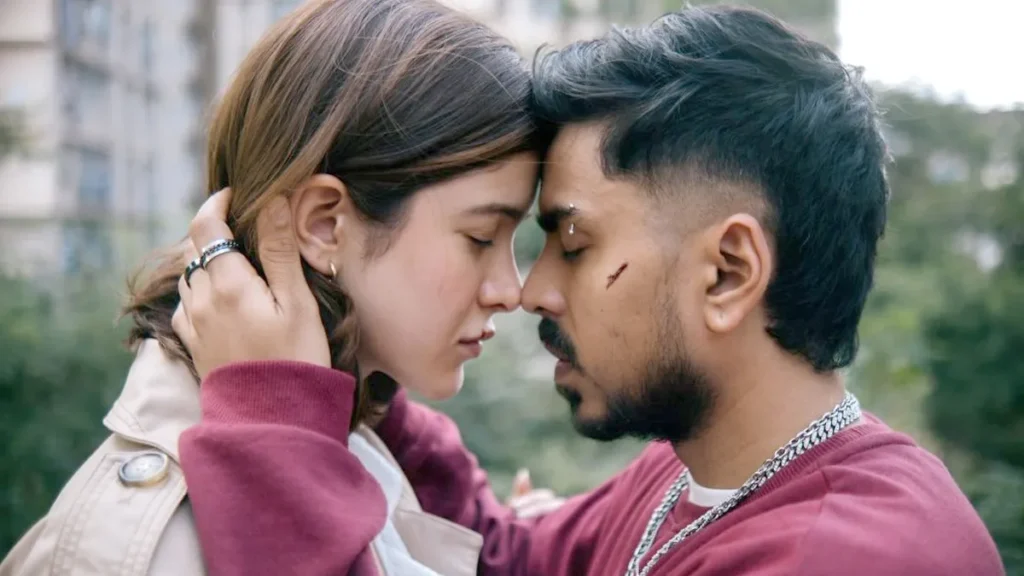
In simple terms the story of Homebound primarily focuses on two childhood friends played by the excellent Vishal Jethwa and Ishaan Khattar. Both of them go after a police constable job promising them dignity which has been long denied due to their social backgrounds. Ishaan Khattar plays a young Muslim man facing religious taunts. Vishal Jethwa on the other hand is Chandan a Dalit boy afraid of embracing his true identity. Janhvi Kapoor plays Sudha Bharati. Much like Chandan she is also a Dalit but with a better economic background. Sudha is a strong believer in the Ambedkar philosophy: she constantly eggs Chandan to complete his studies so that he will be in a stronger position. This is the story in brief.

The best part of Homebound is the strong on-screen friendship. There is a lived in feel to the scenes featuring Vishal and Ishaan. Their moments together whether it’s the light ones or the more intense portions when Shoiab doesn’t make it has been brilliantly written and enacted.

Through the two friends the film delivers a hard-hitting tale on the everyday discrimination faced by the marginalized. For example, there is a scene where Chandan goes to check about his exam results. An official asks Chandan which category he applied. To this Chandan replies general category hiding his true identity. This is followed by the official going on a rant about reservation in a tone reminiscent of the numerous upper-class people who feel that reservation is a regressive thing.

Similarly in the case of Shoaib he too faces the brunt of being a Muslim. There is a scene of Shoaib going for an office party. A cricket match between India and Pakistan is going on. Like the other people in party Shoaib is also happy about India winning however his seniors chide him with the term Lahore implying that he is sad about Pakistan losing. All this hits the viewers hard especially those who are into serious cinema.

The love story between Chandan and Sudha also has interesting dynamics. As already mentioned, Sudha is financially better off than Chandan and this shows in her confident persona. Through Janhvi Neeraj shows a more empowered Dalit with a strong voice. Janhvi doesn’t have much heavy lifting to do but she plays the part with the required confidence. Her scenes with Vishal bring a much-needed lightness to the otherwise grim proceedings.

In the second half the plot goes from caste to the plight of migrant workers. The movie makes the viewers ponder on how lucky we were safe in our homes. The visuals of the sudden lockdown imposed and migrant workers desperate attempts to get away will definitely stir a strong emotion. In these segments the touch of Basharat Peer is very apparent.

The movie doesn’t directly critique the government but for those who read between the lines the administrative failure is very palpable. The moments leading up to Chandan’s death has also been brilliantly staged. There is an important conversation just before he gets sick. He talks about his future aspirations which include completing his studies among other things. This adds to the tragedy later on. The pre climax scene with Shoaib desperately wanting to save his friend by egging him on is so emotionally riveting. Ishaan Khattar as Shoaib especially shines in this sequence making you wish that the real-life scenario had played out differently. With his portrayal of Shoaib Ishaan once again shows why he is such a fine talent. Vishal Jethwa is also equally good in portraying the angst and anguish of a lower caste man who is afraid to embrace his true caste identity. Mention must also be made of Harshika Parmar as Chandan’s sister. She brings in a quiet strength in the sequence where her character reminds Chandan about how she never had the opportunity of going to college unlike her brother. Shalini Vatsa as the mother is equally good in spite of the brief screen time.

Pratik Shah’s cinematography is solid too. He does a very fine job in capturing the lived in atmospherics. The costumes and production design are also in perfect sync making Homebound a technically solid product as well.

Final word: Its no surprise that the movie received a 9-minute standing ovation at the Cannes Festival.

The Ba***ds of Bollywood: Aryan Khan hits a sixer

Director Aryan Khan delivers a delightful whimsical ride backed with strong satire. The debut director doesn’t spare anyone, and this includes events from his real life too. It’s clear that Aryan has all the trappings of a successful mainstream director. He deserves appreciation for choosing an unconventional route when he could have easily been launched as a leading man

Starcast: Lakshya Lalwani , Raghav Juyal, Bobby Deol, Sahher Bambaa, Manoj Pahwa, Mona Singh, Anya Singh, Rajat Bedi, Manish Chaudhari and others

Genre: Satire

Creator, director and writer: Aryan Khan

Additional writers: Bilal Siddiqui and Manav Chauhan

Producer: Gauri Khan

Executive producers: Bonnie Jain and Akshat Verma

Production Company: Red Chilies Entertainment

Music: Sashwat Sachadeva and Anirudh Ravichander

Cinematography: Jay Pinak Oza

No of episodes: 7

Streaming site: Netflix

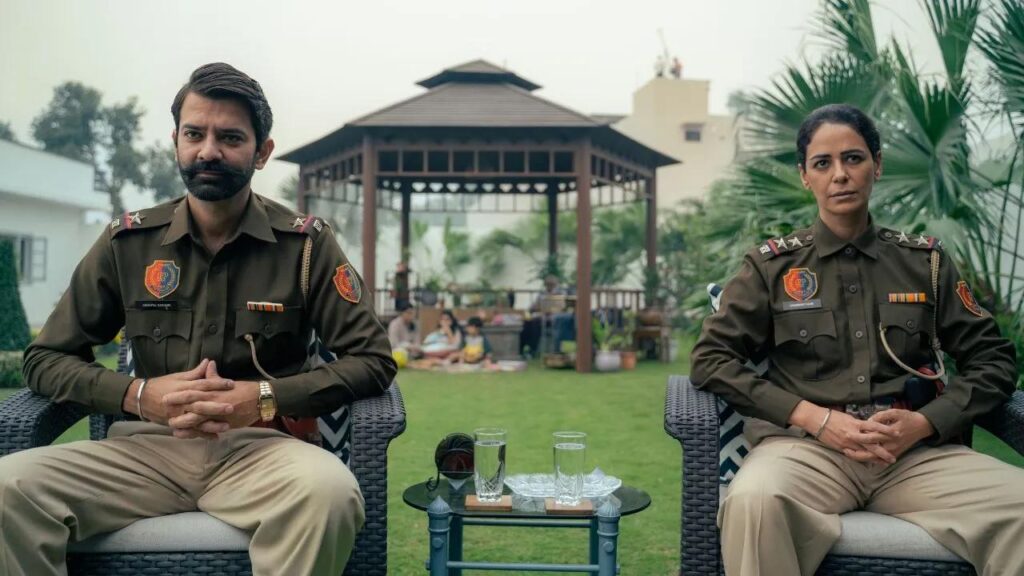
The Ba***ds of Bollywood directed by Aryan Khan could have been a feature film instead of a web series. The plot is hardcore masala with comedy, action, star crossed lovers and a mind-boggling twist that is sure to leave the viewers polarized. Much like Zoya Akhtar’s Luck By Chance The Ba***ds of Bollywood is a percipient take on the starry world of Bollywood. However, this goes a step ahead in dealing with the insider outsider debate, exploitative producers and the uncertain nature of fame among others.

Aryan Khan makes a smashing debut

The broad storyline of this web series revolves around Lakshya Lalwani’s Aasmaan Singh. An outsider with big dreams. His debut becomes a major hit making him a sensation. Soon, things start getting complicated. The web series focuses on how Aasmaan navigates this starry and unpredictable world with the help of a loving family. Raghav Juyal plays Aasmaan’s buddy and an important anchor. Anya Singh on the other hand is the loyal manager. Bobby Deol plays a huge star who isn’t happy with his daughter Karishma (Sahher Bambaa) getting close to Aasmaan and vice versa.

A strong aspect concerning The Ba***ds of Bollywood is the self-aware and whimsical tone. The web series is peppered with numerous real-life scenarios. For example, there is a newcomer’s roundtable clearly modelled on the 2019 Rajeev Masand’s Actors roundtable. There is a cheeky node to Siddhanth Chaturvedi roasting Ananya Pandey. Similarly, one of the extended cameos features Karan playing a movie mafia version inspired from Kangana Ranaut’s comment.

There is a hilarious banter between Ranveer and Karan connected to Rocky Aur Rani Ki Prem Kahani. Karan talks to Ranveer about giving him a hit. Ranveer on the other hand replies back by saying he carried the movie on his shoulders.

Emraan Hashmi turns up as an intimacy coach, it’s a tip off to the actor’s famous real-life image. Raghav Juyal’s reaction on seeing Emraan is priceless. He bursts into an emotional state singing Emraan Hashmi’s famous songs. Emraan’s bewilderment on how to deal with this fan boy moment coupled with Raghav’s acting is brilliant.

Arshad Warsi as Gaffor Bai is used to represent the role of Mumbai underworld. The actor raises many chuckles with his acting. Above all Aryan Khan doesn’t spare himself either. You have an officer who is moddled on the Narcotics Control Bureau (NCB). In one scene Aasmaan is locked up in a jail and a cop says people get more famous after going in. After last years negative role in Kill Raghav showcases a different facet of himself. As Aasmaan’s buddy the actor lights up the screen with his effortless acting. He shares a wonderfulcamaraderie with Lakshya making their scenes a major highlight of the show.

Mention must also be made of Sahher Bambaa’s Karishma. The young actress brings in a certain vulnerability and a humanness making the character likeable in spite of the privileged background. The love angle between Aasmaan and Karishma is underwritten still the two young actors share a good chemistry.

What also grounds the show amidst the starry cameos and larger than life world is the family dynamics. Apart from Raghav Anya Singh also lends gravity as the loyal manager. The way she stands by Aasmaan in spite of the numerous hurdles is brilliant to watch. Similarly, Mona Singh and Vijayant Kohli as parents are also wonderful. Their conversations with Lakshya have an emotional resonance, especially the advice given by the father on never backing down. Manoj Pahwa as Aasmaan’s uncle also touches a chord with his own backstory.

The web series also looks at the unpredictable nature of show biz with Rajat Bedi’s Jaraj Saxena. On the surface the character may across as a comedic caricature. But there is a palpable pain as well and Rajat aces it.

Lakshya as the shows center pivot perfectly captures the different shades of Aasmaan. He brings alive the determination of Aasmaan along with a certain cheeky and arrogant nature. There are certain shades of Shah Rukh Khan in the way Aryan along with Bilal Siddqui etc have written the role. Lakshya also does very well in an important emotional outburst.

As one of the primary villains Bobby Deol packs a strong punch too. He brings in both a starry aura as well as solid acting in this multifaceted role. Manish Chaudhari also succeeds in bringing the required ruthlessness along with a misogynistic nature.

The music composed by multiple people goes perfectly well with the show’s eccentric tone. Special mention must be made of the tracks Rusiya and Who’s your Daddy.

Final word: Overall it’s a web series that Shah Rukh himself would have loved to either act or direct. Must be a proud moment for the father.

Jolly LLB 3: A plea for saving farmers and the journey of social consciousness

Director and writer Subhash Kapoor takes a familiar route particularly in how the protagonists evolve. The third part lacks the freshness of the last two, still it remains a compelling watch for the issues explored and the performances of the core cast. Akshay Kumar and Arshad Warsi as the bumbling Jolly’s undergoing a change do a fine job: But Saurabh Shukla is the show stealer raising laughs as well as lending gravity in the serious moments.

Starcast: Akshay Kumar, Arshad Warsi, Saurabh Shukla, Seema Biswas, Gajaraj Rao, Seema Biswas and others

Genre: Comedy/drama

Director and writer: Subhash Kapoor

Producers: Alok Jain and Ajith Andhare

Music: Anurag Saikia, Vikram Montrose etc

Cinematography: Rajarajan Ramabadran

Production Companies: Star studio 18 and Kangara Talkies

Running time: 2 hours and 37 minutes

The Jolly LLB series is one of its kind franchise. Generally, movies related to comedy and action are developed into a series of films. But Jolly LLB movies are an exception as the stories dwell into the different types of problems effecting a common man. The heroes in these films aren’t the usual idealistic ones. They are grey shaded characters undergoing a gradual change.

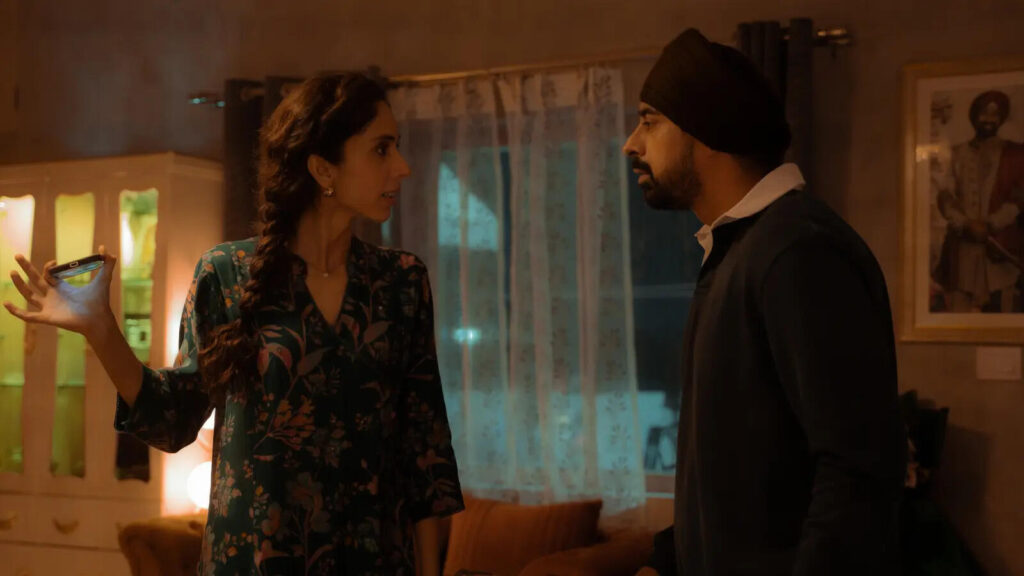
Jolly LLB 3 pretty much sticks to this formula. This time around its corporates usurping farmers land in the name of globalization. Arshad Warsi and Akshay reprising their roles from the previous movies are at constant loggerheads. Both of them suffer from lack of substantial clients. This results in constant tussle with each trying to outwit one another in search of fame. However, things take a major dramatic turn with the entry of Seema Biswa’s Janaki. Saurabh Shukla continues to be the adorable judge often exasperated with the two central lawyers but at the same time being considerate too.

A strong aspect of Jolly LLB 3 are the courtroom portions. The series of dramatic exchanges between Akshay Kumar and Ram Kapoor who represents the industrialist Haribai (Gajraj Rao) have the right amount of spark. They are often intense making the viewers ponder on the pitiable condition of farmers. At times the movie slips into a melodramatic space with the district magistrate having a change of heart: this particular portion is wobbly. But the core relevance helps it tide over.

Saurabh Shukla as the Judge Sundar Lal Tripathi continues to be a major highlight. The veteran actor raises ample chuckles specially in a conversation with the two Jolly’s. He tells them in detail about the high stress caused by the two. The third part also gives a peek into the romantic side of Sundar Lal and Saurabh Shukla aces it.

Apart from the chuckles he also lends in a certain seriousness whenever required. For example, there is a scene involving constitutional values and respecting its spirit. In simple terms Saurabh Shukla is the major ace of this franchise.

Seema Biswas as the widow Janaki rallying for justice is the only female character with some weight. As expected, Seema Biswas nails the role with her piercing gaze. She communicates a lot with her eyes. Gajraj Rao as the typical industrialist also makes for a suitably despicable villain. The character graph isn’t the most innovative, but he brings in an understated menace. Ram Kapoor also makes his presence amply felt as a rich advocate fighting for a wealthy industrialist.

As the two Jolly’s Arshad Warsi and Akshay Kumar play their parts with practiced ease. Akshay gets the bigger arc though with some fiery arguments. The scene where he talks about farmers subsidies being dismissed as Khairat (charity) deserves a particular mention. Arshad Warsi comes alive in the final monologue where he talks about farmers always being the scapegoats in the name of economic progress. An expectation that they should give their lands without any complaints.

Amrita Rao and Huma Quereshi as the respective wives have a lovely presence but in the larger scheme of things they don’t have much to do. The personal lives of both Jolly has zero noticeable moments. The music is another sore point specially an emotional song meant to stir the viewers. Some scenes like the two heroes coming on a camel disturbing a racing competition is also clumsily staged.

Final word: Jolly LLB 3 is a worthy addition to this growing franchise in spite of some lags.

Mother Mary Comes to Me: An Unfiltered Memoir, Personal and Political

Arundhati Roy, in Mother Mary Comes To Me, offers an unflinching and deeply personal account of the complex mother-daughter relationship. Her vivid portrayal of a turbulent family dynamic and the hard life she endured is both compelling and raw.

Mother Mary Comes To Me is a potent mix of the personal and the political, interwoven with Roy’s signature humor. It’s a book that not only critiques but also finds moments of levity. There are scathing lines that will make you chuckle while still holding up a mirror to society. The memoir takes us through various facets of Roy’s life, notably her stormy relationship with her mother, Mary. A complex figure, Mary embodies both awe and fear in equal measure. As a character, Mary is not easily likable, but her inner strength demands respect.

Mary is a woman who defied societal expectations, challenging sexism and battling illness while raising her children. Her personal achievements are substantial. She founded Pallikoodam, a school in Kottayam, and in 1986 won a landmark Supreme Court case that granted Syrian Christian women equal inheritance rights in Kerala. By challenging the discriminatory Succession Act, Mary became a central figure in Indian social and legal history. It’s easy to see where Arundhati’s activism comes from—Mary was a trailblazer.

The dynamics between Arundhati and Mary are complex, filled with both admiration and fear. These emotions create a raw, relatable narrative that resonates not only with readers interested in activism but also those who appreciate a personal account of family struggles.

Roy’s depiction of her early life is particularly poignant, highlighting the struggles of Mary in raising her children and the toll it took on Arundhati and her brother. The memoir paints a vivid picture of Roy’s chaotic upbringing in a politically turbulent period of Indian history. Arundhati’s fight with her own burgeoning identity and emotions gives the memoir a raw, unflinching quality.

One of the most refreshing aspects of the memoir is Roy’s lack of poetic embellishment. For instance, when recounting the obscenity trials related to The God of Small Things, she does not shy away from bluntness. She writes, “Being accused of obscenity and corrupting public morality would be the first of the three criminal cases filed against me by separate, unconnected batches of five male advocates. One of which would briefly send me to prison.” This candidness, her refusal to sugarcoat the hardships she endured for her bold stance, makes for a harrowing but honest read.

The Narmada River Dam Project controversy also plays a crucial role in Roy’s life and activism. The book showcases how her opposition to the project became an essential part of her public persona. One of her most striking quotes touches on the fusion of her writing and activism: “I was soon being called a ‘writer-activist,’ a term which I found absurd because it suggested that writing about things that vitally affected people’s lives was not the remit of the writer. That needed an additional appellation. To me ‘writer-activist’ sounded a bit like sofa-bed.”

Another memorable passage touches on her stance as a nationalist, despite being branded an “anti-national” by critics. She reflects, “The more I was hounded as an anti-national, the surer I was that India was the place I loved, the place to which I belonged. Where else could I be the hooligan that I was becoming? Where else would I find co-hooligans I so admired? And who among us supposed equals had the right to decide who was ‘pro’ and ‘anti’ national?”

This memoir is not just an exploration of Arundhati Roy’s life, but a profound commentary on societal norms, political resistance, and the power of unfiltered truth.

The Long Walk: A haunting dystopian tale in the post Vietnam America

The Long Walk directed and produced by Francis Lawrence has a distinct hangover of the Korean web series Squid Games along with Jennifer Lawrence’s Hunger Games: but this movie has bromance with the participants being supportive of each other. The movie isn’t for those who are in the mood for grim stories. For fans of dystopian dramas with socio political commentary, The long Walk is a must watch

Starcast: Cooper Hoffman, David Jonsson, Garrett Warieng and others

Director and Producer: Francis Lawrence

Genre: Thriller/drama

Based on: Stephen King’s novel The Long Walk

Screenplay: JT Mollner

Producers: Francis Lawrence, Roy Lee, Cameron MacConmy and Steven Schneider

Cinematography: Joe Willems

Music: Jeremaih Fraites

Running time: 1 hour and 48 minutes

The backdrop of Francis Lawrence’s The Long Walk is a future of extreme fascism. In a brutal test numerous young men participate in a walk by the same name. In this competition they must maintain a minimum walking pace with no option of slowing down or giving up. If either of the two happens the soldiers would bump them off. Only one winner remains.

The broad themes covered by The Long Walk are false hopes, government dictatorial/fascist ways, economic hardships resulting in numerous men participating and finally resilience of human spirit along with a certain optimism.

A strong aspect of the movie is the haunting dystopian world created by Francis Lawrence along with cinematographer Joe Willems. The atmospherics are truly scary given the current political atmosphere. Francis Lawrence makes the viewers contemplate on how our near future will look like if the fascism continues.

In spite of a mostly bleak picture mention must be made of a strong sense of brotherhood among the men. This specially comes out in the companionship portions featuring Cooper Hoofman’s Ray Garraty and David Jonsson ‘s Peter Mc Vries. For Ray, Peter Mc Vries becomes an important anchor given his emotional turmoil and his reasons for joining the walk.

Inspite of the premise being rooted in capitalist machinery the men are unexpectedly supportive of each other. They urge each other keep on walking no matter what. The conversations have a philosophical tone

Through these men the movie explores different kinds of masculinity starting from Ray. The concept of American dream has also been used well to critique a dystopian society which offers false hope of success.

The actors also do a very fine job in making the viewers feel for them. The ones who stand out though are Cooper Hoofman and David Jonsson. They get the emotional graph of the roles spot on.

Mirai: An engaging amalgamation of devotion and fantasy

Karthik Gattamneni who has written and directed Mirai does a good job in creating solid back stories for both Teja Sajja and Manchu Manoj. How their respective pasts shape up the present timeline is good. The solid visuals coupled with the performances specially the hero and the antagonist help the movie tide through some weak comedic gags. Rana Dagubbati appearing in the post credit sequence also has a blast.

Starcast: Teja Sajja, Manchu Manoj, Shriya Saran, Jagapathi Babu, Karthikeya and others

Genre: Fantasy/action

Story, screenplay and direction: Karthik Gattamneni

Additional writer: Manibabu Karanam

Producers: T G Vishwa Prasad and Krithi Prasad

Cinematographer: Karthik Gattamneni

Music: Gowra Hari

Running time: 2 hours and 49 minutes

The 2024 movie Hanuman was a huge game changer for both Teja Sajja and the director Prashanth Verma. Much like the protagonist the film was also an underdog. The expectations weren’t high, but the movie surprised one and all beating Sankranti biggies like Saindhav, Guntur Kaaram etc. Teja Sajja established himself as a potential young star. Mirai also follows a similar trajectory in terms of the hero’s characterization. Here too the hero is a ruffian unaware of his destiny. He ends up fighting a force that’s way above his league but succeeds with determination and some help. In spite of a not so novel storyline Mirai mostly hits the right chords specially for those who are into the genre of devotion with fantasy.

Protagonist Teja Sajja

The broad storyline of Mirai involves Emperor Ashoka’s sacred books. The nine scriptures have the power of turning any mortal human being into a deity. Teja Sajja’s Vedaa is a young warrior unaware of his past. Vedaa’s life undergoes a huge change with the arrival of Ritika Nayak as Vibha. Guided by Vibha and others Vedaa must understand his true role which is protecting the scripture. The film pits Vedaa opposite the more powerful Mahabir Lamba (a commanding Manchu Manoj). Shriya Saran plays Vedaa’s mother, and a divine soul connected to protecting the scriptures.

A strong aspect of Mirai is the visual department. Director Karthik Gattamneni who has also handled the cinematography department does an excellent job in creating some big screen worthy moments. These portions include a sequence involving a bird called Sampathi. Also, a high-octane moment on the train is a visual delight.

The CGI involving the bird as well as the climatic fight between Teja Sajja and Manchu Manoj is brilliant to say the least. The Ramayana connection with the magical stick will also be a treat for the devotees.

Apart from the cinematography Gowra Hari’s background score also deserves a specific mention. It amplifies the high voltage moments adding to the immersive experience.

Mirai also works because of some solid acting specially the leads. Teja Sajja’s role of an underdog shares more than one similarity with Hanuman. Still, he pulls of Vedaa’s transformation from a carefree youngster to a determined force with ease. The actor is especially good in conveying the vulnerabilities making the protagonist a grounded character in spite of the fantasy world.

Manchu Manoj as Mahabir Lamba also makes for a powerful antagonist. The fiery eyes coupled with the commanding dialogue delivery making him a very worthy rival. Manoj particularly shines in the sequence where he talks about his past. The anguish of a young boy facing societal rejection due to caste hierarchy has come out in an impactful manner. Karthikeya playing the younger version of Manoj is also excellent.

Shriya Saran also shines in spite of the limited screen time. Shriya lends an emotional depth with her nuanced acting. She brings in the required divinity as well as a strong inner strength. Jagapathi Babu as one of the protectors too lends in the required gravity during his conversations with Teja Sajja.

A major problem with Mirai is the unnecessary comic stretches involving police officers’ team. Venkatesh Maha and Kishore Tirumala are reduced to mere buffoons producing more groans than laughs. Ritika Nayak as the sanyasini has a good presence but her character could have been better utilized instead of a typical damsel in distress trope.

Final word: Mirai is worth watching for the stunning visuals and if you are into the devotional genre.

Bad Girl: A wonderful coming of age tale through female lens

Director Varsha Bharath does a fine job in etching the tumultuous journey of Anjali Sivaraman’s Ramya. Her yearning for liberation and eventually finding peace is relatable for numerous millennial women. Mention must also be made of the female friendships. It gives the movie some of its best moments

Starcast: Anjali Sivaraman, Shantipriya, Saranya Ravichandran and others

Genre: Coming of age

Director and writer: Varsha Bharath

Producers: Vetrimaaran and Anurag Kashyap

Production Company: Grass Root Film Company

Cinematography: Preetha Jayaraman, Jagadeesh Ravi and Prince Anderson

Music: Amit Trivedi

Running time: 1 hour and 55 minutes

Most coming of age stories in cinema revolve around young men dealing with societal expectations and thorny relationships with their fathers. A coming-of-age tale through a female lens isn’t a common thing. Varsha Bharath’s Bad Girl is a refreshing and much needed tale through female lens.

As the title suggests Bad Girl focuses on the journey of a young woman going through many turbulent life scenarios. She does numerous things defying the general social norms. The title here isn’t the case of a moral judgment being passed. It’s more of a reflection on how traditional culture perceives a woman attempts to find her autonomy. The viewers see this through the journey of Anjali Sivaram’s Ramya.

A strong aspect of Bad Girl is how Varsha Bharath has etched Ramya. More than a plot driven story Bad Girl feels like a series of episodes and a character study. Varsha Bharath does a very fine job in showcasing the journey starting from teenage life. When we first meet Ramya, she is forever imagining a fairy tale with thoughts of romance and sex. Ramya feels that she has found it in her classmate Nalan (Hridhu Haroon). Through Nokia Phones and dialed up internet connection they have a series of secret conversations which Ramaya’s orthodox family has no idea about.

These portions have a dream like visuals. The cinematography by Preetha Jayaram, Jagadeesh Ravi and Prince Andreson is simply fantastic to say the least. They bring to life Ramaya’s state of mind. Of course, Ramya’s fairytale comes to an end when caught red handed. The mother played by an excellent Shanti Priya isn’t happy about her daughter’s actions laying the base for the thorny mother and daughter relationship.

The process of Ramya making one bad decision after another in her attempts of finding liberation. While also questioning the traditional thoughts of her parents has been wonderfully written and enacted. There are scenes where Ramya is seen reflecting on her actions as she grows older. Through this Varsha Bharath talks about what it feels like to be a contemporary young woman who is judged on something or other.

Mention must also be made of the how the films deals with the generational differences. Shantipriya’s Sundari doesn’t understand the ways of her daughter’s lifestyle. She is constantly worried about who is going to look after her daughter. There are numerous moments of friction. At the same time love is there too. There is a wonderful pre climax moment after Sundari’s retirement as a teacher. Ramya wants to hug her mom and express love. After a lot of deliberation Ramya does it, the reason being a huge showdown which had taken place previously.

Through the role of Sundari Varsha Bharath also looks at patriarchy. Sundri is a working woman with a well-paying job. She fits the traditional standards of the society but still there is no getting away from the patriarchy.

Lastly Bad Girl also deserves appreciation for how it celebrates female friendships. Saranya Ravichandran as Ramya’s confidante specially deserves a mention. The female bond explored through her and Anjali Shivaraman gives the movie some of its best moments.

Apart from the already mentioned cinematography department Amit Trivedi’s music also needs to be talked about. His soundtrack perfectly captures the tumultuous journey of Ramya. The production design also stands out more so in the portions of Ramya’s formative years.

Performances wise the film belongs to Anjali Shivaraman and Shantipriya. Anjali Shivaraman effortlessly portrays the multifaceted journey of Ramya. Whether it’s the innocence of college days or the simmering frustration of college years and eventually making peace. Shantipriya is also compelling bringing out both the motherly concern and a quiet inner strength.

Final word: Bad Girl is an important watch for how it tackles coming of age through female lens.

Little Hearts: A youthful love entertainer about two misfits

Little Hearts written and directed by Sai Marthand isn’t plot heavy. The story often plays out like a series of comic sketches: but the engaging screenplay coupled with the performances makes this a fun weekend watch. A strong aspect of Little Hearts is the subtle coming of age with the heroine standing up for her love

Starcast: Mouli Tanuj Prasanth, Shivani Nagaram, Rajeev Kanakala, Satya, S S Kanchi, Jai Krishna and others

Genre: Comedy/romance

Director and writer: Sai Marthand

Producer: Aditya Hasan

Production house: ETV Win

Cinematographer: Surya Balaji

Music: Sinjith Yerramilli

Running time: 2 hours and 8 minutes

Little Hearts is a film which perfectly fits the tag of a nonsensical but fun entertainer. Unlike the usual larger-than-life heroes with no flaws this is a movie which isn’t afraid to poke fun at the protagonist. In this case the hero and the heroine aren’t the brightest bulbs, they are equally dimwits when it comes to studies. Sai Marthand who has written and directed Little Hearts does a fine job in creating a fun love story with all social media and pop culture references. The love story has a hilarious connection to the Bahubali films which I will get to later. Producer Aditya Hasan who is only one web series old needs to be applauded for backing this up.

Mouli Tanuj Prasanth and Shivani Nagaram

The storyline of Little Hearts primarily revolves around Akhil (Mouli Tanuj Prasanth) and Shivani Nagaram’s Khatyayini. Both of them fail in clearing their respective subjects and are compelled to undertake long-term coaching due to their respective fathers. Akhil has just gone through a bitter break up with his intermediate sweetheart. Initially his attraction towards Khatyayini feels like a temporary recourse but things take a serious turn with both falling in love head over heels. This is the story in brief.

A strong aspect of Little Heats is the entertainment quotient. Special mention must be made of the scenes featuring Mouli and Jai Krishna a fellow wastrel. The banter between them coupled with Jai Krishna’s constant predictions on how Akhil’s love is domed only to be proven wrong raises many chuckles. His disbelief on how Khatyayini falls for Akhil and vice versa is hilarious to say the least. A specific mention must be made of the portion where Jai Krishna does a translation of Khatyayini words thinking that she has broken up with Akhil only to fall flat on his face.

The love story of the leads has a constant comparison to the journey of Bahubali films. The initial mixed reactions of Bahubali one is compared with their romance. The assumption is neither their romance nor the film will soar. The cultimation of Bahubali journey with the second part becoming a massive blockbuster as well as Akhil and Kathyayini’s love story has been wonderfully connected.

Little Hearts also works because of the self-aware tone, the flaws of both the hero and the heroine with their quirks have been well written and enacted. Towards the middle of the second half the movie slips into a coming age of territory. Both the hero and the heroine decide that they had enough of engineering and medicine respectively. They decide to do something else with their future.

Sai Marthnand gives some agency to Kathyayini in the way she stands up for her love. The dialogue of Akhil on why Kathyayini is worth fighting for gives the movie some emotional heft. In this scene Akhil openly talks about his flaws making the protagonist relatable.

The music composed by Sinjith Yerramilli is funky going well with the movie’s tonality. A specific mention must be made of the humorous conversational song where the leads are seen missing each other deeply. There is also an amateur musical video sung and edited by Akhil as a surprise birthday gift for Kathyayini. This video coming at important junctures is another high point of the movie. The cinematography of Surya Balaji is also fair perfectly capturing the vibrant atmosphere.

Both Mouli and Shivani Nagaram perfectly fit the parts of bumbling youths coming of age. They embrace the quirky tone matching each other making the romance believable. Rajeev Kanakala as Akhil’s extremely worried father also does well bringing in a certain seriousness. His reaction to Akhil’s musical video is especially worth mentioning.

S S Kanchi as Kathyayini’s father also raises some chuckles particularly in the post interval portions. The rest of the cast add to the quirky scenarios with their wonderful acting.

Final word: Little Hearts is small scale but high on entertainment value. This deserves a theatre watch,

Inspector Zende: A quirky cop versus criminal saga with an excellent Manoj Bajpayee

Unlike the usual larger than life Bollywood cop’s director Chinmay Mandlekar opts for a comic tone with a bumbling hero. He mixes crime with comedy, and the results are quite good. In spite of some uneven writing Inspector Zende makes for a fun watch and a good stress buster.

Starcast: Manoj Bajpayee, Jim Sarbh, Girija Oak, Harish Dudhade, Sachin Khedekar and others

Genre: Comedy/thriller

Director and writer: Chinmay Mandlekar

Producers: Om Raut and Jay Shewakramani

Production house: Northern Light Films

Cinematography: Vishal Sinha

Music: Sanket Sane

Running time: 1 hour and 52 minutes

Streaming site: Netflix

Inspector Zende streaming on Netflix is based on a real-life story set in the period of 1970&1980’s. Madhukar Zende’s pursuit of the noted criminal Charles Sobhraj and the eventual capture in Goa. The story makes for a good dramatic fodder with a larger-than-life protagonist. But the tone adopted by Chinmay Mandelkar is more goofy than a serious drama. This approach has its positives and negatives. The good thing is that the film makes for a welcome stress buster. At the same time those looking for more intensity will be disappointed.

Jim Sarbh as Charles Sobhraj

The one-line story of Inspector Zende focuses on Manoj Bajpayee’s Madhukar Bapurao Zande. He is no supercop with flexing muscles. He is a middle-class Maharashtrian officer with no distinct qualities as such. The movie focuses on his pursuit of Carl Bhojraj (a flamboyant Jim Sarbh). Bapurao Zande’s eventual capture of Carl forms the basic premise of Inspector Zende

A strong aspect of Inspector Zende is the retro atmospherics. Director Chinmay Mandlekar along with his cinematographer Vishal Sinha create a lived-in world. The streets of Bombay with the bustling lanes and the police force operating with no fancy technology has been recreated well. The detailing is on point, and this includes the chawl where Zende stays too.

A lot of movie’s humor is situational emerging from the messy situations and undercover names like “Rushi Kapoor” and “Om Raut”. For the modern audiences the ways of Zende and his tribe may feel dated but the way these men operate fits the time period.

Refreshingly the movie doesn’t opt for the mainstream slapstick approach like Rohit Shetty and David Dhawan. Instead, it finds laughs in the small errors and the sheer absurd nature of humans. Thankfully many jokes land.

A standout moment in Inspector Zende is the scene where Zende finally crosses paths with Carl Bhojraj. Instead of a brutal showdown their encounter feels like an odd dance. Every punch and push feels like choreographed number. The scene comes across like a bizarre Tango between a cop and criminal. It’s both thrilling and funny in perfect synch with the movie’s tonality.

Manoj Bajpayee and Jim Sarbh

Mention must also be made of the husband-and-wife scenes. Girija Oak as Zende’s wife plays her part with lot of warmth. Her interactions with Manoj Bajpayee and specially the segment involving puranpolis is adorable. As Zende’s collogues Both Harsh Dudhade and Bhalchandra Kadam bring strong comic timing. Sachin Khedekar too brings in the required authority as the no nonsense DGP. Jim Sarbh as Carl Sobhraj plays his part with the right amount of deception and flamboyant attitude. As Zende Manoj Bajpayee slips into the part with practiced ease nailing the goofball nature. He does a very fine job in capturing the grit of Zende while also making the viewers laugh.

Apart from the uneven writing in some patches the songs composed by Sanket Sane is also a minus point. The tunes are just about serviceable nowhere close to good.

Final word: Inspector Zende is worth watching if you are fans of stories mixing crime with comedy.

Ghaati: An absolute abomination and Krish’s final nail in the coffin

Ghaati is one of those rare films with no striking qualities. Jagapati Babu playing a nonsensical police officer has some fun with his crass lines and shifting shades like a chameleon: however the movie is a tonal mess in spite of a gritty subject with much potential. Anuskha Shetty’s performance too lacks the required fire often coming across as monotonous.

Starcast: Anuskha Shetty, Vikram Prabhu, Jagapathi Babu, Chaitanya Rao, Ravindra Vijay and others

Genre: Action/drama

Direction and screenplay: Krish Jagarlamudi

Writer: Chintakindi Srinivasa Rao

Producers: Saibabu Jagarlamudi and Yeduguru Rajeev Reddy

Production Company: First Frame Entertainments

Music: Nagavelli Vidya Sagar

Cinematography: Manojh Reddy Katasani

Running time: 2 hours and 37 minutes

There was a point in time when Krish Jagarlamudi was a respected filmmaker, the director had a unique voice starting with movies like Gamyam, Vedam and Krishnam Vande Jagadguram. There was something different in the way he presented his heroes whether its Allu Arjun in Vedam, Allari Naresh in Gamyam and Rana Dagubbati in Krishnam Vande Jagadguram. These movies used to have a strong social core: however the last few years has been a very uneven ride for the director. The historical fantasy Manikarnika went through many tribulations with the director leaving the project midway, the ambitious NTR biopic Kathanayakudu and Mahanayukudu ended up as box office duds in spite of a solid Balakrishna.

His project with Pawan Kalyan Hari Hara Veera Mallu also suffered the same fate as Manikarnika becoming a bigger disaster than the former. Ghaati is also a film which has seen several delays leading to less pre release buzz which now is far more abysmal than many would have imagined. The film tries to be a social drama while having the masala of Pushpa and the end result is neither here nor there. The romance between Vikram Prabhu and Anuskha lacks the required soul and the highly irritating villains led by the Mayasabha actor Chaitanya Rao only makes things worse.

The one line story of Ghaati is a woman seeking revenge and wanting to uplift her community. The setting is eastern Ghats. The local porters carrying marijuana are called as ghaatis, they are stuck in the cycle of exploitation with little to no alternatives.

Its hard to point out any positives in an extreme train wreck like this but Manojh Reddy Katasani’s cinematography is visually striking at least in the beginning portions. The vast landscape with the drone shots are nice to watch. Jagapathi Babu as already mentioned has a colorful role though his crass lines and the personality traits don’t befit the role of a police officer. His antics does provide some entertainment in an otherwise drab film. He keeps the audiences guessing as a shape shifter.

The major problem with a movie like Ghaati is wanting to replicate the story of Allu Arjun’s Pushpa. There’s a major Pushpa hangover in the portions featuring the different cartel heads. Pushpa for all its flaws at least had some innovation and the character graph of Allu Arjun came with a strong emotional core. This is missing completely becoming a poor imitation in the process. The love story between Anuskha and Vikram Prabhu again lacks the ex factor whether its the staging or the performances. Vikram Prabhu tries to do a Dulquer Salmaan but ends up falling flat on his face: nowhere close to matching the charisma of Dulquer.

Anuskha Shetty too leaves a lot to be desired. The required fire in portraying the transformation of Sheelavathi is majorly missing. The actress has very static expressions with flat voice modulation. The villain gang are mere caricatures instilling no fear whatsoever. The worst casualty is Chaitanya Rao. After an impressive turn in Mayasabha the actor irritates you with exaggerated body language and dialogue delivery leading to unintentional funny moments.

The story’s graph is as predictable as it can get with zero surprises: logically too the villains atrocious behavior towards Sheelavathi doesn’t make any sense. The music composed by Nagavelli Vidya Sagar is another downer, the tunes fall flat adding to the tediousness.

Final word: Ghaati is easily Krish Jagarlamudi’s worst film, even for die hard Anuskha Shetty fans this is a tough slog.