Kartavya: Familiar but an important crime thriller/drama

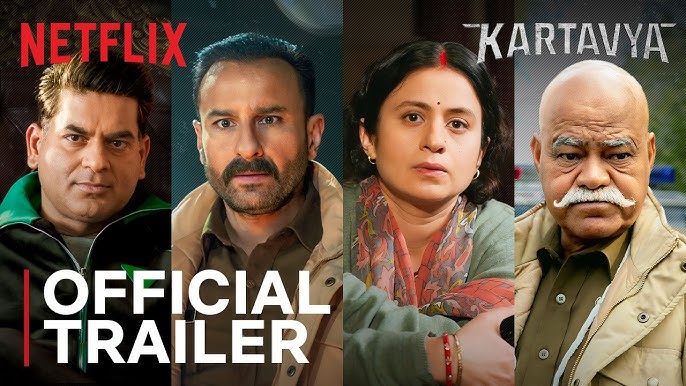
Kartavya written and directed by Pulkit does fall into a tangle with its multiple themes. There is a rushed treatment to the proceedings, nevertheless Kartavya does make for a gripping watch especially the dilemmas faced by Saif Ali Khan’s SHO Pawan Malik. The references to Abhimanyu and Arjuna from Mahabharata does add an interesting dimension.

Starcast: Saif Ali Khan, Sanjay Mishra, Zakir Hussain, Rasika Duggal, Manish Chaudhari, Saurabh Dwivedi etc

Genre: Thriller/drama

Writer and director: Pulkit

Cinematographer: Anil Mehta

Producer: Gauri Khan

Production Company: Red Chillies Entertainment

Running time: 2 hours and 27 minutes

Streaming site: Netflix

The story of Kartavyaa begins on the 40th birthday of Saif Ali Khan’s Pawan Malik. It starts off as a moment of fun camaraderie, a celebration among fellow police men. But soon things take a dramatic turn with the journalist being shot under the vigil of Pawan. This leads to several developments the details of which cannot be revealed here. The movie juggles between the different pressures faced by both Pawan both professionally and personally. Some of the themes explored are caste, abuse of law, the regressive notions of khap panchayat among others

A strong aspect of Kartavyaa are the mythological references. There are numerous dialogues where Pawan compares his situations to Abhimanyu in the Chakravyuh. Later on, there is a parallel to Arjuna’s dilemma’s well. This particularly comes out in connection to the regressive father played by a terrific Zakir Hussain. Harihar is a deeply entranced casteist with fixed notions of so-called societal boundaries. Pawan’s simmering anger and the confrontation scenes with Harihar gives the movie some of its best moments.

The significant role of Khap panchayat’s ideology serving as self-appointed moral custodians has also come out in a disturbing manner. Yes the topic of honor killings has been addressed numerous times in movies but that doesn’t take away its significance in any way. The scenes have a realistic feel sending a chill down the viewers spine.

Rasika Duggal as the homemaker trying to keep things together has a lovely presence. Her scenes with Saif come across as a much-needed breather amidst the tense scenarios. A particular mention must be of the portion where she jokes about Pawan’s smoking while in tension. Some of the other lighter moments include in house references to Shah Rukh Khan as well as Pawan comparing his dad to late Amrish Puri.
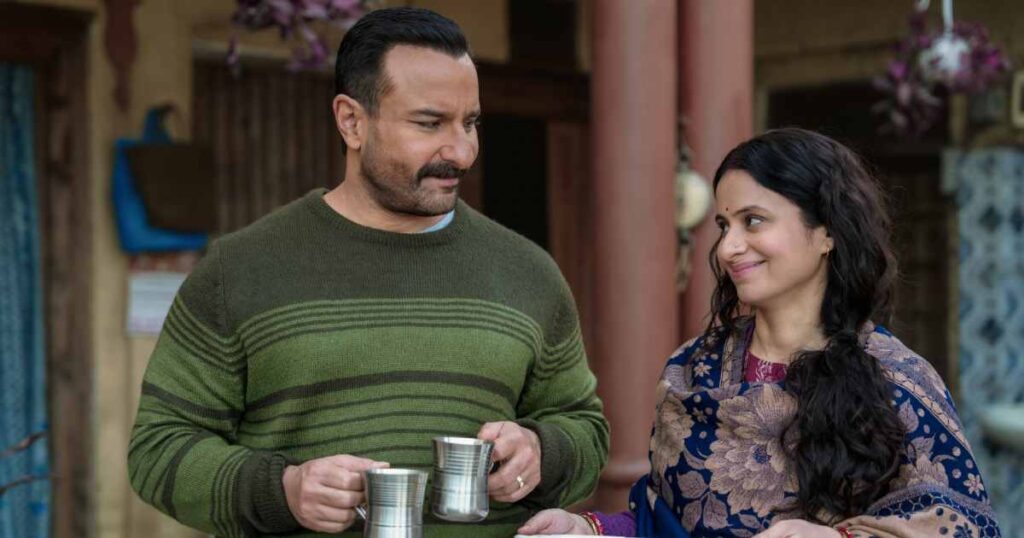
Sanjay Mishra as the weary constable is another big asset of the movie. The scenes of on screen friendship between him and Saif has some nice touches. However, an important twist related to his character can be seen from miles.

The corrupt godman and child abuse angle comes with Saurabh Diwidi and Yudhvir Ahlawat. Yudhvir in particular is very effective in the breakdown scenes with Saif. However, Saif Ali Khan is the major glue holding Kartavya together. Saif brings a simmering anger to Pawan, a certain exhaustion both professionally and personally but still a strong fighting spirit has been excellently portrayed by the actor.

As already mentioned Kartavyya does stretch itself a little too far with the themes it wants to explore. As the result there is a sense of incompleteness. A web series along the lines of Sacred Games or Paatal lok would have been a better option.

Also, Kartavyya suffers from a somewhat glossy look. There is a polished feel to the cinematography of Anil Mehta making it a bit distracting.

Final word: Kartavya is worth watching for those who like slow burn thrillers and if you are an admirer of Saif Ali Khan.

Matka King: A layered tale of socio-political commentary

Nagraj Mangule’s Matka King has a distinct hangover of Hansal Mehta’s Scam. Both in terms of atmospherics as well as the characterization of the central protagonist. Having said that series does a good job in exploring the origin of Matka. Vijay Verma’s Brij Bhatti aiming to challenge the class divisions through this game and how it eventually became a parallel economy. In the current age of illegal betting apps, the web series has a contemporary feel

Starcast: Vijay Varma, Sai Tamhankar, Kritika Kamra, Siddarth Jadav, Gulshan Grover and others

Genre: Crime/drama

Writer: Abbay Koranne

Director: Nagraj Mangule

Cinematography: Sudhakar Reddy

Producers: Nagraj Mangule, Siddarth Roy Kapur etc

Production Companies: Roy Kapoor Films, SMR Entertainment etc

Theme song: Ajay Jayanthi

No of episodes: 8

Streaming site: Amazon Prime

Stories of crime with gray protagonists make for a fascinating viewing. The reason being as human beings we generally have shades of both white and black. Movies like Deewar and Satya are solid examples of these. In 2024 there was the Karuna Kumar directorial Matka also touching upon a real life Matka gambler but the game in that was just a plot device. Nagraj Mangule’s Matka King not surprisingly does a far better job in exploring the social context of Matka.

Matka King’s story in brief focuses on the rise of Vijay Varma’s Brij Batti. How he turns the betting game into a household obsession forms the main core of Matka King. The web series also looks at the moral decay of Brij. From wanting to build a fair system for the common man to getting consumed by greed and power. Simultaneously there is also the rise of underworld represented through Vineet Kumar Singh’s Darab Ahmed Wadkar.

A strong aspect of Matka King are its lived-in atmospherics. A major credit for that goes to cinematographer Sudhakar Reddy. The texture of 60’s Mumbai has a lived-in feel whether its the gambling dens or the trading hubs. Both the allure and the grit have been wonderfully captured by the cinematographer. The production design coupled with the costumes further add to the immersive experience. There isn’t much scope for music, but the theme song has a catchy feel.

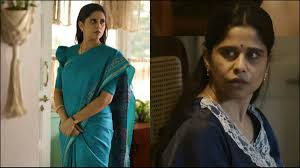
Another strong aspect of Matka King is the central character of Vijay Varma. The role of Bhatti is layered with different nuances. How he gradually ascends the social ladder and the moral descent has been superbly captured in both the writing as well as the acting. There is a crucial line by Sai Tamhankar when she says to Brij on how he isn’t completely bad, therefore it’s difficult to dislike him fully. This pretty much sums up the character of Brij Batti. Matka King also benefits from well written women characters. Sai Tamhankar as the wife isn’t a typical helpless spouse. The character Barkha strongly asserts herself when required. Vijay and Sai Tamhankar have some solidly written confrontation scenes.

Similarly, Kritika Kamra playing a widow striving for her own autonomy is also well written and enacted. Much like Sai Tamhankar’s Barkha Kritika’ s Gulrak also comes with a certain agency, and this is reflected in numerous scenes. Siddarth Jadav as Dagdu is another actor who stands out. Dagdu starts off as loyal but soon things take a turn when he feels cheated by his master. Siddarth Jadav does an excellent job in pulling off the different nuances.

Mention must also be made of how Nagraj Manjule and Abbay Koranne have used the game of Matka. Matka becomes a symbolism of restless India with people wanting to make a quick buck in the absence of equal opportunities. When we look at today’s age of illegal betting aps clearly nothing much has changed. This adds an important social layer to Matka King taking it beyond a tale of one man’s rise.

Coming to the flaw’s certain tracks function as a buildup to season 2. The extended cameo of Vineet Kumar Singh is a perfect example of this. Vineet Kumar Singh gets the swag of an underworld don right on spot, but the writing needed to be much better. There is also the subplot of emergency not adding much to the web show. Also, the significant hangover of Scam will act as a deterrent for some.

Final word: Matka King is worth watching for fans of gritty crime dramas and of course Vijay Verma’s admirers.

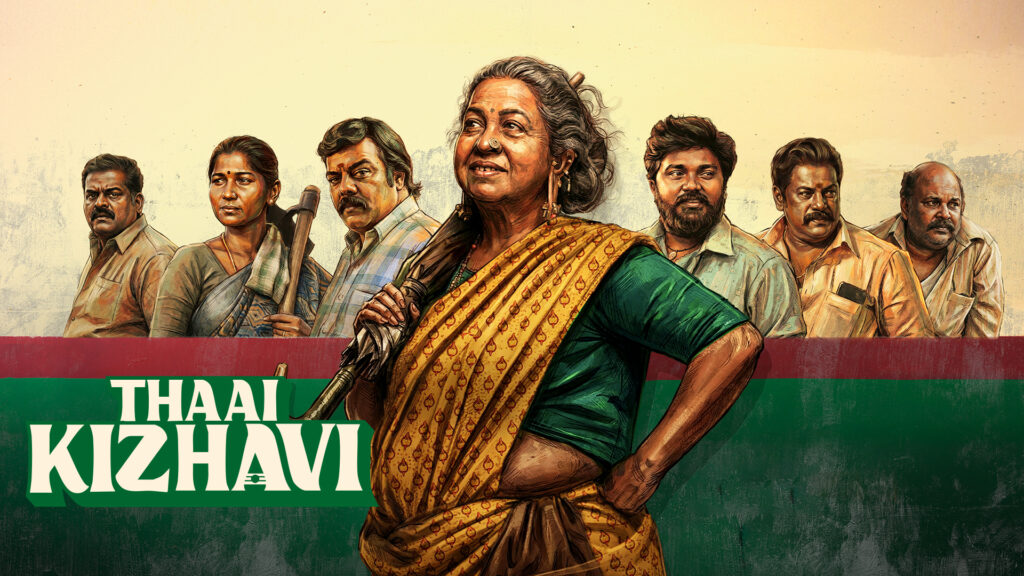
Thaai Kizhavi: A spirited tale of feminism with a massy touch

Sivakumar Murugasen’s story has shades of both Balagam and Ram Prasad Ki Tervi. The unraveling of family secrets as well as the greedy acts of family members have a distinct familiarity. Having said that Thaai Kizhavi is an entertaining movie with a relevant message on a woman’s financial independence. Radhika Sarathkumar as the matriarch/godmother figure has an absolute blast embracing the character’s whacky nature with gay abandon. Her presence can be amply felt even in the scenes which don’t feature her.

Director and writer: Sivakumar Murugasen

Starcast: Radhika Sarathkumar, Bala Sarvanan, Munishkanth etc

Genre: Comedy/drama

Producers: Sivakartikeyan, Kalai Arasu, and Sudhan Sundaram

Production houses: Passion Studios and Sivakartikeyan Productions

Music: Nivas K Prasanna

Cinematography: Vivek Vijaykumar ‘

Streaming site: Hotstar

Running time: 2 hours and 24 minutes

Thaai Kizhavi with Sivakartikeyan as one of the producers has made solid profits at the box office along with positive critical reception. Radhika Sarathkumar has been rightly hailed for her killer act in spite of not having a lot of screen time. There is no denying that Thaai Kizhavi gives a major deva ju of some old films. The angle of selfish sons is a done to death trope. At the same time the movie has a freshness too and this essentially comes from the theme of a woman having her own autonomy. The rural atmospherics makes the main difference.

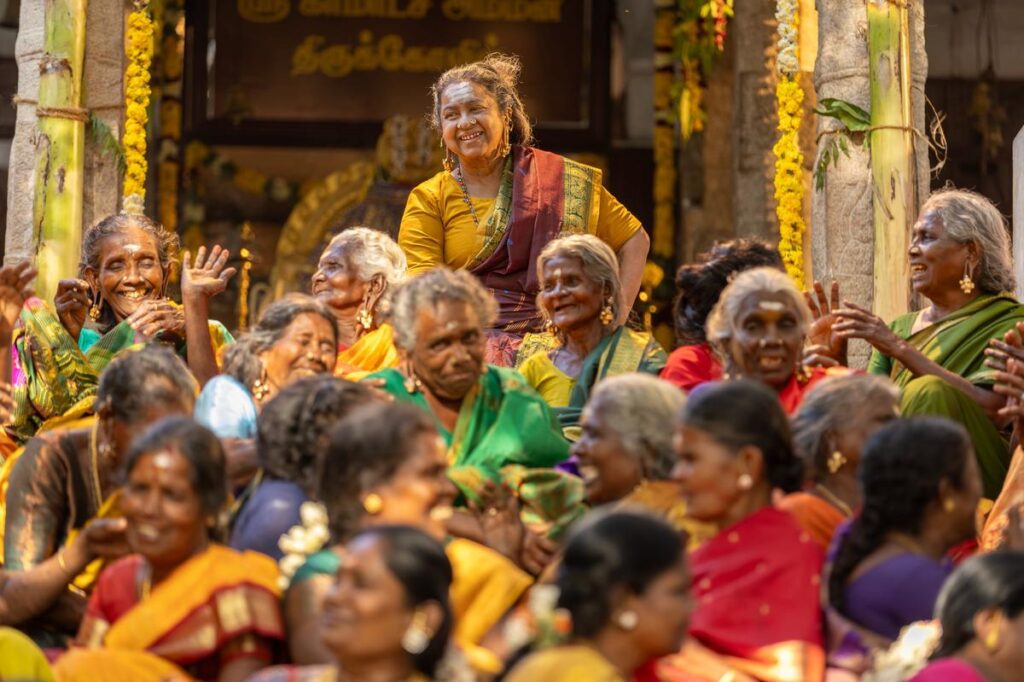
Thaai Kizhavi’s story in brief is about Radhika’s Pavunuthaayi. Pavunuthaayi is a strong matriarch living life on her own terms. The villagers are very scared with some wishing for her death too. Things take a dramatic turn with Pavunuthaayi getting bedridden. Celebrations start with many enjoying. This includes her own family members praying for her death. But the revelation of the mother stashing gold somewhere changes everything. This is the plot in a nutshell.

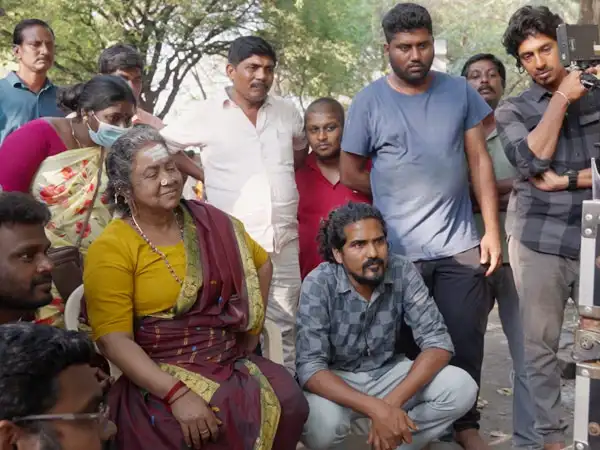
A strong aspect of Thaai Kizhavi is the characterization of Radhika coupled with the veteran actress performance. The badass nature of Pavunuthaayi has come out in a solid manner. Its deliberately massy and not for all but Radhika’s conviction makes it hugely enjoyable. Though Radhika is mostly bedridden after a point her presence is still amply felt. A major credit for that goes to writer and director Sivakumar Murugasen.

The odd ball characters with the rural quirks take a while to sink in but once the plot settles down, they are hugely enjoyable too. A special mention must be made of a drunkard villager who threatens his deity Karuppan on becoming a Sai devotee if his prayers aren’t answered. His scenes have chuckle worthy moments. A mention must also be made of Munishkanth’s Pennycuick a forty-year-old desperate for marriage. His reasons for wanting a partner and how he eventually finds someone gives the movie some of its best moments too.

The legendary Kamal Hassan is an omnipresent figure in the way his songs has been used. It spans across different eras, and this includes the one from Vishwaroopam too. The interval block with Vishwaroopam’s title song and the frantic manner in which the mother is taken to the hospital is an absolute hoot.

From mid second half the movie turns into a story of curated change. This can be seen in the way one of the sons has a change of heart. All it takes is one scene inside an ambulance. This transformation feels more manufactured than organic. Having said that Bala Sarvanan sells this moment, an emotional number by Nivas K Prasanna also helps. The second half also has a shift in terms of how the viewers see Pavunuthaayi. In the beginning we are given an impression of her being a desi Shylock. She threatens about disrobing a woman if she doesn’t pay. But the second half presents a different facet. Especially a woman character talking about how the matriarch encouraged her to be financially independent.

The climatic speech of Radhika Sarathkumar serves as a perfect conclusion to the movie’s core feminist theme. The dialogues related to financial independence have a solid punch. The movie also does a good job in normalizing re marriage particularly in the rural context. This has come out well through the montage of Pavunuthaayai encouraging her daughter to start life afresh after a difficult first marriage.

Maamla legal Hai (season 2): Jolly LLB of OTT

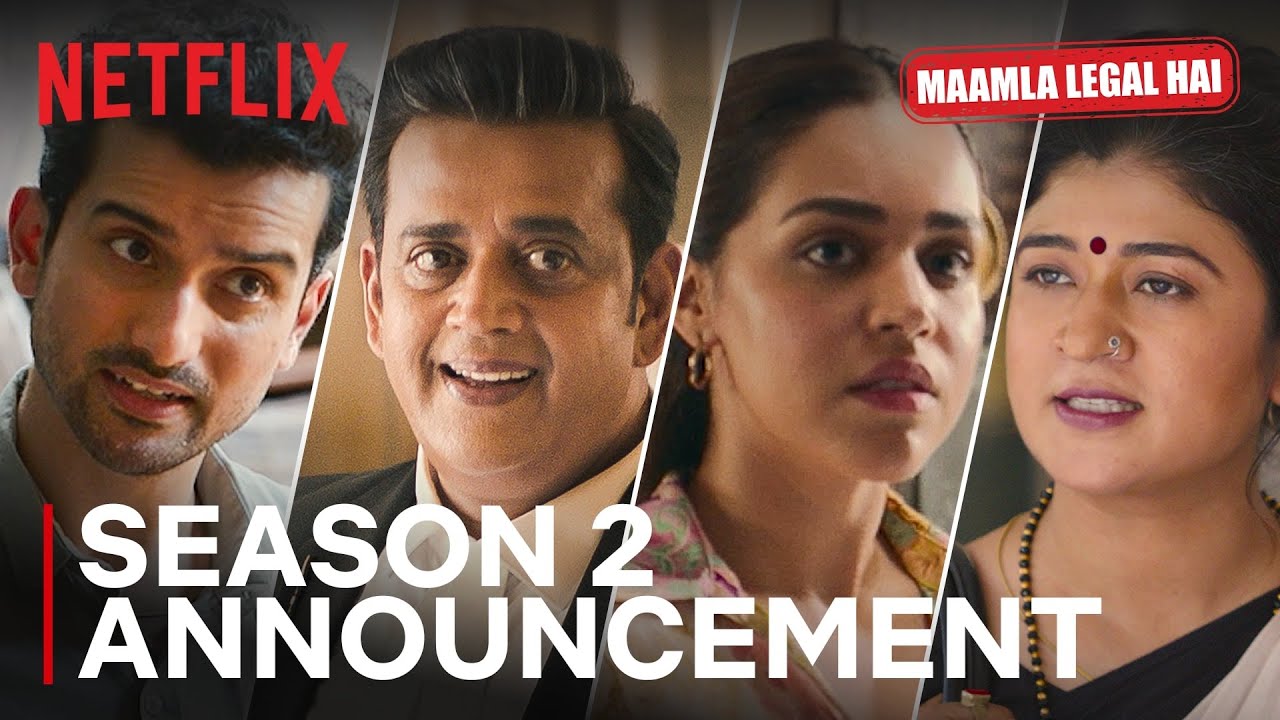
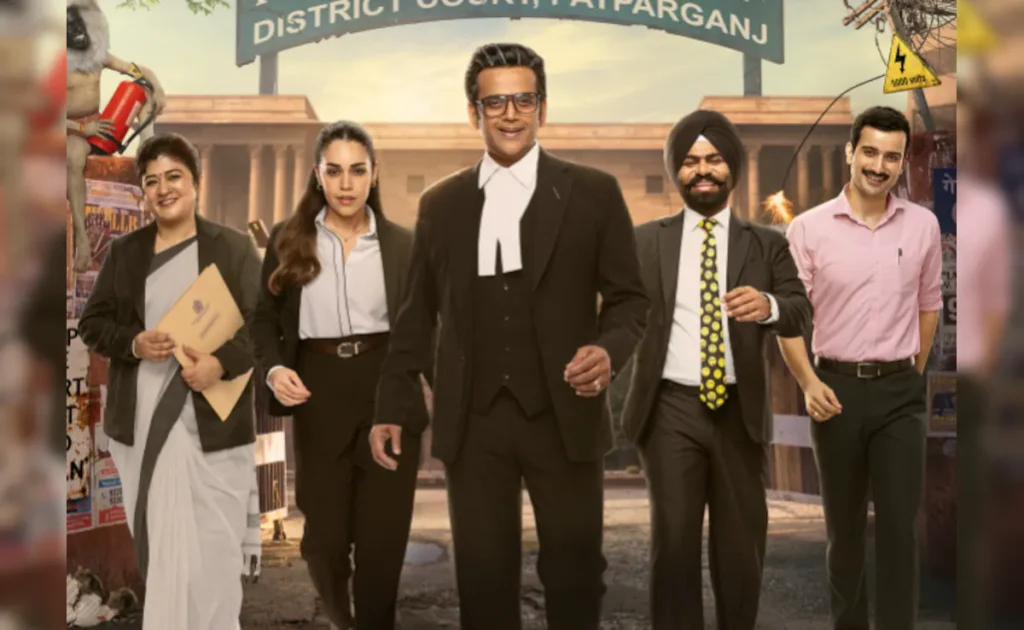
Much like the first season MLH season two does a good job in mixing satire and social commentary. At the same time this season is more emotional while maintaining the humorous tone. Ravi Kishan continues to lead from the front this time with a different character arc. As a judge grappling with the burden of making tough decisions the actor is excellent

Starcast: Ravi Kishan, Nidhi Bisht, Naila Grewal, Anant Joshi, Dibyendu Bhattacharya and others

Director: Rahul Pandey

Writers: Kunal Aneja, Mohak Aneja, Shadan Syed , Tatsat Pandey etc

Genre: Comedy/drama

Producers: Sameer Saxena, Saurabh Khanna, Biswapati Sarkar and Amit Golani

Production house: Posham Pa pictures

Cinematography: Miling Jong

No of episodes: 8

Streaming site: Netflix

For those who haven’t seen Maamla Legal Hai season 1 the plot revolved around the quirky world of Patparganj. The series tackled a wide range of cases based on newspaper reports flashed at the end of each episode. For example, there was one involving a divorce. The husband wants to divorce his wife just because she doesn’t feel shy on their wedding night. Apart from this the web series touched upon different aspects like the connubial rights of prisoners etc. Apart from the witty writing and direction the series also benefitted immensely from the ensemble cast especially Ravi Kishan and Nidhi Bist. Now you have season two also set in Patparganj but with different dynamics.

MLH season two is primarily about the transition of Ravi Kishan’s VD Tyagi. From a street-smart advocate he has turned into a judge. At the same time the trio of lawyers represented by Nidhi Bist, Naila Grewal etc are dealing with a range of cases which are as messy as their personal lives. The interpersonal rivalries especially the one between Naila Grewal and the new entrant Kusha Kapila also forms an important part of MLH season two.

A major strength of MLH 2 season two is the characterization of Ravi Kishan coupled with his solid act. Unlike the first season the flamboyance of Ravi Kishan is more toned down as VD Tyagi is trying to be more serious. His equation with the old acquittances undergoes a strain. The internal struggles of VD tyagi forms the spine of this Rahul Pandey directorial. The scenarios lend itself naturally to both comedy as well as emotional depth. Thankfully this transition lands giving the show some of its best moments.

A special mention must be made of the episode titled “Beyond reform”. VD Tyagi gets through a major inner turmoil before pronouncing the judgement of death by hanging. Ravi Kishan is especially good in a break down preceding this, he eventually decides that being a judge is not his cup of tea.

Coming to the funny portions season 2 offers plenty of laughs this time too. For example, there is a marital case with a very orthodox mother-in-law, and the wife is fed up of her demanding ways. Additionally, the husband doesn’t stand up for her. It’s not that the spouse doesn’t love his wife, but he is afraid to question his mother,

How the husband finds spine amidst a lot of chaos is both well written and enacted. Mention must also be made of a young boy who aspires to be a gangster. The characters played by Neila Grewal, Anant Joshi and Kusha Kapila struggle a lot to change his mind. Eventually the youngster decides to focus on studies after witnessing a particular incident. The scenes here too are laced with humor.

MLH season two also benefits from the scenes of rivalry between Niela Grewal and Kusha Kapila. Kusha Kapila represents a more media savvy breed of lawyer’s profession. The friction between the two has some impactful moments as well.

An underlying theme of MLH season two is negotiating a system which is imperfect at the same functional. Season 2 goes beyond the satirical tone of first one looking at the compromises and how justice in its true form is difficult to achieve so sometimes it has to be negotiated. The chaotic world of Patparganj district court continues to have a lived-in atmosphere. The messy ecosystem of lawyers, clerks, clients etc has a believable feel.

Apart from the splendid Ravi Kishan the ensemble cast also pitch in some fine performances. Niela Grewal especially stands out perfectly showcasing the evolution of Ananya from textbook notions of justice to absorbing shades of grey. Nidhi Bist continues to shine with her comic timing. Dibyendu Bhattacharya as another judge also makes his presence amply felt. His dynamics with Ravi Kishan especially a key confrontation is solidly written and enacted.

Much like the first season the personal life of VD Tyagi does come across as a speed breaker. A few tonal shifts could have been handled better but these are minor blips in an otherwise engaging show.

Final word: Maamla Legal Hai is a worthy follow up and for fans of legal satire definitely worth watching.

Taskaree (The smugglers web): A layered cat and mouse game with moral ambiguities

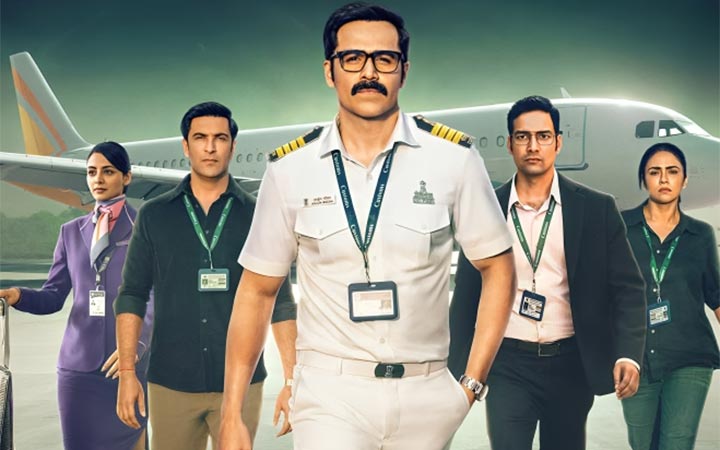
Directors Neeraj Pandey and Raghav M Jairath shed light on the unexplored lives of custom officers. What majorly works for the show are the grey areas and the nuanced manner in which the characters have been written. Emraan Hashmi in his 2-point O Version blends in wonderfully coming up with a restrained but impactful act. The women characters also have substance

Starcast: Emraan Hashmi, Nandish Sandhu, Anurag Sinha, Amruta Khanvilkar, Zoya Afroz, Sharad Kelkar and others

Genre: Crime thriller

Creator, director and writer: Neeraj Pandey

Additional writer: Vipul K. Rawal

Cinematography: Sudheer Palsane and Arvind Singh

Music: Advait Nemlekar

Producer: Shital Bhatia

Production Company: Friday Storytellers

No of episodes: 7

Streaming site: Netflix

Stories about men and women officers have been explored umpteen times. However, Taskaree (The smugglers web) is a different beast from the narratives we have experienced previously whether it’s on big screen or OTT. A big reason for the freshness is the airport backdrop becoming a major character in itself. After watching Taskaree, the viewers are sure about to ponder about the happenings behind the baggage belts.

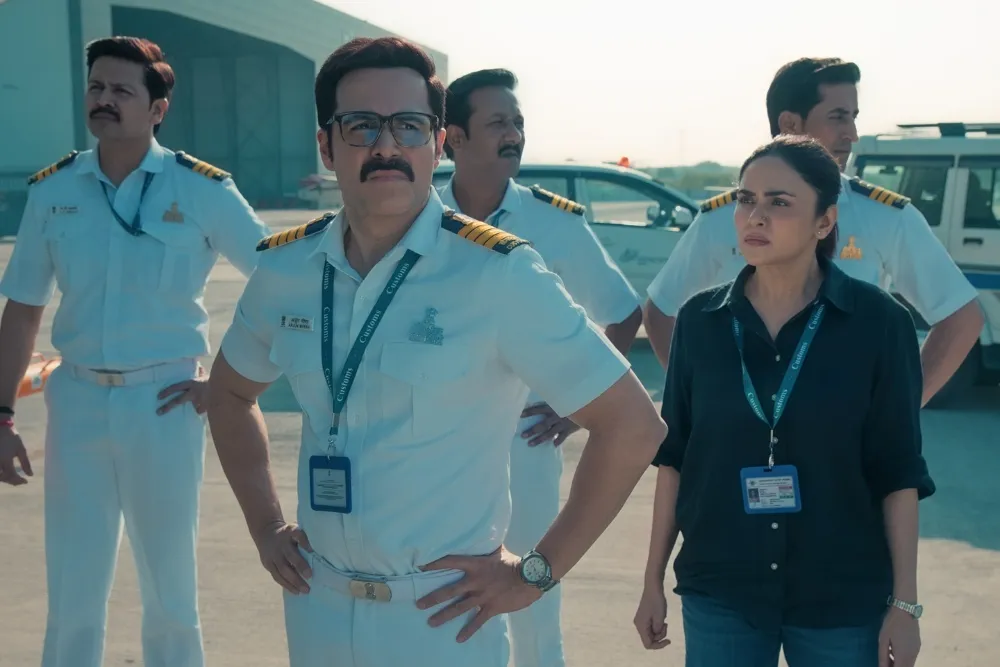
Taskaree in brief focuses on the fight of Emraan Hashmi’s Arjun Meena and co against international smuggling rackets. The setting is Mumbai International Airport a place mostly associated with fan selfies etc. But here we see a completely different side. Sharad Kelkar plays the primary antagonist Bada Choudhary, however Bada Choudhary is not the only villain here. He is aided by a few more especially a person from the custom office.

For most part of Taskaree viewers are kept in suspense about the identity of informers as well as the ones working for Bada Choudhary. This is a major strength of this seven-episode saga. The show also benefits immensely from a non-fussy approach regarding the crime operations.

There is nothing flashy or heavily dramatic about the smuggling of goods. Routine baggage checks with bribed officials among other things give a sense of realism. The web series also does a fine job in not caricaturing people. The struggles of custom officers in dealing with family responsibilities, career stagnation etc lends a moral ambiguity.

The web series also gives an insight into how criminals are not always born out of a twisted mind. Sometimes it becomes a matter of survival where is no other resort. The perfect example of this is the angle of officials taking bribes.

As already mentioned the women characters have been written with substance. Whether it’s Amrita Khanvilkar as a single mother or Zoya Afroz as an airhostess turned informer. Both the actresses get solid parts, and they do a good job in portraying the different nuances.

Nandish Sandhu as Arjun’s confidante is solid too. He particularly shines in the emotional scenes. Anurag Sinha as the head of Arjun Meena has a character with different shades. Not much can be revealed since it will be spoilers, but the actor does a very fine job especially in a crucial reveal.

Emraan Hashmi has always been a proficient actor often undermined due to his serial kisser image. But as last year’s Haq showed the actor is having a resurgence with impactful roles. Taskaree is a solid addition to this. There is a controlled intensity to Arjun Meena and Emraan portrays that brilliantly. Sharad Kelkar as Bada Choudhary is understated yet very effective in bringing out the menace.

But the conclusion to the cat and mouse comes across as somewhat hurried. It could have done with more intensity. Similarly, a few passages could have been trimmed too. The rest of the cast are in fine form as well especially Jammel Khan in a twisted role.

Final word: Taskaree is a well-made crime thriller with a new concept. Definitely worth binge watching.

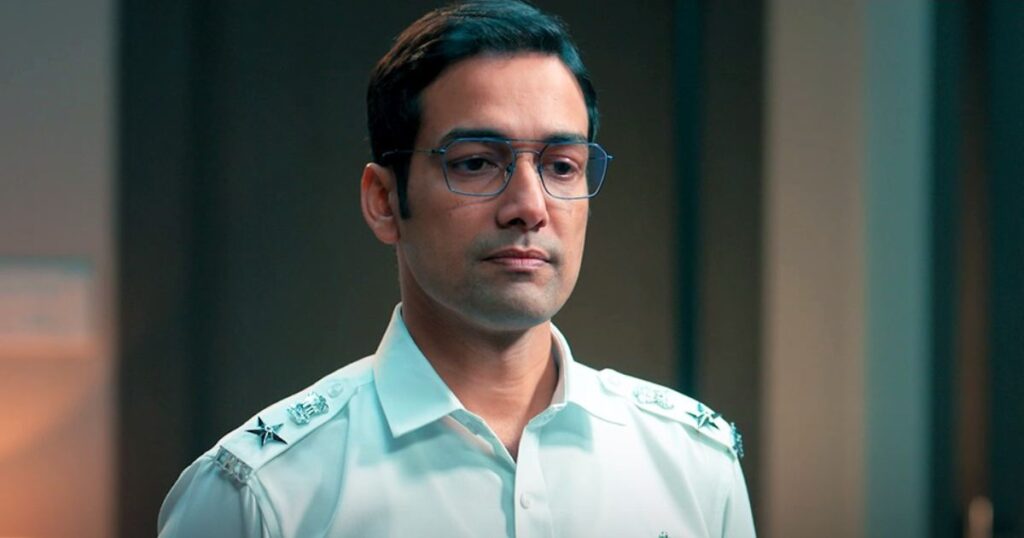
Aspirants 3: A gripping tale of ideological clash

Unlike the last season which made a mess of the pertinent social issues. This one does a far superior job in tackling the themes of linguistic and cultural divide, political pressures, ethical dilemmas etc. The series also tackles the strained interpersonal dynamics with the character of DM Abhilash Sharma coming across as more of a grey shaded character.

Starcast: Naveen Kasturia, Jatin Goswami, Shivankit Singh Parihar, Abhilash Thapliyal, Sunny Hinduja, Tengam Celine and Namita Dubey

Genre: Drama

Director and writer: Deepesh Sumitra Jagdish

Additional writers: Anurag Goswami, Anurag Ramesh Shukla etc

Music: Sangeet Haldipur and Siddharth Haldipur

Cinematography: Sreechith Vijayan Damodar

Producer: Shreyansh Pandey and Arunabh Kumar

Production Company: The Viral Fever (TVF)

No of episodes: 5

Streaming site: Amazon Prime

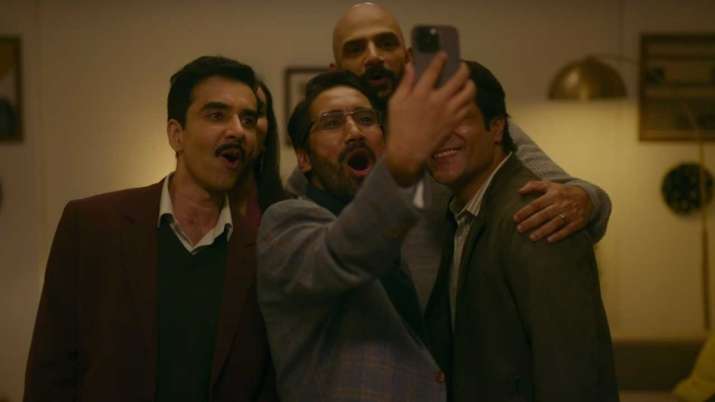
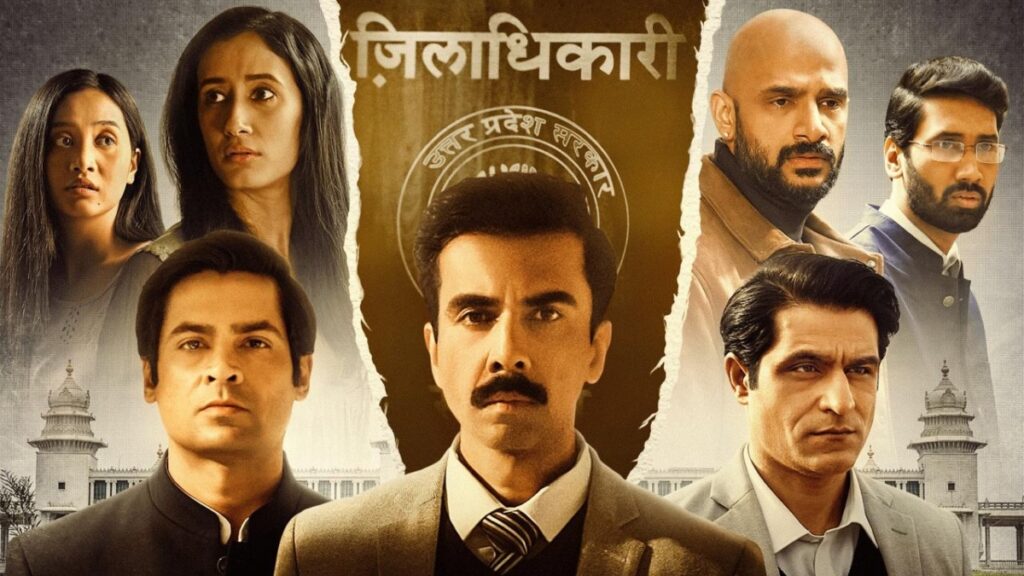
The production house of TVF has created a strong identity with its heartland stories whether its Panchayat or Kota Factory among others. There is a relatability factor to the characters. The web series Aspirants is no different. The first season of Aspirants focused on the struggles of UPSC students in cracking the exams. At the center of the story are the characters played by Naveen Kasturia, Shivankit Singh Parihar and Abhilash Thapliyal. Season two on the other hand focused on the rise of Naveen Kasturia’s DM Abhilash Sharma and the trickly balance of professional career with personal relationships. On the side there was also the subplot of protesting villagers. This was dealt in an extremely haphazard manner making them come across as semi villains. However, the series wasn’t a complete washout with some well written tracks especially Abhilash journey as a district magistrate.

Like season 2 season 3 also juggles between different timelines. One of them is Abhilash facing an enquiry on showing favoritism to his friend Guri (Shivankit Singh Parihar). The complaint was filed by Sunny Hinduja’s Sandeep Baya. Sandeep was once upon a senior to Abhilash and co. Now he is the Assistant labor commissioner. However, the heart of season 3 is the rivalry between Naveen Kasturia and Jatin Goswami’s Pawan Kumar. Pawan has been a rival of Abhilash since the days of Rajendra Nagar and that has only grown. This is mainly because of their different ideologies in going about their job. Pawan comes from Hindi medium, and this is where the show’s theme of linguistic divide comes in.

A major strength of third season are the scenes involving Naveen and Jatin Goswami. The social angle of both class and language divide has come out in a strong manner. The two have a very different way of handling things leading to an intense rivalry. The arguments between the two on emotional approach versus practical gives the show its best moments. Jatin Goswami nails the insecurities of a student who has risen from Hindi medium and does not want others to suffer like him. The actor especially shines in a crucial dramatic monologue.

Mention must also be made of the changed dynamics between the three friends. This particularly comes out well in the attitude of Abhilash Thapliyal’s SK. There is a brilliant scene where SK pours out his anger on Abhilash being emotionally unavailable when he needed him the most. The anguish is palpable and the actor absolutely nails it. Having said that the viewers get the impression of Abhilash being too easily forgiven.

Nevertheless, how power and position can have a big impact on old friendships has been well explored by Deepesh Sumitra Jagadish. Naveen Kasturia’s role had shades of grey in the second season but in this season that aspect has been fully explored. The moral dilemmas and the fight to maintain position has been well portrayed by Naveen Kasturia. As the third friend Shivankit Singh Parihar also lends solid support.

The harsh realities of administration with corruption allegations and ethical compromises is another key aspect of 3. Both the director and the writers have done complete justice to it. Mention must also be made of the love story between Abhilash and Tengam Celine’s Deepa. The role of Deepa has been etched much better here as a vulnerable past aspirant and now confident IPS officer. Tengam does complete justice to her role. The lovey Dovey scenes like the one in the hospital shows a different facet of Abhilash bringing a smile to the viewer’s face.

Among the rest Sunny Hinduja in spite of a brief role makes his presence amply felt. He particularly shines in an important conversation with Naveen Kasturia. Coming to music Lamhe Lamhe makes for a soulful tune elevating the emotional core.

Final word: Aspirants season 3 is a solid comeback for TVF after the middling season of Panchayat four and Aspirants 2.

Made In Korea: A charming tale of resilience and womanhood

Made In Korea perfectly fits the definition of a sunshine movie. A couple of subplots are rushed through, but the emotional core coupled with the performances make this cross-culture worth watching. Priyanka Arul Mohan as Shenba delivers a strong act and her scenes with Kim Young-Oak gives Made In Korea its best moments.

Starcast: Priyanka Arul Mohan, Kim Young-Oak, Park Hye-Jin and others

Genre: Comedy/drama

Director and writer: Ra. Karthik

Music: Hesham Abdul Wahab

Producer: Sreenidhi Sagar

Production Company: Rise East Entertainment

Cinematography: Prasanna Kumar

Running time: 1 hour and 51 minutes

Streaming site: Netflix

Ra. Karthik’s Made in Korea can be easily termed as a spiritual sequel to Vikas Bahl’s Queen. Just like that film here too the heroine gets dumped and has to navigate a foreign country. In both the movies the female protagonists re discover themselves and become stronger individuals. Keeping aside the similarities Made In Korea is very much its own beast. The uniqueness majorly comes from the Korean cast especially Kim Young-Oak a familiar name for those who have seen Squid Games. Through her character and the on-screen friendship with Priyanka Arul Mohan the movie celebrates the theme of womanhood.

Made In Korea primarily focuses on a Tamilian girl Shenba (Priyanka Arul Mohan in an author backed role). Shenba is hugely fascinated with the city of Korea thanks to binge watching K Dramas. Her dream is going to Seoul, and this does come true but not in the happiest of circumstances. How Shenba navigates the different challenges eventually finding acceptance forms the core of this movie. An important subplot connected to Shenba’s journey is Kim Young-Oak’s elderly woman.

A strong aspect of Made In Korea is the depiction of Shenba’s challenges. Her struggles with the language in particular have moments of understated humor. The entry of Park Hye-Jin as a vlogger and a growing bond between the two is filled with warmth. However, the movie’s biggest strength are the scenes between Priyanka and Kim Young Oak.

Initially the viewers are given the impression of Kim Young Oak being a bedridden lady who needs to be fed. However, the movie soon springs a surprise with an important revelation. There is a reason for the character pretending to be bedridden and this is revealed at a crucial juncture.

The theme of womanhood comes out in a striking manner as Shenba also grows into a more confident individual. The scenes between Priyanka and Kim Young have a good balance of emotions and humor. Apart from womanhood theme Made In Korea gives an important life message too. This is explored through the quote “Where you think it ends, it begins”.

The transformation journey of Shenba is a good example of how we should move forward whatever the setbacks. Of course, the movie has a feel-good treatment. This may not work for all nevertheless the importance of message cannot be denied.

The background score by Dharan enhances the emotional scenes. The music of Hesham Abdul Wahab is pleasant going perfectly well with the movie’s tone. Both the upbeat and mellow numbers do a good job in capturing Shenba’s transformation. Prasanna Kumar’s cinematography is of a good order as well. He captures the different shades of Seoul effectively through his camera.

Priyanka Arul Mohan as Shenba springs a very pleasant surprise. She captures the different nuances with an understated but thoroughly effective act. Kim Young Oak makes her presence amply felt especially in an important confrontation scene with the son. Park Hye Jin as the vlogger who becomes an important part of Shenba’s life is good too. He brings in the required warmth making the viewers wish that they come across a friend like him.

As far as the flaws are concerned a subplot of Kim Young oak and Shenba opening a restaurant has a rushed treatment. The same applies to the track of a music band which needed more fleshed out writing.

Final word: Made In Korea is a good watch for fans of feel good/optimistic cinema and the central message.

Subedaar: Anil Kapoor and Radhika Madan lift this old school masala

The story of Subedaar is a classic one-man army plot. But director and writer Suresh Triveni manages to bring some newness within this. The fractured father and daughter relationship with a feisty Radhika Madan is the best thing about Subedaar

Starcast: Anil Kapoor, Radhika Madan, Aditya Rawal, Faisal Malik, Saurabh Shukla, Mona Singh, Khusboo etc

Genre: Action/drama

Writer and director: Suresh Triveni

Additional writer: Prajwal Chandrasekhar

Producers: Anil Kapoor, Suresh Triveni and Vikram Malhotra

Cinematography: Ajay Saxena

Music: Rohan Vinayak, Raj Mawar etc

Production Companies: Abundatia Entertainment and Anil Kapoor productions

Streaming site: Amazon Prime

Running time: 2 hours plus

Suresh Triveni’s latest feature plays out like a cross between the masala cinema of 70’s and 80’s with a dash of western influence. At the center of Subedaar is Anil Kapoor’s Arjun Maurya. A retired major struggling to deal with civilian life. Radhika Madan is the angsty daughter Shyama. Arjun and Shyama have a fractured relationship and in terms of temperament they share more than one similarity. Arjun’s life turns upside down when his world collides with Aditya Rawal’s prince. Prince is a mafia hair to Mona Singh’s Babli Didi. Panchyat fame Faisal Malik is the calculating operator often frustrated with Prince temperament. Finally, there is Saurabh Shukla too as Arjun’s confidante and longtime friend Prabhakar. The story in simple terms focuses on Arjun’s fight back as well as Shyama’s own battles.

A strong aspect of Subedaar is the gritty texture. The backdrop of sand mafia with the rugged atmospherics has an authentic feel. A major reason for that is Ajay Saxena’s cinematography along with the production design. There is a lived-in feel to the area of prince and Babli Didi. The extreme lawlessness though a cliched trope has come out well.

Mention must also be made of the portions depicting Arjun Maurya’s internal struggles. This includes a certain guilt on not being with his wife when she needed him as well as identity crisis. There is a crucial scene where Arjun talks about the cost of being patriotic. The gradually simmering anger has been built up well. When the pent-up anger eventually explodes the action feels justified rather than just a regular hero and villain thing. Anil Kapoor plays the part with a good mixture of emotional vulnerability and volatileness. It’s a treat to watch the actor doing hard core action proving that he can give any young actor a run for his money.

The characterization of Radhika Madan is also a big plus coupled with her act. Shyama carries a certain inner resentment towards her father and there is a confrontational nature to the way she handles things. Radhika does a very good job in pulling off a feisty woman especially in the action sequence where she saves herself from a bunch of guys.

Subedaar also scores on the account of strong villains. Aditya Rawal as Prince is deliberately hammy but the young actor more than holds his own opposite the veteran Anil Kapoor. Aditya brings in the required intimidation in spite of a one note character. Mona Singh as Babli Didi is more understated but thoroughly effective. Her interaction with Anil Kapoor over a video call is especially entertaining. The actress once again proves her versatility. Faisal Malik underplays beautifully for a large part; at the same time there is a certain switch too when he gives it back to Babli. Faisal Malik is absolutely solid.

Saurabh Shukla as Arjun Maurya’s longtime friend brings in the required warmth. His scenes with Anil Kapoor have a tender nature. Khushboo Sundar as the dead wife could have done with more screen time rather than being just a memory. Yes, she plays her part with grace but a few more scenes of her and Anil would have enhanced the emotional quotient.

The core of Subedaar is nothing new and this does become a deterrent in the eventual scheme of things. From mid second half things start to stagnate. Also, the subplot connected to sand mafia with Arjun Maurya becoming a savior needed better writing.

Final word: Subedaar is worth watching for fans of gritty action dramas and Anil Kapoor admirers.

Accused: A nuanced character study of women in power

Director Anubhuti Kashyap does an interesting gender flip with the backdrop of Me Too. In this case the victim as well as the accused is a woman. Using this as a microscope the film looks at society’s double standards on how men feel threatened by a woman rising to the top. A strong aspect of Accused is the same sex relationship of Konkana and Pratibha Ranta. Their bond is portrayed in a matter-of-fact way like any man and woman in the same situation.

Starcast: Konkana Sen Sharma, Pratibha Rana, Aditya Nanda, Mashhor Amorahi and others

Director: Anubhuti Kashyap

Genre: Thriller/drama

Writers: Sima Agarwal and Yash Keswani

Producers: Karan Johar, Somen Mishra, Apoorva Mehta and Aadar Poonawala

Production Company: Dharmatic Entertainment

Running time: 1 hour and 46 minutes

Streaming site: Netflix

There is an important line in Anubhuti Kashyap’s Accused streaming on Netflix. It goes like this Jab Aadmi successful hota hai to hum kehta hain deserve karte hain but when a woman reaches a powerful position, we doubt Aisa Kya Kiya hoga. This statement pretty much sums up the core of Accused. After the story of male doctor practicing gynaecology Anubhuti once again chooses a medical workplace for the film. But this one operates in a very different zone.

Konkana and Pratibha as a queer couple in Accused

The story of Accused in simple terms focuses on Konkana Sen Sharma’s Geetika Rao and Pratibha Ranta’s Meera. The two are in a solid relationship with plans of adopting a baby. Geetika is a celebrated doctor who is known for her hard work as well for her no-nonsense nature. Geetika Rao has a tough exterior and is not necessarily likeable. Meera on the other hand is the more emotional one. The difference in their personalities is not a hindrance for their co living as things are going stable. However, all that changes due to some anonymous mails hinting at sexual misconduct. Geetika Rao’s reputation faces a major hit. Complaints about her being a taskmaster are common but this time around the nature of accusations threaten to destroy both her professional and personal career. This is the story in brief.

A strong aspect of Accused are the characterizations of both Geetika and Meera. There are portions in the movie where Geetika comes across as very self-centered. A heated argument between Konkana and Pratibha is a solid example of this. Also, the way Geetika does certain things makes the viewers think that she is actually guilty of the accusations levelled on her.

Meera on the other hand is not reduced to a submissive spouse. There is both vulnerability and strong inner strength. She wants the previous normalcy to return but at the same time Geetika’s distant attitude makes things difficult. The dynamics have an organic feel as both Konkana and Pratibha feed off each other wonderfully.

As the mystery is unraveled a different layer comes out which is how and why Geetika was framed for sexual misconduct. This is where the film slips into a feministic zone on how men feel threatened by a woman achieving high position. An important monologue of Konkana Sen Sharma reflects this. At the same time there is a psychological insight too into the mindset of Geetika on why she is hard with her colleagues expecting absolute efficiency.

In the end Geetika accepts her flaws and rejects the promotion of dean saying that she still needs to work on herself. The patch up of Konkana and Pratibha has some heartfelt dialogues ending the movie on a high.

Both Konkana and Pratibha handle the tricky subject matter with ease. Konkana is of course a seasoned performer, but Pratibha is the surprise package here capturing the different shades of Meera with admirable precision. Aditya Nanda as Meera’s colleague with some unspoken feelings does a good job too. Mashhor Amarohi as the investigator has his moments as well.

Technically speaking the production design coupled with the atmospherics add to the mystery. One major issue with Accused is the portrayal of Me-Too movement. There is a surface level treatment to the entire subplot. The significance of Me-too gets somewhere lost in the thriller treatment.

Final word: Accused is a largely satisfying thriller/drama especially for the solid acting and the themes it tackles.

Kohrra Season 2: A solid whodunit with societal aspects

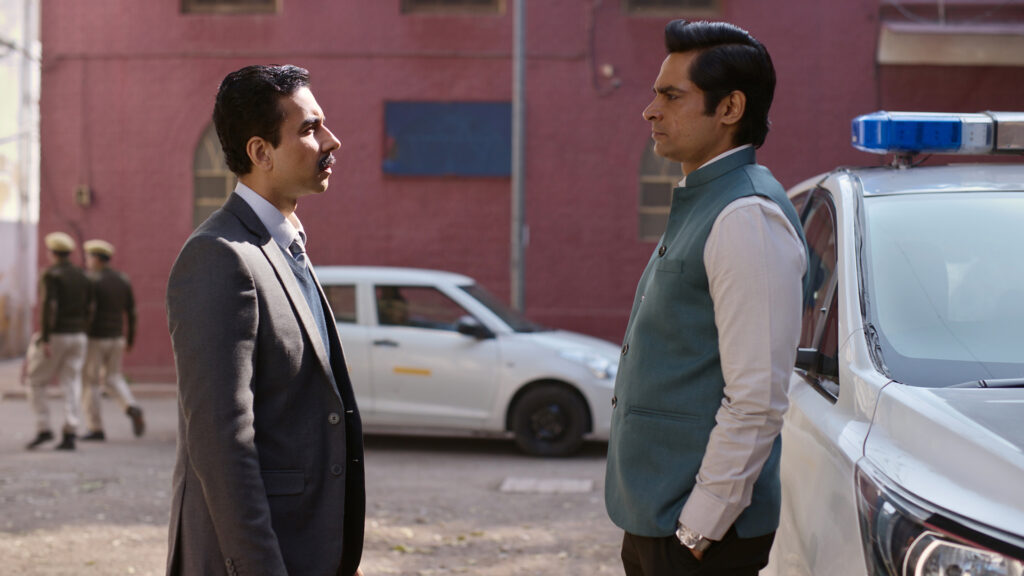
Creator, writer director Sudip Sharma delivers a slow burn but immersive thriller. More than the crime the focus is on systematic exploitation. How crimes don’t happen in isolation and is often connected to the power structures has come out in a gripping manner. Themes like caste and gender among others has been dealt in a nuanced manner too.

Starcast: Mona Singh, Barun Sobti, Ranvijay Singh, Anurag Arora etc

Genre: Thriller/drama

Creator, writer and director: Sudip Sharma

Additional writers: Gunjit Chopra and Diggi Sisodia

Additional director: Faisal Rehman

Cinematography: Isshan Gosh

Producers: Saurabh Malhotra, Sudip Sharma etc

Production companies: Act three productions and Film Squad Productions

No of episodes: 6

Streaming site: Netflix

Kohrra season 1 released in 2023 was a compelling whodunit with impactful social commentary. Through the murder of an NRI the plot dwelled into drug addiction, the class divide between the elite and the marginalized etc. The second season of Kohrra with the gap of three years pretty much follows the same blueprint but with some additional angles. The inclusion of Mona Singh as sub inspector Dhanwant Kaur brings in a fresh dimension. This is something which I will elaborate on later.

The story of Kohrra season 2 much like the first one begins with a murder. A woman called Preeti Bajwa has been assassinated. Preeti is an NRI, she has returned back to live with her family but ends up as a dead body. What begins off as a regular investigation unearths several secrets. This is the story in brief.

A strong aspect of Kohrra season 2 is the portrayal of different social themes backed with strong writing and performances. One of them is patriarchy and greed. This especially comes out in the scenes of disputes over ancestral property. In spite of legal rights not all women get their rights due to male entitlement and patriarchy. This has come out in an excellent manner as the investigation deepens.

Kohraa 2 also does a solid job in addressing internalized patriarchy. How fellow women ensure that the traditional gender roles aren’t disturbed for securing their own identity has come out in a chilling manner. There is a key moment in the sixth episode related to the murder mystery. Not much details can be given here but how Preeti Bajwa is painted by a fellow woman is a perfect example of how patriarchy is enabled by women equally.

A special mention must also be made of how the web show portrays the machinery of bonded labor. How migrant workers coming from different states are trapped by invisible prisons is impactful too. Their existence being just reduced to labor and a certain indifference towards their sufferings adds an important layer.

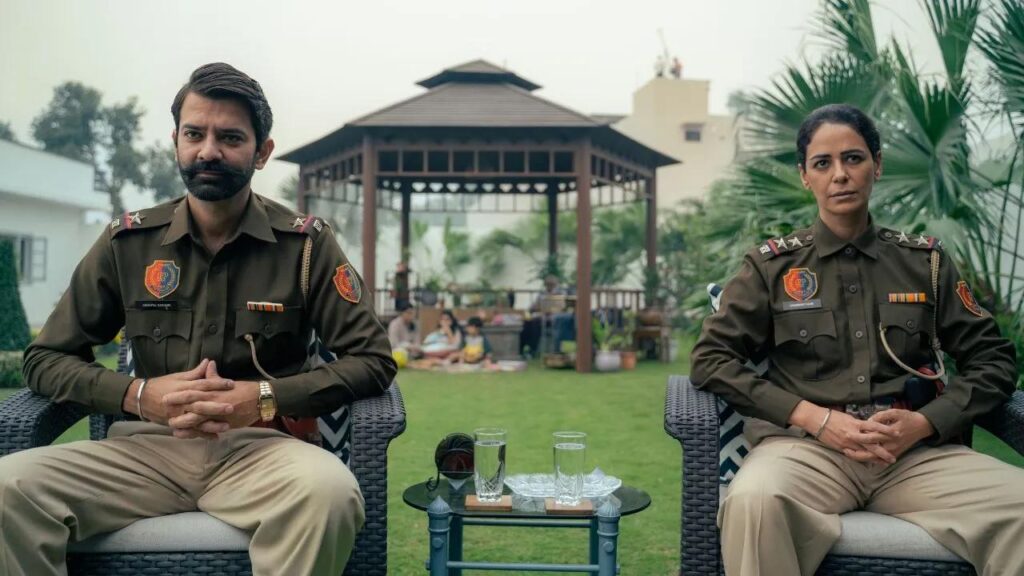
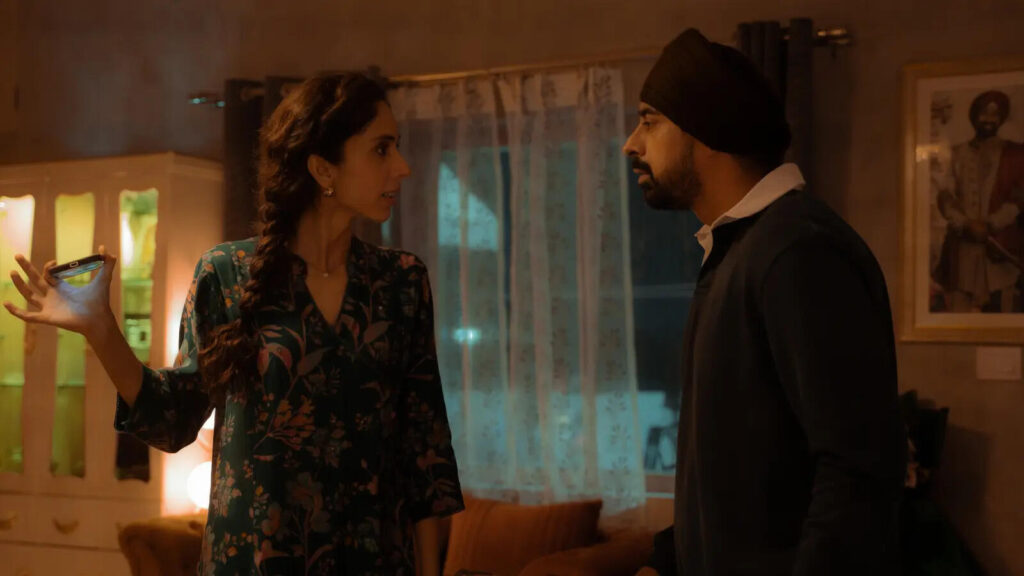
The spine of Kohraa season 2 though is the dynamics between Mona Singh and Barun Sobti. Unlike the first season here Barun Soti’s character Garundi takes a while to develop a camaraderie. Mona Singh being a female inspector becomes a hindrance in the beginning but gradually things change with both of them even joking about their emotional upheavals. There is no forced banter here with the lighter moments flowing organically.

Mona Singh’s Dhanwant Kaur belongs to the school of Rani Mukherjee’s Mardaani. Much like Shivani Shivaji Roy from that universe Dhanwant Kaur is also a perfect mix of emotional vulnerability and strong fighting spirit. Dhanwant Kaur faces multiple battles weather it’s her crumbling marriage, a hostile workplace questioning her authority because she is a woman among others. Mona Singh does a splendid job in portraying the different shades of Dhanwant. A special mention must be made of the scene where she gives back to her senior officer when he questions her dedication. Barun Sobti too is solid as Garundi, like Mona Singh he does a fine job in portraying the different nuances. The best thing about the two characters is that they are never reduced to mere archetypes.

The supporting cast is equally effective in maintaining the mystery. The likes of Ranvijay Singh and Anurag Arora in particular make their presence amply felt. The cinematography of Isshaan Singh also plays a key role in enhancing the proceedings. He does a swell job in capturing rural Punjab with all its shades. The atmospherics have a lived-in feel. There is a slight detour when the scene shifts to Himachal Pradesh. The shift may feel abrupt for some, but it offers a freshness in terms of a new setting.

An underling theme of Kohrra Season 2 are the systems which enable the crime and how delivering justice is only confined to that particular case.

Final word: Kohrra season 2 is a worthy follow up in spite of a few pacing problems. For fans of well-made slow burn thrillers the series is a must watch.