Telusu Kada (You Know, right?): Bold and intense romantic drama

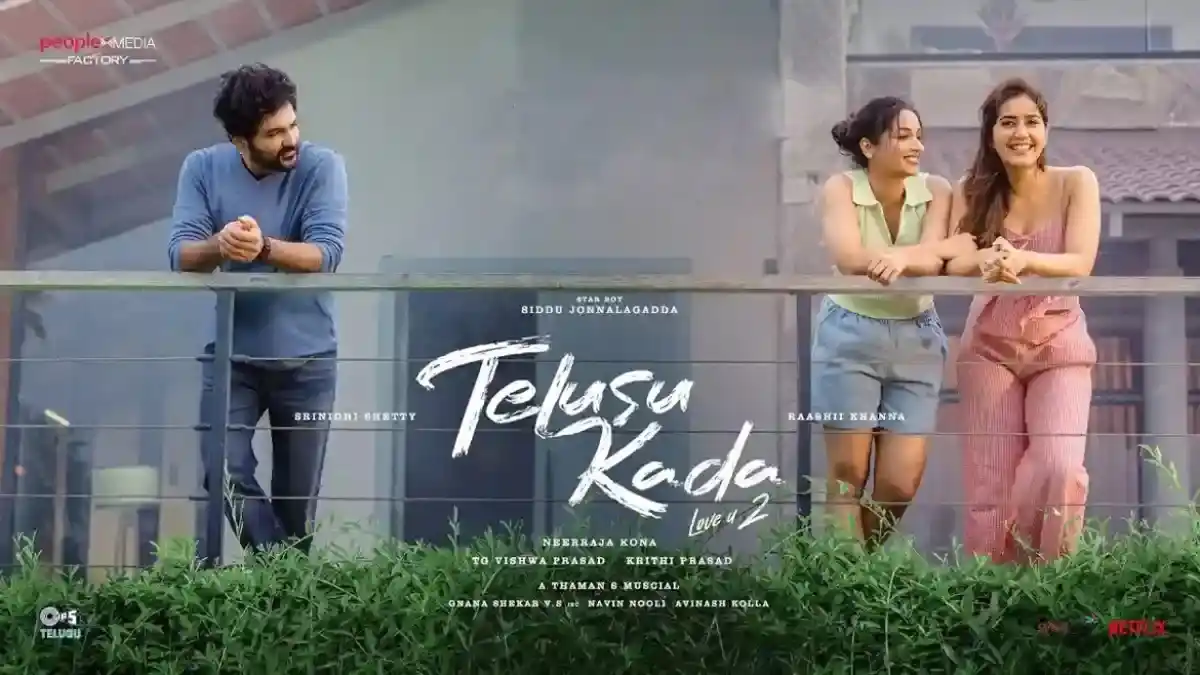
Telusu Kada has certain similarities with the Salman Khan and Rani Mukherjee starrer Chori Chori Chupke Chupke. But this is no remake. Writer and director Neeraja Kona takes a familiar set up of a triangle love story, but the sensibilities are different. All the three protagonists come with shades of grey. The movie dwells into the complexities of modern-day relationships with its messiness. The unconventional storytelling isn’t for all nevertheless Neeraja Kona establishes herself as a promising new director.

Starcast: Siddhu Jonnalagadda, Rashi Khanna, Srinidhi Shetty, Harsha Chemudu and others

Genre: Romance

Director and writer: Neeraja Kona

Producers: T. G Vishwa Prasad and Vivek Kuchibhotia

Production Company: People Media Factory

Music: Thaman S

Cinematography: Gnana Shekar V S

Running time: 2 hours and 12 minutes

The conflict points in love stories have undergone a significant change over time. From the cliches of warring parents and simplistic rich versus poor now the sensibilities are very different. This is amply evident in today’s love stories whether it’s the intense ones or coming of age mixed with love. Neeraja Kona’s Telusa Kada is a bold story dealing with interesting conflict points. One of them are the varied expectations. Siddhu Jonnalagada plays the volatile Varun. Having grown up as an orphan with no proper family he earns for a complete life with a wife and kids. Srinidhi Shetty is Raaga. Without giving much away Raaga is the anthesis of Shivani Nagaram’s steel rod Kathyayini in Little Hearts.

The movie begins with Varun tearing away some photos and venting out his anger. Harsha Chemudu as Mahesh is a buddy as well as an important emotional anchor. Mahesh knows Varun inside and out, the scenes featuring the two gives the movie some of its best moments. Rashi Khanna is Anjali Sharma. She is a mix of traditional and modern. Anjali’s thought process regarding family life is similar to Varun. Not surprisingly Varun falls fast for Anjali and vice versa. The two end up marrying however a major incident changes everything. This is connected to surrogacy. In a big twist of events Raaga makes a comeback into Varun’s life as a surrogate mother. The conflicts that arise when Anjali comes to know about Raaga’s past connection with Varun forms the basic core of Telusu Kada

A strong aspect of Telusu Kada are the characterizations of the principal protagonists especially Siddhu Jonnalagda and Rashi Khanna. Thanks to the huge success of Tillu character Siddhu has been largely associated with comedy. However, Telusu Kada presents a refreshingly different side. This is evident from the first scene itself. Siddhu imbibes the volatileness with gay abandon. The second half has numerous scenes of Varun showing his mean side. He gives taunts to Raaga on how their relationship was a time pass for her. On the surface some of it may across as childish but the palpable pain makes the viewers understand the hero’s perspective. It is hard to pinpoint Varun as either a good or bad. This confusing characterization has its minus points too but there is no denying that Siddhu absolutely aces the role from the body language to the emotional intensity. Telusu Kada definitely marks a new beginning for the budding actor.

Rashi Khanna too displays a different facet. She not only looks stunning but also aces the grey shades. A special mention must be made of the scenes where she questions Varun about holding back important incidents and how she feels like a third wheel between him and Raaga. Srinidhi Shetty is also good in her part but is somewhat let down by a sketchy characterization. The movie could have benefitted a little more by showing the emotional upheaval of Raaga after she dumps Varun. Harsha Chemudu gets a role beyond hero’s best friend and the actor aces it.
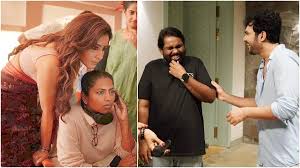
The second half drama between the three characters has some engaging moments as well however a comic interlude featuring veteran actress Annapurna leaves a bitter after taste. Mention must also be made of how Neeraja Kona normalizes the concept of a surrogate mother for mainstream Telugu audiences. The movie’s ending with Varun getting what he always wanted makes the viewers happy.

Thaman’s score also adds to the film. Among the tunes Mallika Gandha and Sogasu Chudatharama are soulful enhancing the romantic core. Gnana Shekar VS Cinematography in spite of the limited locations makes the movie visually appealing.
Final word: Telusu Kada isn’t for all but for those like romance with unconventional storytelling its very much worth a watch.
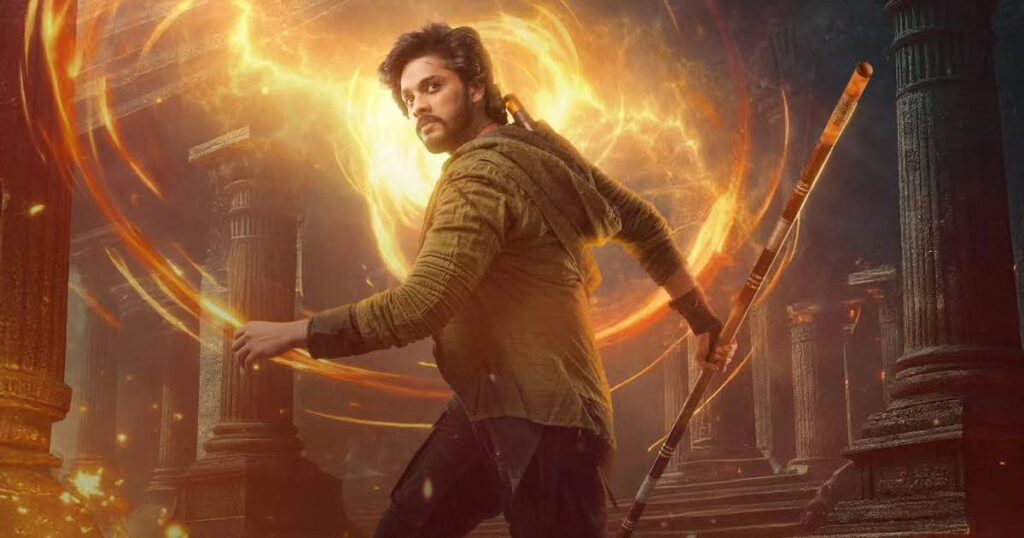
Mirai: An engaging amalgamation of devotion and fantasy

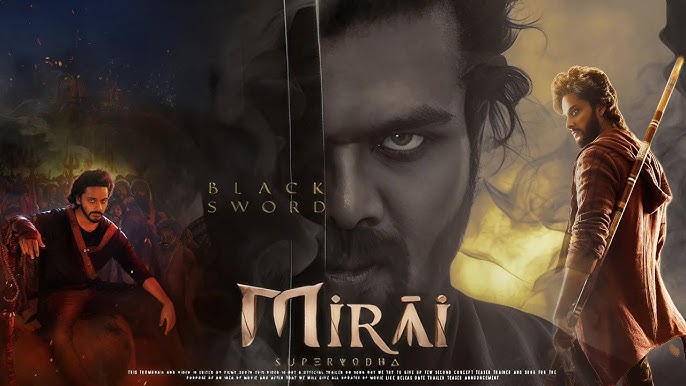
Karthik Gattamneni who has written and directed Mirai does a good job in creating solid back stories for both Teja Sajja and Manchu Manoj. How their respective pasts shape up the present timeline is good. The solid visuals coupled with the performances specially the hero and the antagonist help the movie tide through some weak comedic gags. Rana Dagubbati appearing in the post credit sequence also has a blast.

Starcast: Teja Sajja, Manchu Manoj, Shriya Saran, Jagapathi Babu, Karthikeya and others

Genre: Fantasy/action

Story, screenplay and direction: Karthik Gattamneni

Additional writer: Manibabu Karanam

Producers: T G Vishwa Prasad and Krithi Prasad

Cinematographer: Karthik Gattamneni

Music: Gowra Hari

Running time: 2 hours and 49 minutes

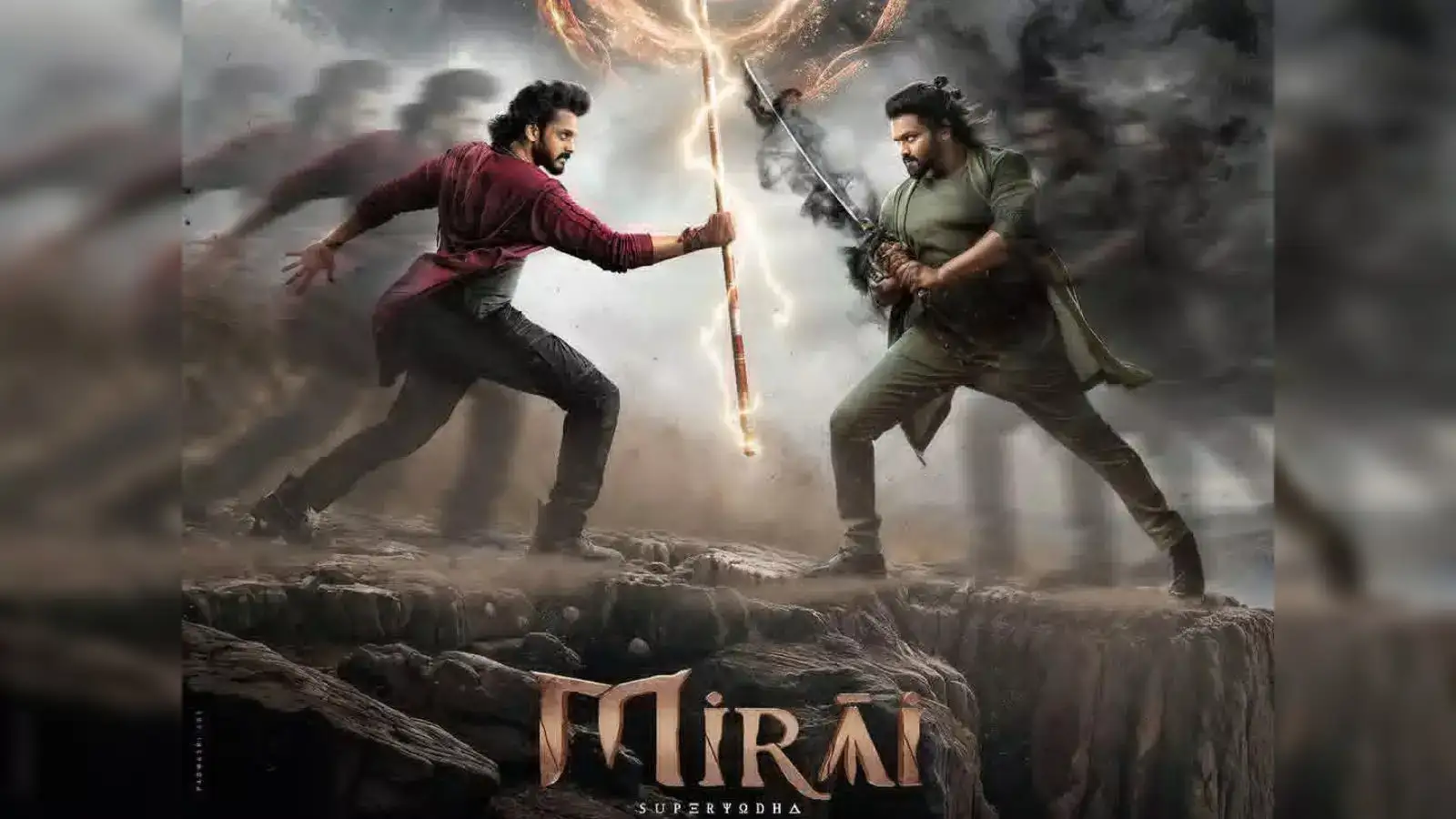
The 2024 movie Hanuman was a huge game changer for both Teja Sajja and the director Prashanth Verma. Much like the protagonist the film was also an underdog. The expectations weren’t high, but the movie surprised one and all beating Sankranti biggies like Saindhav, Guntur Kaaram etc. Teja Sajja established himself as a potential young star. Mirai also follows a similar trajectory in terms of the hero’s characterization. Here too the hero is a ruffian unaware of his destiny. He ends up fighting a force that’s way above his league but succeeds with determination and some help. In spite of a not so novel storyline Mirai mostly hits the right chords specially for those who are into the genre of devotion with fantasy.

Protagonist Teja Sajja

The broad storyline of Mirai involves Emperor Ashoka’s sacred books. The nine scriptures have the power of turning any mortal human being into a deity. Teja Sajja’s Vedaa is a young warrior unaware of his past. Vedaa’s life undergoes a huge change with the arrival of Ritika Nayak as Vibha. Guided by Vibha and others Vedaa must understand his true role which is protecting the scripture. The film pits Vedaa opposite the more powerful Mahabir Lamba (a commanding Manchu Manoj). Shriya Saran plays Vedaa’s mother, and a divine soul connected to protecting the scriptures.

A strong aspect of Mirai is the visual department. Director Karthik Gattamneni who has also handled the cinematography department does an excellent job in creating some big screen worthy moments. These portions include a sequence involving a bird called Sampathi. Also, a high-octane moment on the train is a visual delight.

The CGI involving the bird as well as the climatic fight between Teja Sajja and Manchu Manoj is brilliant to say the least. The Ramayana connection with the magical stick will also be a treat for the devotees.

Apart from the cinematography Gowra Hari’s background score also deserves a specific mention. It amplifies the high voltage moments adding to the immersive experience.

Mirai also works because of some solid acting specially the leads. Teja Sajja’s role of an underdog shares more than one similarity with Hanuman. Still, he pulls of Vedaa’s transformation from a carefree youngster to a determined force with ease. The actor is especially good in conveying the vulnerabilities making the protagonist a grounded character in spite of the fantasy world.

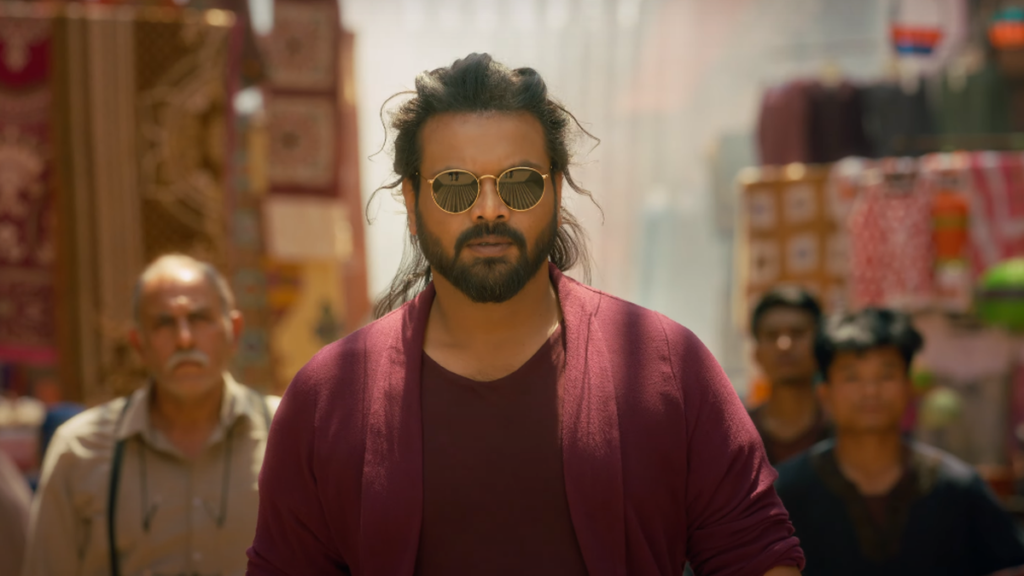
Manchu Manoj as Mahabir Lamba also makes for a powerful antagonist. The fiery eyes coupled with the commanding dialogue delivery making him a very worthy rival. Manoj particularly shines in the sequence where he talks about his past. The anguish of a young boy facing societal rejection due to caste hierarchy has come out in an impactful manner. Karthikeya playing the younger version of Manoj is also excellent.

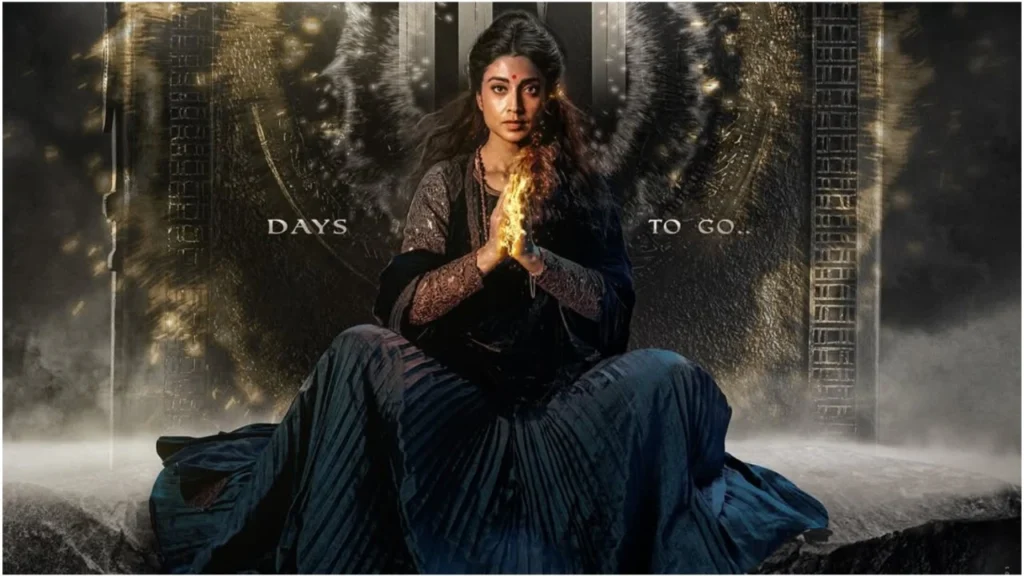
Shriya Saran also shines in spite of the limited screen time. Shriya lends an emotional depth with her nuanced acting. She brings in the required divinity as well as a strong inner strength. Jagapathi Babu as one of the protectors too lends in the required gravity during his conversations with Teja Sajja.

A major problem with Mirai is the unnecessary comic stretches involving police officers’ team. Venkatesh Maha and Kishore Tirumala are reduced to mere buffoons producing more groans than laughs. Ritika Nayak as the sanyasini has a good presence but her character could have been better utilized instead of a typical damsel in distress trope.

Final word: Mirai is worth watching for the stunning visuals and if you are into the devotional genre.

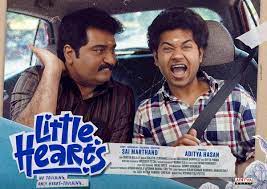
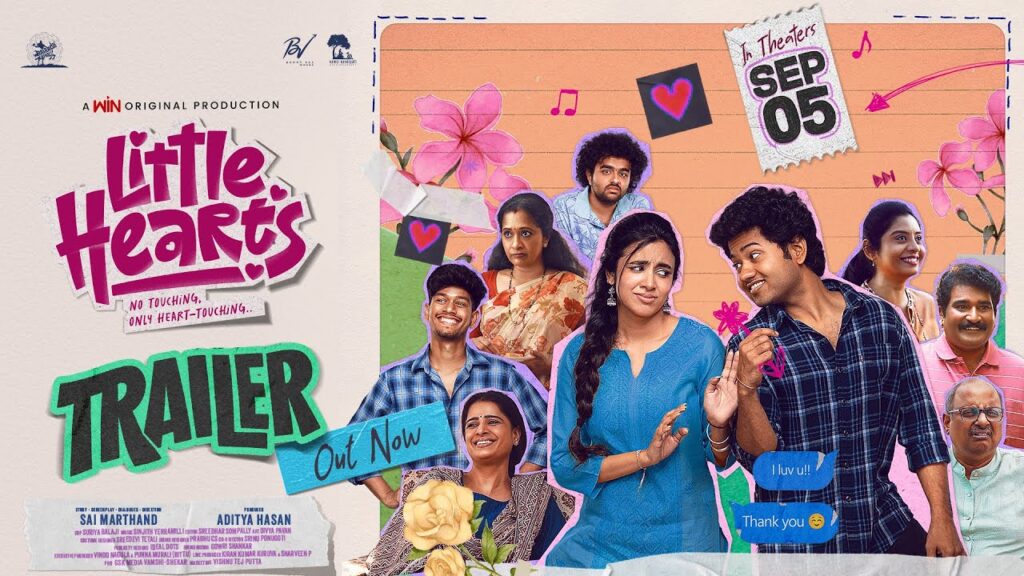
Little Hearts: A youthful love entertainer about two misfits

Little Hearts written and directed by Sai Marthand isn’t plot heavy. The story often plays out like a series of comic sketches: but the engaging screenplay coupled with the performances makes this a fun weekend watch. A strong aspect of Little Hearts is the subtle coming of age with the heroine standing up for her love

Starcast: Mouli Tanuj Prasanth, Shivani Nagaram, Rajeev Kanakala, Satya, S S Kanchi, Jai Krishna and others

Genre: Comedy/romance

Director and writer: Sai Marthand

Producer: Aditya Hasan

Production house: ETV Win

Cinematographer: Surya Balaji

Music: Sinjith Yerramilli

Running time: 2 hours and 8 minutes

Little Hearts is a film which perfectly fits the tag of a nonsensical but fun entertainer. Unlike the usual larger-than-life heroes with no flaws this is a movie which isn’t afraid to poke fun at the protagonist. In this case the hero and the heroine aren’t the brightest bulbs, they are equally dimwits when it comes to studies. Sai Marthand who has written and directed Little Hearts does a fine job in creating a fun love story with all social media and pop culture references. The love story has a hilarious connection to the Bahubali films which I will get to later. Producer Aditya Hasan who is only one web series old needs to be applauded for backing this up.

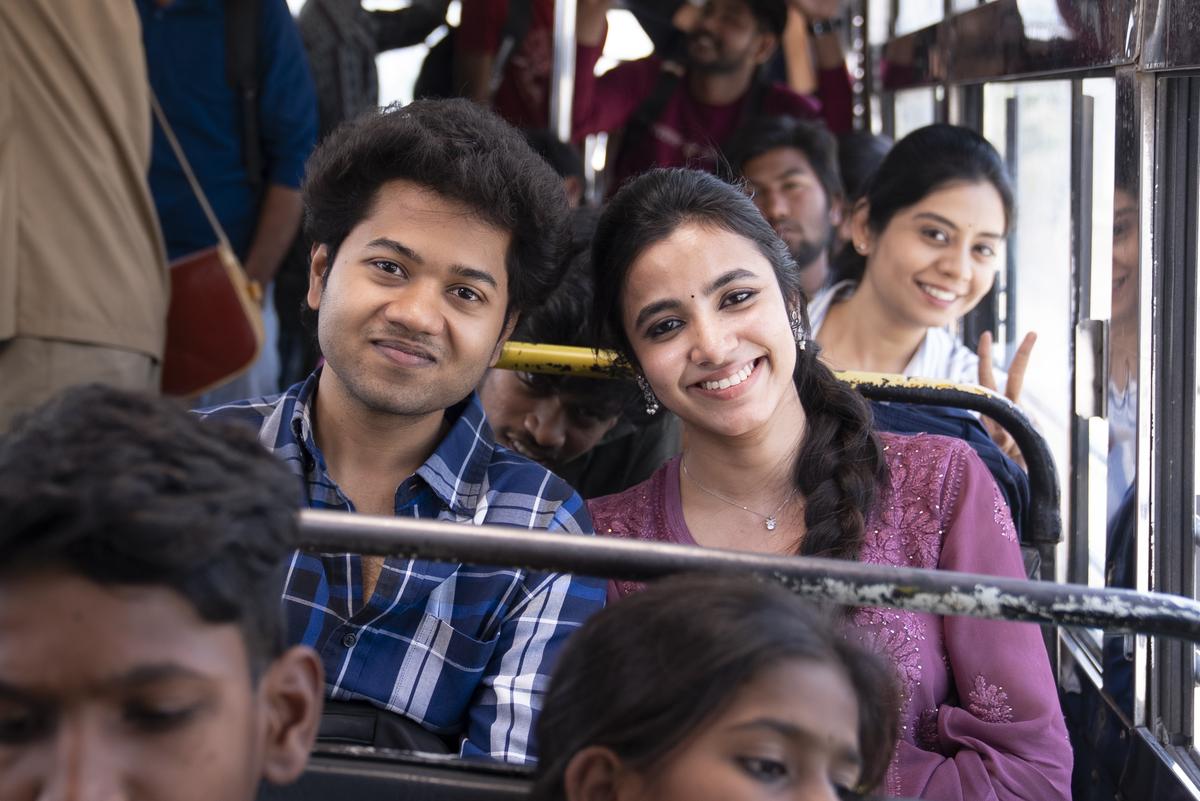
Mouli Tanuj Prasanth and Shivani Nagaram

The storyline of Little Hearts primarily revolves around Akhil (Mouli Tanuj Prasanth) and Shivani Nagaram’s Khatyayini. Both of them fail in clearing their respective subjects and are compelled to undertake long-term coaching due to their respective fathers. Akhil has just gone through a bitter break up with his intermediate sweetheart. Initially his attraction towards Khatyayini feels like a temporary recourse but things take a serious turn with both falling in love head over heels. This is the story in brief.

A strong aspect of Little Heats is the entertainment quotient. Special mention must be made of the scenes featuring Mouli and Jai Krishna a fellow wastrel. The banter between them coupled with Jai Krishna’s constant predictions on how Akhil’s love is domed only to be proven wrong raises many chuckles. His disbelief on how Khatyayini falls for Akhil and vice versa is hilarious to say the least. A specific mention must be made of the portion where Jai Krishna does a translation of Khatyayini words thinking that she has broken up with Akhil only to fall flat on his face.

The love story of the leads has a constant comparison to the journey of Bahubali films. The initial mixed reactions of Bahubali one is compared with their romance. The assumption is neither their romance nor the film will soar. The cultimation of Bahubali journey with the second part becoming a massive blockbuster as well as Akhil and Kathyayini’s love story has been wonderfully connected.

Little Hearts also works because of the self-aware tone, the flaws of both the hero and the heroine with their quirks have been well written and enacted. Towards the middle of the second half the movie slips into a coming age of territory. Both the hero and the heroine decide that they had enough of engineering and medicine respectively. They decide to do something else with their future.

Sai Marthnand gives some agency to Kathyayini in the way she stands up for her love. The dialogue of Akhil on why Kathyayini is worth fighting for gives the movie some emotional heft. In this scene Akhil openly talks about his flaws making the protagonist relatable.

The music composed by Sinjith Yerramilli is funky going well with the movie’s tonality. A specific mention must be made of the humorous conversational song where the leads are seen missing each other deeply. There is also an amateur musical video sung and edited by Akhil as a surprise birthday gift for Kathyayini. This video coming at important junctures is another high point of the movie. The cinematography of Surya Balaji is also fair perfectly capturing the vibrant atmosphere.

Both Mouli and Shivani Nagaram perfectly fit the parts of bumbling youths coming of age. They embrace the quirky tone matching each other making the romance believable. Rajeev Kanakala as Akhil’s extremely worried father also does well bringing in a certain seriousness. His reaction to Akhil’s musical video is especially worth mentioning.

S S Kanchi as Kathyayini’s father also raises some chuckles particularly in the post interval portions. The rest of the cast add to the quirky scenarios with their wonderful acting.

Final word: Little Hearts is small scale but high on entertainment value. This deserves a theatre watch,

Ghaati: An absolute abomination and Krish’s final nail in the coffin

Ghaati is one of those rare films with no striking qualities. Jagapati Babu playing a nonsensical police officer has some fun with his crass lines and shifting shades like a chameleon: however the movie is a tonal mess in spite of a gritty subject with much potential. Anuskha Shetty’s performance too lacks the required fire often coming across as monotonous.

Starcast: Anuskha Shetty, Vikram Prabhu, Jagapathi Babu, Chaitanya Rao, Ravindra Vijay and others

Genre: Action/drama

Direction and screenplay: Krish Jagarlamudi

Writer: Chintakindi Srinivasa Rao

Producers: Saibabu Jagarlamudi and Yeduguru Rajeev Reddy

Production Company: First Frame Entertainments

Music: Nagavelli Vidya Sagar

Cinematography: Manojh Reddy Katasani

Running time: 2 hours and 37 minutes

There was a point in time when Krish Jagarlamudi was a respected filmmaker, the director had a unique voice starting with movies like Gamyam, Vedam and Krishnam Vande Jagadguram. There was something different in the way he presented his heroes whether its Allu Arjun in Vedam, Allari Naresh in Gamyam and Rana Dagubbati in Krishnam Vande Jagadguram. These movies used to have a strong social core: however the last few years has been a very uneven ride for the director. The historical fantasy Manikarnika went through many tribulations with the director leaving the project midway, the ambitious NTR biopic Kathanayakudu and Mahanayukudu ended up as box office duds in spite of a solid Balakrishna.

His project with Pawan Kalyan Hari Hara Veera Mallu also suffered the same fate as Manikarnika becoming a bigger disaster than the former. Ghaati is also a film which has seen several delays leading to less pre release buzz which now is far more abysmal than many would have imagined. The film tries to be a social drama while having the masala of Pushpa and the end result is neither here nor there. The romance between Vikram Prabhu and Anuskha lacks the required soul and the highly irritating villains led by the Mayasabha actor Chaitanya Rao only makes things worse.

The one line story of Ghaati is a woman seeking revenge and wanting to uplift her community. The setting is eastern Ghats. The local porters carrying marijuana are called as ghaatis, they are stuck in the cycle of exploitation with little to no alternatives.

Its hard to point out any positives in an extreme train wreck like this but Manojh Reddy Katasani’s cinematography is visually striking at least in the beginning portions. The vast landscape with the drone shots are nice to watch. Jagapathi Babu as already mentioned has a colorful role though his crass lines and the personality traits don’t befit the role of a police officer. His antics does provide some entertainment in an otherwise drab film. He keeps the audiences guessing as a shape shifter.

The major problem with a movie like Ghaati is wanting to replicate the story of Allu Arjun’s Pushpa. There’s a major Pushpa hangover in the portions featuring the different cartel heads. Pushpa for all its flaws at least had some innovation and the character graph of Allu Arjun came with a strong emotional core. This is missing completely becoming a poor imitation in the process. The love story between Anuskha and Vikram Prabhu again lacks the ex factor whether its the staging or the performances. Vikram Prabhu tries to do a Dulquer Salmaan but ends up falling flat on his face: nowhere close to matching the charisma of Dulquer.

Anuskha Shetty too leaves a lot to be desired. The required fire in portraying the transformation of Sheelavathi is majorly missing. The actress has very static expressions with flat voice modulation. The villain gang are mere caricatures instilling no fear whatsoever. The worst casualty is Chaitanya Rao. After an impressive turn in Mayasabha the actor irritates you with exaggerated body language and dialogue delivery leading to unintentional funny moments.

The story’s graph is as predictable as it can get with zero surprises: logically too the villains atrocious behavior towards Sheelavathi doesn’t make any sense. The music composed by Nagavelli Vidya Sagar is another downer, the tunes fall flat adding to the tediousness.

Final word: Ghaati is easily Krish Jagarlamudi’s worst film, even for die hard Anuskha Shetty fans this is a tough slog.

Paradha: A powerful transformative journey questioning archaic practices

Paradha directed by Praveen Kandregula is a much needed social drama in the age of muscular heroes and pan India settings. The end portions do feel somewhat hurried as the resolution needed a more emotional high. Nevertheless Paradha is an important story celebrating feminism and sisterhood. Anupama Parameshwaran gets one of the best written female characters in 2025 and the actress absolutely nails it.

Starcast: Anupama Parameshwaran, Sangeetha, Darshana, Harshvardhan, Rag Mayur, Rajendra Prasad and others

Genre: Social

Story, screenplay and direction: Praveen Kandregula

Producers: Vijay Donkada, Sridhar Makkuva and Sreenivasulu P.V

Production Company: Ananda Media

Music: Gopi Sundar

Cinematography: Mridul Sujit Sen

Running time: 2 hours and 25 minutes

In today’s age of increasing pan masala stories strong women characters with agency is difficult to find. A good example of this are the latest independence day releases both Coolie and War 2. In Coolie Sruthi Hassan plays a perpetual damsel in distress either waiting to be rescued by Rajinikanth or becoming the object for violence. In War 2 Kiara is presented as a tough soldier doing hand to hand combat with Hrithik but the overall characterization leaves a lot to be desired. Having said that you also have films with strong women and these aren’t necessarily female centric. Good examples of these are Patralekha in Phule as Jyotiba Phule’s equal, also Tripti Dimri in Dhadak 2 an upper caste girl who fights for her love and questions the family members pretending to be modern. Also Ananya Pandey in Kesari Chapter 2 as the idealistic Dillret Kaur playing an important role in the courtroom proceedings.

Paradha directed by Praveen Kandregula is a significant addition to this list. The movie broadly tackles the themes of foolish traditions passed from generation to generation ad also the celebration of sisterhood. The film begins with the introduction of a fictional village. In this village all women must be strictly veiled outside the house. A woman who is seen without the paradha is considered to be a bad omen and the punishment for that is death only. This practice is linked to a village deity who is ironically a feisty warrior. Its hard to believe that places like these exist in 2025 but director and writer Praveen Kandregula makes the viewers buy into these archaic scenarios with a convincing build up. Anupama Parameswaran’s Subbalakshmi aka Subbu not surprisingly starts off as a young girl with firm belief in these outdated thoughts thanks to her mother. Things take a huge turn for Subbu when the veil gets blown away due to excessive wind. A wildlife photographer played by Gautham Vasudeva Menon clicks Subbu without her knowledge. On the day of her engagement a magazine with her photograph getting published as the front cover causes absolute mayhem. The rest of the story focuses on how Subbu gets out of this outdated thinking with the help of Sangeeta and Darshana along with a strong bond of sisterhood.

A strong aspect of Paradha is the characterization of these three women. Yes the transformation of Anupama Parameshwaran’s Subbu is the heart of Paradha, at the same time both Sangeeta and Darshana are crucial too with their individual journeys. Sangeeta plays a homemaker called Ratna. Ratna represents numerous homemakers who devote most of their energy and time on their husbands and children. On the other hand Darshana’s Amishti is a civil engineer. In a predominantly male dominated atmosphere Amishti is a rare exception. Amishti is a hugely ambitious woman with a solo focus on reaching top position, she is an Alpha male with a hot temper. Again many young girls/women would connect with the ways of Amishti.

How these three distinct backgrounds play out with their age gaps is very engaging. In the beginning on a trip to Dharmasala Amishti often Chides Subbalakshmi on her thought process which doesn’t go well with Subbu who complains to her aunt Ratna. On certain occasions Ratna becomes a referee between the two younger women.

How Subbu gradually let goes of the veil wearing after a haunting incident packs a strong emotional punch thanks to the powerful acting of Anupama. The conversation between the three women with Ratna and Amishti encouraging her to get out of this blind faith and the need to question practices makes a strong impact.

Paradha is a film which doesn’t completely resort to male bashing. Praveen Kandregula makes important points on how women can also be extremely judgmental about the choices of their fellow tribe. This comes out wonderfully in a sequence involving a woman cop. In a conversation with Amishti this woman talks about her love for shopping, make up and cooking while being a tough police officer. Amishti has a certain disregard for things like these which she considers as an obstacle.

The movie in a gentle but firm manner establishes the need to question practices and in the process bringing a perceptional change. Apart from the dramatic moments the movie also has some chuckle worthy scenes. This primarily includes Harshvardhan as the often exasperated husband unable to manage home duties with his job demands. The conversations between him and Sangeetha as she cooks up stories is a delight to watch. Sangeeta as the homemaker with new found freedom is first rate, specifically in the portion where she changes her voice as an old woman. Darshana as Amishti brings out both the feisty nature and the vulnerability in an impactful manner. Raj Mayur in his brief part as Subbu’s fiancée is good too. Rajendra Prasad in an extended cameo makes his presence amply felt, the scene where he narrates the tale of a bird wanting to discover the world is poignant, it adds to the transformative journey of Subbu.

Paradha ultimately belongs to Anupama Parameswaran. The young actress is a revelation taking on a complex part, she delivers a nuanced performance portraying the vulnerability and the eventual transformation in an excellent manner. Often times Anupama conveys a lot with her body language.

Gopi Sundar’s music goes well with the movie’s tone. Its not of a chartbuster material, nevertheless the songs do a fine job in elevating the key emotional moments. The cinematography of Mridul Sen is of a fine standard, whether its the village portions with the dark tonality or the Himalayan mountains in the latter half. The color pallet goes perfectly with the mood changes.

One of the minor issues with Paradha is the end resolution, its too simplistic lacking the fire specifically considering the build up. Also the three women mostly coming across Telugu speaking population in Dharamsala feels too much of a coincidence.

Final word: Keeping aside the minor niggles Paradha is an important tale of feminism and sisterhood which needs to be celebrated.

Kingdom: A recycled tape of the chosen one

Vijay Devarakonda as the leader

Gowtham Tinnanuri does a fine job in dealing with the tumultuous dynamics between Vijay Devarakonda and Satyadev. The sibling relationship with the moral conflicts gives the movie an emotional resonance, both Vijay and Satyadev deliver strong performances. But the predictability of the core plot eventually makes it just about a decent watch. The film also suffers from the latest pan India obsession of dividing a movie into multiple parts.

Starcast: Vijay Devarakonda, Satyadev, Venkitesh, Manish Chaudhari, Bhagyashri Bose and others

Genre: Action drama

Director and writer: Gowtham Tinnanuri

Producers: Naga Vamsi and Sai Soujanya

Production Companies: Sithara Entertainment, Srikara Studios and Fortune Four creations

Music: Anirudh Ravichander

Cinematography: Girish Gangadharan and Jomon T. John

Running time: 2 hours and 42 minutes

Gowtham Tinnanuri’s Kingdom plays out like the pulp of Salaar, Kalki 2898 Ad and Khaleja if they were ever mixed in a grinder. The movie also bears a slight resemblance to the commercial classic Deewar directed by the late Yash Chopra. There is nothing wrong in being inspired from the past but it’s also necessary to give it a fresh spin as Mohit Suri proved with his box office tsunami Saiyaara. Kingdom on the other hand starts off well setting a solid base but runs out of steam in the later half with a hurried conclusion.

In brief Kingdom’s plot primarily focuses on the quest of a police constable Suri (Vijay Devarakonda) in finding his elder brother Shiva (Satyadev). As part of this Suri goes to Sri lanka . It’s a covert spy operation on the shores of Jaffna; the island consists of a refugee group under the control of a smuggling cartel. What starts off as a straightforward operation turns into something deeper with elements of reincarnation.

There is no denying that Gowtham Tinnanuri does a good job in setting a solid base specifically in the word half. He along with the cinematographers create an immersive world. The rugged landscape of coastal Sri Lanka coupled with the gritty texture makes the viewers feel that they are also part of the conflicts. Anirudh’s background score is also perfect amplifying the key emotional beats. The songs also jell with the texture of the movie. Specific mention must be made of the tune “Anna Antene” establishing the sibling bond.

The movie’s pace again in the first half is crisp. The developments happen at a good place without any unnecessary distractions. The reunion of the brothers in the backdrop of an action sequence has been wonderfully written and enacted.

Soori’s entry into his brother’s gang with the thread of Tribal history and the criminal cartels adds the necessary spice too. The interval bang with Soori’s real identity and Shiva’s shock sets a solid base for an equally gripping second half, however the film falters badly in the second half with overused tropes. There’s a key line from Manish Chaudhari playing Soori’s handler. It goes like this “There’s something in this soil that turns humans into demons”.

Gowtham Tinnanuri could have explored this aspect much more instead the line is strictly surface level not adding much to the proceedings. The nuanced first half is undone by a more predictable and hurried tone in establishing the reincarnation theme.

Its not that the second half is a complete downer. The emotionally charged moments between Vijay and Satyadev do make an impact and a key revelation connected to their childhood does make an impression, however the familiar action sequences coupled with the jaded narration makes it difficult to care for the proceedings.

It goes without saying that Kingdom is largely reliant on Vijay Devarakonda and Satyadev, both do a very fine job in pulling of the moral complexities. The best part of their roles is that neither are completely heroic nor entirely compromised. They are significantly shaped by the brutal systems. It also helps that Satyadev’s Shiva isn’t just a bystander to Soori, his journey is also textured.

Mention must also be made of Venkitesh as the cold-blooded villain. Its deliberately hammy however the actor sells it with the right mixture of cockiness and sadism. Manish Chaudhari as the cold-hearted handler does a fair job too as does Bhagyashri Bose. But the subplot of Soori and Bhagyashri Bose’s Dr Anu needed much better writing.

Final word: Kingdom can be watched for fans of Vijay Devarakonda and Satyadev. Don’t expect something earth shattering it will be an engaging experience.

Hari Hara Veera Mallu ( Part 1 Sword VS Spirit): An overstuffed buffet running out of steam

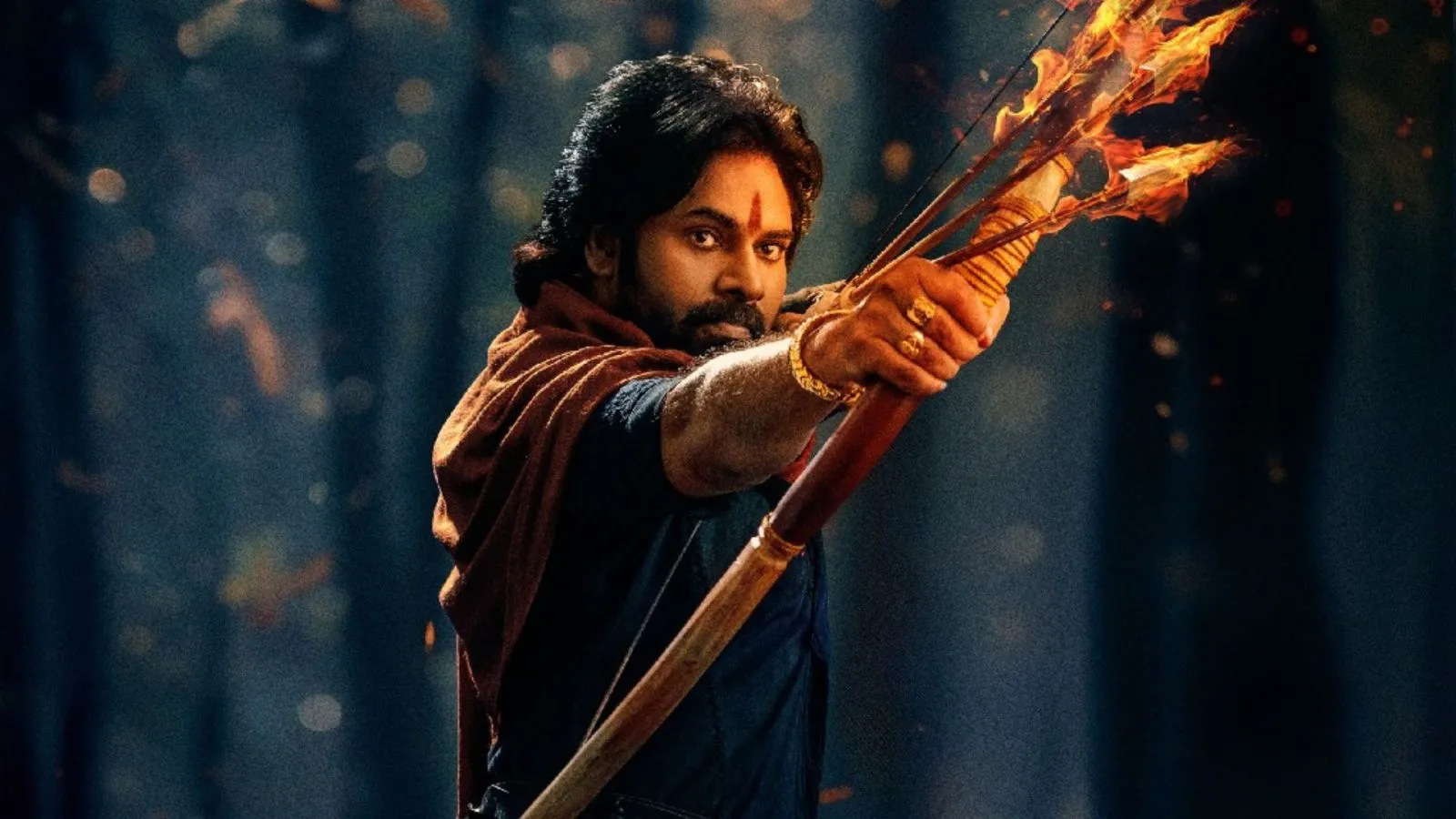
Both Bobby Deol and Pawan Kalyan deliver spirited performances, but the movie lacks the visual and dramatic flair of Laxman Utekar’s blockbuster Chhaava also set in the same Hindutva space. The terrible CGI of the later portions only makes things worse

Starcast: Pawan Kalyan, Bobby Deol, Niddhi Aggarwal, Nassar, Sunil, Subbaraju and others

Genre: Historical fiction

Directors: Krish Jagarlamudi and A.M Jyothi Krishna

Screenplay and story: Krish Jagarlamudi

Dialogues: Sai Madhav Burra

Producers: A.M Rathnam and A. Dyakar Rao

Production Company: Mega Surya Production

Music: MM Keeravani

Cinematography: Manoj Paramahamsa and Gnana Shekar V.S

Running time: 2 hours and 30 minutes

Hari Hara Veera Mallu (Part 1 Sword VS Spirit) has been in the making for a very long time. There have been numerous reasons for this. Beginning with the COVID affect leading to production delays, on top of that schedule problems with both Krish Jagarlamudi and Pawan Kalyan. The actor political resurgence has only added to the movie’s delay. Meanwhile Krish Jagarlamudi stepped out of direction midway much like his other historical fiction Manikarnika. After a tumultuous journey of 5 years the movie is finally out, the effect of production delays and change of directors is clearly visible specifically in the second half.

Without giving much away the broad storyline of Hari Hara Veera Mallu focuses on a Robinhood like figure played by Pawan Kalyan. He steals from the rich and distributes it among the poor, however there is much more to Veera Mallu. A past connected to the atrocities of Mughal emperor Aurangzeb (a regal Bobby Deol) on Hindu deities. Part 1 primarily focuses on how the paths of these two intertwine setting the clash of an epic fight.

The first half of Hari Hara Veera Mallu is fairly engaging. The character establishment of both Bobby and Pawan Kalyan is done well. Specific mention must be made of a sequence involving a feudal lord in which Pawan Kalyan gives a voice to the suppressed who till then don’t even look into the eyes of their ruler directly. The action sequences in the beginning portions have also been staged with skill. These include the port fight in Machilipatnam establishing Veera Mallu’s bravado. The Charminar battle is also good with some neat stunt work and the effective scale.

The love story between Pawan Kalyan and Nidhi Aggarwal playing a supposed damsel in distress also has its moments. Nidhi Aggarwal has a striking presence and the twist around her character sets a good base for the second half.

However, the movie falls significantly short in the second half. The backstory of Pawan Kalyan with emphasis on Santhana Dharma values feels like a tribute to the actor’s personal beliefs, it also doesn’t help that the flashback portion doesn’t have the required emotional gravitas.

Numerous sequences in the second half feel stretched with a deliberate holding back. This makes the viewer restless, the terrible CGI only compound the woes. For a movie which has been in the making for so long the production values are not consistent. There is a dramatic sequence involving a stormy weather and big stones falling from the hills while Pawan and co are on a mission. The portion has enough potential for thrills but the way it has been staged leaves little to no impact.

There is also a CGI sequence involving a pack of animals, this only adds to the length of the movie. The dialogues about human animal conflict are relevant to today’s times but in the context of the film the portion feels like an absolute misfit.

Hari Hara Veera Mallu also suffers from lack of character development with Pawan Kalyan hogging most of the limelight. Pawan Kalyan has stepped into the zone of historical fiction for the first time however the movie presents the actor politician in the same way a people’s leader. There are zero moral complexities keeping in mind the actor’s limited capabilities nevertheless Pawan Kalyan brings in a star aura. In spite of the long delays Pawan Kalyan looks dapper as always. His performance in the dialogues involving Santhana Dharma is noteworthy and would appeal to the die-hard fans.

Bobby Deol as Aurangzeb has a regal presence. The actor disappears for a long period after a solid introduction, still Bobby makes a strong impact getting into the headspace of Aurangzeb’s fanatical ways with ease. He plays the part with subtle menace and the fiery body language definitely helps. Among the rest Nassar, Sunil and Subbaraju as part of Veera Mallu’s team have their moments specifically in the first half, but they are soon relegated to the background.

The music of MM Keeravani is fairly good. The folk number Kollagottinadhiro has an upbeat tune but for a movie of this scale the songs needed to be much better. The background score though uplifts the action episodes.

The cinematography of Manoj Paramahamsa and Gnana Shekhar VS is also mixed, in some sequences standing out, in others an eyesore. The production design of Thota Tharrani has grandeur but suffers on the account of a familiar pallet. Its a massive letdown from the production designer after a solid work in Kuberra.

As far as direction goes its difficult to pin point one in particular but the screenplay’s attempt at juggling nationalism, rebellion etc feels too cluttered.

The cliff hanger does promise an epic fight going forward but chances of part two are very bleak and would be probably best to drop.

Final word: Hari Hara Veera Mallu is worth watching only if you are a die hard Pawan Kalyan fan or just want to see grandness without soul.

Kannappa: A devotional second act saves the day

Manchu Vishnu in the role of Kannappa.

Manchu Vishnu donning multiple hats of an actor and writer takes a while to find his footing, however he comes into his own in the moving post interval portions specifically the climax. For Shiva devotees Kannappa will be a delight. Akshay Kumar as Shiva lends in the right amount of serenity and Prabhas as Rudra makes his presence amply felt in an extended special appearance.

Starcast: Manchu Vishnu, Akshay Kumar, Kajal Aggarwal, R SarathKumar, Mohan Babu, Preity Mukhundan, Prabhas, Mohanlal etc

Genre: Devotional

Director: Mukesh Kumar Singh

Story and screenplay: Vishnu Manchu

Producer: Mohan Babu

Production Companies: AVA Entertainment and 24 Frames Factory

Music: Stephen Devassay

Cinematography: Sheldon Chau

The story of a tribal hunter turned shiva devotee Kannappa is an important part of Indian mythology. The tale of Kannappa is closely connected with Srikalahasteeswara temple in Andhra Pradesh. The story of Kannappa was brought to life by the moving Bhakta Kannappa played by an excellent Krishnam Raju. The movie was a major commercial success and is remembered fondly to even this day.

Vishnu Manchu’s Kannappa is an modern adaptation of Bhakta Kannappa with added commercial elements. The destination is the same, but the packaging varies. For those who haven’t seen Bhakta Kannappa the plot of this one revolves around Thinnadu (an earnest Manchu Vishnu). He is a fierce hunter rejecting anything connected to god and divinity. He is far removed from the world of faith. R Sarathkumar as Nathanathudu plays the village head of a particular tribe. Nathanathudu is the complete opposite of his son Thinnadu, in spite of not liking his son’s views towards god Nathanathudu never forces his religious beliefs on him. The story essentially looks at the transformation of Thinnadu when he stumbles upon an Shiva Lingam changing his entire outlook towards religion and the existence of god. This is the story in brief.

Before getting deeper into the movie its necessary to get the comparisons out of the way. Manchu Vishnu is no Krishnam Raju and that is very visible in the initial portions. His warrior like presence has a certain stiffness, at times he seems to be aping Prabhas in the action and romantic portions. However Manchu Vishnu slowly starts to grow on the viewers getting the soul of Kannappa right. As earlier mentioned the post interval portions are far more engaging a big reason for this is Manchu Vishnu’s act, his portrayal of Shiv bhakt embracing a trance like state is excellent. In the climax where he removes his eyes has a wonderful intensity moving the viewers. Mention must also be made of Manchu Vishnu’s act in the fiery dialogues where he questions the act of human sacrifice in the name of rituals.

Prabhas as Rudra also plays a major role in making the second half better. The screen time of Prabhas is short but the interactions with both Mohan Babu and Manchu Vishnu are a perfect blend of humor and philosophical wisdom. He adds significant depth to Kannappa’s spiritual journey.

Prabhas as Rudra

The father and son dynamics between Thinnadu and Nathanadu also has some nice touches. An emotional conversation featuring the ghost of R Sarathkumar and Manchu Vishnu touches the viewers heart in particular. R Sarathkumar lends a certain dignity to his part.

Coming to others senior actor Mohan Babu as Mahadev Shasthri has a commanding presence, he nails the arrogant nature as expected while also shining in the sequence showcasing remorse. Mohanlal in a completely new look brings his signature gravitas. His pre interval sequence with Vishnu setting the base for the second half is nicely done.

The devotional songs of the second half also lift the movie. The song Shiv Shiv Shankar in particular is well tuned, it makes for a good watch and listen. Sheldon Chau’s cinematography is of a good order too. He does a fine job in capturing both the vast landscape and also the mythical moments through his lens.

A major problem with Kannappa is the attempt to make the story more pan India. The love portions featuring the two leads feels completely out of place, they feel more situated for a modern love story rather than the story of a non-believer turned devotee. Preity Mukhandan has a fiery presence starting off with promise but soon she just turns into a regular commercial heroine. The overdose of skin show leaves a bitter after taste occupying more space than necessary. Even the romantic songs featuring the two also lengthen the running time rather than aiding the narrative. The war sequences feel straight out of Bahubali and Hollywood movies. The clumsy CGI in some places don’t help matters either.

The likes of Bramhanadam and Saptagiri also feel out of place. The first half needed a much tighter edit, the village conflicts and the battle to protect a sacred lingam needed to be shortened since the main crux of Kannappa is the transformation story.

Final word: Kannappa is a delight for Shiv bhakts specifically the intense climax, its a sincere effort to bring alive the tale of a non believer turned devotee for the modern generation.

Kuberaa: Shekhar Kammula’s most socio political movie till date

Shekhar Kammula’s last movie before Kubera Love Story with Naga Chaitanya and Sai Pallavi marked a significant shift in the kinds of stories that Shekhar has dealt so far. Strong women characters have always been Shekhar Kamula’s forte but what made Love Story different was the angle of caste and class. Working with Chaitanya Pingali has clearly brought a different facet of Shekhar, with Kuberra the director moves into a very political zone with themes of class disparity and capitalism. Kuberra is an audacious movie in more ways than one , it takes a little time to get drawn but soon the viewers are sucked feeling tensed on what will happen next.

Chaitanya Pingali the associate director and writer

The storyline of Kuberaa begins with Neeraj Mitta (a truly despicable Jim Sarbh). He is a ruthless businessman embodying a typical capitalist whose only aim is to become richer and richer. A rare oil is discovered and Neeraj Mitta plans to make it a source of wealth and control, he does a secret meeting with top leaders. To make this plan work Neeraj Mitta and the father played by Dalip Tahil rope in a once honest CBI officer Deepak (Nagarjuna). Deepak has lost faith in the system, there is a simmering anger inside him. This turns out to be an advantage for Neeraj. As part of plan Deepak gathers a group of beggars who will become benamis. Dhanush’s Deva is one of them. Soon things start to spiral out of control for Neeraj and Deepak is forced to confront his inner demons. This is the story in brief.

A strong aspect of Kuberaa is the world building specifically the Juxtaposition of Mumbai’s high scrapers and the not so privileged ones . The movie presents a heart touching picture of the society’s attitude towards beggars. There is a scene early on showcasing the death of a beggar run over by a car and except for the fellow beggars no one cares. As Jim Sarbh says in a dialogue this section of society represent the invisible type making them easy scapegoats for his task.

The cinematography of Niketh Bomireddy coupled with Thota Tharani’s production design play a significant role in creating an authentic atmosphere. The stench of the garbage dumps like the scene where Rashmika and Dhanush get into a van in a tense moment filled with waste bags have a realistic feel to them. Devi Sri Prasad’s music and background score is another asset for the movie. The songs aren’t of the blockbuster type but have a soulful nature.

Apart from the world building the movie’s dialogues often laced with philosophical undertones is also a delight to watch. In a scene Rashmika Mandanna talks about how all of us are beggars in some way or other. The dialogue goes like this “I begged freedom from my parents. I begged my boyfriend to not break up with me. I begged my friend to let me stay at her place for a few days and now I’m begging people to give me a job. So in some way or other all of us are qualified to be called beggars’. This is a just sample example of the numerous impactful dialogues critiquing class and capitalism. The underlying message of Kubera is true wealth lies in improving other people’s lives and not just hoarding riches.

The tense cat and mouse game between Dhanush and Nagarjuna also has many thrilling moments. Rashmika Mandanna in a different role from her previous ventures has been smartly integrated into the main plot. Her character Sameera gets herself into a tangle by helping Dhanush. The scenes between the two are filled with tension and humorous moments in equal measure. Rashmika is successful in bringing an inner strength. Jim Sarbh as the ruthless capitalist perfectly embodies the nastiness making the viewers hate him.

Rashmika Mandanna as Sameera

Kuberaa primarily rests on the shoulders of Dhanush and Nagarjuna, both get into the skin of their respective parts. Dhanush as an innocent beggar turning into an unlikely hero delivers a first rate act. He immerses himself completely showcasing why he is a worthy national award winner again. Dhanush particularly shines in the scenes with Nagarjuna. As Deepak Nagarjuna delivers a nuanced performance, the senior actor has done a swell job in capturing the moral complexities which Deepak under goes on numerous occasions. As viewers you feel for Deepak inner dilemmas on where he started and what he has become. A particular moment has to be mentioned where Nagarjuna shoots a police officer because of a crucial reveal, there is a visible distraught on the face of Nagarjuna where the existential crisis is extremely visible.

Talking about the flaws the final stretches of Kubera become a little hard to digest. The portion of Jim Sarbh turning into a beggar for a night on the order of Dhanush can appear silly. Also the confrontation scene between Dhanush and Jim in the pre climax could have been more crisp.

23 (Iravai Moodu): A powerful critique on the disparities in our judicial system

23 movie leads

Mallesham and 8 AM Metro director Raj R takes three well known cases which shook the 1990’s of Andhra Pradesh and interconnects them to raise some pertinent questions on the functioning of our judicial system. The director explores the issues related to caste and class in an authentic manner, the star cast led by mostly newcomers do wobble on some occasions and the character of Jhansi as a psychologist feels underdeveloped. However what powers the movie is the relevancy of the social themes it addresses

Star cast: Teja, Tanmai, Pavan Ramesh, Jhansi and others

Genre: Crime/drama

Director and writer: Raj R

Dialogues: Indus Martin

Producer: Venkat Siddareddy

Production Company: Spirit Media

Presenter: Rana Dagubbati

Music: Mark K Robin

Cinematographer: Sunny Kurapathi

Running time: 2 hours and 25 minutes

The core of Raj R’s 23 (Iravai Moodu) is the statement from a famous novel Animal Farm written by the well-known Goerge Orwell. The statement goes like this, ‘All are equal but some more equal than others,’ the director uses this as a foundation tone making the viewers look at the concept of crime and the preparators through different perspectives related to social hierarchy.

The movie’s premise is majorly inspired from three shocking incidents which shook the state of Andhra Pradesh back in the 1990’s. The first one being the brutal caste-based violence against the Dalits, the second being 23 passengers losing their lives due to two young lower caste men and lastly a car bomb explosion in 1997 where 26 were killed and many injured. Among the three the 1993 Chilakaluripet is the main focus, Raj R narrates this tale through an emotional love story featuring Sagar (Teja) and Susheela (Tanmai). The movie spans across many years and numerous tribulations which the couple go through, in case of Sagar it’s the guilt of being responsible for killing 23 people along with his friend, for Susheela on the other hand she has to face the social stigma of becoming a mother before marriage. This is the story in a nutshell.

23 movie song

A strong aspect of 23 is how Raj R has interconnected the three cases. On the surface there is no direct link given that all the three are of different nature, however what binds them is the societal aspects. In the first case the upper caste men find a way through the high court after being sentenced to life imprisonment. They are eventually released thanks to the money and social backing. The same thing applies to the third case as well; a mastermind of the crime walks away scoot free due to his political backing and a supposed image of good conduct. However, in the case of the two lower caste men it’s a long and hard ordeal. In fact, the two have a hard time finding a benevolent lawyer in the first place due to a decision from lawyer’s bar association. By linking the three Raj R makes some scathing comments on how people with power can get away with anything even though their crimes are intentional in nature.

Mention must also be made of the sensitive manner in which Raj R and dialogue writer Indus Martin have treated the entire scenario. Yes, they portray Sagar and his friend through an empathetic gaze but at the same time their is no hesitation in making them introspect about the wrongs specifically in the case of Sagar. The viewers see Sagar going through a lot of emotional turmoil almost becoming mad in Shakespearean style. A palpable anger among the victims of the dead families has come out well like the scene where a man expresses his anguish on losing both his leg and livelihood. Raj R at no point absolves the two friends just because they didn’t intentionally set the bus on fire. The movie provides no easy answers to this complex scenario.

An important subplot in the movie is the need for reforming prisoners before they are released from prison. There’s a key incident in the middle of the second half where a prisoner protests on not wanting to go back to the real word as he isn’t ready yet. The person ends up doing another heinous crime. This makes the jailer feel guilty on how he should have listened to the prisoner. Another subplot worth mentioning here is the use of caste system to design certain chores to prison inmates, this includes cleaning the toilets something which is generally associated with lower caste people.

The love story in 23 takes a while to get going specifically in case of Teja’s Sagar. Both the accent and the scenes demanding emotional gravity needed a stronger actor however the actor’s sincerity shines through, and he gets better as the movie progresses. Tanmai fares much better delivering a moving act as a young woman facing the brunt of society’s judgmental tone. There is a quiet strength to the role which she pulls of well. Pavan Das as the cynical friend is all right too.

Thagubothu Ramesh in a serious role lends a lot of warmth to his part successfully breaking away from his usual drunken parts.

Jhansi makes an entry well into the second half. She brings in the required worldly wisdom particularly in the portions where she converses with the inmates, however her entire track needed better integration and suffers somewhat on the account of a sketchy screenplay.

The cinematography of Sunny Kurupathi along with Laxman Aeley’s production design is successful in taking back the viewers to those turbulent times. Mark Robins songs are also soulful giving depth to the intense proceedings like the song Egaraale.

Final word: Raj R’s 23 needs to be watched for relevancy of the story. Its a movie that will make you ponder on issues that still affect our society.