Hey Balwanth: A whacky entertainer with a unique plot point

Debut director Gopi Atchara handles a tricky subject with finesse especially the backstories of the women. The second half slips into a Srinu Vaitla zone but the film recovers ground with a good emotional pay off. The perspective change of both Suhas and Shivani towards their respective parents forms the spine of the story

Starcast: Suhas, Shivani Nagaram, VK Naresh, Sudharshan, Vennela Kishore, Sravanti and others

Genre: Comedy/drama

Writer and director: Gopi Atchara

Story: Shankuma Prasanth

Producer: B Narendra Reddy

Production house: Trishul Visionary Studios

Music: Vivek Sagar

Cinematography: Mahi Reddy Pandagula

Running time: 2 hours and 14 minutes

Hey Balwanth previously titled Hey Bhagwan has created a strong curiosity with its business angle. The suspense has been well maintained right through its promotional material. Thankfully the movie doesn’t take long to unravel the suspense.

Without giving spoilers its related to customer satisfaction. Most of the comedy and drama is structured around Suhas’s Krishna wanting to take over his father Balwant’s business (VK Naresh in another solid act). But Krishna isn’t aware of what his father actually does. Sudharshan is Krishna’s buddy. Shivani Nagaram plays Mithra. A career woman running an NGO. Suhas joins there as a business consultant. Soon love strikes. But things take a dramatic turn with the real nature of Balwant’s business coming out. Krishna hides the matter for a while but is eventually forced to reveal the truth. Mithra is visibly hurt yet decides to give Krishna a second chance. However, the complications don’t end there as Mithra gets a shock of her life too connected to her grandfather. There is a scene early on where she talks about following in her grandfather’s footsteps and the interval bang with Mithra facing a major shock sets the base for the second half. Nothing more can be revealed given the various developments.
A strong aspect of Hey Balwanth is the balancing of comedy and drama. Sudharshan punch lines in particular deliver ample laughs even though some of them border on double meaning. His banter with both Suhas and Shivani has come out well. A special mention must be of the sequences in the lodge. It’s a perfect mixture of situational humor mixed with tension. Suhas too raises ample chuckles in the portions of the truth coming out. There is a hilarious bit when Mithra confesses her love to Krishna while he is in a dumbstruck state. The actor’s expressions are a delight to watch. In the emotional scenes too Suhas does a wonderful job whether it’s being ashamed of his father’s business or in the eventual realization on why his father does it.
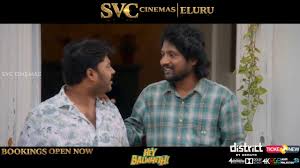
Shivani Nagaram has perfected the act of a strong woman in the girl next door roles and Hey Balwanth is no exception. Mithra is someone who takes pride in belonging to an orthodox family, this of course gets shattered in the interval and the feelings of shock mixed with tension has been well portrayed by the actor. Her repeated talks about belonging to ‘Maadi Chala orthodox family’ generates chuckles. Like Krishna, Mithra has her own track of self-realization. This has come out well in the scene where she compares her father (Harshavardhan) to Balwant on how the latter has given life to many women unlike her scheming father politician. The different shades of Mithra has been well portrayed by Shivani.

Vennela Kishore as the son of a goon gets a role that has comedy with some impactful dialogues. His track with anchor Sravanti especially has good depth in the scenes where he talks about falling in love with her. The happy union between the two with an important back story elevates Hey Balwanth beyond the comedy of errors.

Sravanti as one of the women in Balwanth’s business gets some impactful scenes as well. A particular mention must be made of the portion where she talks about the past. Veteran actress Annapoorna as the grandmother plays her role with lots of warmth and also a good comic touch.

However, VK Naresh is the main pillar of Hey Balwanth. The senior actor has minimal presence in the first half but in post interval portions his role has more prominence. VK Naresh does a very fine job in the emotional sequences and more importantly he lends dignity as a father figure to the numerous women. Heartfelt conversations between Naresh and Suhas in the pre climax and the climax has been solidly written and enacted. Naresh also gets some fun mass moments. The spoof on Nandamuri Balakrishna is especially hilarious.

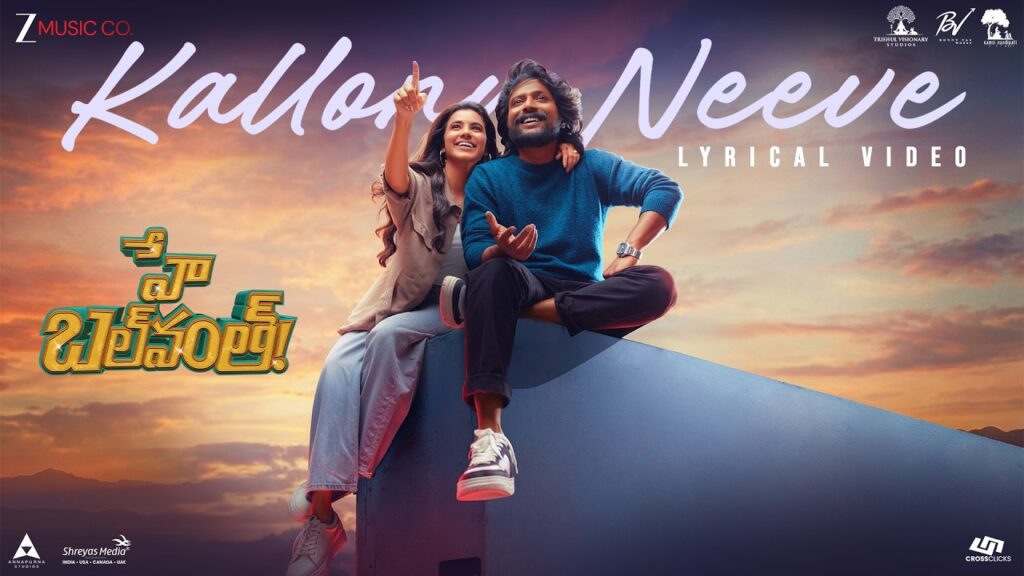
The music of Vivek Sagar is more situational, but Kallonu Neeve makes for a soothing listen and watch perfectly capturing the blossoming romance between Suhas and Shivani. The background score adds to the situational humor especially in the lodge sequence.
The cinematography of Mahi Reddy Pandagula gives the film a vibrant look. Coming to the flaws the second half has moments of stagnation with Srinu Vaitla brand of comedy but thankfully the proceedings pick up pace.

Final word: On the whole it is a perfect watch for those wanting a wholesome package with a progressive angle.
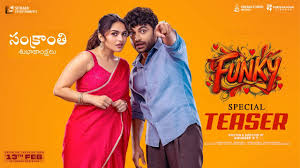
Funky: A low voltage Jati Ratnalu with sporadic moments of humor

Some of the industry related jokes do land like filmmakers’ obsession with splitting movies into two parts. There is also a good emotional scene featuring Vishwak Sen and the on-screen mother Eashwari Rao. But for most part Funky feels like an assemblage of skits rather than a free-flowing screenplay. Also, it lacks the energy of Anudeep’s first movie

Starcast: Vishwak Sen, Kayadu Lohar, V K Naresh, Easwari Rao, Sampath Raj and others

Genre: Comedy

Director and writer: Anudeep KV

Cinematography: Suresh Saragam

Music: Bheems Ceciroleo

Producer: Naga Vamsi

Production banners: Sithara Entertainments and Fortune banners

Running time: 2 hours plus

Anudeep KV’s first movie Jati Ratnalu had a nonsensical plot. But the film was a whacky and enjoyable ride majorly riding on Naveen Pollishetty’s entertaining act as well as the well written quirky scenarios. Since then, Anudeep has been trying to replicate that format but has been thoroughly unsuccessful. His latest Funky is a perfect example of this. The focus is too much on industry related workings and the humor generated out of that rather than genuine wit.

In one way the plot of Funky can be described as a fictional take on the Hatrick director Nag Ashwin and Ashwini Dutt’s daughter Priyanka. Vishwak Sen is Komal the director of the movie titled Funky. The constant budget increase has a toll on the producer played by V K Naresh. Kayudu Lohar playing Naresh’s daughter takes over the production. How Komal manages to complete the movie overcoming different hurdles along with a blossoming love story forms the main core of Funky.

As already mentioned Funky has sporadic moments of humor. The portions featuring V K Naresh as the stressed producer does raise some chuckles. This is mainly because of Naresh’s comic timing though the part is underwritten. The scenes are relatable for numerous production heads.

Similarly, a scene featuring filmmaker Harish Shankar giving advice to an upcoming director is fun too. This portion takes a clever dig at directors splitting their movies into two parts. The sequences involving Sampath Raj as a goon/financer also raises some chuckles. The conviction brought by Sampath Raj is a big reason for this.

The love story between Vishwak and Kayudu Lohar has its moments too. To give credit the two actors share a good chemistry. Kayudu Lohar as the producer’s daughter delivers a feisty performance, she perfectly captures the tough nature of Chitra as well as a slightly soft side. Vishwak as the bumbling director tons down his usual mannerisms and comes up with a fun act.

However more than a bumbling director Vishwak does a better job in the portions of Komal dealing with two faced relatives. A key sequence where Vishwak talks about being wired differently while having an emotional side is a solid example of good writing coupled with acting.

A major problem with Funky is the overreliance on humor. The industry related jokes soon get tiring in the absence of a coherent screenplay. Funky also suffers from a major hangover of Jati Ratnalu’s brand of comedy. What felt fresh there feels highly repetitive here.

A subplot involving Anudeep, Kalyan Shankar etc is in bad taste. Their comments on Kayudu Lohar’s Chitra and suddenly becoming responsible people has no head or tail. Similarly the role of Jai Krishna who was so good in Little Hearts is a major bummer here.

Bheems Ceciroloe’s music also makes matters worse. The songs only add to the running time instead of enhancing the plot in any way. Suresh Sangaram’s cinematography though gives the movie a vibrant look.

Final word: Funky works best for those looking for time pass stuff

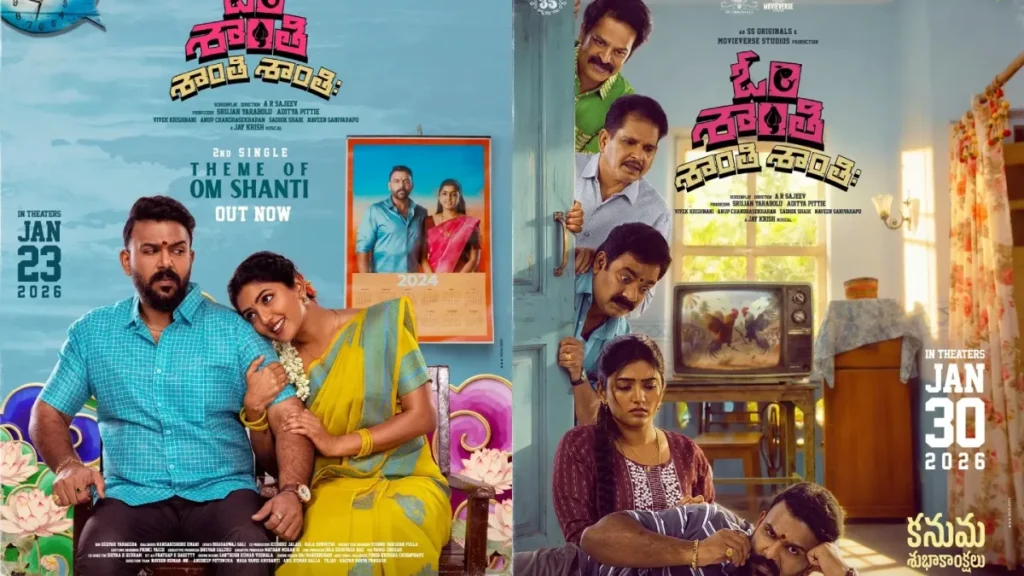
Om Shanti Shanti Shantihi: A remake done right with good dose of feminism

Director A R Sajeev does a fine job in capturing the soul of Jay Jaya Jaya Hey with the backdrop of Godavari. The biggest victory of OSSS is how it captures the different ways in which patriarchy continues to suffocate women. The subtle digs on the growing trend of Alpha male with a special mention to Sandeep Reddy Vanga’s problematic defense of Arjun Reddy is especially memorable.

Starcast: Tharun Bhascker, Esha Rebba, Bramhaji and others

Genre: Comedy/drama

Direction and screenplay: A R Sajeev

Dialogues: Nanda Kishore Emani

Original movie: Jaya Jaya Jaya Hey (Malayalam movie 2022)

Producers: Vivek Krishnani, Aditya Pitte, Naveen Sanivarapu etc

Production Companies: S Originals and Movie Verse Studios

Music: Jay Krish

Cinematography: Deepak Yaragera

Running time: 2 hours and 11 minutes

Remakes are always a tricky business especially stories taken from Tamil and Malayalam. The major reason for that is their distinctive style both in terms of narration and stories. If the reworking is frame to frame the director is called out for doing a copy paste job. On the other hand, adding certain things upsets the fans of the original hugely even if those changes are necessary. AR Sajeev’s interpretation of JJJH falls somewhere in between. The narrative structure is mostly similar with some scenes being more or less a copy paste: at the same time the movie does have some freshness too. This majorly comes from the Godavari setting along with some additional scenes. Om Shanti Shanti Shantihi uses humor as an effective tool. This particularly comes out in the combination scenes of Tharun Bhascker and Bramhaji playing a supposed well-wisher.

For those who haven’t seen JJJH this Telugu adaptation focuses on an arranged marriage between Esha Rebba’s Prashanthi and Tharun Bhascker’s Omkar Naidu. Both of them belong to the same social space but vary significantly in terms of marriage expectations. Omkar Naidu comes with major temper issues revealed gradually. How Prashanthi goes from a vulnerable young woman to taking things heads on forms the core of Om Shanti Shanti Shantihi.

A strong aspect of OSSS is the depiction of power dynamics. The scenes are reminiscent of most patriarchal households. This includes both the paternal and maternal. Elders camouflaging dominance in the name of concern has a realistic feel. This starts from the beginning itself and continues to be an underlying theme.

The characterization of Omkar Naidu is another plus. His entitled nature as earlier said comes out gradually. In the marriage meet up Omkar Naidu comes across as a progressive person when he talks about not having a problem in Prashanthi finishing her studies. There is also a first night sequence where Prashanthi says that she needs more time to get physically intimate. Omkar Naidu agrees with zero protest.

However, things gradually change when Prashanthi does some experiments in cooking. He has a set eating style like having Idli with Chutney for daily breakfast. Omkar Naidu reluctantly goes through Prashanthi’s cooking experiments but one day loses patience throwing away the plate and also slapping her.

Even his attempts to pacify after every slap is reflective of his entitled nature. Prashanthi ends up ordering the food in accordance with her husband and not her liking. This constant cycle has a repetitive nature but soon things reach a boiling point. It doesn’t help that Prashanthi’s mother and father show a casual attitude to their daughter’s sufferings.

As expected, things reach a saturation point and Prashanti gives Omkar a taste of his own medicine. Again, the pre interval twist won’t be new for those who have seen the original. Nevertheless, it sets a solid base for Prashanthi’s transformation.

Another major asset of OSSS are the portions featuring Bramhaji and Tharun. Bramhaji’s satirical comments especially his dialogue on Godavari people’s nature of being humorous does raise some chuckles. Bramhaji’s character is also casually misogynistic, this comes out clearly in the way he gives advises Omkar Naidu on how to control his wife by pretending to have changed and then making her pregnant.

The dialogues written by Nanda Kishore Emani are also wonderful whether its the satirical humor or the scenes questioning patriarchy. A mention here must be made of how he uses Sandeep Reddy Vanga’s extremely problematic defense of Arjun Reddy. The expression on Esha Rebba’s face with the mother defending the son’s in law beating through the director’s defense on how physical violence is an expression of love paints a disturbing picture. Nanda Kishore Emani through his dialogues successfully brings out how fellow women enable patriarchy as well. Nanda Kishore Emani is also there in a short but an important role, a college professor who makes big claims of being a liberal but is actually hollow.

The biggest asset of OSSS though is the lead pair of Tharun and Esha Rebba. In spite of most scenes being familiar the two actors stand tall. They are a big reason for the movie being compelling even for those who have watched the original. Tharun Bhascker embodies Omkar’s causal entitlement without any over the top theatrics. Tharun along with director and writer make Omkar a relatable character without coming across as a caricature. The particular slang used by Tharun adds to the entertainment quotient too. Tharun’s performance in the comic portions like trying to be a Alpha male by learning Karate with disastrous results is a laugh riot. Esha Rebba is also solid in portraying the transformation. She strikes the perfect balance between vulnerability and strong inner strength. The Karate sequences have been well executed too.

Having said that the use of karate as a give back in both the original and the remake isn’t quite practical. The reason is not all women have the physical strength. Coming back to OSSS the humor in some places lingers more than necessary. This is particularly true of the court room scene featuring veteran actor Bramhanandam.

The atmospherics of Godavari become a character in itself, and the locations are colorful well captured by Deepak Yaragera. Jay Krishna’s music goes well with the flow of movie without any unnecessary numbers.

Final word: Om Shanti Shanti Shanthi is a good adaptation with its own pluses. In one way this can be called The Girlfriend in a slice of life zone.

Anaganaga Oka Raju: Pilla Zamindar in Naveen Pollishetty style

The movie is a throwback to the typical rural comedies with a nice coming of age angle. Naveen Polishetty who is also the dialogue and screenplay writer does a fine job in entertaining the viewers. The transformation of Raju in becoming a more socially conscious person has come out well. The election portions are a hit and miss nevertheless AOR makes for some harmless fun
Starcast: Naveen Polishetty, Meenakshi Chaudhary, Chammak Chandra, Mahesh Achanta, Rao Ramesh and others

Genre: Comedy/drama

Story, screenplay and dialogues: Naveen Pollishetty

Director: Maari

Producers: Suryadevara Naga Vamsi and Sai Soujanya

Production Companies: Sithara Entertainments and Fortune Four Cinemas

Music: Mickey J Meyer

Cinematography: J. Yuvraj

Running time: 2 hours and 30 minutes

Naveen Polishetty’s latest venture has a significant hangover of Nani’s Pilla Zamindar in more ways than one. The backdrop of a royal family and the short cut nature of the heroes is the same. The second half with the villagers’ problems and Raju jumping into election bandwagon for his own selfish gains and how the eventual transformation happens plays out in a certain template. Nevertheless, AOR makes for a breezy watch primarily because of Naveen Polishetty’s treatment of a repetitive plot point.

The story of AOR in simple terms focuses on a young man from a royal family, the once rich family is in a somewhat improvised state now. When Raju goes for the relatives rich wedding, he faces humiliation from an aunt. This makes Raju extremely angry, and he makes a vow of marrying a rich girl himself and challenges that he would give the first wedding card to her. Enter Meenakshi Chaudhary’s Charulatha a seemingly naive girl falling for Raju. Things go smooth in fact too smooth for Raju, but the interval twist changes everything. What is that twist and how things unfold when the real intentions of Charulatha and her father come out forms the basic premise of Anaganaga Oka Raju.

It goes without saying that Naveen Polishetty is the biggest backbone of the movie. He completely justifies the tag of a star entertainment not just as an actor but also as a screenplay and dialogue writer. Most of the jokes work because of the actor’s timing and the energy he brings. The combination scenes with Mahesh Achanta and Chammak Chandra are especially a riot. The entire track of operation Charulatha is outright hilarious. There is a Bahubali like scene with Naveen emerging out of water with a dog. The conversation that follows is very humorous. Sankrantiki Vasthunam child actor Bheemla Revanth Pavan Sai Subhash is an important part of this sequence. His dialogues with Naveen adds to the fun quotient. At the same time, he is also successful in bringing out Raju’s transformation. A key emotional sequence with Meenakshi is a solid example of this.

Meenakshi Chaudhary as Charulatha is also fun to watch whether it’s her obsession with K Dramas or being an extreme dog lover. Her character starts off as someone who appears very naive, but the post interval portions bring out a different side making the movie more interesting. The marriage portions are somewhat hurried, and better writing was needed to develop the emotional bond nevertheless the chemistry between the two make up for the weak writing.

The election portions also have some funny moments particularly the initial scenes of Raju trying to win the confidence of the villagers. There is the track of a padayatra resembling real life incidents and the humorous depiction of countryside problems like lack of good doctors and water among others is narrated in a fun satirical way.

How Raju uses Instagram reels as a way to bring awareness is definitely innovative. The portion of press conference with Naveen trying to imitate a key scene from Mahesh Babu’s Bharat Ane Nenu raises many chuckles as well.

However the problem lies in the track of a weak antagonist, both generically written and performed. This was also a problem with Anil Ravipudi’s Mana Shankara Vara Prasad too. The tonal shift from comedy to serious feels abrupt too. A smoother flaw in the second half was needed.

Mickey J Meyers music is fairly fine but a special number in the middle of second half sticks out like a sore thumb. Among the supporting cast Rao Ramesh is underutilized nevertheless he is successful in bringing out the desperation of a once rich man.

Final word: Angangana Oka Raju is a treat for Naveen Polishetty fans and those looking for typical rural comedies

Nari Nari Naduma Murari: A fun entertainer about the rashness of youth with some relationship lessons

Ram Abbaraju along with the writers give a fresh spin to the template of one-man caught between two women. The dynamics between Sharwanand and V K Naresh gives the movie its most entertaining moments. Sharwanand delivers his most relaxed performance in a while but VK Naresh as the father is the show stealer. Naresh’s unabashed portrayal of a fifty plus man falling for a 25-year-old and the son helping the father is a lot of fun to watch.

Starcast: Sharwanand, VK Naresh, Sakshi Vaidya, Samyukta, Sampath Raj, Sunil, Vennela Kishore and others

Genre: Comedy

Director and writer Ram Abbaraju

Additional writers: Bhanu Bhogavarapu and Nandu Savirigana

Producer: Ramabraham Shunkara

Production house: AK Entertainments

Music: Vishal Chandrasekhar

Cinematographers: Yuvaraj and Gnanasekhar VS

Running time: 2 hours and 34 minutes

Love triangles about one man caught between two women is as old as hills. Whether its ex and current or two wives. In these plots comedy of errors with secrets is common. Ram Abbaruju’s Nari Nari Naduma Murari has a familiar core with situations spiraling out of control and some suspense. However, the movie updates this familiar template with some lessons on true love and the importance of being honest with your partner.

Nari Nari Naduma Murari begins with Sharwanand’s Gautam eloping with a girl. The viewers think that he is helping a friend. Satya playing an auto driver supports Gautam at the cost of his auto facing blows. However, the twist is that Gautam is helping the father Kartik (V K Naresh continuing his golden run of form). Kartik is an unabashed 50 plus man who believes that love has no age barrier. Gautam is an architect in a committed relationship with Sakshi Vaidya’s Nithya. She is a daughter of a well-known lawyer played by Sampath Raj. Sampath Raj’s Ramalingam isn’t fully convinced about his daughter’s choice as he believes that there love isn’t true since everything is smooth flowing. However, he agrees for the alliance albeit reluctantly. Gautam though has a secret connected to an ex called Diya (Samyukta Menon). His past love becomes a hurdle for the present love story due to his rash behavior with Sunil playing a marriage registrar. How Gautam overcomes the tricky situations forms the core Nari Nari Naduma Murari.

A strong aspect of NNNM is the entertainment quotient. Whether its the son’s complicated love life or the father’s second marriage. There is an organic flow to the proceedings with many scenes landing. The scenes between Sharwanand and VK Naresh in particular are solid. For example, there is a portion in a tattoo shop with both coming for different purposes. Kartik has come for having a tattoo in the name of the second wife Pallavi, Gautam on the other hand wants to remove the tattoo in the name of the ex-Dia. This leads to a flashback with Gautam talking about his past relationship.

Similarly, the entry of Sunil as a marriage registrar in Gautam’s past is neatly executed. Gautam and Dia have a Sakhi style marriage with the former challenging Sunil on how they would be called as the best couple. This brash attitude of Gautam turns his present love life upside down. Sharwanand’s interactions with Sunil with the former trying to appease raises many chuckles. Sunil as the semi villain is also entertaining with his serious demeanor.

However, the major highlight of NNNM is VK Naresh. In the hands of a lesser actor his track might have turned distasteful given the large age gap, however the senior actor makes the love story work with his unabashed portrayal. He looks completely in love whether its the youthful energy or portraying the sadness when there is a brief spilt. Through the track of Naresh Ram Abbaraju along with the writers show that age is no barrier for love and this majorly works because of Naresh’s committed performance. The character often becomes the punchline of the jokes but Naresh’s bold attitude in portraying the role is top notch. On a side note, cannot to see the actor in the upcoming Hey Bhagwan with Suhas and Shivani Nagaram.

Sharwanand as Gautam is uninhibited, its his most relaxed performance in a while. His mannerisms and expressions especially in the present portions with Samyukta is a treat to watch. The two leading ladies Sakshi Vaidya and Samyukta are in fine form within the confines of their roles. Samyukta though fares better with a dual shaded character.

Sampath Raj as the concerned father waiting for an opportunity is also good. He brings in a certain gravity amidst the comedy of errors. His view on what true love means like the importance of having arguments and patching up has a good philosophical touch. Vennela Kishore shows up briefly as Ramalingam’s former student. The role has a quirky nature with his obsession of cleaning the Guru’s legs as part of showing gratitude. This irritates Ramalingam to no end, but he has no other option.

last but not the least Sree Vishnu in a guest appearance also makes his presence amply felt. His dialogue about the importance of being transparent with your partner and a punchline on Gautam being inspired by Sakhi is very good.

Vishal Chandrasekar’s music is quite good. A particular mention must be made of the song Bhalle Bhalle featuring Sharwanand and Sakshi Vaidya in Kerala. The picturesque locations coupled with the tune makes it a soothing watch and listen. The cinematography is eye pleasing with good production values.

Final word: Nari Nari Naduma Murari perfectly fits the tag of a Sankranti entertainer with its breezy tone, at the same it explores some interesting things too with a comedic touch.

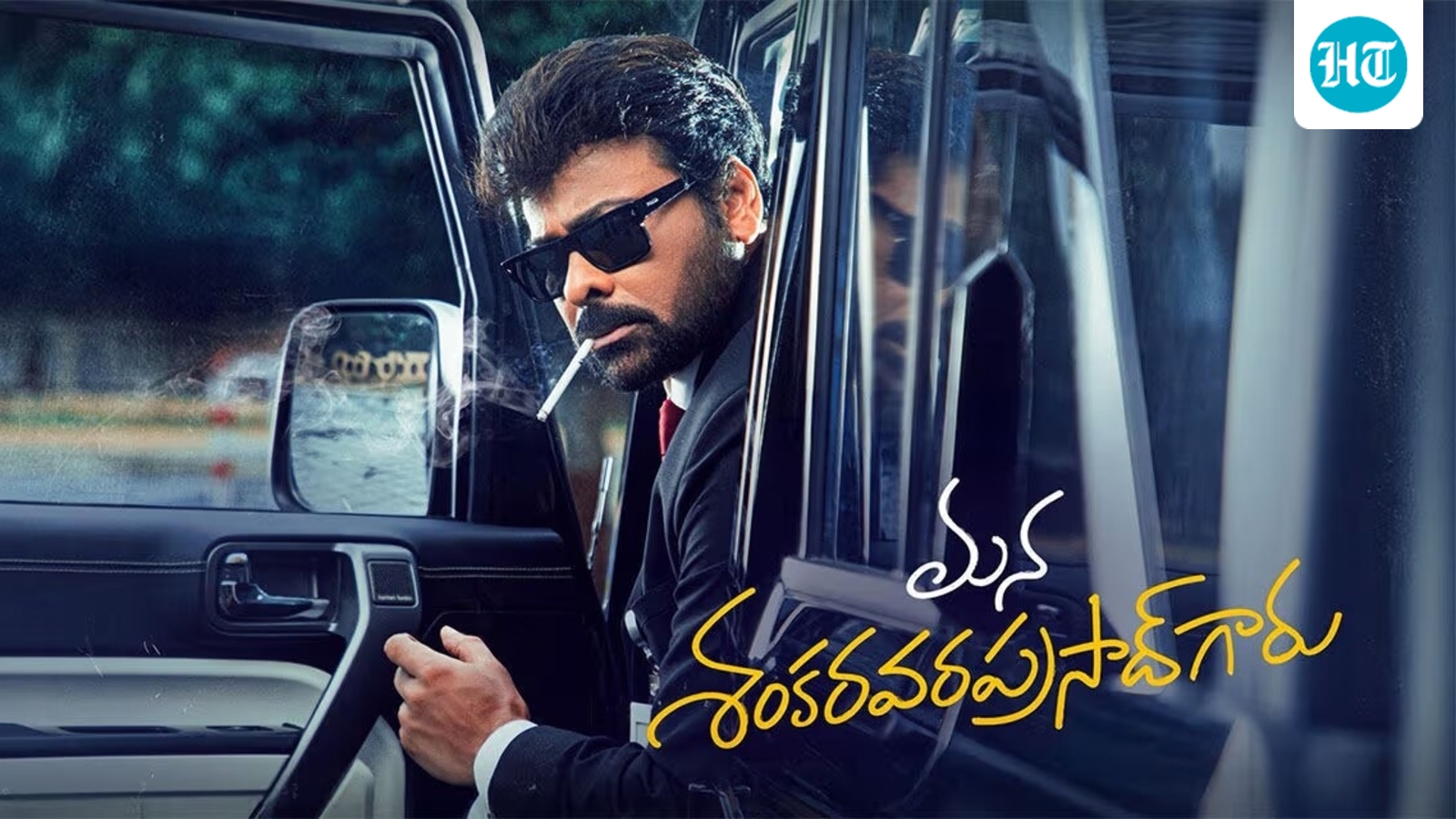
Mana Shankara Vara Prasad Garu: The return of vintage Chiranjeevi in a perfect commercial package

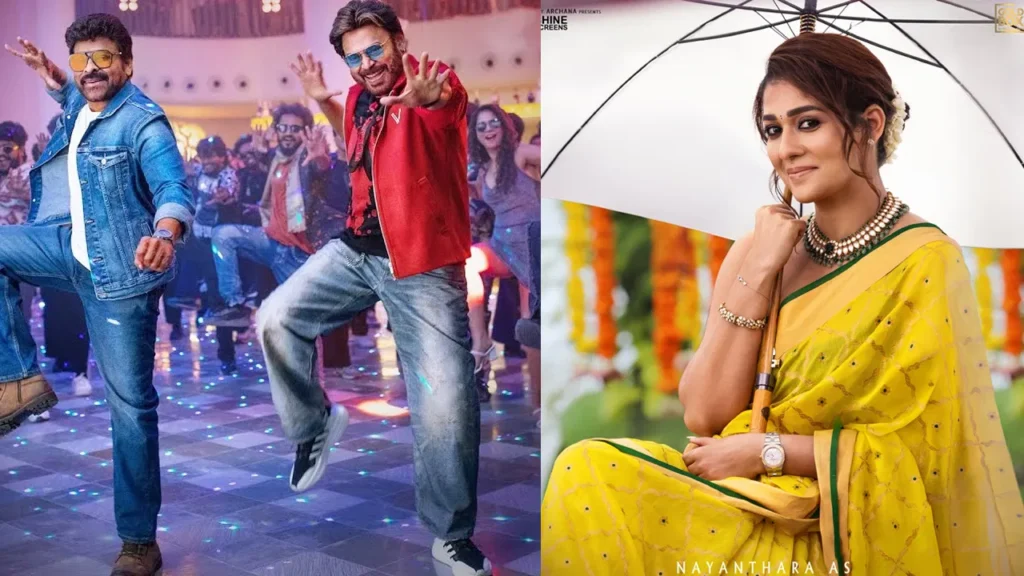
Director Anil Ravipudi takes a simple husband and wife reconcilation plot but packs it with the right garnishing. The self-deprecation associated with his heroes is in full flow here as well. Chiranjeevi puts up an all-around show embracing the zone of Anil Ravipudi with gay abandon. Daggubati Venkatesh in an extended cameo is an absolute riot too. The scenes between the two senior actors is high on fun.

Starcast: Chiranjeevi, Nayanathara, Sachin Khedakar, Abhinav Gomatam, Harshavardan, Daggubati Venkatesh and others

Genre: Comedy

Story, screenplay, dialogues and direction: Anil Ravipudi

Producers: Sushmita Konidela and Sahu Garipati

Production Company: Shine screens

Music: Bheems Ceciroleo

Cinematography: Sameer Reddy

Running time: 2 hours and 42 minutes

Among the young crop of directors Anil Ravipudi has the highest success rate delivering hits back-to-back. One of Anil’s biggest strengths has been his handling of stars whether its Venkatesh, Nandamuri Balakrishna, Mahesh Babu and now Chiranjeevi. The plots are often outlandish and not high on political correctness: Bhagavanth Kesari is somewhat of an exception to this with the strong message of female empowerment.

But what makes Anil Ravipudi tick is his strong conviction in narrating these outlandish stories. In a short span of time Anil Ravipudi has emerged as a successful commercial filmmaker with shades of late E. V. V Satyanarayana and Krishna Reddy. His latest Mana Shankara Vara Prasad Garu perfectly fits the typical template of an Anil Ravipudi entertainer. The story is wafer thin and sometimes stretched too but the presentation makes it an ideal Sankranti entertainer.

The plot in simple terms is about a middle-class man and NSG officer played by Chiranjeevi. Nayanathara’s Sasirekha is an extremely successful businesswoman with consecutive awards. The two were happily married once upon a time but in the present separated. After many years their lives are intertwined again due to a life threat to Sachin Khedekar’s JVR (he is the father of Sasirekha). How the reconciliation happens forms the spine of Mana Shankara Vara Prasad Garu.

A strong aspect of Mana Shankara Vara Prasad Garu is undoubtedly the return of vintage Chiranjeevi. The character has ample shades of comedy, romance, action and drama and Chiranjeevi attacks the part with relish. There are numerous scenes of self-deprecation in typical Anil Ravipudi style and Chiranjeevi raises many chuckles.

His interactions with the team members played by Harshvardhan, Abhinav Gomatam and Catherine Teresa are very funny to say the least. For example, there is a scene of Shankara Vara Prasad trying to reconnect with the two children by introducing himself as PT Teacher first and then taking things forward. The members in the team caution Shankara Vara Prasad saying that they need to make a proper plan. An overconfident Shankara Vara Prasad is dismissive resulting in a jeopardy.

Similarly, the second half portions of trying to woo back Sasirekha also results in many laughs. As far as the emotional scenes there are moments of pain when Shankara Vara Prasad talks about missing his family while seeing happy family gatherings, Chiranjeevi aces this as well with understated acting. This especially comes out when the daughter unaware of Chiranjeevi being the father talks about how he was a bad example of being a parent. For a moment there is a visible pain masked quickly by Shankara Vara Prasad.

The love story has its moments too like the scenes where the characters are seen communicating with just facial expressions and hand gestures. Both Chiranjeevi and Nayanthara bring in the required charm even though there is a hurried nature to how they fall in love.

Daggubati Venkatesh appears as a third angle adding to the fun element. The two senior actors share a fun camaraderie. Venkatesh as Venky Gowda has lot of fun especially in the scene of describing Sasirekha’s beauty much to the discomfort of Shankara Vara Prasad. The use of songs with Venkatesh dancing to Chiranjeevi’s tunes and Chiranjeevi to Venkatesh is also exciting to watch especially for the fans.

Nayanathara as Sasirekha plays the self-assured woman with grace even though the writing needed to be much better. How she becomes a very successful businesswoman is hardly explored. Also, the end suggesting that she has left business altogether and has become a traditional wife is quite problematic. Nevertheless, Nayanthara is solid in bringing out the tough attitude and a certain feistiness in living life on her own terms. Sachin Khedakar in a semi negative role is impressive as well in spite of the caricaturist portrayal. The actual villain track though is rather flat. It would have been much better if Anil Ravipudi skipped it altogether.

Gender politics has mostly been a problem with Anil Ravipudi’s movies, and this too isn’t an exception. A scene involving divorce laws caters to a stereotypical mindset painting women in a certain way. There is also a portion of Zarina Wahab as Shankara Vara Prasad’s mother talking about her husband slap and she immediately leaving him in anger. She later talks about coming back and the two having a heart-to-heart conversation. A thing like slapping a partner is a serious thing but Anil Ravipudi treats it in a casual manner making it appear as normal. Having said that it’s refreshing to watch the mother not requesting the former daughter in law to come back: as she rightly says marriage is a personal thing and Sasirekha has every right to go out. Zarina Wahab lends in a quiet dignity in spite of the less screen time.

The music of Bheems Ceciroleo gels perfectly with the movie’s Sankranti vibe. Both Sasirekha and ‘Meesala Pilla’ have been well integrated. The cinematography of Sameer Reddy is suitably lavish.

Final word: Mana Shankara Vara Prasad is an absolute treat for Chiranjeevi fans and those looking for a festive entertainer. The gender politics though is a different matter

The Raja Saab: Prabhas reigns supreme in this hit and miss

Maruthi’s latest directorial is a high concept horror comedy with elements of hypnotism and the power of human emotions: the results though are quite mixed. The emotional bond between Prabhas and Zarina Wahab has been etched well aided by strong performances. But the listless romantic subplots along with the songs slacken the narrative making it somewhat tedious.

Starcast: Prabhas, Zarina Wahab, Sanjay Dutt, Malivaka Mohanan and others

Genre: Horror comedy/drama

Director and writer: Maruthi

Producers: TG Vishwa Prasad, Vivek Kuchibotla and Ishan Saksena

Production Companies: People Media Factory and IV Entertainment

Music: S Thaman

Cinematography: Karthik Palani

Running time: 3 hours and 10 minutes

Maruthi has had an interesting journey starting from the low budget Ee Rojullo in 2012. Since then, he has grown by leaps and bounds directing films with stars. His heroes especially in Bhale Bhale Magadivoy and Mahanubavudu come with certain quirks. These quirks have generated ample chuckles making him a mostly successful director. The hero characterization in his latest The Raja Saab has elements which the director known for. At the same though the film’s commercial elements feel like a story force fitted into the mold of pan India cinema. This holds especially true of the three female leads presented in a very glamorous and sexually overt manner with little substance.

The story of The Raja Saab primarily focuses on Prabhas Raju and Zarina Wahab’s Gangamma. Gangamma is an Alzheimer’s patient needing constant care. She has a deep attachment to her husband’s memories played by Sanjay Dutt. We are initially given the impression of Sanjay Dutt’s character Kankaraju being a good person but as the movie progresses different layers come out. Raju’s desperate search for his grandfather leads to Hyderabad where secrets are unleveled about his grandfather’s dark past and how this ultimately shapes up the battle between grandfather and grandson.

The spine of The Raja Saab is undoubtedly the strong emotional thread between Prabhas and veteran actress Zarina Wahab. Their scenes together are both funny and moving. Raju’s constant frustration with Gangamma’s Alzheimer’s with her talks about the grand past along with her husband raises ample chuckles. For example, there is a scene early on where Raju threatens to walk out of the house annoyed with his grandmother’s nature. This is followed by a poignant moment of her making a promise to never bring up the topic again and then immediately forgetting. This leaves Raju bewildered.

Coming to the drama part the elongated pre climax stretch with shades of the Hollywood movie Inception as well our own Arundati is emotionally stirring. There is an extreme helplessness to Raju making the viewers feel for him, the viewers cheer for Raju when he finally finds a way to defeat Kankaraju and also saves his grandmother.

Zarina Wahab in the stretch resembling Arundhati is seen in a royal avatar, and the senior actress brings in the required authority with her voice modulation. The way she propels Raju to fight back in spite of all the hurdles is a delight to watch.

This stretch also has some fantastic action set pieces and good use of visual effects. Maruthi’s potential as a mainstream director can be felt here in the way he combines scale with content. However, it also has to be said that the direction is very inconsistent something which I will get to later.

Prabhas as Raju is refreshing to watch in a different avatar. The roles has different shades whether it’s being goofy, vulnerable and a strong fighting spirit driven by his love for grandmother. Prabhas is successful in bringing alive all these shades. Much like Kalki 2898AD the character here too isn’t invincible, and this comes out on more than one occasion.

Zarina Wahab brings in a much-needed depth as the Alzheimer’s patient. Her longing for Kanakaraju not knowing the reality of her husband makes the viewers feel for her.

Sanjay Dutt as Kanakaraju is successful in making the viewers detest him. It’s not the most unique role but Sanjay Dutt plays the part with the required abandon. He makes for more than a worthy opponent with his mind games and a strong ability in hypnotizing people. A particular mention must be of the scene between him and Boman Irani. It’s high on psychological play making the viewers anxious on how Raju will eventually defeat Kanakaraju.

A major problem with The Raja Saab are the forced commercial elements. The comedy hits the mark on numerous occasions thanks to Prabhas comic timing as well as the combination scenes with Saptagari and Prabhas Seenu. But the major issue here are the three heroines. None of them share any chemistry with the leading man. Malavika somewhat fares better than Nidhi and Riddhi Kumar. She gets a solid action sequence but soon the character becomes just like any other mainstream heroine.

The scenes of jealousy between Nidhi and Malavika with Raju caught in a thug of war makes the proceedings excruciating to say the least. The sudden appearance of Riddhi Kumar in the haunted haveli making it a quadrangle coupled with the song Nache Nache just makes the viewers impatient.

Even the misunderstanding between Prabhas and Nidhi leading to a quick separation just like the beginning of their love makes the viewers scratch their brains. The editing honestly needed to be much tighter cutting off the unnecessary fluff. The Raja Saab is again a reminder on how these big ventures are treating its heroines unlike the smaller films. Case in point last years The Girlfriend, Paradha and even the teenage rom com Little Hearts.

None of Thaman S songs make any impression, the background score though is much better especially in the climatic portions.

Final word: The Raja Saab is a worthy experiment from Prabhas but could have been a more wholesome experience.

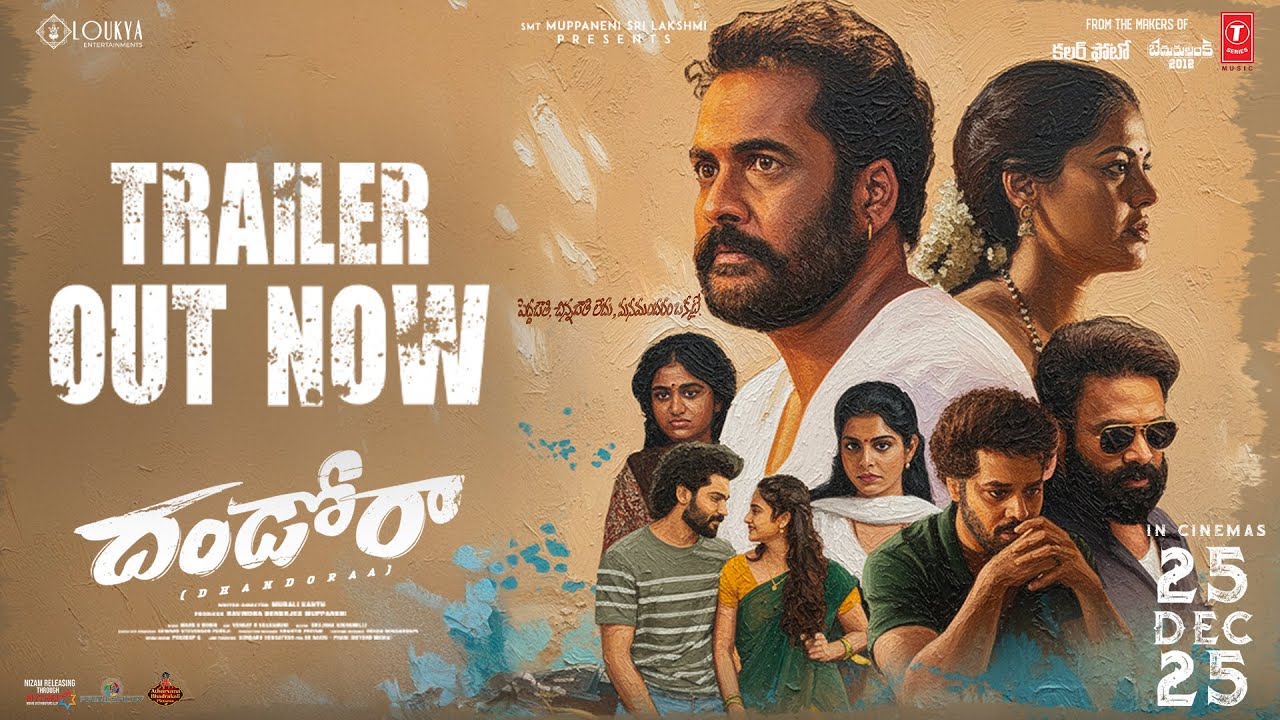
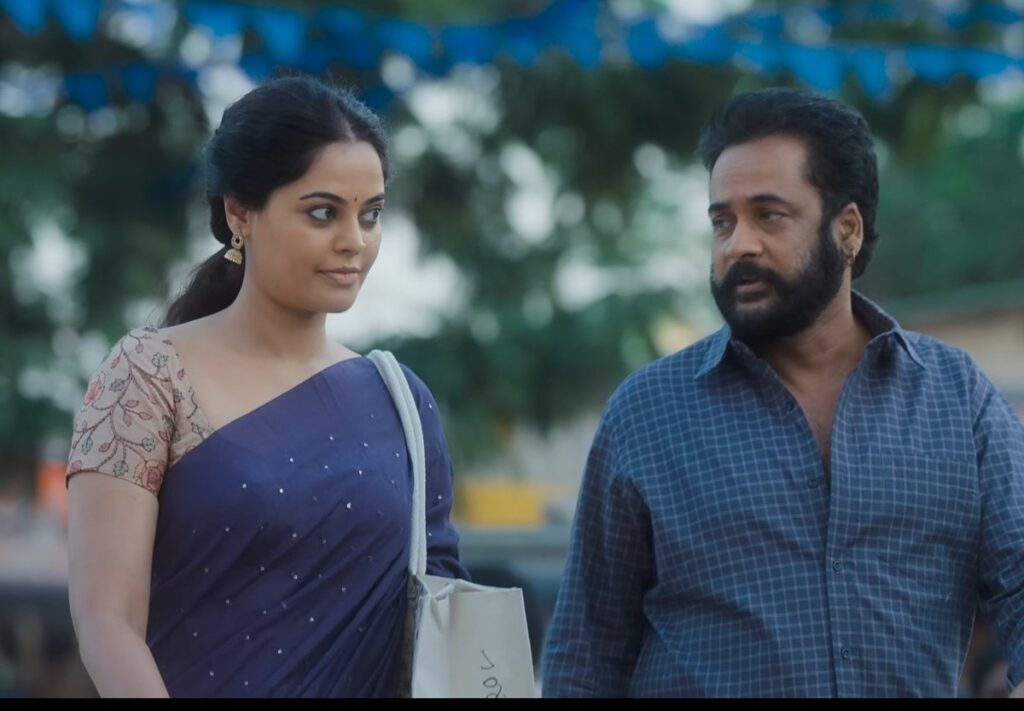
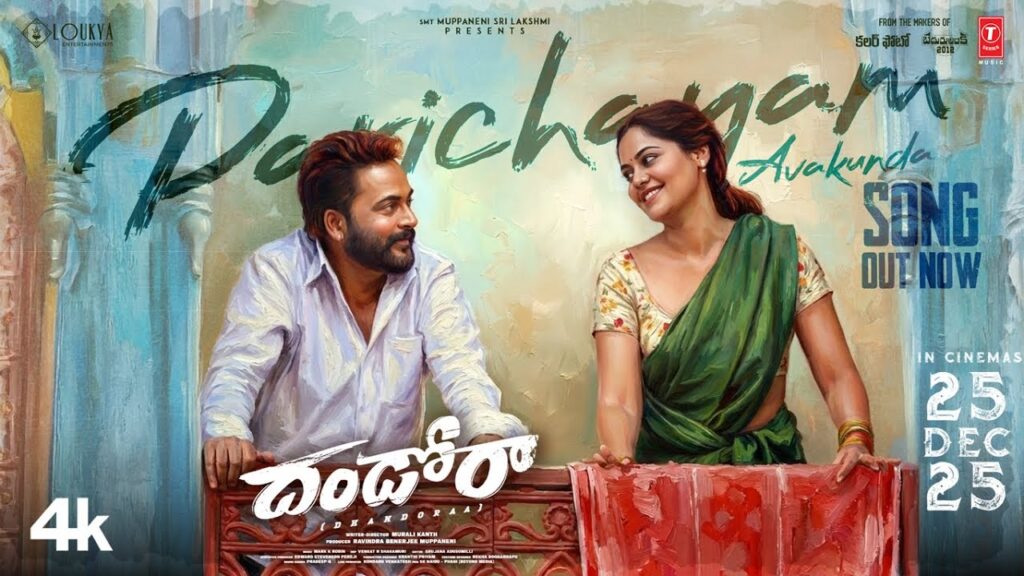
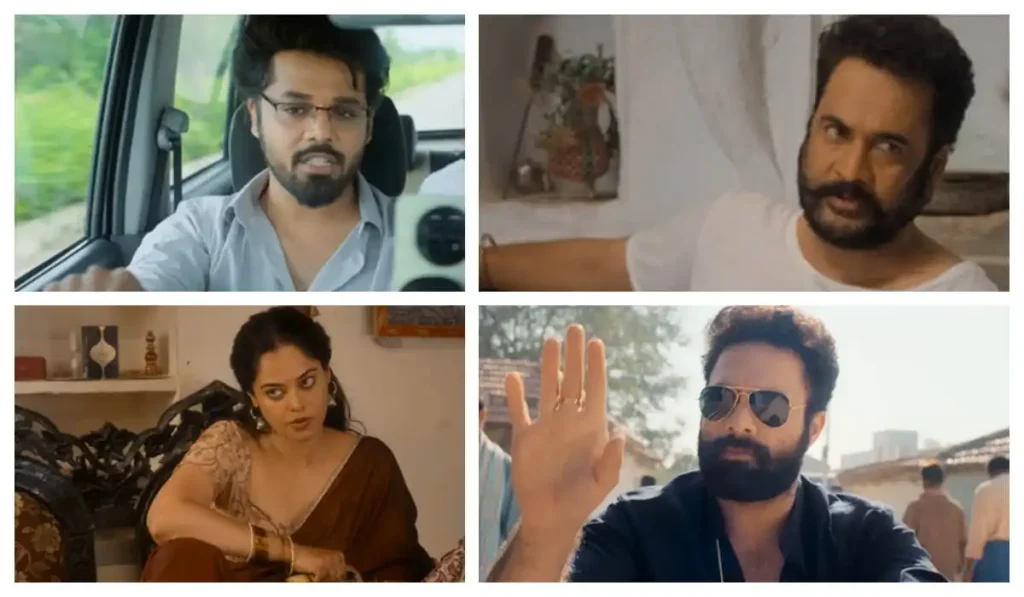
Dhandoraa: A strong anti-caste narrative with fresh dimensions

Director Muralikanth Devasoth takes a while to find his footing. The constant back and forth with abrupt tonal shifts makes it a little jarring: nevertheless, the movie is eventually successful in engrossing the viewers. The character graph of Sivaji is the biggest strength of Dhandoraa. From a caste bigot to undergoing social consciousness

Starcast: Sivaji, Nandu, Navadeep, Bindu Madhavi, Muralidhar Goud, Ravi Krishna and others

Genre: Social drama

Director and writer: Muralikanth Devasoth

Music: Mark R Robin

Cinematographer: Venkat Shakumari

Producer: Ravindra Benarjee Muppaneni

Running time: 2 hours and 15 minutes

Telugu Cinema has seen a major surge in terms of anti-caste and women centric narratives. This year itself you have had Court and Iravai Moodu. Two strong movies exploring different social hierarchies from the angle of caste in an effective manner. Dhandoraa directed by Muralikanth Devasoth belongs to a similar space but with a different thread. The movie explores the guilt of the anti-hero and how he eventually finds redemption.

The storyline of Dhandoraa in simple terms focuses on an upper caste farmer deeply obsessed with caste pride. How his regressive thought process affects the lives of the children and how the protagonist/antagonist learns from his huge mistakes forms the core of Dhandoraa

As already mentioned the biggest strength of Dhandorra is the solid graph of Sivaji. In the first half Sivaji’s act feels similar to the hit movie Court. The caste arrogance with an attitude of a dictator is very reminiscent of that one. However, in the second half the viewers see a different side. The scenes with Bindu Madhavi playing a prostitute showcase a humane nature. A man who is struggling to find inner peace with the daughter’s death and the son drifting far away. Though Bindu Madhavi plays a prostitute Muralikanth Devasoth treats her with dignity, never making the interactions crass.

Sivaji’s character cares deeply about her and that comes across in numerous scenes. For example, there is a portion where the friend uses a slur word and Sivaji immediately reprimands him. The two share some heartfelt conversations especially the scene leading to the character transformation. In spite of a wobblily dialect Bindu Madhavi does a very good job particularly in the scene where the character opens up about her dark past and also makes Sivaji introspect about his deep obsession with caste pride.

Sivaji continues his golden run of form with a very good act. Both the writing and Sivaji make sure that the role doesn’t become a caricature. The scene where he opens up about his wrong doings incurring the wrath of his fellow community is a solid example of the fine actor Sivaji is.

Nandu as the estranged son with different ideology is also good. There is a deep angst in the man which Nandu pulls off successfully. His character Vishnu isn’t perfect by any means: he has his own faults in his attitude towards the daughter character of Bindu Madhavi. A lack of sensitivity can be seen and Nandu nails all these shades. Navadeep plays a frustrated sarpanch with panache. His interactions with the oddball characters amidst the background of a funeral raises ample chuckles though it does take a while getting used to the screwball humor.

At the same time Navadeep’s role has an emotional pay off in the pre- climax. There is an important connection between the movie’s opening scene and the background from which he has become a sarpanch. This leads to an emotionally poignant moment which Navadeep pulls off well. Among the rest Ravi Krishna as one of the doomed lovers is entertaining while also delivering a strong act in a crucial scene of questioning Sivaji’s regressive attitude.

One of Dhandoraa’s flaws is the lack of sufficient build up for the love story. Better writing was needed to make the track more heartfelt. Also, abrupt shift of mood from tragic to screwball humor especially the first half doesn’t always land.

Music by Mark R Robin goes well with the mood of the movie. The song Pilla in particular makes for a good listen and watch. There is also a sad version of the same coming in at a crucial juncture. Venkat Shakumari’s cinematography is suitably rustic giving a lived in experience.

Final word: Dhandoraa is a fine addition to the list of anti-caste narratives. This is a worthy big screen watch especially for the performances and thought-provoking dialogues

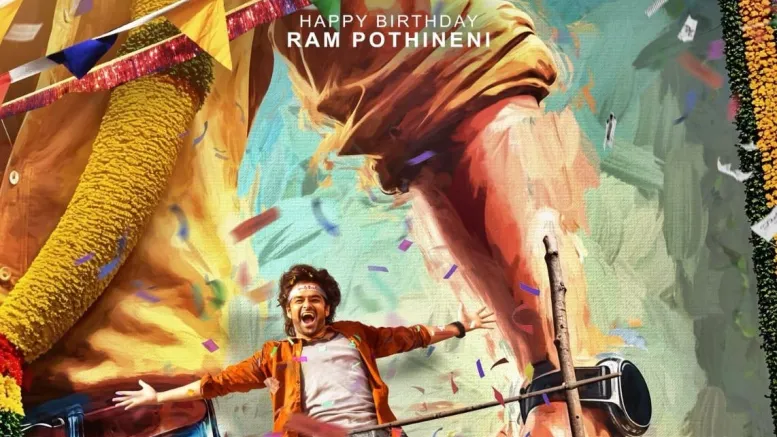
Andhra King Taluka: A fan’s engaging love letter

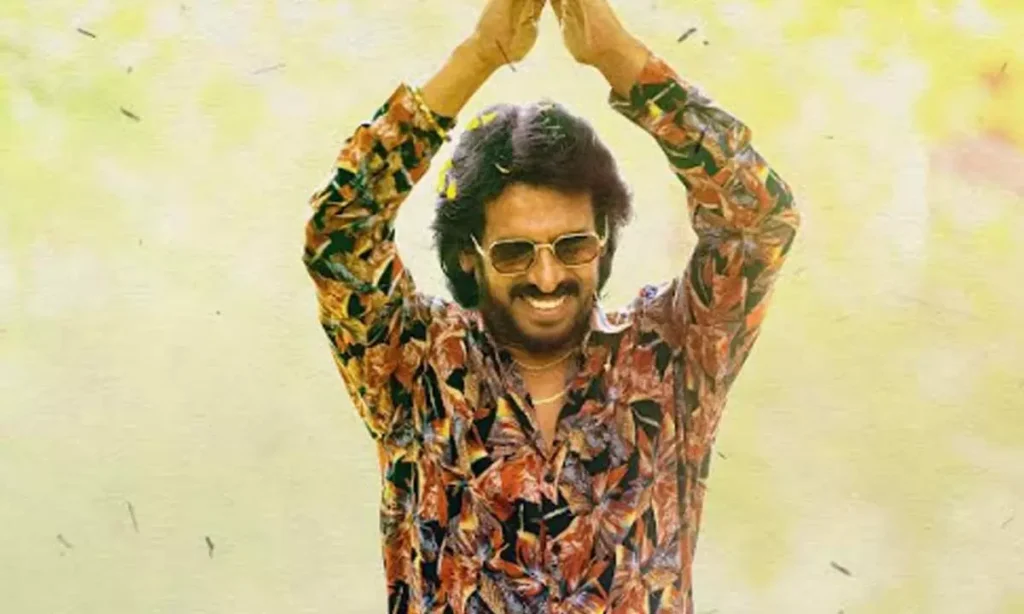
Unlike Maneesh Sharma’s Fan Andhra King Taluka does a much better job in using the emotional bond between a devotee and his favorite actor. Ram Pothineni finally gets a noteworthy part, and the actor does a very good in portraying the different nuances. Upendra in an important supporting role lends gravity as Sagar’s idol. The heartfelt conversations between the two is the soul of Andhra King Taluka. At the same time the underwritten love story plays a major spoilsport

Starcast: Ram Pothineni, Upendra, Bhagyashri Borse, Rao Ramesh, Murali Sharma and others

Genre: Drama/romance

Director and writer: Mahesh Babu Pachigolla

Producers: Naveen Yerneni and Yalamanchili Ravi Shankar

Production house: Mythri movie Makers

Music: Vivek Mervin

Cinematography: Siddartha Nuni and George C Williams

Running time: 2 hours and 43 minutes

There is something magical about the bond shared by a fan with his favorite actor or actress. You may never meet that person and he or she will probably never know about your existence. But the influence of the characters played by an actor that you adore stays permanently. This can be both positive and negative depending on the audience mindset. Movies about fans and their favorite stars have been made previously too but Andhra King Taluka holds a certain novelty. The freshness majorly comes from how Ram’s Sagar learns many life lessons from the on-screen characters of his idol. How the paths of Ram and Upendra meet leading to a heartfelt conversation is touching.

The story of Andhra King Taluka begins with the introduction of Upendra’s Surya. A major star going through a financial crisis now. His 100th movie is shelved and some people are after him to give the money back. At this crucial point a large amount is deposited in Surya’s account in the name of Sagar. Surya is curious about the identity of Sagar and on some research, it is found that Sagar is the president of fan’s association called Andhra King Taluka. Surya decides to meet Sagar personally leading to a life changing journey.

A strong aspect of Andhra King Taluka is the depiction of fan mania. Yes, Sagar’s excessive devotion towards Surya may across as melodramatic for some but anyone remotely aware of how fandom plays out will understand Sagar’s extreme love. There is an important flashback too explaining Sagar’s nervous issues. How in moments of fear he starts to stutter. A major reason for Sagar becoming more confident are the movies of Surya with numerous life lessons.

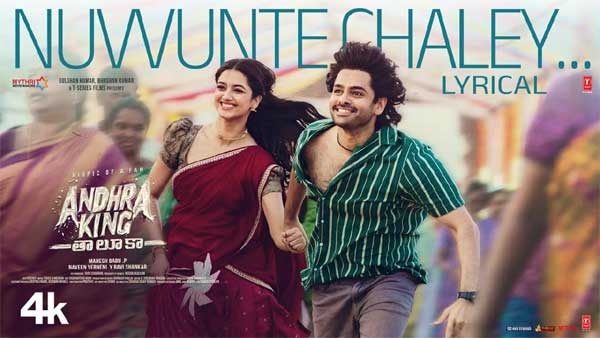
This gives an important emotional edge unlike Fan which portrayed fanism in a negative light. The issues of Sagar’s village in East Godavari and how the hero decides to make things better is also interesting. Its connected to Bhagyashri Borse’s Mahalakshmi. The romance between the two is severely underdeveloped nevertheless Bhagyashri Borse has a charming presence. The love ballad Nuvvante Chale featuring the two makes for a soothing listen and watch.

Andhra King Taluka also benefits from some strong dialogues written by Mahesh Babu Pachigolla himself. For example, there is a portion where Upendra says I may not be aware of who Sagar is but it’s because of fans like him that I am here. Similarly, the climax portion where Sagar talks about the numerous lessons Surya has given him is also touching.

The cinematography of Siddartha Nuni and George C Williams is eye pleasing. The visuals are in perfect sync with the movie’s feel-good tone. The music is also of a good order. The songs especially Nuvantee Chaley and Chinni Gundelo stand out for its melody and the colorful palette.

Ram as already said is top notch in the role of Sagar: whether it’s the devotion of a fan or the more intense moments like the fantastic pre interval block with Murali Sharma. Apart from Upendra Rao Ramesh as Sagar’s father also stands out especially in the scene where he backs up his son’s plans.

Coming to the flaws the love story as already said is severely undercooked. More scenes between Ram and Bhagyashri Borse would have enhanced the romantic parts. More so given the deep love that Sagar has for Mahalakshmi. There is also a moment with Sagar sacrificing something deeply emotional for an actor whom he has never met. This will appear silly for a section of audiences.

Final word: Andhra King Taluk makes for a nice feel-good movie especially if you have been a die-hard fan of any actor or actress.

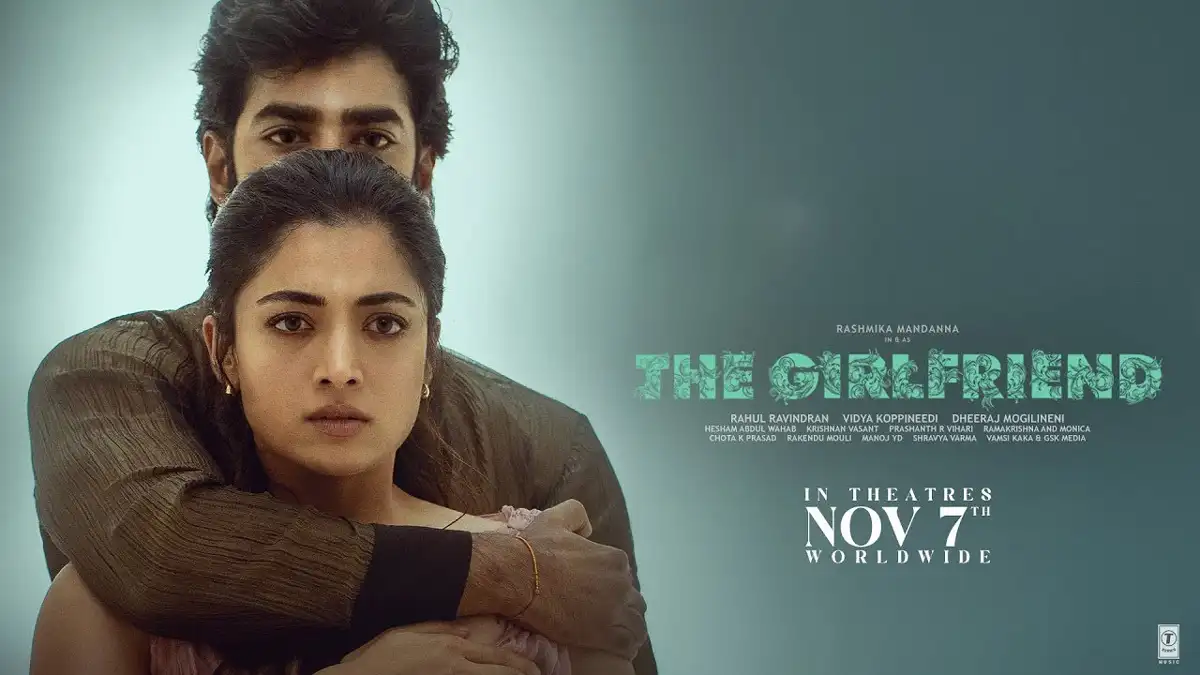
The Girlfriend: A strong slap to Arjun Reddy and Animal’s endorsement of toxic masculinity

Director Rahul Ravindran tells a much-needed tale of a young woman taking life into her own hands and not crumbling in timidity. Rahul Ravindran who has also written the story does an extremely fine job in analyzing why a certain kind of men prefer their partners to be a doormat rather than self-assured. The messaging might be a little too much in the face for a section of audiences but there is no doubt about The Girlfriend being a much-needed feministic tale

Starcast: Rashmika Mandanna, Dheekshith Shetty, Anu Emanuel, Rao Ramesh, Rahul Ravindran and others

Genre: Drama

Story, screenplay, direction and dialogues: Rahul Ravindran

Producers: Dheeraj Mogileni and Vidya Koppineedi

Production house: Geeta Arts and Dheeraj Mogilnineni Entertainment

Music: Hesham Abdul Wahab

Cinematography: Krishnan Vasant

Running time: 2 hours and 18 minutes

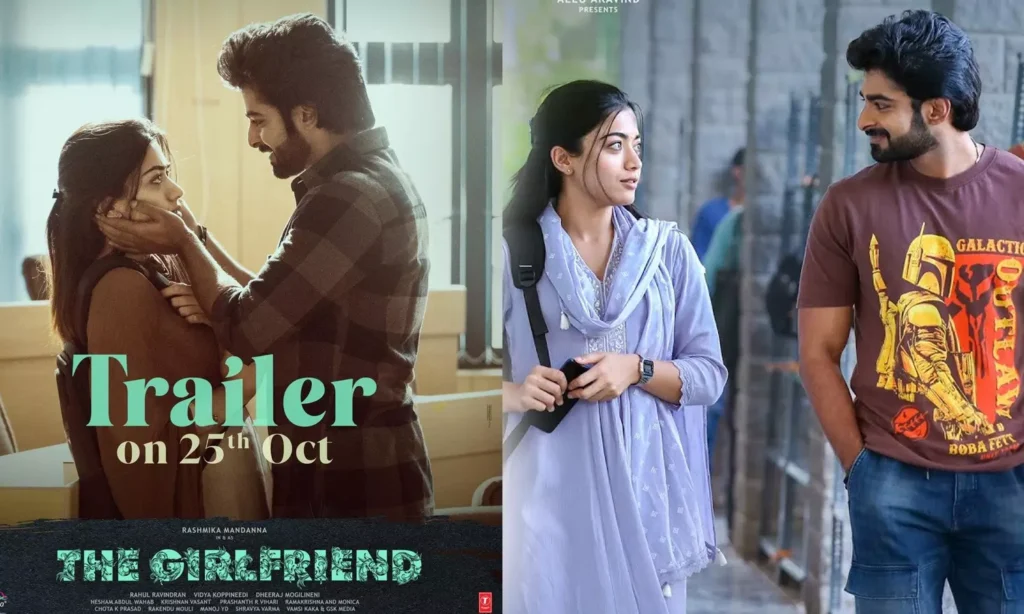
Its easy to see why The Girlfriend has been dismissed as female propaganda by some. The movie’s strong social commentary on controlling men and their belief system has been laid out in a stark manner. This obviously hasn’t gone down well with a section of men who consider feminism as a propaganda. The initial reels of The Girlfriend feels like a sequel to Sandeep Reddy Vanga’s Arjun Reddy in more ways than one. The characterization of Dheekshith Shetty’s Vikram right down to the entitled nature has a major echo of Vijay Devarakonda of that film. However, what separates a movie like The Girlfriend is the feministic gaze through which Rahul narrates the story. The gradual transformation of Rashmika Mandanna’s Bhooma from bearing the suffocation of a toxic boyfriend to eventually breaking the shackles has been dealt with the required sensitivity. By the climax viewers are rooting for Bhooma and when the moment comes with a Durga ma symbolism you want to clap hard.

Rashmika Mandanna and Dheekshith Shetty from The Girlfriend

The storyline of The Girlfriend primarily focuses on a soft natured girl Bhooma. Bhooma is an extremely timid personality with confidence issues. Her big solace are books making her choose MA English literature. Bhooma also has aspirations of becoming a writer Dheekshith Shetty is Vikram. The paths of Bhooma and Vikram cross leading to a tumultuous journey.

A strong aspect of The Girlfriend is the layered approach taken by Rahul Ravindran. The transformation of Bhooma becoming more assertive doesn’t happen in a jiffy. The film has numerous scenes showcasing Bhooma’s inner dilemmas through the use of magical realism and symbols. For example, there is fantastic pre interval sequence with Rohini Molleti. Rohini plays the mother of Vikram, she has no dialogues, but a palpable fear of her son’s aggressive nature comes out in a vivid way. she doesn’t make eye contact with the son for not even a second. There is a portion of Rashmika looking into the mirror while checking the album of her prospective mother-in-law. In the album a younger Rohini comes across as lively and Bhooma wonders why the woman sitting in front of her is so different. In the mirror Bhooma sees her future life in Rohini’s saree.

There is also a scene in the restroom where Rashmika feels the walls are literally closing on her reflecting the starting of suffocation. This use of imagery adds a lot to the movie’s emotional core. Rahul Ravindran also deserves credit for how he does a psychoanalysis of men like Vikram. The molding of a women into a more of a caretaker than an equal partner and the reasons behind this thought process has come out wonderfully. There is a very important scene in which Vikram extols his mother’s caring nature and further adds on how women of this generation cannot match to the older generation.

He concludes by saying temples can be built for mothers like them. There is also a casual mention of domestic abuse without any criticism. These small but important nuances add depth to both Bhooma and Vikram.

The Girlfriend also does a good job in celebrating a strong bond of sisterhood in the portions featuring Anu Emanuel and Rashmika. Anu Emanuel’s Durga initially has a major crush towards Vikram but his treatment of Bhooma makes her introspect. How the two bond over a play bringing a different side to Bhooma is a delight to watch in spite of the less scenes. Anu Emanuel lends in a lot of warmth especially in the scene where she strongly cautions Bhooma on Vikram not being the right guy for her.

Rahul Ravindran also has an extended cameo as literature HOD. The role is an extension of Rahul’s real-life beliefs on the importance of female autonomy. Yes, the conversations between Rashmika and Rahul spells out the message a little too explicitly nevertheless Rahul does a fine job in portraying empathetic nature.

The biggest ace of The Girlfriend though is Rashmika’s fantastic performance. The actress absolutely imbibes the different shades of Bhooma. Whether it’s the initial timidity or gradually taking control of her life. The actress especially shines in showcasing the suffocation of Bhooma just through body language. Similarly, she owns the climatic moments too with ma Durga symbolism. The confidence with which Rashmika let’s it all out in a large campus crowd will give goosebumps. Dheekshith Shetty as the controlling boyfriend with a regressive thought process also makes his presence amply felt. The role doesn’t slip into a caricature at any point thanks to both the writing and the performance. The way he gradually brings out the manipulative streak under a supposedly caring nature is a treat to watch. Rao Ramesh as Bhooma’s father has a short but important role. He holds a mirror image to Vikram even though the scenes are overdramatic.

The music of Hesham Abdul Wahab is soulful too. The climactic song “Needhe Katha” is very intense working as a perfect culmination for Bhooma’s journey. Krishnan Vasanth’s cinematography is also of a fine standard especially in the scenes of magic realism.

Final word: The Girlfriend isn’t for those looking for comfort but for fans of feminist stories with strong women the film is a treat to watch.