Saripodhaa Sanivaaram: A whacky tale of hot-headed men in a commercial format

Director Vivek Athreya talks about channeling anger in the right direction and not using it for futile reasons. The director brings his trademark quirks to a regular plot of good versus evil

  • Starcast: Nani, SJ Suryah, Sai Kumar, Priyanka Mohan, Aditi Balan, Abhirami and others
  • Director and writer: Vivek Athreya
  • Music and background score: Jakes Bejoy
  • Producer: D VV Dannaya
  • Production house: DVV Entertainment
  • Running time: 2 hours and 46 minutes

Vivek Athreya’s last Ante Sundaraniki was a simple rom peppered with a lot of situational humor, through the jokes he did a fine job in addressing our religious biases. In spite of a long winding screenplay the film has built a solid fan base over the years. Saripodhaa Sanivaaram is less indulgent, but the trademark Vivek Athreya’s touches are aplenty. On the surface Saripodhaa Sanivaaram is a regular vigilante story with a nod to Salim Javed’s angry young man. What makes the difference here though is the world building, a solid base for the hero villain conflict. The film also has interesting touches particularly the characterization of Sai Kumar, Sai Kumar’s character of an angry cop in police story doesn’t need a particular introduction, in a refreshing reversal Sai Kumar is seen as a peace-loving father constantly worrying about the consequences of his son’s anger. He is also seen cooking and cleaning, but Vivek Athreya doesn’t reduce him to a whimp giving the senior actor his own mass moment.

Building a solid base for the hero villain conflict

The broad storyline of Saripodhaa Sanivaaram is about an insurance agent Surya (Nani). Surya leads an ordinary life from Monday to Friday but on Saturday he unleashes his anger. The reason for the Saturday fixation is connected to the mother played by Abhirami, she was also aggressive in nature. The beginning portions establish how Surya’s sense of social justice comes from his mother. Even the sister played by Aditi Balan has her own temper and isn’t someone who cows down easily. On certain occasions Sai Kumar’s Sankaram feels like an odd one out trying to maintain balance. S. J Suryah ironically named Dayanand Daya also has anger issues, he shares a thorny relationship with the brother Kurmanand (a hilarious Murali Sharma). Since Kurmanand is an MLA Dayanand channels his frustration on the locality of Sokulapalem this colony is inspired from the famous Stuartpuram, their ancestors were thieves, and the present Sokulapalem people are the victims of a certain stigma. Whenever Dayanand wants to vent his anger, he comes to that place and inflicts torture on whomever he wants. It is just a matter of time before the worlds of Surya and Dayanand collide, this happens due to Priyanka Mohan’s Charulatha a newly appointed constable. The movie is divided into various chapters like the prologue, turn and knot among others.

A strong aspect of Saripodhaa Sanivaaram is the strong characterizations that Vivek Athreya gives to both the hero and villain. Both of them come across as two powerful entities. The director has also designed some interesting character traits. For example, S J Suryah’s character comes with shades of sarcastic humor, there are times where he goes from serious to jovial within a flash of second. These nuances add a lot to the role and the actor simply chews the scenery. His scenes with Nani though few in number are power packed. On certain occasions he even overshadows Nani with his powerful presence.

Nani’s Surya on the other hand is someone who suppresses his anger until Saturday and takes it out only when he feels the frustration is justified. For the father he is a tickling time bomb, and this leads to numerous laugh out loud moments. A certain warmth can also be seen at a crucial juncture when the father gives him an important advice. Nani as always does a fine job both in portraying both the boy next door and also the angry young man.

A certain warmth is also there

The romantic scenes with Priyanka Mohan are also filled with some fun moments. Particularly the meta references to Eega. Their love has been treated in a dignified matter. Priyanka Mohan’s Charulatha is someone who doesn’t like violence and stays away from confrontation. This trait comes across as an ode to Mani Ratnam’s classic movie Thalapathy.

The romance has been treated in a dignified manner

Mention must also be the portions involving S J Suryah and Murali Sharma. Their scenes again have undertones of humor, at the same time the viewers understand the origin of Dayanand’s skewed personality.Saripodhaa Sanivaaram also comes with a mythological reference to Krishna and Satyabhama ending Narakasura’s terror. There is an important message on how one shouldn’t rely on divine intervention, instead people must stand up for themselves. This has come out beautifully. The movie tries its best to not showcase Nani as the ultimate savior even though the climatic battle prominently features Nani and S J Suryah’s face off. At the same time, it has to be said that the people of Sokulapalem could have done with more fleshed out characters. At certain points they resemble a cliched helpless lot waiting for someone to change their lives. Similarly, no higher authorities keeping a check on Dayanand’s activities is hard to digest.

Jakes Bejoy’s background score elevates the drama on numerous occasions particularly the tense moments. Saripodhaa Sanivaaram is a good attempt a bringing some freshness within the good versus evil genre in spite of a few setbacks.

Thangalaan: Pa Ranjith’s movie feels like an arthouse subject force fitted into a pan India cinema

Pa Ranjith continues his repertoire of politically charged storytelling, but overdose of magic realism coupled with many symbolisms make it a very tedious watch

  • Starcast: Vikram, Parvathy Thirovuthu, Malavika Mohanan, Pasupathy, Daniel Caltagorine and others
  • Direction story and screenplay: Pa Ranjith
  • Additional screenplay and story: Azhagiya Periyavan and Tamil Prabha
  • Music: GV Prakash Kumar
  • Production Companies: Studio Green and Neelam Productions
  • Running time: 2 hours and 15 minutes

Pa Ranjith’s Thangalaan feels like a prequel to Prashant Neel’s massive hits KGF 1 and 2. Through this movie Pa Ranjith has showcased the origin of gold mining in the Kolar Gold Fields. Pa Ranjith is known for depicting socially relevant issues using big stars as a medium – case in point are the two movies made with Rajnikanth Kabali and Kaala. The latter in particular was an impactful movie. In this film too Pa Ranjith talks about the lower caste people deprived of their lands first by the landlords and then by the British who promise to give them dignity. Thangalaan would have been a good addition to Pa Ranjith’s repertoire if he had struck to the core plot, but unnecessary addition of magic realism coupled with a confusing screenplay make it an extremely boring movie. The film has its moments like the scene where the women wear blouses for the first time. Malavika Mohanan springs a pleasant surprise with her intense portrayal of a warrior woman, Parvathy Thirovuthu as Gangamma also delivers a praiseworthy act, but these aren’t enough to save this overstuffed movie.

Malavika Mohanan springs a very pleasant surprise

The story of Thangalaan focuses on a tribe of people making a living from agriculture. Vikram plays the central character. Thangalaan is haunted by certain visions of a warrior goddess Aarthi (Malavika Mohanan). Parvathy plays Thangalaan’s wife Gangamma. Pasupathy is another key member of the tribe. His role has a major aspiration of reaching Vaikuntam through Ramanuja’s teachings. His character is often used for generating humor. Things take an interesting turn when an Englishman Lord Clement (Daniel Caltagorine) asks the villagers to help him in locating the gold mines. Thangalaan firmly believes that gold will bring a positive transformation in their lives. Additionally, Lord Clement also promises a share in the gold along with a better standard of living, Thangalaan foolishly believes this. Locating the gold is easier said than done as a warrior woman was supposed to protect the area. This is the story in brief.

The positives in Thangalaan can be counted on the tip of one’s fingers. Malavika Mohanan as Aarthi is definitely one of them. Malavika is mostly known for her hot image but here the actress sheds all vanity getting into the skin of the role. There is a palpable anger in her eyes. Throughout the movie Aarthi makes more sense than the central character. Along with anger a certain concern is also there for Thangalaan. She constantly reminds him that he is not doing right. Malavika does an extremely good job in portraying these facets. Parvathy Thirovuthu is the feisty wife who doesn’t back down from confronting her husband when needed. Parvathy’s acting skills doesn’t need any specific introduction and here too she makes the viewers feel the emotional turmoil of Gangamma.

Parvathy as the feisty wife

One of the few memorable scenes in Thangalaan is the scene where the women wear blouses for the first time. There is a certain wonder in their eyes that is fun to watch. The song and dance sequence that follows makes for a good moment, a much-needed relief from the heavy bloodshed.

A major issue with Thangalaan is the characterization of Vikram. As an actor Vikram gave his usual hundred percent, but the characterization lets Vikram down. Thangalaan’s belief in Lord Clement having genuine empathy towards them feels terribly misplaced. He becomes the major reason for the tribe’s suffering, putting their life at stake ignoring Aarthi’s warnings. It is hard to think of Thangalaan as a leader, more so when he doesn’t listen to his own kin in spite of people dying around him. This sketchy characterization hampers the movie in a major way. The best example of this is the pre- climax where Thangalaan finally shows repentance but by then the damage has already been done.

As an actor Vikram gives his usual hundred percent

Thangalaan also suffers from way too much abstractness. There is a constant crosscut between Thangalaan’s visions of his ancestors and the present day. This juggling act adds to the viewers impatience. It becomes hard to follow the storyline because of it. Additionally, GV Prakash’s background music threatens to break audience’s ears. It is too loud and jarring.

To sum it up Thangalaan is Pa Ranjith’s Raavan (Mani Ratnam movie) moment. It is a massive downfall for a respected filmmaker who gave Rajinikanth one of his best movies Kaala. Watch it only if you are a die-hard Pa Ranjith or Vikram fan.

Vedaa: A flawed yet a gritty social drama that touches upon caste-based violence and discrimination

In spite of a bloated second half director Nikhil Advani delivers a hard-hitting tale based on real events. Sharvari Wagh has delivered her career best performance.

  • Starcast: Sharvari Wagh, John Abraham, Abhishek Banerjee, Ashish Vidyarthi and others special appearances (Tammanna Bhatia and Mouni Roy)
  • Director: Nikhil Advani
  • Writer: Assem Arora
  • Producers: John Abraham, Monisha Advani and others
  • Production Companies: Zee Studios, Emmay Entertainment and JA Entertainment
  • Music: Ammal Malik and Manan Bhardwaj
  • Cinematography: Malay Prakash
  • Running time: 2 hours and 36 minutes

Nikhil Advani has had a very interesting filmography starting from the romantic dramas Kal Ho Na Ho and Salaam e Ishq. He shifted gears successfully with the film D-Day a well-made action thriller. Nikhil further proved his versatility on OTT with the two seasons of Mumbai Diaries. Of course, the director has also fallen flat on his face with certain movies but there is no denying that Nikhil is a fascinating filmmaker. His latest directorial is based on some real-life incidents dwelling into the oppression of lower caste. Vedaa alternates between a social drama and a high-octane action thriller with dollops of blood. This mix doesn’t always work particularly the long-drawn climax however there is no denying that Nikhil Advani makes an important statement.

Vedaa alternates between a social drama and a high-octane action thriller

The story of Vedaa deals with an ambitious Dalit girl played by Sharvari Wagh. Vedaa aspires to be a boxer breaking the boundary of social stigma. However, that is easier said than done given her family background and the upper caste bigots. Abhishek Banerjee in his second release of the week plays an unhinged antagonist who firmly believes that one cannot toy with the firmly established caste system. The actor is simply phenomenal which I will elaborate on later. John Abaraham on the other hand is a typical hot headed solider who faces court martial for his rebellious streak. His character Abhimanyu comes to the village of Sharvari, his father-in-law stays here. Abhimanyu tries to lead a normal civilian life but an honor killing incident changes everything. Vedaa’s brother falls in love with an upper caste girl, she also reciprocates but expectedly there is no happy ending. Abhimanyu becomes the guiding force of Vedaa echoing Mahabharata.

Sharvari Wagh’s Vedaa aspires to be a boxer breaking free from social stigma

A strong aspect of Vedaa is how Nikhil Advani has showcased the humiliation that Dalits go through. Even after so many years of independence the social and economic conditions of Dalits leave a lot to be desired. There are some hugely disturbing scenes like the one where Vedaa is assaulted by upper caste hooligans, but she is not a position to fight back. There is also a scene where lower caste men rub their noses on the ground. Of course, the treatment is more in your in your face unlike Article 15 that was more nuanced but still these moments leave a strong impact.

Vedaa also benefits from the strong characterization of the central role. Sharvari Wagh starts off as a timid girl but gradually the character grows in confidence becoming a strong rebel. A scene which deserves a particular mention is Vedaa’s confrontation scene with the younger brother of Abhishek Banerjee’s character. A very violent fight ensues with Vedaa taking out all of her pent-up frustration. Sharvari proves to be a worthy action heroine, on a side note cannot wait to see her kick some serious ass with Alia Bhatt in Alpha.

Abhishek Banerjee proves himself as a supremely talented artist with his portrayal of Jitender Pratap Singh. The actor does a wonderful job in portraying an intimidating villain. He gives John Abaraham more than a tough fight in the hand-to-hand combat sequences. It is hard to believe that this is the same man who played the role of Jana in Stree 2. He is that good.

Abhishek Banerjee proves himself to be a supremely talented artist

The second half of Vedaa has numerous car chases and action sequences. These sequences offer a thrilling ride for the viewers. There is constant tension about how Vedaa is going to emerge victorious from all this. However, it has to be said that the fights become too elongated as well and the climax in particular becomes a never-ending saga. John Abraham’s Abhimanyu Kanwar is pumped with numerous bullets but still he stands up. The gritty texture of the first half is in complete odds with these scenes. Similarly, Abhishek Banerjee is seen walking normally even after being shot in the stomach.

Talking about John Abraham the actors hulk like presence goes completely with the role. Abhimanyu is a man of few words letting his fists doing the talk. However, John’s performance feels like a letdown in comparison to his character of Jim in Pathaan.

Vedaa’s music also leaves something to be desired. The only song that makes an impression is Arjit Singh’s ‘Zaroorat Se Zyada’. Malay Prakash’s cinematography coupled with Manoj Sikka’s sound design deserves a major appreciation. The hinterland of Rajasthan has a lived-in feel.

Vedaa in spite of some flaws is thought provoking making the viewers root for the titular character.

Stree 2 Sarkate Ka Aatank: A rollicking sequel with the right mixture of scares and humor

Apart from the horror and scares director Aamir Kaushik also does a fine job in blending impactful social commentary

  • Starcast: Rajkummar Rao, Abhishek Banerjee, Aparshakti Khurana, Pankaj Tripathi, Shraddha Kapoor and others special appearances (Varun Dhawan, Akshay Kumar and Tamanna Bhatia)
  • Director: Aamir Kaushik
  • Writer: Niren Bhatt
  • Producers: Dinesh Vijan and Jyothi Deshpande
  • Production Companies: Maddock Films and Jio Studios
  • Music: Sachin Jigar and Justin Varghese
  • Cinematography: Jishnu Bhattacharjee
  • Running time: 2 hours and 27 minutes

Aamir Kaushik’s Stree 2 is one of those few sequels that matches up to its first part. For those who haven’t seen Stree 1 the plot revolved around a female spirit wreaking havoc in the small town of Chanderi. This female ghost by the name of Stree attacked men at night that too during a particular festival period. She only kidnaps those men who turn around when she calls. Apparently looking into her eyes confirms permission to abduct. There is an underlying satire about how consent doesn’t matter for men. Women even in their non-human form are more evolved. Stree 1 had the right doses of suspense and humor along with a touching origin story. The film also benefitted from the fantastic male cast led by an adorable Rajkummar Rao. Not surprisingly Stree 1 was a major hit.

Stree 2 is one of these few sequels that matches up to the first part

Now you have Stree 2 again set in Chanderi. At the end of Stree 1 the female ghost had left the town, fear has been replaced by respect which was denied to her when alive. Instead of O’ Stree Kal Anna (O Stree, come tomorrow) the new instruction is O Stree Raksha Karna (O Stree, protect us) The mindset of Chanderi people has also undergone a significant change, they have become more liberal with woman marrying outside their caste and having big dreams. However, the peace is short lived thanks to a new demon who abducts girls with modern outlook. His name is Sarkate, a hugely grotesque creature with no head. This Sarkate had burned Stree and her lover alive. Once again, the responsibility of saving Chanderi falls on the shoulders of Vicky (Rajkummar Rao continuing his splendid form). Shraddha Kapoor returns back as the mysterious figure with whom Vicky deeply fell in love. Thankfully the viewers get to know more about her character this time around. Apart from Shraddha Kapoor Vicky gets help from his usual trusted allies Abhishek Banerjee as Jana and Pankaj Tripathi as Rudra. Aparshakti Khurrana as Bittu has as an interesting arc which I will get to later.

Shraddha Kapoor returns back as the mysterious with whom Vicky had fallen in love with

A strong aspect of Stree 2 is how Aamir Kaushik has used the character of Sarkate to explore the patriarchal mindset. Very often we see leaders blaming a women’s mindset for the crimes happening on them. The way Sarkate chooses only those girls who think beyond the traditional boundaries reminds the viewers of the numerous sexist leaders.

There is a hugely poignant moment in Stree 2 when all the Chanderi women break out in unison late into the night, fully aware of the dangers lurking. Stree 2 also touches upon women empowerment briefly while talking about the kidnapped girls. Aamir Kaushik doesn’t go very deep but still these moments are mighty effective.

The humor quotient of Stree 2 is also very strong. Niren Bhatt’s dialogues are filled with punches and often leave the viewers in splits. Abhishek Banerjee as the gullible friend often manipulated by his friends raises many laughs particularly in his interactions with Pankaj Tripathi’s Rudra. The way both of them feed on each other is wonderful to watch. Pankaj Tripathi as the ghost expert continues his great form delivering many laughs. He has also gets a charming romantic subplot with Tamanna Bhatia, it doesn’t last for long but makes for a fun watch.

Aparshakti Khurana as Bittu gets more to do this time around and he does a fantastic job. He is charming as the lover singing a lullaby to his girlfriend. His portrayal of anguish upon his girlfriend being taken away by Sarkate is palpable. At the same time there is a different shade too when Bittu becomes an alpha male as a result of Sarkate’s strong spell. The actor brings out both these shades in a wonderful manner.

Rajkummar Rao as Vicky is spot on in acing the different aspects of his role. Whether it is his lover boy act, or scenes of physical comedy. With this movie he once again proves his ability in jumping genres successfully.

The cameos of Tamanna Bhatia, Varun Dhawan and Akshay Kumar have been smartly integrated. Akshay Kumar plays a lunatic who thinks of himself as Shah Jahan. Akshay’s character is the one who sends a warning letter to Rudra in the beginning. The ending shot suggests that he might be an important part of Stree 3. Tamanna Bhatia sizzles in the special song “Aaj Ki Raat. She adds a lot of glamour with her sexy belly moves. Talking about the songs apart from “Aaj Ki Raat the other two “Aayi nai ” and “Tumhare Hi Rahenga Hum” also make for a good listen and watch. Varun Dhawan as Bhediya gets a dashing entry at a critical juncture. His scene with Abhishek Banerjee deserves a particular mention. Varun’s Bhediya gets attracted to Shraddha and asks him on how to impress her. In response Abhishek Banerjee says that you are Bhediya remain like that and don’t become an animal.

Tamanna Bhatia in Aaj Ki Raat

What drags down Stree 2 much like the first part is Shraddha Kapoor’s character. She has the same set of expressions from Stree 1. The romance between her and Rajkummar feels largely one sided with him doing most of the heavy lifting. The sequences of Sarkate meeting his end also needed to be crisper. The viewers get a feeling of eternity before Sarkate gets defeated.

Keeping aside these small niggles Stree 2 is truly a blockbuster sequel.

Mr. Bachchan: A Masala Treat For Ravi Teja Fans

Harish Shankar does a fine job in molding the central character, but a palpable sense of danger is missing

  • Starcast: Ravi Teja, Bhagyashri Borse, Jagapathi Babu and others special appearance (Siddhu Jonnalagadda)
  • Director and writer: Harish Shankar
  • Original story: Ritesh Shah
  • Based on: Hindi movie Raid (2018)
  • Producer: T. G Vishwa Prasad
  • Production house: People Media Factory Banner
  • Music: Mickey J. Meyer
  • Cinematography: Ayananka Bose
  • Running time: 2 hours and 35 minutes

Harish Shankar is one of those few directors with a good track record in making successful remakes. Gabbar Singh the remake of Dabbang gave a much-needed commercial hit for Pawan Kalyan. A major reason for Gabbar Singh success was how he integrated the trademark Pawan Kalyan quirks and eccentrics. Similarly, Jigarthanda was remade as Gaddalakonda Ganesh. For Varun Tej Gaddalakonda Ganesh was a breakthrough movie. On the other hand, Harish Shankar hasn’t found much success while directing original stories. After a hiatus the director is back with the Hindi remake of Raid Mr. Bachchan. Raid was an intense thriller taken from a real-life income tax raid. It was the longest ever raid to have happened. Director Raj Kumar Gupta made sure that the proceedings were taunt with no unnecessary commercial elements. Sure, the film had a few romantic numbers and also some romance between Ileana D’Cruz and Ajay Devgan but that didn’t hamper the film’s flow. Mr. Bachchan on the other hand is more commercial in sync with Ravi Teja’s mass image. This remake has ample doses of action sequences, mass numbers where Ravi Teja shakes a leg with a much younger heroine etc.

Mr Bachchan and Raid

Mr Bachchan begins off with establishing the honesty of Indukuri Anand who is also called as Mr. Bachchan. He has done many raids earning a good reputation. However, a particular raid leads to his suspension. Indukuri Anand comes back to his hometown. There is a specific reason behind Indukuri also being called Bachchan. The father played by Tanikella Bharani is a huge fan of Shahenshah Amitabh Bachchan, it goes without saying that Ravi Teja too is a big fan of Amitabh Bachchan in real life. Coming back, the father decides to keep the name of Bachchan as a nickname for his son. There is an entire sequence where Ravi Teja enacts scenes from Deewar and Shahenshah among others. In his hometown Bachchan falls in love with Jikki (Bhagyashri Borse). While the love story is going on Mr. Bachchan path crosses with that of a powerful politician Mutyam Jaggaya (Jagapati Babu). Later on, Anand’s suspension is revoked, as part of duty Indukuri lands in Mutyam Jaggaya’s house to unearth all the black money and gold. How his personal and professional life gets entwined with Mutyam Jaggaya is the core of Mr. Bachchan.

Ravi Teja enacting scenes from Deewar and Shahenshah among others
Ravi Teja and Bhagyashri Borse

Not surprisingly the soul of Mr. Bachchan is Ravi Teja’s energetic performance. He does well as a determined IT officer and is also charming in the romantic scenes. The confrontation scenes with Jagapathi Babu have some nice punches particularly the dialogues about honesty and how he will shower the power of an honest Income tax officer.

The romance between Ravi Teja and Bhagyashri Bose is developed through old songs and her visits to the place of cassette recording. These portions have a certain oldworld charm. Bhagyashri Borse lends the necessary glam quotient and is also fairly effective in the intense scenes.

Bhagyashri Borse adds to the glam quotient

Jagapathi Babu seems to have stepped straight out of Aravinda Samatha sets. The senior actor doesn’t match up to Saurabh Shukla’s towering act, nevertheless Jagapati Babu does make for a formidable adversary and does a fine job in showcasing Mutyam Jaggaya’s frustration. However, in terms of characterization Saurabh Shukla’s Tauji was more layered. The actor coupled with the writing brought a certain humanity. There are scenes in Raid where there is a palpable anguish in Tauji’s eyes about his own family’s incompetence. This is absolutely missing in the remake.

Jagapathi Babu makes for a formidable adversary

Another problem with Mr Bachchan is the characterizations of the team members. Amit Sial in Raid had a very important role. He goes from being Tauji’s mole to developing a conscious. Here they have been written in extreme broad strokes. Coming to Siddhu Jonnalagadda’s cameo the young actor impresses with his charismatic style and trademark dialogue delivery.

Micky. J Myers music is suitably massy with some energetic dancing from Ravi Teja and Bhagyashri Borse. Ayananka Bose’s cinematography is lavish,

Mr. Bachchan is best watched without comparisons to Raid. For hard core Ravi Teja fans there is enough to enjoy.

Raayan: Solid performances along with the technical department elevate a familiar saga of gangster wars and a protective brother

Dhanush does a good job in establishing the emotional bond of the siblings particularly the strong characterizations of Sundeep Kishan and Dushara Vijayan

  • Starcast: Dhanush, Sundeep Kishan, Kalidas Jayaram, Dushara Vijayan, S.J. Suryah, Prakash Raj, Aparna Balamurali and others
  • Director and writer: Dhanush
  • Music: A. R. Rahman
  • Production Company: Sun Pictures
  • Cinematography: Om Prakash
  • Running time: 2 hours and 25 minutes

Dhanush is one of those few actors who is both a bankable star along with being a fantastic performer. His name comes with a certain weightage. Raayan is Dhanush’s 50th movie, naturally there are some expectations of it being a solid one. Raayan is also the second movie directed by Dhanush after Pa. Pandi.

For his second venture Dhanush has chosen an emotional story of four siblings who flee from their village and come to the city of North Chennai. Raayan (Dhanush) is the elder one. The youngest one is Manickam (Kalidas Jayaram). The second youngest is Muthu (Sundeep Kishan). Durga (Dushara Vijayan) is the sister, she is the binding factor. All the four have their own distinct qualities. Their lives undergo a drastic change when Raayan finds himself sandwiched in a power struggle between two gangsters Sethu (SJ Suryah) and Durai (Saravanan). There is also a new cop in town played by Prakash Raj. Prakash Raj wants to turn the two gangsters against each other so that the city will become clean. This is the story in brief

Dhanush has chosen a strong emotional story of four siblings

There is no denying that Raayan gives a major deja vu of some previous movies set in the gangster milieu. Even the stoic nature of Raayan is far from novel. The viewers can predict the violent persona of Raayan that will eventually come through. However, what makes the movie somewhat engaging are sibling dynamics that come with a few unexpected twists and turns. Dhanush has made sure that the movie doesn’t become a one- man show.

Sundeep Kishan as Muthu gets a chance to display a wide spectrum of emotions and the actor doesn’t disappoint. The way he portrays the emotional turmoil of Muthu during a key sequence of the second half in particular deserves a lot of praise. Dushara Vijayan has a very meaty part never reduced to a doormat sister. Dushara Vijayan portrays her fiery character in an excellent manner. She even upstages Dhanush in some sequences.

Sundeep Kishan as Muthu gets a chance to display a wide spectrum of emotions

As Raayan Dhanush is mostly seen in a brooding manner, he emotes through his eyes and overall body language. Dhanush’s role of a protector is similar to the one already done in Asuran, nevertheless the actor impresses with his trademark intensity. Selvaraghavan also makes for a perfect guardian with his calm demanor.

Dushara Vijayan has a very meaty part and not reduced to a doormat sister

Om Prakash’s cinematography goes perfectly well with the mood of the movie. His frames perfectly capture the dangers lurking around. A. R Rahman’s music and background score also elevate the movie in many places. My favorite song of the album is “Uusure Nee Thaane,” this comes in the first half and perfectly captures the emotional bond among the siblings.

A major drawback for Raayan is the lack of development in Prakash Raj’s role. He gets a grand entry but ends up being a mere puppeteer in the larger scheme of things. His mind games are thoroughly uninspiring to say the least. He never comes across as an authoritative figure which was the need of the role. The film’s action while thrilling to watch also feels overdone after a point. The constant slashing and bone crunching makes the movie look like an assemblage of violent scenes. However, an action sequence in hospital where Dushara Vijayan takes on the bodies deserves distinction marks for the way it has been choreographed.

The story’s basic arc is of betrayal and revenge, something done to death. As a result, the viewers feel no major high at the end of the movie.

To sum it up Raayan doesn’t completely match the high standards that Dhanush has set for himself.

Maharaja: Vijay Sethupathi and the non-liner storytelling elevate a standard revenge story.

The movie also deserves appreciation in how it portrays a rape survivor who wants to confront her attacker telling him in clear terms on how she isn’t going to live in shame.

  • Starcast: Vijay Sethupathi, Anurag Kashyap, Sachana Namidass, Natarajan “Natty” Subramaniam and others
  • Director and writer: Nithilan Swaminathan
  • Producers: Jagadish Palaniswamy and Sudhan Sundaram
  • Production Companies: Passion Studios etc.
  • Cinematography: Dinesh Purushothaman
  • Streaming site: Netflix

Some movies are elevated through a gripping screenplay more than the plot. Nithilan Swaminathan’s Maharaja is a very good example of this. On the surface it is about a father who wants to catch the perpetrators who have caused mayhem in his simple life, what makes the movie engaging though in spite of the gruesome violence is the back-and-forth narrative along with the intricate setting that throws in a lot of clues making the viewers think.

Contrary to the title Vijay Sethupathi’s Maharaja is no king nor is he some business magnate. He works in a saloon. The life of this Maharaja revolves primarily around two things. One is his work, and the other is the daughter Jyothi (Sachana Namidass). Jyothi is a spirited teenager with dreams of being an athlete. It may sound bizarre but both of them worship a dustbin by the name of Lakshmi. We are told that this dustbin had saved Jyothi’s life. In an outlandish turn of events Maharaja goes to the station to file a case about a missing dustbin. The cops take him for a crazy guy and try to throw him out of the station, but Maharaja doesn’t budge constantly saying that he wants the dustbin back. Eventually the police agree to look into the case as Maharaja offers a huge amount of the money. What starts off as a simple case unravels many secrets leading to many twists and turns.

Vijay Sethupathi as the doting father

A strong aspect of Maharaja are the police station scenes where Vijay Sethupathi pleads to the cops about the missing dustbin. Yes, the scenarios may appear ridiculous but the earnestness with which Vijay Sethupathi repeats the story is amusing and moving at the same time. Although the viewers are laughing there is an undercurrent of tension too.

Vijay Sethupathi Maharaja talking about the missing dustbin

While the investigation is going on Nithilan Swaminathan introduces the viewers to another important character played by filmmaker and actor Anurag Kashyap. Anurag Kashyap is also a common man called Selvam. Selvam is a loving father to his daughter Ammu but there is a dark side to his life unknown to the wife. Initially the viewers wonder how this man is connected to Maharaj’s life but the director has connected the dots expertly. The police characters lead by Natarajan “Natty” Subramaniam have also been written fairly well. They start off as a bunch of opportunistic cops but end up developing a conscience towards the movie’s end.

Anurag Kashyap as the other father who has secrets of his own

It goes without saying that Vijay Sethupathi is the backbone of Maharaja. In the police station scenes, he leaves you in splits, at the same time his portrayal of a desperate father touches an emotional chord. Anurag Kashyap’s lip sync does take some time getting used to, but he brings in the required menace, at the same time there is a major reveal related to his character in the climax, this humanizes Selvam and Anurag’s breakdown deserves distinction marks. Among the rest Sachana Namidass shines in one intense confrontation scene.
Some portions of Maharaja though could have done with better writing. Case in point Mamata Mohandas as the PTI teacher Aasifa.  She is a mother-like figure to Jyoti. The bond needed more impactful scenes for the viewers to feel the motherly love of Aasifa, another problem with the movie are the gruesome scenes of violence involving the women. Particularly bothersome is a scene meant to establish the villainy of Selvam and co. The close-up shots make it nauseating.

Bharateeyudu 2: A bloated sequel which doesn’t have the emotional complexities of the 1996 blockbuster

Director S. Shankar does a better job in the second half when he touches upon the consequences of cleaning corruption in your home. The ostracization that Siddarth’s Chitra Aravindan faces does touch the viewer’s heart, but the movie doesn’t come across as a whole

  • Starcast: Kamal Haasan, Siddarth, Samuthirakani, Kalidas Jayaram, Bobby Simha, Rakul Preet Singh and others
  • Direction, dialogues, story and screenplay: S Shankar
  • Producers: Subaskaran Allirajah and Udhayanidhi Stalin
  • Production Companies: Lyca Productions and Red Giant movies
  • Running time: 3 hours
  • Music director: Anirudh Ravichander
  • Cinematography: Ravi Varman

The genre of vigilante movies owes a lot to Shankar. Many of his movies have tackled corruption and featured crusaders of different natures. For example, in Gentleman and Aparichitudu (Anniyan) in Tamil, the protagonists took extreme measures to wipe out the rot in the system. On the other hand, there was Mudhalvan, where a television presenter ended up becoming a Chief Minister. In Mudhalvan, it was about repairing the system while staying within it.

Coming to the 1996 movie Bharateeyudu, it was one of its kind for those times. Apart from Shankar’s typical vigilante tropes, the movie also had some solid emotional drama with the vastly different viewpoints between Senapathy and his son Chandru, both played by Kamal Haasan. The writing and direction had shades of nuance, with Chandru not being painted as an all-out villain.

After a long gap of 28 years, the sequel is here, and the typical elements of Shankar, like long-drawn speeches and rants on corruption, have clearly worn out. It is high time that he finds a new cinematic language while talking about the same issues.

Indian 1 and 2. Shankar needs to change his cinematic language while talking about the same issues.

Indian 2 begins with the introduction of Siddarth’s Chitra Aravindan and his three friends. They run a YouTube channel called ‘Barking Dogs’. This channel makes political satires using the comic strips of R.K. Laxman. They can be called digital media activists. The channel receives a lot of views, but there isn’t much of a ground impact. In this situation, Aravindan believes that only Senapathy, aka Indian Thatha, can clean the rotten system. They start a campaign with the name ‘Come Back Indian’. Aravindan firmly believes that Senapathy is alive even after all these years, and his hunch turns out to be true. In a Facebook Live video, Senapathy tells all the youngsters to focus on exposing the corrupt individuals within their families while he would wipe out corruption through extrajudicial methods. However, this two-way route comes with its own dire consequences that severely affect both Senapathy and Siddarth and his friends. Running parallel to this is the track of Bobby Simha, a CBI officer hot on the trail of Senapathy. He is the son of the inspector Krishnaswamy from the 1996 film, played by the late Nedumudi Venu.

Siddarth runs a YouTube channel Barking Dogs

The first half of Bharateeyudu 2 is a slog in more ways than one. The typical elements of Shankar are dialed up 100 notches. There are excessive dialogues on corruption, and the way Senapathy comes back to India appears very convoluted. The tweets of Come Back Indian trending so fast feel comical, to say the least. The rich businessmen that Senapathy kills seem to be an amalgamation of Vijay Mallya and Nirav Modi. All of them are North Indians with a big appetite for wearing bling clothes. Senapathy uses different martial art techniques.

All of them come across as irritating caricatures rather than flesh-and-blood characters. The conversations of Kamal Haasan with these men play out way longer than needed and border on utter ridiculousness. For instance, a rich man gallops like a horse for a long distance after Senapathy strikes him. As audiences, you are completely unmoved because of the flat writing and staging.

However, Shankar does redeem himself in the second half, particularly in the scenes that showcase the aftereffects of Senapathy’s advice. Chitra Aravindan exposes his own father, resulting in severe discord with his mother, who eventually ends up committing suicide. Chitra Aravindan isn’t even allowed to perform the last rites, facing severe ostracization. Siddarth’s showdown with Kamal Haasan has some powerful dialogues where the character questions Senapathy on how his advice of first cleaning up corruption in your own house may look like a great idea but in reality has dire consequences. He further adds that what is the point of having a corrupt-free society when you don’t have a happy home. From being loved by youngsters, Senapathy goes to being the most hated. Senapathy also briefly faces public ire; they throw stones at him. This portion comes late in the second half but saves the movie from being a complete washout.

Siddarth’s showdown with Kamal Haasan

Mention must also be made of the few scenes between Siddarth and Samuthirakani. The emotional scene where Samuthirakani’s character asks his son why he did this, and the subsequent dialogues make a powerful impact. Siddarth scores as an actor, particularly in these scenes.

As Senapathy, Kamal Haasan makes the viewers believe in the superhero qualities of his role. Yes, the role doesn’t pack the same emotional resonance as it did in 1996, but to Kamal Haasan’s credit, he does sell the big speeches.

The music of Bharateeyudu 2 is nowhere close to the first one; however, the background score by Anirudh Ravichander is impactful in a few scenes. The action sequences are way too prolonged and quickly become tedious. Shankar’s eye for grandeur does make the movie a visual feast, but the storyteller Shankar is absent for the most part.

Kill: Visceral action yet a thrilling ride

Kill movie banner

Director Nikhil Nagesh Bhatt elevates a standard action plot by bringing class divide and blurring the lines between what we consider as hero and anti hero.

  • Starcast: Lakshya, Raghav Juyal, Tanya Manikatla, Abhishek Chauhan, Ashish Vidyarti and others
  • Director and writer: Nikhil Nagesh Bhatt
  • Music: Shashwant Sachdev and Vikram Montrose
  • Cinematography: Rafey Mehmood
  • Producers: Karan Johar, Guneet Monga etc
  • Production houses: Dharma Productions and Sikhya Entertainment

On surface the plot of Kill may appear as a series of action sequences, a show reel for debutant Lakshya to establish himself as a massy hero who can vanquish villains even after facing severe blows.  But what makes Kill different from other violent movies is a strong emotional poignancy. The character graph of Lakshya’s Amrit Rathod from a commando who initially just wants to control the situation to eventually becoming a bigger monster has strong undercurrent of emotions. As the movie progresses Nikhil Nagesh Bhatt questions our notions of what we consider as hero and anti-hero. No wonder Kill got rave reviews at the Toronto International Film Festival, kudos to Karan Johar for giving a movie like this a significant platform along with Guneet Monga.

The initial minutes of Kill are devoted to the love story between Amrit Rathod and Tulika (Tanya Maniktala). Tulika is returning to Delhi after a reluctant engagement. Amrit and his fellow commando/ friend Viresh (Abhishek Chauhan) are also on the same train. Amrit is making plans on how to convince his future father in law with the help of Viresh. A romantic story soon turns into a catastrophic night thanks to a group of dacoits (armed robbers). The leader of this gang is Fani (Raghav Juyal). Ashish Vidyarthi plays Fani’s father and a fellow dacoit. The father and son don’t get along well. What should have been a simple robbery ends up in a violent bloodbath because of Fani’s thoughtless actions who is desperate to get his father’s approval and love. Nothing more can be revealed here.

The initial moments start as a love story

A strong aspect of Kill is the humanizing of the dacoits. There are portions of the second half where the armed robbers vent out their vulnerabilities and fears. They want an escape from this havoc seeing the brutal deaths of their family members. On more than one occasion they plead to Ashish Vidyarti’s Beni about deboarding the train.  Director Nikhil Nagesh Bhatt is successful in bringing out a strong sense of brotherhood. He also subtly highlights the class divide and the impoverished state that leads to these men becoming robbers and looting rich people. On the surface they appear as ordinary men but there is a deep angst within.

The scenes between Ashish Vidyarti and Raghav Juyal is another major highlight of the movie, there is a constant friction in spite of both being armed robbers. A particular scene that has to be mentioned is the one where Beni talks about how Fani has dumped his father’s values and principles. To this Fani replies sarcastically that they are dacoits and he isn’t Amitabh Bachchan’s Narayan Shankar  from Mohabbatein to talk about principles and values, this scene raises ample chuckles.

The action sequences by nature are very violent and definitely not for family audiences, however stunt directors Se- Yeong along with Parvez Sheikh deserve kudos for coming up with innovative combat sequences in the confined spaces. A particular mention must be made of how they have used the window curtains that become death traps. Cinematographer Rafey Mehmood camera work is also fantastic. He successfully captures the tense atmosphere through his lens.

Kill wouldn’t be what it is without the brilliant acting particularly lakshya and Raghav. Lakshya makes for a perfect action hero. He captures the turmoil of Amrit many times with just his eyes and overall body language. Lakshya fully convinces the audiences that Amrit has become a killing machine. Fani’s taunt at Amrit on how he isn’t a hero but a big monster feels very true. Raghav Juyal best known for his dancing skills springs a very pleasant surprise. He knocks it out of the park as a cold blooded villain who has his own vulnerabilities. Fani’s anguish at seeing the violent deaths of the family members including his own father has been well portrayed by Raghav.

Both Lakshya and Raghav deliver terrific performances

Tanya Manikatala does well in her brief yet important role. She brings in an understated strength to Tulika. Her lovey-dovey moments with Amrit that include him proposing to her in a toilet seat comes across as a respite from the breathless action. Ashish Vidyarthi also makes his presence amply felt as the frustrated father who prophesies that the reason for him dying before time would be his son. Abhishek Chauhan has a straight forward role of being Amrit’s ally in the initial phase nevertheless the actor has his moments.

True to the title Nikhil Nagesh Bhatt has killed it, this violent saga may make you apprehensive of train journeys but it is a must watch for those who like blood and gore with a solid storyline.

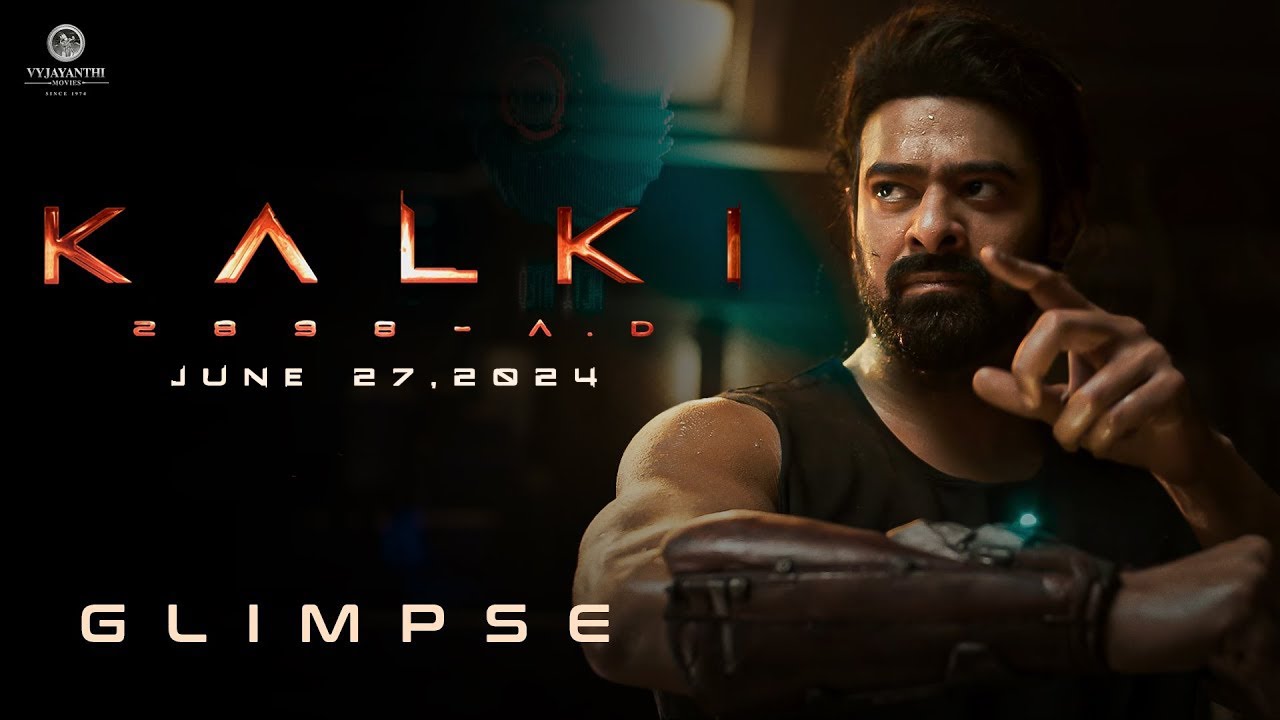
Kalki 2898 AD: A gutsy attempt at mixing dystopian world with Mahabharata

Nag Ashwin proves his capability as a versatile director, the movie works best when it focuses on Prabhas and Amitabh Bachchan

  • Starcast: Prabhas, Amitabh Bachchan, Kamal Haasan, Deepika Padukone, Saswata Chatterjee, Pashupathy, Anna Ben and others
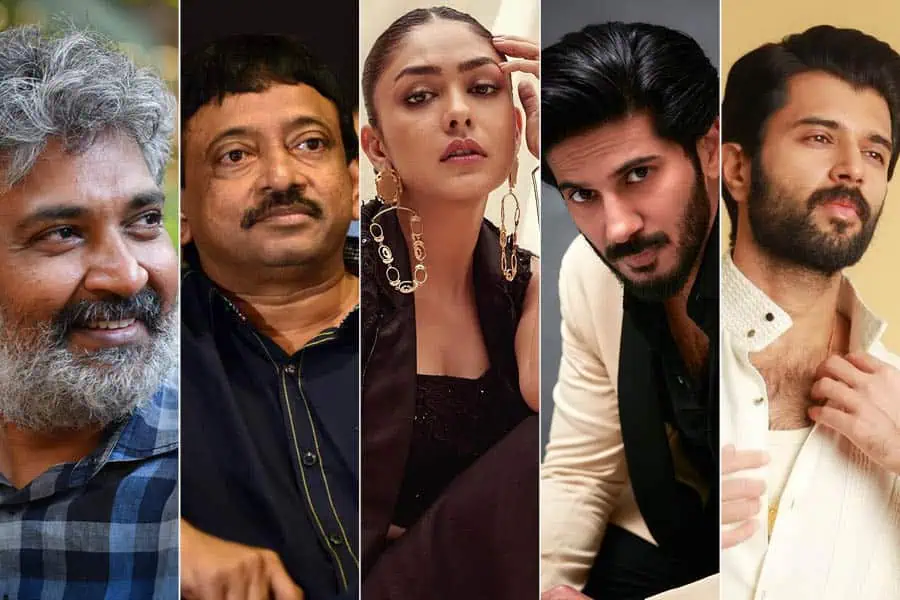
  • Special appearances: Mrunal Thakur, Dulquer Salman, S.S Rajamouli, Vijay Devarakonda, Ramgopal Varma etc.
  • Story, direction, screenplay and dialogues: Nag Ashwin
  • Additional screenplay: Rutham Samar
  • Additional dialogues: Sai Madhav Burra and B.S Saewagna Kumar
  • Producer: C. Ashwini Dutt
  • Production Company: Vijayanthi movies
  • Cinematography: Djordge Stojilijkovic
  • Music: Santhosh Narayan
  • Genre: Science fiction
  • Running time: 3 hours and 1 minute

The track record of Indian cinema with science fiction/futuristic worlds is pretty abysmal. A major reason for it is the necessity of masala elements where the hero has to do romance, comedy and action while saving the world. Rakesh Roshan’s Krrish movies though not seamless did a good job in mixing Hollywood tropes with Indian Masala. Ayan Mukherjee’s Bramhastra was high on visuals, but a weakly written love story coupled with erratic characterizations made the movie just about an average watch. Last year Vikas Bahl made an attempt at directing a movie set in a futuristic world where the society is divided into two and poverty is at an extremely high level. Ganapath ended up being more about Tiger Shroff’s somersaults and was roundly rejected by the audiences.

Now you have Nag Ashwin’s Kalki 2898 AD also set in a futuristic world. The two-film old director has already created a niche for himself with Yevade Subramanyam and the biopic Mahanati on the legendary actress Savitri. Mahanati in particular is a challenging movie given that it is based on a very beloved actress who is admired by many, but he did complete justice to her life. With Kalki 2898 AD the director has pushed himself even more and let his imagination fly high. For example, he makes you believe that there would be a future where women would have zero autonomy over their bodies and the need for capitalistic gains will wipe out cities. In spite of obvious similarities to Dune and the Mad Max films Nag Ashwin delivers an impressive concoction of sci fi elements with mythology. But the women characters are a major weak spot, and the random love story of Prabhas with Disha Patani is a major speed breaker.

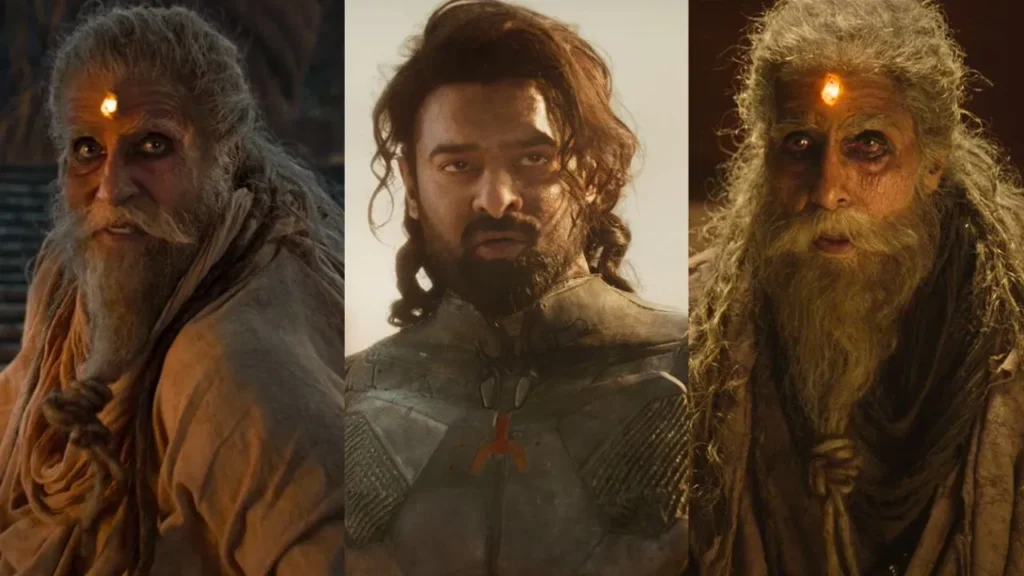
Kalki 2898 AD moves along multiple timelines starting from the Kurukshetra war. Amitabh Bachchan is Ashwatthama who is cursed with immortality by lord Krishna. On the other hand, there is the dystopian landscape of Kashi, the world’s last city. However, it is in complete shambles. The mighty Ganges is in a parched state and food is naturally scarce. There is a towering structure called Complex governed by Yaskin played by Kamal Haasan. He rules the place with an iron fist. Inside the Complex there are many fertile women who have been put on an experiment. Deepika Padukone’s SUM-80 alias Sumathi is an employee who is supposed to make sure that these fertile women get sufficient food and medicine. But there is a twist here; Sumathi who has been considered infertile for ages is now five months pregnant. Then you have Shambala a place for refugees from different faiths and cultures. They are putting their lives at stake for a better future.

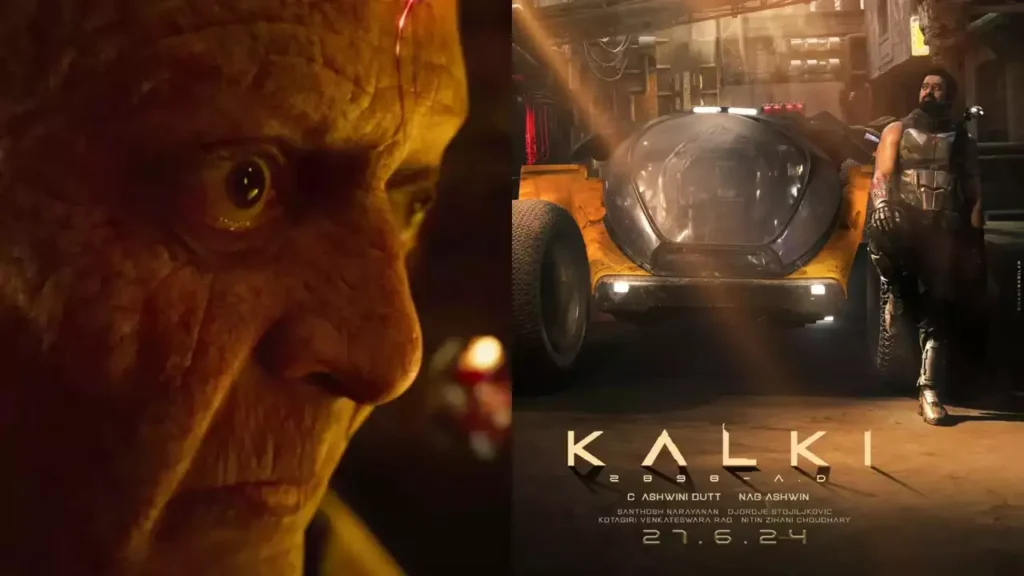
Bhairava (Prabhas) wants to escape from the dreariness of Kashi and get into the Complex. He has AL car Bujji (with a fun voiceover by Keerty Suresh). There is a constant banter between them which gradually develops into a strong bond. Bhairava is a selfish man who is unaware of his destiny. As the story progresses Bhairava’s life gets intermingled with Ashwatthama, Sumathi and the people of Shambala.

For a movie like this a seamless blend of special effects and cinematography is very necessary and Kalki 2898 AD scores full marks in this department. The high-octane action sequences between Amitabh Bachchan and Prabhas in particular is a major highlight. Thankfully Nag Ashwin doesn’t show Bhairava as invincible, on more than one occasion we see him getting hurt. These scenes are also sprinkled with humour that bring a smile. Nitin Zihani Choudary’s production design also deserves a particular mention in how he creates an imaginary landscape that immerses the audiences.

Director Nag Ashwin also deserves distinction marks for how he integrates the Kurukshetra episode in the film. The emotional turmoil of Ashwatthama and his quest for repentance strikes a chord. Amitabh Bachchan delivers a stellar act overshadowing Prabhas on occasions.

Prabhas as Bhairava has a role that comes with different shades. There is humor, and he also comes across as not so likeable. Prabhas does complete justice to both. His interactions with Keerty Suresh’s Bujji add a lot to the movie.

Kamal Haasan as the evil Yaskin has a brief role but he sends down a chill with his intimidating act.

Santhosh Narayanan’s music lacks good songs but he more than compensates it with a powerful background score.

Kalki 2898 AD has many cameos from actors and directors. Out of these Ramgopal Varma and S.S Rajamouli are fun to watch. There is a Baahubali reference where Prabhas jokingly says about how he gave 5 years to that project, it definitely raises a chuckle. Among others Mrunal Thakur is impressive in her brief role.

A big flaw of Kalki 2898 AD are the two female leads. Disha Patani is only used for glamour and one completely out of place song. Deepika Padukone on the other hand plays a pregnant woman mirroring her real life. She is mostly required to look petrified, and the expressions irritate after a point.

The movie’s runtime could have been crisper with lesser cameos. For example, Dulquer Salman and Avasarala Srinivas don’t add anything significant with their presence.

A caution: Too many good directors going into the dystopian landscape is something that the industry should be careful about.