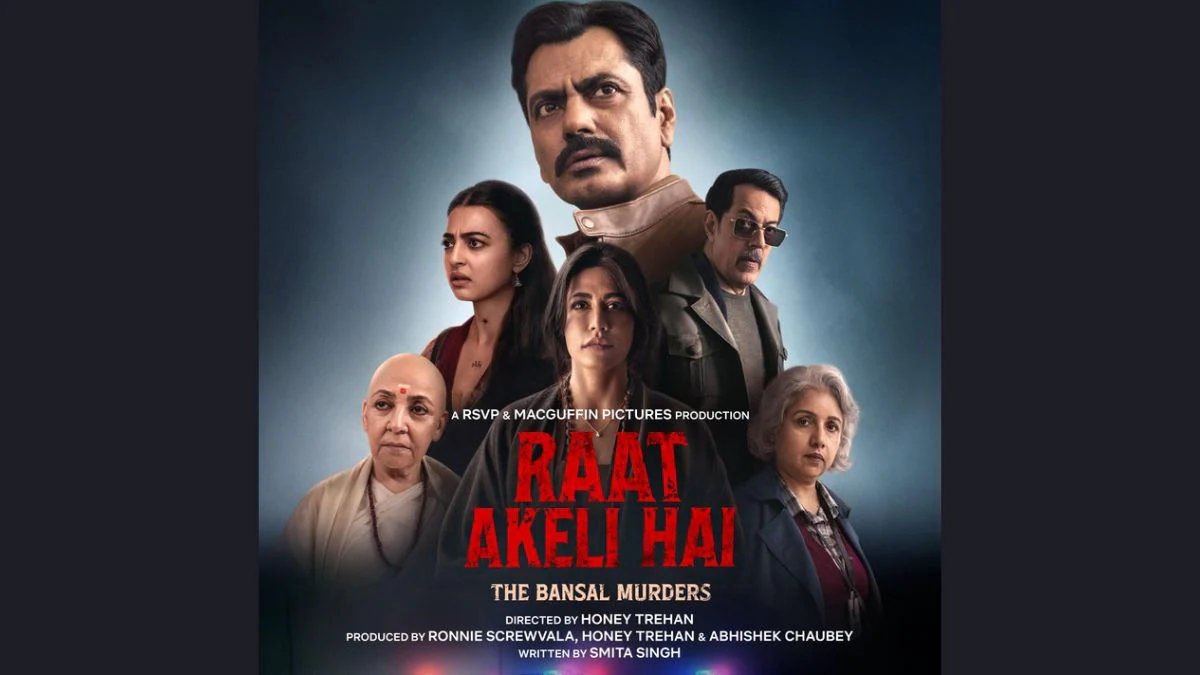
Honey Trehan’s second in the series doesn’t quite hit the high notes of the previous one: nevertheless, the movie is a gripping watch especially in its treatment of human greed and systemic corruption. Honey Trehan along with Smita Singh also touch upon on industrial pollution and a certain apathy for environment
Production companies: RVSP Movies and Macguffin Pictures
Running time: 2 hours and 29 minutes
The first Raat Akeli Hai released in 2020 was a compelling murder mystery as well as a social thriller. Through a murder mystery the plot explored the themes of women’s bodies controlled by patriarchy and how their autonomy both sexual and emotional are treated as sins: the institution of marriage being more of a transaction among others. Raat Akeli Hai (The Bansal Murders) follows a similar pattern in the way it combines a whodunit with social elements.
Raat Akeli Hai first part
The storyline of Raat Akeli Hai (The Bansal Murders) takes the viewers right into the thick of action. A wealthy and well-connected family is massacred to death. The crime is meant to be easily solved by the higher officers with a quick culprit fixed: however, Nawazuddin Siddiqui’s Jatil Yadav believes that there is more to what meets the eye. There are multiple skeltons in the closet. Secrets which are meant to be buried and not solved. The rest of the story is about the multiple suspects and the whys and how’s of the case.
A strong aspect of Raat Akeli Hai (The Bansal Murders) is its treatment of multiple layers. The suspects have been written with enough care. This particularly holds true of Chitragandha Singh. She is one of the four survivors. Chitragandha’s Meera is an ambiguous woman with deep bitterness. Meera covers this deep resentment under the guise of spirituality. Chitragandha aces the part with the required mysteriousness keeping the viewers guessing about her motivations.
Screenshot
Deepti Naval plays a supposed preacher moddled on fake godmen. This character is reminiscent of movies and web featuring fake babas exploiting people’s vulnerabilities. There is nothing particularly new here, but the senior actress plays her role with the required charm.
Mention must also be made of Sanjay Kapoor as a relative. His eyes are set on the fortunes of Bansali family. Both the character and the actor don’t come across as a stereotypical villain. There is a casual entitlement wonderfully portrayed by the actor. His role and the track cover the theme of moral shortcuts justified in the name of lineage.
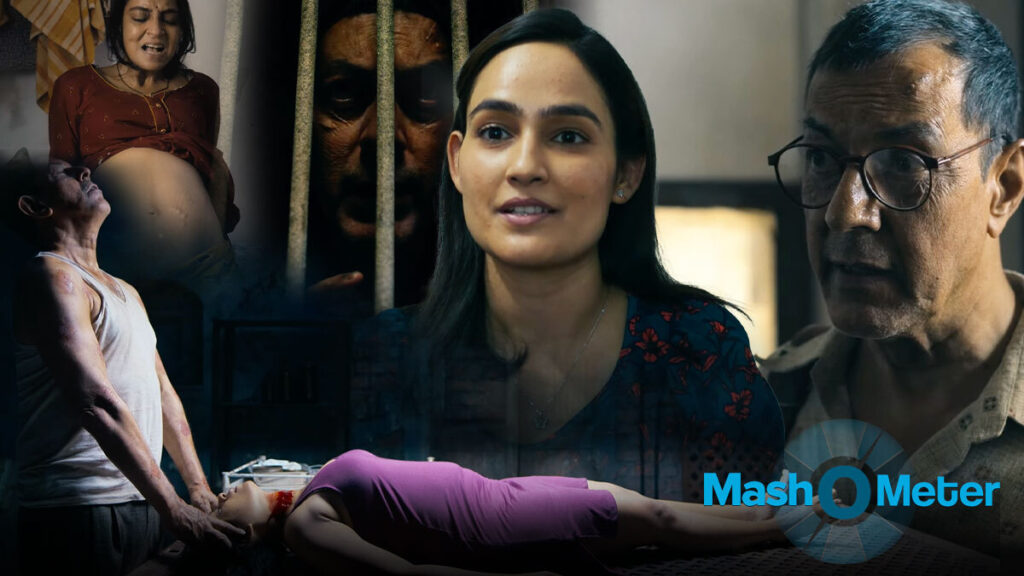
There is no denying that Raat Akeli Hai (The Bansal Murders) suffers somewhat on the pacing front. The first part had a tight structure with not much meandering. The second one though needed more crispness. The portions involving Rajat Kapoor and Akhilendra Mishra overstay their welcome. The same applies to the track involving the nitty gritty of forensics. Radhika Apte has an extended special appearance meant to show a personal side of Jatil Yadav. These scenes have some nice touches but in the bigger picture the track doesn’t contribute much. Proceedings stagnate for a while: thankfully though the movie regains lost ground when the focus shifts to environmental destruction.
The themes of industrial pollution and a certain apathy towards environment has come out well. It makes the viewers ponder about where we are heading. Most importantly Honey Trehan and Smita Singh do a good job in linking these portions with the main murder plot. Special mention must also be made of the scenes featuring Revathy as a forensic expert. She plays a moral counterpart to Jatil Yadav’s superiors. The scenes featuring her and Nawazuddin gives the movie some of its best moments.
As Jatil Yadav Nawazuddin Sidddiqui successfully takes off from the first movie. He plays the determined cop with his trademark gravity. He especially shines in the scenes of the character finding itself at crossroads torn between the pressures of institution while listening to his personal consciousness.
Among the technical departments Sirsha Ray’s cinematography is suitably eerie. The cinematography helps in building up a mysterious atmosphere.
Final word: Raat Akeli Hai (The Bansal Murders) is a competent follow up. For fans of murder mysteries with social angles its very much worth watching.
James Cameron’s eye for visuals especially in the staging of action is undoubtedly noteworthy. But the third part doesn’t have much novelty relying on overused tropes. Oana Chaplin as a new entrant steals the thunder with her villainous act.
Starcast: Sam Worthington, Zoe Saldana, Sigourney Weaver, Stephen Lang, Oana Chaplin and others
Genre: Science fiction
Direction, story, screenplay and producer: James Cameron
Additional screenplay and story: Rick Jaffa , Amanda Silver etc
Music: Simon Franglen
Cinematography: Russel Carpentar
Production Company: Lightstorm Entertainment
Running time: 3 hours and 15 minutes
The first Avatar movie released on December 18th, 2009, had some novelty particularly the world building. The movie had socially relevant themes making it much more than just a science fiction. Some of the issues explored were greed versus nature, clash of cultures and colonialism among others. The story followed the journey of an ex-marine Jake Sully (Sully Worthington). He is sent to infiltrate a blue skinned tribe called Navi. How his world view changes after intermingling with the Navi tribe formed an important part of Avatar 1.
Sam Worthington and Zoe Saldana
The second part of Avatar called The Way of Water released in 2022. A huge gap of thirteen years. This was more of a family drama beginning with the establishment of Jack Sully’s domestic life. But this happiness doesn’t last long with the return of General Frances (Edie Falco) and Colonel Miles Quaritch (Stephen Lang). They make a comeback to the world of Pandora with the intention of destroying Jack with his family. Left with not much choice Jack Sully along with the wife and children seek refugee with a clan called Metkayina. This clan is also a Navi but they stay beside a huge ocean. Unlike the first part the second one had less social commentary: nevertheless, humanity’s disdain towards other life forms came out in a thought-provoking manner.
Now you have the third part which feels more like a continuation of part two. Avatar 3 is basically about the newer challenges faced by Sam Worthington’s Jack Sully and Zoe Saldana’s Neyitri. There is an aggressive new tribe led by Oana Chaplin. The old enemies are also waiting to strike back. Once again, a huge battle ensues for the survival of both family as well as Metkayina.
A strong aspect of Avatar 3 is undoubtedly the visual aesthetics. The cinematography of Russel Carpenter is in perfect sync with James Cameron’s vision. Three action sequences in particular are definitely big screen worthy. A major shutout though should be given to the big action stretch of pre climax and climax. The way it has been captured with the raw intensity is a delight to watch.
The world building of Pandora with its different dynamics continues to be a major highlight of Avatar movies. The viewers often feel like they are travelling with these characters making the film visually appealing.
The themes explored in part three are similar to the first two. The issues of power struggles and colonialism is an important part of Avatar 3. The battle of Jack Sully and co against Colonel Miles Quaritch is very reminiscent of real word indigenous struggles. There is also humanity’s ever ending need for resources. The theme of Ash is represented through the cynical nature of destruction and hope. Newer themes are also present like futility of war and burden of family legacy.
All these subplots have its share of impactful dialogues, but very loose editing coupled with the repetitive nature of sequences makes it a hard slog. Also, the characters in the third part don’t get much of an upgrade. The trio of Sam Worthington and Zoe Saldana etc are competent in their respective parts but a sense of staleness has crept in the overall design making it difficult to care.
Oana Chaplin though gets a solid role lifting the movie’s energy with her sheer presence. Her character is completely unhinged, and the actress chews the scenery. Apart from being a convincing antagonist Oana Chaplin also makes for a great seductress. There is a certain sensuality in the way she sweet talks Colonel Miles Quaritch.
The major issue with Avatar 3 (Fire and Ash) is the lack of wow factor. The movie isn’t exactly unwatchable but needed more high moments. The music too falls significantly short. The background score is generic and needed more intensity.
Final word: Avatar 3rd part is a feast for fans of visual spectacles. The best way to watch it is by avoiding comparisons especially with the first part.
An overview into some of the most impactful Telugu movies of the year irrespective of their box office results: also, the emergence of new actors who have made quite an impact with elements of caste and gender
The year of 2025 like 2024 has belonged to small and medium budget films. A very distinctive feature among the successful films are the star casts featuring new kind of leading actors without the baggage of stardom. This is particularly true in the case of Court, Little Hearts and Mirai.
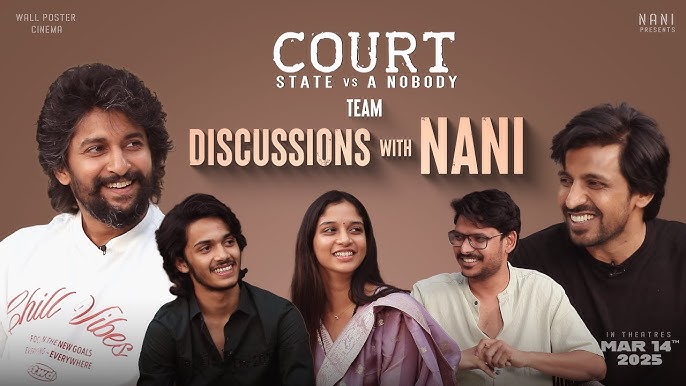
Court backed by popular actor Nani is an important social movie talking about the misuse of POCSO and also the caste structure. Director Ram Jagadeesh effectively used the set-up of a teenage love story to explore these topics. What also makes Court special is that the film is Ram Jagadeesh’s directorial debut.
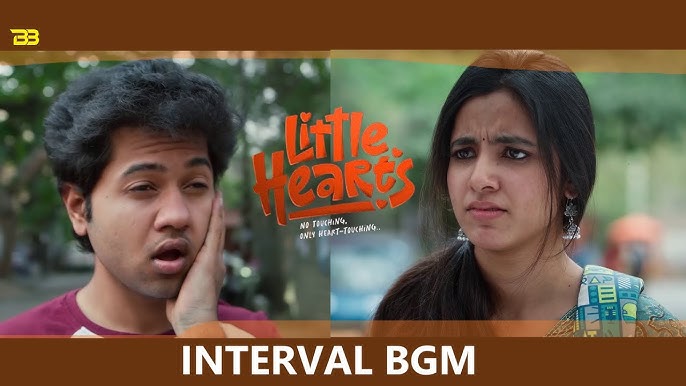
Little Hearts written and directed by Sai Marthand is also a debut feature like the above mentioned Court. This too features a teenage love story but with a different social set up. The heroine in this movie Kathyayini (Shivani Nagaram) isn’t just 3 years older to the hero: she is also a strong-willed protagonist. This clearly comes out in the way of Kathyayini taking charge of the relationship. The interval point with her slapping Mouli’s Akhil when he asks are you aunty is another solid example of her strong-willed nature. Little Hearts is a perfect mix of coming of age with some adorable rom com moments. Director Sai Marthand was thoroughly successful in entertaining the viewers. Not surprisingly the film turned out to be very profitable.
Kathyayini slapping Mouli’s Akhil as he asks whether she is aunty
Mirai directed by Kartik Gattameneni followed the template of Teja Sajja’s last Hanuman. Nevertheless, the movie was an engaging visual spectacle with strong back stories for the hero and the antagonist. Like Hanuman here too Teja Sajja pulled off the character’s transformation with ease. With Mirai Teja Sajja proved that he is here to stay. Manchu Manoj also shined in the negative role with a commanding voice.
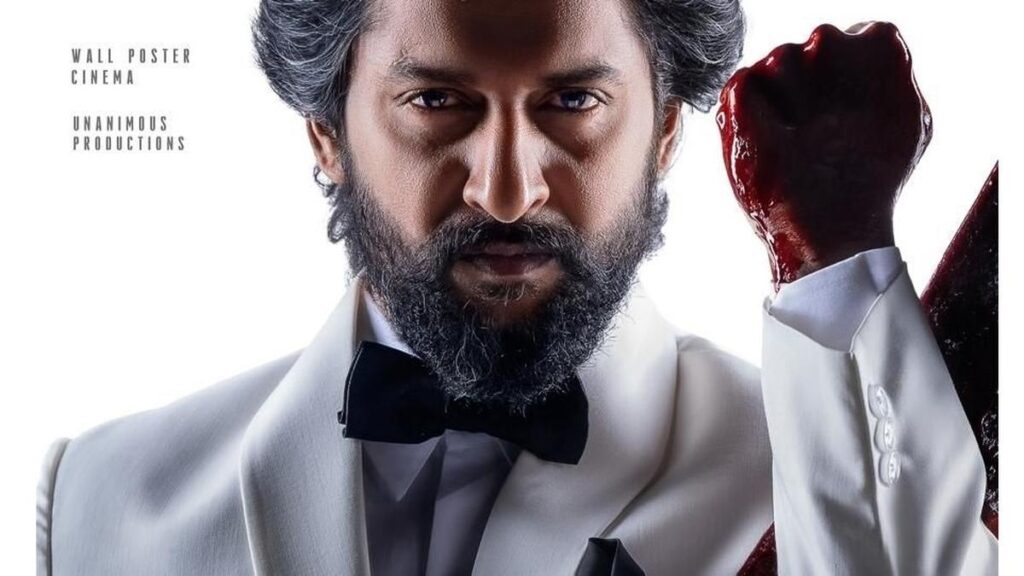
Among the popular actors Nani had a double dhamaka both as an actor and producer. As an actor Nani hit it out of the park with the violent crime thriller Hit 3. The movie presented Nani in his most ferocious avatar till date, and he nailed the nailed the different shades.
Senior performer Venkatesh made a good comeback after the underwhelming Saindhav in 2024. Anil Ravipudi delivered a perfect Sankranti entertainer with an in form Venkatesh. As a man caught between his wife and ex girlfriend while handling an important task at hand Venkatesh raised many chuckles with his expressions and a wonderful sense of comic timing. Both Aishwarya Rajesh and Meenakshi Choudhary also added to the fun with their respective acts. A special mention though must be made of the child actor Bheemla Revanth Pavan Sai Subhash. He was simply boisterous with the OTT inspired curses. The child actor shared a wonderful chemistry with Venkatesh.
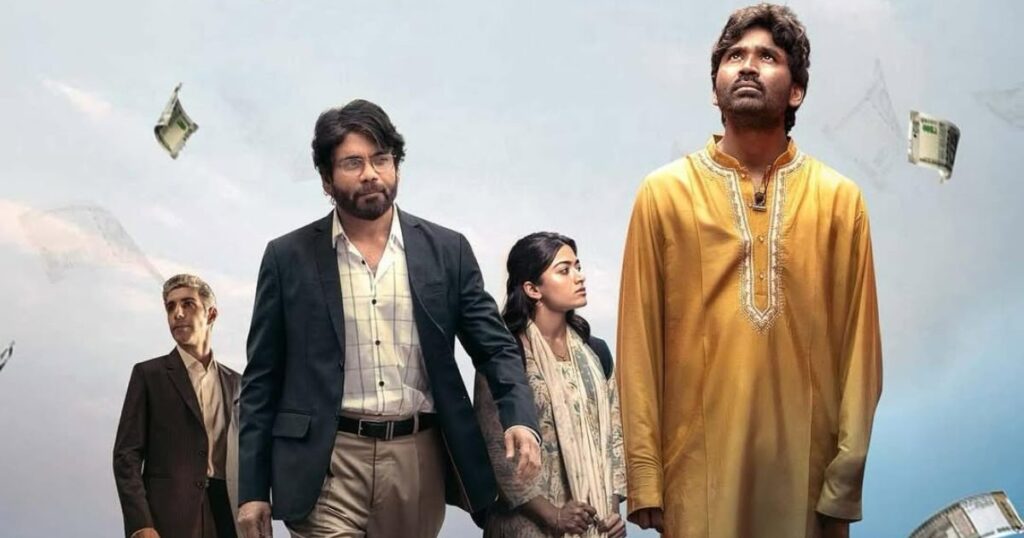
Another senior actor Nagarjuna had a solid year as well with two contrasting roles in Kuberra and Coolie. In Kuberra Nagarjuna played a conflicted CBI officer with panache, he brought out the inner dilemmas in an excellent manner. Coolie on the other hand saw Nagarjuna as an out out villain. He clearly had a blast playing an unhinged antagonist.
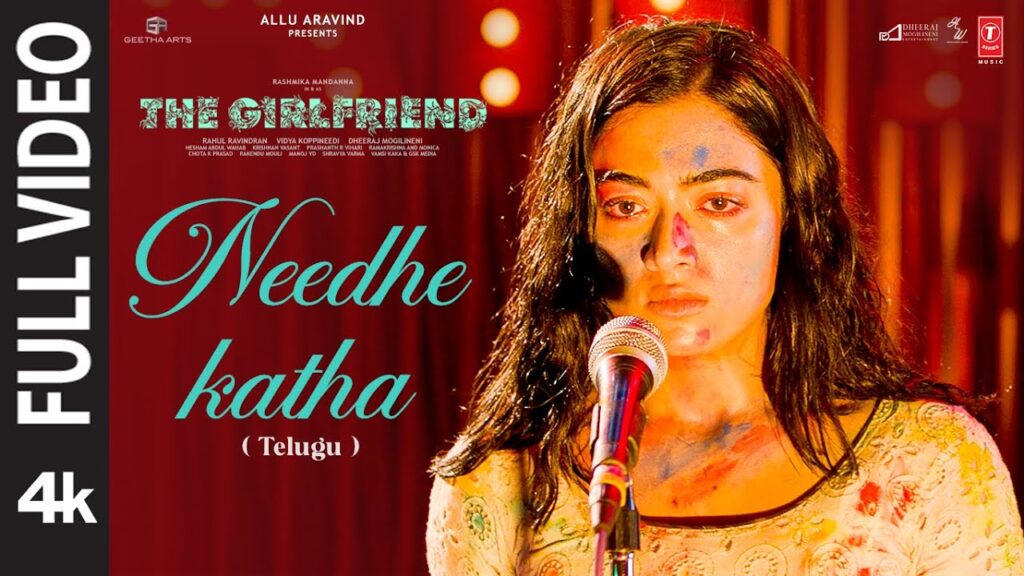
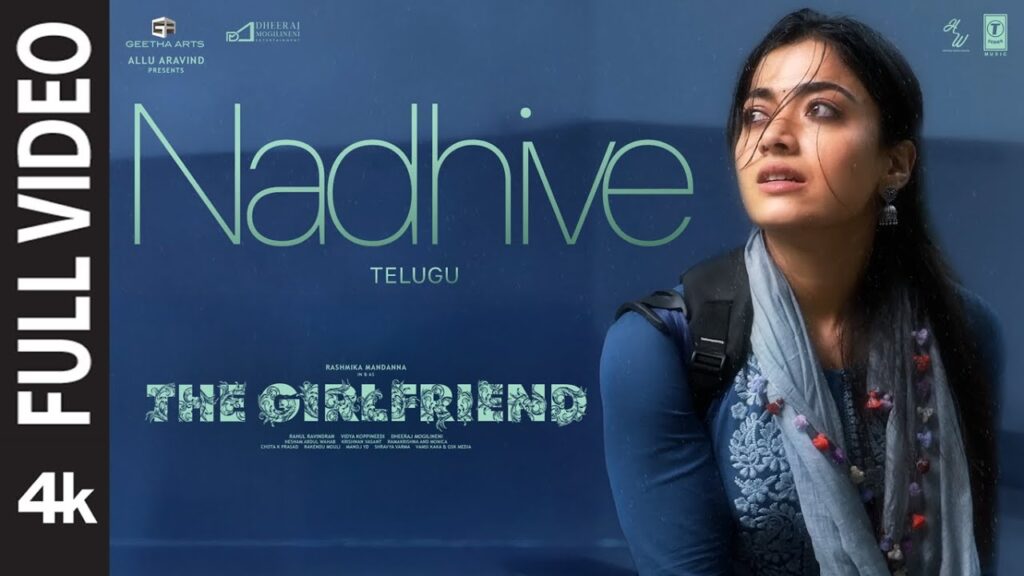
Among the actresses both Anupama Parameswaran and Rashmika Mandanna had strong roles in Paradha and The Girlfriend respectively. Both these movies feature women protagonists of a certain type. How the thought process changes and the eventual transformation is a delight to watch. In case of Paradha its about questioning archaic traditions. The Girlfriend on the other hand had one of the best climaxes in 2025 with Rashmika’s Bhooma letting it all out and a Maa Durga symbolism.
Following are some of the most impactful Telugu movies of the year
Court: Ram Jagadeesh’s Court is an important social drama led by an excellent cast. The movie threw light on a sensitive issue like misuse of POCSO. In today’s age of increasing macho heroes it was refreshing to see a story of two underdogs. In a way the film follows the template of Jolly LLB universe nevertheless Court is an engaging movie. A very important aspect of Court is its subtle depiction of caste hierarchies without spelling it loud. This comes out in two instances primarily. One is the heroes’ mother ironing clothes as a profession and the second one is Harshvardhan’s character saying to Priyadarshi on why he wants to save the protagonist, after all he is just a watchman’s son. The teenage love story featuring Harsh Rohan and Sridevi Appala has also had its highs especially the sequences of Premalo song. The performances led by a terrific Sivaji are an icing on the cake. Sivaji absolutely embodied the caste fanaticism and the misogynistic attitude. Priyadarshi as the underdog lawyer was good too with some important dialogues on how the judicial system needs to follow certain discretion. Both the young leads Harsh and Sridevi Appala did a fine job as well, but the former stood out in portraying the pain of a young man caught in a complex scenario.
Kuberra: Sekhar Kammula and Chaitanya Pingali’s Kuberra is easily the director’s most socio-political movie till date. Movies about financial scams aren’t new by any means but what makes the difference here is the integration of beggar’s community. Dhanush’s Deva is an underdog hero transforming into an unlikely champion. Through an underdog hero played by Dhanush the movie gives a relevant message on what true wealth means. It talks about how true wealth should help in improving people’s lives and not just hoarding riches.
Apart from a terrific Dhanush and Nagarjuna the integration of Rashmika’s Sameera was also well done. As a young woman caught in a major tussle Rashmika did a fine job in portraying the inner strength. Jim Sarbh too perfectly embodied the power-hungry capitalistic attitude with his demeanour. The movie also featured some impactful dialogues. They were often laced with philosophical undertones especially the scene of Rashmika where she talks about all of them being beggars in some way or other. The dialogue goes like this “I begged freedom from my parents. I begged my boyfriend to not break up with me. I begged my friend to let me stay at her place for a few days and now I’m begging people to give me a job. So all of us are beggars in some way or others, they are also dialogues critiquing capitalism in an impactful manner. The production design by Thota Tharani also played a crucial role in building an authentic atmosphere.
The Girlfriend: Rahul Ravindran’s The Girlfriend is a strong slap on toxic masculinity endorsed by the likes of Arjun Reddy and Animal. The movie focuses on the transformation of a timid woman Bhooma (an outstanding Rashmika Mandanna). How she goes from scared to a more assertive individual is a delight to watch in spite of a slow burn approach.
A lot of Bhooma’s suffocation is shown through symbolism and magic realism like the impactful interval sequence. Both the writing and Rashmika’s performance makes the viewers empathize with Bhooma’s struggles of wanting to break out.
The Girlfriend also has strong scenes of sisterhood. The scenes between Anu Emanuel and Rashmika though not a lot in number are a treat to watch, as Durga Anu brings in the required warmth especially in the sequence where she warns Bhooma about Dheekshith Shetty’s Vikram not being the right guy. As the controlling boyfriend Dheekshith Shetty was in top form too.
Little Hearts: Little Hearts directed by Sai Marthand is a fun coming of age tale with some good rom com moments. The movie features two protagonists who aren’t exactly the brightest bulbs when it comes to studies. The plot follows their journey from meeting at long distance coaching to a journey together. Akhil played by a wonderful Mouli is nursing the wounds of an intermediate break up when he meets Shivani Nagaram’s Kathyayini. What seems to be a temporary recourse develops into something deeper. A strong aspect of Little Hearts is the different process of love for the two protagonists. Unlike Akhil who gets instantly smitten by Kathyayini’s Ishqzaade hairstyle. She takes her own time in trusting the protagonist. Kathyayini comes with a very clear thought process of marrying whom she loves. Throughout the second half she comes across as a binding factor being a teacher/girlfriend as per the situation. The way she brings the change in Akhil without getting into a screechy mode like the wonderful bus sequence is a delight to watch. There is a moment in the bus when Akhil is about to abuse, and Kathyayini gives a hard look. She doesn’t say anything but it’s enough for Akhil to change his tone to more respectful. This is followed by a smile on Kathyayini face. Even when the matter gets serious at her home Kathyayini defends Akhil by saying that she proposed to him first which isn’t actually true. No wonder Akhil says he cannot leave her no matter what. Mouli absolutely nailed this important monologue elevating the movie from just a comedy. An important aspect of the pre climax more than standing for Akhil is the female autonomy with Kathyayini being the steering wheel of where the relationship is headed, this also reflects in the career choice later on. All this combined make her a steel rod and Shivani Nagaram did a very good job in bringing alive these qualities. What also added to the movie was Jai Krishna’s comic timing. His constant doubts about Akhil and Kathyayini’s love being doomed only to be proven wrong was terrific. The Bahubali parallels also came out well adding to the entertainment quotient. Among the senior actors both Rajeev Kanakala and SS Kanchi made their presence amply felt.
Thandel: Chandoo Mondeti’s Thandel is inspired from a real life incident involving a group of fishermen caught in Pakistani waters. The jingoism aspect coupled with the sketchy Pakistani characters did pull the movie down still the movie had a heartfelt love story. The director did a fine job in exploring the lives of fishermen bringing out a strong sense of brotherhood among the community. Thandel also benefitted from a strong technical department coupled with Naga Chaitanya and Sai Pallavi’s strong acts. Devi Sri Prasad’s score boasted of melodious songs like “Bujji Thalli” and “Hilesso Hilessa”. As Raju and Satya Naga Chaitanya and Sai Pallavi did a very good fine job in portraying the emotional complexities. Before Raju and his group drift into the Pakistani waters a major conflict arises between the couple threatening to destroy their relationship. These conflict points were handled well with the audiences understanding the dilemmas of both. The character of Sai Pallavi’s Sathya becomes an important anchor for the fishing community when Raju is stuck in Pakistan Jail. The strong inner strength is palpable in the way she takes things head on. This gender aspect also adds an interesting layer.
Andhra King Taluka: Mahesh Babu Pachigolla’s Andhra King Taluka is an engaging love letter relatable for numerous fans. Unlike Maneesh Sharma’s movie Fan this one does a much better job in using the emotional bond between a devotee and his favourite actor. A big strength of Andhra King Taluka is the climatic portion featuring heartfelt conversations between Ram’s Sagar and Upendra’s Surya. The positive influence of Surya on Sagar in overcoming anxiety issues and tackling challenges head on moves the audiences.
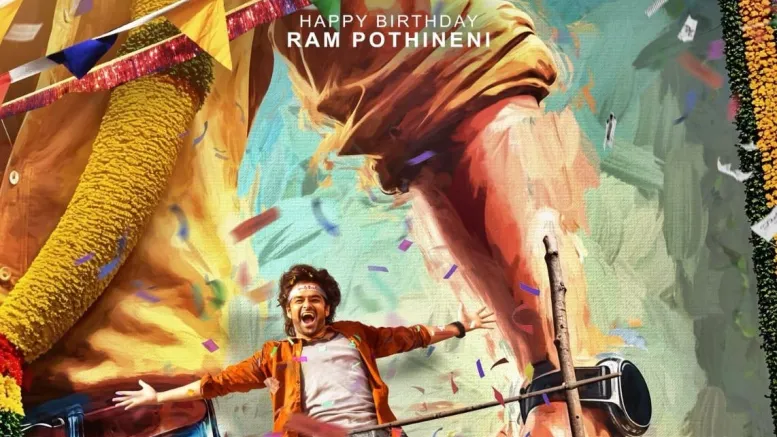
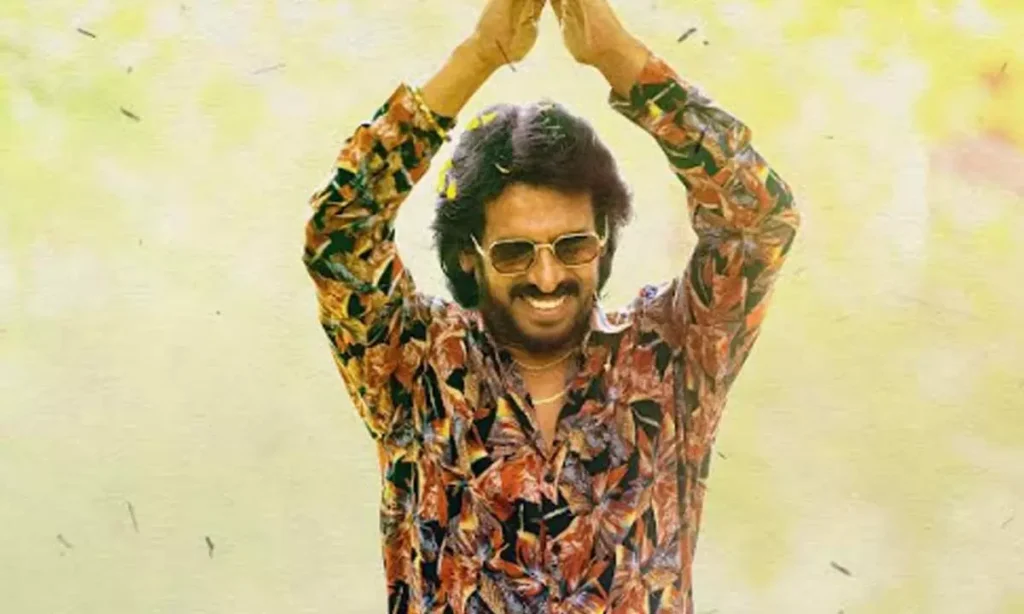
Ram Pothineni has always been a capable actor but the choices have always been a problem: But Andhra King Taluka showed the actor’s potential in an excellent manner. Ram delivered a knock out act especially the interval block. It is an emotionally charged moment and Ram did an excellent job. Upendra too lent in gravity as Sagar’s idol. The vulnerabilities of a major star came out well through his role. Upendra especially shined in the pre climax when Surya bares his soul out. Andhra King Taluka makes for an engaging watch especially if you have been a diehard fan yourself.
Paradha &Subham: Praveen Kandregula’s Paradha and Subham are two very important women sensitive Telugu movies of the year. Paradha on one hand questioned the practice of archaic traditions through a fictional village. By using the veil as a symbolism Praveen Kandregula talked about the different kinds of obstacles faced by women. The movie also featured a strong sense of sisterhood among the three women protagonists in spite of the varied age gap and different social backgrounds. Anupama Parameswaran, Darshana and Sangeeta delivered powerful performances as well enhancing the narrative. Anupama was particularly good in bringing out the transformation from blind belief to becoming more liberated.
Subham on the other hand used the horror comedy format to question the stale nature of TV serials along with the concept of alpha male. A major highlight of Subham was the second husband played an excellent Gavireddy Srinivas. The actor generated a lot of humour as a proud alpha whose pride is massively hurt. The movie gave an important message on the necessity of communication in a marriage and understanding the women in your life rather than trying to be rough.
Anaganaga (ETV Win): Anaganga streaming on ETV Win has a simplistic core but an important message on the need to reinvent education system. The emotional drama featuring Sumanth and Viharsh as the son worked extremely well. How Viharsh’s character gradually gets over his stage fear and also academics gave some poignant moments.
The husband and wife arguments with Kajal Choudhary playing a strict principal were also well written. In spite of some major ideological differences between the two there are also understated romantic moments like Sumanth’s Vyas pacifying his wife. Later she too understands the husband’s point of view.
Director Sunny Sanjay also did a good job in showcasing the dark side of academic competition. You have a disturbing scene of class toppers awarded on the podium; on the other hand those who have failed are publically called out. The message regarding the need for empathy in education and how the race for top ranks is harmful in the long run came out in an impactful manner.
Uppu Kappurambu: Uppu Kappurambu on Amazon Prime is a whimsical social satire with an excellent Suhas. Director Ani. V Sasi flipped the popular Telugu poem on its head by saying that everyone is equally important.
The plot features a caste angle through what seems to be a bizarre fight over graveyard control. On the surface it may seem idiotic but the caste disparities with two influential families fighting it out is both funny and thought provoking. Keerthy Suresh as a woman sarpanch takes a while to get going but the national award-winning actress soon settled down giving a very fine performance. Suhas as the graveyard caretaker Chinna was simply superb getting into the skin of the character with ease. He especially stood out in the scene when talking to the dead as if they are long lost friends.
An overview into the best movies from our neighboring states across different genres with particular focus on Kotha Lokah Part 1 and Bad Girl
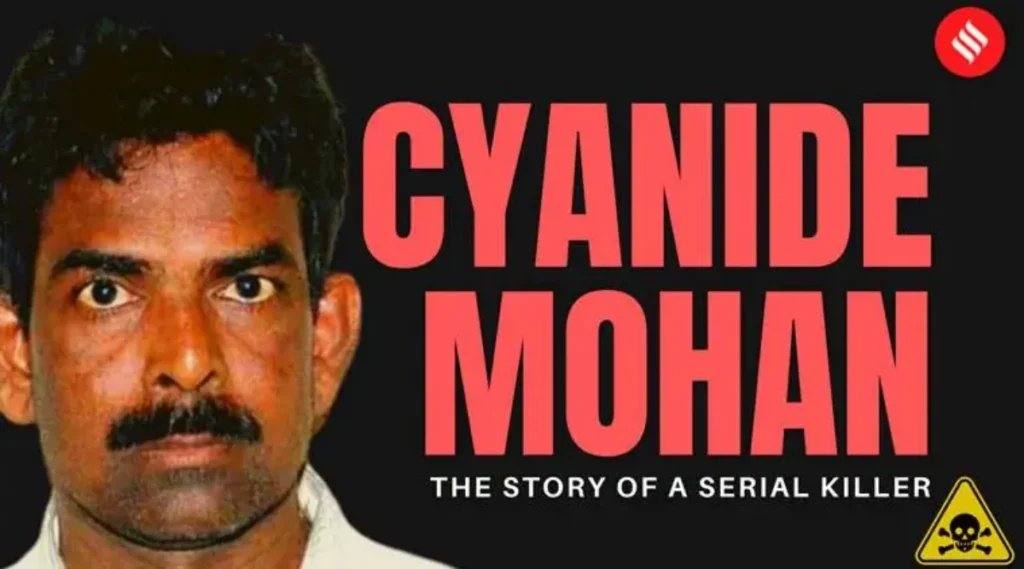
2025 can easily be termed as a fantastic year for veteran actor Mohanlal. Whether it’s a revenge drama like Thudarum, a political thriller like Empuraan part 2/Lucifer. The actor had a rollicking time in the slice of life Hridayapoorvam too. A big reason for the movie success was Mohanlal’s comic timing. In spite of a very thin plot overstaying its welcome Mohanlal’s antics with numerous moments of self-depreciation made it a breezy watch. Coming to the other legendary actor Mammootty: he had a good outing as well with Kalamkaval. It’s based on a real-life serial killer called ‘Cyanide Mohan’. Cyanide Mohan was notorious for targeting a certain section of women. Kalamkaval is more of a Mammootty show reel than a cohesive film. As expected, the actor was top notch in portraying both the charming man as well as the ruthless criminal.
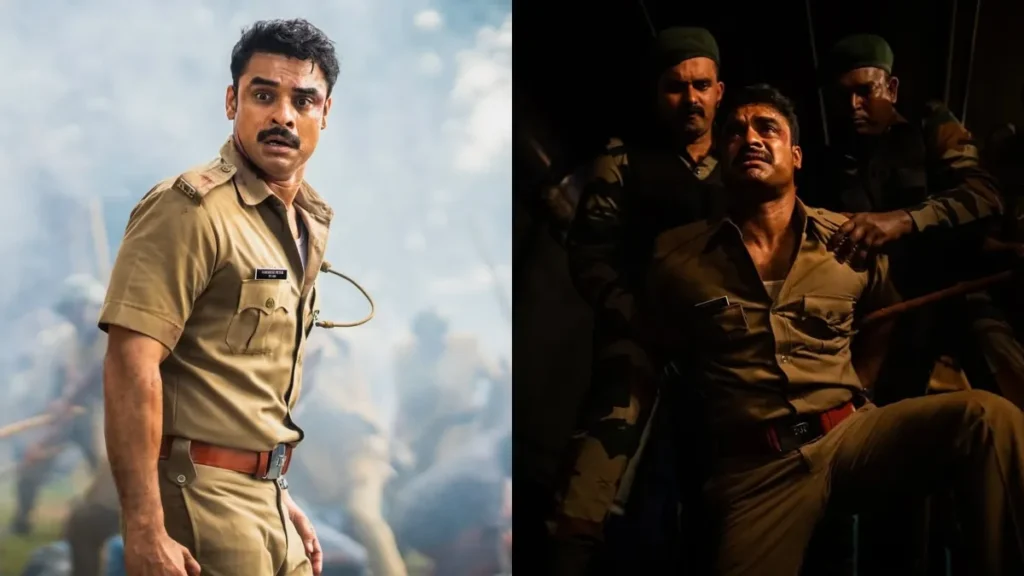
2025 has also been a solid year for Tovino Thomsas. In Narivetta he played a happy go lucky guy to empathizing and standing for the tribal community. In Kotha Lokha Part 1 Tovino had a fun extended cameo with the whacky characterization. Last but not the least his act in Empuraan 2 was also impressive. He played the grey shades convincingly.
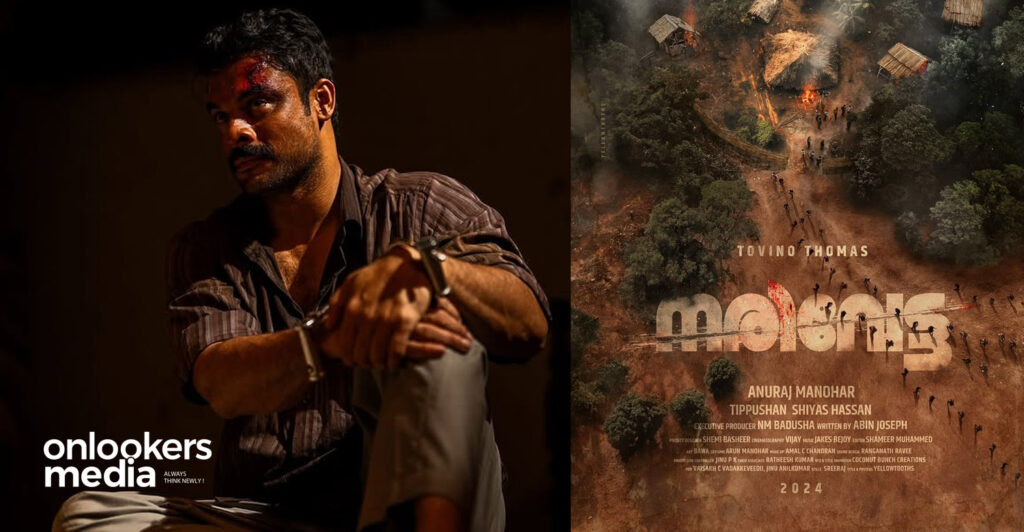
Narivetta Movie Poster
Among the Malayalam movies this year a special mention must be made of the Dulquer Salmaan produced Kotha Lokah Part 1. The movie is a very good mix of western tropes with Indian Folklore. Dulquer deserves a huge appreciation for a backing a female centric project like this. Director Dominic Arun did a very good job in integrating real word issues through a conservative police officer played by a suitably creepy Sandy. Kalyani Priyadarshan made full use of the author backed role coming up with a very good act. Apart from the ones mentioned above there is also the taut investigative drama Officer On Duty directed by Jithu Ashraf.
Coming to Tamil movies films Bad Girl directed by Varsha Bharath needs to be specially mentioned. The movie is a wonderful coming of age through female lens. The plot focuses on a young woman from an orthodox Brahmin family. Her quest for liberation and eventually finding peace was well written and enacted.
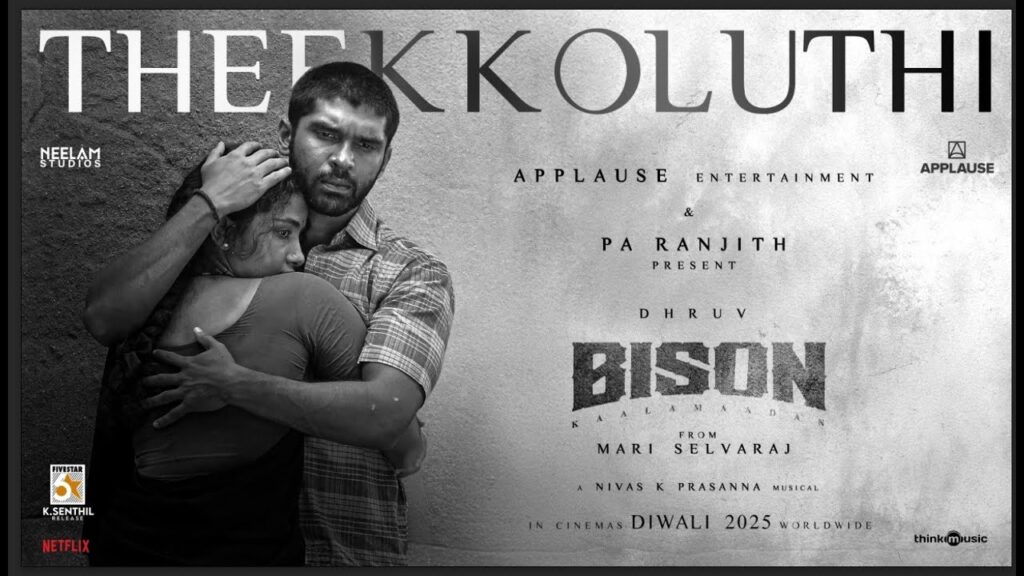
Mari Selvaraj’s Bison on the other hand is a rousing tale of breaking social shackles. In spite of the staple sports elements and overdose of blood the movie does succeed in engaging the viewers. The caste of the Dhruv Vikram’s Kittan isn’t explicitly stated but the viewers can understand that the family comes from lower caste due to some of the conversations and obstacles faced.
Bison also featured a strong woman character in the form of Anupama Parameswaran playing the fierce Rani. Her character is seven years older to Dhruv Vikram’s one. This added an interesting dimension to the romantic subplot in spite of Anupama’s brief screen time.
Following is a brief overview into the best movies from our neighbouring states (2025)
Malayalam
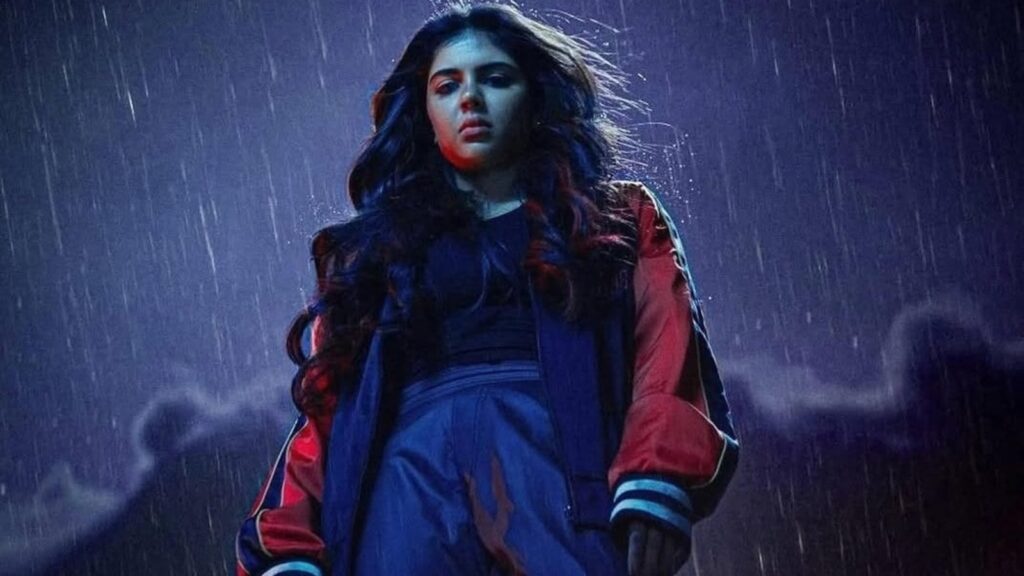
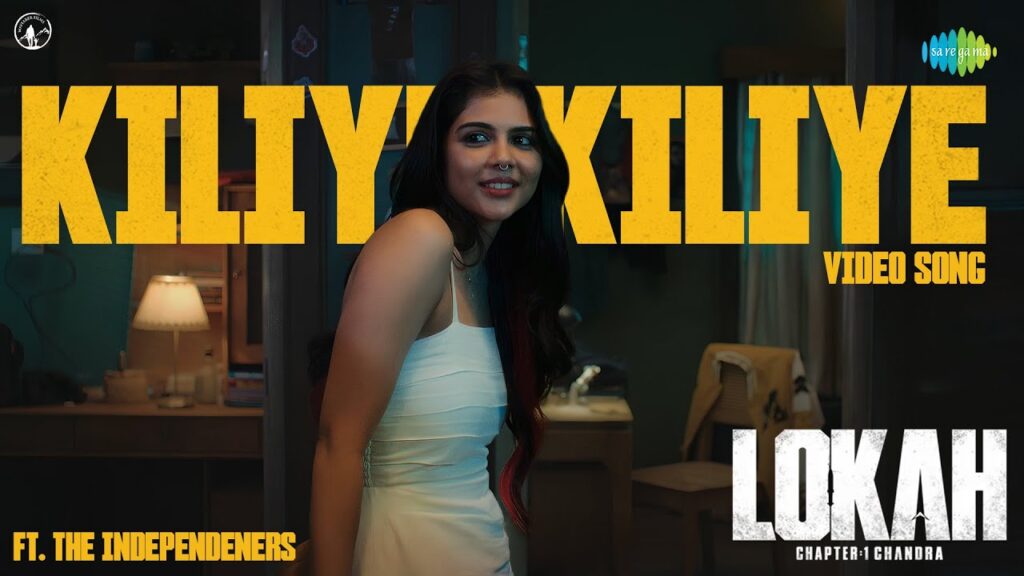
Kotha Lokah Part 1 (Chandra): Dominic Arun’s Kotha Lokah Chapter 1 can be easily called India’s Wonder Woman. The movie is an excellent mix of western superhero tropes with a solid Indian folklore. The film bears a slight resemblance to the Tripti Dimri starrer Bulbbul too in terms of the men targeted by the female protagonist.
A strong aspect of Kotha Lokah Part 1 is the world building done by Dominic Arun as well as Santhy Balachandran. The establishment of Kalyani Priyardarshan’s mysterious nature and how it connects with Naslen’s Sunny was very well done. The growing bond between Sunny and Chandra with an undercurrent of romance makes the viewers wish that the two had met in different circumstances.
Mention must also be made of the origin story timing. The haunting visuals of Nimish Ravi coupled with Jakes Bejoy’s music elevate this emotional stretch further. As Chandra Kalyani combined strong physical agility with solid acting chops, Naslen on the other hand was an absolute riot with his one liners. There is an inherent sweetness to the part in spite of a certain lazy nature and Naslen brought that out wonderfully
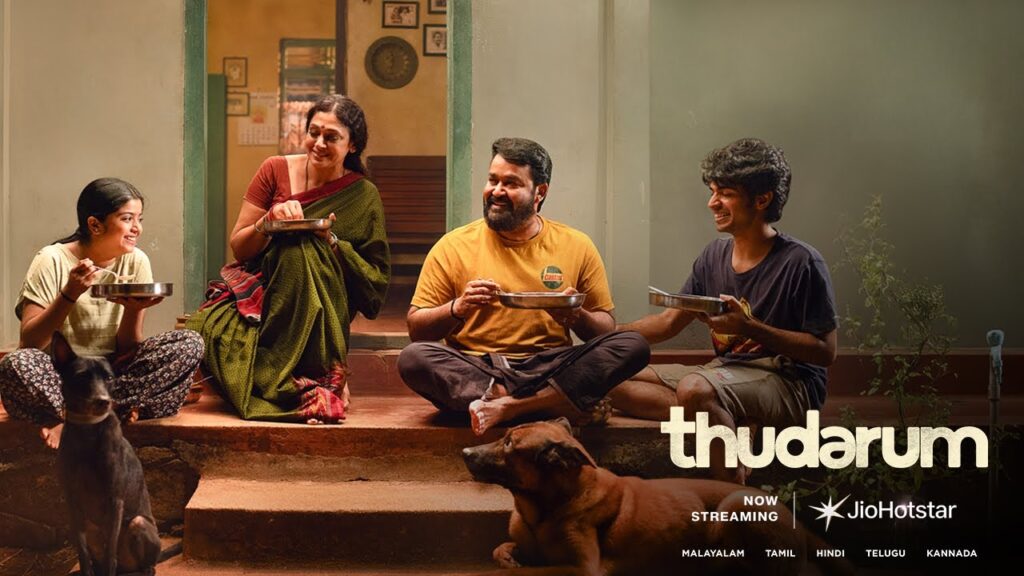
Thudarum: Tharun Moorthy’s Thudarum in more ways than one feels like a Drishyam 3 with Mohanlal playing a family man. Nevertheless, the movie is a gripping watch with some impactful social commentary on police atrocities and a false sense of pride.
In simple terms Thudaram focuses on the transformation of a former stuntman/driver Benz (an excellent Mohanlal). However, one-night changes everything connected to a truly despicable CI George (Prakash Varma doing absolute justice to the role).
A strong aspect of Thudaram in spite of the straightforward writing are the moments leading up to Benz transformation. It doesn’t come across as jerky and the reason for that are the adorable family moments of the first half. Viewers feel for Benz during a disturbing revelation. Mohanlal is simply outstanding especially in that sequence. The themes of abusing power as well as a common man’s fight against injustice came out solidly through the transformation of Benz.
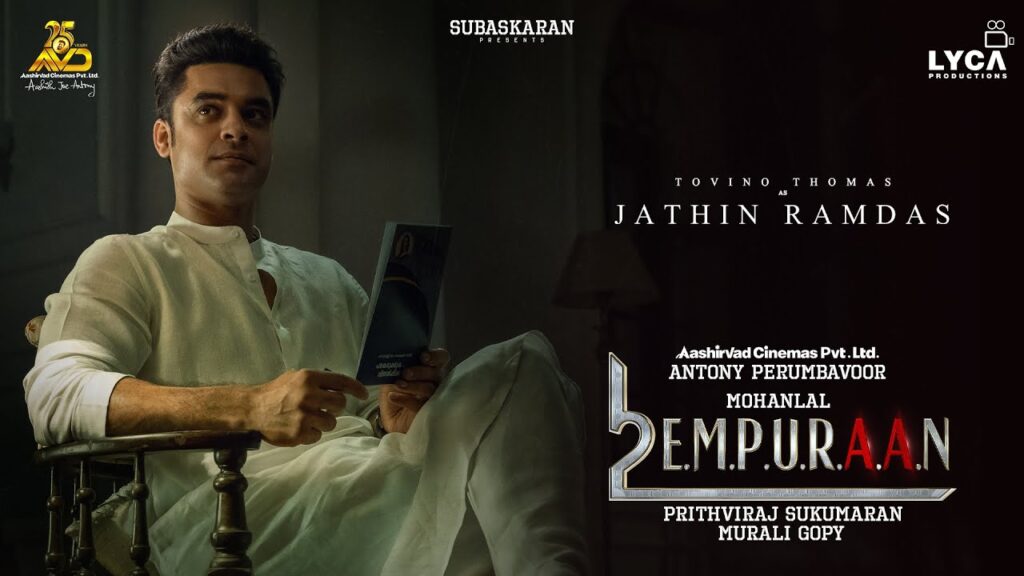
Empuraan 2/Lucifer 2: Prithviraj Sukumaran’s sequel to the 2019 Lucifer stirred up a major controversy due to its hard hitting depiction of communal violence with a harrowing scene reminiscent of Godhra riots. The film went through some reediting because of the political backlash. In spite of the changes there is no denying that Empuraan 2 takes a strong stand against religious extremism and its terrible effect on humanity. Mention must also be made of how Prithviraj explored the concept of “Power corrupts, but absolute power corrupts absolutely”. This angle came out excellently through Tovino Thomas’s Jathin Ramdas. His character goes through a major switch in comparison to the first part and Tovino did an extremely fine job. The character of Manju Warrier too has a different arc this time. There is a strong inner strength to Priyadarshini. This evolution was a delight to watch. The actress especially shined in the confrontation scenes with Tovino. Mohanlal as Abraham Quereshi/Lucifer once again shined with his trademark effervescence bringing in the right amount of charisma and mystery. The character of Abraham Quereshi often feels a cousin brother to George Kutty from Drishyam movies. Mohanlal especially shined in the sequences involving Indrajit Sukumaran’s Govardhan and also a pastor cum figure.
Narivetta: Narivetta directed by Anurag Manohar with story by Abhin Joseph is based on a real life tribal protest in 2003. The broad storyline encompasses the themes of land rights, state misusing its authority and the determination of marginalized communities. At the centre of this plot is Tovino Thomas’s Varghese Peter: A rookie police constable. The movie starts off in a non linier format with Varghese Peter running away from cops. This immediately grabs the viewers attention. Later we come to know to that Varghese is a police himself. From here the flashback starts establishing the initial happy go lucky nature an and how the gradual transformation happens.
A strong aspect of Narivetta is Tovino Thomas’s layered characterization: from the initial lack of clarity and then the post interval portions of finally understanding the politics of superior officers. How he comes to empathise and stands up for the tribal’s protest gives the movie some of its best moments. Tovino Thomas particularly shined in the face off between the police and Adivasis. These scenes benefit immensely from the fantastic cinematography and background score too.
Mention must also be made of the friendship between Peter Varghese and Suraj Venjuramood as an empathetic police official Basheer. The friendship between the two came out well leading to some poignant moments.
Officer on Duty: This Jitu Ashraf directorial is a taut investigative drama with an excellent Kuchako Boban as Harikrishna. The director along with Shahi Kabir was successful in humanizing the titular protagonist both as a police officer and human being this in spite of an extreme short temperedness. The movie also benefitted from Vishak Nair and co. He perfectly embodied the ruthless and psychotic nature of Christie. The second half has numerous intense sequences with the hero after this villain gang keeping the viewers on the edge. The portions of Harikrishna and Christie taking on each other are more for those who enjoy gruesome action: nevertheless for raw action lovers these sequences are a treat. Mention must also be made of an important flashbacking establishing the motivations of Christie. This involves a dastardly police officer whose atrocious behaviour sets the tone for a heinous set of crimes.
Tamil
Bad Girl: Bad Girl directed by Varsha Bharath is a refreshingly different coming of age through female lens. The tumultuous journey of the female protagonist in finding liberation is relatable for numerous millennial women.
The storyline of Bad Girl primarily focuses on Anjali Sivaraman’s Ramya. It’s about the many turbulent life scenarios she goes through. Ramya does many things defying the general social norms. Often times the movie feels like a character study rather than plot driven. The title here isn’t a judgment it’s more of a reflection on how traditional culture perceives a woman’s attempts to find her autonomy.
This is a major strength of Bad Girl movie. Varsha Bharath did an excellent job in showcasing the journey starting from Ramya’s teenage life. The generational differences between a mother and daughter came out in an excellent manner. As Ramya’s anxious mom Shantipriya was brilliant too in portraying the motherly concern as well as a rebellious woman in her own ways.
Veera Soora Dheeran (Part 2): S U Arun’s Veera Soora Dheeran (Part 2) is a good example of a star vehicle done right. Unlike the director’s last Chittha this one is more generic: nevertheless, the film makes for an engaging mass cinema with good character build up. The title Veera Soora Dheeran (Part 2) functions both as a sequel and prequel simultaneously: Prequel because there is an important flashback establishing the events leading up to the titular protagonist current predicament.
The storyline of this movie happens in one night. It involves the return of a once upon a time trusted henchman Kaali (a robust Vikram). Kaali is a settled man with a dark past. But due to certain circumstances he is left with no option other than to help a former boss Periyar Ravi (Telugu actor Prudhvi Raj in a different role).
A strong aspect of Veera Soora Dheeran (Part 2) is the balance of massy pitch with Kaali’s vulnerability. There is a palpable tension especially in the first half with Kaali going through a lot of internal and external conflicts. The cat and mouse game has some thrilling moments like the portion of a dangerous landmine.
What also works for the movie is the equal importance given to other characters. Prudhvi Raj as already said is seen in a refreshingly different role and he simply aced it. S J Suryah too is wonderful avoiding his usual mannerisms. The character starts off as a sincere police officer but he soon becomes a man consumed with revenge and calculated malice. This sharp writing makes the movie an intelligent masala film. Yes things start to stagnate with the flashback portion nevertheless there is a lot to enjoy
Bison: Mari Selvaraj’s Bison has a template story but what makes it click is the rousing manner in which the protagonist breaks numerous societal shackles. The film is based on the life of a legendary Kabaddi player Manthi P. Ganesan nicknamed as Bison. Upcoming actor Dhruv played the title role.
A strong aspect of Bison is the brilliant performances headed by a fantastic Pashupathy: From being emotionally conflicted to becoming an important pillar of support the character goes through myriad emotions. Pashupathy simply nailed the graph of Veluswamy. Mention must also be made of how Mari Selvaraj uses the characters of Lal and Ameer. Yes the portions could have done with some serious trimming but the humanness with which Mari Selvaraj portrays them is excellent. The subplot of warring factions is never presented in a caricaturist manner. Lal especially stands out in the scenes supporting Dhruv Vikram’s Kittan.
Anupama Parameswaran has a small but significant role: Her character Rani is older to Dhruv Vikram’s Kittan and the romantic subplot particularly Anupama’s fiery performance makes the love story interesting. It’s good to see movies normalizing the heroine being older than the hero and more importantly having a happy ending. As Kittan Dhruv did a fine job in justifying the tough persona. He particularly excelled in the scenes of showcasing vulnerability.
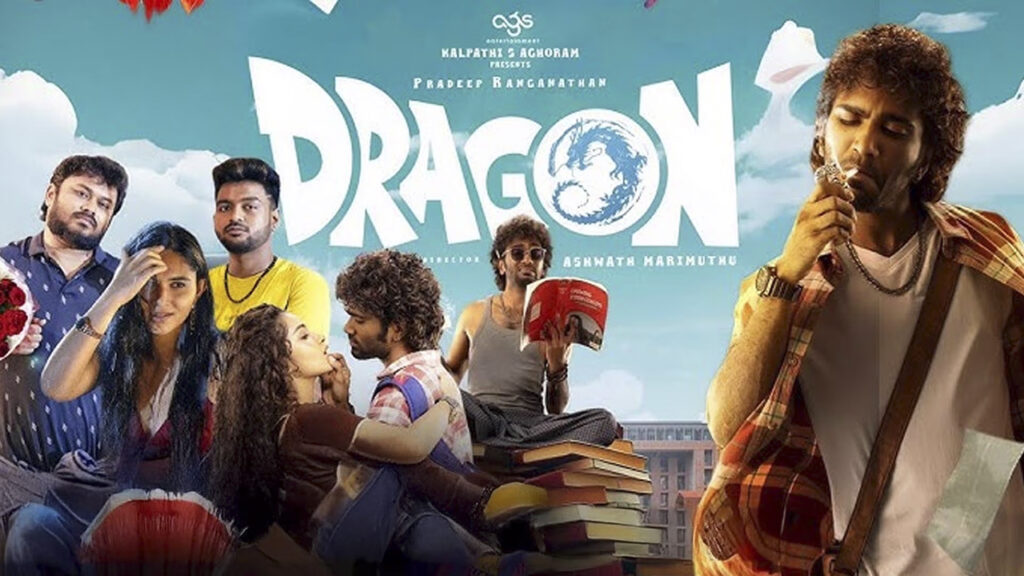
Dragon: Ashwat Marimuthu’s Dragon is a roller coaster ride of emotions. It’s in equal parts emotional and also a laugh riot. Through a terrific Pradeep Ranganathan Ashwat broke the trope of a rowdy boy being cool. A serious issue like the consequences of taking shortcuts was also portrayed well without being overtly melodramatic.
A strong aspect of Dragon is the dynamics between Pradeep Ranganathan’s Raghavan and Mysskin’s Mayilvahan. Mayilvahan knows Ranganathan inside and out: he makes a re entry into the protagonist’s life at a very crucial point. Mayilvahan is a righteous man but at the same time he isn’t a caricature. He believes in giving second chances. Mysskin brought certain warmth to the part in spite of an outwardly stern nature. Mayilvahan pushes Raghavan in making him realize the mistakes. The dynamics between these two characters takes the graph of second half to a whole new level.
The post interval portion has a crucial message about redefining heroism as nobility rather than as just success. A key emotional outburst from Pradeep Ranganathan elevates the film to a higher moral plane: something which we don’t generally see in the mass template. Mention must also be made of Anupama Parameswaran as Raghavan’s ex. She brings in an emotional resonance especially in the second half.
Tourist Family: Tourist Family directed by Abhishan Jeevinth is a highly optimistic yet an important tale of humanity. The movie broadly encompasses the themes of displacement, identity, familial bonds and the need for empathy through an immigrant family seeking refuge in Tamil Naidu.
This family consists of Dharamdas along with his wife and sons. Sasikumar and Simran played the husband and wife: The two sons are played by Mithun Jai Shankar and Kamlesh Jagan. Yogi Babu is the relative helping out Dharmdas and co.
A strong aspect of Tourist Family is the family friendly tone in the age of macho heroes and expansive set pieces. The plot is very simplistic but what makes the difference here is the narration. The movie has ample moments of fun as well emotionally poignant sequences. The family dynamics have a lived in feel too further enhanced by the cast.
Sasikumar as Dharamdas did a wonderful job in portraying the different facets. Simran as Vasanthi played the role with grace and also a strong inner strength. Among the two sons Kamalesh Jagan brought in some laughs with his comic timing. Yogi Babu as the relative also delivered some chuckles.
An overview into some of the best web series from Hindu and Telugu with different storylines
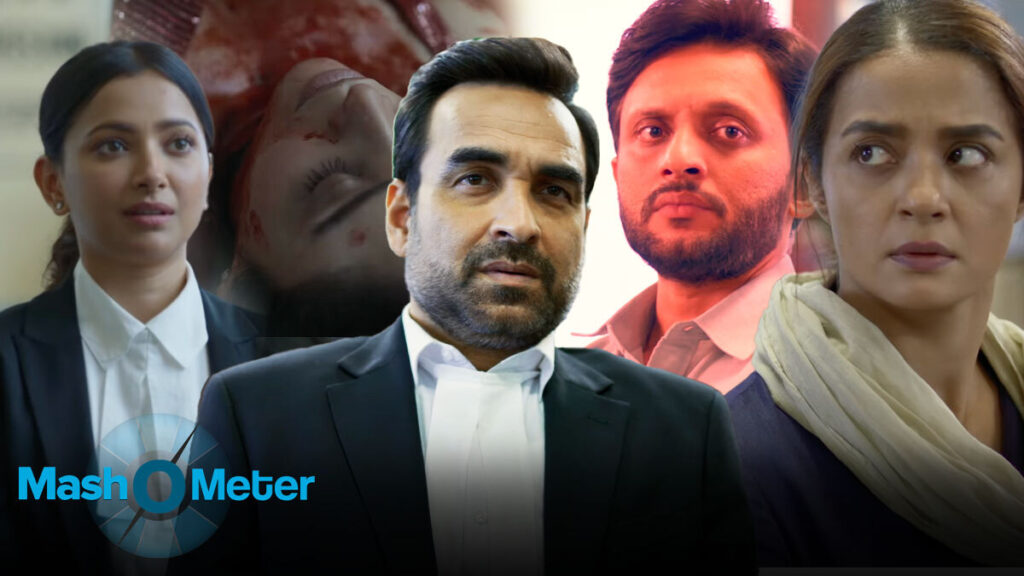
2025 can be easily categorized as the year of Applause Entertainment whose CEO is Sameer Nair. The year started with the fabulous Black Warrant based on a book of the same name. The web series was directed by numerous people including the fantastic Vikramaditya Motwane. The show presented a very gritty picture of the deeply horrifying situations in a jail making reforms difficult. Next came Criminal Justice Season 4. Directed by Rohan Sippy Criminal Justice Season 4 did an excellent job in exploring issues like mental health and grey areas in marriage: Pankaj Tripathi returning back as Madhav Mishra did an excellent job as always combining humor with empathy.
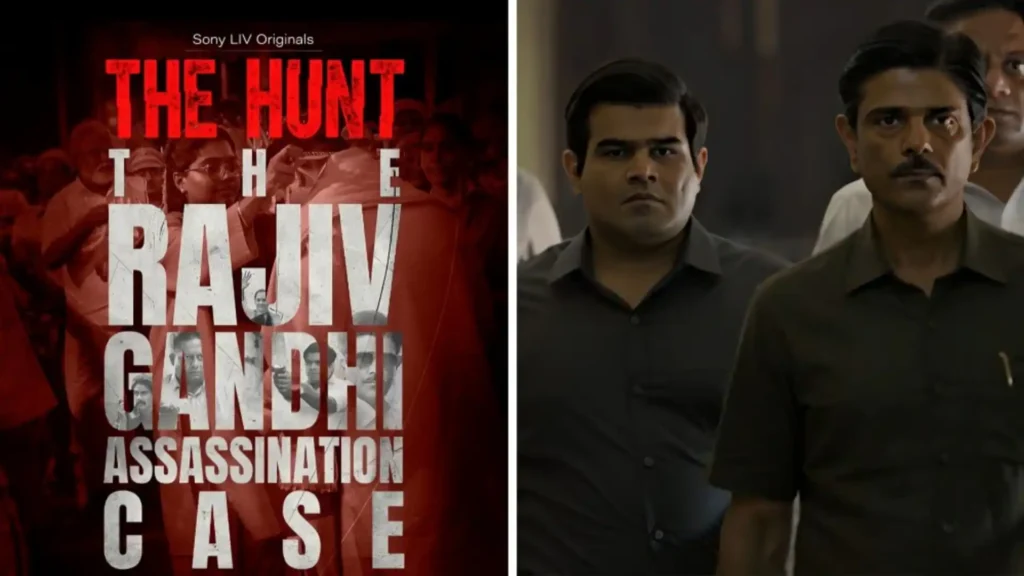
Last but not the least Nagesh Kukunoor’s The Hunt “The Rajiv Gandhi Assassination Case) also won many hearts. The series was a gripping manhunt with multiple perspectives. The famous quote of “One Man’s terrorist is another man’s freedom fighter”, was explored well. Apart from the above-mentioned web series the other noteworthy ones include Paatal Lok Season 2, Khauf, Kankhajura, Waking of a Nation, Aashram season 3 part 2 and lastly Aryan Khan’s stunning directorial debut The Ba***ds of Bollywood.
As far as Telugu web series is concerned the year was pretty dull with just a handful of impactful shows. Deva Katta’s Mayasabha easily tops the list. Mayasabha was a welcome return to form for the director. The series doesn’t shy away from wearing its politics on sleeves especially the dialogues related to caste disparities. The talented Aadi Pinishetty got a solid role. He was seen as the fictional Chandra babu Naidu and the actor absolutely nailed it. Among others Devika &Danny had a good message of women empowerment through a friendly ghost. Lastly Arabic Kadali though a rehash of Thandel had its highs too. Director VV Surya Kumar did a fine job in dealing with the socio-political aspects. Also, the Pakistani characters had more depth in comparison to Thandel.
Following is an overview into the best web series of 2025 Hindi and Telugu
Black Warrant: Black Warrant directed by Vikramaditya Motwane, Satyanshu Singh and others presents a very gritty picture of jail life. How bringing reforms is extremely difficult was presented well. This web series is based on the book of the same name. The show focuses on the notorious functioning of the Tihar jail set in the 80’s. The base is Tihar jailer Sunil Gupta. Sunil Gupta was known for doing some great work. One of his major achievements is starting Tihar’s first legal aid cell. In spite of getting a secure railway job Suni Gupta pursued his dream of wearing a khaki uniform. Young actor Zahaan Kapoor successfully entered into the shoes of Sunil Gupta.
The web series did an excellent job in capturing the soul of the novel especially the intricate power structure and the various hierarchies based on both caste and religion. The characterization of Zahaan as Sunil Gupta was also well done starting off as a vulnerable young man to becoming more confident. Apart from Zahaan’s performance the supporting characters were also written with nuance especially Rahul Bhatt. Rahul Bhatt’s character is mostly selfish with moments of genuine empathy for his fellow men. The actor did an excellent job in portraying the different shades. Sidhant Gupta as Charles Sobharaj also shined bright. The women characters though needed better writing. Only Rajshri Deshpande made some impact as a firebrand reporter. Nevertheless, Black Warrant is a gripping watch.
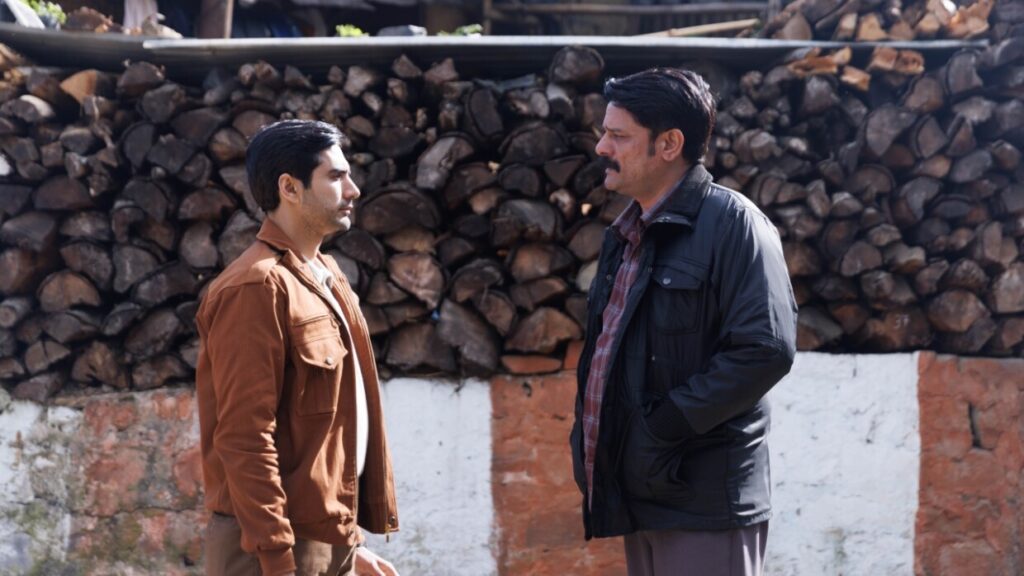
Paatal Lok Season 2: Avinash Arun Dhaware’s Paatal Lok Season 2 is a fantastic dive into Nagaland’s socio political landscape. Along with creator Sudip Sharma he made a web series notches above the first one. A strong aspect of Paatal Lok Season 2 was the depiction of Nagaland politics. The contrast between the beautiful landscapes and the immense turmoil of the local population was wonderfully captured. One of the major themes in Paatal Lok Season 2 is the insider versus outsider topic. A section of people coming from outside pay a certain amount of money to a local group in hope of ensuring their safety.
But that isn’t enough on some occasions. This especially comes out in a super conversation between Jaideep Ahlawat’s Hathiram and a businessman. Talking about Jaideep Ahlawat the actor was superlative once again. The way he portrays the strong determination while battling professional and personal issues was a delight to watch: mention must also be made of Tilotama Shome playing SP Meghana Baura. As a local police officer and the solo woman, the character brings in an interesting female perspective into what is generally considered a male bastion. Ishwak Singh too made his presence amply felt as once upon a time junior and now Hathiram’s boss. There is a palpable thread of friendship amidst the awkward scenarios.
Aashram season three part 2: Prakash Jha’s Aashram season 3 part 2 was a satisfying conclusion. In spite of some elongated stretches the series makes the viewers ponder about the power held by these fake babas.
The strong determination of Aaditi Pohankar’s Pammi in bringing down the empire of Bobby Deol’s Niral Baba was a treat to watch. A major part of this plan is turning Niral Baba and Chandan Roy Sanyal’s Bhopa against each other. Pammi’s game of seduction though slow paced gave the show some of its best moments. Aaditi Pohankar did an excellent job in capturing the transformation from a victim to an avenger.
The web series also has some fantastic dialogues on aspects related to power and faith. In a very explicit manner Prakash Jha shows devotion being a double-edged sword. How playing with someone’s faith through numerous lies can take you down came out in an excellent manner. Bobby Deol as Nirala Baba was first rate especially in the scenes where the tables are turned against him. There is an important dramatic breakdown featuring the actor and Bobby did an excellent job. Chandan Roy Sanyal had a bigger canvas to play around with compared to the last seasons and the actor did a terrific job too.
Khauf: Khauf directed by Pankaj Kumar and Surya Balakrishnan is a slow burn horror thriller with real word issues. A strong aspect of Khauf is the technical department headed by a fantastic Pankaj Kumar himself. The hostel in which most of the story takes place became a major character in itself: A sense of claustrophobia is palpable creating the right amount of tension. The setting of Delhi is also a masterstroke given the shameful scares associated beyond the gruesome Nirbaya case.
The different issues faced by modern female came out in an impactful manner especially with the main protagonist. Monika Pawar as Madhuri was absolutely fantastic in showcasing the varied emotions. A special mention must be made of the portions where the protagonist becomes more confident after being possessed by a certain thing. Rajat Kapoor in a terrifying negative role was first rate as well. He brought in the right amount of creepiness instilling fear in audiences minds.
Geetanjali Kulkarni in a grey shaded role was wonderful too. The way she oscillates between a worried mother and a tough police woman gave the show some of its best moments. The subplots connected to Madhuri’s hostel mates was also done well with each representing different kinds of issues faced by everyday women in society. One big problem with Khauf is the clichéd use of trauma as a way to give agency to a woman. Also, the show suffered from some abrupt tonal shifts. Nevertheless, Khauf was an excellent show for most part.
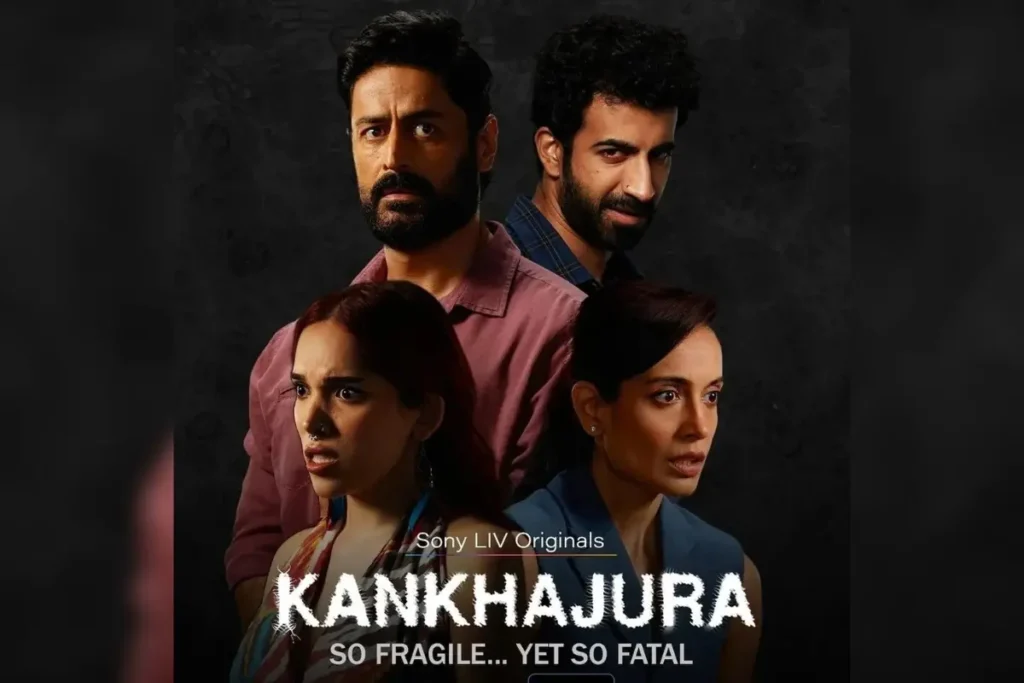
Kankhajura: Kankhajura is a gripping psychological drama about flawed humans. Director and writer Chandan Arora did a fine job in exploring the impact of childhood traumas specially bullying and how need for validification leads to manipulative behaviour. This show is based on a series called Magpie from Israel. A strong aspect of Kankhajura is the gradual building of tension. The aspects of past traumas, sibling rivalry and unresolved guilt were integrated well. The cinematography of Rajeev Rai and Vinod Illampally also added to the thrills. Though shot in Goa the web series presents the place in a very different way unlike the usual mainstream route.
Mention must also be made of how the women characters came out. Though a Roshan Mathew and Mohit Raina show reel the female protagonists have an important role too. Sarah Jane Dias and Trinetra Halder had a strong individuality especially the former. There are numerous portions in the series where Sarah Jane Dias is seen giving back to Mohit Raina’s Max about his unlimited greed. This strongness is maintained throughout and as a result the viewers cheer for her when she walks out of marriage. Trinetra Halder as a transgender also played her part with lots of grace successfully bringing out the inner strength.
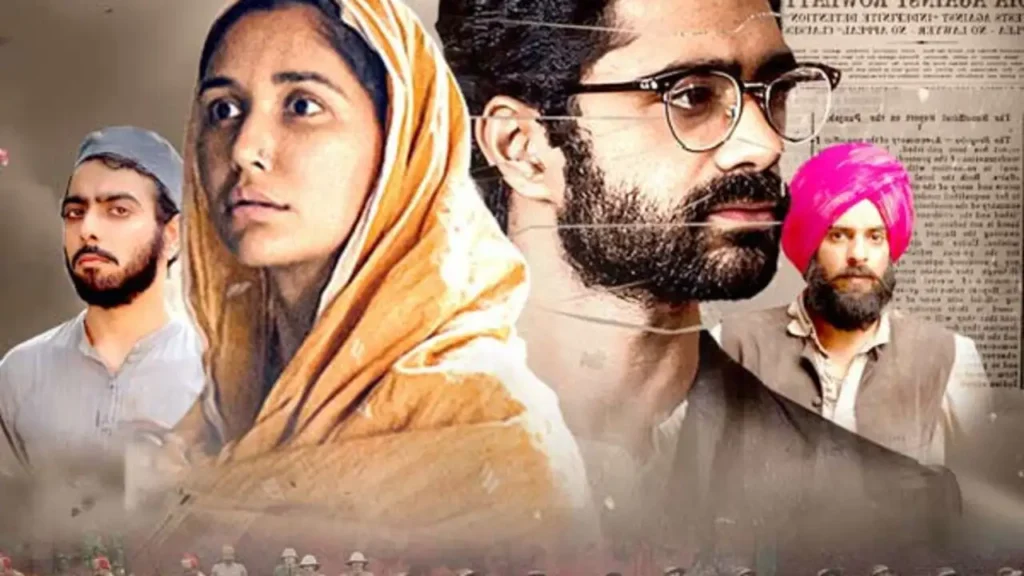
Waking of a Nation: Ram Madhavani’s Waking of a Nation is a patience tester with the constant back and forth: nevertheless for history buffs especially the series is worth watching. This web series focuses on the events leading up to the horrific Jallianwala Bagh massacre through the eyes of a young lawyer Kantilal Saahani (a fantastic Taaruk Raina).
Kantilal Saahani is a beneficiary of western education making him an outsider amongst his group of friends. This character is apparently based on Sri Chamanlal Harilal Setalvad a man known for cross examining General Dyer.
A strong aspect of this Ram Madhvani directorial is the depiction of the political events leading up to the massacre. Ram Madhavani along his writers were especially good in shedding light on the controversial Rowlett act. The depiction of the massacre with just sound design and panic stricken reactions of the people gives a haunting experience too.
An important subplot in Waking of a Nation is the themes related to racial discrimination not just by the British; it’s also about the discrimination followed by fellow Indian on the basis of caste and religion. The underlying message is about the need to stay united irrespective of caste and religion. This is an important message keeping in mind today’s divisive political environment.
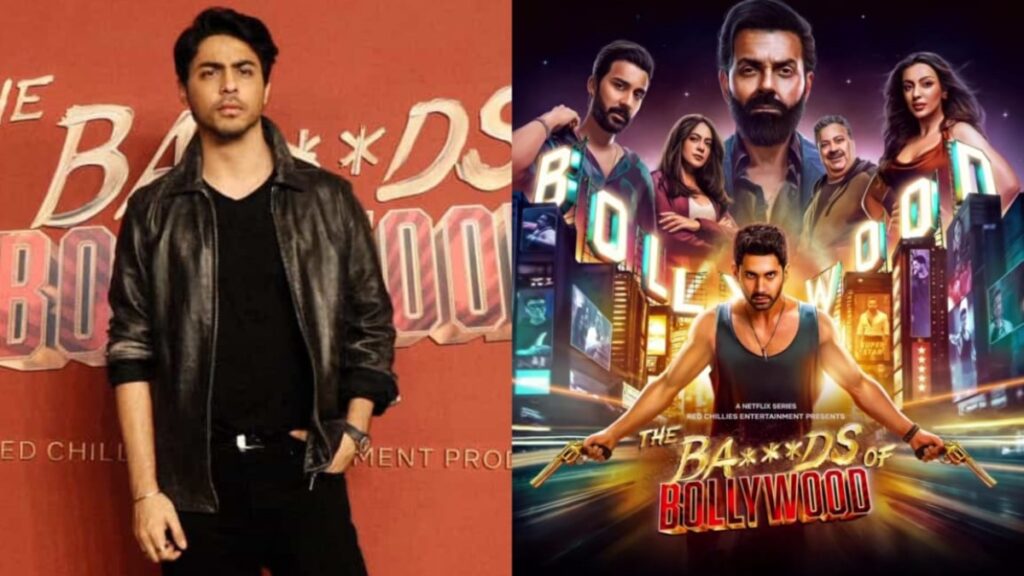
Ba***ds of Bollywood: Aryan Khan could have easily chosen to be a leading man with his background of badshah Shah Rukh’s Khan son. Instead, Aryan chose to be a director showcasing his uniqueness. Ba***ds of Bollywood is a wonderful whimsical ride with strong satire. Much like Zoya Akhtar’s Luck By Chance the Ba***ds of Bollywood too is a percipient take on the starry world of movies. But this one goes a step ahead in dealing with the insider and outsider debate along with exploitative producers coupled with the uncertain nature of fame etc.
Lakshya Lalwani’s Aasman is an outsider going through a roller coaster ride of different emotions. The series features a number of cameos from Ranveer Singh, Karan Johar and Emraan Hashmi among others. Emraan Hashmi as an intimacy coach works the best among the extended cameos. Raghav Juyal’s reaction on seeing Emraan is priceless. The character goes into a complete fan mode singing Emraan Hashmi’s famous songs. Emraan’s absolute bewilderment on how to deal with the fan boy moment coupled with Raghav Juyal’s acting is simply fantastic. Apart from the glossy packing the show also has some strong emotional moments. A specific mention must be made of Anya Singh in the role of Aasman’s manager. She lends in certain gravity as a trusted ally making the viewers wish that they also had a loyal manager like her. Mona Singh and Vijyant Kohli in the role of parents were wonderful too like the sequence where the father gives an important advice on never backing down. The friendship between Lakshya and Raghav also gave the show some of its best moments. It was wonderful to see the different dynamics after last year’s Kill.
Lakshya as Aasman showed that Kill was no fluke coming up with a solid act. He brought alive the determination of Aasman as well as a certain cheeky nature. Bobby Deol as one of the primary villains continued his golden form bringing in both a starry aura as well as solid acting chops. Overall Aryan established himself as a promising masala director especially the climatic twist. He definitely made his father proud.
Best Telugu web series (2025)
Mayasabha: Mayasabha directed by Deva Katta is an excellent socio-political drama. The web series as earlier said doesn’t shy away from wearing politics on its sleeves especially the dialogues related to caste prejudices. In simple terms the story is based on Chandra Babu Naidu and late Rajasekhar Reddy. The fictional names are Karakala Krishnama Naidu and Dr MS Rami Reddy. Aadi Pinishetty and Chaitanya Rao did an excellent job in their respective parts.
The dynamics between the two principal actors was one of the shows biggest strengths. How they start as idealists with a common aim of transcending social divisions and their differing responses to societal pressures were written with nuance. The portions of two disagreeing offers a fresh take on political rivalries by never getting venomous. Maysabha also deserves credit for the way it gives voice to the marginalized. There are disturbing scenes of people caught in a major crossfire due to power hungry politicians. The character of Ravindra Vijay wanting to shield his family from violence is a perfect representation of this theme.
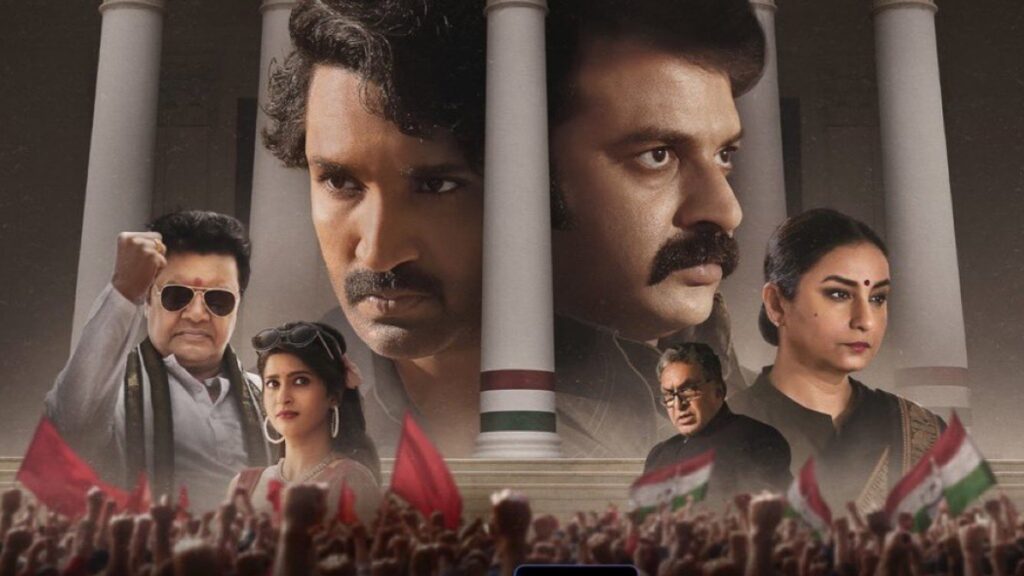
The supporting cast were also excellent especially Divya Dutta and Sai Kumar. Divya Dutta playing the role of Indira Gandhi had a commanding presence. The track of emergency has a contemporary touch especially in the dialogue “You will give birth to a line of dictators who will use your method, impose emergency and not even call it one.” Sai Kumar as the legendary NT Rama Rao shined with his strong voice modulation and a powerful presence.
Devika &Danny: B Kishore Devika &Danny is an interesting mix of supernatural elements and a young woman breaking out of self-imposed shackles. The web series has simple but effective storytelling. The show starts off as an anthesis to one of Ritu Varma’s hit movie Pelli Choopulu. Devika lacks a certain agency unlike Chitra from that movie at least in the initial portions. This is established in a very effective manner setting the tone for the subsequent transformation. How a ghost played by Surya Vashishta becomes a medium for this gives the show some of its best moments. There’s nothing unpredictable here but the small nuances make a big difference.
B Kishore also did a good job in addressing generational through the roles of Gopuraja Ramana as Devika’s prospective father in law. Subbaraju played the role of Devika’s fiancée. Both the actors did justice to their parts especially Subbaraju with his serious expressions and a certain exasperation.
In the role of Devika Ritu Varma delivered an assured performance with the right mixture of vulnerability and inner strength. Surya Vashishta as the friendly ghost was charming too making the viewers wish that the two had met in different circumstances.
Arabic Kadali: Arabic Kadali directed by VV Surya Kumar had a major hangover of Thandel with its themes. Nevertheless the show is worth watching for its handling of socio-political aspects. A special mention must be of the Pakistani characters who are presented in a much more layered manner. A good example of this is the scene where a judge is seen defending Indian fishermen in front of Pakistani officials. Even Amit Tiwari as the evil warden gets a credible redemption arc too.
Lastly Poonam Bajwa playing Dr Fatima isn’t afraid to express her opinions. The actress played the role with the right amount of warmth and authority. Arabic Kadali though doesn’t just confine itself to Indian Prisoners languishing in Pakistani jails; it also talks about the Pakistani ones in a similar situation. The underlining message is the need for humanity across borders.
Satyadev in the role of Badri makes sure that the character’s saint like nature never comes across as irritating. The actor is especially impressive in the scenes of emotional vulnerability. Anandhi as Ganga also did a good job in portraying the inner strength. Much like Sai Pallavi in Thandel she too is a woman of steel not letting cynicism get to her. Yes the love story could have done with more intensity still the viewers root for Badri and Ganga to get together.
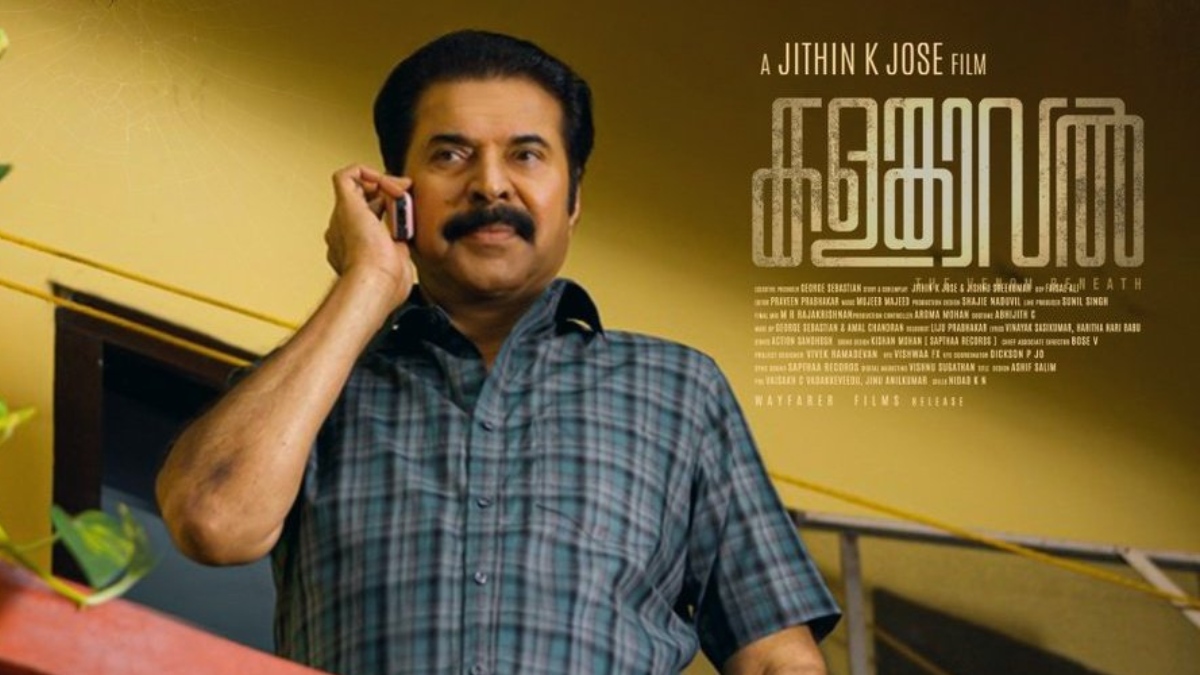
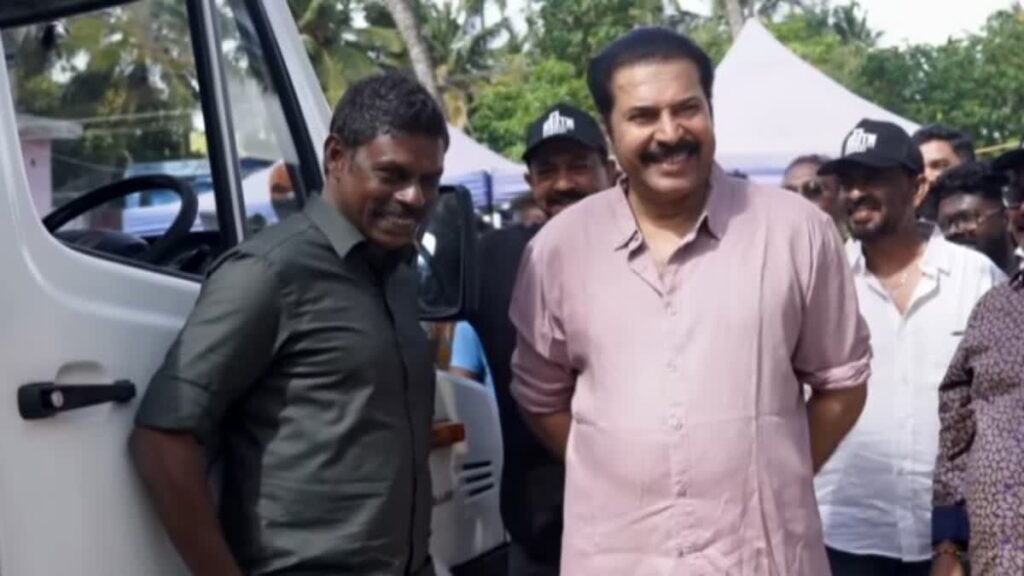
Kalamkaval is an absolute treat for Mammootty die-hard fans. The actor does a fantastic job as the charming serial killer, but the film needed more polish. The women targeted by the protagonist have been written with zero care making it difficult to care for them. Vinayakan as the determined cop proves to be the perfect foil with his understated but very effective act.
Starcast: Mammootty, Vinayakan and others
Genre: Crime
Director and writer: Jithu K Jose
Additional writer: Jishnu Sreekumar
Producer: Mammootty
Production Company: Mammootty Kompany
Music: Mujeeb Majeed
Cinematography: Faisal Ali
Running time: 2 hours and 17 minutes
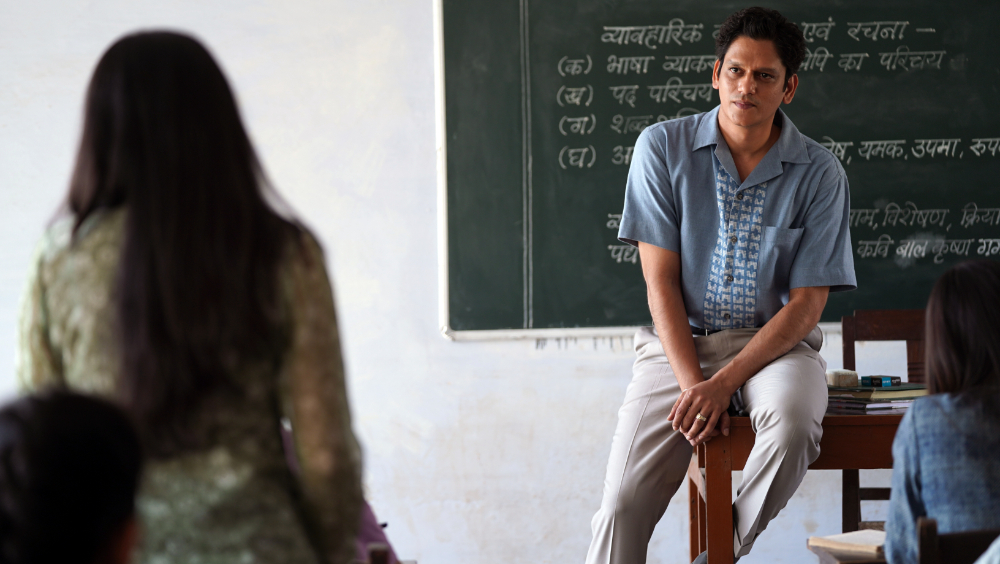
The story of Cyanide Mohan a notorious serial killer has caught the fancy of numerous filmmakers. Both movies and web series on how he trapped women systematically have come in the recent past. A good example is Dahaad streaming on Amazon Prime. The web series had the excellent Vijay Verma in the role of a supposedly mild manner college professor and a noble man doing social service. His actual reality though is something else. The 2025 Zee 5 Film Bhagwat Chapter one: Raakshas saw the Panchayat actor Jitendra Kumar in a surprisingly dark role.
Vijay Verma in Dahaad
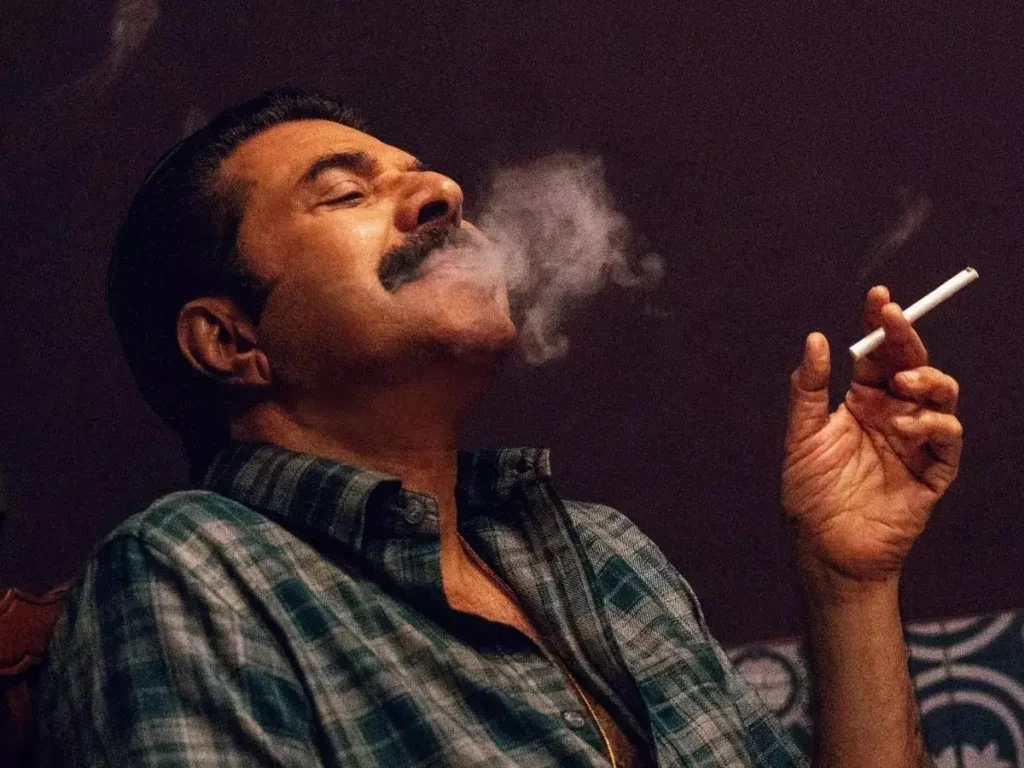
Now you have Kalamkaval also inspired from the same terrain. The big difference here is the presence of the legendary Mammootty as the ladies’ man/psychopath. As earlier said the film often plays like an expensive showreel with him getting the meatiest scenes. This is both a plus and a minus: something which I will get to later. In simple terms Kalamkaval focuses on a seemingly ordinary man targeting a specific category of women. There are zero surprises regarding his identity. So, the question here is more about how the antagonist gets caught through the efforts of a honest and resolute cop Jayakrishnan (an excellent Vinayakan).
A strong aspect of Kalamkaval is the chilling atmospherics. A major credit for that goes to background score and cinematography. The shift of mood when Mammootty goes from charming to a beast has been wonderfully done. It gives ample thrills making the viewers scared about the protagonist’s psychological mindset. The cinematography is of an excellent order too. The duality of the antagonist with a sharp contrast between his family life and the sinister side is first rate. Both Mujeeb Majeed and Faisal Ali deserve distinction marks for a job very well done.
Mention must also be made of the psychoanalytical commentary. There is an important conversation between Jayakrishnan and his senior officer about the extreme dark nature of human beings. The conversation raises some important points on how the minds of a certain section work. This portion is brief, but it gives a psychological insight into the modus operandi of men like Cyanide Mohan.
It goes without saying that Mammootty is excellent. In spite of playing an antagonist previously too like Puzhu and Bramayugam the veteran actor shines bright even when proceedings start to get repetitive. How he turns the charms on when required and unleashes the venomous side strategically is a masterclass in acting. Vinayakan as Jayakrishnan is more subdued but the actor more than makes his presence felt. He is first rate in capturing the gritty nature of an honest cop.
Other than the two leads no other actor registers and this is a major issue with Kalamkaval. The women targeted by Mammootty especially have zero shades. They mostly exist to be impressed and then killed. This aspect makes Kalamkaval somewhat a tedious experience. Also, the stylish presentation of a serial killer to the point of romanticization needed to be avoided. A more earthy approach would have helped the proceedings.
The movie also suffers due to a major hangover of both Dahaad and Bhagwat Chapter one: Raakshas. The former particularly comes to the viewers mind especially for those who have seen the web series. The slow pace of police investigation and also the duality between antagonists’ domestic life and what he actually is feels like a major replica of that one.
Final word: Kalamkaval is worth watching to see Mammootty experimenting with different roles but a tighter narration with better women characters would have enhanced the final product.
Aditya Dhar’s second directorial is high on style and solid word building but suffers due to an overblown narrative. The predictable beats of jingoism with Pakistan as the arch enemy gets tiring. Akshaye Khanna steals the show as the swashbuckling Rehman Dakait. He overshadows leading man Ranveer Singh on numerous occasions
Starcast: Ranveer Singh, Akshaye Khanna, R Madhavan, Arjun Rampal, Rakesh Bedi, Sanjay Dutt, Sara Arjun and others
Genre: Action/drama
Writer, director and producer: Aditya Dhar
Additional Producers: Lokesh Dhar and Jyoti Deshpande
Production Companies: Jio Studios and B62 Studios
Music: Shashwat Sachdev
Cinematography: Vikas Nowalakha
Running time: 3 hours and 32 minutes
Aditya Dhar has made a solid place for himself as a patriotic storyteller. Whether its Uri: The Surgical Strike or Article 370. The latter wasn’t directed by Aditya Dhar but he was one of the screenplay writers along with the story. These films are well mounted nationalistic movies making them even more dangerous. Dhurandhar belongs to the same terrain with high pitch nationalism and a solid technical department.
The storyline of Dhurandhar starts off with the 1999 Kandahar episode followed by the 2001 Parliament attacks. This leads to the formation of operation Dhurandhar. R Madhavan is Ajay Sanyal based on National security advisor Ajit Doval. Ranveer Singh is the undercover spy tasked with an enormous responsibility. He has to win the trust of an influential figure Rehman Dakait (a scene stealing Akshaye Khanna). Nothing more can be revealed as the plot is very dense with switching loyalties and backstories.
A strong aspect of Dhurandhar is the recreation of 200’s Pakistan. There is a gritty texture to the depiction of gang wars and Pakistan’s political atmosphere. A major credit for that goes to production designer Saini S Johary. The settings have an authentic tone successfully transporting the viewers. The audiences feel that they are travelling alongside these characters. The cinematography of Vikas Nowalaka is of a good order as well. The way he captures the tension filled atmosphere with a particular lighting as well as the sweeping landscapes is first rate. Shashwat Sachdev’s background score is also rousing. The songs are more experimental than of the popular type, but it goes with the movie’s narrative.
The action chorography is deliberately gruesome: at the same time the way it has been shot especially hand to hand combats is praiseworthy. The climatic faceoff between Sanjay Dutt and Akshaye Khanna particularly stands out. The physical agility of both the actors is commendable.
The performances of the vast ensemble also help this sprawling saga. The ones who stands out are Akshaye Khanna and Rakesh Bedi. Akshaye Khanna has always been a chameleon and here too the actor is first rate. As the Karachi inspired crime lord Akshaye chews the scenery with his effortless acting. There is a magnetic charm about the man in spite of the brutality. In spite of the brutal nature there is also an emotional side: this comes out in an impactful manner during the portions of son’s death, and the actor simply nails the different shades. When Akshaye is there on the screen it’s hard to take your off him. The combination scenes between Ranveer and him is a solid example of this. Rakesh Bedi as the cunning politician also makes a strong impact. His character switches colors like a chameleon and Rakesh Bedi does complete justice to it. The scenes featuring Rakesh Bedi gives Dhurandhar some of its best moments.
R Madhavan as the fictional Ajit Doval brings in an understated gravity. Sanjay Dutt as the Pakistani cop desperate to settle scores with Rehman Dakiat also makes his presence amply felt. Arjun Rampal as the volatile ISI agent is also good with his sinister villainy. Ranveer Singh gets somewhat lost in this huge cast. His character is more internalized and Ranveer does well: however, the killer impact is missing. The actor only comes alive only in the pre climax where he lets it all out.
Sara Arjun as the love interest though sticks out like a sore thumb. More than the glaring age gap what sticks out is how fast her character falls in love with the hero. It happens over an escape from a police raid. The way Ranveer flirts with Sara Arjun’s Yalina is more chessy than romantic. Other than being a moral support for the hero Yalina has nothing more to do. For a nineteen-year-old Yalina has zero interest in doing anything with her life. Infact the movie has no prominent female characters. Another major problem with Dhurandhar is its exhausting length coupled with the familiar anti Pakistan position. The depiction of Pakistan as the hub of all terrorist activities is a done to death trope. It doesn’t evoke much reactions especially for the neutrals who aren’t into Pakistan bashing. The movie also features dialogues which are a throwback to Uri: The Surgical Strike. They come across as cliched rather than rousing.
The second half also meanders with some superficial arcs. Some of the subplots are merely touched as a founding stone for the second part. This results in a certain fatigue making the viewers wish that the film concludes soon.
Final word: Dhurandhar is best enjoyed for those who like gritty action dramas with ample doses of patriotism and let’s hate our neighbor.
Tere Ishq Mein often feels like a friendship meet between Kabir Singh, Animal and fighter. Aanand L Rai and his longtime collaborator Himanshu Sharma pick elements from various movies: the end result is let’s hate a woman for rejecting the hero, how dare she marry someone else. The problematic representation of mental health also adds to the agony. The cliched use of traumaas a justification for protagonist’s violence is the final nail
Starcast: Dhanush, Kriti Sanon, Prakash Raj, Tota Roy Chowdhury and others
Genre: Romantic drama
Director: Aanand L Rai
Writers: Himanshu Sharma and Neeraj Yadav
Producers: Aanand L Rai, Himanshu Sharma, Bhushan Kumar etc
Production Companies: Color Yellow Productions and T Series Films
Music: A R Rahman
Cinematography: Tushar Kranti Roy
Running time: 2 hours and 49 minutes
There is a very thin line separating intense love and celebrating problematic characters under the disguise of romance. Mohit Suri’s Saiyaara was an intense romantic drama done right. Yes, Ahaan Pandey’s Krish Kapoor starts off as a hot-headed young man with temper issues: however, the second half sees a major change with the hero becoming a devoted boyfriend putting his love above the need for fame. By the end the hero strikes the perfect balance between ambition and standing for his love. Tere Ishq Mein on the other hand has very harmful gender politics. The hot-headed nature of Dhanush’s Shankar is often passed as heroism and deep love.
The storyline of this convoluted mess begins with a scene firmly establishing the hero’s aggressive nature. Shankar (an intense Dhanush) is a fighter pilot facing disciplinary action. Shankar needs a mental health certificate clearance stating that he is fit to participate in an ongoing war. Kriti Sanon plays a supposed psychologist Mukti which is more unintentionally funny. Mukti has a complicated past with Shankar: this is revealed gradually with numerous flashbacks.
Looking for positives in a train wreck like this is similar to searching for a needle in Haystack. Still to give credit where its due Prakash Raj as Shankar’s concerned father strikes an emotional chord. The veteran actor especially shines in the sequence of pleading with Mukti’s father (a suitably arrogant Tota Roy Chowdhury). There is also a very poignant father and son moment explaining why Shankar becomes a fighter pilot instead of pursuing UPSC. Tota Roy Chowdhury as the upper-class aristocrat has a strong presence. His attitude towards Shankar has a condescending nature but as a father it’s understandable why he wouldn’t want a guy like Shankar to be his son- in- law. It also doesn’t help that Shankar continues to be a proud alpha.
Dhanush as Shankar brings his trademark earnestness. The south Indian accent along with the character’s nature stops the viewers from being completely invested. But Dhanush’s efforts as a performer cannot be faulted. He is especially good in a heartbreak sequence involving Kriti. The questions that he asks about Mukti using him as a guinea pig for her psychological study of violence is genuinely good.
As far as the flaws are concerned the basic premise is the biggest problem. Mukti’s obsession with getting her thesis done and a certain overconfidence on her ability’s reeks of stupidity. She is very much aware of Shankar’s temper and how dangerous he can be: In spite of being aware Mukti invites self-trouble. As a professor rightly says Mukti could have chosen another subject area for PHD thesis rather than I will go out of my way to reform a violent man. This in itself becomes a major obstacle for sympathizing with Mukti. Also, the character graph from a confident young woman to walloping in self-destruction has many tonal problems.
For a supposed psychologist Mukti has zero control over her emotional turmoil. There are numerous sequences of her drinking and vomiting. This happens even when she is pregnant. As a viewer you really feel for the on-screen husband who in spite of knowing her complicated past and an inability to get over stands with her.
Shankar for all his temper issues at least becomes a fighter pilot which is a huge improvement from Raanjhanaa. The entire arc of Mukti in simple terms is spinless. This is in a very sharp contrast to a movie like The Girlfriend where Rashmika’s Bhooma goes from timid to assertive. Even Shivani Nagaram’s Khathyayani in Little Hearts does a much better job in handling pressure and exercising her choice. Kriti tries her best but there isn’t much she can do with a self-defeating woman like Mukti.
There is also a forced link with Raanjhanaa with an extended special appearance of Mohammed Zeeshan Ayub. His attempts at philosophical puns on Shiva and Mukti is completely out of place. It irritates the viewer’s big time. Both the writing and the dialogues don’t help. The portions of Dhanush pursuing UPSC is also very shabbily done. It will make the fans of 12th fail movie squirm in their seats.
Finally, Tere Ishq Mein’s attempt at handling different threads like class differences, Emotional trauma due to a loss of parent etc. is simply surface level. Most of it is used for convenient dramatic moments.
AR Rahman’s music works in parts. The theme song coupled with a Sufi track Deewana Deewana is striking. Tushar Kranti Ray’s cinematography is effective in capturing the different moods of the movie.
Final word: Watch Tere Ishq Mein only if you are in the mood for heartbreak and are fans of doomed love stories.
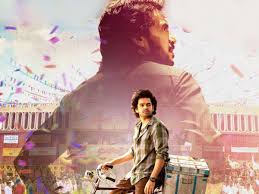
Unlike Maneesh Sharma’s Fan Andhra King Taluka does a much better job in using the emotional bond between a devotee and his favorite actor. Ram Pothineni finally gets a noteworthy part, and the actor does a very good in portraying the different nuances. Upendra in an important supporting role lends gravity as Sagar’s idol. The heartfelt conversations between the two is the soul of Andhra King Taluka. At the same time the underwritten love story plays a major spoilsport
Producers: Naveen Yerneni and Yalamanchili Ravi Shankar
Production house: Mythri movie Makers
Music: Vivek Mervin
Cinematography: Siddartha Nuni and George C Williams
Running time: 2 hours and 43 minutes
There is something magical about the bond shared by a fan with his favorite actor or actress. You may never meet that person and he or she will probably never know about your existence. But the influence of the characters played by an actor that you adore stays permanently. This can be both positive and negative depending on the audience mindset. Movies about fans and their favorite stars have been made previously too but Andhra King Taluka holds a certain novelty. The freshness majorly comes from how Ram’s Sagar learns many life lessons from the on-screen characters of his idol. How the paths of Ram and Upendra meet leading to a heartfelt conversation is touching.
The story of Andhra King Taluka begins with the introduction of Upendra’s Surya. A major star going through a financial crisis now. His 100th movie is shelved and some people are after him to give the money back. At this crucial point a large amount is deposited in Surya’s account in the name of Sagar. Surya is curious about the identity of Sagar and on some research, it is found that Sagar is the president of fan’s association called Andhra King Taluka. Surya decides to meet Sagar personally leading to a life changing journey.
A strong aspect of Andhra King Taluka is the depiction of fan mania. Yes, Sagar’s excessive devotion towards Surya may across as melodramatic for some but anyone remotely aware of how fandom plays out will understand Sagar’s extreme love. There is an important flashback too explaining Sagar’s nervous issues. How in moments of fear he starts to stutter. A major reason for Sagar becoming more confident are the movies of Surya with numerous life lessons.
This gives an important emotional edge unlike Fan which portrayed fanism in a negative light. The issues of Sagar’s village in East Godavari and how the hero decides to make things better is also interesting. Its connected to Bhagyashri Borse’s Mahalakshmi. The romance between the two is severely underdeveloped nevertheless Bhagyashri Borse has a charming presence. The love ballad Nuvvante Chale featuring the two makes for a soothing listen and watch.
Andhra King Taluka also benefits from some strong dialogues written by Mahesh Babu Pachigolla himself. For example, there is a portion where Upendra says I may not be aware of who Sagar is but it’s because of fans like him that I am here. Similarly, the climax portion where Sagar talks about the numerous lessons Surya has given him is also touching.
The cinematography of Siddartha Nuni and George C Williams is eye pleasing. The visuals are in perfect sync with the movie’s feel-good tone. The music is also of a good order. The songs especially Nuvantee Chaley and Chinni Gundelo stand out for its melody and the colorful palette.
Ram as already said is top notch in the role of Sagar: whether it’s the devotion of a fan or the more intense moments like the fantastic pre interval block with Murali Sharma. Apart from Upendra Rao Ramesh as Sagar’s father also stands out especially in the scene where he backs up his son’s plans.
Coming to the flaws the love story as already said is severely undercooked. More scenes between Ram and Bhagyashri Borse would have enhanced the romantic parts. More so given the deep love that Sagar has for Mahalakshmi. There is also a moment with Sagar sacrificing something deeply emotional for an actor whom he has never met. This will appear silly for a section of audiences.
Final word: Andhra King Taluk makes for a nice feel-good movie especially if you have been a die-hard fan of any actor or actress.
Directors Raj &DK, Suman Kumar and Tusshar Seyth do a good job in depicting the complexities of northeast. Like the previous seasons here too the characters come with shades of black and white. Yes, the series doesn’t quite match up to the previous ones nevertheless there is a lot to enjoy. The performances led by the ever-reliable Manoj Bajpayee and Jaideep Ahlawat deserve a special mention.
Before dissecting the third season of Family Man it’s necessary to acknowledge how much the representation of Northeast has changed. From a visual prop to now a living and breathing entity. The specialty of The Family Man series has always been a certain grounded nature with a relatable protagonist. In Season 3 there is a moment where Manoj Bajpayee finally reveals his real job nature to the family. The grown-up son played by an endearing Vedant Sinha has an exciting reaction saying do you have a code name like Tiger, lion etc. Srikant replies that he works for the intelligence and not circus. This simple but effective conversation sums up why The Family Man series has always been special differing vastly from YRF’s route of fantasy spy heroes.
Without giving much away season 3 focuses on a new project called Sahakkar. The aim is to help the northeast states who are deprived of development and peace with the common man suffering the most. However, things take a dramatic turn due to some bomb blasts putting the project on temporary hold.
Manoj Bajpayee’s Srikant Tiwari and Dalip Tahil as NIA chief Gautam Kulkarni meet a very respected leader David Khuzou (Sunil Thapa) to bring the project back on track. However, a major obstacle comes in the form of Jaideep Ahlawat’s Rukma. Rukma is a hit man and a drug baron but interestingly he doesn’t take drugs or drinks personally. Srikant Tiwari becomes a suspect due to certain circumstances. From being a respected spy, he becomes the most wanted man. This is the story in brief.
A strong aspect of season 3 is the humanistic lens through which the directors and writers have depicted complex political issues. The representation of northeast people and the state’s situation has a nuanced touch. Even the rebels headed by Paalin Kabak’s Stephen Khuzou are treated in a sympathetic manner. The ideological differences between Stephen and David in spite of the same goal has been both well written and enacted. At one point Srikant and men get shelter from Stephen in very dire circumstances. There are some heartfelt conversations between Srikant and Stephen when the latter opens about picking up a gun at a young age.
In more ways than one the viewers feel they are watching the continuation of Paatal Lok Season 2. This is also due to the presence of Jaideep Ahlawat this time on the other side of the fence. Yes, Paatal Lok Season 2 took a more layered look at the northeast complexities nevertheless what Family Man Season 3 pulls off is also commendable.
The locations of northeast become a major character in itself. It helps in shaping up the tension particularly in the sequences where Srikant and co are on the run. Cinematographer Jay Charola deserves a major appreciation for how he has captured the different moods of northeast landscape through his lens. The music composed by Sachin- Jigar along with Ketan Sodha has a nice northeast flavor adding to the authenticity.
Even the antagonists especially Jaideep Ahlawat has some interesting touches. Rukma can be extremely brutal brilliantly established in his intro: at the same time, he has a different side. This especially comes out in the portions with the girlfriend and the segment when he is trying to embrace fatherhood. Jaideep does a fantastic job as always pulling off the different shades with finesse.
Nimrat Kaur playing an elegant villain brings in the right amount of ruthlessness and charm There are some unsaid feelings in the portions featuring Jaideep and Nimrat. The writing here does fall short but the actors more than make up for it.
The depiction of family dynamics also deserves a mention. The falling marriage and Srikant’s exasperation at everything from bureaucracy to the children’s teenage moods have been wonderfully written and enacted. A special mention must be of a scene where Vedant Sinha’s Athrav patiently explains to his father about nonbinary terms and gen ze slangs in general. Srikant has a bemused, but earnest look on his face genuinely showing interest. As Srikant Manoj pulls off the various shades with his usual finesse. Whether its sarcasm, vulnerability and a fighting spirit even when everything is falling apart.
Sharib Hashmi returning as JK is in great form too. His humor as always is impeccable like the train scene featuring Paradha actor Raj Mayur. JK tries to present himself as a Telugu person leading to a hilarious cooked up story from Srikant. This portion is small but very entertaining. At the same time the scenes featuring JK and Srikant have an emotional resonance when Srikant opens up about a past mistake. JK comforts Srikant by saying that he should focus more on how to get out of the current mess. Mention must be also made of Vijay Sethupathi respiring his role from Farzi. It’s a short but a memorable cameo. The banter between Vijay and Manoj is a treat to watch.
As far as the flaws some subplots are left hanging. This includes the daughter being bullied at school for her opinions. Even the professional life of Priyamani’s Suchitra needed a better handling. Priyamani brings in an emotional heft though the writing doesn’t support her. The same applies to Seema Biswas playing the role of PM Basu. In comparison Shreya Dhanwanthary gets a better arc as the ambiguous Zoya, and she does a very good job. The series also tries to poke fun at the Alpha male image with Athrav taking advice from JK on how to impress his crush with macho methods. At the same time the sister drops in saying how typical is it of two males discussing what a female wants. This is an interesting thread to explore but the makers dump it midway.
Final word: The Family Man Season 3 is worth watching for its depiction of northeast complexities and of course if you are a fan of Manoj or Jaideep.