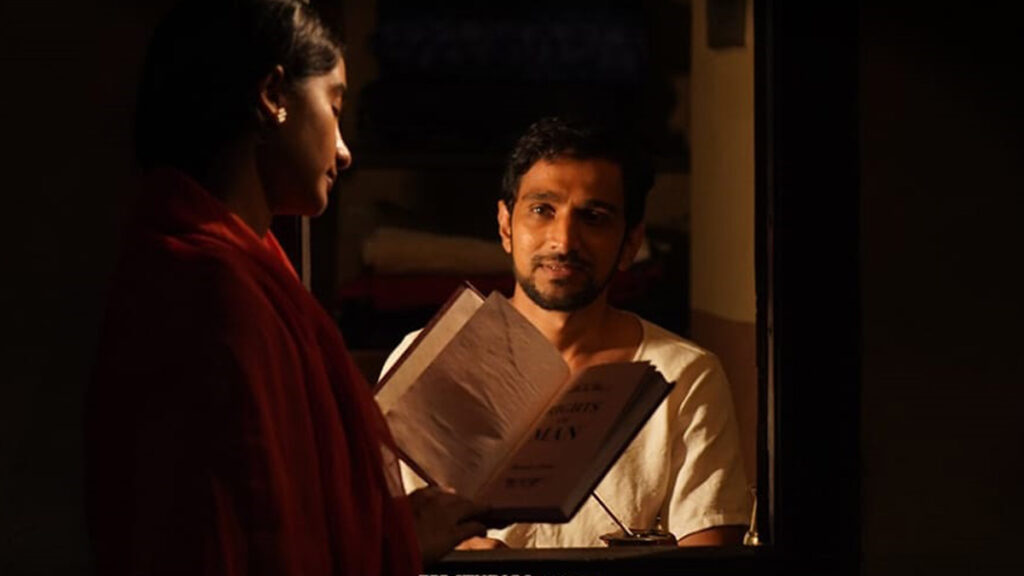
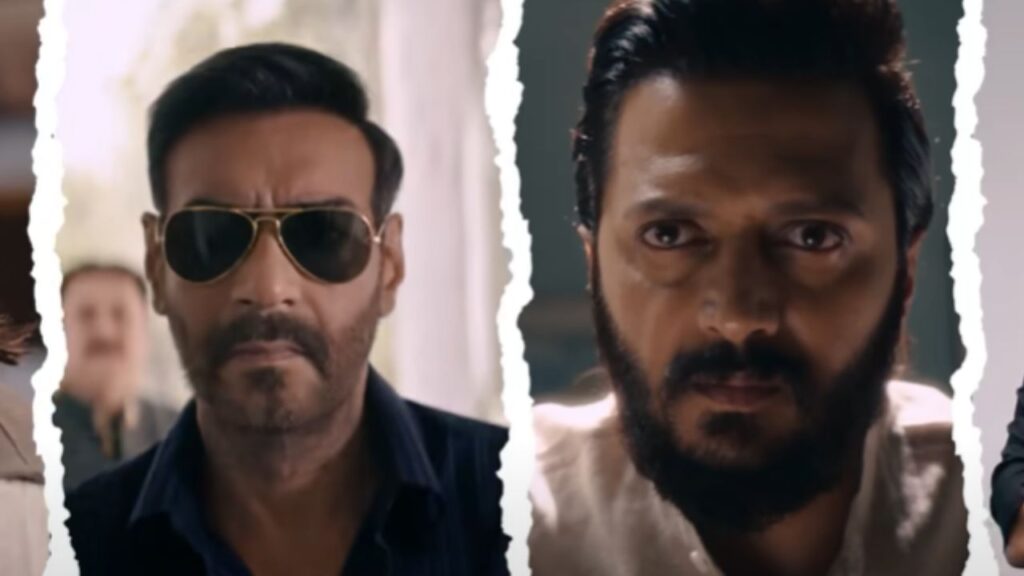
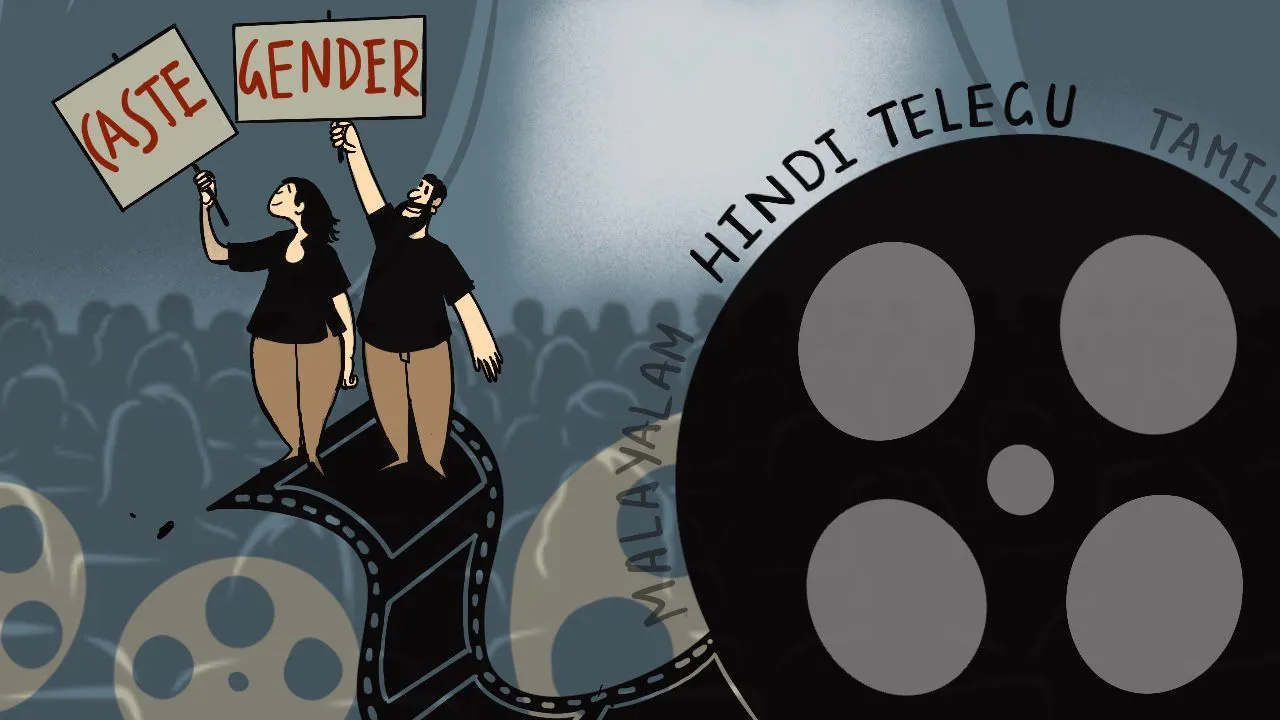
Paradha: A powerful transformative journey questioning archaic practices

Paradha directed by Praveen Kandregula is a much needed social drama in the age of muscular heroes and pan India settings. The end portions do feel somewhat hurried as the resolution needed a more emotional high. Nevertheless Paradha is an important story celebrating feminism and sisterhood. Anupama Parameshwaran gets one of the best written female characters in 2025 and the actress absolutely nails it.

Starcast: Anupama Parameshwaran, Sangeetha, Darshana, Harshvardhan, Rag Mayur, Rajendra Prasad and others

Genre: Social

Story, screenplay and direction: Praveen Kandregula

Producers: Vijay Donkada, Sridhar Makkuva and Sreenivasulu P.V

Production Company: Ananda Media

Music: Gopi Sundar

Cinematography: Mridul Sujit Sen

Running time: 2 hours and 25 minutes

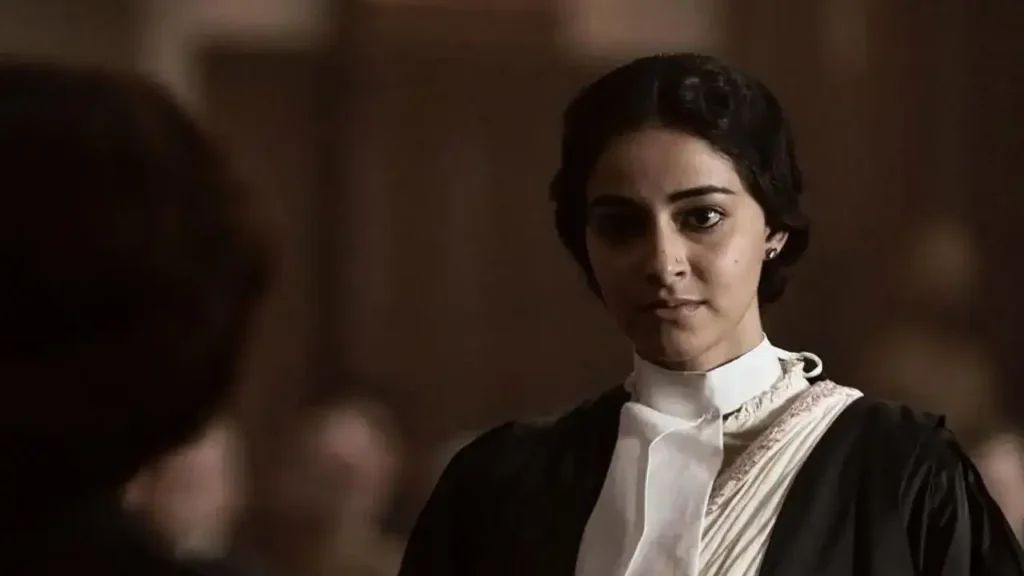
In today’s age of increasing pan masala stories strong women characters with agency is difficult to find. A good example of this are the latest independence day releases both Coolie and War 2. In Coolie Sruthi Hassan plays a perpetual damsel in distress either waiting to be rescued by Rajinikanth or becoming the object for violence. In War 2 Kiara is presented as a tough soldier doing hand to hand combat with Hrithik but the overall characterization leaves a lot to be desired. Having said that you also have films with strong women and these aren’t necessarily female centric. Good examples of these are Patralekha in Phule as Jyotiba Phule’s equal, also Tripti Dimri in Dhadak 2 an upper caste girl who fights for her love and questions the family members pretending to be modern. Also Ananya Pandey in Kesari Chapter 2 as the idealistic Dillret Kaur playing an important role in the courtroom proceedings.

Paradha directed by Praveen Kandregula is a significant addition to this list. The movie broadly tackles the themes of foolish traditions passed from generation to generation ad also the celebration of sisterhood. The film begins with the introduction of a fictional village. In this village all women must be strictly veiled outside the house. A woman who is seen without the paradha is considered to be a bad omen and the punishment for that is death only. This practice is linked to a village deity who is ironically a feisty warrior. Its hard to believe that places like these exist in 2025 but director and writer Praveen Kandregula makes the viewers buy into these archaic scenarios with a convincing build up. Anupama Parameswaran’s Subbalakshmi aka Subbu not surprisingly starts off as a young girl with firm belief in these outdated thoughts thanks to her mother. Things take a huge turn for Subbu when the veil gets blown away due to excessive wind. A wildlife photographer played by Gautham Vasudeva Menon clicks Subbu without her knowledge. On the day of her engagement a magazine with her photograph getting published as the front cover causes absolute mayhem. The rest of the story focuses on how Subbu gets out of this outdated thinking with the help of Sangeeta and Darshana along with a strong bond of sisterhood.

A strong aspect of Paradha is the characterization of these three women. Yes the transformation of Anupama Parameshwaran’s Subbu is the heart of Paradha, at the same time both Sangeeta and Darshana are crucial too with their individual journeys. Sangeeta plays a homemaker called Ratna. Ratna represents numerous homemakers who devote most of their energy and time on their husbands and children. On the other hand Darshana’s Amishti is a civil engineer. In a predominantly male dominated atmosphere Amishti is a rare exception. Amishti is a hugely ambitious woman with a solo focus on reaching top position, she is an Alpha male with a hot temper. Again many young girls/women would connect with the ways of Amishti.

How these three distinct backgrounds play out with their age gaps is very engaging. In the beginning on a trip to Dharmasala Amishti often Chides Subbalakshmi on her thought process which doesn’t go well with Subbu who complains to her aunt Ratna. On certain occasions Ratna becomes a referee between the two younger women.

How Subbu gradually let goes of the veil wearing after a haunting incident packs a strong emotional punch thanks to the powerful acting of Anupama. The conversation between the three women with Ratna and Amishti encouraging her to get out of this blind faith and the need to question practices makes a strong impact.

Paradha is a film which doesn’t completely resort to male bashing. Praveen Kandregula makes important points on how women can also be extremely judgmental about the choices of their fellow tribe. This comes out wonderfully in a sequence involving a woman cop. In a conversation with Amishti this woman talks about her love for shopping, make up and cooking while being a tough police officer. Amishti has a certain disregard for things like these which she considers as an obstacle.

The movie in a gentle but firm manner establishes the need to question practices and in the process bringing a perceptional change. Apart from the dramatic moments the movie also has some chuckle worthy scenes. This primarily includes Harshvardhan as the often exasperated husband unable to manage home duties with his job demands. The conversations between him and Sangeetha as she cooks up stories is a delight to watch. Sangeeta as the homemaker with new found freedom is first rate, specifically in the portion where she changes her voice as an old woman. Darshana as Amishti brings out both the feisty nature and the vulnerability in an impactful manner. Raj Mayur in his brief part as Subbu’s fiancĂ©e is good too. Rajendra Prasad in an extended cameo makes his presence amply felt, the scene where he narrates the tale of a bird wanting to discover the world is poignant, it adds to the transformative journey of Subbu.

Paradha ultimately belongs to Anupama Parameswaran. The young actress is a revelation taking on a complex part, she delivers a nuanced performance portraying the vulnerability and the eventual transformation in an excellent manner. Often times Anupama conveys a lot with her body language.

Gopi Sundar’s music goes well with the movie’s tone. Its not of a chartbuster material, nevertheless the songs do a fine job in elevating the key emotional moments. The cinematography of Mridul Sen is of a fine standard, whether its the village portions with the dark tonality or the Himalayan mountains in the latter half. The color pallet goes perfectly with the mood changes.

One of the minor issues with Paradha is the end resolution, its too simplistic lacking the fire specifically considering the build up. Also the three women mostly coming across Telugu speaking population in Dharamsala feels too much of a coincidence.

Final word: Keeping aside the minor niggles Paradha is an important tale of feminism and sisterhood which needs to be celebrated.

Mayasabha (Rise of the Titans): A gripping socio-political drama

Aadi Pinishetty and Chaitanya Rao in roles inspired from Chandrababu Naidu and late YS Rajasekhara Reddy

Prasthanam director Deva Katta does a good job in engrossing the viewers, he successfully recreates the socio-political fabric with authenticity. The web series doesn’t shy away from wearing its politics on sleeves. The dialogues carry a lot of punch specifically those related to caste disparities

Starcast: Aadi Pinishetty, Chaitanya Rao, Divya Dutt, Sai Kumar, Srikanth Iyengar and others

Genre: Political drama

Creator: Deva Katta

Screenplay and direction: Deva Katta and Kiran Jay Kumar

Producers: Vijay Krishna Lingamaneni and Sree Harsha

Production Companies: Hitmen&Proodos, Productions LLP

Cinematography: Suresh Ragutu and Gnana Shekar V. S

Music: Shaktikanth Karthick

No of episodes: 9

Streaming site: SonyLIV

Pulling off a political drama and that too on real life personalities isn’t an easy task given how easily people can get offended. However, Deva Katta does an excellent job in not just capturing the political atmosphere but he along with Kiran Jay Kumar also pack in some strong social commentary. The web series doesn’t shy away from dwelling into thorny topics like caste, the longer format of a web show also helps Mayasabha given the journey of the primary characters. Mayasabha begins with the usual disclaimer: any resemblance to real people is purely coincidental, however it doesn’t take long for the viewers to understand from whom the primary and also the secondary characters have been inspired.

In simple terms the plot of Mayasabha focuses on Karakala Krishnam Naidu (Aadi Pinisetty) and Dr MS Rami Reddy (Chaitanya Rao). How the paths of these two intertwine from former friends to political rivals forms the basic premise of Mayasabha.
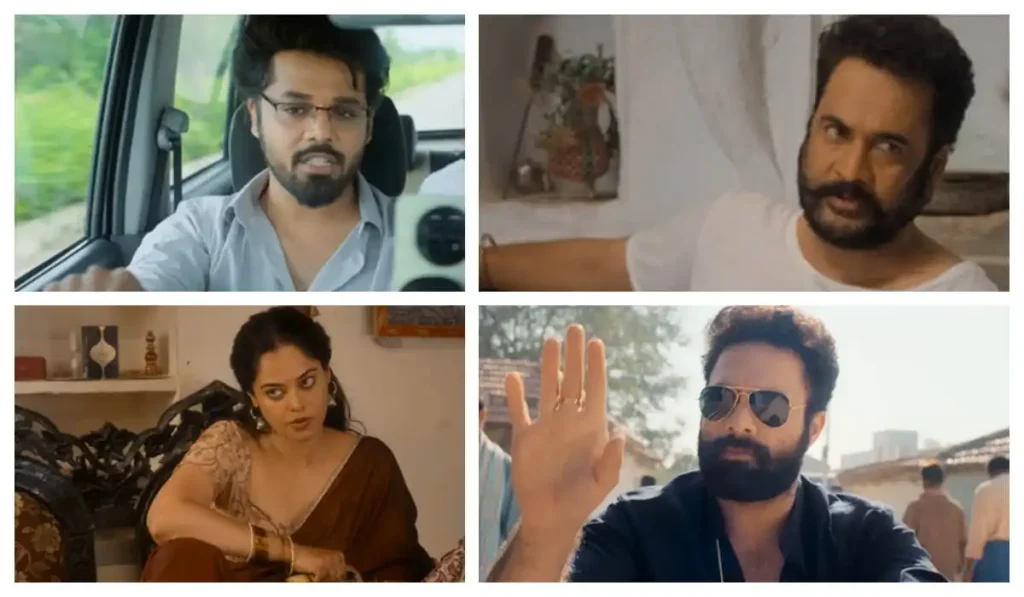
A strong aspect of Mayasabha is undoubtedly the dynamics between the two principal characters. The journey of the two leads are intermingled with both of them starting off as idealists. They want to transcend the social divisions and create a new kind of society however its easier said than done. The inequalities in social systems coupled with faction violence prove to be a major deterrent.

Their differing responses to societal pressures have been written and enacted with nuance. Mention must also be made of how Deva Katta and Kiran Jay Kumar have depicted the ideological disagreements between the two. It never borders on being venomous offering a fresh take on political rivalaries.

The two directors also deserve huge credit for bringing the voice of marginalized. People often caught in a major crossfire to power hungry politicians. Ravindra Vijay as the man wanting to shield his family from violence does an excellent job in representing this.

The emergency period through the characters of Divya Dutta and others also comes out in an impactful manner. Divya Dutta has a commanding presence perfectly embodying the attitude of the role. There is an important line by an official regarding the emergency, it goes like this. “You will give birth to a line of dictators who will use your methods, impose emergency and not even call it one”. This sentence offers a scathing critique of how the present dictators have taken inspiration from this.

Sai Kumar has a late entry playing a role moddled on the legendary NT Rama Rao. The veteran actor as expected shines with his voice modulation and strong presence. Srikant Iyengar too as the power hungry and insecure politician also does a fine job delivering an entertaining performance.

Ultimately Mayasabha belongs to its two leads. Aadi Pinishetty and Chaitanya Rao get into the skin of their respective roles passing with flying colors. The talented Aadi Pinishetty finally gets a part to showcase his acting range, and he doesn’t disappoint. He does a first-rate job in portraying the different facets whether it’s the stammering part or the later stages he doesn’t miss a beat. Chaitanya Rao also provides good support in convincingly portraying the ideological shifts.

The cinematography of Suresh Ragutu and Gnana Shekhar V. S is extremely commendable. They successfully bring alive the period of 1970’s and 1990’s transporting the viewers back to those times. The musical score of Shaktikanth Karthick is also of a good order, the tunes uplift the scenes without proving to be a distraction.

Coming to the flaws the romantic portions and the college days needed better writing and also a tighter edit.

Final word: Keeping aside the minor flaws Mayasabha is a must watch for political buffs.

The Beast Within: A gripping police procedural reflecting society

Rudraniel Sengupta’s The Beast Within reminds the readers of the acclaimed web series Delhi Crime on more than one occasion, the humanization of the police officer by intermingling the professional and personal lives has a striking resemblance to the Shefali Shah starrer. However, the novel is worth a read specifically for those who like slow burn thrillers taking their own sweet time.

The broad storyline of The Beast Within is set around the investigation of a young girl’s death, she is a domestic worker presumed to have committed suicide. But as Prashanth and his team dig deeper the mystery widens, “there’s more to it than meets the eye”. The investigation dwells into the social and political landscape of the city examining different themes running parallel to the main story.

A strong aspect of the novel is how Rudraniel Sengupta has combined the social aspects with the police procedural. Both go along smoothly never cutting into each other or feeling out of place. Through the death of a young domestic worker the books touches on the social hierarchies and systematic issues. Rudraniel Sengupta’s knowledge of being in journalism previously is very evident in the way he has depicted the different sections of Delhi, whether its the ultra rich or the marginalized.

Mention must also be made of how Rudraniel Sengupta has shown the investigation process, there is nothing flashy or larger than life in the way Prashanth and his team go about the proceedings. There are passages in the novel where the police officers don’t find evidence, its often a slow process connecting all the small dots to find the bigger picture. This gradual unraveling also makes the novel interesting even though the slow burn nature isn’t for all.

As already mentioned the novel intermingles the professional and personal challenges faced by the police while handling tough cases. This juxtaposition has been done well by Rudraniel Sengupta. The readers feel the psychological and emotional toll faced by the men and women. This aspect comes out even more strikingly in the portions where Rudraniel Sengupta talks about the heavy dependence on bureaucracy cooperation

Often times the novel goes into numerous directions focusing on matters other than the case at hand, but the way these diversions condense into something important keeps the readers hooked.

Among the police officers the one who stands out the most is SI Meera. A former wrestler who wants to do real investigation not letting inconsequential things effect, her determination to make a strong difference is very palpable. Its a major highlight of the novel.

The ending of The Beast Within talks about the importance of pursuing justice even if its delayed and not perfect. Unlike the usual novels the writer doesn’t tie up everything, he leaves you with numerous thoughts about the beast within the various structural systems. The word beast in the title doesn’t confine itself to a particular individual but a larger society.

Coolie: A trademark Rajinikanth film with deliciously entertaining villains

Coolie directed by Lokesh Kanagaraj is a mixed cocktail combining numerous elements of previous Rajinikanth movies. There is a huge hangover of both Jailer and Baashha but the packaging is done right for most part, the film benefits immensely from powerful antagonists and also a strong emotional backstory for the titular protagonist

Starcast: Rajinikanth, Nagarjuna, Soubin Shahir, Rachita Ram, Satyaraj, Shruti Haasan, Upendra, Aamir Khan and others special appearance (Pooja Hedge)

Genre: Action/drama

Story, direction and screenplay: lokesh Kanagaraj

Additional screenplay: Chandhru Anabazghan

Producer: Kalanithi Maran

Production Company: Sun Pictures

Cinematography: Girish Gangadharan

Music: Anirudh

Running time: 2 hours and 50 minutes

In a short span of time Lokesh Kanagaraj has established himself as a successful commercial director. In spite of working with major stars like Vijay Thalapathy and Kamal Haasan Lokesh has developed his distinctive style. There are certain trademark Lokesh Kanagaraj elements you will find in most of his films presenting his actors in a different light. His latest Coolie though is more of a Rajikinath film rather than what Lokesh is known for. The story beats harp to the numerous masala movies of Rajinikanth, however its to Lokesh’s credit that he manages to make the film engaging specifically in the way he presents Nagarjuna as an out and out villain. Kuberra had elements of grey with some moral dilemmas, however Coolie presents Nagarjuna in his most unhinged avatar and the senior actor embraces the hammy nature with absolute finesse.

Coolie opens with the introduction of Rajinikanth’s Deva. He runs a mansion like hostel for the college students. The students are given free meals, and the rent is affordable too, however drinking is strictly prohibited. Not surprisingly Deva has a violent past along the lines of 1995 Baashha and his numerous other movies. Satyaraj is Rajshekhar an old friend, the tragic death of Rajashekhar drastically changes the life of Deva. In a major turn of events Deva has to infiltrate the gang of Simon (Nagarjuna). Soubin Shahir plays Simon’s second in command Dayal. Sruthi Hassan on the other hand is the typical damsel in distress either waiting to be rescued or being the object of violence for both Simon and Dayal.

A strong aspect of Coolie is how Lokesh intermingles fan service with some strong emotional beats specifically in the latter half. The second half has some interesting twists shocking the viewers. The best twist comes from the character of Rachita Ram. In the first half she is presented as a supposed love interest to Simon’s son however her real identity turns out to be something else, it comes across as a pleasant shock. Rachita Ram is very good fully embracing the negative shades with absolute precision, she also gets a kick ass action sequence equal to the male counterparts.

Mention must also be made of how Lokesh integrates the character of Upendra as Deva’s right-hand man. Upendra exudes effortless swagger while taking on the baddies, he hasn’t got many dialogues still Upendra impresses with his strong screen presence. Satyaraj in his brief role adds an emotional gravitas. Aamir Khan though gets a raw deal, neither his look nor the presentation helps.

Lokesh also deserves credit for how he has shaped up the roles of Nagarjuna and Soubin Shahir. The roles have been crafted with the right amount of evilness proving to be formidable villains. The styling of Simon also adds to the character of Nagarjuna, he looks very dashing with the long hair. The best part of Nagarjuna’s performance is the way he performs with the eyes and overall body language. Soubin Shahir too is excellent too in portraying the different shades of Dayal, he specifically stands out in the pre-interval sequence with Rajinikanth changing colors like a chameleon. His dance in the special song Monica is fantastic too, there is an uninhibitedness to the steps. Pooja Hedge in a special appearance sparkles as well with her sensuous moves.

Sruthi Hassan in the role of Rajeshekhar’s daughter has a lengthy screen time but the one note characterization makes it irritating. There is a constant wide-eyed expression with little nuances. As Deva Rajinikanth is mostly there to do fan service barring some emotional moments. He pulls off the part with expected charismatic ease with some fine acting in the few emotional moments.

Anirudh’s background score is thumping adding to the elevation shots. The songs go with the flow of the movie. Monica with Pooja Hedge and Soubin stands out for the energetic picturization.

Final word: Coolie is an enjoyable star vehicle for Rajinikanth and Nagarjuna fans. For those looking for meaningful cinema though its a different matter.

War 2: Watchable but doesn’t quite justify the tag of a popcorn entertainer

Hrithik Roshan and Junior NTR from War 2. The two stars lift the movie above the bumoy screenplay with their screen presence and performances

Ayan Mukherj’s War 2 is a significant improvement over the last spy installment Tiger 3 but the film relies heavily on gloss over substance. The absence of our neighbor and go to nation Pakistan is welcome but there is no escaping patriotism with the repletion of lines India first. Ayan’s direction shines best in the portions of high voltage clash between the two stars and also a poignant flashback in the second half

Starcast: Hrithik Roshan, Junior NTR, Kiara Advani, Anil Kapoor and others special appearance (Bobby Deol)

Genre: Action/thriller

Direction: Ayan Mukherji

Screenplay: Shridhar Raghavan

Story and Production: Aditya Chopra

Dialogues: Abbas Tyrewala

Cinematography: Benjamin Jasper

Music: Pritam

Production House: Yash Raj Films

Running time: 2 hours and 50 minutes

When EK Tha Tiger released in 2012 the movie was one of its kind, a love story between an Indian and Pakistani spy and how they have a happily ever after by crossing the various hurdles of both raw and ISI. There was a certain groundedness to the character of Salman while keeping the larger than life image intact. As the spy movies have increased with addition of new actors and larger set pieces the charm is somewhat reducing and the latest installment is a perfect example of this.

War 2’s director Ayan Mukherjee started his career with rom coms but Bramhastra Part 1 marked a significant shift with a larger than life scale and an ambitious plot. In spite of the striking visuals Ayan’s inability to handle a scale of that nature was very visible. In War 2 the director is more in control specifically in his handling of the two stars, but in terms of delivering a perfect popcorn movie Ayan still has miles to go.

The plot of War 2 focuses on Kabir (Hrithik Roshan) coming into contact with a deadly cartel called Kali. This syndicate consists of numerous individuals, they want to cause severe harm to the nation. In a shocking turn of events Kabir kills his father like figure and RAW chief Luthra (Ashutosh Rana). The assassination of Luthra leads to the introduction of Junior NTR’s Vikram. Vikram along with some more are assigned to bring Kabir down. This is the story in brief without giving away much of the twists and turns.

A strong aspect of War 2 are the twists and turns related to the characters of both Kabir and Vikram. In the beginning portions the audience have the feeling that Kabir has really gone rouge, an important dialogue featuring Ashutosh Rana and him spiting on Hrithik’s face saying that I had brought you up as a son and you turned into a betrayer raises the curiosity of the audiences.

Even in case of Junior NTR’s Vikram the role comes with different shades. He is shown to be a brave and a honest agent till the interval, at one point Kabir and Vikram team up as partners too after Kabir makes an important closure about why he is doing what he is doing.

The interval bang with a surprising reveal ends the first half on a high. The beginning portions of the second half featuring a key flashback has a strong emotional weight. This flashback establishes how Kabir and Vikram then known as Raghu came into contact developing a friendship bond. The two do stealing for a living, however one major incident in a remand home changes everything. The personalities of the two and how in the present they are up against each other has been well connected.

The film also benefits from the strong performances of both Hrithik and Junior NTR. As Kabir Hrithik combines his hunk like presence with emotional vulnerability. The actor specifically shines in the scenes of showcasing Kabir’s moral dilemmas and a certain loneliness from operating in the shadows. Junior NTR as Vikram/Raghu also does a fine job in his Bollywood Debut. He pulls off the grey shades convincingly, the actor clearly has a ball with the one liners chewing the scenery along with Hrithik. The high intense moments between the actors with the cat and mouse game leads to some engaging sequences.

A major problem with War 2 apart from the usual patriotism is the criminal underutilization of the supporting cast. Anil Kapoor replacing Girish Karnad from the Tiger movies has a strong beginning with just the right amount of mystery on whether he is good or bad, however as the movie progresses the character gets lost. The same applies to its leading Lady Kiara Advani. Kiara has shown her potential in a film like Satyaprem Ki Katha but here she is largely wasted except for the action sequences. She carries the required attitude of a tough woman but the role is too thinly written and the patchily written love story also doesn’t help matters.

Pritam’s music is another sore point for the movie, whether its the love ballad featuring Hrithik and Kiara or the dance face off between Hrithik and Junior NTR. The songs come across as major spreedbreakers. The VFX is also a mixed bag, it comes across as too shoddy for a film of this scale, sometimes the shoddy VFX becomes a major deterrent in enjoying the action set pieces too. The stunts of Bea Arreugui does provide some thrills more so in the climatic face off. Benjamin Jasper’s cinematography is also efficient. He does a fine job in capturing the large scale through his lens making it a good theatrical experience specially for the die hard fans of Hrithik and Junior NTR.

War 2 ends with an introduction to the world of Alpha through a deadly Bobby Deol. Here’s hoping the female centric spy movie later this year becomes a much needed game changer.

Final word: War 2 is a major mixed bag and personally quite a bummer after the mega success of YRF last production Saiyaara. Watch it if you are in the mood for some large scale action or want to see how Junior NTR fares in his Hindi debut.

Mandala Murders: An almost perfect mythical thriller undone by a weak second act

The prime cast of Mandala Murders

Mandala Murders directed by Gopi Putharan and Manan Rawat has an ambitious scale with strong women characters and effective world building, but after an engaging start the series fizzles out at the finishing line. In spite of the somewhat limp ending the series deserves a watch for its portrayal of feminist rage specifically through the roles of Vaani Kapoor and Surveen Chawla. The latter absolutely chews the scenery with her portrayal of a shrewd woman.

Starcast: Vaani Kapoor, Surveen Chawla, Shriya Pilgaonkar, Vaibhav Raj Gupta, Jammel Khan and others

Genre: Thriller/crime

Creator: Gopi Puthran

Writers: Chirag Garg, Gopi Puthran, Avinash Dwivedi etc

Directors: Gopi Puthran and Manan Rawat

Based on: The Butcher of Benaraz novel

Cinematography: Shaz Mohammed

Music: Sanchit Balhara and Ankit Balhara

Executive Producers: Aditya Chopra, Akshaye Widhani etc

Production Company: YRF Entertainment

No of episodes: 8

Streaming site: Netflix

Mandala Murders streaming on Netflix has a Mardaani spillover in terms of the world inhabited by the women characters. For example, Vaani Kapoor’s Rea is often snubbed by her male colleagues on the account of gender, at one point a junior officer is surprised that a female officer has come to investigative a series of murders. Similarly, Surveen Chawla’s Ananya has to deal with a disloyal husband conspiring against her, this makes her calculative and a tough soul with gray areas.

Lastly there is Shriya Pilgaonkar’s Rukmini. Rukmini is a hugely ambitious leader of a secret society; through her character the two directors highlight female agency in a mystical context. To this Gopi Puthran and Manan Rawat add a whole lot of things with hits and misses in equal measure.

Without giving much away Mandala Murders is set in the town of Charandsapur. A series of brutal murders have shaken up the community. Vaani Kapoor is CBI Agent Rea Thomas. Rea carries a certain emotional baggage related to a girl whom she couldn’t save. Vaibhav Raj Gupta is a suspended cop Vikram Singh; he comes with his own motives. The two team up to uncover certain dark truths. As they dig deeper many secrets tumble out about an ancient society wiped away by the locals. This is the story in brief.

A strong aspect of Mandala Murders is the wonderful cinematography complementing the eerie atmospherics. Shaz Mohammad’s work is of a very high order. The timeline moves between 1950 and 2025; however, the switching of timelines never comes across as jarring thanks to his work. The locations of mysterious tunnels and the hazy forests come across as a character in themselves heightening the investigative portions. Ankit Balhara and Sachet Balhara’s score also jells perfectly with the show’s atmospherics.

The dynamics between Rea and Vikram Singh has also been depicted well by the two directors and the numerous writers. The emotional portions involving Vaibhav Raj Gupta specifically in the scenes of grief and anger has been both wonderfully written and enacted.

The layered characterization of the female characters is also plus particularly Surveen Chawla whose role shifts like a chameleon changing colors. She isn’t always likeable with her actions specifically in a crucial reveal of the last episode, at the same time viewers understand from where the tough personality comes. Surveen absolutely aces the part playing the different shades of Ananya Bhardwaj with ease.

Vaani Kapoor in her OTT debut is also good. She is successful in bringing both the no nonsense persona along with the required vulnerability. Shriya Pilgaonkar has a prominent part in the last episodes, and she too registers a strong impact with a fiery persona.

Jammel Khan as a man obsessed with ancient symbols is endearing as well. He brings in the required lightness to the proceedings. The rest of the cast including Manu Rishi Chadda and Raghubhir Yadav are also fine in their respective parts.

A major problem with Mandala Murders is the final episodes solving the mystery. The character of Aditi Pohankar as Moksha sticks out like a sore thumb. This is due to the stale writing with repetitive shots belonging to a different universe rather than this web series. The connection of Surveen Chawla’s role to the central mystery though a surprise feels jarring as well. The integration needed some foreshadowing rather than just a random surprise for shock value.

The multiple arcs with the numerous subplots also don’t always land, some are more effective than the others. The series could have cut down on some exposition to make the proceedings crisper.

Final word: Mandala Murders is worth watching for fans of thrillers stepped in folklore coupled with the strong women characters.

Dhadak 2: A visceral tale of caste horrors and rebellion

Tripti Dimri and Siddhanth Chaturvedi from Dhadak 2. Both deliver exceptional performances

Though a remake of Pariyerum Perumal Shazia Iqbal’s Dhadak 2 is a timely tale of how caste plays out in modern times. This spiritual sequel is far more bold than the first part taking a strong stand on thorny issues. The transformation of Siddhanth Chaturvedi’s Neelesh from a timid young Dalit man to fighting for his self respect is the best part of the movie. Mention must also be made of the feministic lens through which Tripti’s Vidhi is portrayed.

Starcast: Siddhanth Chaturvedi, Tripti Dimri, Saurabh Sachdeva, Zakir Hussain, Vipin Sharma and others

Genre: Romantic drama

Director and writer: Shazia Iqbal

Additional writer: Rahul Badwelkar

Based on: Pariyerum Perumal (Mari Selvraj)

Producers: Karan Johar, Apoorva Mehta, Somen Mishra and others

Production Companies: Zee Studios, Dharma Productions and Cloud 9 Pics

Music: Rochak Kohli, Tanishk Bagchi etc

Cinematography: Sylvester Fonseca

Running time: 2 hours and 26 minutes

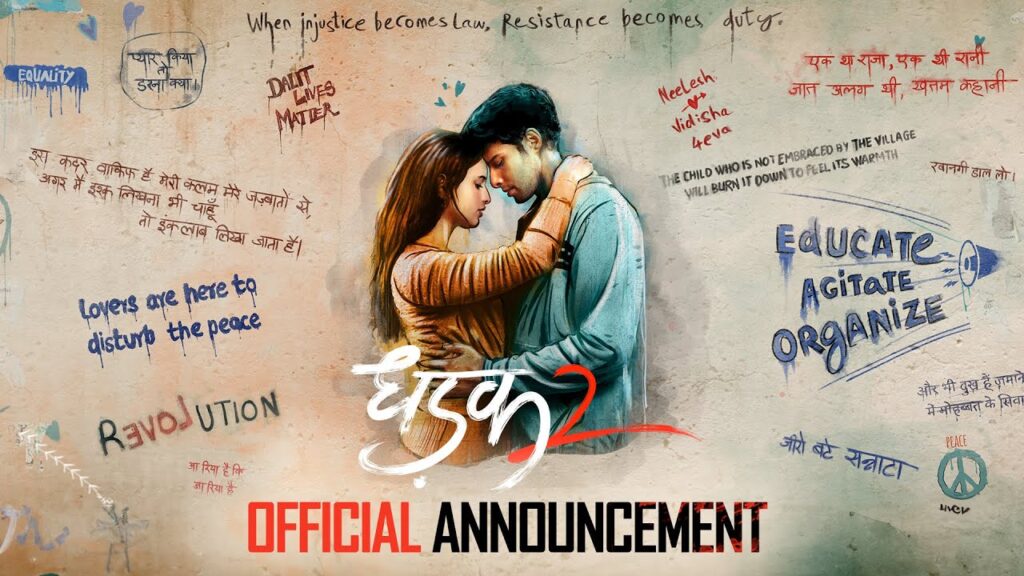
Dhadak 2 begins with a powerful and necessary quote for today’s times. “When injustice becomes law, resistance becomes duty.” this isn’t just a throwaway quote used for surface level but the core message of Dhadak 2. Through the tale of star crossed lovers Shazia Iqbal along with her co writer Rahul Badwelkar deliver a highly charged political reinterpretation of Pariyerum Perumal. Of course Dhadak 2 comes with a dash of mainstream Bollywood too in terms of the protagonists rebellion, nevertheless this is an important film and Kudos to Karan Johar for backing a movie like this which is not afraid to wear its politics on sleeves.

For those who haven’t seen the Mari Selvaraj directorial Dhadak 2 primarily focuses on the journey of Neelesh Ahirwar (Siddhanth Chaturvedi) he is a law student from an oppressed caste, Neelesh has big dreams and is very clear about steering away from campus politics and anything to to do with activism. Tripti Dimri is Vidhi an upper caste girl with a mind of her own and doesn’t shy away from asking uncomfortable questions. Soon friendship blossoms between the two with Vidhi becoming Neelesh’s confidante, she helps him a lot in his studies explaining things which he doesn’t understand. For Vidhi the struggles of Neelesh opens up a whole new understanding of the society. Soon love happens but a humiliating incident puts a major speed breaker. This is the story in brief.

The best part of Dhadak 2 is how Shazia Iqbal has retained the essence of the Tamil original with some additional elements. This specifically comes out in the character of Vidhi who has more agency than the one played by Anandhi. The film strongly critiques the idea of a so called family honor being attached to a woman’s behavior. On the surface Vidhi’s family may come across as modern but in actuality they are anything but that. A standout moment in Dhadak 2 is Tripti Dimri’s high voltage clash with her truly despicable brother Roonie (Saad Bilgrami). The way she tears into his patriarchal mindset gives goosebumps.

Mention must also be made of how the film tackles casteism head on whether it is Vidhi’s father leaving out Neelesh’s surname when she invites him for the sister’s wedding or the very disturbing moment of Neelesh being smeared with sludge just because he asserts his individuality. These scenes are packed with the required rawness.

Shazia Iqbal and Rahul Badwelkar also do a good job in touching upon the theme of reservation. The taunts faced by the lower castes mirrors numerous real life situations. There is an important dialogue in the movie where a character talks on how reservation came because of casteism and not the other way around. This small but important track also adds to the caste discrimination and violence faced by Neelesh.

The character arc of Neelesh has also been done well. His steady evolution from timid to more assertive happens gradually and not overnight. The pre climax portion where Neelesh chases Ronnie to his home and pours out his anguish is a treat to watch, it moves the viewers making them root for Neelesh and Vidhi to have a happy ending. Siddhanth Chaturvedi does a very fine job in bringing out the vulnerability of a Dalit man with a dream of better future. The actor specifically shines in the portions of rage using his eyes and overall body language to great effect. Tripti Dimri also makes a strong impact with her powerful performance. After a series of glamorous roles the young actress is back doing what she is best known for. Towards the end there is a scene where Vidhi lets out an animal like cry after an important revelation and Tripti absolutely aces it. Yes the ending may across as too mainstream Bollywood for the purists nevertheless it leaves the audiences on a high.

The supporting cast is also solid but the ones who stand out are Zakir Hussain and Saurabh Sachdeva. As the college principal Zakir Hussain lends a lot of warmth to his part. His conversation with Neelesh while opening up about his caste background and how he endured several taunts on his way in becoming a principal is very poignant. The portion ends with a motivational message giving further impetus to Neelesh’s fight. Saurabh Sachdeva as the self-appointed moral guardian is chilling too. His part is similar to the role of Bobby Deol’s equally chilling hit man in Love Hostel; both believe that they are doing some great social service. Saurabh Sachdeva does a very fine job in imbibing the character’s attitude and the way he meets his end is poetic justice done right.

The songs of Dhadak 2 don’t match up to Dhadak 1 nevertheless the compositions are soulful. Among the tunes Bas Ek Dhadak, Preet Re and Duniya Alag are good.

Kingdom: A recycled tape of the chosen one

Vijay Devarakonda as the leader

Gowtham Tinnanuri does a fine job in dealing with the tumultuous dynamics between Vijay Devarakonda and Satyadev. The sibling relationship with the moral conflicts gives the movie an emotional resonance, both Vijay and Satyadev deliver strong performances. But the predictability of the core plot eventually makes it just about a decent watch. The film also suffers from the latest pan India obsession of dividing a movie into multiple parts.

Starcast: Vijay Devarakonda, Satyadev, Venkitesh, Manish Chaudhari, Bhagyashri Bose and others

Genre: Action drama

Director and writer: Gowtham Tinnanuri

Producers: Naga Vamsi and Sai Soujanya

Production Companies: Sithara Entertainment, Srikara Studios and Fortune Four creations

Music: Anirudh Ravichander

Cinematography: Girish Gangadharan and Jomon T. John

Running time: 2 hours and 42 minutes

Gowtham Tinnanuri’s Kingdom plays out like the pulp of Salaar, Kalki 2898 Ad and Khaleja if they were ever mixed in a grinder. The movie also bears a slight resemblance to the commercial classic Deewar directed by the late Yash Chopra. There is nothing wrong in being inspired from the past but it’s also necessary to give it a fresh spin as Mohit Suri proved with his box office tsunami Saiyaara. Kingdom on the other hand starts off well setting a solid base but runs out of steam in the later half with a hurried conclusion.

In brief Kingdom’s plot primarily focuses on the quest of a police constable Suri (Vijay Devarakonda) in finding his elder brother Shiva (Satyadev). As part of this Suri goes to Sri lanka . It’s a covert spy operation on the shores of Jaffna; the island consists of a refugee group under the control of a smuggling cartel. What starts off as a straightforward operation turns into something deeper with elements of reincarnation.

There is no denying that Gowtham Tinnanuri does a good job in setting a solid base specifically in the word half. He along with the cinematographers create an immersive world. The rugged landscape of coastal Sri Lanka coupled with the gritty texture makes the viewers feel that they are also part of the conflicts. Anirudh’s background score is also perfect amplifying the key emotional beats. The songs also jell with the texture of the movie. Specific mention must be made of the tune “Anna Antene” establishing the sibling bond.

The movie’s pace again in the first half is crisp. The developments happen at a good place without any unnecessary distractions. The reunion of the brothers in the backdrop of an action sequence has been wonderfully written and enacted.

Soori’s entry into his brother’s gang with the thread of Tribal history and the criminal cartels adds the necessary spice too. The interval bang with Soori’s real identity and Shiva’s shock sets a solid base for an equally gripping second half, however the film falters badly in the second half with overused tropes. There’s a key line from Manish Chaudhari playing Soori’s handler. It goes like this “There’s something in this soil that turns humans into demons”.

Gowtham Tinnanuri could have explored this aspect much more instead the line is strictly surface level not adding much to the proceedings. The nuanced first half is undone by a more predictable and hurried tone in establishing the reincarnation theme.

Its not that the second half is a complete downer. The emotionally charged moments between Vijay and Satyadev do make an impact and a key revelation connected to their childhood does make an impression, however the familiar action sequences coupled with the jaded narration makes it difficult to care for the proceedings.

It goes without saying that Kingdom is largely reliant on Vijay Devarakonda and Satyadev, both do a very fine job in pulling of the moral complexities. The best part of their roles is that neither are completely heroic nor entirely compromised. They are significantly shaped by the brutal systems. It also helps that Satyadev’s Shiva isn’t just a bystander to Soori, his journey is also textured.

Mention must also be made of Venkitesh as the cold-blooded villain. Its deliberately hammy however the actor sells it with the right mixture of cockiness and sadism. Manish Chaudhari as the cold-hearted handler does a fair job too as does Bhagyashri Bose. But the subplot of Soori and Bhagyashri Bose’s Dr Anu needed much better writing.

Final word: Kingdom can be watched for fans of Vijay Devarakonda and Satyadev. Don’t expect something earth shattering it will be an engaging experience.

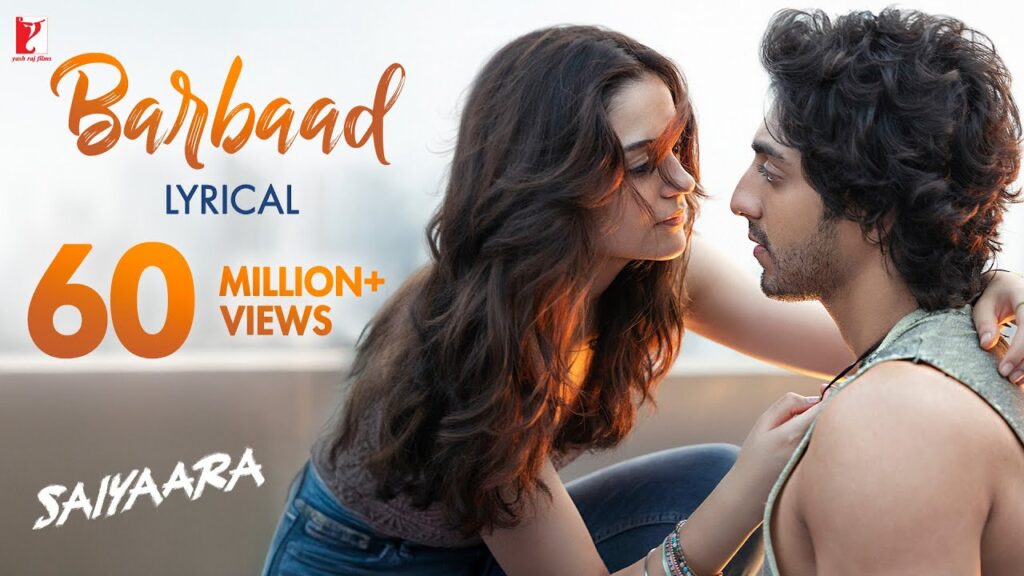
Saiyaara: An unforeseen box office storm

Some of my thoughts on how Saiyaara has come as an out of book syllabus surprising the trade with fantastic box office numbers; also why a film like Saiyaara is a wake up call on how big scale isn’t always necessary to strike a chord with the audiences. Sometimes all it takes is a familiar tale with new sprinklings

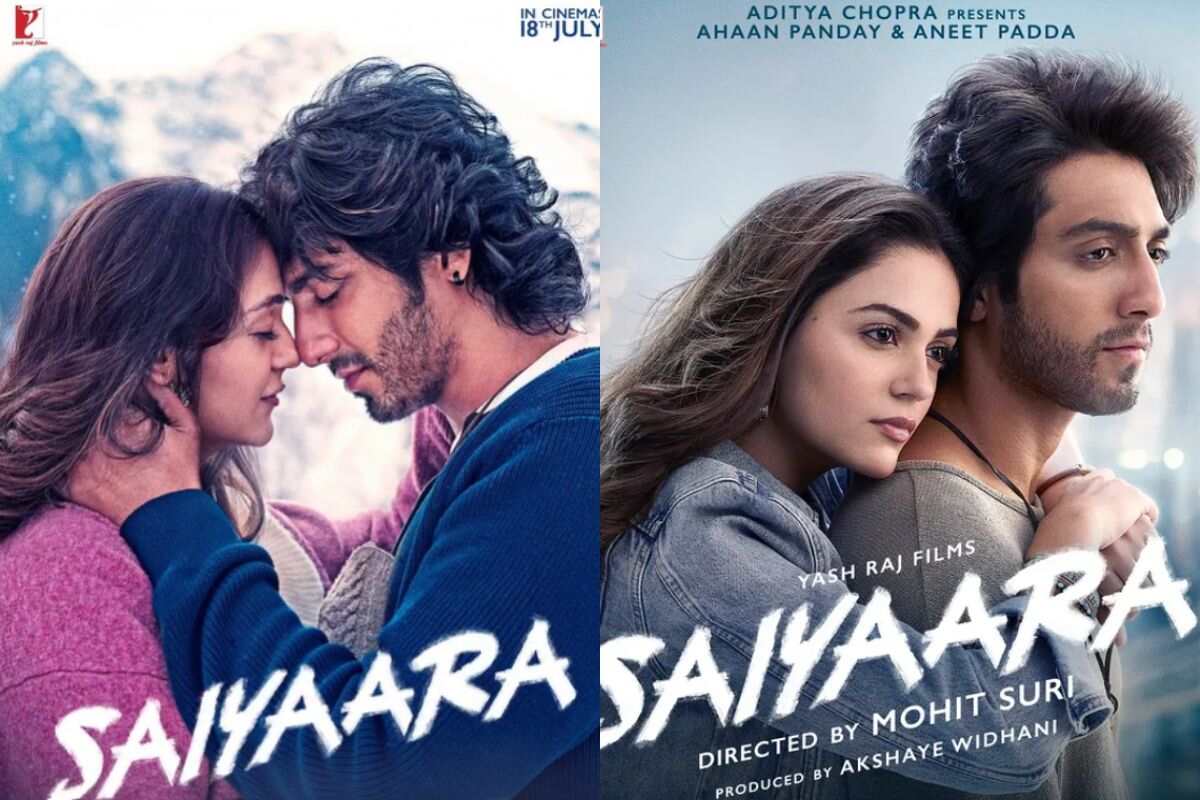
Saiyaara directed by Mohit Suri perfectly fits the title of a surprise dhamaka. A movie with two newcomers and on top of that an intense romantic drama has reached 200 crores till now, the numbers are only going to increase with an open field till August 1st. The mega success of Saiyaara is a pleasant surprise in the times of pan India masala where scale and big stars from different industries coming together has become a norm.

The reason for Saiyaara’s storm are numerous starting from the movie’s genre. The core plot of this Mohit Suri directorial is a cross between Rockstar and Aashiqui 2. Its been a while since Hindi cinema has taken an intense romantic drama with broken souls and madness of youthful love.

However what makes Saiyaara special is the contemporary soul in the post interval portions. The first half has all the markings of a domed love story with the heroine’s medical condition along with the fact that she hasn’t completely got over the ex boyfriend. But Mohit Suri’s handling of the second half is very different from Aashiqui 2 where Aditya Roy Kapoor is unable to get over his drinking and insecurity problems. In Saiyaara Ahaan Panday’s Krish Kapoor goes from a hot headed young man to a devoted boyfriend putting his love above the need for fame. The romantic moments between Ahaan and Aneet Padda are so adorable making the viewers root for the couple. At the same time Krish doesn’t give up music entirely, his deep love for Aneet Padda’s Vaani isn’t a weakness but its something which adds to his music.

Infact the title track Saiyaara is a representation of how much Vaani means to Krish. The placement of the song after Vaani goes missing is absolutely perfect. Through the character of Krish Mohit Suri gives us a protagonist who strikes the perfect balance between ambition and love.

Coming to the music part, songs have always been Mohit Suri’s superpower. Most of his films boast of melodious soundtracks, in fact the songs are a character in themselves playing a crucial role in carrying forward the story. Saiyaara’s soundtrack is no different whether its Humsafar of the first half or the title track in the middle of second half. The songs carry a purpose giving weight to the tumultuous journey of Krish Kapoor and Vaani.

Apart from the music and the narration what makes Saiyaara a monstrous hit are the acting performances. For a love story of this nature its very important that the two leads immerse themselves in the emotional baggage of their characters. Both Ahaan Panday and Aneet Padda are simply first rate, getting into the headspace of their roles with perfection. The best part of their performances are the close up shots, the two use their eyes very effectively to convey the emotions. Along with the leads the supporting cast also deserve a mention.

Vaani’s parents played by Rajesh Kumar and Geeta Agarwal play their parts with lots of warmth. Alam Khan as KV as an important support system for Krish is also good standing by his friend even though he doesn’t get Krish’s intense love for Vaani.

Hari Hara Veera Mallu ( Part 1 Sword VS Spirit): An overstuffed buffet running out of steam

Both Bobby Deol and Pawan Kalyan deliver spirited performances, but the movie lacks the visual and dramatic flair of Laxman Utekar’s blockbuster Chhaava also set in the same Hindutva space. The terrible CGI of the later portions only makes things worse

Starcast: Pawan Kalyan, Bobby Deol, Niddhi Aggarwal, Nassar, Sunil, Subbaraju and others

Genre: Historical fiction

Directors: Krish Jagarlamudi and A.M Jyothi Krishna

Screenplay and story: Krish Jagarlamudi

Dialogues: Sai Madhav Burra

Producers: A.M Rathnam and A. Dyakar Rao

Production Company: Mega Surya Production

Music: MM Keeravani

Cinematography: Manoj Paramahamsa and Gnana Shekar V.S

Running time: 2 hours and 30 minutes

Hari Hara Veera Mallu (Part 1 Sword VS Spirit) has been in the making for a very long time. There have been numerous reasons for this. Beginning with the COVID affect leading to production delays, on top of that schedule problems with both Krish Jagarlamudi and Pawan Kalyan. The actor political resurgence has only added to the movie’s delay. Meanwhile Krish Jagarlamudi stepped out of direction midway much like his other historical fiction Manikarnika. After a tumultuous journey of 5 years the movie is finally out, the effect of production delays and change of directors is clearly visible specifically in the second half.

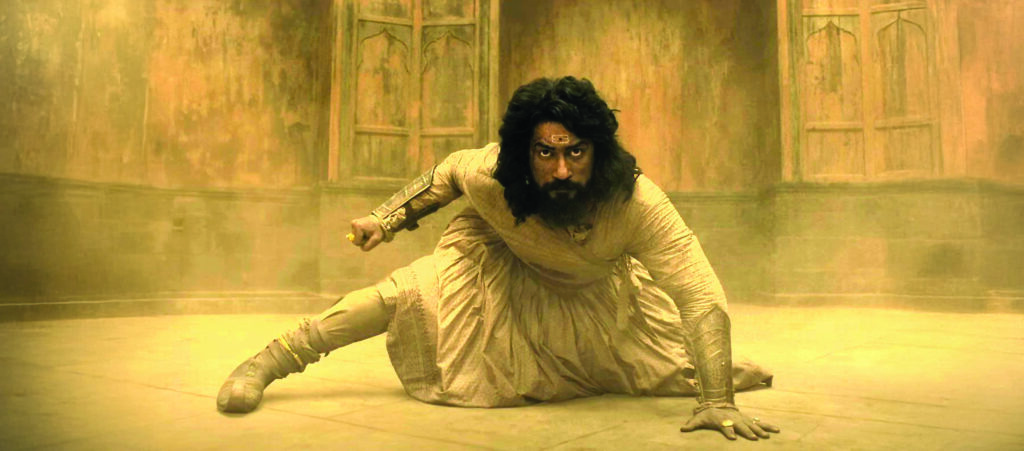
Without giving much away the broad storyline of Hari Hara Veera Mallu focuses on a Robinhood like figure played by Pawan Kalyan. He steals from the rich and distributes it among the poor, however there is much more to Veera Mallu. A past connected to the atrocities of Mughal emperor Aurangzeb (a regal Bobby Deol) on Hindu deities. Part 1 primarily focuses on how the paths of these two intertwine setting the clash of an epic fight.

The first half of Hari Hara Veera Mallu is fairly engaging. The character establishment of both Bobby and Pawan Kalyan is done well. Specific mention must be made of a sequence involving a feudal lord in which Pawan Kalyan gives a voice to the suppressed who till then don’t even look into the eyes of their ruler directly. The action sequences in the beginning portions have also been staged with skill. These include the port fight in Machilipatnam establishing Veera Mallu’s bravado. The Charminar battle is also good with some neat stunt work and the effective scale.

The love story between Pawan Kalyan and Nidhi Aggarwal playing a supposed damsel in distress also has its moments. Nidhi Aggarwal has a striking presence and the twist around her character sets a good base for the second half.

However, the movie falls significantly short in the second half. The backstory of Pawan Kalyan with emphasis on Santhana Dharma values feels like a tribute to the actor’s personal beliefs, it also doesn’t help that the flashback portion doesn’t have the required emotional gravitas.

Numerous sequences in the second half feel stretched with a deliberate holding back. This makes the viewer restless, the terrible CGI only compound the woes. For a movie which has been in the making for so long the production values are not consistent. There is a dramatic sequence involving a stormy weather and big stones falling from the hills while Pawan and co are on a mission. The portion has enough potential for thrills but the way it has been staged leaves little to no impact.

There is also a CGI sequence involving a pack of animals, this only adds to the length of the movie. The dialogues about human animal conflict are relevant to today’s times but in the context of the film the portion feels like an absolute misfit.

Hari Hara Veera Mallu also suffers from lack of character development with Pawan Kalyan hogging most of the limelight. Pawan Kalyan has stepped into the zone of historical fiction for the first time however the movie presents the actor politician in the same way a people’s leader. There are zero moral complexities keeping in mind the actor’s limited capabilities nevertheless Pawan Kalyan brings in a star aura. In spite of the long delays Pawan Kalyan looks dapper as always. His performance in the dialogues involving Santhana Dharma is noteworthy and would appeal to the die-hard fans.

Bobby Deol as Aurangzeb has a regal presence. The actor disappears for a long period after a solid introduction, still Bobby makes a strong impact getting into the headspace of Aurangzeb’s fanatical ways with ease. He plays the part with subtle menace and the fiery body language definitely helps. Among the rest Nassar, Sunil and Subbaraju as part of Veera Mallu’s team have their moments specifically in the first half, but they are soon relegated to the background.

The music of MM Keeravani is fairly good. The folk number Kollagottinadhiro has an upbeat tune but for a movie of this scale the songs needed to be much better. The background score though uplifts the action episodes.

The cinematography of Manoj Paramahamsa and Gnana Shekhar VS is also mixed, in some sequences standing out, in others an eyesore. The production design of Thota Tharrani has grandeur but suffers on the account of a familiar pallet. Its a massive letdown from the production designer after a solid work in Kuberra.

As far as direction goes its difficult to pin point one in particular but the screenplay’s attempt at juggling nationalism, rebellion etc feels too cluttered.

The cliff hanger does promise an epic fight going forward but chances of part two are very bleak and would be probably best to drop.

Final word: Hari Hara Veera Mallu is worth watching only if you are a die hard Pawan Kalyan fan or just want to see grandness without soul.