Thug life: A bitter reunion

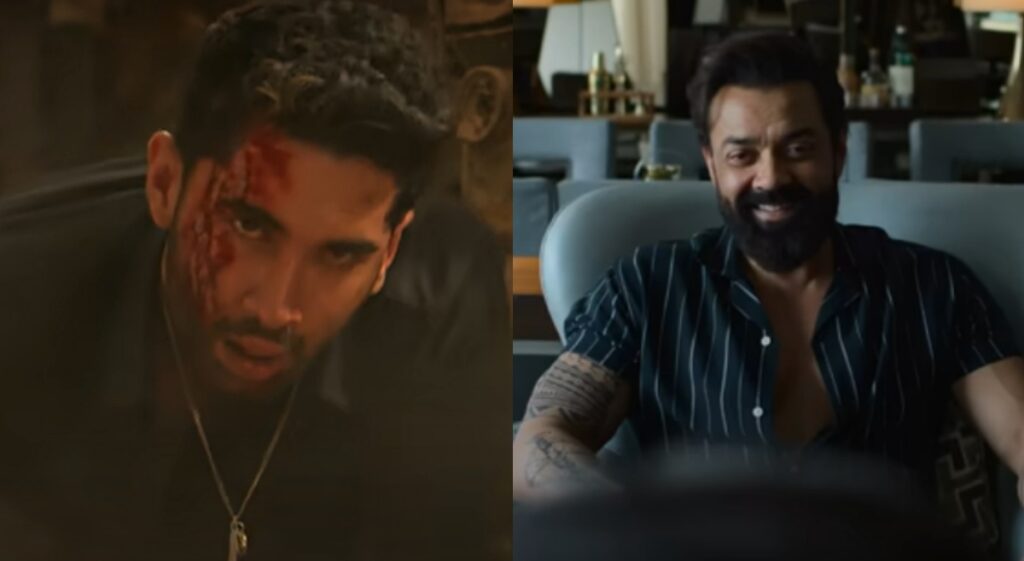
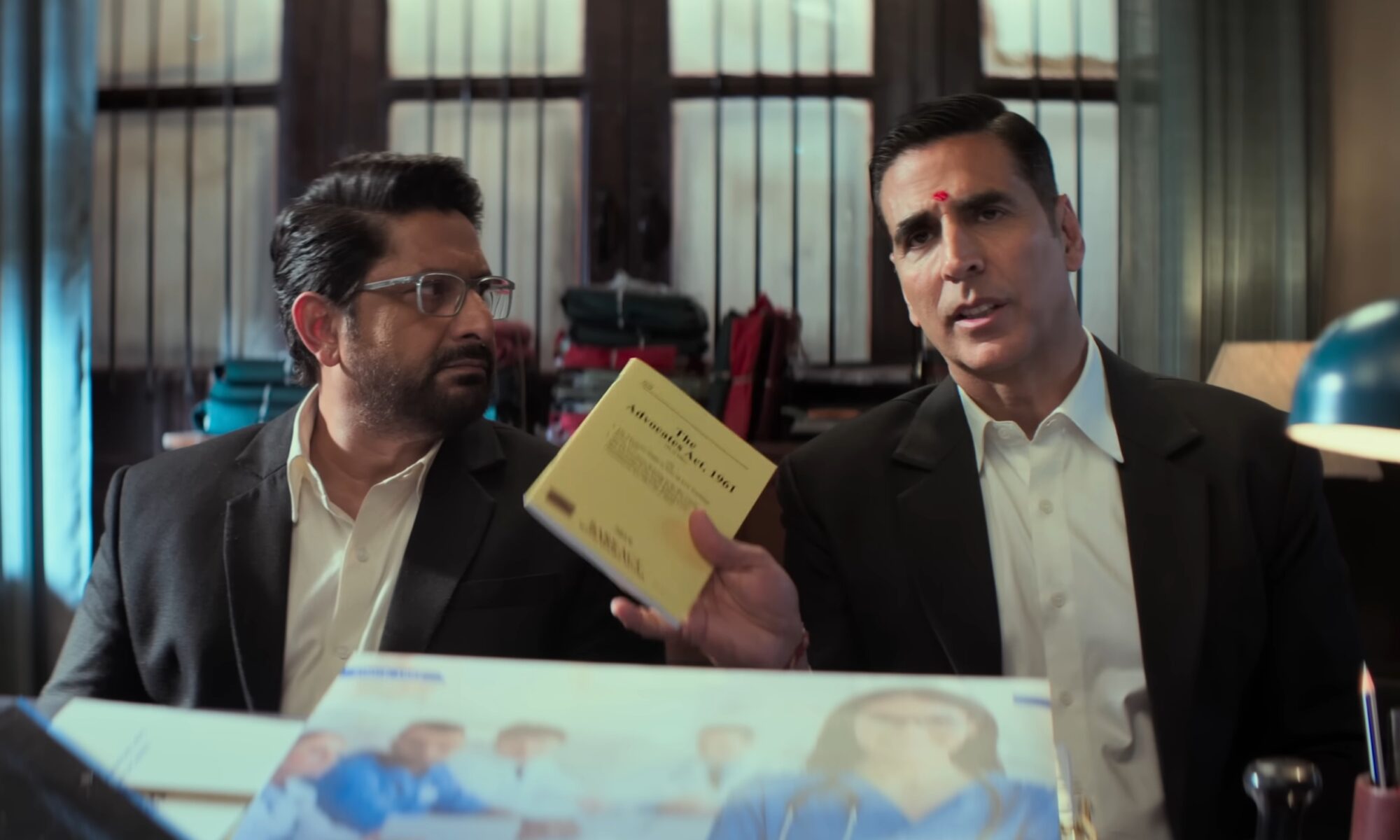
Kamal Hassan and Simbu in Thug Life

Reputed filmmaker Mani Ratnam struggles to find the right balance between the demands of a mainstream action movie and a character driven drama; this results in the film never finding its feet in spite of some solid acting from Kamal Haasan and Simbu. The two try their level best to inject some life into the proceedings. Apart from the generic gangster tropes Thug Life also suffers from misogyny and cringe romantic portions featuring Kamal and Trisha

Starcast: Kamal Haasan, Simbu, Trisha, Abhirami, Nassar, Mahesh Manjrekar, Rohit Saraf, Ali Fazal and others

Genre: Action/drama

Director and writer: Mani Ratnam

Additional writer: Kamal Haasan

Producers: Kamal Haasan, Mani Ratnam, Udhayanidhi Stalin etc

Production Companies: Raaj Kamal Films International, Madras Talkies etc

Music: A R Rahman

Cinematography: Ravi K Chandran

Running time: 2 hours

Right since the disastrous run of 2010’s Raavan brand Mani Ratnam has taken a severe beating, the critical and commercial failure of the ambitious film has proved to be a major roadblock for the director who hasn’t still recovered from it. Of course, O Kadhal Kanmai with Dulquer Salmaan and Nithya Menon was a commercial success, though not vintage Mani Ratnam the movie was a charming romantic comedy majorly elevated by the leads. The Ponniyin Selvan movies on the other hand didn’t quite become the pan India blockbuster that Mani Ratnam was hoping to be. With Thug Life the director has reunited with Kamal Haasan, a duo which gave the classic gangster film Nayakan. A lot was expected from Thug Life given the stature of both Kamal and Mani Ratnam, however Thug Life turns out to be a reunion which nobody asked for.

Thug life primarily focuses on Rangaraya Shakti Raju (Kamal Haasan). He is a gangster set in the state of Delhi. In the initial portion Rangaraya Shakti Raju is seen rescuing a young boy Amar (Simbu) during a police shootout. He brings up the orphaned Amar as his own son. Flash forward to the present Amar is seen managing both the crime syndicate and also the family problems like setting up the marriage of Rangaraya’s daughter. An underlining of distrust is there from Rangaraya’s side given the nature of the criminal world. A particular incident leads Amar to turn against his mentor almost resulting in Rangaraya’s death. This is the story in brief.

Among the very few positives the performances of Kamal and Simbu are definitely worth mentioning. The two share a good chemistry bringing in the necessary tension and warmth. The two manage to rise above the formulaic writing. As Rangaraya Shakti Raju Kamal Haasan brings his trademark intensity. He brings in a certain heft like the scenes where the character expresses his anguish and a certain desperation. A good example of is the portion involving Abhirami the wife, a victim of memory loss due to an accident. The actor lends an emotional gravitas to the proceedings even when the writing is subpar. Simbu as the trusted aid going against his mentor is also in fine form portraying the different facets of Amar with ease. He brings in a palpable intensity specifically in the pre climax fight between the two characters.

A light moment featuring Kamal Haasan and Simbu

Ravi K Chandran’s cinematography is effective in creating the right atmospherics. The rustic action sequences like the hand-to-hand combats have been well captured by Ravi K Chandran.

A major problem with Thug Life are its women characters. The so-called romance between Kamal and Trisha is beyond cringe. There is a visible awkwardness, and Trisha eventually ends up as a shuttle cock with little to no agency. Also, the lens through which her role of a mistress has been written and performed is very problematic to say the least. She is reduced to a mostly vampish figure, a third person who has snatched away Rangaraya. Abhirami playing the wife may look like a defiant person from outside but her passive acceptance of Rangaraya’s affair and how she treats Trisha’s Indrani is a major disappointment from a celebrated director like Mani Ratnam.

Kamal Haasan and Trisha awkward romance

Apart from the misogyny and sexism Thug Life also suffers from characters who don’t serve much purpose. The best example of this is Rohit Saraf playing a typical spoil brat who does drugs. The only reason for his existence is to be thrashed by Kamal Haasan and Co. Similarly, Ali Fazal playing the elder brother of Rohit is mostly there to watch from the sidelines. For a large part of the movie, he is relegated to the background only to appear for taking advantage of the tensions between Rangaraya and Amar. Nassar too has a one note characterization as a constantly frustrated man, he is mostly seen in a sulking mood without much nuances.

Talking about the familiar tropes Thug Life majorly suffers on the account of been there and done that scenarios: whether it’s the rivalries both within and outside the crime syndicate or backstabbing from family. It’s hard to see what the legendary duo Kamal and Mani Ratnam saw in this story. The music and the background score both by A R Rahman are another major misfire.

Final word: Thug Life is a massive downfall not even matching 5 percent of the expectations. Watch it only if you are a diehard Kamal Haasan fan, for the rest re watching Nayakan would be best.

Royals: Superficial fun elevated by some strong performances

Ishaan Khattar and co

Royals directed by Priyanka Ghosh and Nupur Asthana often feels like a cross between the English web series Bridgeton and Shashanka Ghosh’s Khoobsurat. The initial episodes are more of a fizzle than a sizzle but the show does take a turn for the better in the later half particularly for those who like palace politics. Ishaan Khattar as Aviraaj is the series beating heart effortlessly combing swag with emotional depth

Starcast: Ishaan Khattar, Bhumi Pednekar, Sakshi Tanwar, Zeenat Aman, Vihaan Samraat, Chunky Pandey, Dino Morea, and others

Genre: Romance/drama

Directors: Priyanka Ghosh and Nupur Asthana

Writer: Neha Veena Sharma

Creators: Rangita Pritish Nandy and Ishita Pritish Nandy

Producer: Late Pritish Nandy

Production Company: Pritish Nandy Communications

Cinematographer: Nachiket Pangare

Music: Rooh and Joh

Episodes: 8

Streaming platform: Netflix

Ever since its release on May 9th the web series Royals has seen a very mixed response. Some have praised the performances and the visuals. There has also been a lot of criticism due to the hangover of films and web series set in the same space most notably Bridgeton, also the depiction of royal households has come under intense scanner with the members of erstwhile royal families expressing their displeasure. In spite of not so rave reviews Royals has seen a renewal for season 2.

There is no denying that Royals could have done with much more depth in terms of storytelling, a cut down on the glam quotient would have benefited the series immensely. Having said that Royals does make for a good guilty pleasure and the dramatic twist in the finale does set things nicely for season 2.

The storyline of Royals primarily centers on Morapur royal family. They are dealing with problems of various kinds like financial issues and the death of a king. Ishaan Khattar is Aviraaj, a reluctant prince. Aviraaj has no intention of taking over his father’s place but things take a turn where he is left with no other option. Aviraaj path crosses with Bhumi Pednekar’s Sophia. A self made entrepreneur with a fierce attitude. Sophia wants to turn this crumbling palace into something more luxurious. The two share a relationship swinging between hate and love leading to several developments.

A strong aspect of Royals is the production design and the cinematography department. The web series has a very rich look, the visual esthetics are absolutely on point transporting the viewers into the intriguing world of palace politics.

Talking about palace politics every relationship comes here with layers of manipulation and secrets traumas. Beneath the smiles there is a certain calculatedness making it entertaining specifically in the later episodes. At times it can get confusing too however it adds a lot of spice to the proceedings. The one liners is also a big USP of Royals. Numerous dialogues have shades of sarcasm, even when the script fails the conversations do pack a punch.

As already mentioned Ishaan Khattar’s Aviraaj is the beating heart of Royals. The character comes with different shades, on some occasions he comes across as an asshole with princely arrogance. At the same time he is also Chivalrous, this side comes out on more than one occasion in the scenes with Sophia. Ishaan delivers a splendid act embracing the grey shades of the role with panache, with this act he once proves his versatility in picking up different roles and doing justice to them. A particular scene worth mentioning here is the breakdown before the coronation. The best part of Ishaan’s performance is how he expresses the feelings of happiness, sorrow and other emotions through his eyes. Cannot wait to see his act in the upcoming Homebound which has already received great reviews. Apart from Ishaan Khattar Vihaan Samrat as Yuvraj Digvijay also gives solid support with his nuanced act. His character has the most grounded arc and the actor does a very good job. There is an interesting subplot of Digvijay of wanting to prove himself as a chef without the baggage of being a royal family member. Vihaan Samrat does a very fine job specifically in these portions. Mention must also be made of the scene where Digvijay clears the doubts of Aviraaj handling him with the required love.

Ishaan Khattar and Bhumi

Among the ladies Sakshi Tanwar has the meatiest role as maharani Padmaja. In spite of being a maharani Sakshi Tanwar’s character doesn’t come across as a usual rigid queen. The romantic subplot with the dashing Chunky Pandey shows a different facet to her personality. The way Sakshi portrays Padmaja’s need for love and embracing her libido (sexual desire) is a delight to watch. Veteran actress Zeenat Aman starts off promisingly but suffers on the account of a sketchy characterization, nevertheless Zeenat Aman plays her part with flair. Bhumi Pednekar as Sophia is a mixed bag. The actress looks glamorous with those stunning outfits looking every inch a fierce CEO but on the performance front she come across as rather flat with her expressions. She does ace some of the emotional ones like the portion where Sophia is ousted from her position however the consistency is missing. Also she doesn’t look comfortable in the dances with Ishaan, the chemistry between the two is quite underwhelming with Ishaan putting most of the effort.

Sakshi Tanwar and Zeenat Aman

A major problem with Royals is the clumsy treatment of the LGBTQIA+ representation. Milind Soman plays the father of Aviraaj. He is a closeted gay revealed at a crucial juncture. The past of Milind Soman’s character had good scope for emotional drama but the haphazard narration makes it more of a checklist to be added. Even the lesbian track with Kavya Trehan as Yuvarani Divyaranjini is more of an add on for inclusivity than cohesive storytelling.

The show also needed more depth in the writing of secondary characters, Milind Soman is mostly reduced to a wallpaper, the likes of Nora Fatehi and Dino Morea also don’t get much to do coming and going at the scripts convivence.

Final word: Royals makes for a fun watch provided you can get past the initial episodes and not looking for something very deep.

Karan Johar: An unabashed Maverick

Karan Johar now and then

This is a look-back into how Karan Johar has evolved over the years both as a producer and director encouraging new talent whether it is directors or actors. The way he is going strong with an unfazed attitude is praise worthy in spite of being trolled for different things, more so for launching star kids.

Producer, director, TV Host and occasional actor Karan Johar is one of the most polarising Bollywood personalities. On one hand he gets lots of love for backing films like Kill and Homebound, which has gone to Cannes receiving a standing ovation, on the other hand he faces trolling for producing films with star kids like Alia, Janhvi Kapoor and the recent launch pad Nadaaniyan with Ibrahim Ali Khan.  There is an unabashed nature to Karan which comes out strongly in all his interviews. A good example of this is the latest interview with Baradwaj Rangan.

 He had a convincing answer to every criticism. He said he goes by his inner conviction while selecting young actors and actresses irrespective of their family background. Sounds true, because in the movie Kill both the lead actors come from non filmy families, Lakshya Kapoor and Raghav Juyal. A big strength of Karan is his strong persona. Karan also has this great ability to take pot-shots at himself and his movies either directed by him or produced by him. Karan’s inherent jovial nature and the way he interacts with even younger actors and actresses, putting them at ease without the baggage of a producer is refreshing too.

Lakshya Kapoor and Raghav Juyal in Kill

Director:

Karan Johar has come a long way as a director in selection of stories, he started his directorial debut with the frothy Kuch Kuch Hota Hai but as a filmmaker his most defining moment came with Kabhi Alvida Naa Kehna a major departure from the usual romantic dramas. Though not without flaws Kabhi Alvida Naa Kehna showed Karan Johar’s ability in taking on more layered and risky storylines. The director successfully dwelt into the complexities of modern marriages and emotional dissatisfaction. The movie showcased how messy relationships can turn out to be with everyone getting hurt.

In more ways than one Karan completely turned the concept of the clichéd ‘happily ever after’ on its head. The movie had its share of brickbats as well due to the bold presentation. Kabhi Alvida Naa Kehna featured SRK in one of his most unlikeable roles as a very bitter and arrogant Dev while Abhishek Bachchan gave one of his better performances. There is a child like nature and sweetness to the role. As viewers you sympathize with Abhishek more than SRK.

The starcast of Kabhi Alvida Naa Kehna

Another movie showcasing Karan Johar’s evolution as a director is My Name Is Khan. The movie explored the burning issue of Islamophobia set in the period  after 9/11 attacks. It’s a very risky topic given the political undertones but Karan did a very fine job. Apart from Islamophobia Karan also dealt with a syndrome called Aspergus with the required sensitivity. In spite of having an overblown pre climax involving a massive flood Karan delivered an important message about the need for tolerance and rising above religious hatred.  

A still from My Name Is Khan

Mention must also be made of 2023’s Rocky Aur Rani Ki Prem Kahani. Karan managed to bring in something new within the familiar terrain; he subverted some of his own themes regarding patriarchal authority. A major highlight of Rocky Aur Rani Ki Prem Kahani is the recreation of ‘Dole Re Dola’. Ranveer’s Rocky dancing with his prospective father in law challenged the traditional notions of masculinity like nothing else; he broke down the gender stereotypes with this one. gesture. Through the character of Rocky Karan presented a refreshingly different protagonist, a man who is willing to change for his girlfriend.  

Ranveer Singh’s Rocky doing Kathak with his prospective father in law

Apart from feature films Karan has also been part of anthology movies like Bombay Talkies, Lust Stories 1 and Ghost stories. By Karan’s own admission he was very sceptical on how he would fare among the more intellectuals Anurag Kashyap, Dibakar Banerjee and Zoya Akhtar.  Though he stuck to his favorite homosexuality theme starring Saqib Saleem and Randeep Hooda he effectively brought out the need to embrace one’s real self. It ended up being the most talked about segment.  

Producer

As a producer too Karan has experimented with different genres. For example there is Tarun Mansukhani’s Dostana a movie about two guys pretending to be gays in order to find a house. Dostana may come across as just a frivolous fun film with humour that often borders on being outlandish, but it is not that. It is an important film as it is one of the first mainstream movies on homosexuality in an attempt to normalize it. There is an important scene in the second half where Kirron Kher is seen accepting her son’s sexual identity and relationship. Of course Abhishek Bachchan’s character is not an actual gay, still it is an important moment in the larger context of social acceptance.  

Abhishek Bachchan and John Abraham as pretending gays

Kapoor &Sons directed by Shakun Batra and produced by Karan is another millstone. The film was a family drama with several hidden skeletons, something which most families try to cover up with a pretense of everything is all right. Through this tale of a dysfunctional family Shakun Batra also advocated on a same sex relationship being normal

Kapoor &Sons

Raazi directed by Meghana Gulzar and produced by Karan is a nuanced war drama bringing alive a little known chapter of history. Raazi’s significance lies in how Meghna Gulzar explored the human cost of war through a wonderful Alia Bhatt. The presentation of the Pakistani characters specifically Vicky Kaushal’s Iqbal was refreshing too.

Raazi movie banner

With Nikhil Nagesh Bhatt’s Kill Karan entered into a very different territory, a movie combining raw and brutal action with societal undertones. The movie brilliance lies in how it humanized the gang of armed robbers through the themes of class divide elevating a standard one man army plot. Much like Homebound Kill also went to a film festival last year to Toronto, it received rave reviews as well as awards. Kill marked the emergence of two promising talents.

With Gauri Shinde’s Dear Zindagi Karan brought the much needed topic of mental health to the mainstream. The need to recognise mental health issues and go for professional help was well emphasised. This is necessary, particularly in today’s society where people are judged constantly. Dear Zindagi also explored the challenges, both professional and personal of a young woman cinematographer aspiring to be a director.

Alia and SRK in Dear Zindagi

Lastly Neeraj Ghawyan’s segment called Geeli Puchhi in the Karan Johar produced Ajeeb Daastaans anthology also deserves a mention for its exploration of caste, sexuality and womanhood in an impactful manner. It was the most liked segment in the anthology making a political statement.

Geeli Puchhi

Of course Dharma Productions has its share of huge misfires too, Puri Jagannadh’s Liger being the best example. The film was a cross pollination of various genres making little sense. Even Ayaan Mukherjee’s Bramhastra: Part 1 didn’t have a  long run. There is no denying that Bramhastra: Part 1 was an ambitious attempt at merging western aesthetics with Indian mythology, however the plot suffered majorly on account of tonal issues like the jarring trope of quick love. In spite of these hiccups he continues to be strong backing new talent and content. Many directors who have worked in Dharma productions have talked about the freedom Karan gives.

Actor:

As an actor Karan made his debut with a small role in one of the longest running Indian movies Dilwale Dulhania le Jayenge. He played a small role, as a friend of SRK. After many years he played a full fledged part in Anurag Kashyap’s ill fated Bombay Velvet. The movie was a disaster on many levels but Karan did make an impact, specifically in the scene where his character Khambata breaks into an uncontrollable laugh.

Host:

Karan Johar’s chat show Koffee with Karan doesn’t need a particular introduction. Starting from the year 2004 the chat show has had 8 seasons so far. The show has stirred up numerous controversies due to his adult line of questioning and the intimate nature with which Karan hosts the show. The conversations on more than one occasion may come across as crass; however it presents a different side to the celebrities making it interesting.

Presenter: Of late he has started presenting and promoting movies also, like Bahubali and Lunchbox. Let us see what else he has up his sleeve. One thing is for sure -whatever he does, he makes sure the spotlight is on him and his work.  

Bhool Chuk Maaf (Forgive my mistakes): A quirky time loop romantic comedy with a social message

Rajkummar Rao and Wamiqa Gabi in Bhool Chuk Maaf

Though the inspiration of the storyline comes from Hollywood director and writer Karan Sharma gives it a distinct desi touch by using the elements of Indian mythology. The repetitive nature of the time loop sequences does get tiring but the movie’s chore themes coupled with the acting performances led by a terrific Rajkummar Rao help it to tide over the speedbumps

Starcast: Rajkummar Rao, Wamiqa Gabbi, Seema Pahwa, Sanjay Mishra and others

Director and writer: Karan Sharma

Genre: Romance/ fantasy

Producer: Dinesh Vijan

Production Companies: Amazon MGM Studios and Maddock Films

Cinematography: Sudeep Chatterjee

Music: Tanishk Bagchi and Ketan Sodha

Running time: 2 hours and 1 minute

There was a period when movies set in small town used to very profitable specifically before the pandemic. Infact Ayushmann Khurrana hugely profited with consecutive hits like Bala, Bareilly Ki Barfi and the first part of Dream Girl, Dream Girl 1 remains Ayushmann’s highest grosser till date, however just like any other genre a certain staleness crept in due to an overdose. Of course Stree 2 is an exception but by and large the formula of a small town movie with a flawed protagonist has led to a certain fatigue. Bhool Chuk Maaf starring Rajkummar Rao and Wamiqa Gabbi is a throwback to the Ayushmann Khurrana sub genre of small town movies. In spite of familiar beats Karan Sharma manages to infuse some freshness.

Set against the backdrop of Varanasi Bhool Chuk Maaf primarily focuses on Ranjan Tiwari (Rajkummar Rao) and Titli (Wamiqa Gabbi). The two are deeply in love and desperate to get married. The hitch is that Ranjan doesn’t do any kind of job, he has applied for government jobs but with zero luck. Things take a dramatic turn when Ranjan promises to get a government job in two months and then marry Titli. Through the system of jugaad Ranjan manages to get one but the joy is short-lived. A day before the wedding Ranjan finds himself stuck in a bizarre time loop where he relives the cycle of a particular day, the date refusing to move. This is the story in brief.

Ranjan and Titli are deeply in love and are desperate to get married

Rajkummar Rao’s Ranjan Tiwari stuck in a time loop

A strong aspect of Bhool Chuk Maaf is the gradual progression of Ranjan Tiwari in becoming a better person. Although Rajkummar Rao has previously played the role of a small time boy as well Karan Sharma manages to give it fresh nuances through the layered writing. Ranjan starts off as a wastrel of sorts by spending the money of either his mother or the girlfriend. He has no intention of being self sufficient until he is forced to become due to the desperate situation. A big reason for Ranjan’s attitude is the father played by Raghubir Yadav. Seema Pahwa playing Ranjan’s mother is the solo breadwinner of the family through the pickle business. The father also doesn’t do any job and Ranjan inherits his father’s extreme laid back attitude.

However things start changing when Ranjan gets stuck in a time loop where he is forced to confront on why things aren’t moving ahead in spite of praying to god and feeding people as well as animals. This gradual journey of self discovery and a complete arc through a series of absurd situations is a big strength of the movie.

The love story between Rajkummar Rao and Wamiqa Gabbi also has interesting touches due to their individual personality traits. Titli isn’t just Rangan’s love interest but also an equal partner who on certain occasions seems to be more invested in their relationship than him. At times its hard to see what Titli sees in Ranjan but Wamiqa Gabbi does a very good job in imbibing Titli’s passionate love. She does a very good job in portraying the different facets of the role, Wamiqa also raises ample chuckles with her wonderful comic timing. The duo of Rajkummar and Wamiqa also share a good chemistry specifically in the drunken conversation a day before the time loop. Rajkummar Rao as Ranjan is no stranger to playing a small town boy but the actor still manages to bring a freshness with his nuanced acting. He does complete justice to the journey of Ranjan making the viewers empathize with the bizarre scenarios that the character finds himself in. Among the elders Sanjay Mishra deserves a specific mention as Bhagwan Das, the film’s central message is conveyed through his role. He plays the character with the right amount of mysteriousness.

An important subplot in Bhool Chuk Maaf is the system of Juggad where a more worthy candidate doesn’t get what he deserves. The movie much like Pradeep Ranganathan’s Dragon talks about how real success isn’t about cheating your way to the top. There is an important subplot related to a Muslim man called Hamid Ansari, he repeatedly tries to commit suicide only to be saved by Ranjan. How this Muslim man triggers a change in Ranjan’s attitude makes the movie much more than just an average small town movie. The movie also critiques people’s obsession with government jobs and the marriage market where a certain kind of people are considered more marriage material.

Talking about the flaws on some occasions the movie seems stuck in a certain rut like the protagonist reliving the same day. There is a sense of repetitiveness to the sequences specifically in the portions where Ranjan keeps saving Ansari and persuading him on not to commit suicide. This does get exhausting, the movie could have done with more crispness in storytelling. The music also needed to be much better, the only track which makes a good impression is Tanishk Bagchi’s ‘Koi Na’ its a soothing love ballad perfectly capturing the romance between the lead pair.

Cinematographer Sudeep Chatterjee does a very fine job in capturing the small town essence. The atmospherics of Varanasi become a character in itself thanks to the divinity associated with the place.

Final word: Bhool Chuk Maaf makes for a good watch if you are in the mood for a morality tale with the concept of time loop.

Final Destination (Bloodlines): Don’t mess with death plans

Movie banner

Final Destination (Bloodlines) is a familiar cocktail of gore and thrills. As viewers you can guess where things are headed, at the same time directors Zach Lipovsky and Adam Stein bring something new to the table by focusing on an estranged family rather than just a bunch of teenagers unlike the previous ones. At times the movie gets into a philosophical zone by dwelling into the themes of inherited trauma among others.

Starcast: Kaitlyn Santa Jauna, Gabrellia Rose, Richard Harmon and others special appearance (William Bludworth)

Genre: Horror

Directors: Zach Lipovsky and Adam Stein

Story: Jon Watts, Guy Busick and Lori Evans Taylor

Screenplay: Guy Busick and Lori Evans Taylor

Producers: Craig Perry, Sheila Hanhan Taylor, Jon Watts etc

Production Companies: New Line Cinemas, Practical features etc

Cinematography: Christian Sebdalt

Running time: 1 hour and 49 minutes

The Final Destination movie starting from the year 2011 is one of the longest running Hollywood franchises like Tom Cruise Mission Impossible movies or even the Annabelle movies. The storylines of all The Final destination movies revolve around the concept of death, one of the main characters has a premonition about a catastrophe happening and he or she prevents the disaster, however death isn’t very happy with the person meddling with his plans and goes about systematically killing. In spite of a familiar terrain what makes Final destinations movies work are the thrills, as viewers you don’t know from where death is approaching. The latest movie in the Final Destination Franchise also follows this formula but with some changes in the storytelling and characters.

The First Final destination movie 2011

The Final Destination (Bloodlines) begins with a deadly nightmare. Stephanie Ryes played by Kaitlyn Santa Jauna is suffering from recuring dreams of a restaurant turning into a massive bloodbath. These constant dreams are affecting her academics, in desperate search for answers from a distant grandma she makes a return back to home. As the story progresses Stephanie stumbles some horrific secrets related to the Skyview restaurant and her estranged family. This is the story in brief

A strong part of Final Destination (Bloodlines) is how the directors have built up the family dynamics and a simmering tension. As viewers you know that death curse will hit soon resulting in horrific killings but where the movie scores are the emotional layers specifically that of the titular protagonist. The character is a solid mix of vulnerability and an inner determination, the desperation of Stephanie Ryes in wanting to keep her family members alive has come out well both in terms of direction and writing along with Kaityln Santa Jauna’s wonderful performance.

Kaitlyn Santa Juana as Stephanie Ryes

Through the strained family dynamics the director duo of Zach Lipovsky and Adam Stein have briefly touched upon the topics of inherited trauma, the burden of survival and generational guilt. These topics aren’t explored in detail however these themes lift the movie from just a series of macabre killings.

Mention must also be made of the dark humor making the viewers chuckle even in the most serious of situations. Richard Harmon as Erik contributes majorly to these moments. He plays his part with the right amount of cockiness. Mention must also be made of Gabrielle Rose as Stephanie Rye’s grandmother Iris. As a old woman living in a self imposed exile challenging death and surviving for a long time she makes a solid impression in spite of the brief screen time. Lastly William Bludworth is also good lending a philosophical touch with his dialogues on how there is no point worrying about death instead one should live life to the fullest while alive. This also acts as a meta moment given that William Bludworth won’t be appearing in the future Final Destination movies.
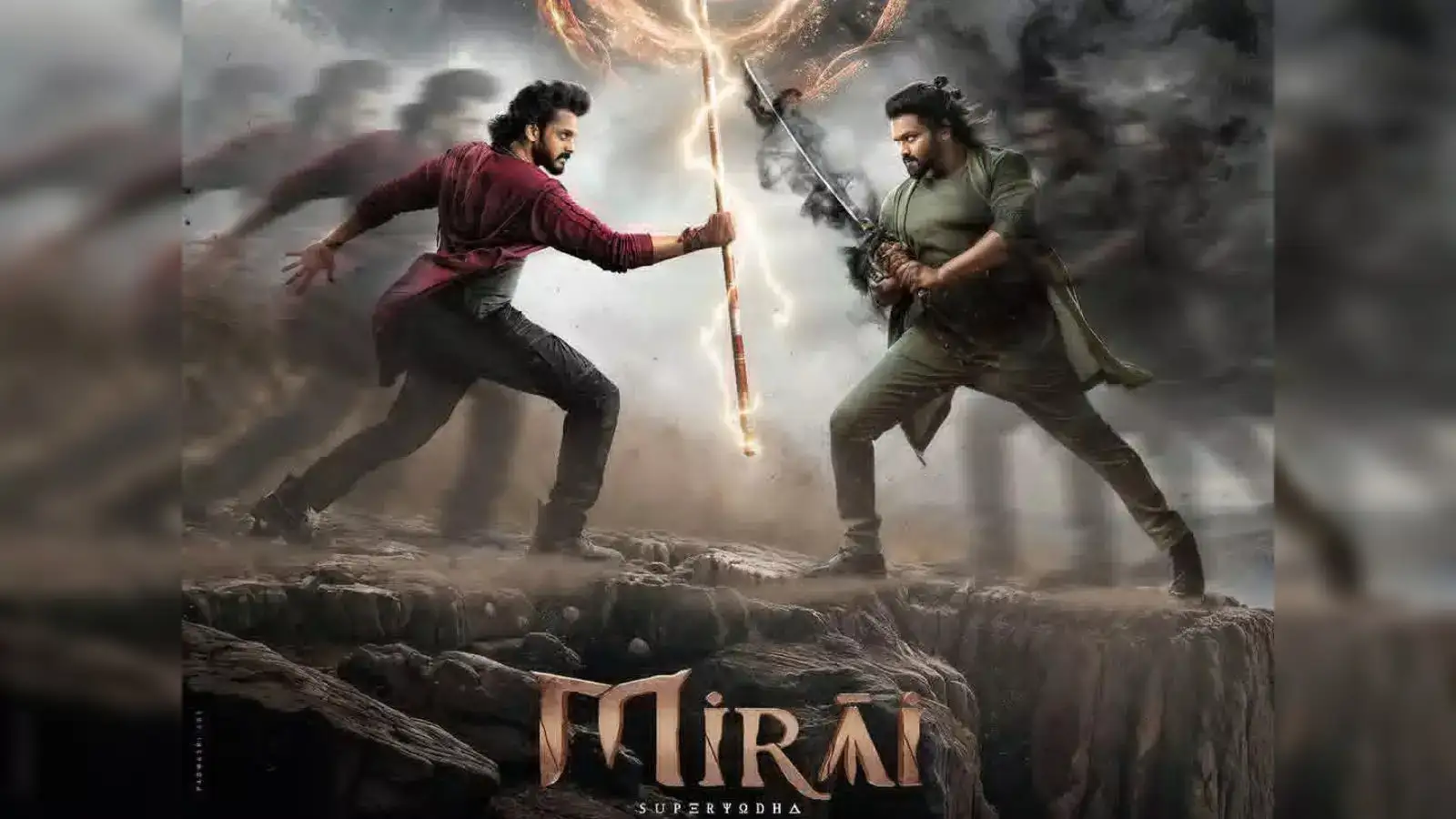
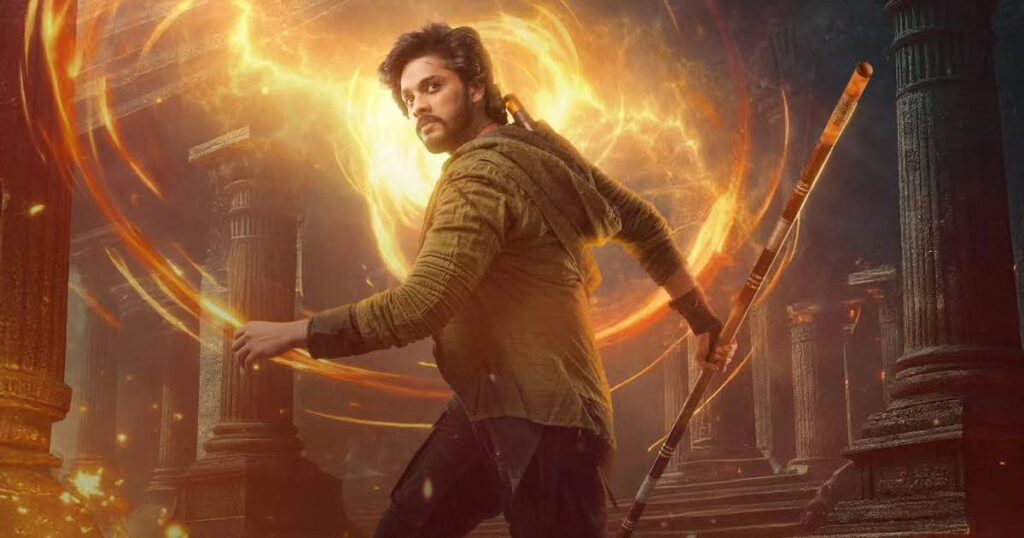
William Bludworth making his final appearance

Mention must also be made of how the killings have been staged. There is a rootedness to the macabre nature making the weak hearted viewers dread about how easily a person can die with just normal things like a gruesome death involving a shattered wine glass.

The cinematography of Christian Sebaldt is of a top quality nature. Whether its the 1960 portions involving the eeriness of Skyview restaurant or the dread in the present portions. The production design of Rachael O’ Toole also brings the terror alive.

Talking about the flaws Final Destination ( Bloodlines) does suffer from a certain predictability. More so for those who have seen the previous movies. Also the movie could have done with little more depth with some of the subplots. Some of the horror elements also gets gimmicky.

Final word: Final Destination (Bloodlines) is a perfect watch for those who enjoy gore and thrills in equal measure and of course the fans of Final Destination movies too.

23 (Iravai Moodu): A powerful critique on the disparities in our judicial system

23 movie leads

Mallesham and 8 AM Metro director Raj R takes three well known cases which shook the 1990’s of Andhra Pradesh and interconnects them to raise some pertinent questions on the functioning of our judicial system. The director explores the issues related to caste and class in an authentic manner, the star cast led by mostly newcomers do wobble on some occasions and the character of Jhansi as a psychologist feels underdeveloped. However what powers the movie is the relevancy of the social themes it addresses

Star cast: Teja, Tanmai, Pavan Ramesh, Jhansi and others

Genre: Crime/drama

Director and writer: Raj R

Dialogues: Indus Martin

Producer: Venkat Siddareddy

Production Company: Spirit Media

Presenter: Rana Dagubbati

Music: Mark K Robin

Cinematographer: Sunny Kurapathi

Running time: 2 hours and 25 minutes

The core of Raj R’s 23 (Iravai Moodu) is the statement from a famous novel Animal Farm written by the well-known Goerge Orwell. The statement goes like this, ‘All are equal but some more equal than others,’ the director uses this as a foundation tone making the viewers look at the concept of crime and the preparators through different perspectives related to social hierarchy.

The movie’s premise is majorly inspired from three shocking incidents which shook the state of Andhra Pradesh back in the 1990’s. The first one being the brutal caste-based violence against the Dalits, the second being 23 passengers losing their lives due to two young lower caste men and lastly a car bomb explosion in 1997 where 26 were killed and many injured. Among the three the 1993 Chilakaluripet is the main focus, Raj R narrates this tale through an emotional love story featuring Sagar (Teja) and Susheela (Tanmai). The movie spans across many years and numerous tribulations which the couple go through, in case of Sagar it’s the guilt of being responsible for killing 23 people along with his friend, for Susheela on the other hand she has to face the social stigma of becoming a mother before marriage. This is the story in a nutshell.

23 movie song

A strong aspect of 23 is how Raj R has interconnected the three cases. On the surface there is no direct link given that all the three are of different nature, however what binds them is the societal aspects. In the first case the upper caste men find a way through the high court after being sentenced to life imprisonment. They are eventually released thanks to the money and social backing. The same thing applies to the third case as well; a mastermind of the crime walks away scoot free due to his political backing and a supposed image of good conduct. However, in the case of the two lower caste men it’s a long and hard ordeal. In fact, the two have a hard time finding a benevolent lawyer in the first place due to a decision from lawyer’s bar association. By linking the three Raj R makes some scathing comments on how people with power can get away with anything even though their crimes are intentional in nature.

Mention must also be made of the sensitive manner in which Raj R and dialogue writer Indus Martin have treated the entire scenario. Yes, they portray Sagar and his friend through an empathetic gaze but at the same time their is no hesitation in making them introspect about the wrongs specifically in the case of Sagar. The viewers see Sagar going through a lot of emotional turmoil almost becoming mad in Shakespearean style. A palpable anger among the victims of the dead families has come out well like the scene where a man expresses his anguish on losing both his leg and livelihood. Raj R at no point absolves the two friends just because they didn’t intentionally set the bus on fire. The movie provides no easy answers to this complex scenario.

An important subplot in the movie is the need for reforming prisoners before they are released from prison. There’s a key incident in the middle of the second half where a prisoner protests on not wanting to go back to the real word as he isn’t ready yet. The person ends up doing another heinous crime. This makes the jailer feel guilty on how he should have listened to the prisoner. Another subplot worth mentioning here is the use of caste system to design certain chores to prison inmates, this includes cleaning the toilets something which is generally associated with lower caste people.

The love story in 23 takes a while to get going specifically in case of Teja’s Sagar. Both the accent and the scenes demanding emotional gravity needed a stronger actor however the actor’s sincerity shines through, and he gets better as the movie progresses. Tanmai fares much better delivering a moving act as a young woman facing the brunt of society’s judgmental tone. There is a quiet strength to the role which she pulls of well. Pavan Das as the cynical friend is all right too.

Thagubothu Ramesh in a serious role lends a lot of warmth to his part successfully breaking away from his usual drunken parts.

Jhansi makes an entry well into the second half. She brings in the required worldly wisdom particularly in the portions where she converses with the inmates, however her entire track needed better integration and suffers somewhat on the account of a sketchy screenplay.

The cinematography of Sunny Kurupathi along with Laxman Aeley’s production design is successful in taking back the viewers to those turbulent times. Mark Robins songs are also soulful giving depth to the intense proceedings like the song Egaraale.

Final word: Raj R’s 23 needs to be watched for relevancy of the story. Its a movie that will make you ponder on issues that still affect our society.

Anaganaga: Simplistic core but a relevant story on the need to reinvent the education system

The starcast of Anaganaga

Anaganaga directed and written by Sunny Sanjay is part Taare Zameen Par and part Dead Poets society. What powers Anaganaga in spite of the regular cliches is the emotional core involving the father and son along with how it effectively captures the cut throat world of academic competition. Sumanth as Vyas delivers a nuanced performance conveying a lot with his gaze

Starcast: Sumanth, Kajal Choudhary, Viharsh, Srinivas Avasarala and others

Director and writer: Sunny Sanjay

Genre: Drama

Producers: Rakesh Reddy Gaddam and Rudra Madireddy

Production Company: Krishi Entertainments

Music: Chandu Ravi

Cinematography: Pavan Pappula

Running time: 2 hours and 16 minutes

Streaming site: ETV Win

Anaganaga streaming on ETV Win is a khichdi of numerous movies, a rebellious teacher whose methods feel alien and how he or she transforms the students lives. However stories on the flawed education system has a relevancy to it as the problems still persist, the academic pressures of getting solid marks is something which numerous students face and same goes to the school management specifically the international schools who are in a race.

Sunny Sanjay as a writer and director does a fine job in addressing these themes through a strong father and son story. The plot focuses on the unconventional methods of Sumanth’s Vyas. He is a major advocate of concept based learning, his emphasis is on the students understanding the concept rather than just memorize everything. Vyas uses the method of storytelling in order to makes studies more engaging however the wife Bhagya played by a solid Kajal Choudhary doesn’t approve of his methods. Apart from being a wife and a mother Bhagya is also the school principle in which their son is studying. Things take a major turn when their son along with some more students fail in the exams. The management makes a decision of removing Vyas. The rest of the story focuses on what Vyas does next and how he pursues his goal of concept based learning through alternative methods.

A strong aspect of Anaganaga is the relatable family drama whether it is the husband and wife arguments over the clash of ideologies or the son’s emotional struggle with studies. This aspect makes the movie stand out from the other films which have depicted teachers fighting against the education system.

Sunny Sanjay deserves a major credit for how has developed the character of Bhagya. On the surface she may come across as coldhearted but at the same time as viewers you understand where she is coming from. Bhagya is the main bread winner of the family so there is a lot of financial stress on her, this often results her in clashing with the husband who isn’t after money much, additionally their ideas of parenting also vary. This clash of ideologies has come out well without going over the top. There is also nice understated romantic moments between the two like the portion where Vyas pacifies his wife. Later on we see Bhagya understanding her husband’s point of view.

Mention must also be made of how the director and writer has portrayed the dark side of academic competition. There is a scene of class toppers being rewarded on the podium, on the other hand those who have failed are publicly called out. Sunny Sanjay gives an important message on the need for empathy in education and how the race for marks and top ranks are harmful in the long run.

The father and son scenes are another plus for the movie. The way Vyas helps his son in gradually getting over his academics and stage fear lead to some poignant moments. A shared moment over Musfa and Simba story from the movie lion King adds an emotional depth specifically in the pre climax block. Viharsh as Ram does a very fine job inn conveying both the vulnerability and the eventual transformation. Anu Hassan’s extended cameo also deserves a mention, it gives an insight into Vyas formative years. She adds a lot of warmth giving Vyas a direction at an important juncture of his life. As Vyyas Sumanth perfectly embodies the quiet strength of a man who has firm belief on storytelling being a very good tool. He particularly shines in the portions involving the son. Among the rest Srinivas Avasarala suffers on the account of a stereotypical characterization. He does a fair job but the role needed more nuances than just being an opposition to Vyas.

Talking about the technical departments Chandu Ravi’s music is soothing. Mention must also be made of Pavan Kumar’s cinematography. He does a fine job in capturing the nuances of concept based learning through his lens.

A song from Anaganaga

A major problem with Anaganaga is the done to death troupes involving Vyas challenge against the school management. The portions of Vyas retaliation and how he becomes a threat for the traditional schools needed more depth. The film could have benefited with some more exploration of Vyas’s methods. Also the miraculous transformation of the failed students overnight becomes tough to digest.

Final word: Anaganaga is an important watch particularly for those interested in stories related to education.

Subham: A whacky ride filled with laughs and strong feminist message

The star cast of Subham

Cinema Bandi director Praveen Kandregula presents a far fetched yet an interesting tale by using the stale nature of TV serials as a background to explore the concept of the hugely popular Alpha male image. The movie successfully dwells into what married women really want by critiquing a certain idea of masculinity. In a way the movie feels like a jibe on director Sandeep Reddy Vanga’s idea of a hyper aggressive male

Starcast: Harshith Reddy, Srinivas Gavireddy, Charan Peri, Shriya Kontham, Shravani Lakshmi, Shalini Kondepudi and others special appearance (Samantha Ruth Prabhu)

Director: Praveen Kandregula

Writer: Vasanth Mariganti

Producer: Samantha

Production house: Tralala Moving Pictures

Music: Vivek Sagar and Shor Police

Cinematography: Mridul Sujit Sen

Running time: 2 hours and 5 minutes

TV Serials also called daily soaps form an integral part of many middle class households. Numerous housewives particularly of a certain strata are addicted to them, its their only form of entertainment. They get very emotionally attached to the various trials and tribulations of the primary female characters in the serials. Their attachment is used by the television directors to stretch the episodes endlessly with more melodrama filled with portions of abuse. Praveen Kandregula along with writer Vasanth Mariganti use this addiction of TV serials in the format of a horror comedy. There is a constant satarization of both melodrama and a lack of logic often found in daily soaps, underneath the laughs though the movie also presents a strong social critique leaving the viewers with an important message on how a modern male should not be.

Without giving much away Subham focuses on a group of three friends led by Srinu (Harshith Reddy). Compared to his other two friends specifically the character played by Srinivas Gavireddy Srinu comes across as a soft guy with dreams of being a perfect husband. However the other two encourage him to be an Alpha man. In simple terms they want him to come across as a rough guy through his voice and overall demeanor. Things take a huge turn for Srinu when his wife Srivalli (Shriya Konatham) completely ignores him on the wedding night getting absorbed in a serial. This leads to a series of incidents turning the lives of not just Srinu but the other married men too upside down. Samantha has an extended cameo as a female baba with an eccentric nature.

Shriya Konatham as Srivalli

A strong aspect of Subham is the director’s effective use of a fictional TV serial in exploring a rather misguided notion of masculinity. There is a brilliant scene in the second half when the three wives talk to the actor playing the lead role. They question him about the big change in the protagonist from how he started to how he has become. They specifically mention certain episodes where the hero used to be very adorable with sweet gestures. The actor replies by talking about the rising TRPS because of the guy becoming more rough and behaving like an Alpha or toxic male. He further adds about women preferring these kind of men in real life. This entire portion of arguments made by the actor and the counter arguments to that is the soul of the movie and pushes the story beyond a standard horror comedy.

The characterizations of the three men with specific character traits is another big strength of the movie. Srinivas Gavireddy gets the movie’s funniest moments, his role is of a proud Alpha male, he is very boastful about dominating the wife through just a click of hand. The portions where he gets a reality check gives the movie some of its best laughs. By breaking his notions the movie redefines the concept of popular masculinity, the movie talks about the importance in understanding and there by empathizing with the women in your lives.

In more ways than one the movie takes a strong dig in the way mainstream heroes are being presented. Mention must also be made of scene where one of the protagonists is getting down on his knees in order to propose but the other two stop him, on surface its a simple act but underneath it reflects a certain kind of thinking.

Praveen Kandregula also deserves credit for the various potshots he takes at the lack of logic and stretching on episodes just because a population of women are obsessed about it. There is a wonderful meta scene where the serial hero is talking on the phone expressing his anguish about the missing wife and saying that he will definitely find her. Cut to the next shot the heroine is seen walking while the hero is busy talking on the phone. By the time he puts the phone down the heroine has walked away. This leads to an elderly woman fuming about the proceedings.

Talking about the laugh out loud moments a specific mention must be made of the portion where all the men are completely scared and out of their wits, yet they don’t utter a word to each other. Underneath the laughs it also reflects a certain kind of loneliness. The scenes of Samantha with the three protagonists also raise ample chuckles. Samantha’s character is again a spoof on the intense babas that we generally see in movies of this nature. Samantha is an absolute riot with her expressions and the way she uses her body language.

Samantha in an extended special appearance

The cast of Praveen Kandregula’s Cinema Bandi is also seen in this movie. They have been smartly integrated into the main plot, among the Cinema Bandi actors Rag Mayur makes his presence felt. Among the technical departments Mridul Sujit Sen does a fine job in capturing the place of Bheemli, in spite of the horror situation there is a certain beauty as well. The background score of Vivek Sagar also adds to the narrative.

The performances of all the actors is very good but the ones who stand out are Srinivas Gavireddy and Shriya Konatham.

Final word: Its good to see actresses putting their money behind projects like these which question patriarchy in a subtle way.

The Queen of Mahismati: A satisfying conclusion

The best part of the Bahubali novels is the detailed manner in which Anand Neelakantan has sketched the character of Sivagamini unlike the movies where she is just one of the important characters. A major highlight of the third book is the depiction of the Kalekaya tribe who got a very raw deal in the first Bahubali movie.

The third part of Anand Neelakantan’s trilogy primarily focuses on the increasing rise of Sivagamini. In this final chapter she becomes a queen navigating various battles under the guidance of Maharaja Somadeva, she has to navigate numerous political intrigues. At the same time Sivagamini is also forced to make difficult choices regarding love and ambition.

Much like the first two books a major highlight of this one too is Mahadeva. There is a very endearing quality to him in terms of his righteous nature. It’s easy to see from where Bahubali gets the ideals of justice and a sense of what is right and wrong. Mahadeva more often than not feels like an odd one out when compared to the other key characters specifically Somadeva and Bijjladeva. The understated romance between them makes the readers wish that Sivagamini and Mahadeva had an happily ever after.

Another big strength of the novel is the subplot of Kalekaya’s. In the movie the subplot comes across as very jarring due to a lack of subtext however in the novel it’s a very different case. Anand Neelakantan has done a fine job in giving a social subtext into the civilazation of these people. The way Anand Neelakantan has presented the cultural background of the Kalekaya and their vanquished civilization gives the readers a fresh perspective.

Coming to the titular character the growth of Sivagamini continues to enthrall. On numerous occasions the inner strength of Sivagamini comes out in a striking manner. The various dilemmas that she goes through particularly regarding her feelings with Mahadeva makes you root for the woman in spite of her somewhat ruthless nature. Anand Neelakantan truly deserves distinction marks for how he has built the character over the three books. Wish the novels are made into a solid web series one day. Through the character of Sivagamini Anand Neelakantan has written an empowered woman someone is both bold and capable of handling any tough situation irrespective of how hard it may appear.

The war sequences have also been well conceptualized creating an immersive experience for the readers. There is a lot of detailing. Mention also be made of the impactful social commentary. There are many meaningful quotes in the novel, some of them are as follows

1 Evil happens not because there are evil men, but because good people stand by indifferent to the deeds of evil men.

2 Politics is about mining religion and selling what is holy

3 Give some charity and there will always be people to defend you, even if you have committed a series of murders

4 I don’t think the world is as evil as we all think. Even in the worst of men there is a sense of goodness. We need to water it with love and nurture it with trust.

As far as the other characters go Kattapa’s role is a static as ever with no fresh dimensions in comparison to the movie however the triology does give a better understanding of his personal life and his devotion to Mahismati kingdom. The character of Sivappa in the third novel too is disappointing. Its sad to see a character of great potential from the first part going waste.

Final word: The Queen of Mahismati is a treat for fans of Bahubali movies and lovers of fantasy novels.

Nani: From soft to rugged…versatile all the way

A banner of Some Nani movies

An overview into how Nani has evolved as an artist over the years with roles that have covered different spectrums. His rise from a midbudget hero to a major star actor and the various aspects that have contributed to his success both as an actor and producer

There is an interesting moment in Hit 3 when the antagonist Pratik Babbar meets Nani’s Arjun Sarkar unaware of being him a police officer in the homicide intervention team. He looks at Nani and talks about him having a soft face. To this Nani replies that the audiences also think the same but there’s a different personality to me. This serves as a self referential dialogue on how Nani began as an actor with roles like Ashta Chamma, Ala Modalaindi and Bale Bale Magadivoy among others and how he has gradually expanded his repertoire by doing a wide variety of roles, for example in 2023 there was Dasara and Hi Nanna both extremely different from each other.

Hi Nanna and Dasara two very different roles

In Dasara he played a rustic young man stealing coal for a living along with his friend. Nani’s character of Dharani starts off as more of a coward unlike the friend who is more desirable with leadership qualities. However as the movie progresses the personality of Dharani undergoes a major change with different shades. Nani completely shed his boy next door persona getting into the skin of the character, whether it was the dialect or the overall body language, Dasara was the first glimpse of Nani going more rustic with choice of roles. Hi Nanna on the other hand is a very different territory. In this movie Nani’s role goes from a young lover to a father who can do anything for his daughter, his chemistry with the brilliant Mrunal Thakur whether it is the scenes of love at first sight or the more emotionally charged ones were the biggest ace of the movie. In spite of certain similarities with the national award winning Jersey the actor made the viewers root for Viraj to have a happy ending.

Starting from his debut movie Ashta Chamma in 2008 Nani has acted in at least 37 movies so far. Apart from acting Nani has also forayed very successfully into production with Wall Poster Cinema. Under the banner Wall Poster Cinema Nani has produced 6 movies so far. Prashanti Tipirneni also plays an active part in this production house. The first movie produced under Wall Poster Cinema was Awe directed by Prashanth Varma. The movie is by no means perfect still it was a daring experiment dwelling into themes of sexual abuse, lesbianism etc. With his very first production venture Nani showed his intention of backing new voices who are off mainstream. Even in the case of Sailesh Kolanu the director of the hugely growing Hit franchise, he was neither an assistant director to someone nor coming from a filmy background. But still Nani still trusted him based on what he wrote and the rest as they say is history. The latest example of Nani’s risking taking ability is the movie Court about the misuse of POCSO. The film’s director Ram Jagadeesh is also a debutant like the above mentioned ones and he completely justified the faith of Nani. A big reason for the movie’s success were the active promotions and the confidence with which Nani backed the movie, it is easily one of the biggest hits of 2025 in terms of money invested and the returns got.

Nani from Ashta Chamma movie

Awe the first movie produced by Nani

Before making his acting debut Nani was a popular radio jockey in world space radio with his own set of fans, he hosted a show called Non-Stop Nani and true to its name it was a nonstop success. He has also worked as an assistant director under the likes of late Bapu among others. One of Nani’s major strengths is his voice modulation, the way he modulates the voice perfectly according to the scene makes him a very good actor apart from a big star.

Following are some of my most favorite Nani performances starting from Ashta Chamma across different genres.

1 Ashta Chamma: In this Indraganti Mohankrishna directorial Nani played a village head burdened by the responsibilities of delivering justice. In order to make his life more enjoyable the character Rambabu often goes to the city leading a dual life. Nani impressed everyone with a skilful performance particularly in the scenes of desperation. He raised ample chuckles in the combo scenes with Srinivas Avasarala. It was a very confident performance without any rawness of a debut actor.

2 Yevade Subramanyam: Nag Ashwin’s directorial debut was a very daring one with the themes of materialism and self discovery among others. In this movie Nani played a young man obsessed with numbers and climbing the social ladder. Nani’s character of Subramanyam resonates with many young men even today. Nani portrayed the role of Subramanyam in a very mature manner whether it is his initial attitude of success at any cost and the eventual transformation that Subramanyam goes through. Although it isn’t a crowd pleasing role still Nani made the character relatable maybe for every generation.

A still from Yevede Subramanyam

3 Jersey: In Jersey Nani played the role of an ex cricketer making a comeback after a long time. The role of Arjun comes with numerous shades and a lot of emotional turmoil, Nani did a fantastic job in bringing alive the different emotions whether it is the helplessness of a father who doesn’t have much money or inner turmoil Arjun goes through at various stages. The scenes between Nani and the child actor played by a wonderful Ronit Kamra were a major ace of the film.

Nani and child actor Ronit Kamra

4 Bhale Bhale Magadivoy: In this comic entertainer Nani was an absolute riot as a happy go lucky guy suffering from major memory loss. He brought the house down on multiple occasions like the scene where Murali Sharma character comes to the house. The way he covers the memory loss in front of the heroine was truly a laughter ride. Apart from humorous scenes Nani also shined in the emotional ones where Lucky losses the trust of the heroine. A specific emotional outburst between Nani and the mother showed the actor’s all round ability.

Nani was an absolute riot

5 Ninnu Kori: Ninnu Kori saw Nani in a grey shaded role. An hurt ex lover who firmly believes that the heroine played by Nivetha Thomas has not gotten over him. In the second half there are numerous scenes of hurt along with bitterness and Nani made the viewers feel the pain of Uma. He did a fantastic job in portraying the grey areas getting empathy from the viewers in spite of the not so likeable actions.

6 V: Indraganti Mohankrishna’s V didn’t completely satisfy the fans of action thrillers. The movie suffered from predictable character arcs, having said Nani truly had a blast with his character. It was very clear that he relished the dark shades and the freedom of not playing a hero bound by morality. Nani’s performance majorly uplifted the movie. A specific mention must be made of the scenes with the passengers. The dark humor in them and the way Nani portrayed it was a delight to watch.

Nani in V

7 Hit 3: Hit 3 saw Nani in his boldest avatar a psycho cop known for brutal violence. There is a lot of violatilness to the role and Nani simply aced it. He carried the movie on his shoulders with brilliant intensity. At the same time what makes the performance stand out is Nani’s ability to generate humour through serious dialogues. The actor’s Hindi in a scene where he interrogates a Kashmiri criminal is a very good example of this. Nani also turned the charm on in the romantic track with Srindhi Shetty, it was very smartly integrated into the main plot.

Nani as the psycho cop Arjun Sarkar known for his brutal violence

Going by his career graph so far it’s clear that Nani has long term goals in satisfying both himself and the audiences. A clear indication of this is him backing new talent and promoting diverse stories both as an actor and producer.