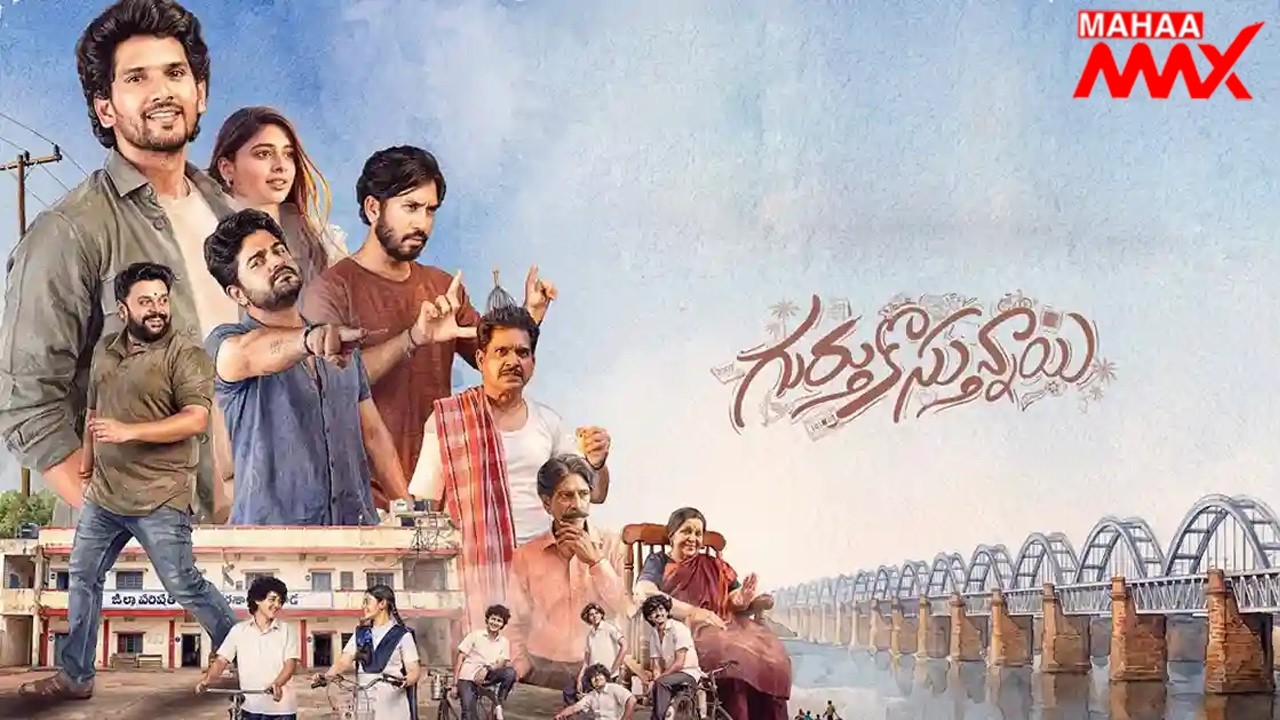
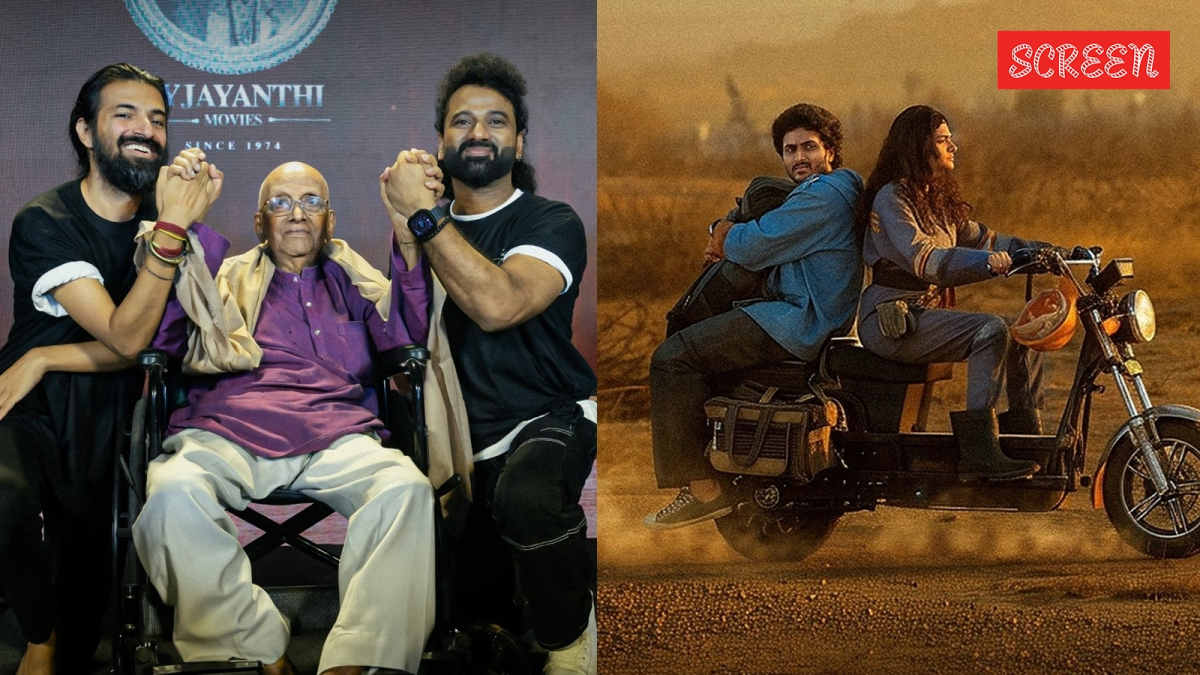
Winod Gali follows the blueprint of ETV Wins success formula to the t. Having said that there is enough to hold the viewers particularly the friendship core. It also helps that Viraj Ashwin is successful in portraying the confusion and vulnerabilities, both the writing of Rajeskher Reddy Baddam and Viraj make the viewers empathize with the protagonist’s memory loss. The climatic speech in particular deserves a special mention, yes its filmy but the effective staging makes it work.
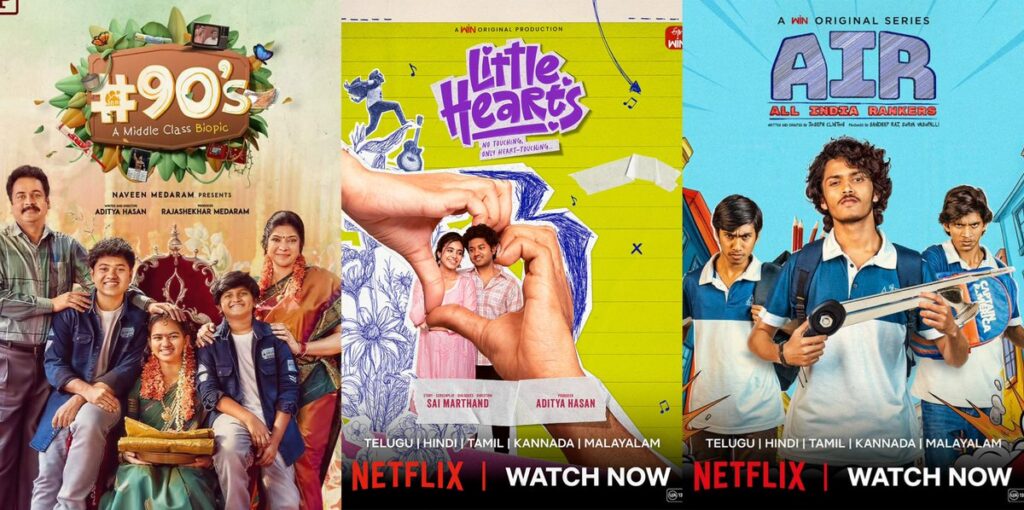
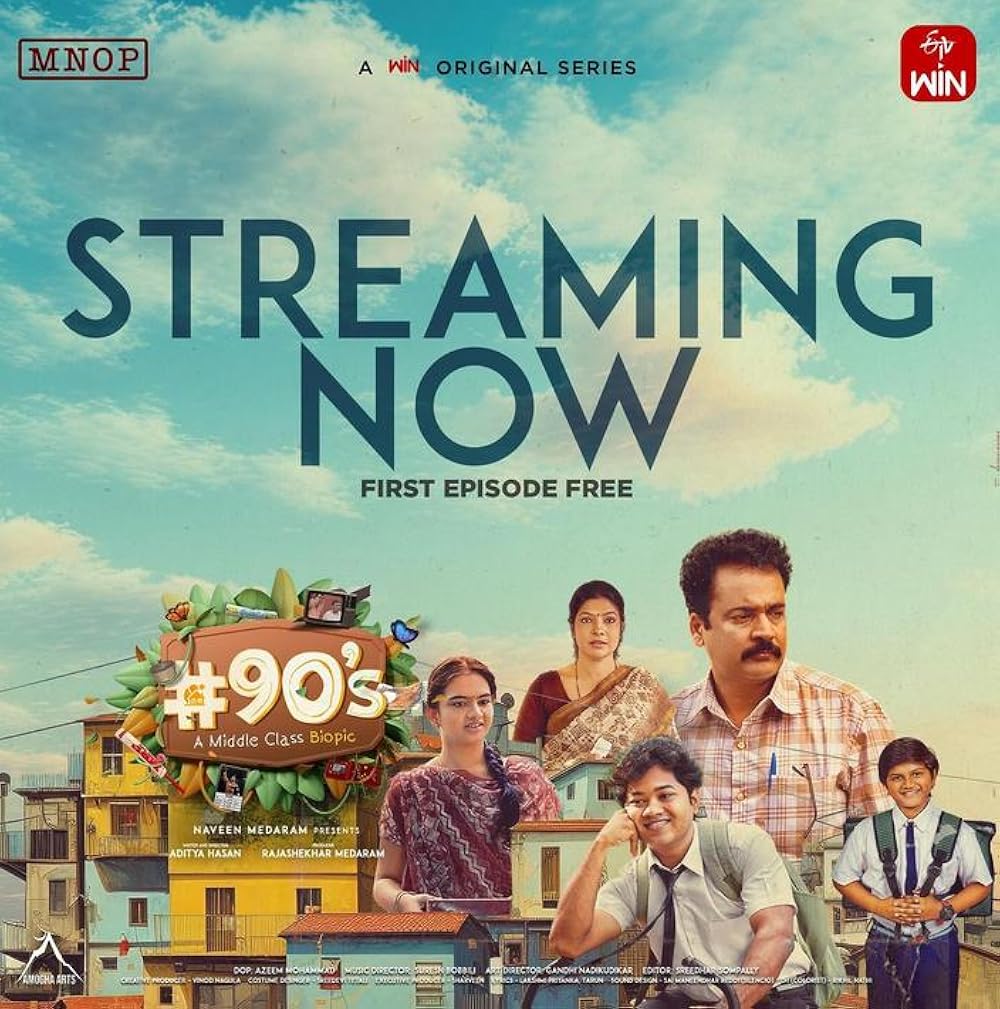
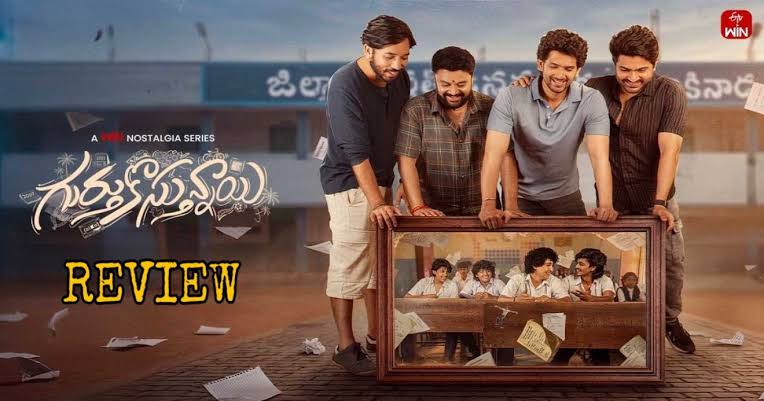
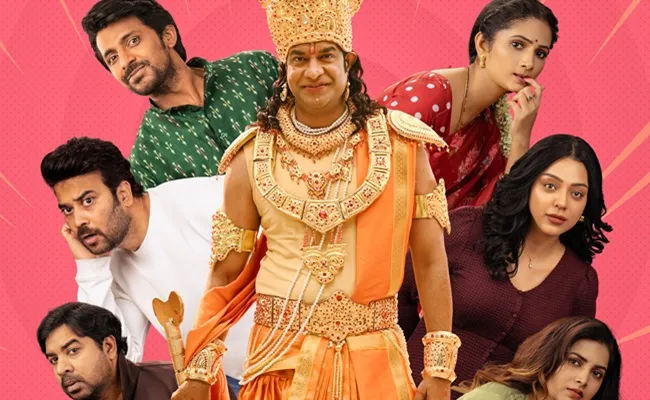
The huge success of 90’s Middle Class biopic and the blockbuster Little Hearts has turned ETV Win into a solid production house. The feel-good storytelling coupled with zero violence has won numerous hearts. Yes, this also comes with a minus as the production house hasn’t experimented much with other genres but that’s a separate topic. Gurthukostunnayi more or less sticks to the success formula and for a large part its entertaining with some heartfelt moments.
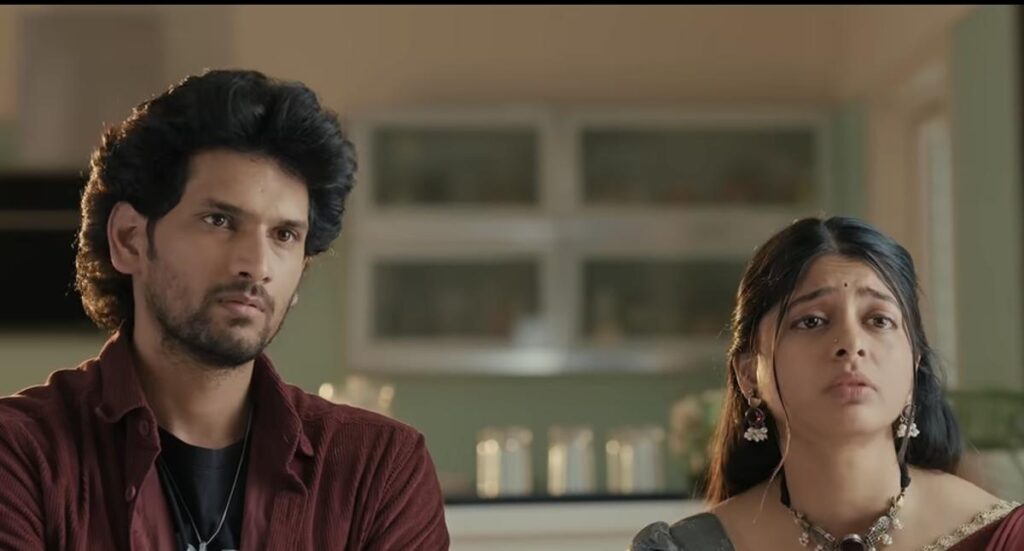
Gurthukostunnayi in brief focuses on Viraj Ashwin’s Santhosh. Santhosh has managed to win the approval of his future father-in-law Raghunath (Priyadarshini Ram). Raghunath was once upon a time principal to Santhosh and his batch of friends. Yashashree Rao is Santhosh’s fiancé Vaishali, things appear to be smooth, but a roadblock comes in the form of an unfortunate accident. Santhosh goes through a memory loss with just some time to go for the wedding. How Santhosh’s friends stand with him doing their best to get his memory back and how our protagonist overcomes the obstacles is the basic premise of Gurthukostunnayi.
There is nothing plot heavy about Gurthukostunnayi just like 90’s Middle Class biopic and Little Hearts. It’s more about the treatment and taking viewers back on a nostalgia ride. On both these accounts the director and writer have succeeded.
The portions of the three friends reconstructing Santhosh’s childhood deserves a special mention. A lot of scenes feel authentic even if you as a viewer haven’t experienced it personally. A major chunk of the situational humor comes from the desperation of the friends as well as Santhosh’s father in making sure that Santhosh and Vaishali have a happy ending.
Adding to the precarious situation is Priyadarshini Ram’s Raghunath. Raghunath personally has a low opinion about Santhosh having watched from his teenage days. He still agrees as the daughter is deeply in love, deep inside though he is waiting for Santhosh to mess up. This leads to some amusing situations raising ample chuckles.
Mention must also be made of how Raghunath has been written. On the surface he may come across as a stereotypical obstacle to Santhosh and Vaishali’s happy ending. But he has his valid reasons for not trusting Santhosh fully, there is a crucial moment when Raghunath leds his guard down expressing his concern. Priyadarshini Ram is very good in portraying the hard exterior as well as the vulnerability of a bride’s father.
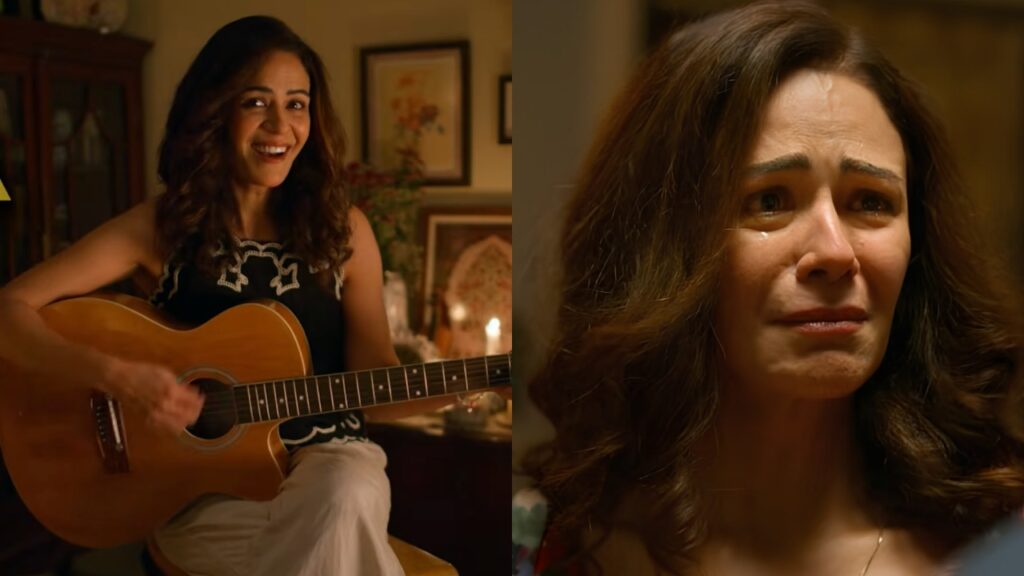
The love story between Santhosh and Vaishali though doesn’t get the same attention as the friendship portions. Its severely undercooked and as a result it’s hard to completely root for Vaishali’s anxiousness. Having said that Yashashree Rao does a good job within her limited screen time. She particularly stands out in the scene of Santhosh’s memory loss being revealed. The determination of Vaishali has been brought out well by Yashashree Rao.
Among the three friends Viva Raghav impress the most in the comedy department as well a solid emotional scene. There is an important portion where the character lashes out on Santhosh. It’s a heated argument and Viva Raghav does an excellent job.
Rohini Hattangadi as Santhosh’s grandmother also makes her presence amply felt. Her scenes in the fifth and the seventh episode stand out. Her conversation with Viraj in a crucial moment has some nice philosophical undertones.
Music composed by Ajay Arasada goes perfectly with the show’s tonality. The song Ee Vayase is soulful. The background score is of a good order too particularly the climactic portion of Santhosh’s long monologue. This monologue comes with a hidden secret too. The timing of it and how it has been narrated packs an emotional punch.
The cinematography of Rehen Sheik is of a good order too particularly the visual pallet of the flashback portions. Overall Gurthukostunnayi makes for an entertaining watch particularly if you are in the mood for reminiscing about your friends and grandparents.
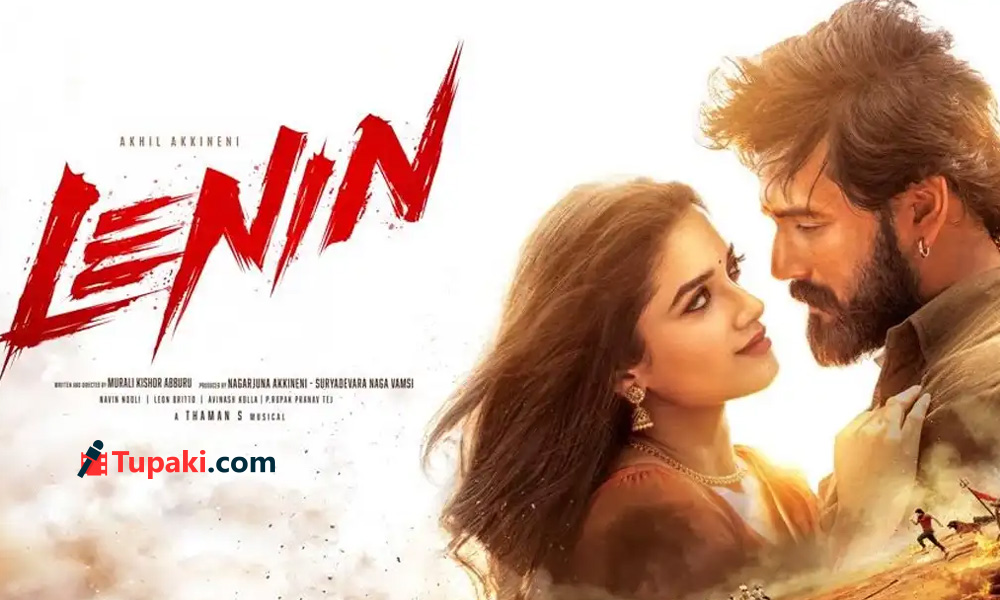
At its core Lenin is a regular revenge drama but the nonlinear screenplay especially the second half makes it an engaging watch. The grey shaded characters have been built well particularly that of Sivaji, Easwari Rao and Pramod Panju. Bhagyashri Borse as a spirited Bharati is a delight to watch with her effervescence. The actress particularly stands out in a portion of confronting her father related to the topic of consent. Having said that Lenin doesn’t offer anything particular new in the sea of rural dramas.
Producers: Akkeneni Nagarjuna and Suryadevara Naga Vamsi
Production house: Manam Enterprises and Sithara Entertainments
Running time: 2 hours and 38 minutes
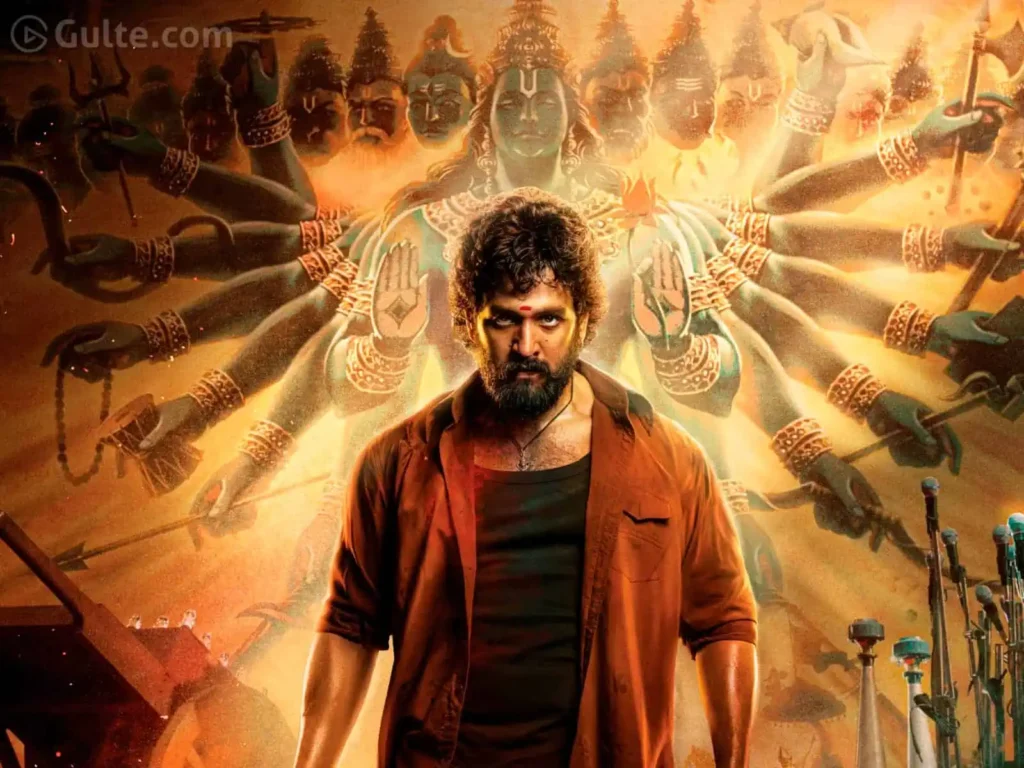
The influence of Ramayana and Mahabharata can be seen in numerous Indian movies especially Telugu cinema. Whether its shades of mythological characters or direct references. Lenin written and directed by Murali Kishor Abburu is very explicit in its references of Mahabharata. Some of the most important developments like Eashwari Rao referencing to herself as Gandhari or the character turn of Sivaji feel like a homage to one of our beloved epics. These mythological layers play a key role in lifting what is an otherwise standard revenge drama. Akhil Akkeneni made his debut as a leading man in 2015 but has been struggling to create a solid impact. His last film Agent had a whacky characterization, but the movie was a major let down. Lenin can be definitely called as Akhil’s redemption as an actor irrespective of the box office numbers
The story of Lenin in brief is set in the backdrop of the Drapaudi Jatara festival. Without giving much spoilers the film is about an orphan rising from humble beginnings to fighting against injustice. The film focuses on village politics, deceit with betrayal from one’s own among others.
The tone of Lenin is set from the beginning itself with Akhil’s character released from Jail. A lot of time is spent on introducing the cultural significance of Drapaudi Jatara festival, village politics and the budding love story among others. This approach does take a while getting used to. Also, the cute meet moments between Akhil and Bhagyashri needed better depth. It follows a pretty formulaic route, having said that Bhagyashri with her effervescence tides over the sketchy writing, she shares a nice chemistry with Akhil too. One of the worthy scenes is Bharati taking on Bramhaji’s character in a game of cards and her subsequent punch dialogues.
The movie actually gets going around the interval point when Bharati’s marriage is fixed in haste with Pramod Panju’s Vasanth. Vasanth and Lenin share a strong bond of friendship with Easwari Rao being a mother figure to Lenin. Lenin doesn’t reveal about his love to either Vasanth or Easwari Rao. Just when the viewers think Bharati will marry someone else she springs a surprise openly talking about how she loves Lenin and vice versa, Bharati further questions the father about not bothering to ask about her consent. Bhagyashri aces these scenes in particular.
The interval point enters on banger, the details of which are better seen on screen. From here the movie switches gears gradually unraveling the dark layers. The various revelations at the crucial junctures has been wonderfully written and enacted. Among the revelations the twist related to Pramod Panju is the most impressive of the lot.
Until then the viewers have a certain impression of him, but all this changes with a crucial exposition. The timing of this exposition has been excellently done and as a viewer you feel for Lenin when he goes through a major personal shock. Akhil as an actor particularly shines in the portions leading up to the big climax. There is a scene of Lenin pleading with the antagonist, there is no hyper background score to amplify the emotion. It purely relies on Akhil and the actor more than rises to the occasion.
Mention must also be made of how Sivaji’s role has been written. He plays the role of Yathiraju a man constantly treated as an outsider, this eventual frustration reaches to a boiling point and certain situations led him to betray Lenin. Sivaji does an excellent job as always. Easwari Rao as a Gandhari like figure is good too particularly in a crucial climatic stretch.
Pramod Panju as Vasanth is also first rate. Much details cannot be given but the subtle character switch has been wonderfully portrayed by the actor. Last but not the least Bramhaji as a Shakuni-like figure also impresses with his mannerisms.
Murali Kishor Abburu does a fair job in examining how shattered pride can cause severe harm damaging personal relationships. There are some solid dialogues related to this as well as the so called social hierarchies.
Thaman S music while groovy especially Yetta Yetta suffers from a placement problem. There is an abruptness to the song’s integration making the viewers impatient. The background score though is more effective in elevating the twists.
One major problem with Lenin is the eventual core which is the revenge aspect. The last few years has seen a barrage of rural stories with different social contexts, as a result Lenin feels like just another rustic story cashing on the success of Rangasthalam and Pushpa among others. The closing stretches also has a hangover of Peddi with a physical impediment. This again feels like more of a shock value rather than something really needed.
Final word: Lenin is a winner for Akhil the actor. Watch it if you are in the mood for a rural drama with mythological undertones.
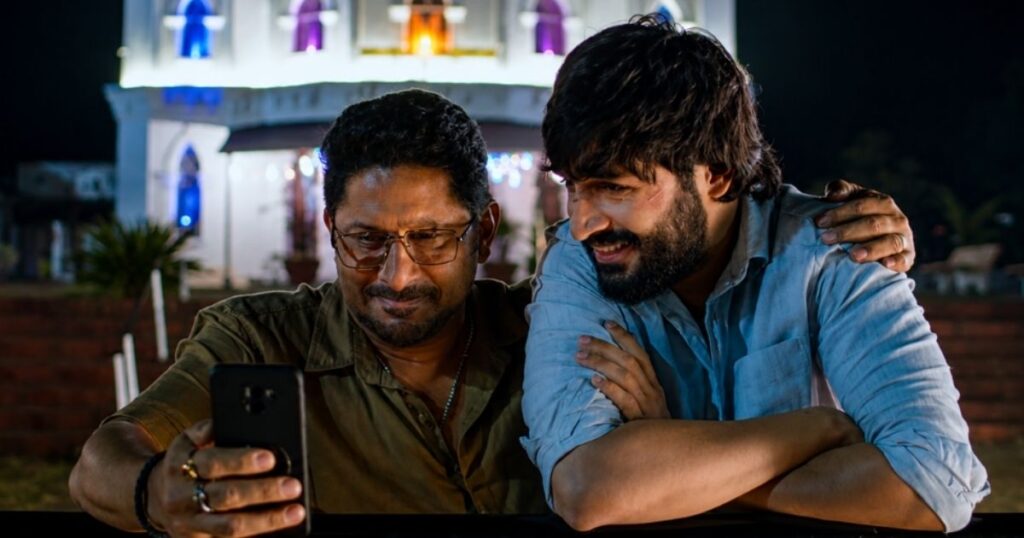
Arshad Warsi and Vir Hirani rise above an uneven screenplay. The camaraderie between the two largely stirs the show. Vikrant Massey as the cybercriminal is excellent too. His entry gives the proceedings a much-needed gravity. The characters backstory and his dynamics with Vir Hirani give the show some of its best moments. Creator and writer Rajkumar Hirani gives an important message on malicious hackers, hacked web cams and parenting in digital age
Starcast: Arshad Warsi, Vir Hirani, Vikrant Massey, Satyadeep Misra, Mona Singh and others
Genre: Crime thriller
Creator and writer: Rajkumar Hirani
Additional writers: Abhijat Joshi and Suyash Trivedi
Direction and cinematography: Avinash Arun Dhaware
Producer: Rajkumar Hirani
Production House: Rajkumar Hirani films
No of episodes: 6
Streaming site: Disney+Hotstar
Music: Shantanu Moitra
Pritam and Pedro has a distinct stamp of Rajkumar Hirani films though it isn’t directed by him. The web series deals with heavy themes, but the show never gets too dark. The antagonist character gets a redemption arc too. This approach gives a show its distinct identity. For those excepting another Paatal Lok from Avinash Arun would be disappointed. But for fans of Rajkumar Hirani’s storytelling this makes for a fun weekend watch while also dwelling into relevant issues.
The story of Pritam and Pedro focuses on two distinct individuals. Arshad Wari’s Pedro is an old school cop having issues with the new age technology. Vir Hirani’s Pritam is a tech savvy young man, certain situations lead the two to teaming up, the show gets going with a high-profile kidnapping case. The minister’s son has disappeared. Pritam and Pedro are soon sucked into the world of cyber threats, hackers and digital crime networks. How Pritam’s past is tied up with Vikrant Massey’s Martin forms the major core.
A major strength of Pritam and Pedro are the contrasting personalities. Pedro is driven by the traditional methods of investigation unlike Pritam who sees solutions through coding and digital based technology. How the two strike a balance between old school and new school eventually developing a bond has been wonderfully written and enacted.
A special mention must be of the scenes in which Pedro gets transferred to cybercrime. Pedro neither understands nor respects that world. This leads to some genuinely funny moments. For example, there is the dialogue ” School taught us ABCD, then why does computer keyboard begin with QWERTY? Banda Kaam Kare Ye alphabet dhunde? the exasperation on Arshad Wari’s face coupled with the situaton leaves the viewers in spilts.
Both the writing and Arshad make sure that Pedro doesn’t become just a bumbling cop used for laughs. Yes the man is technologically changed but Pedro is an experienced cop who is competent at what he does. Pritam on the other hand happens to be very good at dealing with cybercriminals, but that doesn’t mean that he is an arrogant young man.
The humor never gets mean and is generated organically. Vir Hirani more than holds his own delivering a confident performance. There are some touching emotional bits when Pritam opens up about a certain past action. Vir does an excellent job in making the viewers feel the pain of Pritam.
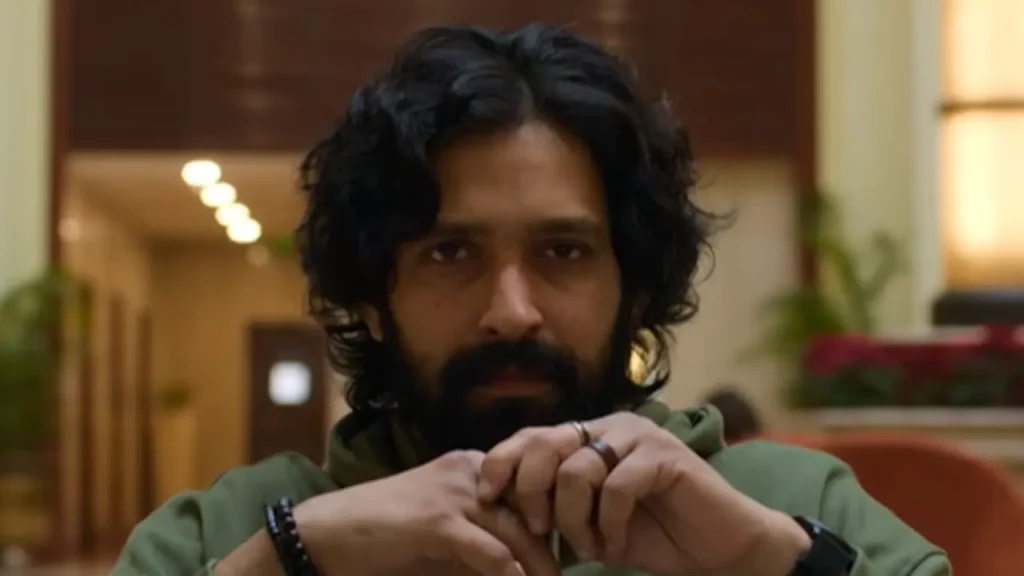
Vikrant Massey as Martin enters at a crucial juncture when the show is sought of trudging along. His entry increases the stakes, as a cybercriminal with a solid back story the actor does an excellent job proving again why he is a very competent actor.
He especially stands out in a confrontation scene with Vir Hirani portraying anguish and threat in a wonderful manner. Satyadeep Misra and Shruti Marathe as anxious parents are also good in their respective parts. The usually brilliant Mona Singh as Pedro’s wife gets a raw deal, nevertheless the actress shines in her limited screen time.
The show also has some important passages highlighting children getting addicted to online games and how this makes them vulnerable to digital predators. The challenges of parenting in digital age has been organically woven rather than just a random passage.
Avinash Arun’s cinematography captures the lush locations of Goa well. The music of Shantanu Moitra is quite forgettable barring Piya Piya Piya. The background score of Sanjay Wandrekar though is peppy especially the theme used for Vikrant Massey scenes.
One major issue with the show are the beginning episodes. The initial case of ATM feels like more of a filler for Pedro and Pritam to meet, it doesn’t hold much substance. Even the subplot of a lost radio and the deep attachment of Pritam’s grandfather with it isn’t developed sufficiently.
Final word: Pritam and Pedro is worth watching if you are in the mood for a feel-good entertainer in Rajkumar Hirani style.
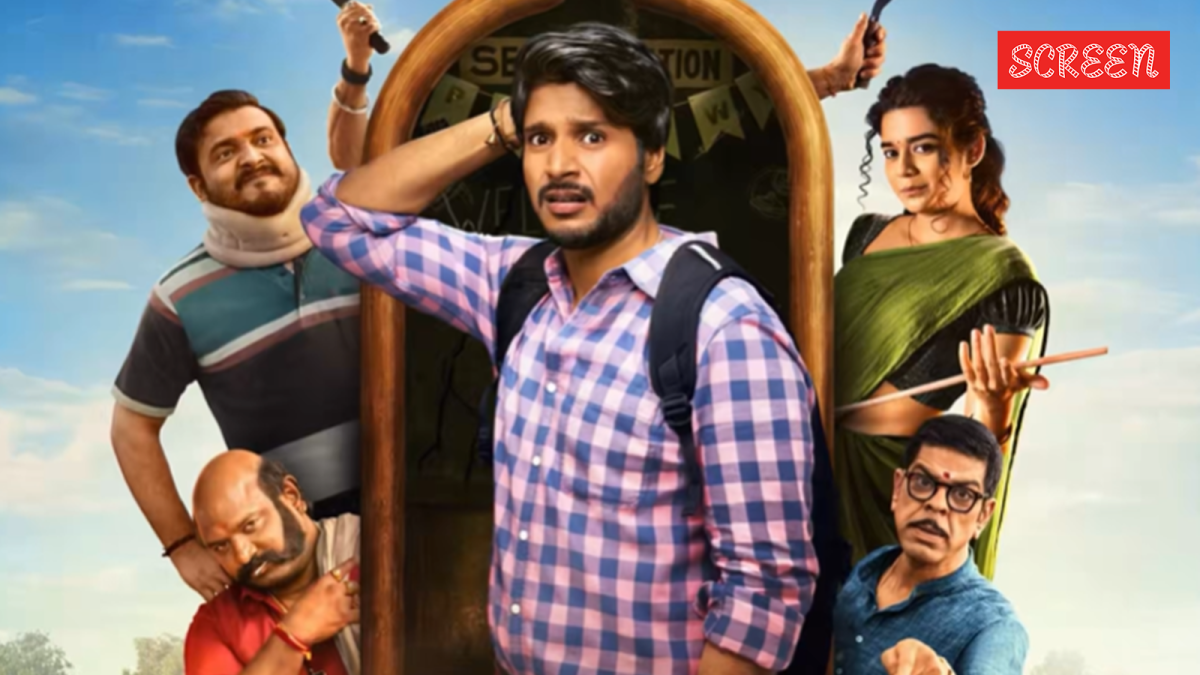
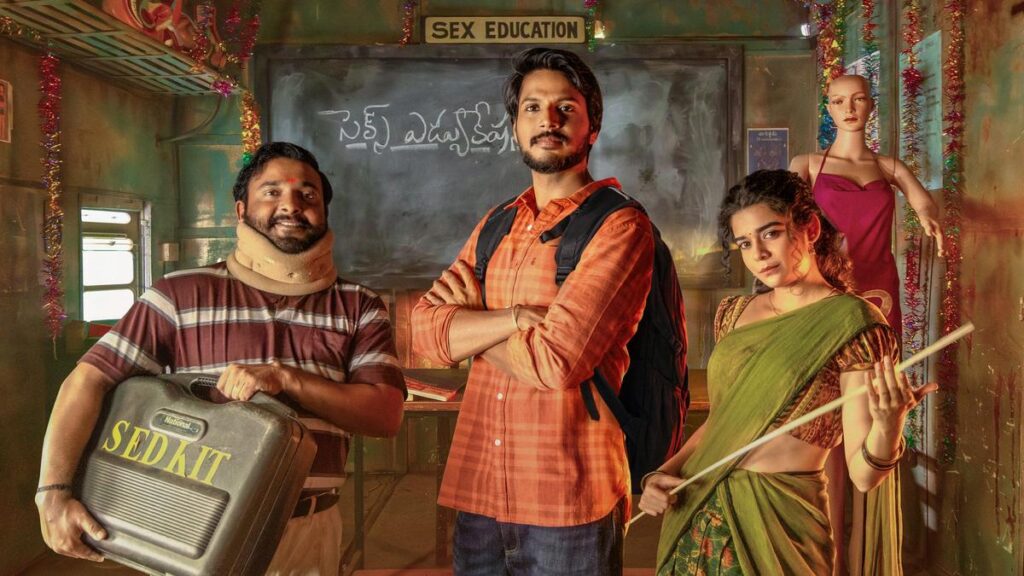
Creator and director Mallik Ram does a fine job in exploring the importance of sex education with a mix of humor and sensitivity. The characterization of Sundeep Kishan’s Subbu from a insecure young man to finding courage is a major strength of the show. The series also throws light on so called cultural beliefs dictating gender roles. Mithila Palkar as an aspiring actress is also wonderful giving solid support to Sundeep, she particularly shines in an audition sequence.
Humor as a genre is a very potent tool for exploring certain so-called taboo topics. Super Subbu streaming on Netflix is a solid example of this. The series blends social message with chuckle worthy moments. This is a tricky balance to achieve, but Maliik Ram along with the writers do a fine job for most of the duration. Sure, there are certain subplots which needed better writing, the romantic thread between Sundeep Kishan and the fiancé played by a charming Manasa Choudhary is severely undercooked. Having said that Super Subbu is very much worth binging for the performances and its social undertones.
The story of SS follows the journey of Subramanyam Chilukuri akka Subbu (A solid Sundeep Kishan). He is posted to a remote Telangana village called Makhipur. Subbu ha a precarious task of educating villagers on matters related to sex. Running parallel to this is Subbu’s troubled equation with Murali Sharma’s Kukkuteswar Rao. Kukkuteswar Rao is an authoritarian father cum teacher. He has a very dismissive towards sex education. In his own words its “pure unadulterated nonsense”. Subbu has a hard time in keeping the nature of his job a secret. How Subbu eventually finds acceptance among the villagers as well as his coming of age forms the core of Super Subbu.
The texture of Super Subbu bears a striking resemblance to both Vicky Donar as well as the Panchayat web series. Much like the latter here too the protagonist comes under the category of a reluctant hero. A young man forced to do something which he doesn’t like but eventually finds a sense of belonginess. The humor too has shades of Vicky Donar, still SS is very much its own beast, and this majorly comes from the village of Makhipur.
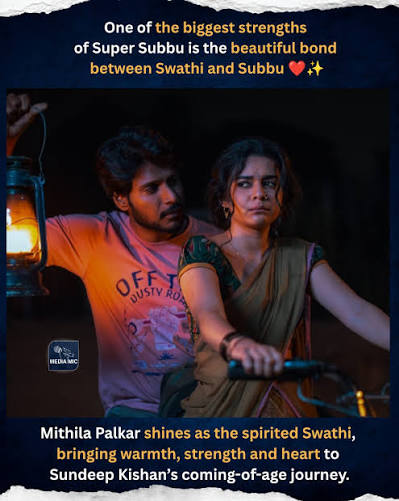
Mithila Palkar’s Swathi makes a key difference. Her dynamics with Sundeep Kishan and their blossoming love story gives the show some of its best moments. Mithila aces the Telangana dialect coming up with a solid act. Two scenes deserve a specific mention. One is an audition portion where she is enacting a dramatic moment, the other one is Swathi questioning her father’s patriarchal attitude in a poignant emotional sequence. In both these sequences Mithila is first rate. She also shares a nice chemistry with Sundeep.
However, the shows’ beating heart is the characterization of Subbu and the social issues woven around it. Maliik Ram and the writers have done a fantastic job in tackling themes not often seen in mainstream cinema. Through the journey of Subbu the makers have dwelt into protected sex, family planning, menstrual health and a woman’s wellbeing, all these have been seamlessly integrated making the series thoroughly engaging.
A pop culture reference to Pawan Kalyan’s Vaakel Sab with a no means no has also been excellently used. It becomes a tool of mini revolt for the village women when they don’t want to engage in sex with their husbands. An underlining theme of consent being important has come out well
The characterization of Subbu as already said is a major plus, Subbu is someone who starts off as an indifferent educator. He just wants to make an exit out of Makhipur as soon as possible. But as Subbu witnesses the challenges faced by these women especially in the matters of intimacy and childbirth he genuinely starts to care. Sundeep is first rate in capturing this transformation. The actor also does a fine job in capturing the insecurities of a son living under the shadows of an overbearing father.
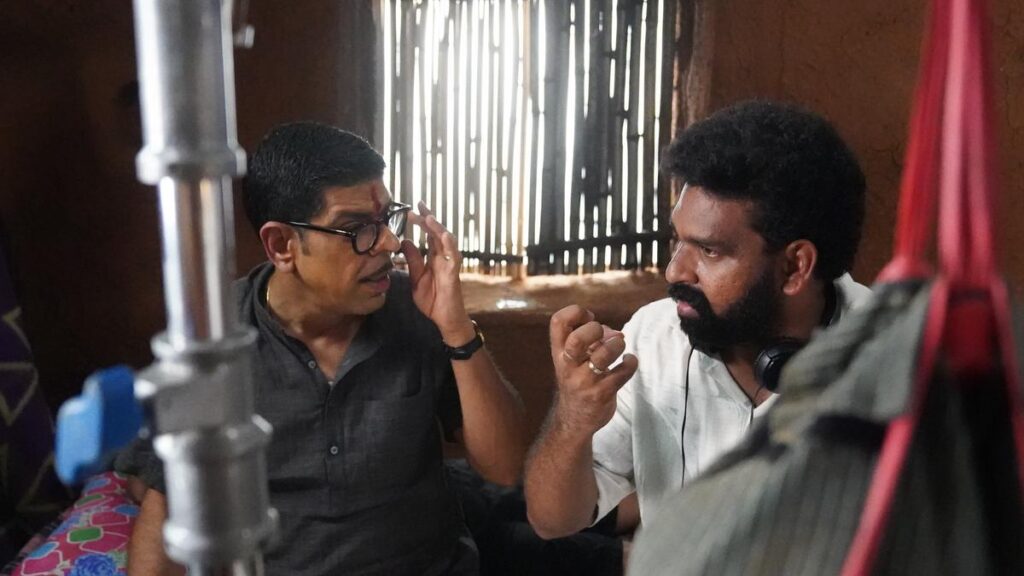
Murali Sharma as the terrifying father figure brings in both authority and humor in equal measures. He particularly shines in the scenes of showcasing Kukkuteswar Rao’s discomfort with the topic of sex. Among the rest Getup Srinu as Subbu’s subordinate and ally makes a significant impact with his comic timing. Jeevan Kumar in the role of a principal antagonist brings in an intimidating presence.
AJ Aaron captures both the earthiness and the vibrancy of Makhipur in a solid manner. Anudeep Dev’s music on the other hand compliments the journey of Subbu well.
Final word: Super Subbu is indeed a job very well done. For fans of rural dramedies this show is very much worth binging on.
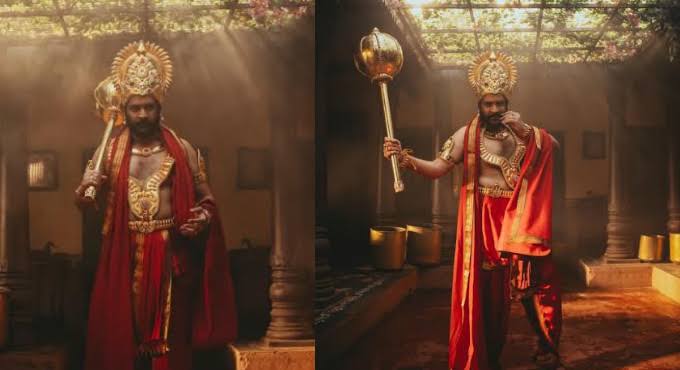
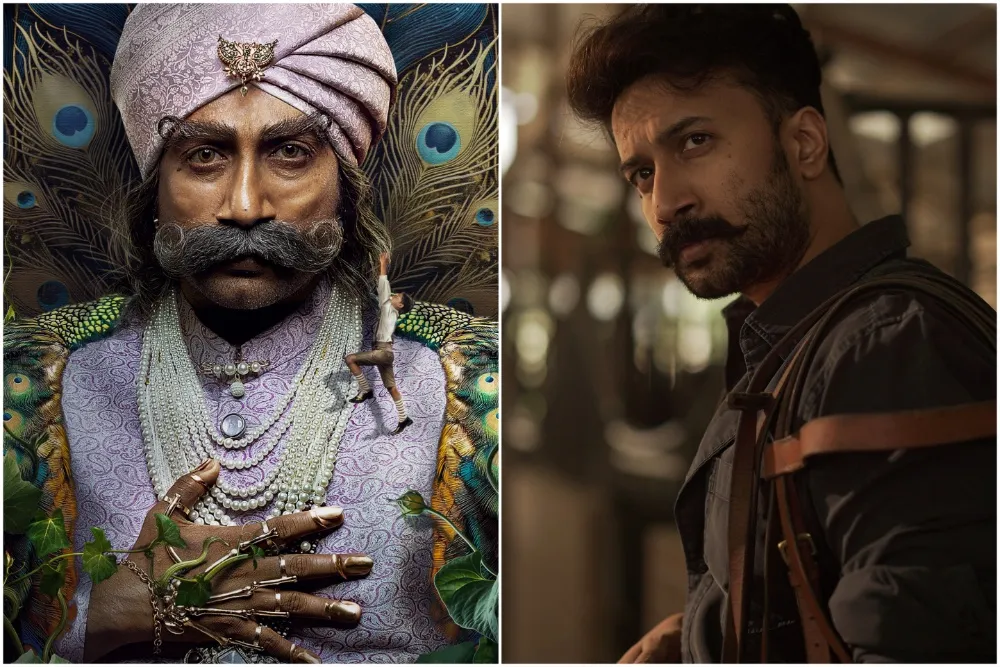
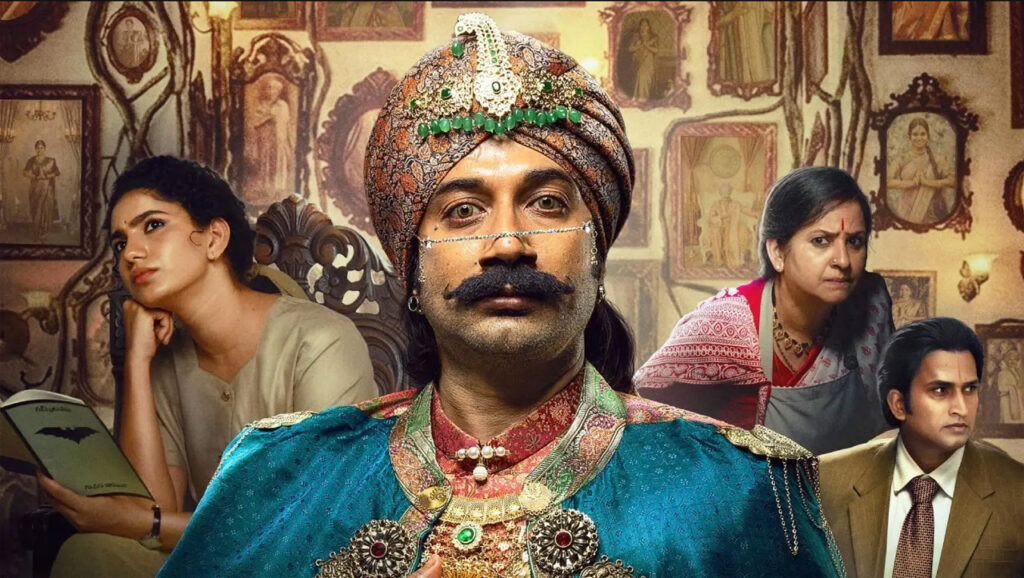
The world of Rao Bahadur takes a while getting used to, but the movie slowly draws you in and after a point the viewers become completely engrossed. Venkatesh Maha continues to show why he is a distinctive storyteller. Through a tale of aristocracy, the director does a fantastic job in critiquing casteism, colorism and a certain obsession with lineage among others. Satyadev in the titular role throws himself fully delivering one of the best performances in 2026. Kudos to Mahesh Babu for turning a presenter to this unique experiment
Production Companies: A+S Films, Sricharkas Entertainments, Mahayana Motion Pictures etc
Music: Smaran Sai
Cinematography: Kartik Parmar
Running time: 2 hours and 50 minutes
Venkatesh Maha’s debut movie C/o Kancharapalem is one of the finest experimental movies in Telugu. Through an anthology format Venkatesh Maha explored the social issues of caste, class barrier and religion. The movie won a lot of acclaim and rightly so. He followed C/o Kancharapalem with another engaging movie Uma Maheswara Ugra Roopasya with a brilliant Satyadev. Though a remake of a Malayalam movie the movie was still a compelling tale for the original movie fans too. After a significant gap Venkatesh Maha is back with another distinctive film, the scale of Rao Bahadur is of course bigger than Venkatesh Maha’s previous ones, but the director’s social vision is visible in numerous sequences.
The story of Rao Bahadur without much spoilers focuses on an aging aristocrat. Satyadev is Bhuvanam Ramappa Rao Bahadur. He is a royal figure stuck in the past. As the plot progresses the viewers are introduced to a haunting family history. What is this family mystery and why Rao Bahadur is the way he is forms an important core of this ambitious experiment.
As already mentioned Rao Bahadur takes a while getting used to. The fractured mental state of the titular character needs some patience to grasp. For some Rao Bahadur’s theatrics will feel silly but as the plot progresses with the back and forths it slowly starts to grip the viewers. The flashback portions of the younger Rao Bahadur give a solid psychological insight into how he goes from a reluctant royal heir to getting deeply stuck. Some important twists at the end come across as a genuine shocker, along with shock value these mirror the movie’s themes perfectly too.
A strong aspect of Rao Bahadur apart from Satyadev are its hard-hitting dialogues reflecting different societal aspects. These are a mix of subtle satire, dark humor and in some cases philosophical undertones. Following are a couple of important ones.
“Okkapudu na prapancham kooda chala vishalaanga anipinchedandi manam peddayye koddi adi chinnadai pothundi shariraka edugudhala valla anukuntam kani manasikanga edagapovadam valla ani teluskondantaru.” The English translation of this is (“The world once seemed vast to me as we grow older it gets smaller. We think it’s because of physical growth, but everyone should realize its due to the lack of mental growth.”). Through this dialogue Venkatesh Maha talks about shrinking mindsets fueling discrimination.
Another important dialogue this time reflecting a royal heir’s psychological toll goes like this. “Rao ante Prince and Bahadur ante brave. Rao Bahadur ante dhairyam gala yuvaraju ani ardham, Bhayalu, bramalu, oohalatho vila vila ladi pothu unthadu ayana. The English translation of this is Rao means Prince and Bahadur means Brave. Rao Bahadur means a brave prince, and he is plagued by fears, delusions and hallucinations. This dialogue perfectly showcases the intense vulnerability and insecurity due to a certain social conditioning.
The technical department is another major strength of Rao Bahadur. The production design perfectly reflects the fading grandeur of Rao Bahadur’s world. The concept of magic realism plays a key role in reflecting Rao Bahadur’s inner turmoil; this is further enhanced by both the production design and cinematographer Kartik Parmar. The images create an immersive experience as much as the dialogues.
However, Rao Bahadur wouldn’t be what it is without Satyadev’s bravo performance. His portrayal of confusion, vulnerability and the psychological trauma is simply first class. Satyadev once again shows why he is one of the best actors that we have. The actor deserves all the accolades for a job extremely well done.
The supporting cast also pitch in some wonderful performances. Vikas Muppla as a doctor cum friend gives solid support to Satyadev. Whether it’s patiently trying to understand his friend’s eccentric behavior or getting frustrated. Deepa Thomas as Renuka also shines whether it’s the scenes of warmth in the early flashback to a simmering anger at Rao Bahadur’s changing behavior. Bala Praasar playing the house help Acchamma raises chuckles with her comic timing. Venkatesh Maha also has a fun extended special appearance and the director cum actor nails the quirks.
The songs by Smran Sai are of a fine order too. It enhances the emotional undercurrents as well as the whimsical nature of the proceedings.
Final word: Rao Bahadur is more of a puzzle gradually decoded rather than a mainstream thriller. For fans of psychological dramas and Satyadev Rao Bahadur this is very much a ride worth embarking on.
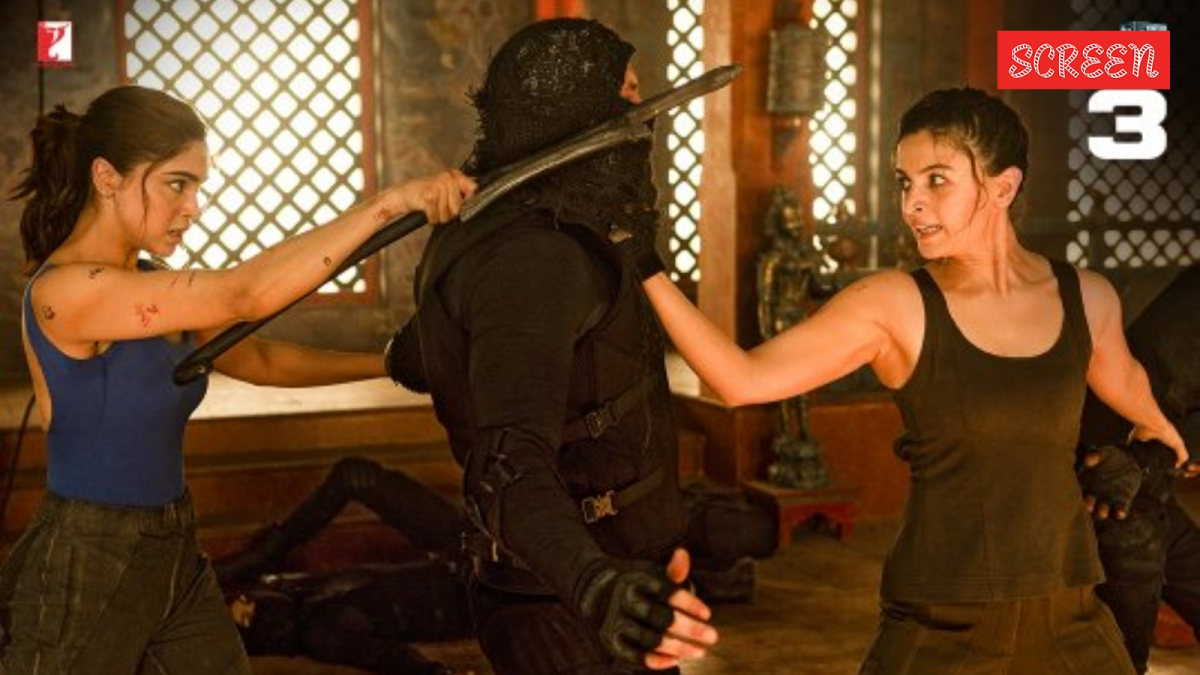
Shiv Rawail and Uday Chopra succeed in presenting two badass women. The dynamics of estranged siblings is the film’s beating heart. Sharvari matches Alia step to step whether its the hand-to-hand combat or the emotional sequences. Bobby Deol, Anil Kapoor and Dibyendu Bhattacharya also lend gravity to their respective parts. But the father and daughter thread needed stronger writing, also a Dhurandhar like twist feels forced. Yes, the scenarios leading up to the revelation is interesting but in the eventual scheme of things it feels like a hurried addition
Starcast: Alia Bhatt, Sharvari Wagh, Bobby Deol, Anil Kapoor, Dibyendu Bhattacharya and others
Genre: Action thriller/drama
Director: Shiv Rawail
Story: Uday Chopra
Screenplay: Shoumik Shukla and Sridhar Raghavan
Dialogues: Ishita Moitra
Producer: Aditya Chopra
Production House: Yash Raj Films
Songs: Rohansh and Abeer Pandit
Cinematography: Rubais
Running time: 2 hours and 20 minutes
The spy journey of Yash Raj beginning with EK Tha Tiger has seen a roller-coaster of a journey. It has been a mix of massive highs and huge lows. Until Pathaan all the movies were commercial blockbusters but with Tiger 3 everything changed. Tiger 3 was a reasonable success but nowhere close to the blockbuster status of Pathaan and War among others. War 2 was a bigger dud than Tiger 3 with a lot of criticism on similar visual aesthetics, the matters got further compounded with the mega success of Dhurandhar movies. Shiv Rawail’s Alpha’s comes at an extremely crucial moment for the future of spy verse as well as Alia Bhatt. The actor’s previous tryst with action Jigra couldn’t do much at the box office and Alpha is likely to go the same way. The movie has solid action and good performances but the writing tapers off after some solid world building.
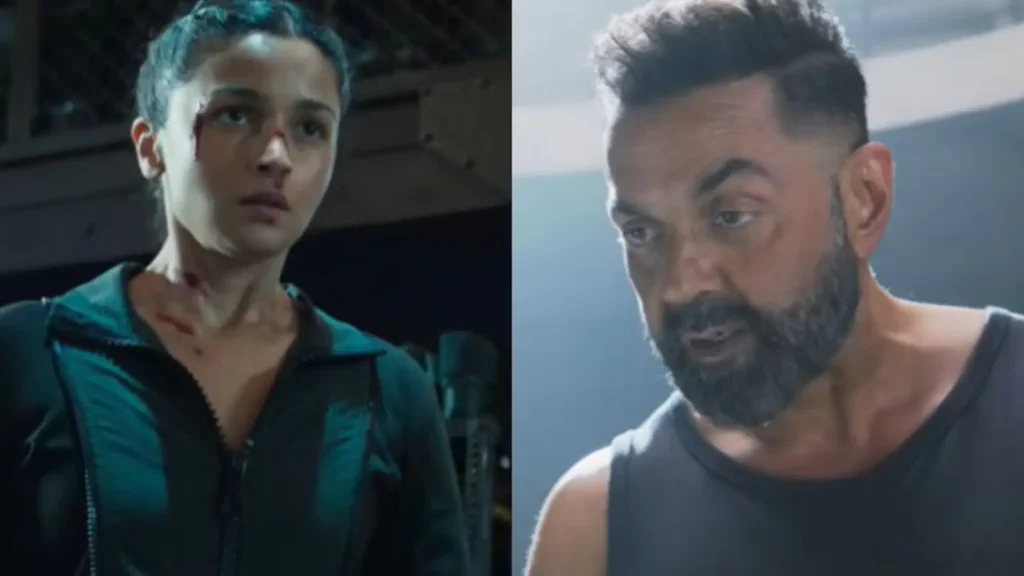
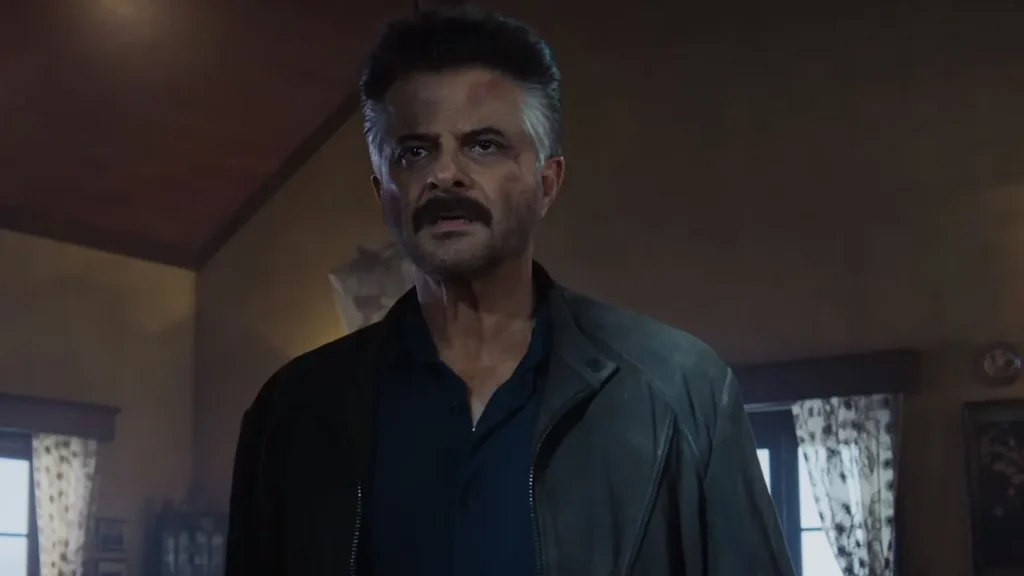
The story of Alpha begins with the aftermath off 1999 Kargil War. Bobby Deol is commander Fateh Sing Lakawat. He trains Alia Bhatt’s Sita with a very potent Alpha serum. Sita grows up to be a ruthless assassin following her adopted father’s commands without much questioning. Anil Kapoor plays RAW Cheif Kaul. Kaul was a part of Fateh’s Alpha program, but a particular incident leads to Kaul distancing himself from Fateh Singh. Sharvari Wagh plays the estranged twin sister Durga. Last but not the least Dibyendu Bhattacharya is a scientist cum partner to Fateh. In simple terms the film focuses on how Sita’s life changes after a crucial revelation and how the estranged siblings eventually team up taking down Fateh and save India.
The beating heart of Alpha as already mentioned is the strong sisterhood between Alia and Sharvari. The two have contrasting personalities in terms of how they look at life. Durga like Sita has also grown without mother’s love as Kaul’s wife played by a radiant Dia Mirza, the character dies while giving birth to the twins. However, their lives have shaped up differently due to the contrasting atmospheres. Fateh has trained Sita as a cold-blooded assassin not getting himself emotionally involved. A particular sequence of Sita 18th birthday with Fateh giving the first assignment is a perfect example of this.
The impact of Fateh’s upbringing can be clearly seen in Sita’s initial interactions with both Kaul and Durga. A situation comes where the two have to stick it out together and here Sita’s coldness gradually evaporates and by the end the two have developed a strong bond. This gradual process has come out in a solid manner. It also helps that Sharvari is positioned as an equal and not a mere sidekick. The young actress does a fantastic job in the scenes of physical agility as well as the few poignant moments. Alia Bhatt gets into the skin of a trained assassin with panache; at the same time, she is her usual competent self in the scenes of vulnerability. Alia and Sharvari together lift the movie’s muddled screenplay with their camaraderie. A mention must also be made of a pre interval action block with the two taking on each other unaware of being sisters. The fight has been solidly choreographed with some raw action.
Bobby Deol as the primary antagonist plays the part with the required ruthlessness. While the part is no Bandar in terms of the different shades Bobby still makes for a formidable villain. The deep baritone voice coupled with the overall physical demeanor is a treat to watch. Anil Kapoor continues his golden form with another solid act. In spite of the hurried writing the veteran actor brings in an emotional resonance in his scenes with both Alia and Sharvari. Dibyendu Bhattacharya is also impressive within his limited screen time. His sequence with the adult Sita deserves a specific mention. Hrithik Roshan as Kabir shows too up in an extended cameo. The actor brings his usual swagger and style, his interactions with Alia and Sharvari have some interesting moments.
The action sequences are another highlight of the movie. The pre interval block and the climatic fight deserve a special mention. Yes, the closing fight feels stretched but the raw action with Alia and Bobby combating has been wonderfully staged. As viewers you fear for Sita and the scene of her finally pinning down Fateh serves as a perfect culmination.
A major flaw with Alpha is the loose writing when it comes to the father and daughter dynamics, whether it’s Sita’s equation with her adopted father or the biological one. There is a sense of hurry in the way the interpersonal relationships are introduced and then left hanging only to be revisited later.
This juggling act of action and emotion doesn’t land seamlessly. The second half in particular seems in a rush for Alia taking on Bobby. As a result the emotions don’t stir the viewers the way it should.
Alpha also suffers from a Dhurandhar hangover. A crucial twist related to the actual identity of Bobby’s Fateh Singh feels like a last-minute addition to please the deshbhakts. But this twist though shocking isn’t likely to please even the most patriotic ones.
The music with its mix of Hindi and English lyrics doesn’t work either. Sharvari’s introduction song for example just doesn’t land.
Final word: Alpha deserves marks for trying to something different within the spy verse formula. But the inconsistent writing makes it difficult to root. Having said that it makes for a fun watch especially for those who like seeing strong women saving the day.
The third part of this enjoyable franchise has a strong-willed protagonist and a villain modeled on Robin Hood. As an investigative thriller the film lacks the required finesse. There are stretches with the detective elements taking a complete backseat. Having said that the romantic subplot coupled with the political intrigue makes it an enjoyable watch
Starcast: Millie Bobby Brown, Henry Cavil, Louis Patridge, Helena Bonham Carter, Sharon Ducan Brewster and others
Genre: Mystery
Director: Philip Bartani
Screenplay: Jack Thorne
Based on: The novel Enola Holmes Mysteries by Nancy Springer
Producers: Mary Parent, Millie Bobby Brown etc
Production Houses: Legendary Entertainment and PCMA Productions
Cinematography: Matthew Lewis
Running time: 1 hour and 50 minutes
Streaming site: Netflix
Enola Holmes films holds a unique space for its portrayal of feminism in a detective genre. Through the three movies we have a female protagonist going beyond the archaic traditions. In the first two films the viewers saw Enola embarking on various adventures and gradually coming out of her brother Sherlock’s shadow. By the time we come to this part Enola has firmly established her identity as acknowledged by her brother in the closing portions. EH3 is set around the sudden disappearance of Sherlock during Enola’s wedding day. The story in simple terms is about how Enola rescues Sherlock while learning the delicate balance between love, family and a sense of purpose. A political thread running simultaneously is colonialism and how this forces some to become extremists.
A strong aspect of EH 3 is the characterization of actor/producer Millie Bobby Brown. Her character comes with different shades in comparison to the previous ones. Yes, Enola is no longer the impulsive teenager out to prove a point. She has earned respect with her intelligence and courage. Having said that adulthood comes with its own things. Enola’s struggles of balancing her fiercely independent nature, while wanting to settle down with Louis Patridge Tewkesbury gives EH3 some of its best moments. Millie Bobby Brown nails the conflicting emotions making Enola’s coming of age an enjoyable journey.
Louis Patridge as Tewkesbury isn’t reduced to a bystander at any moment. He gets a solid arc of his own especially a crucial revelation about his father’s dark side. The romantic scenes between him and Millie Bobby Brown have some lovely moments with good depth. In short Louis Patridge gives major boyfriend goals with his portrayal of steadfast love.
The dynamics between Sherlock and Enola has also been well done. The climatic portion of Sherlock finally acknowledging Enola as his equal with some heartfelt dialogues pack a solid punch. Henrey Cavil makes a strong impact in this particular stretch.
Another interesting aspect of EH 3 is the political subplot spun around the investigation. Sharon Duncan Brewester playing Moriatary isn’t your stereotypical villain. Her villainy stems from anger towards class privilege and imperial injustice. Yes, Moriatary is ruthless and not likeable having said that her distaste towards colonialism has some valid points.
A major problem with EH 3 is the familiar technique of Enola speaking to the audiences. There was a certain novelty to this technique in the first two parts but here it comes across as laborious. Another issue with EH 3 are the underwritten detective portions.
The juggling act of romantic thread with Enola’s investigation doesn’t blend seamlessly. As a result, the eventual solving doesn’t hit the required high notes. Equal focus on both with a different running time would have benefitted EH 3 more.
Final word: Keeping aside the flaws Enola Holmes 3 makes for a fun weekend watch with a strong feminist aspect.
Movies, in general, tend to carry social undertones of various kinds. Sometimes these are overtly explicit, in other cases they emerge subtly through subplots. These social undertones aren’t confined to just the serious stuff, sometimes it can just be a fun rom com like this year’s Godavari Gattu Paina. On the surface, the film’s plot is threadbare, but within that lay some interesting nuances. One of the most notable is its underlying theme of religious inclusivity. This is conveyed seamlessly through the hero’s close friends, who are Muslim and Christian respectively. The film also features an important scene in which the mother character emphasizes that belonging to a different religion is neither a barrier to love nor a valid reason to oppose marriage. Rather than feeling preachy, the message is woven naturally into the narrative, making it all the more effective.
Mahesh Narayan’s globe-trotting Malayalam film Patriot also explores the theme of religious inclusivity, anchored by the strong on-screen friendship between Mammootty’s Dr. Daniel James and Mohanlal’s Rahim Naik. Through their bond, the film conveys the symbolism of unity in diversity in a powerful manner. Patriot also features strong female characters in brief yet significant roles, particularly those played by Revathy and Nayanthara. Revathy, especially leaves a lasting impression as a determined Chief Minister, projecting both understated authority and quiet strength.
2026 has, so far, witnessed an interesting mix of social themes. From the ecological fable Sing Geetham to the poignant story of displacement in Main Vaapas Aaunga, filmmakers have explored a wide range of contemporary and historical concerns. At the same time, big-budget productions like Peddi have also engaged with socially relevant ideas, focusing on themes of identity, dignity, and aspiration through the journey of a crossover athlete. What follows is a brief exploration of some of the key social themes emerging from Hindi, Telugu, and other language films released this year.
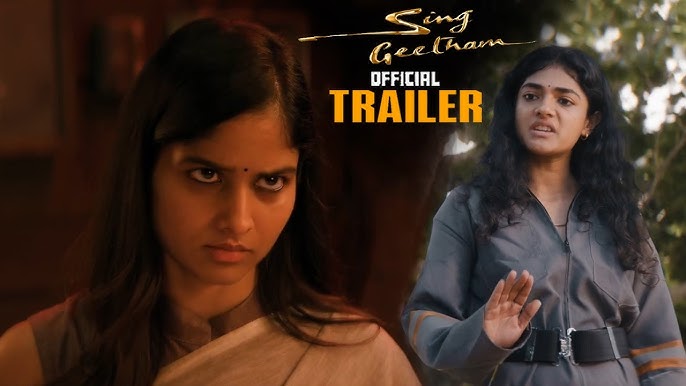
Maverick director Singeetham Srinivasa Rao’s latest film, Sing Geetham, tackles weighty themes such as mining, environmental destruction, and humanity. While these subjects could have resulted in a heavy-handed drama, the film stands out for its fable-like narrative structure giving the story a distinctive charm. Several scenes evoke the harsh realities of mining and the large-scale destruction of forests in the name of development. Another aspect that makes Sing Geetham special is its strong focus on women, particularly Ahilya Bamroo’s Gauri and Shalini Kondepudi’s Renu. Gauri, a spirited environmental activist, and Renu, a shrewd businesswoman, emerge as the story’s driving forces. Their contrasting ideologies shape the narrative and are brought to life through a series of compelling and thought-provoking confrontations.
Imtiaz Ali’s Main Vaapas Aaunga is much more than just the horrors of Partition. It also serves as a poignant reminder of the displacement and devastation caused by the wars unfolding across the world today. The film explores the loss of humanity as people are swept into an endless cycle of violence, a theme that comes through powerfully in several scenes of second half. By the end, we realize that despite the passage of decades, very little has changed. This realization makes Main Vaapas Aaunga a timely watch for our times
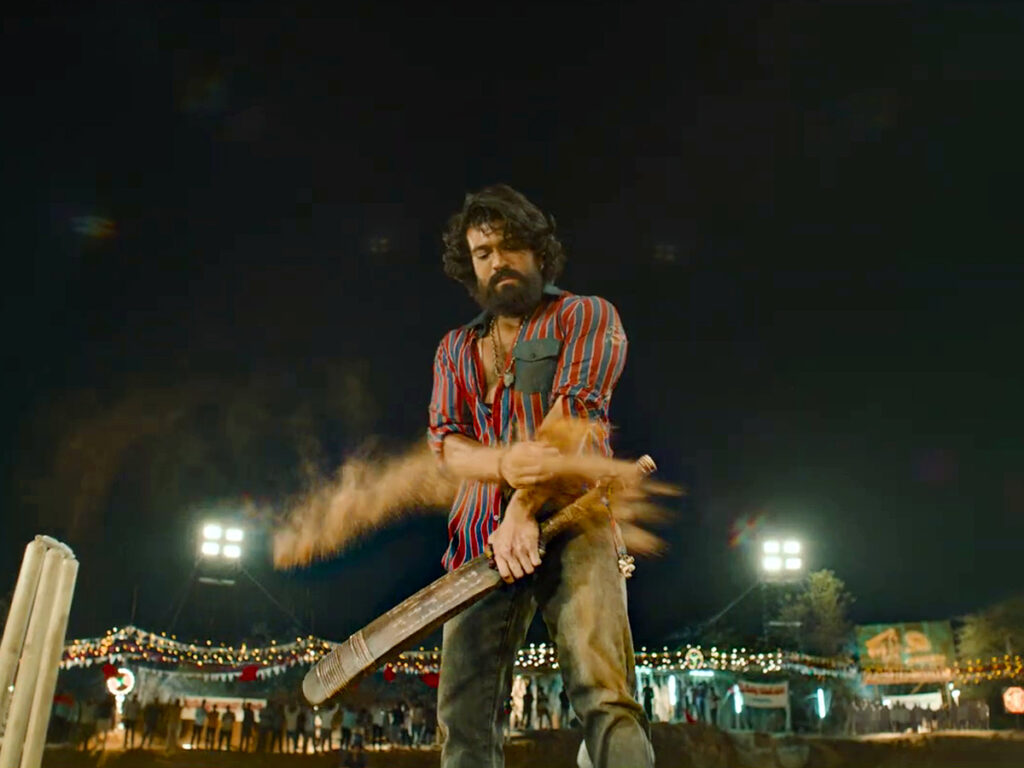
Buchi Babu Sana’s Peddi demonstrates how a mainstream star vehicle can also possess a meaningful social core. While the heroine’s characterization leaves much to be desired, the film’s exploration of dignity and identity carries universal appeal. The story portrays caste discrimination through an oppressed community that lacks even basic civic amenities such as proper roads and railway access. The casteist insults endured by Ram Charan’s Peddi and his community make their eventual triumph all the more satisfying.
Another underlying theme of Peddi is sports as a great unifier. This is wonderfully conveyed through the oppressed community watching the Paralympics match in an upper caste man’s house, this person until then treats them with distaste but the medium of sports breaks that barrier.
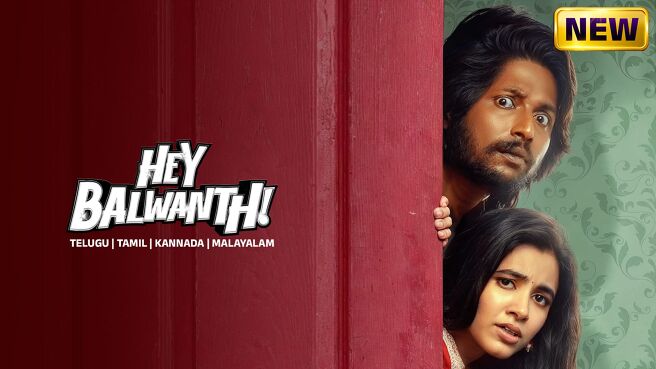
Gopi Atchara’s Hey Balwant occupies a unique space among this year’s films. At its heart, it is a father-son drama, but it also offers a compassionate portrayal of sex workers. The lodge run by VK Naresh’s Balwant becomes a character in itself, carrying years of history and emotional significance. There is a police officer whose mother was one of the numerous prostitutes. He talks about how Balwant helped him with his studies, an important reason for his growth.
The film also examines society’s attitudes towards women in this profession through the characters played by Suhas and Shivani Nagaram.
One important scene features Suhas casually asking a sex worker on “why don’t you find” some another job, exposing his ignorance about the realities forcing some women into such work. Another important sequence sees Shivani Nagaram’s Mithra blaming the lodge for her grandfather’s visits to sex workers, rather than holding him accountable for his own choices. Through these moments, the film critiques society’s tendency to judge women while excusing men.
AR Sajeev’s Om Shanti Shanti Shantihi shares thematic similarities with Rahul Ravindran’s Girlfriend in a slice of life zone. Though a remake of Jaya Jaya Jaya Hey OSSS has a strong social core, an important theme explored in the movie is the power dynamics. The patriarchal hierarchy with women also enabling it has parallels with numerous households. A specific mention must be made of a sequence involving Esha Rebba’s Prasanthi and her on screen mother. When Prasanthi complains about her husband’s beating, she defends the son- in law by using Sandeep Reddy Vanga’s real life comment on how physical violence is an expression of love. This scene gives a perfect insight into a certain kind of social conditioning.
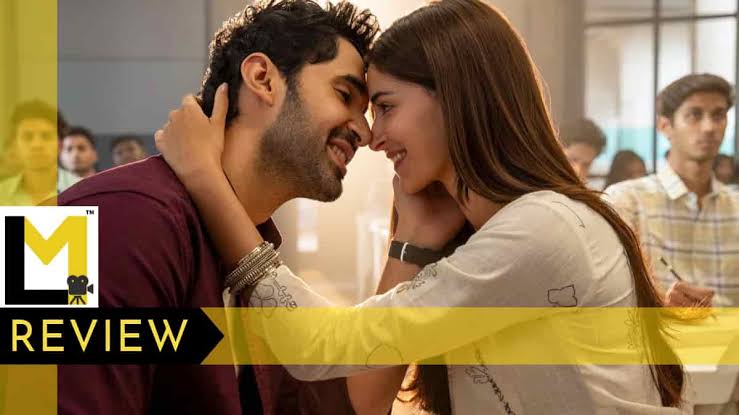
Vivek Soni’s Chand Mera Dil unfolds like a spiritual companion to Thappad. Through Ananya Panday’s Chandini, the film explores self-respect, personal identity, and emotional independence. Ananya Pandey’s Chandini is someone who doesn’t compromise on her identity in order to preserve her relationship. She carves out her own space as a single mother. The film doesn’t celebrate the violent snap of Lakshya Lalwani’s Aarav; it makes him work hard to earn the relationship back.
Cheekatilo, streaming on Amazon Prime Video, examines society’s treatment of sexual assault survivors. It critiques the tendency to blame victims while also exposing the voyeuristic gaze of sections of the media. The film’s emotional impact is heightened by the fact that only two survivors come forward to share their experiences, reflecting the harsh reality that many victims go through due to fear and stigma.
Two notable Hindi OTT releases this year, Accused and Maa Behen, also offer compelling gender perspectives. Both are streaming on Netflix and focus on a certain kind of perception. In Accused Anubuthi Kashyap does an interesting gender flip with the backdrop of Me Too. Here the accused is a woman Geetika Rao (Konkana Sen Sharma), she is a top doctor who has worked hard to reach this position. Through this gender flip Anubuthi presented a a nuanced picture on how men feel threatened by woman in power. This is perfectly summed up in the following dialogue. “Jab aadmi successful hota hai to hum kehta hain deserve karte hain. But when a woman reaches a powerful position, we doubt Aisya Kya Kiya Hoga. A dramatic sequence featuring this dialogue sums up the underlying social theme. Another interesting aspect of Accused is the same sex relationship and how Pratibha Ranta isn’t reduced to just a supportive spouse. Their dynamics are treated in a matter-of-fact way like any normal couple in the same circumstances.
Maa Behen on the other hand has scenes of gossip culture and how society judges those not conforming to what they think is appropriate. A strong example of this is the rumours spread on Madhuri Dixit Nene’s Rekha, a non conforming widow living life on her own terms. There is also a social angle similar to Jeo Baby’s The Great Indian Kitchen. Tripti Dimri’s Jaya is someone caught in a suffocating cycle of an oppressive marriage. Through her character and her eventual rebellion director Suresh Triveni explores the emotional exhaustion a regular housewife goes through.
Among the Tamil Films Made in Korea and Thaai Kizhavi deserve a special mention for their tackling of social themes related to gender. Made in Korea celebrates female solidarity through the friendship between a young Tamil woman and a Korean woman. Priyanka Mohan’s character evolves into a stronger, more self-reliant individual because of this relationship.
Thaai Kizhavi presents an equally compelling feminist narrative within a rural setting. It emphasizes the importance of women’s financial independence while also briefly addressing remarriage. Radhika Sarathkumar’s character undergoes a fascinating transformation from someone initially perceived as a ruthless moneylender into a self-made matriarch who inspires other women to shape their own destinies.
Among English-language films, three releases stand out for their social themes: Obsession, The Devil Wears Prada 2, and The Bride.
Obsession uses psychological horror to examine autonomy and emotional dependency. Through supernatural elements, director Curry Barker explores the gradual erosion of Nikki’s individuality. Initially an aspiring writer, she slowly loses her sense of self as emotional dependency takes over her.
The Devil Wears Prada 2 examines the changing landscape of digital journalism, touching upon sponsored content, clickbait culture, and editorial compromise. It also subtly explores female solidarity through the evolving relationship between the characters played by Meryl Streep and Anne Hathaway.
The Bride presents feminism through the lens of gothic romance. Jessie Buckley’s Ida is created as a companion for Christian Bale’s Frank, but over time she develops into a complete individual. The film argues that a woman’s identity should never exist solely in relation to someone else.
Taken together, these films demonstrate that cinema in 2026 continues to move beyond mere entertainment. Interestingly, many of the year’s strongest social commentaries have emerged from small and medium-budget productions featuring newcomers or actors outside the mainstream star system.
Sing Geetham and Main Vaapas Aaunga exemplify how middle-of-the-road and alternative cinema are currently producing some of the year’s most meaningful storytelling. Their ability to earn both appreciation and commercial success is an encouraging trend for Indian cinema.
Mainstream big-budget films, however, still have considerable ground to cover, particularly in terms of gender representation. Peddi, despite its powerful exploration of dignity and caste discrimination, fails to extend the same sensitivity to its female lead.
Similarly, films dealing with patriotism and history have increasingly become vehicles for ideological agendas. A prominent example is Dhurandhar 2: The Revenge. In contrast, both Main Vaapas Aaunga and Dharmendra’s Ikkis foreground humanity across borders, emphasizing compassion over divisive nationalism. Their humane perspective serves as a reminder that cinema can engage with history, not reducing it to an “us versus them” narrative.
Unlike the last two seasons this installment scores less on humor. Having said that the use of parallel world and the realizations undergone by the three protagonists makes the third season a compelling watch. The trio of Priyadarshi, Abhinav Gomatam and Chaitanya Krishna successfully take off from the previous seasons. They slip into their respective parts with practiced ease while also portraying the new variations in a wonderful manner
Writers: Pradeep Adviatham, Vijay Namoju and D.S Gautam
Creators: Mahi V Raghav and Pradeep Adviatham
Music: Ajay Arsada
Cinematography: S.V Vishweshwar
Producers: Shiva Meka and Sahiti Chintalapadi
Production Company: Three Autum Leaves
No of episodes: 7
Streaming site: Disney+Hotstar
Save The Tigers holds an important place among the numerous streaming shows. A major reason for that is its exploration of marital life from different angles. This time too creator Mahi V Raghav gives a fresh spin to a familiar territory. The web series takes the famous English quote “Grass is Greener on the Other Side” and makes it an underlying theme in the realization journey of the three frustrated husbands. In the previous two seasons they were constantly questioning their married lives, but the twist of a parallel world where they temporarily take the place of their doppelgangers brings a significant change in them. These portions give Season 3 its best moments
Season 3 begins with a kidnap scenario, the details of which are better explored while watching. Then we move to a flashback setting up the frustration of Ghanta Ravi, Rahul and Vikram. Ghanta Ravi (Priyadarshi) has moved to a gated community and is struggling to cope with the new atmosphere, Rahul (Abhinav Gomatam) is stuck in a job which he hates. Finally, Vikram (Chaitanya Krishna) is having a difficult time due to the divorce scenario. One particular night the three in a state of alcohol question the god above. Vennela Kishore plays Lord Indra; Lord Indra decides to give them a fresh start with the help of Gundu Sudharshan’s Chitragupta. What follows is chaos mixed with a life changing swap.
As already mentioned STT 3 is less funny in comparison to the previous seasons. This takes a while to adjust, also the reestablishment of familiar domestic conflicts and character dynamics needed to be crisper. There are stretches too where the story seems to be going in circles.
However, the show finds its rhythm once the fantasy concept sets in fully. The new world in which our protagonists find themselves in give a fresh angle rather than simply recycling old arguments. The shows best moments are those when the three men introspect about their constant complaining and realize the invisible effort of their wives in holding their respective marriages together.
The fantasy of Grass being Greener on the other side isn’t used for just surface level. It acts an important catalyst for our protagonists to change. This has come out solidly in the season’s latter half.
The underlying themes of gratitude, companionship and the need for empathy in a successful marriage has come out in a subtle but very effective manner. Along with the theme of marriage the web series also throws light on parenting and respecting female perspective. These themes again have been seamlessly integrated into the narrative rather than just a sudden add on.
The new characters give their own charm especially Gundu Sudharshan and Vennela Kishore. Gundu Sudharshan lends in the right amount of mischievousness and his interactions with Vennela Kishore raise ample chuckles, the conversations between the two give also give an important insight into the marriage system. Vennela Kishore too does a fine job as Lord Indira. His punchlines in particular are a riot. Jhansi as the judge also has her moments especially her dialogues about the process of divorce.
However, the major spine of STT 3 continues to be Priyadarshi, Abhinav Gomatam and Chaitanya Krishna. Whether it’s the role frustrated husbands going through realization or the doppelgangers they don’t miss a single beat. The chemistry is once again spot on elevating the bumpy patches. The women also leave a significant mark whether it’s the wives or Jabardasth Rohini as Rahul’s maid. The interactions of Abhinav Gomatam and Rohini have a different dynamic as Rohini’s character is part of the parallel world too. Rohini gets a solid mass moment too where she saves our hero’s, and this adds a nice touch.
The score of Ajay Arasda complements the comic and emotional moments well. The cinematography of S.V Visheshwar is suitably glossy in the portions of Lord Indra.
Final word: STT 3 is an interesting mix of fantasy with some important lessons on what it takes to sustain marriage. Definitely worth watching for the message and the actors.
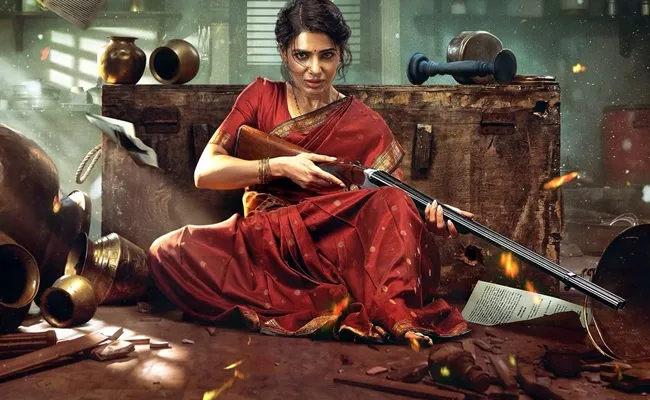
MIB largely rides on Samantha’s all round show and Gulshan Devaih’s sinister villainy. The writing though falls significantly short in two key stretches. One the husband-and-wife relationship, and second a rather hurried origin story with the angle of naxalism. Keeping the shortcomings aside MIB makes for a fun popcorn entertainer especially for those who have liked Samantha’s action avatar. Nandini Reddy and Raj Nidimoru tackle some interesting gender themes in a typical joint family set up
Starcast: Samantha, Gulshan Devaih, Manjusha Mukkavalli, Sreemukhi and others
Genre: Action/drama
Director: BV Nandini Reddy
Writers: Raj Nidimoru and Vasanth Maringanti
Music: Santhosh Narayanan
Cinematographer: Om Praksh
Producers: Samantha, Raj Nidimoru and Himank Reddy Duvvuru
Production Company: Tralala Moving Pictures
Running time: 2 hours and 34 minutes
The Baasha template of a man with violent past is one of the most overused tropes in Indian cinema. Numerous male stars have attempted this with a fair amount of success. Rajinikanth himself has had many reiterations of the same especially the 2023 smash hit Jailer. BV Nandini Reddy along with the writers take the core of Baasha and add a tadka of Family Man Season 2. The origin story with the angle of naxalisam bears a striking resemblance to the LTTE angle in that web show. In one way the movie feels like what if Samantha’s Raji had left the movement and found a loving husband. Keeping aside the comparisons Maa Inti Bangaram is a treat for Samantha fans even though the storytelling doesn’t fully soar.
The story of MIB focuses on Samantha’s Swarna/Jhansi. Swarna is a far cry from the typical daughter-in laws of a joint family. Dignath Manchale plays Swarna’s husband Anirudh, he had gone against his family and married Swarna. How they fell in love is hardly touched upon and this is something which I will get to later. Coming back to the story Anirudh and Swarna come for a family wedding amidst a somewhat hostile atmosphere. How Swarna wins over her in laws while tackling an extremist leader/angsty ex-lover is the main story of Maa Inti Bangaram.
It goes without saying that MIB largely relies on Samanth’s star power and the actress doesn’t disappoint one bit. Whether its kicking goons, the emotional vulnerability or the comic portions she doesn’t miss a single beat. Samanth’s prowess in action is something that we have already seen, still its a delight to watch Samantha take on the bad guys with absolute conviction. A special mention must be made of the climactic fight filled with gun shots and hand to hand combats. At the same time, Samantha does a fantastic job in the emotional sequences too like the one where Swarna reveals important details about her past, in the same scene she also questions the typical matrimonial ads describing the qualities so-called perfect daughter- in-law.
The comic sequences too are a riot. Her scenes with Manjusha Mukkavalli raises ample chuckles like the portion of emotional manipulation. In a couple of sequences there is also a perfect mix of humor with tension. For example, there is a portion of Swarna and Manjusha’s character desperately trying to put away a dead body. Manjusha makes her presence amply felt in spite of sharing screen space with Samantha.
Sreemukhi as the orthodox daughter in law typically seen in numerous joint families also makes a striking impact. In scenes of jealousy, she particularly stands out. Gulshan Devaih as the hurt lover Karuna makes for a striking villain. His dynamics with Swarna has been fleshed out much better in comparison to the husband-and-wife relationship. A portion worthy of mentioning is Karuna taking jibe at Swarna’s domestic avatar saying that did he train her for this and how she is wasting herself. On a side note, it would be good to see Swarna playing an active part in her father in laws political activities if a sequel is made, while carrying on the duties of a wife/daughter-in law. Among the rest veterans Gautami and Sri Lakshmi do a fair job within the confines of their roles.
A major flaw with Maa Inti Bangaram is the haphazard integration of the Naxalite angle. The socio-political complexities of a then important movement is reduced to a mere side note. The nuance is absolutely lacking in how Nandini Reddy along with the writers have presented the social scenarios leading to naxalism.
Another big issue is the lack of meat in the husband-and-wife relationship. The process of Anirudh and Swarna falling in love is never shown, we just get a couple of mentions in Swarna’s words, but more depth was required. This aspect sticks out even more glaringly given that Anirudh had gone against his parents to be with Swarna, so a much better exploration of how they fell in love was needed.
Maa Inti Bangaram features only one song which is the energetic Thaasadiya. The upbeat tune coupled with Samanth’s free flowing dance moves makes for a nice watch visually. Om Prakash’s cinematography stands out in the climatic fight.